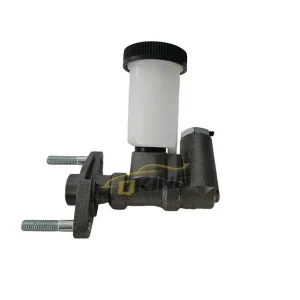
Direct supply of certified replacement assemblies matching precise Ethiopian automotive import and regional road safety standards.
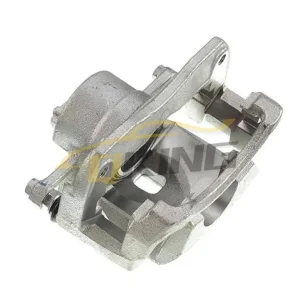
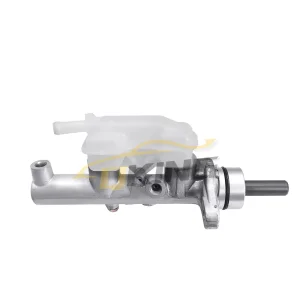
Analysing industrial growth, infrastructure dynamics, and the commercial fleet requirements of East Africa's fastest-growing economy.
Ethiopia's automotive landscape is defined by unique macroeconomic dynamics. With high import tariffs on fully assembled, brand-new passenger cars, the local market exhibits a massive reliance on imported pre-owned vehicles. As a result, the average fleet age of commercial minibuses (like the omnipresent Toyota Hiace), cargo pickups (such as the Toyota Hilux), and municipal transport vehicles is significantly higher than the global average. Under these circumstances, high-quality, durable automotive spare parts are not merely aftermarket upgrades—they are essential components for daily transport and national logistics.
Furthermore, Ethiopia's topography features dramatic altitude variations, ranging from high-altitude highlands like Addis Ababa (over 2,300 meters above sea level) to deep rift valley depressions. This extreme terrain puts immense thermal and physical stress on hydraulic brake systems. Continuous descents on steep mountain passes require brake master cylinders, wheel cylinders, and calipers to perform flawlessly under sustained high temperatures. Standard aftermarket parts often suffer from premature piston seal degradation, leading to brake pressure loss or system failure. Qiujing's high-temperature, corrosion-resistant formulations represent a vital upgrade in safety and longevity for Ethiopian operators.
Specially designed rubber seals and alloy pistons that withstand high-pressure spikes during prolonged descents on Ethiopia's mountainous highways.
Produced in strict compliance with international automotive standards, ensuring 100% component-to-vehicle interchangeability with genuine Toyota parts.
Avoid regional trading markups. Import directly from our 6,000m² manufacturing facility in China with dedicated custom transit support.
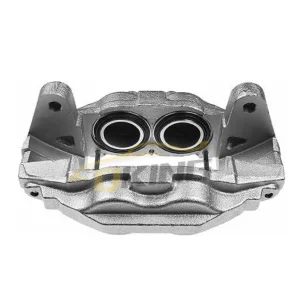
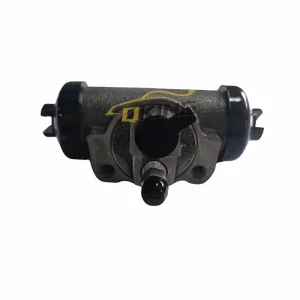
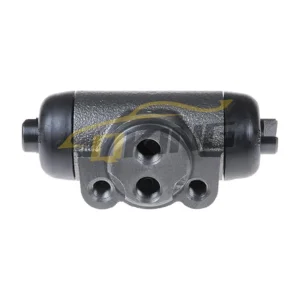
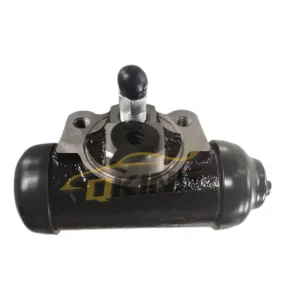
Explore our highly integrated range of manufacturing capacities, supplying key replacement parts for Toyota and global automotive designs.
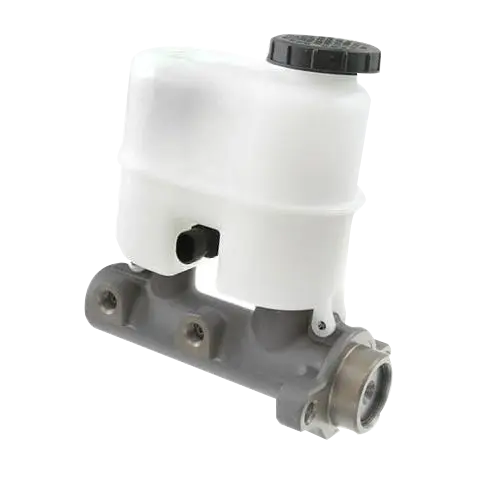
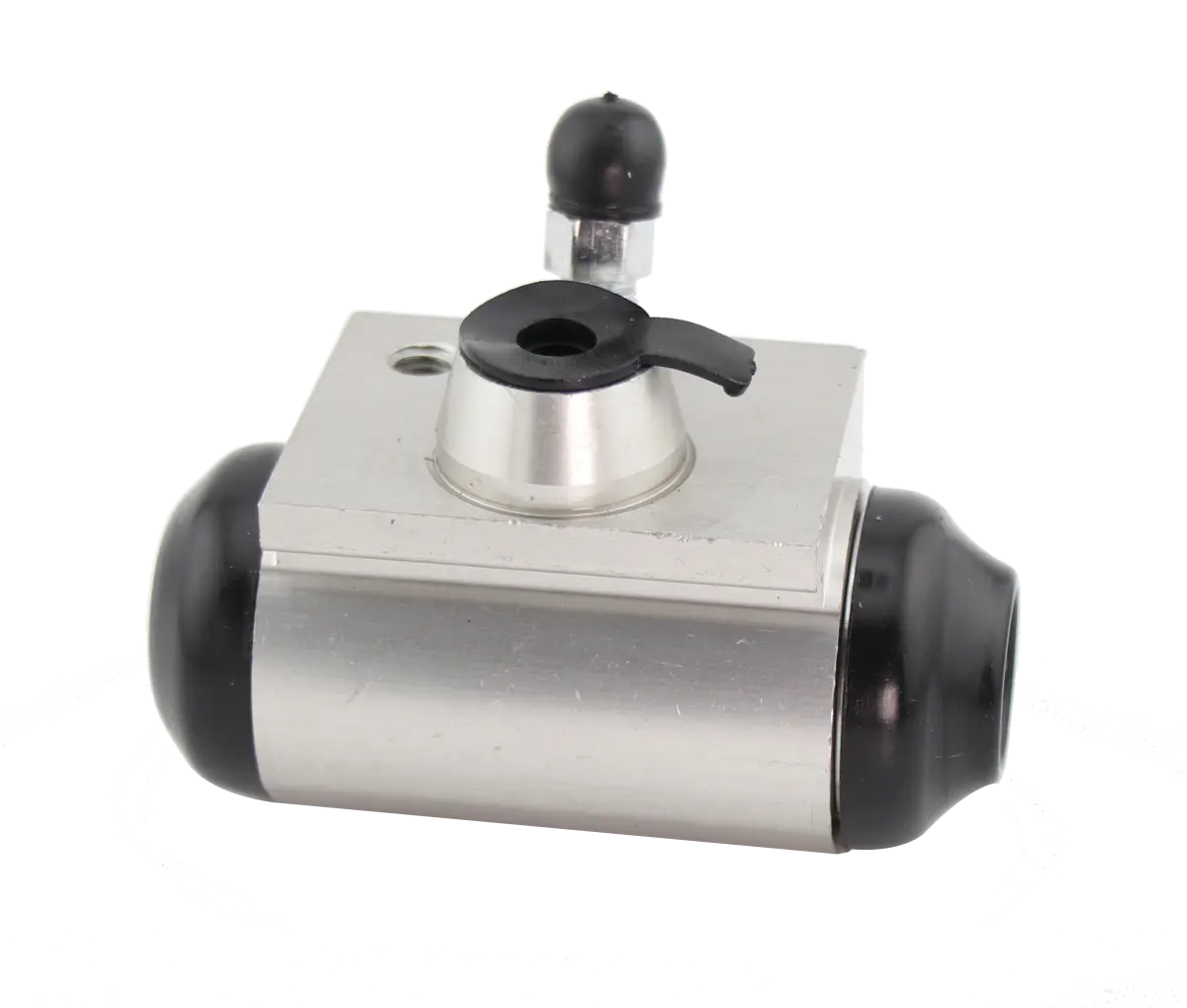
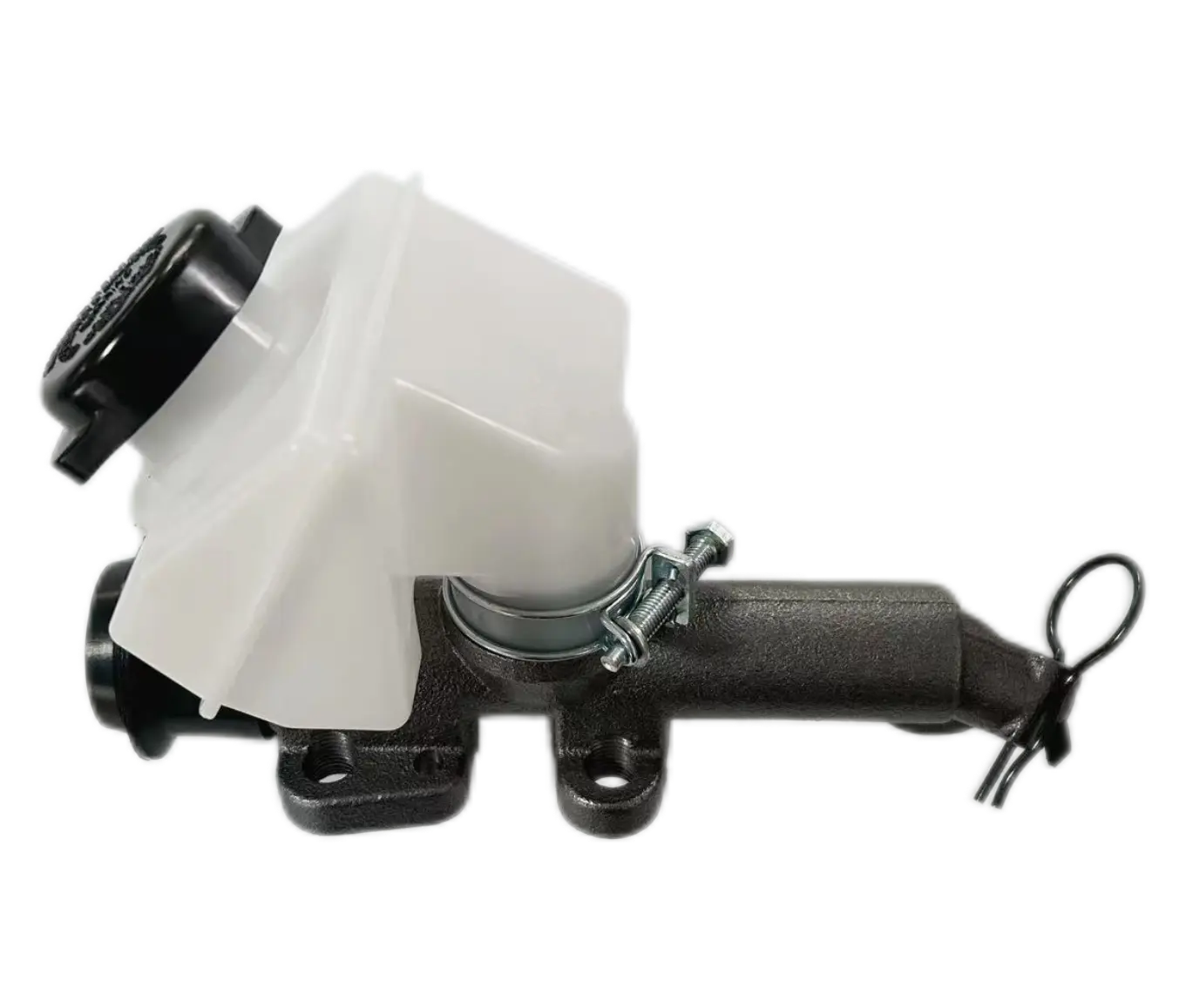
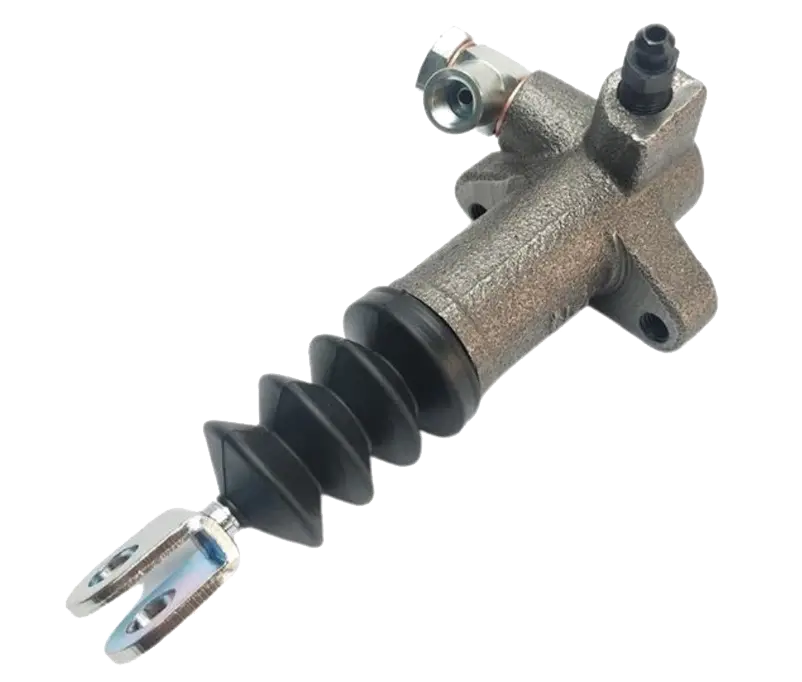
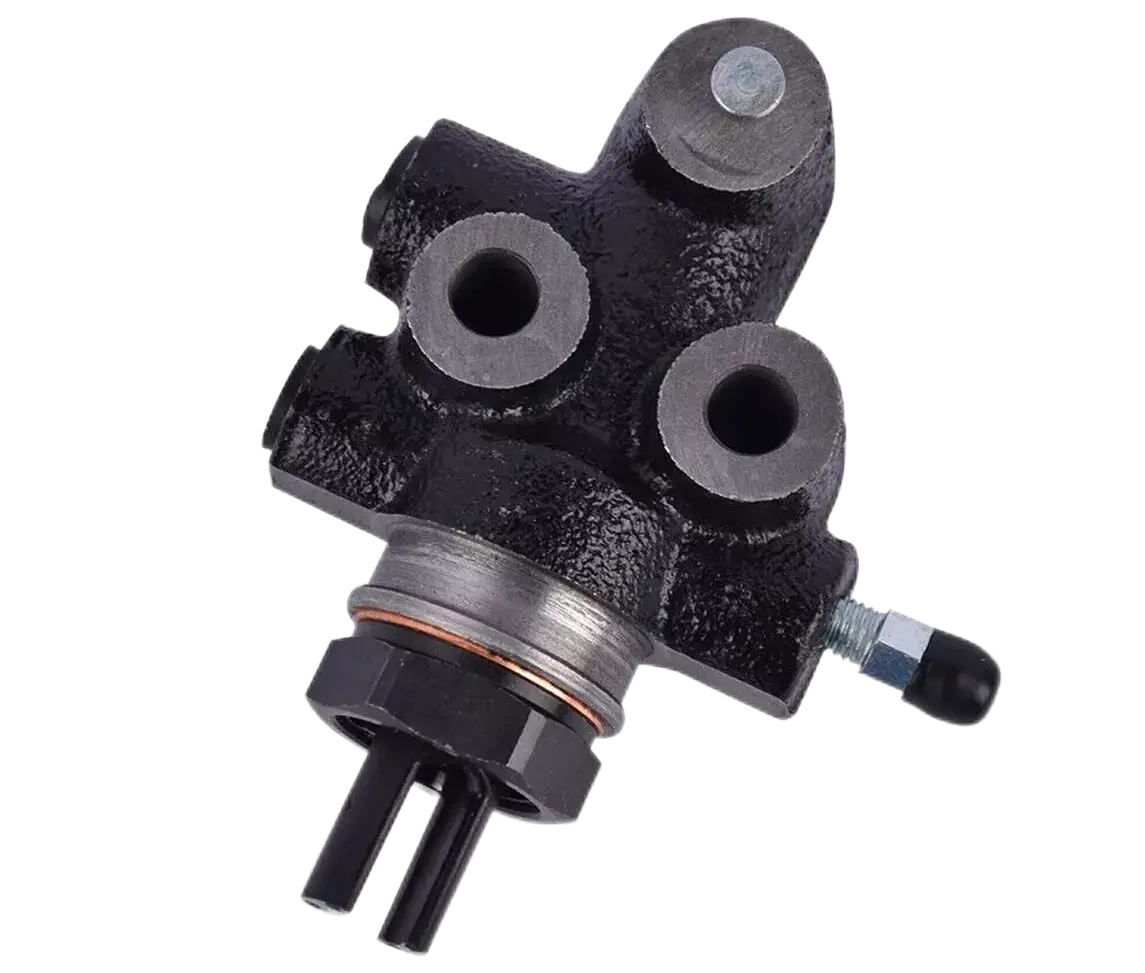
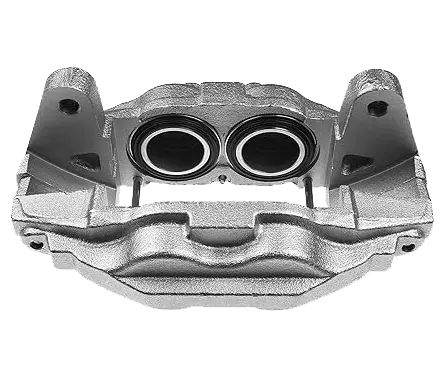
Why Tier-1 importers in Addis Ababa, Hawassa, and Dire Dawa choose direct Chinese manufacturing for heavy-duty fleet configurations.
For fleet procurement managers, keeping running costs down is a major challenge in Ethiopia's current market. Importing aftermarket brake systems directly from Chinese manufacturing facilities allows distributors to cut out middlemen and reduce expenses by 30% to 40% compared to European or domestic trading networks.
At the same time, we ensure product reliability is never compromised. We use high-precision CNC machining centers and implement strict, automated quality control. Our parts are made from premium nodular cast iron and lightweight aluminum alloys, providing the structural integrity needed to withstand unexpected potholes and high load pressures on national transit corridors.
We understand the logistical challenges of landlocked Ethiopian freight imports. We offer complete cargo handling and support to optimize transit routes from the Port of Ningbo/Shanghai directly to the Port of Djibouti and up the Ethio-Djibouti Railway line.
An in-depth look at how our brake components are designed to meet the performance and durability requirements of East African fleet vehicles.
Hydraulic braking integrity relies on precision engineering. In passenger and commercial vehicles, the brake master cylinder acts as the starting point for hydraulic pressure. When the driver presses the brake pedal, the force is transferred through a piston system, converting mechanical energy into hydraulic fluid pressure. This pressure moves through high-strength brake lines to the wheel cylinders and calipers at each wheel. If the piston diameter, bore finish, or seal thickness deviates even slightly (by a few microns), it can cause internal fluid bypass. Under high-demand driving, this can result in a soft pedal feel and reduced stopping power.
For vehicles operating in major Ethiopian cities, this risk is heightened by intense stop-and-go driving conditions and dusty environments. Tiny dust particles can act as abrasives, wearing down rubber seals and scratching cylinder walls. To prevent this, our manufacturing process uses advanced elastomeric compounds (specifically EPDM rubber). These seals are highly resistant to oil, glycol-based brake fluids, and thermal aging, ensuring long-lasting sealing performance even in harsh driving conditions.
Our commitment to vehicle safety is backed by international standards. Wuhu Qiujing Auto Parts operates under certified quality management systems: GB/T19001-2016/ISO 9001:2015 and IATF 16949:2016. This means every step of our production process, from sourcing raw materials to final packaging, is closely monitored and recorded. Every batch of castings undergoes metallurgical spectroscopic testing to verify tensile strength and structural integrity, ensuring they can handle extreme stress without cracking.
Before leaving the factory, every brake master cylinder and wheel cylinder undergoes pressure testing. We perform high-pressure tests at 15 MPa to check structural integrity, followed by low-pressure pneumatic tests to identify any micro-leaks. Additionally, our parts are treated with a corrosion-resistant coating that withstands up to 240 hours of salt spray testing. This protection helps defend against mud, water, and road salts, ensuring reliable performance in demanding environments.
Detailed answers regarding B2B vehicle spare parts import, quality benchmarks, and logistics for the East African region.
Complete selection of precision assemblies matching diverse Toyota and international vehicle lines in the East African region.
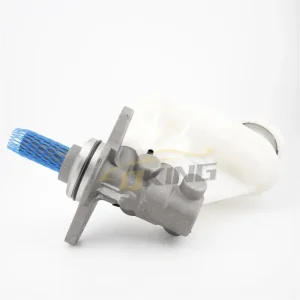
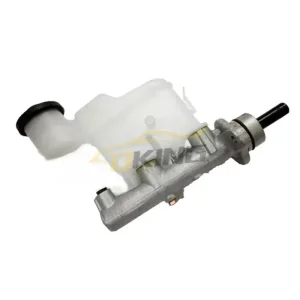
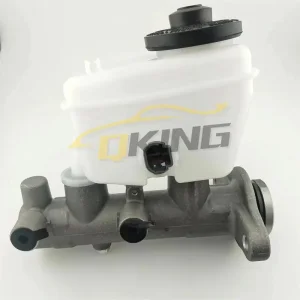
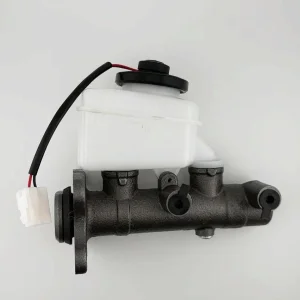
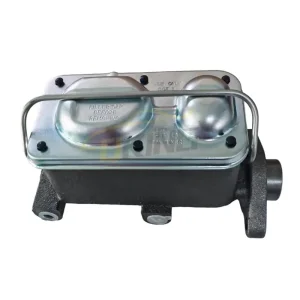
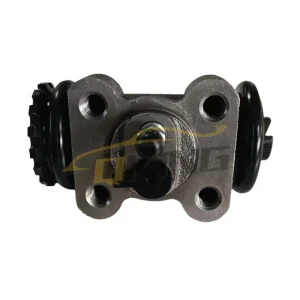
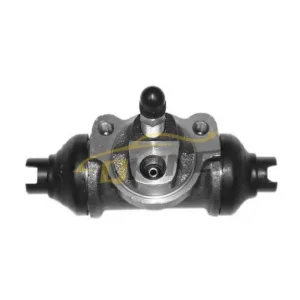
Wuhu Qiujing Auto Parts is a verified supplier of hydraulic brake systems. We offer custom manufacturing, flexible payment support, and direct shipping logistics to Addis Ababa and regional dry ports.
Professional Automotive Brake Parts Source Factory (Est. 2007)