Executive Whitepaper: Optimizing Brake System Supply Chains in Houston's Industrial Ecosystem
Houston's Industrial Landscape and the Demand for Precision Commercial Automotive Spares
The Greater Houston metropolitan area functions as the primary economic engine of the Gulf Coast. Spurred by exponential expansion across energy sectors, chemical manufacturing, marine shipping logistics at the Port of Houston, and intermodal transport hubs, the density of commercial vehicle operations has surged dramatically. In light of heavy-duty transport corridors like Interstate 10, Interstate 45, and the Grand Parkway (SH 99), logistics fleet reliability is not merely a metrics indicator; it is a critical regulatory and safety imperative.
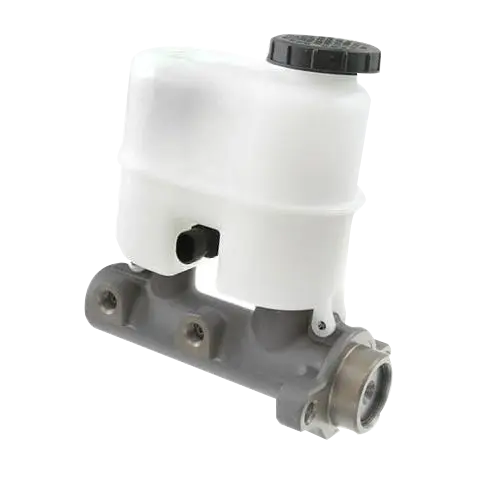
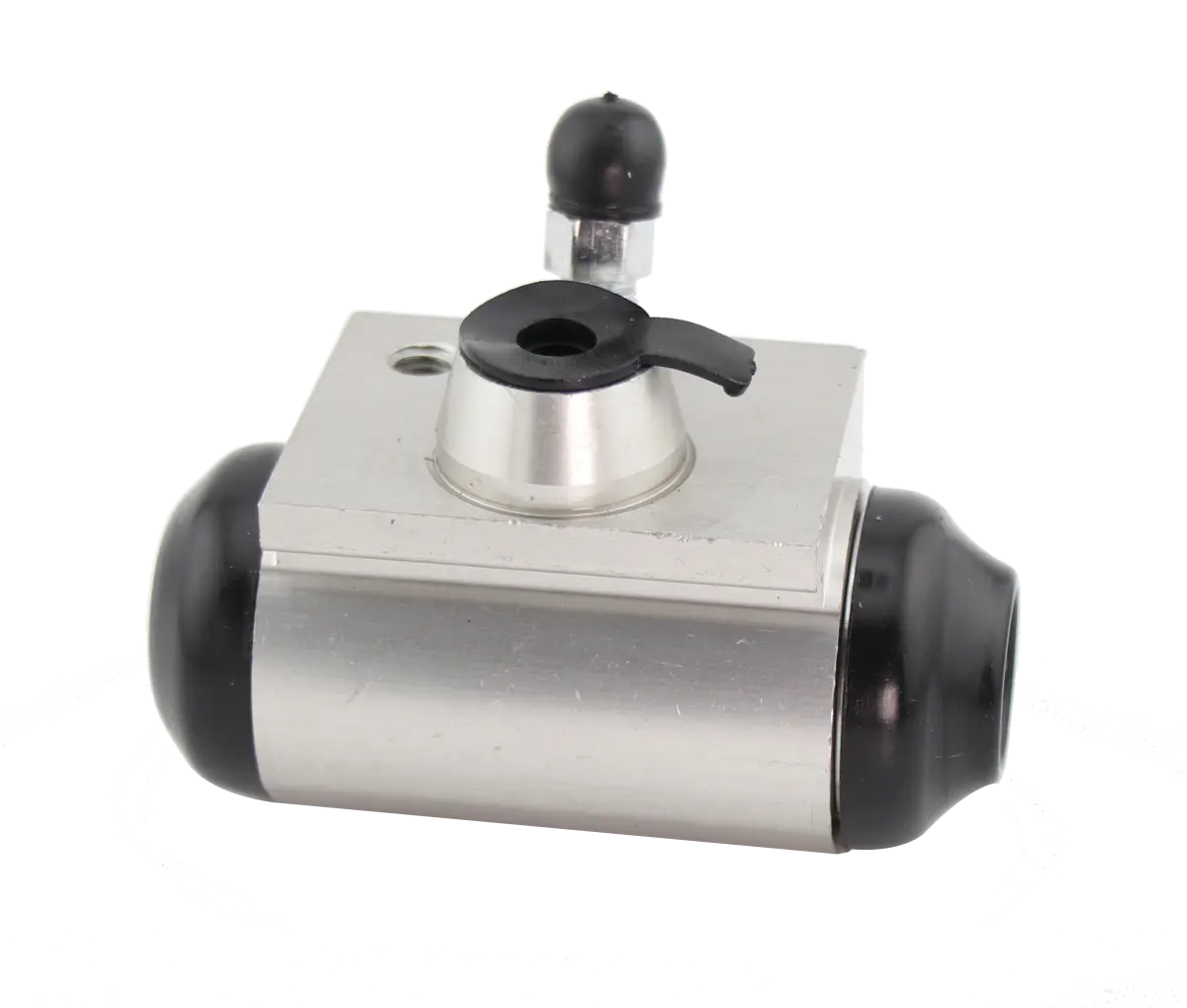
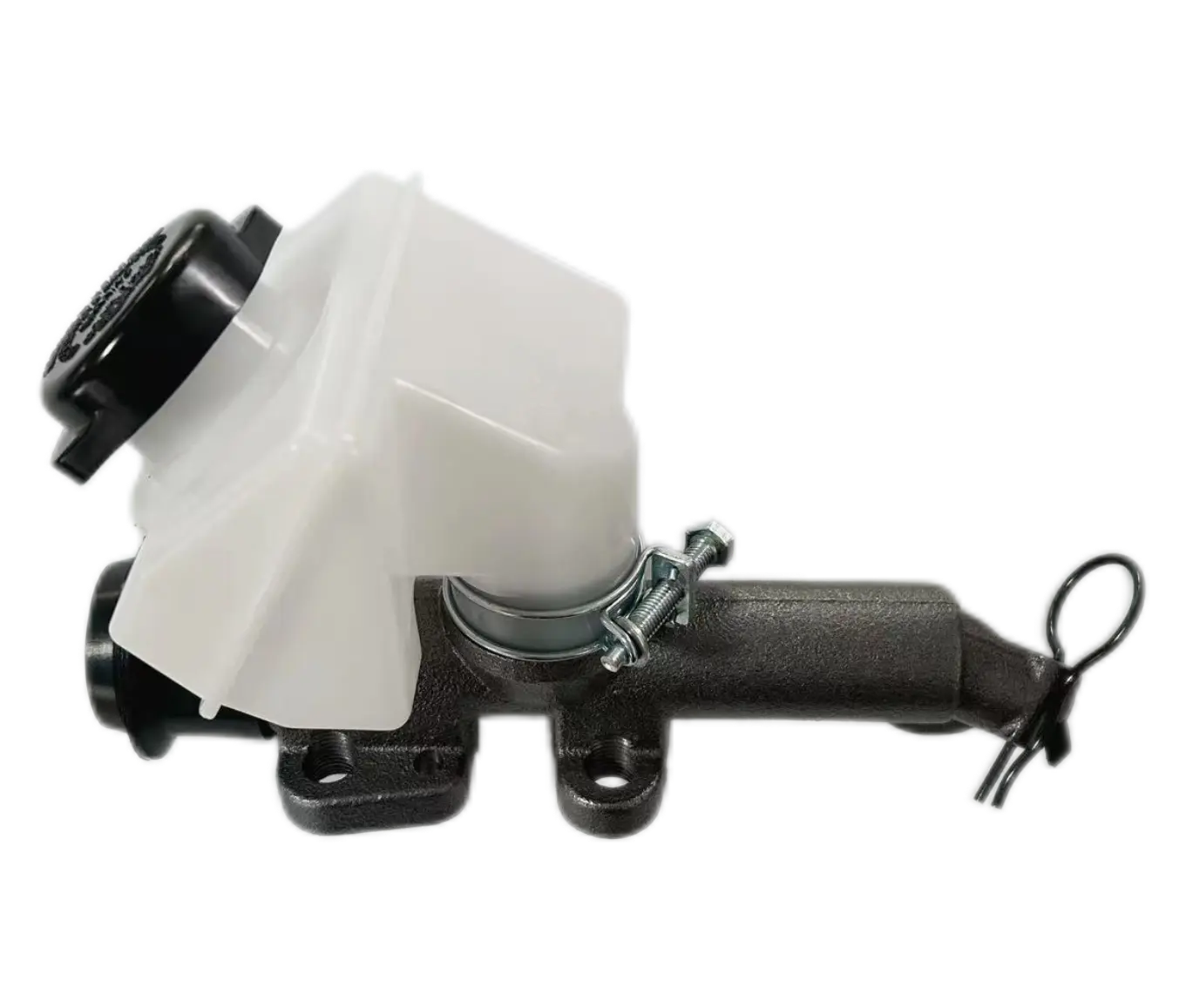
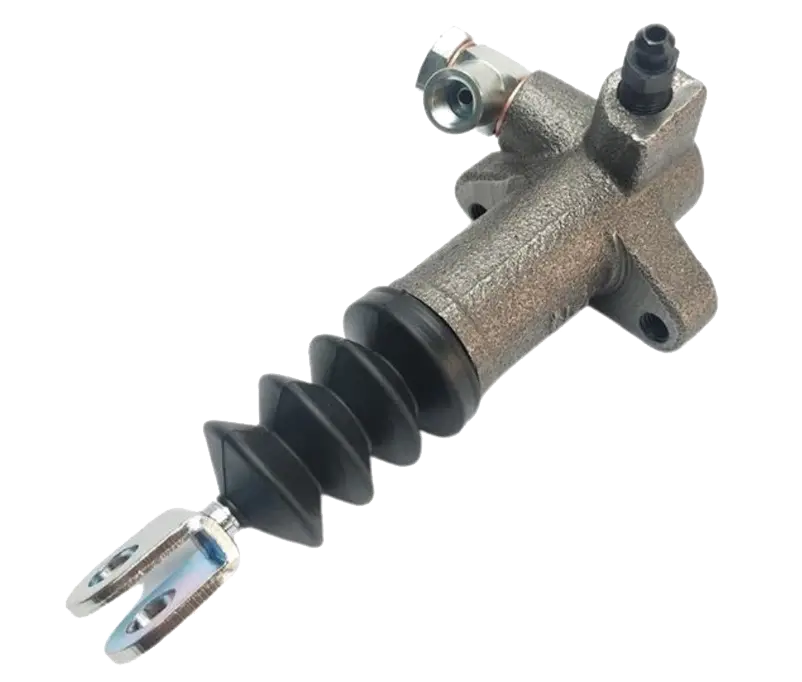
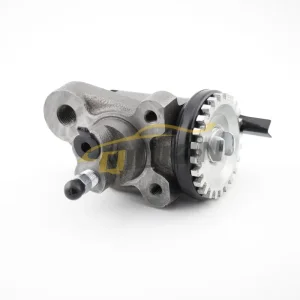
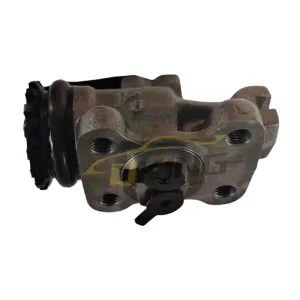
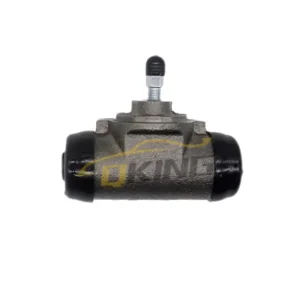
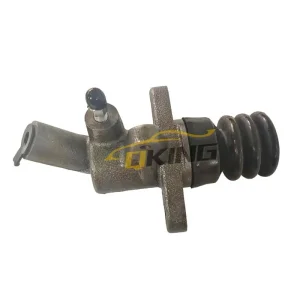
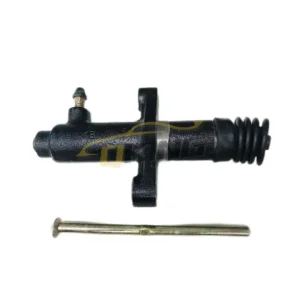
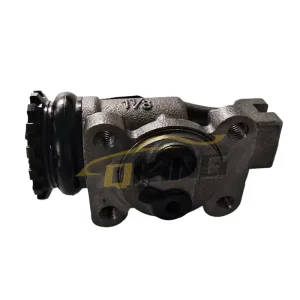
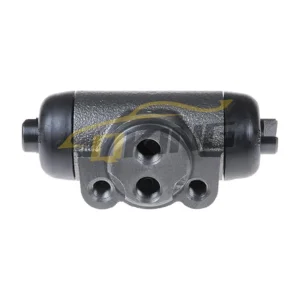
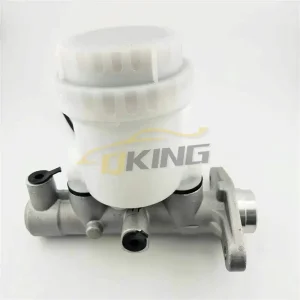
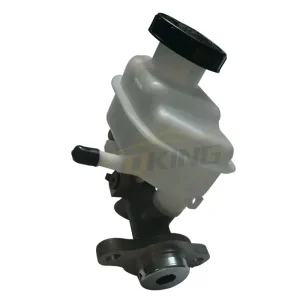
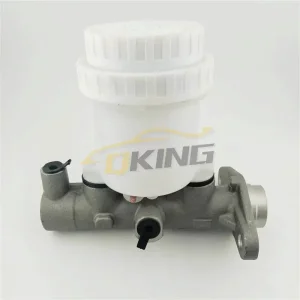
Within this ecosystem, specialized light-to-medium utility trucks, warehouse shifters, and heavy commercial vehicles utilizing Mitsubishi Fuso, Mazda, Isuzu, and Toyota components play an essential role in secondary transit. The braking configurations of these vehicles operate under intense thermodynamic and environmental duress. Stop-and-go heavy-duty routes paired with the Gulf Coast’s persistent relative humidity and coastal salinity create a highly corrosive and physically demanding operating window. Our analysis examines the engineering and logistical requirements necessary to supply robust aftermarket hydraulic assemblies, specifically OEM-equivalent brake master cylinders, wheel cylinders, and clutch slave mechanisms, matching the performance profiles demanded by global enterprises and Houston distributors alike.
Supply Chain Synergy: Chinese Production Economies Combined with Local Logistics Optimization
From an procurement and supply chain framework, obtaining high-quality hydraulic brake parts requires balancing production efficiency with direct logistics dispatch. Modern automotive procurement departments cannot rely solely on localized regional fabrication due to elevated operational costs and manufacturing output limitations. Conversely, relying entirely on standard overseas wholesale pipelines without verified quality oversight creates issues with part uniformity, metallurgical integrity, and regulatory compliance.
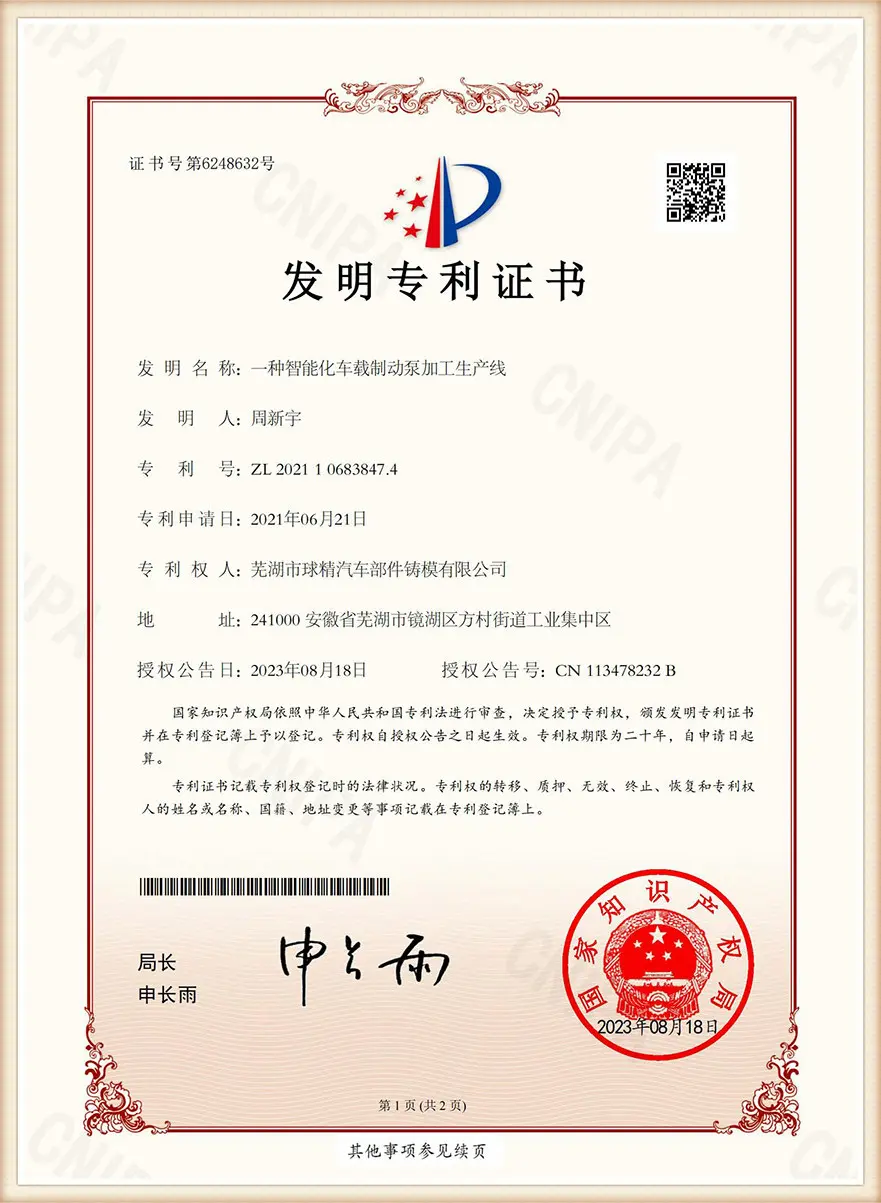
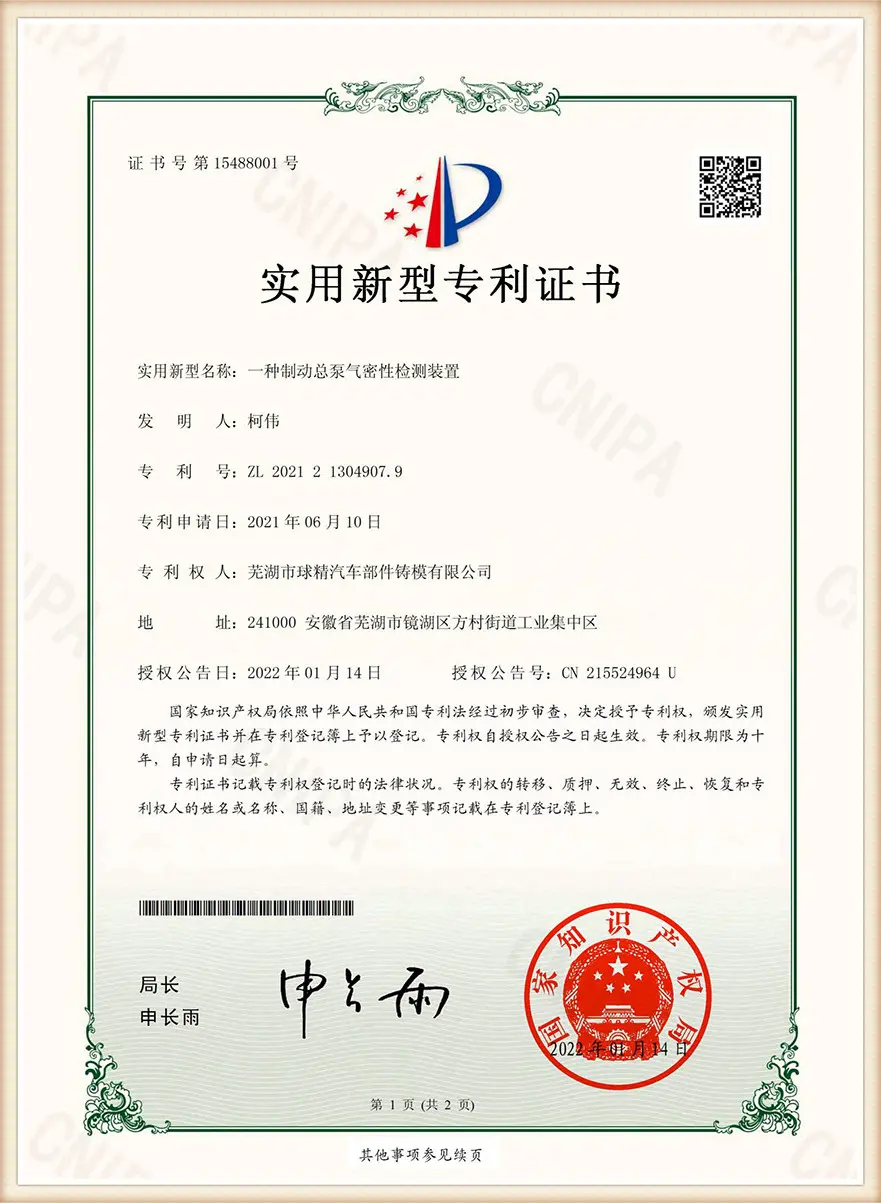
This is where the direct manufacturing synergy between precision fabrication plants in China and distribution frameworks in Houston becomes highly advantageous. Wuhu Qiujing Auto Parts Co., Ltd. represents this unified paradigm. With over twenty years of industry expertise and a dedicated 6000m² manufacturing footprint, Qiujing manages production outputs exceeding 2 million units annually. By utilizing automated machining processes, coordinate measuring machines (CMM), and automated elastomer placement systems, Chinese factories achieve economies of scale and consistent tolerances that drastically lower purchase pricing structures. This allows Houston fleets and global procurement buyers to acquire safety-critical components at competitive prices, direct from the source factory, while maintaining the supply consistency needed for regional industrial hubs.
Technical Excellence & Compliance Assurance: Navigating Safety Guidelines
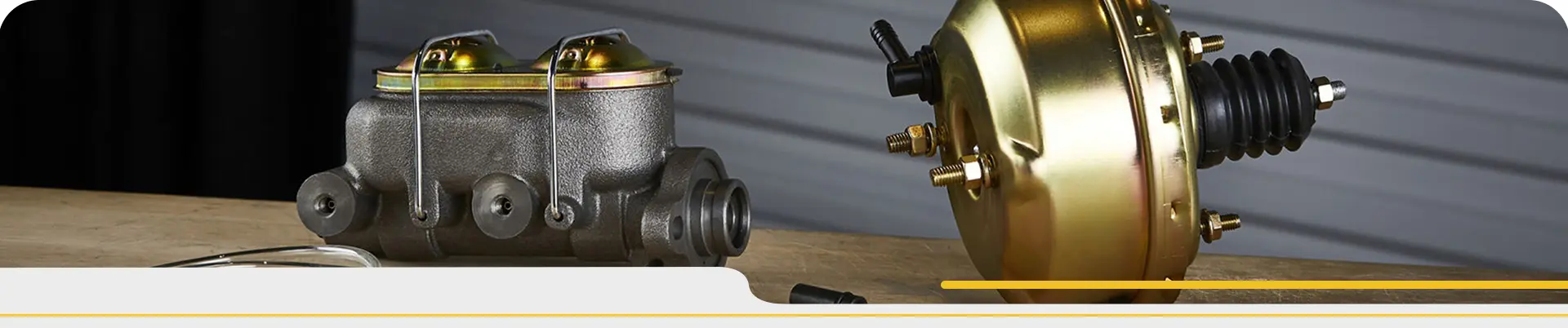
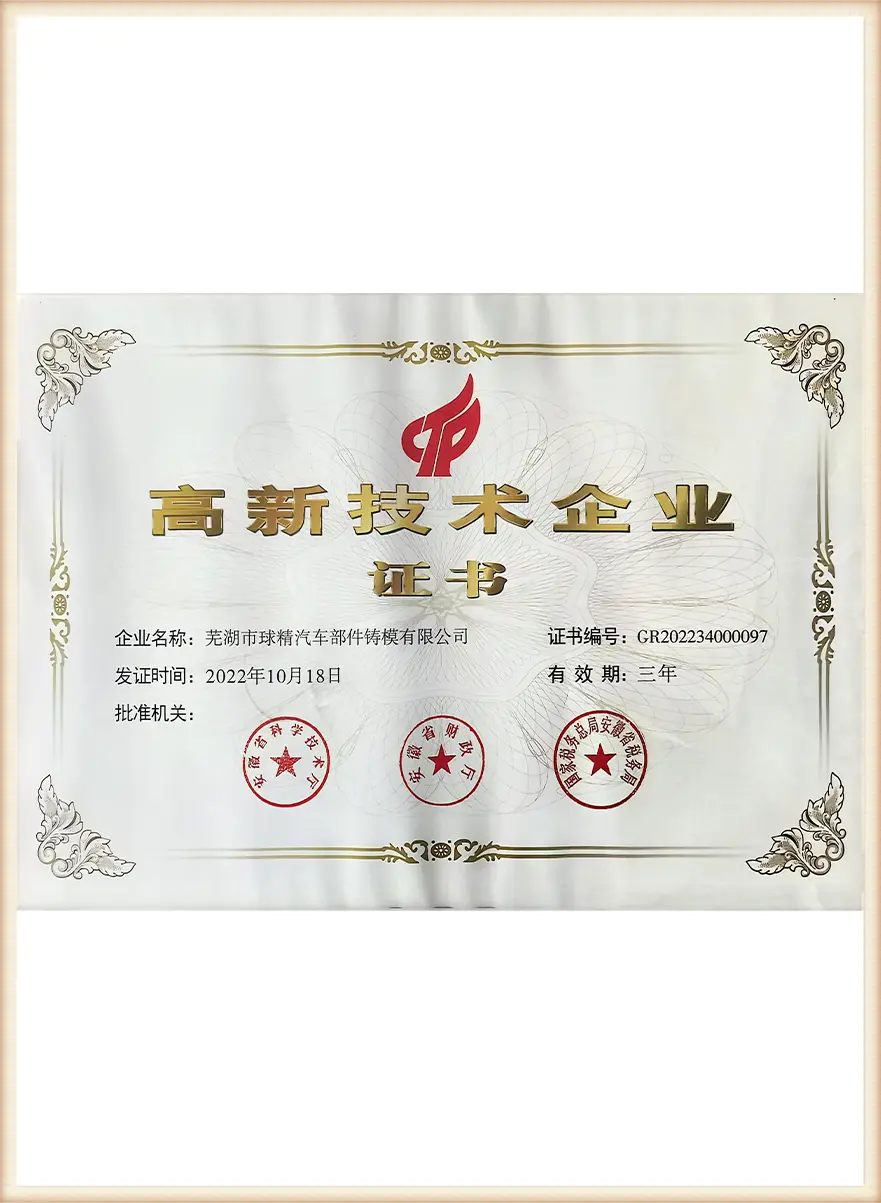
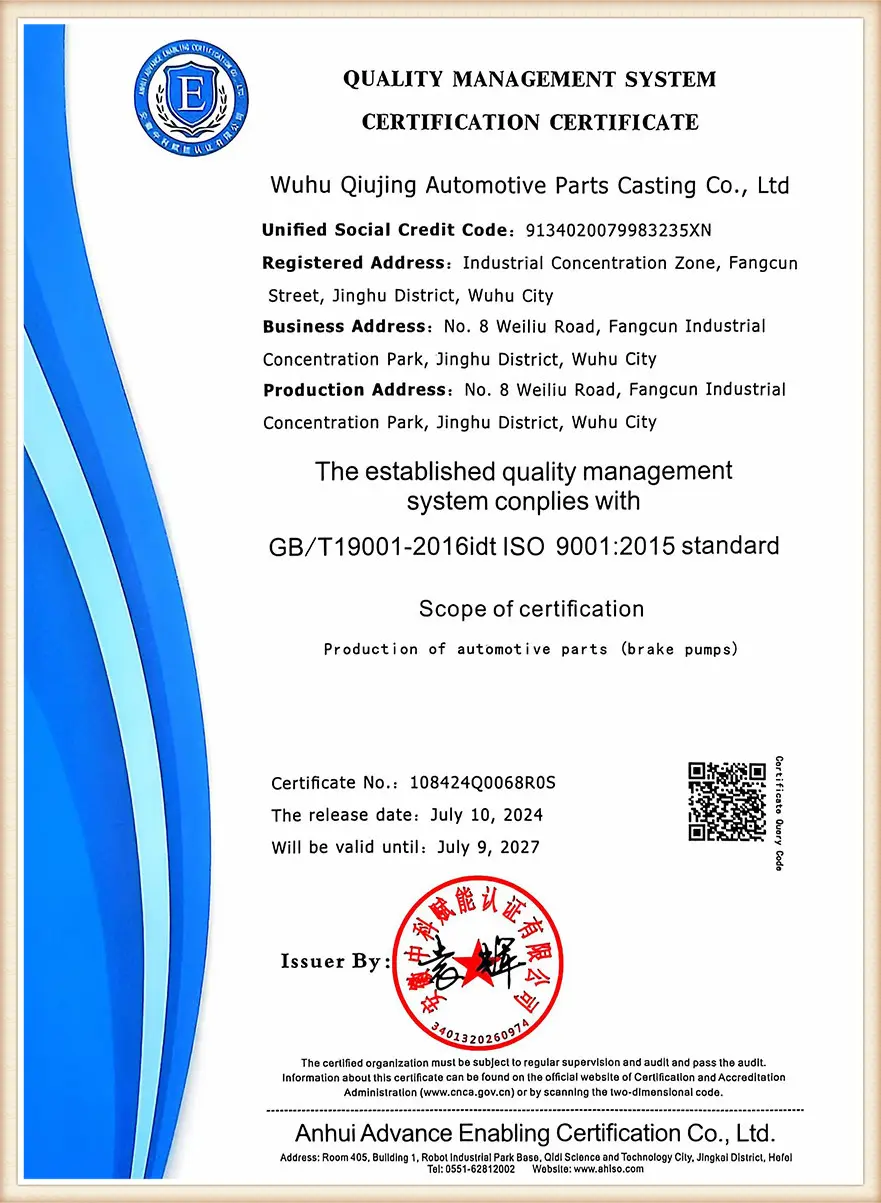
Automotive components, particularly safety-critical assemblies like brake master cylinders (e.g., OEM MB699542, MR527470) and proportional valves, must strictly align with international manufacturing guidelines and localized safety protocols. Compliance under ISO 9001:2015 and IATF 16949:2016 ensures that every phase of manufacturing, from structural casting pouring to final assembly seal installation, is thoroughly documented and controlled.
- Metallurgical Verification: Utilizing high-density casting iron and high-grade aluminum alloys to guarantee high pressure containment limits without stress cracking.
- Surface Treatment Technologies: Advanced anti-corrosive external platings that resist high salt air atmospheres, matching or exceeding salt spray testing criteria.
- Elastomer Integrity: Ethylene Propylene Diene Monomer (EPDM) seal components designed to withstand severe heat cycles without losing resilience or physical properties.
- Pressure Degradation Testing: 100% pneumatic and hydraulic test screening processes for every single cylinder assembly before packaging.
For fleet procurement managers in North America, referencing compliance with federal standards such as FMVSS (Federal Motor Vehicle Safety Standards) is critical. Implementing parts fabricated under certified IATF 16949 facilities guarantees that the aftermarket replacement parts function predictably in extreme conditions, mitigating liability and ensuring DOT fleet inspections are passed with confidence.
Application Scenarios & Engineering Challenges in the Gulf Coast Region
The Gulf Coast presents distinct challenges for hydraulic brake systems. The combination of high ambient temperatures, elevated relative humidity, and exposure to airborne road salts near coastal ports accelerates rust formation and seal wear. If moisture penetrates the hydraulic system, it lowers the boiling point of the brake fluid, which can lead to vapor lock and reduced braking efficiency under heavy loads.
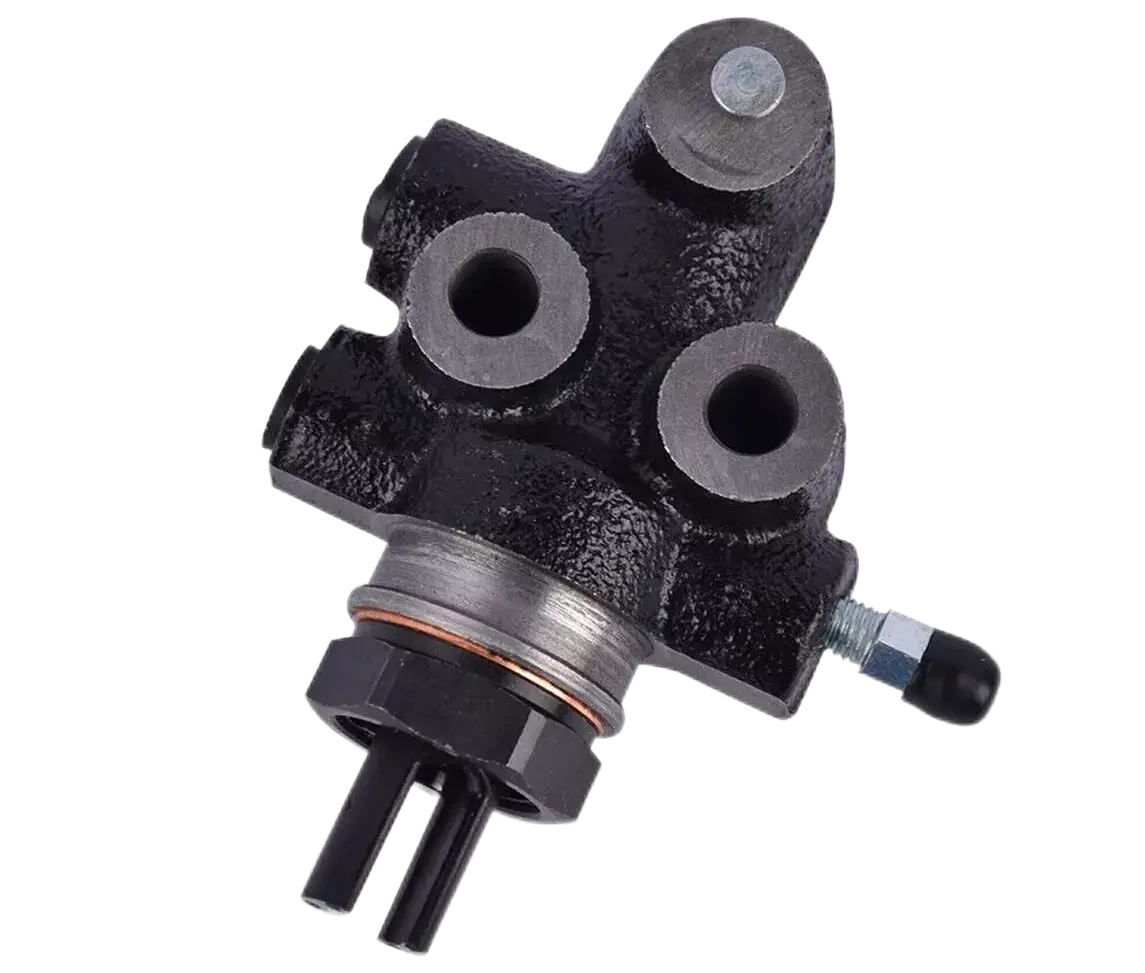
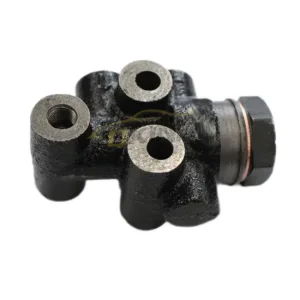
Furthermore, local utility fleets operating in cities like Houston, Pasadena, and Baytown frequently experience prolonged idling followed by sudden decelerations while fully loaded. This cycling places high thermal stress on brake wheel cylinders and proportional valves. In these scenarios, components like the OEM 47910-27110 Brake Proportional Valve are crucial; they balance the pressure distribution between the front and rear axles to prevent premature lockup of the rear wheels, ensuring vehicle stability even when carrying uneven cargo loads.
Global Enterprise Logistics and Customization Capabilities
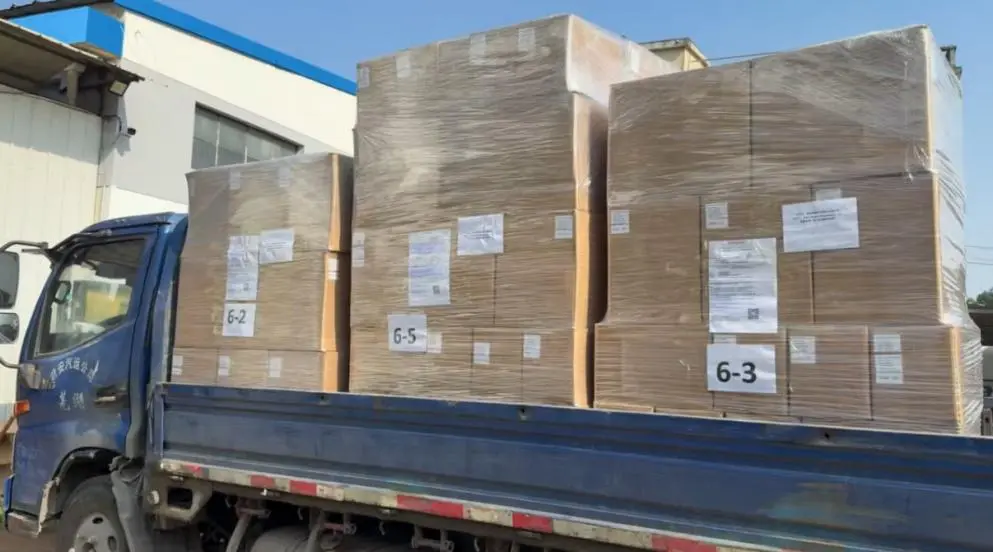
For global parts distributors, procurement planning goes beyond simple order placements. It requires deep collaboration on engineering designs, flexible order volumes, custom packaging, and comprehensive logistics support. We provide end-to-end integration for global clients, offering tailored OEM branding, bespoke labeling, and optimized container packing to protect delicate hydraulic components during ocean transit.
By coordinating shipping options directly to the Port of Houston, we streamline customs clearance and reduce regional transport times, helping distributors maintain optimal stock levels without high carrying costs. Whether sourcing replacement cylinders for Japanese trucks or domestic commercial vans, our logistics framework ensures reliable, on-time delivery.