Engineered to withstand extreme temperature fluctuations and corrosive road salt conditions typical of Canadian winters.
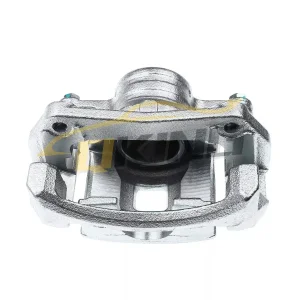
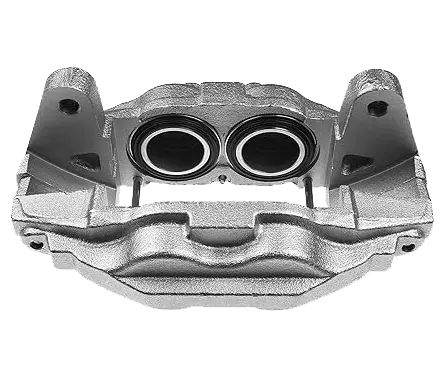
Canada presents one of the most challenging environments in the world for automotive braking systems. From the freezing winter temperatures of the Yukon and Alberta to the humid, salt-laden coastal roads of Nova Scotia and British Columbia, brake components are subjected to relentless environmental stress. The primary catalyst for brake failure in Canada is chemical corrosion, driven by the extensive use of road salt (sodium chloride) and liquid de-icers (calcium chloride and magnesium chloride) during the long winter months.
Municipalities in Ontario and Quebec apply millions of tons of road salt annually. When this salt mixes with melting snow, it forms a highly conductive electrolyte solution that accelerates galvanic corrosion between dissimilar metals in the brake assembly—specifically between the cast iron caliper body, steel pistons, and aluminum brackets. This leads to caliper seizing, uneven pad wear, and catastrophic hydraulic seal failure.
For fleet operators, commercial distributors, and automotive repair chains across Canada, sourcing brake calipers that can withstand these conditions is paramount. Standard aftermarket calipers often fail within a single winter season if they lack adequate protective coatings. Consequently, the Canadian market has seen a significant shift toward zinc-plated, electrostatic-painted, or dacromet-coated brake calipers that offer a minimum of 720 hours of salt spray testing resistance under ASTM B117 standards.
The global brake caliper market is undergoing a structural transformation. Historically dominated by domestic North American tier-1 suppliers, the supply chain has diversified globally to optimize manufacturing costs and leverage advanced metallurgical engineering. Today, China stands as the global hub for precision automotive casting and machining, supplying a vast majority of both OEM and aftermarket brake components to North America.
In the Canadian aftermarket, distributors must balance the trade-off between premium OEM-branded replacements and high-quality private-label alternatives. While OEM parts offer guaranteed fitment, their retail pricing is often prohibitively high for the average consumer, especially for vehicles out of warranty. This has created a massive demand for factory-direct sourcing of OEM-equivalent calipers that match or exceed original specifications at a fraction of the cost.
Leveraging advanced automation and decades of metallurgical expertise to deliver cost-effective, high-performance braking solutions globally.
Wuhu Qiujing Auto Parts Co., Ltd. represents the pinnacle of Chinese automotive component manufacturing efficiency. Established in 2007, with a founding heritage dating back to 1996, the company has integrated advanced CNC machining centers, automated casting lines, and rigorous quality control protocols to achieve an annual production capacity exceeding 2 million units. By locating production in Wuhu, Anhui province—a major automotive industrial cluster in China—Qiujing benefits from a highly integrated supply chain, reducing raw material procurement times and logistics costs.
This efficiency translates directly to competitive pricing for Canadian importers. By bypassing multiple layers of middle-tier distributors, Canadian procurement managers can secure factory-direct pricing that allows for healthy retail margins while maintaining the strict quality standards required by Transport Canada and provincial safety regulations.
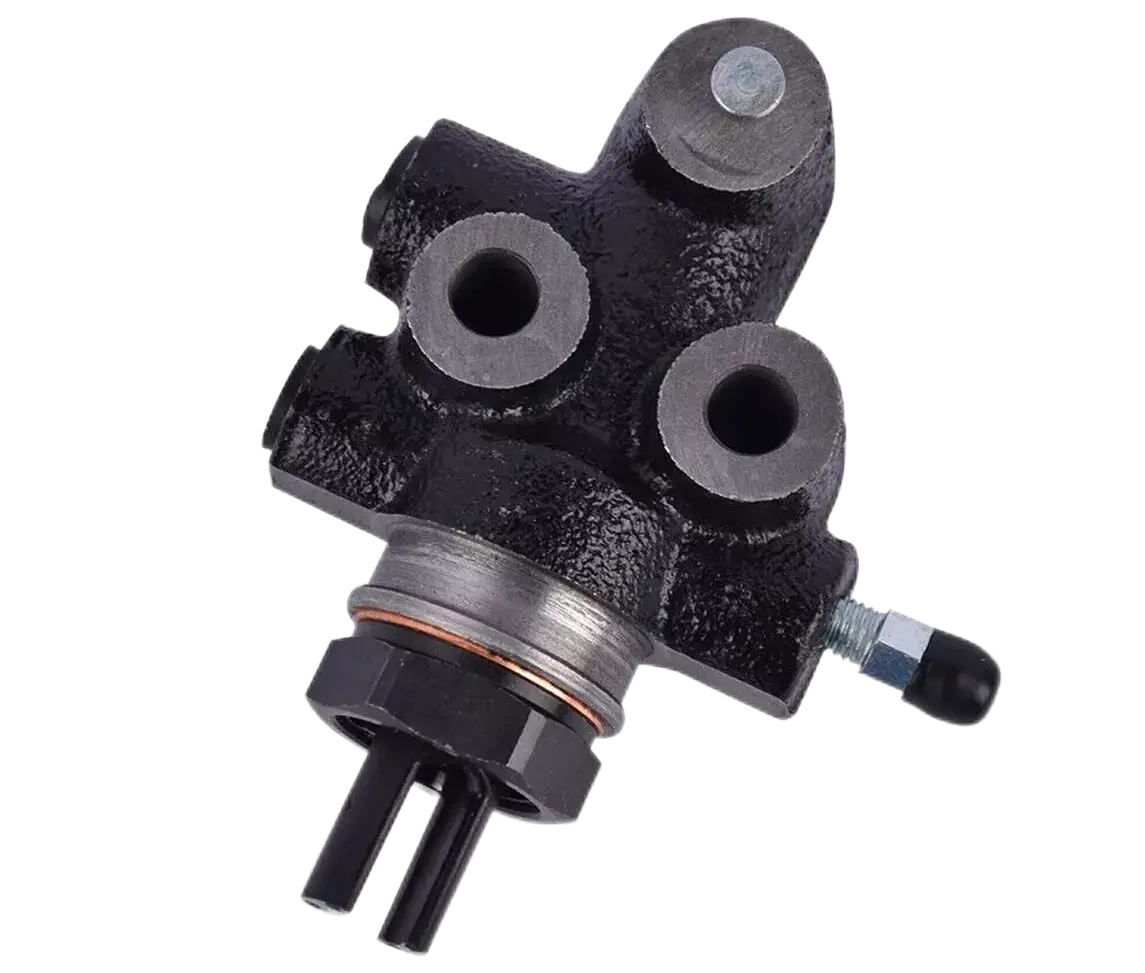
Explore our fully certified range of hydraulic control and actuation components designed for passenger, commercial, and off-road vehicles.
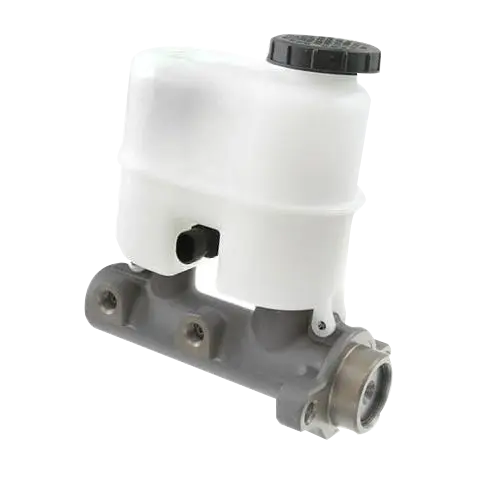
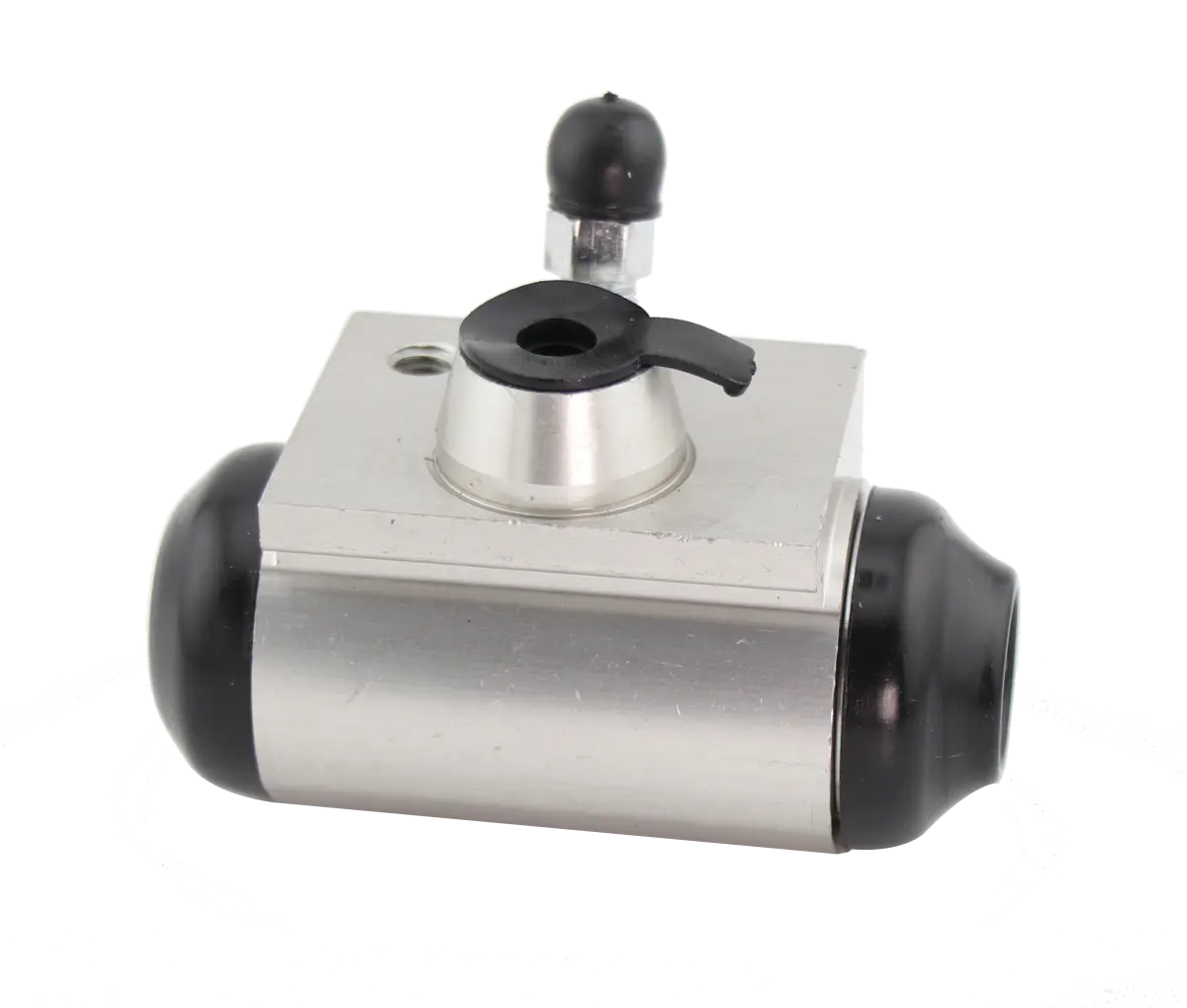
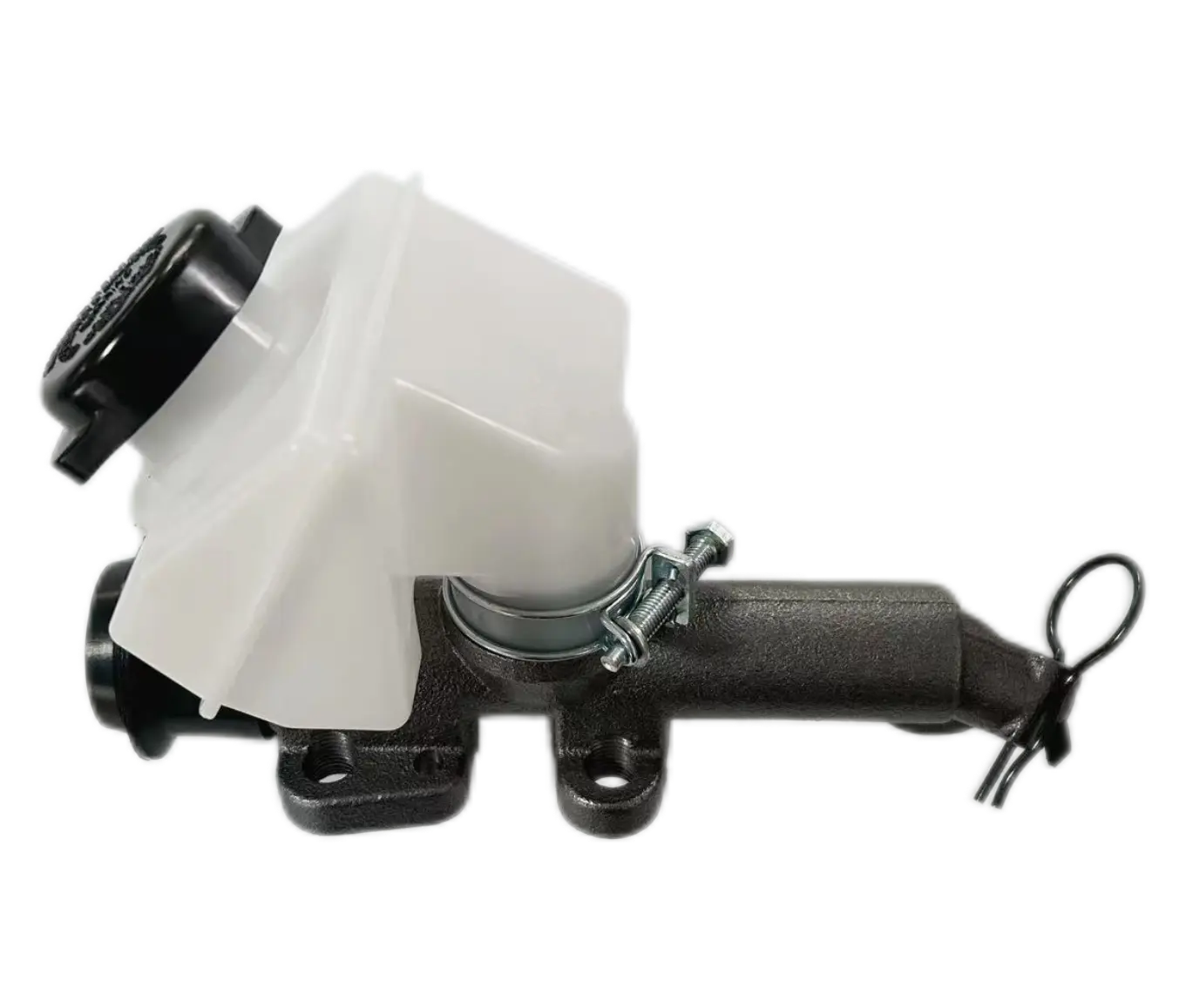
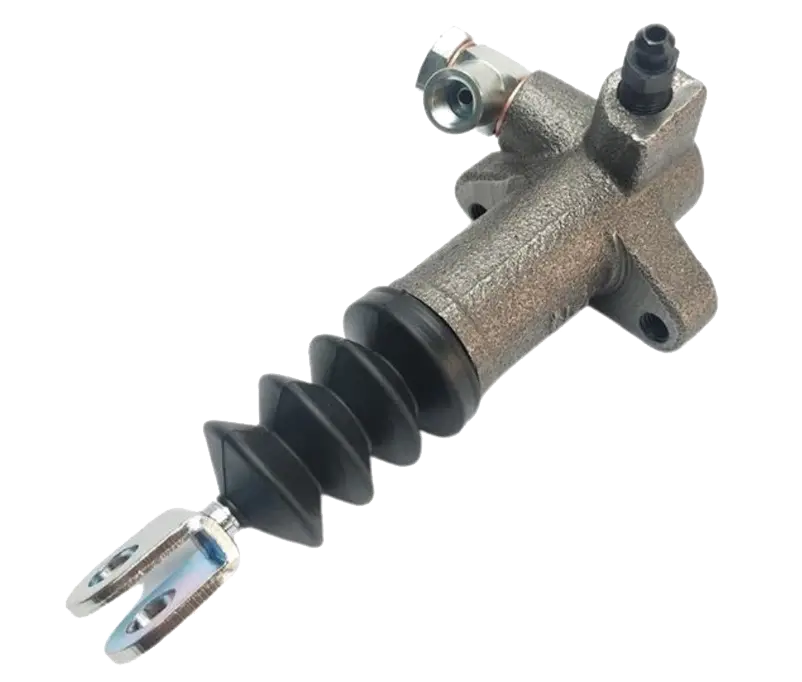
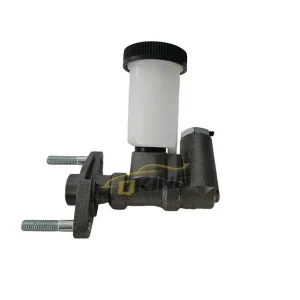
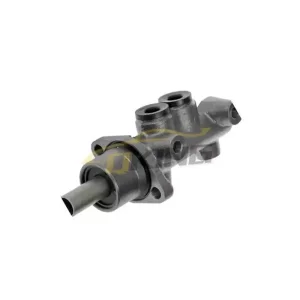
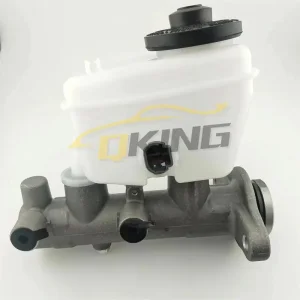
OEM-grade replacement parts engineered for precise hydraulic pressure distribution and clutch system reliability.
Understanding the specific use cases of vehicles in Canada is essential for selecting the correct brake caliper specifications. The Canadian market can be segmented into three distinct operational profiles:
In metropolitan areas like Toronto, Montreal, and Vancouver, stop-and-go traffic combined with cold starts places unique demands on brake calipers. Calipers must actuate smoothly without dragging, which would otherwise decrease fuel efficiency and accelerate pad wear. For these vehicles, lightweight aluminum calipers with low-drag seals are increasingly specified to help automakers meet stringent CAFE (Corporate Average Fuel Economy) standards.
The rapid growth of e-commerce has led to an explosion of delivery vans (e.g., Ford Transits, Ram Promasters) operating in Canadian cities. These vehicles run continuously under heavy loads, generating immense thermal energy in the braking system. For these applications, heavy-duty cast iron calipers with phenolic pistons are preferred due to their superior thermal insulation properties, preventing the brake fluid from boiling during intense duty cycles.
In Northern Ontario, Alberta's oil sands, and British Columbia's forestry sectors, light trucks (e.g., Ford F-Series, Chevy Silverado) operate in deep mud, gravel, and sub-zero temperatures. These environments require calipers with heavy-duty silicone dust boots that remain flexible at -50°C and prevent abrasive particulates from damaging the piston bore.
As Canada transitions toward Electric Vehicles (EVs), the role of the brake caliper is evolving. Because EVs utilize regenerative braking to capture kinetic energy, the friction brakes are used less frequently. This leads to a new problem: brake calipers seizing due to lack of use and prolonged exposure to moisture and salt. Modern EV calipers require specialized anti-corrosion coatings and return spring mechanisms to ensure they function reliably when emergency friction braking is required.
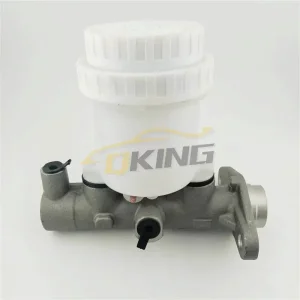
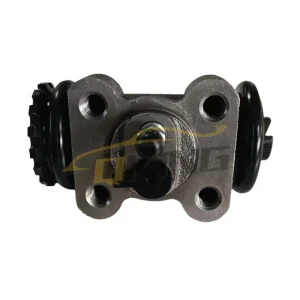
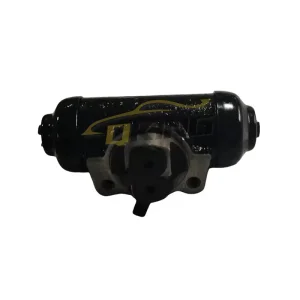
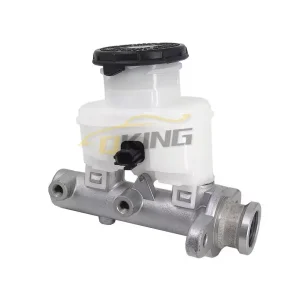
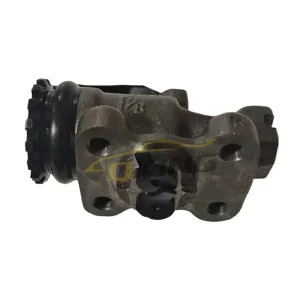
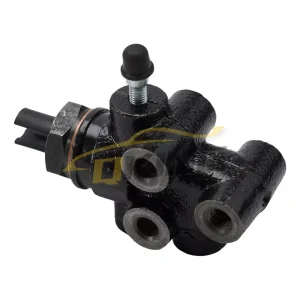
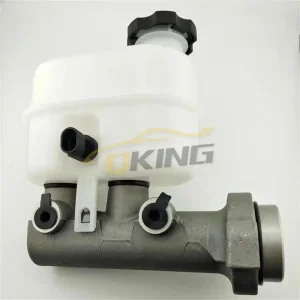
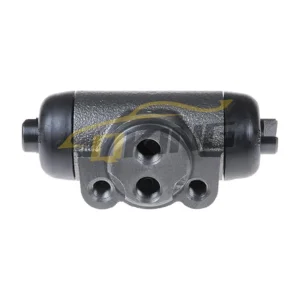
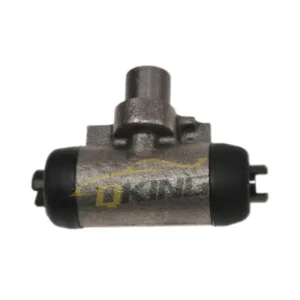
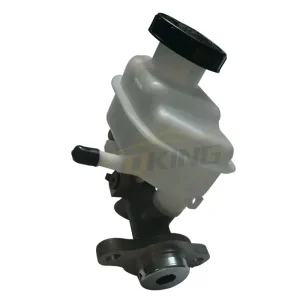
Explore our high-precision master cylinders and wheel cylinders, manufactured under strict IATF 16949:2016 quality controls.
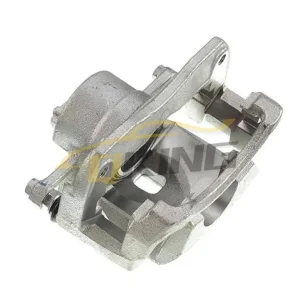
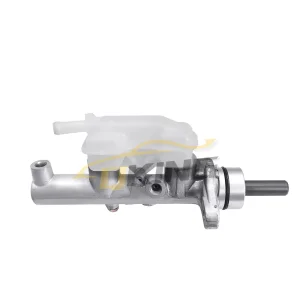
When sourcing brake calipers for the Canadian market, procurement managers must evaluate the Total Cost of Ownership (TCO) rather than simply comparing unit prices. Import duties, ocean freight, local warehousing, and warranty return rates heavily impact bottom-line profitability.
Brake caliper pricing is primarily driven by raw material costs (pig iron, aluminum ingots), machining complexity (single-piston vs. multi-piston configurations), and surface treatment options. A standard cast-iron single-piston caliper for a passenger vehicle typically ranges from USD $12.00 to $22.00 FOB China, depending on order volume and packaging specifications. Multi-piston calipers for light trucks or performance vehicles can range from USD $35.00 to $75.00.
Opting for the cheapest caliper without advanced anti-corrosion coatings is a high-risk strategy in Canada. A standard oil-dipped caliper will begin to rust within weeks of exposure to road salt. The cost of processing a single warranty claim—including return shipping, customer service labor, and damage to brand reputation—can wipe out the savings achieved on dozens of cheaper units. Specifying zinc plating or electrostatic powder coating adds approximately 5% to 10% to the unit cost but reduces warranty return rates by up to 80%.
Shipping heavy iron components across the Pacific requires careful container weight optimization. Importers should work with manufacturers like Wuhu Qiujing who understand how to maximize container payload limits (typically 22 to 26 metric tons depending on Canadian rail and road weight regulations). Utilizing mixed containers—combining heavy brake calipers with lighter brake master cylinders or clutch components—helps optimize shipping costs per unit.
Brake systems are safety-critical components. In Canada, replacement parts must comply with federal safety standards regulated by Transport Canada. For manufacturers exporting to this market, holding international automotive quality management certifications is non-negotiable.
Wuhu Qiujing operates under the strict guidelines of IATF 16949:2016, the global technical specification and quality management standard for the automotive industry. This certification ensures that every step of the manufacturing process—from raw material inspection and melt analysis to final pressure testing—is documented and traceable.
Technical and commercial insights for Canadian automotive distributors and procurement managers.

Get direct access to factory pricing, custom packaging, and engineered solutions tailored for the Canadian market.
Wuhu Qiujing Auto Parts Co., Ltd.
IATF 16949:2016 Certified Factory