Direct from Wuhu Qiujing Auto Parts: Certified manufacturing according to global automotive safety and performance standards.
Specialized manufacturing spectrum focusing on hydraulic pressure transformation and brake safety control components.
A Professional Deep-Dive into Engineering Benchmarks, Component Interoperability, and Global Supply Market Dynamics
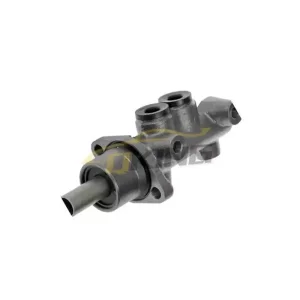
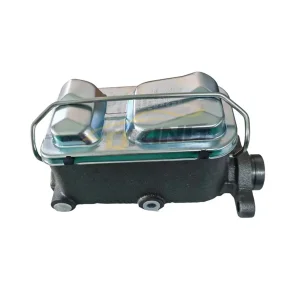
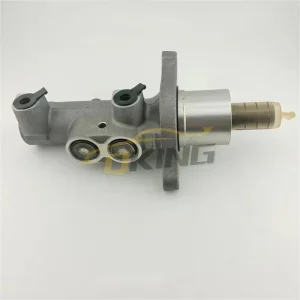
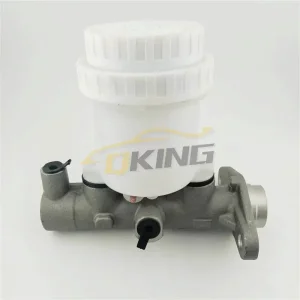
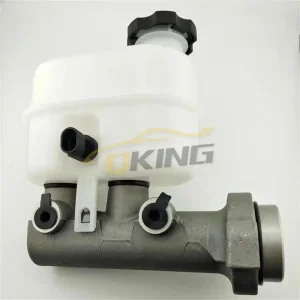
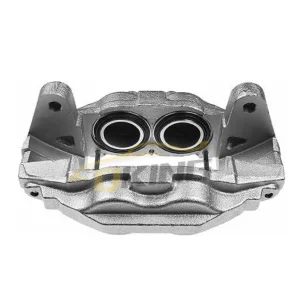
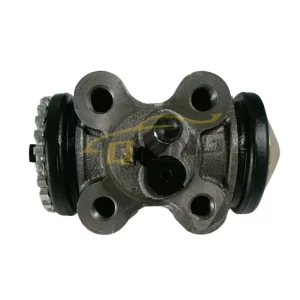
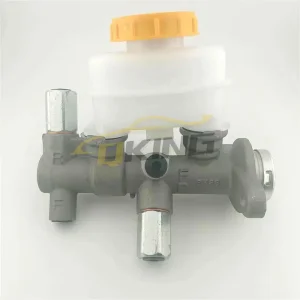
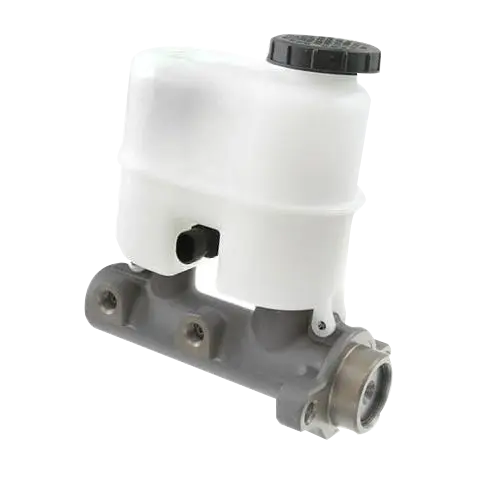
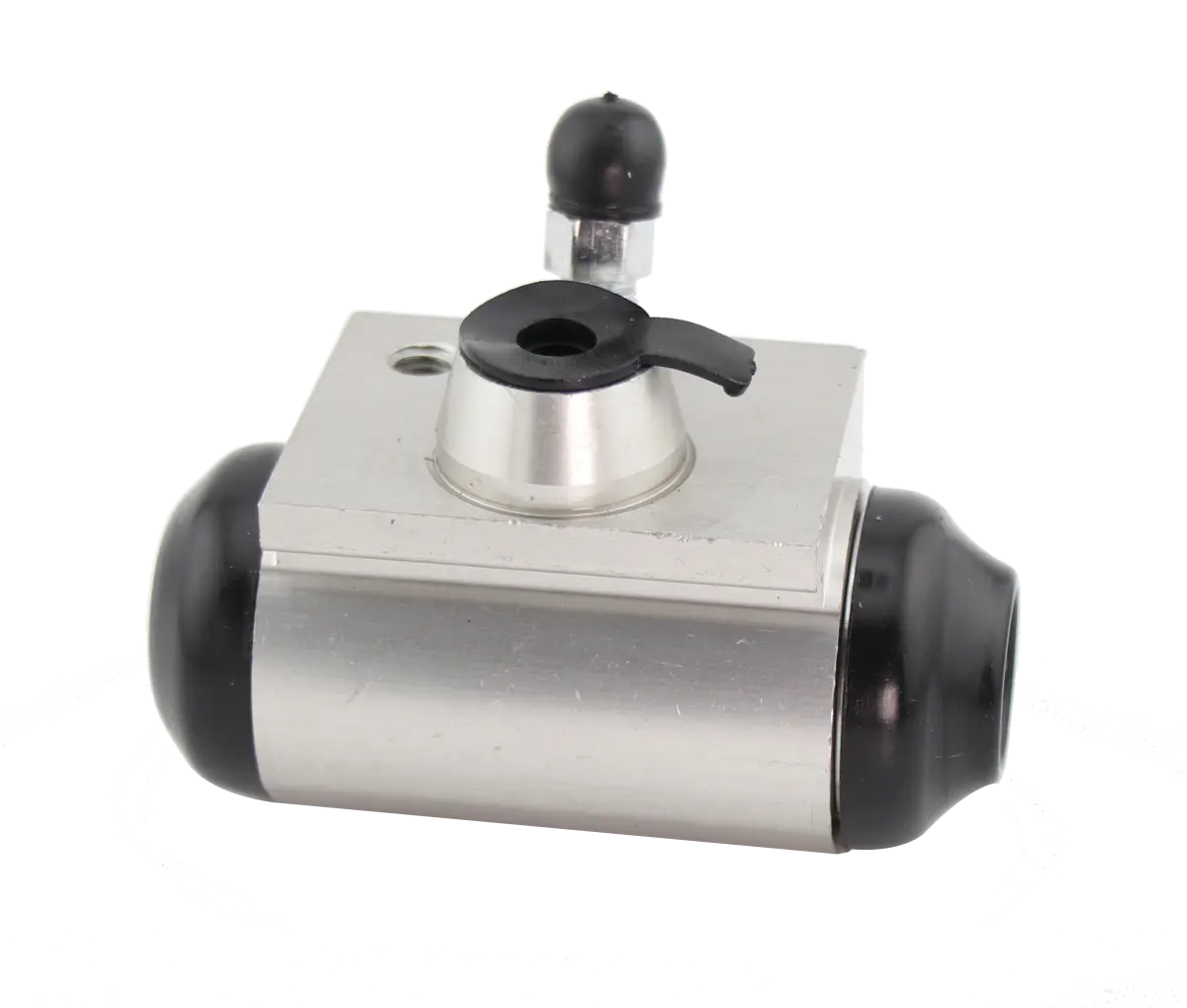
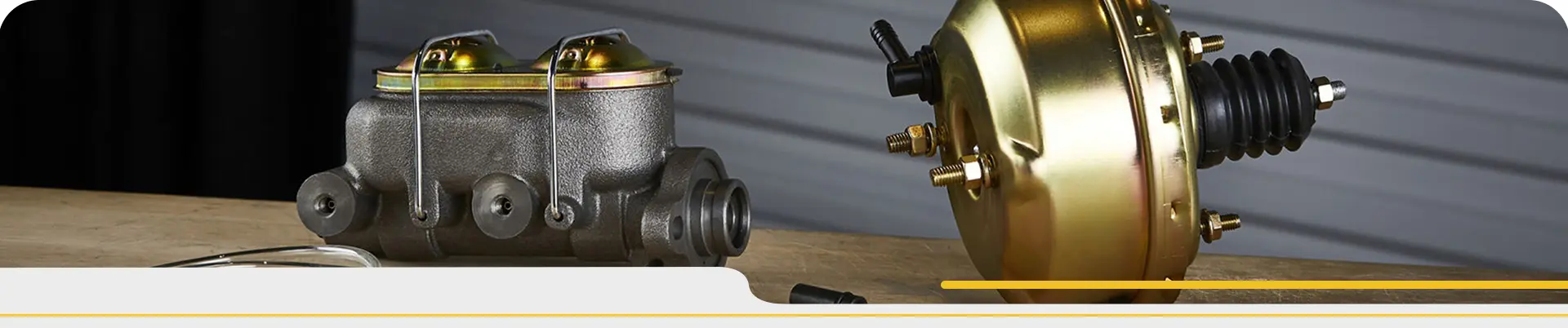
Brake Master Cylinders and Wheel Cylinders form the primary control interfaces of hydraulic brake systems. The Master Cylinder acts as the core pressurization hub; it converts driver foot pressure into hydraulic pressure, directing brake fluid through lines to calipers and wheel cylinders. This process requires absolute precision. A micro-metric defect in the bore surface finish can lead to accelerated wear of elastomeric seals, leading to pressure bypass and critical failure.
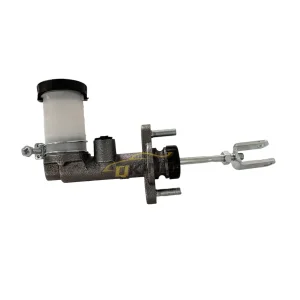
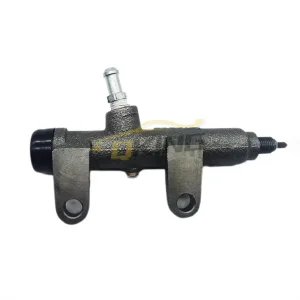
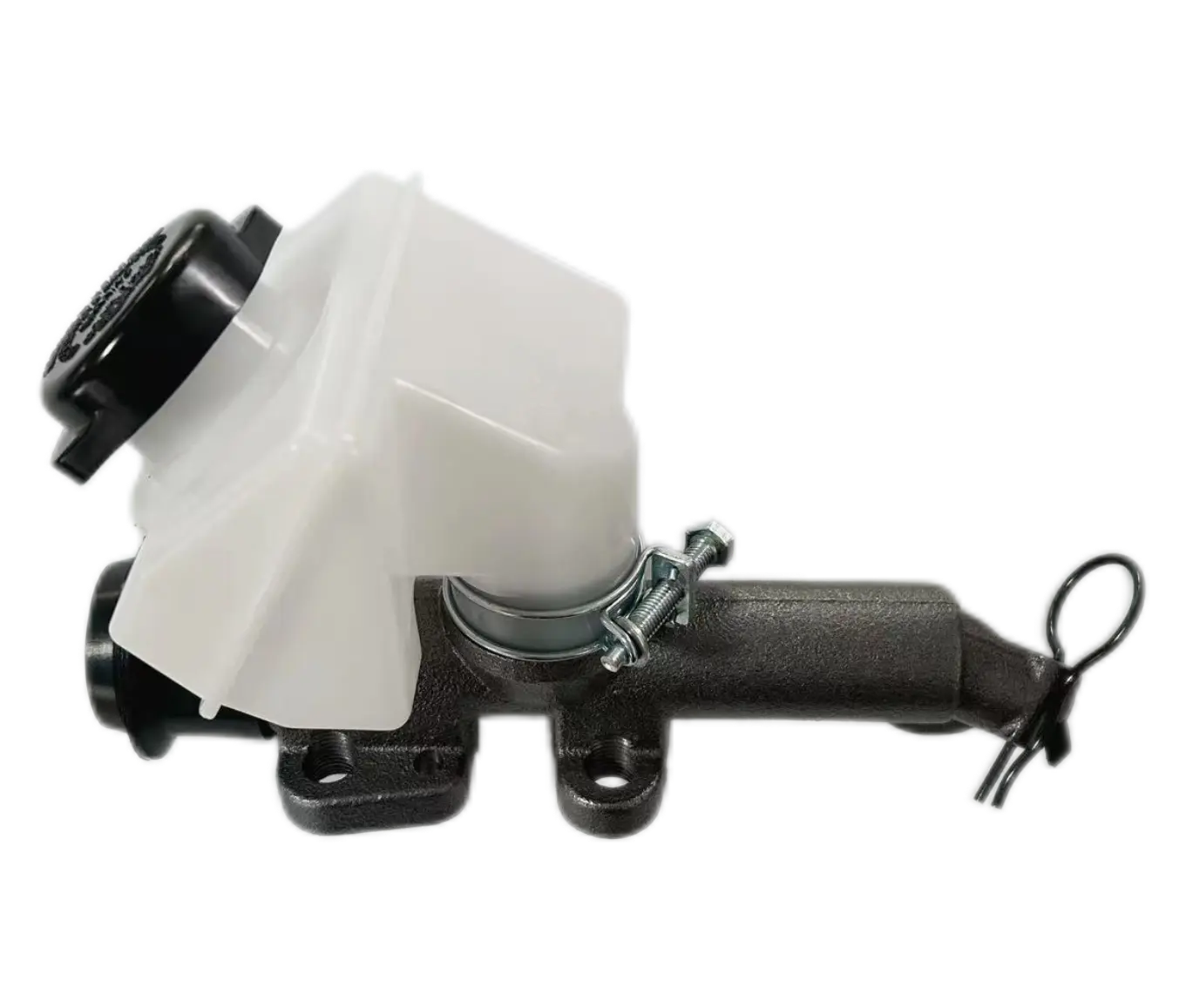
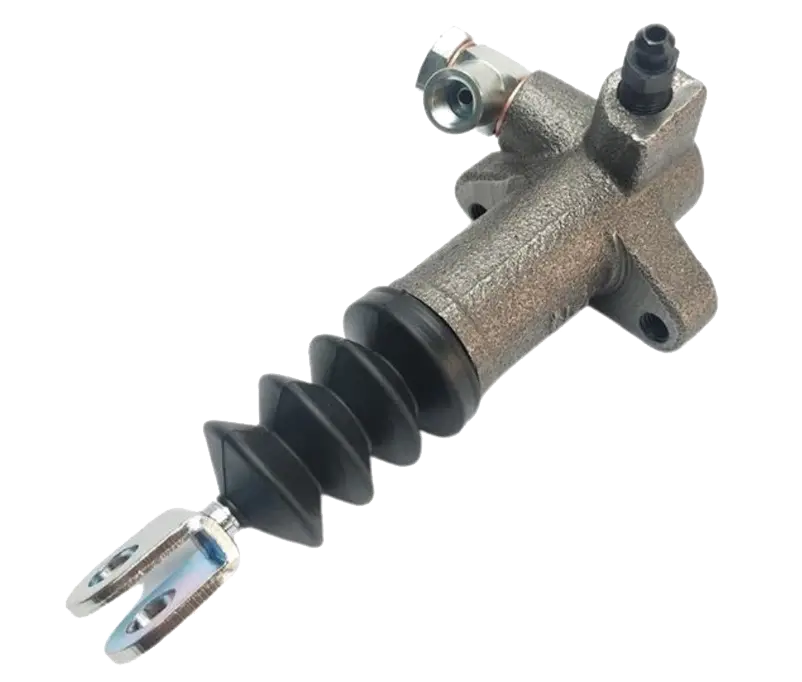
For heavy commercial vehicles, clutch control relies similarly on Clutch Master and Clutch Slave Cylinders. These units operate under high duty cycles. When the clutch pedal is pressed, the master cylinder displaces fluid to actuate the slave cylinder, disengaging the pressure plate. These systems must resist high fluid temperatures and dynamic friction to ensure clean gear shifting and prevent premature transmission wear.
Historically, grey cast iron was the primary choice for manufacturing hydraulic cylinders due to its high hardness and wear resistance. However, modern automotive design emphasizes lightweight construction. Consequently, factories are turning to high-tensile aluminum alloys. Hard-anodized aluminum bores offer several distinct advantages:
Regardless of the alloy, cylinder production requires precise internal machining. Factories must maintain a cylinder bore roughness rating of Ra 0.2 to 0.4 μm. Deviation from this standard can compromise sealing or cause piston drag.
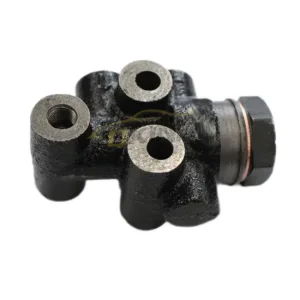
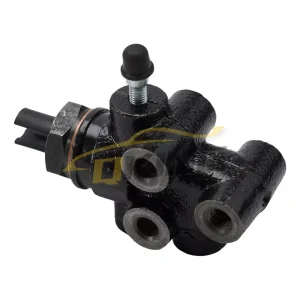
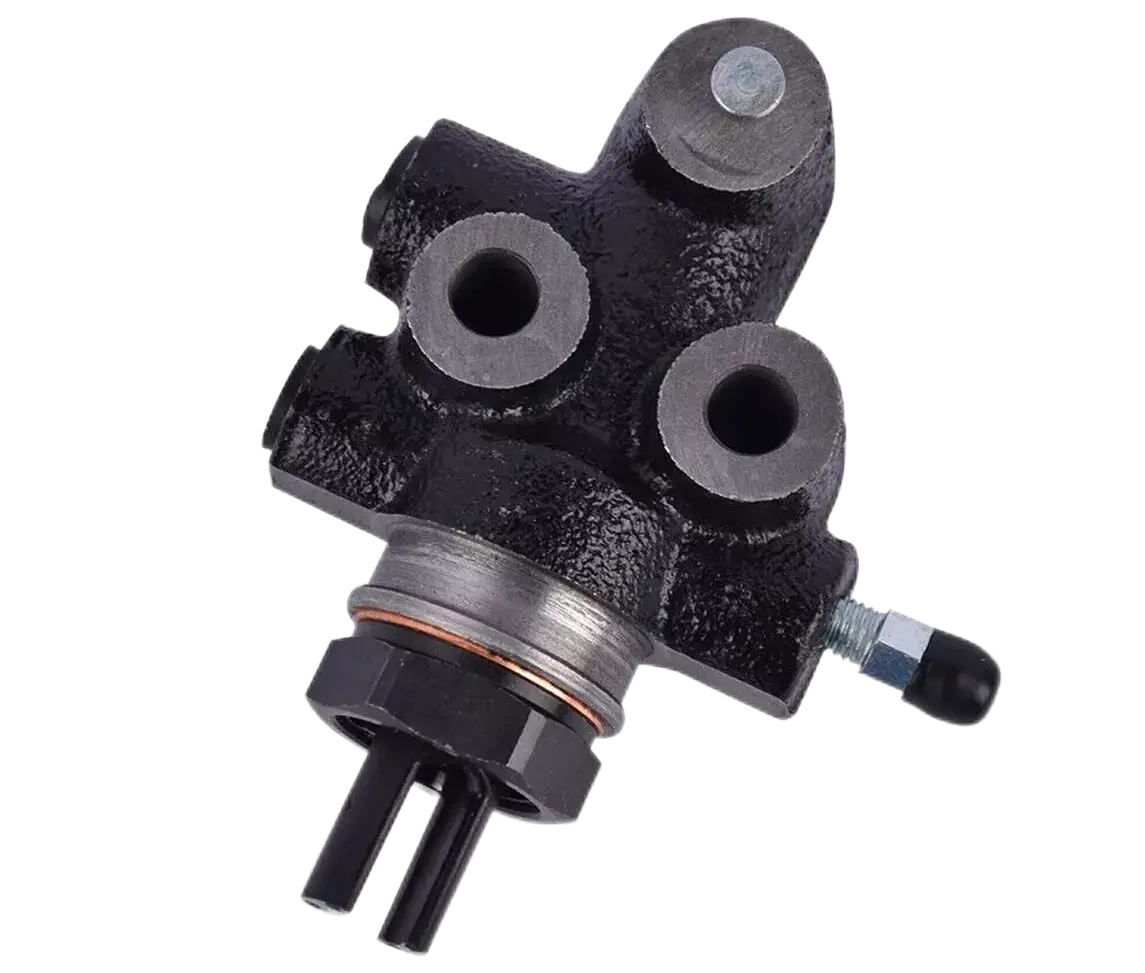
Modern vehicle platforms are evolving from purely mechanical control to hybrid, drive-by-wire hydraulic systems. An intermediate stage in this evolution is the Brake Load Sensing Proportioning Valve (LSPV). The LSPV adjusts hydraulic pressure to the rear brakes based on rear axle load, preventing rear-wheel lockup during heavy braking.
In current commercial architectures, these valves are increasingly integrated with Anti-lock Braking Systems (ABS) and Electronic Stability Control (ESC) modules. Designing these units requires rigorous testing, including:
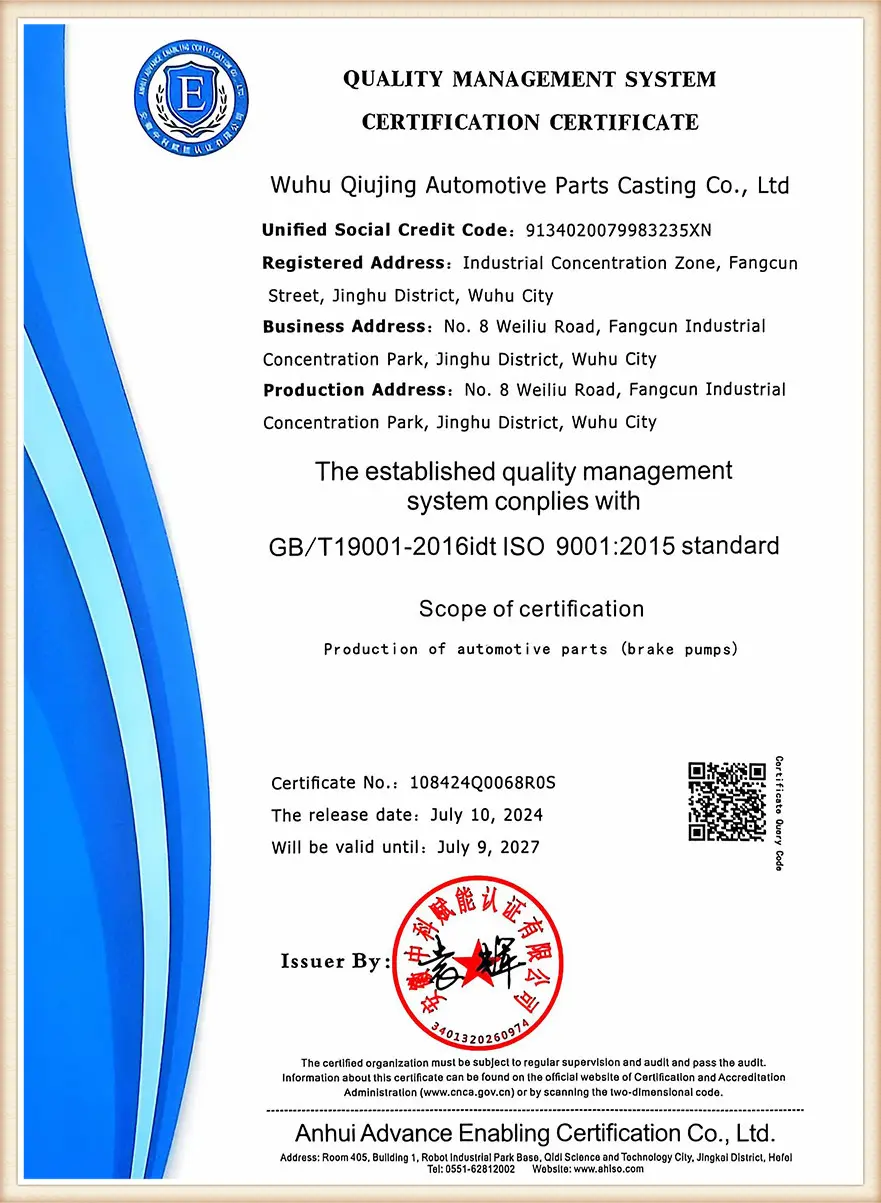
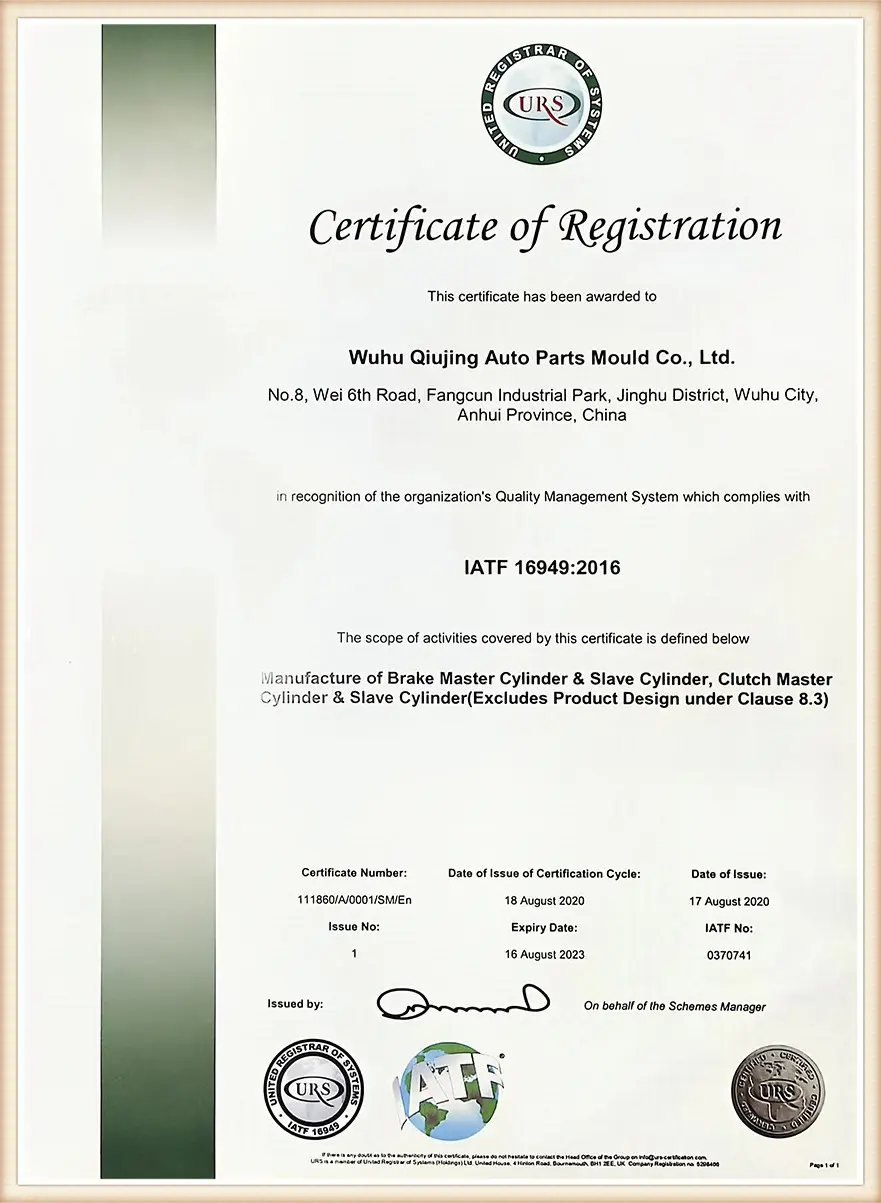
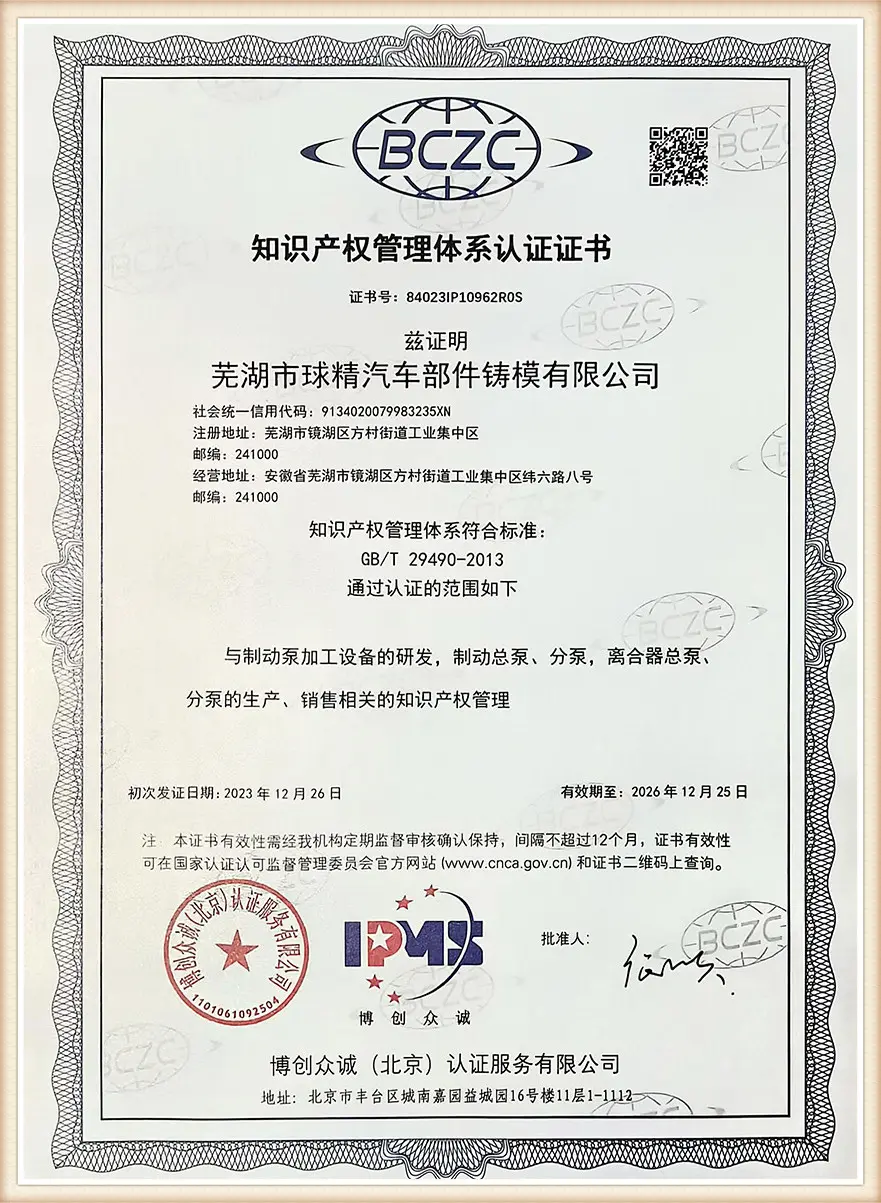
For international procurement teams, choosing component manufacturers requires verification of rigorous quality management systems. The standard automotive reference is IATF 16949:2016, which aligns with ISO 9001:2015. These standards govern every phase of manufacturing, including raw material trace audits, molten metal spectroscopic analysis, CNC processing consistency, and end-of-line pressure testing.
Wuhu Qiujing Auto Parts implements quality controls that monitor every manufacturing step. Our processes trace components from raw metal casting to final pressure testing, helping reduce assembly defect rates to under 50 PPM (Parts Per Million).

Wuhu Qiujing Auto Parts Co., Ltd. is a professional manufacturer and supplier of hydraulic brake system parts. Our catalog includes brake master cylinders, brake wheel cylinders, clutch master cylinders, and clutch slave cylinders. Since our founding in 1996, we have focused on precision manufacturing, establishing systems to produce thousands of products compatible with diverse global vehicle fleets.
 "Safety First" Engineering: Every casting is pressure tested to prevent leakage.
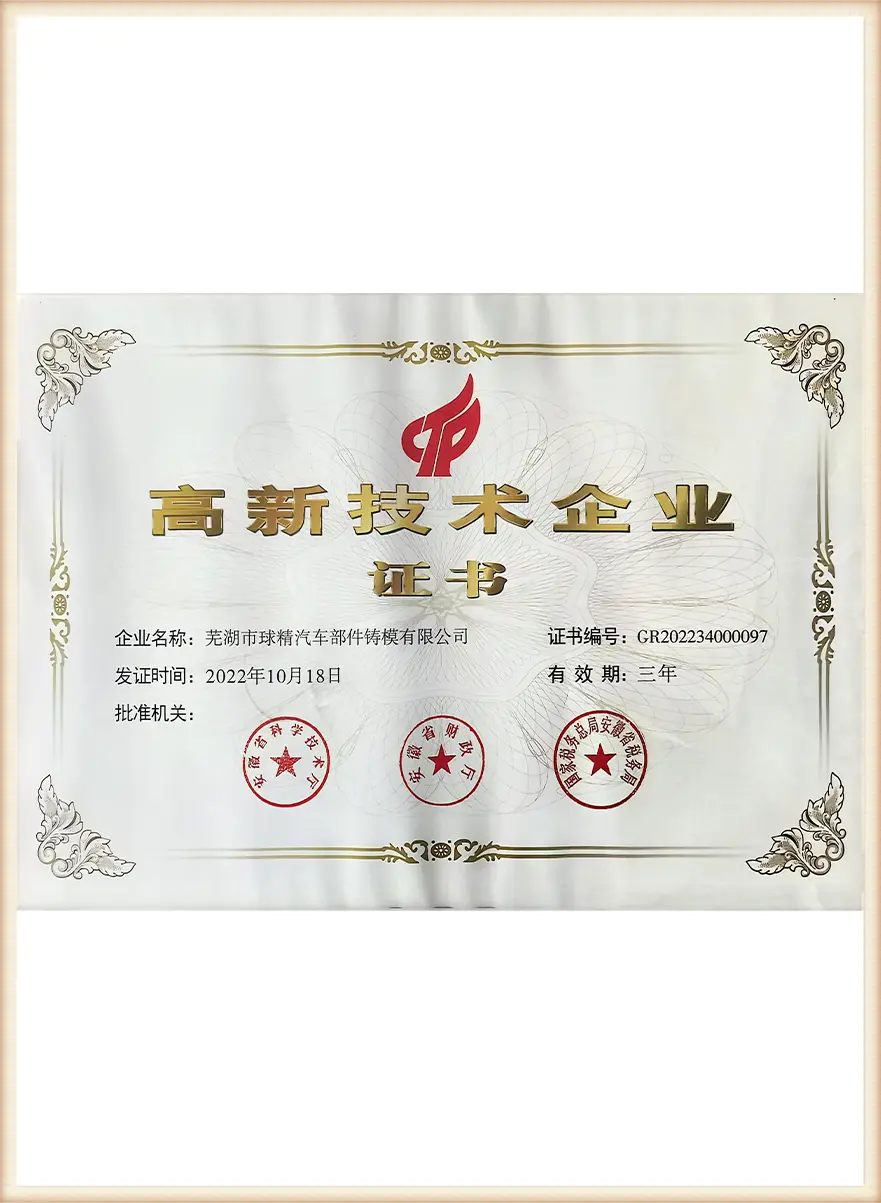
Certified Manufacturing: Certified under GB/T19001-2016, ISO 9001:2015, and IATF 16949:2016.
Global Distribution Capacity: Scaled infrastructure optimized to supply aftermarket distributors across Europe, the Americas, and Asia.
"Safety First" Engineering: Every casting is pressure tested to prevent leakage.
Certified Manufacturing: Certified under GB/T19001-2016, ISO 9001:2015, and IATF 16949:2016.
Global Distribution Capacity: Scaled infrastructure optimized to supply aftermarket distributors across Europe, the Americas, and Asia.
A comprehensive service system designed for long-term industrial partnerships and global distribution.

Our 6,000+ m² facility features an annual output capacity of over 2 million units, ensuring stable lead times and volume pricing.

Equipped with computerized testing machinery to ensure product consistency, supported by a 2-year warranty on all products.

Standardized casting and finish-honing processes ensure uniform dimensions, simplifying installation for workshops.

Dedicated R&D, quality control, manufacturing, and global sales departments provide direct support for custom OEM projects.
Our production facilities maintain compliance with international automotive standards.
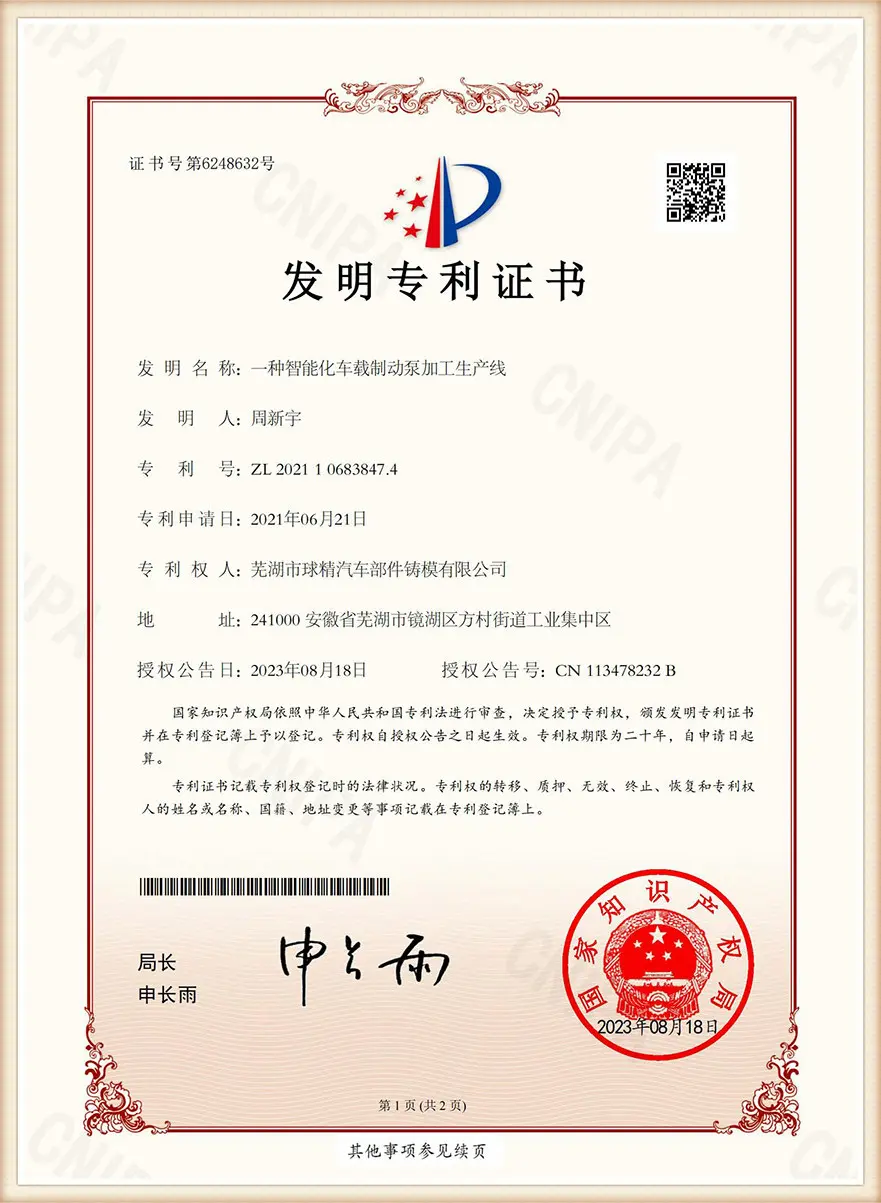
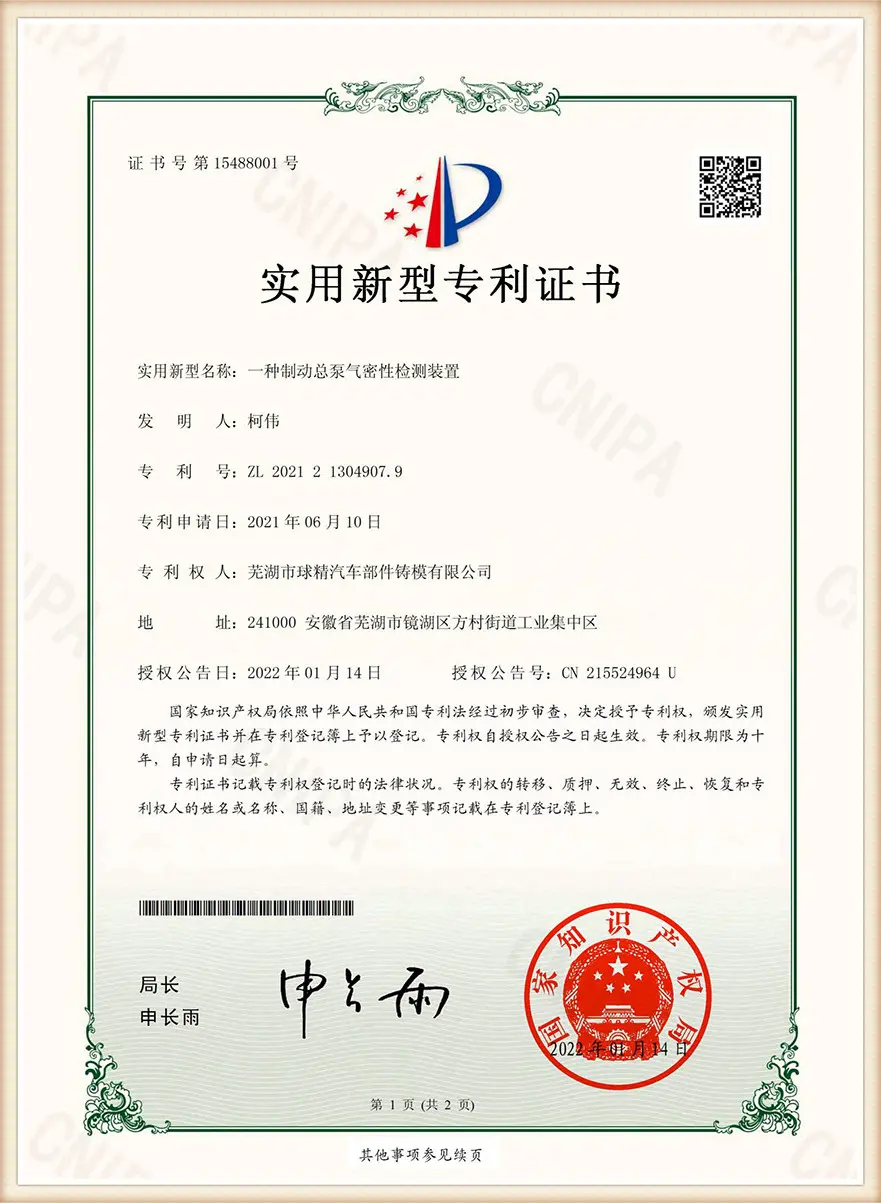
Engineering hydraulic components to meet regional challenges, severe climates, and specific fleet requirements.
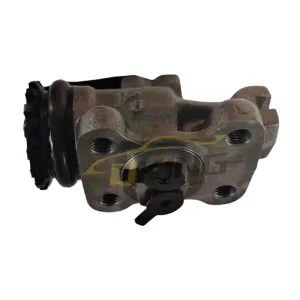
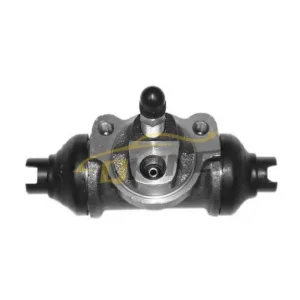
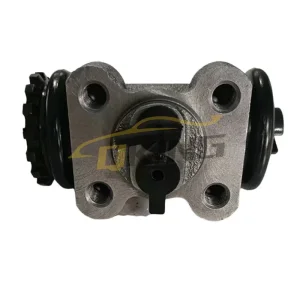
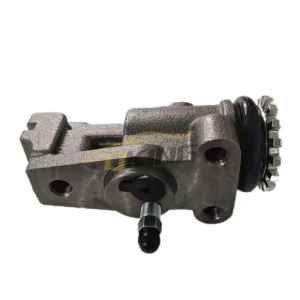
Light and heavy delivery trucks undergo continuous stop-and-go cycles under load, creating high temperatures within the brake wheel cylinders. Wuhu Qiujing components utilize high-temperature synthetic EPDM rubber cups. These seals resist temperatures up to 150°C and protect against pressure drops, extending vehicle uptime.
In cold climates (down to -40°C), standard natural rubber seals can stiffen, causing fluid leaks. Our hydraulic cylinders utilize low-temperature elastomers that maintain flexibility in cold weather, preventing fluid bypass and protecting the system's structural integrity.
High humidity and salt in coastal environments accelerate surface corrosion on standard steel cylinders. Wuhu Qiujing applies chrome-plated finishes and conversion coatings to all exposed surfaces, extending the component's operational life in corrosive environments.
For specialized agricultural, mining, or custom vehicle fleets, we produce components tailored to unique volumetric displacement requirements. Working from physical samples or digital design files, our CNC engineering team creates prototypes to verify functional parameters.
Addressing the core technical challenges, specifications, and supply questions faced by procurement teams.
Stay informed about our production updates, holiday notices, and seasonal operations.
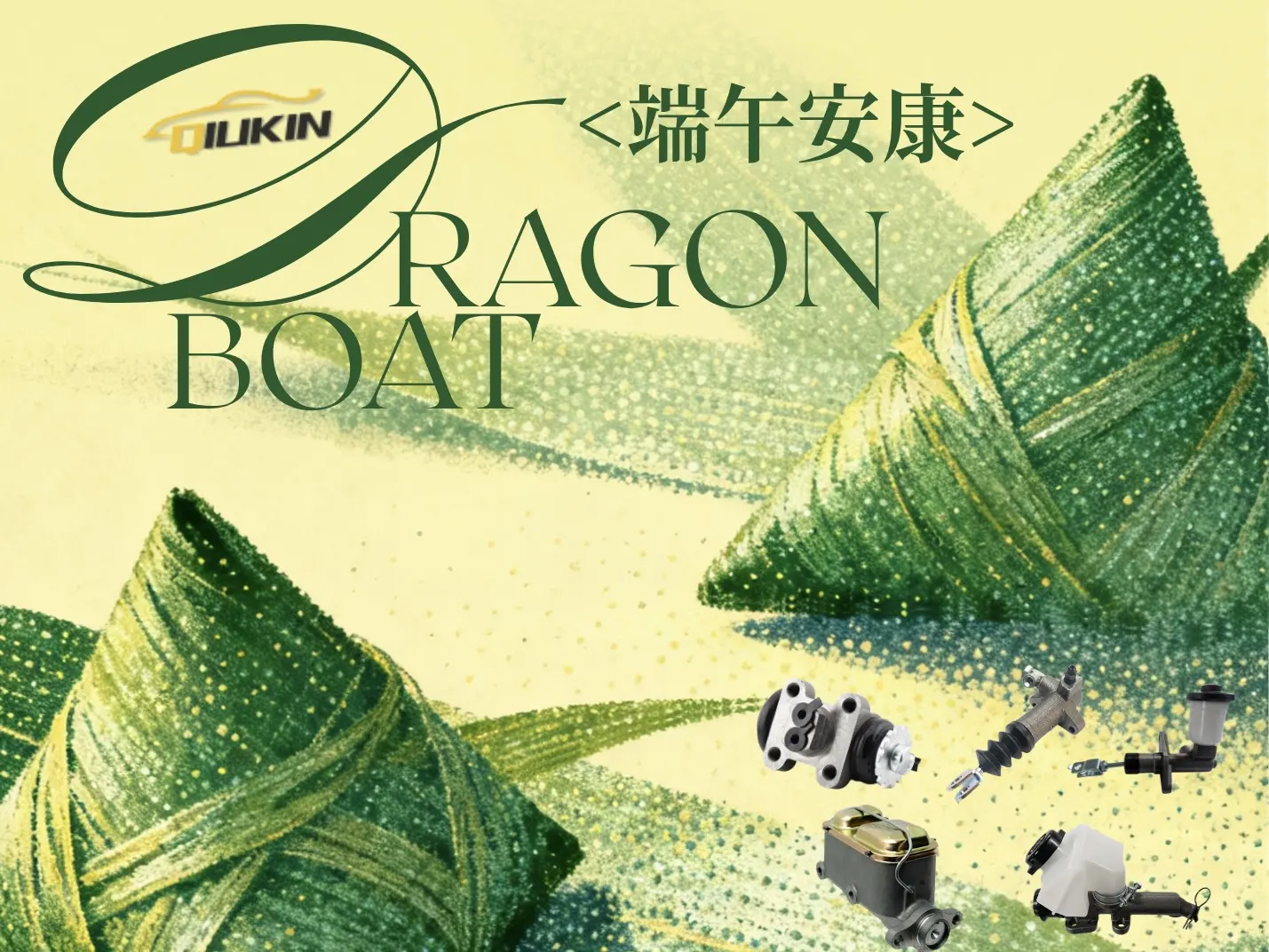
Updates on scheduling and order processing during the national holiday period, with skeleton crews maintaining shipping services for overseas orders.
View Details
Our production facilities have resumed normal operations. All CNC processing centers and testing lines are active, with lead times back to standard windows.
View Details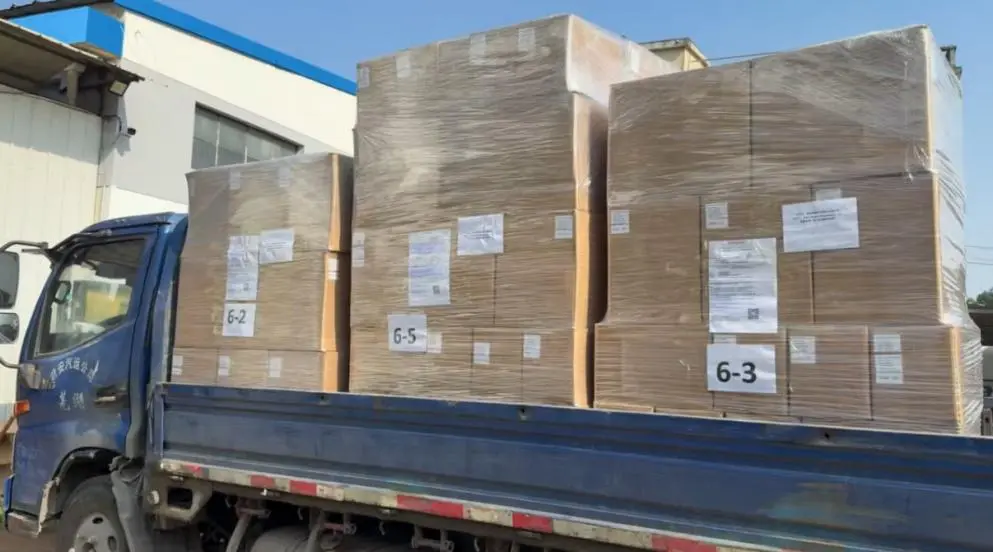
Our logistics team successfully finalized container loading operations before the winter shutdown, meeting delivery targets for international distributors.
View DetailsDirect from Wuhu Qiujing Auto Parts: Certified manufacturing according to global automotive safety and performance standards.