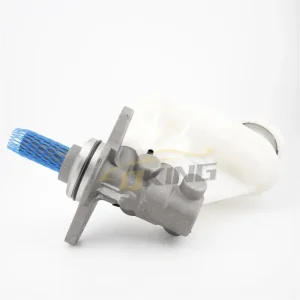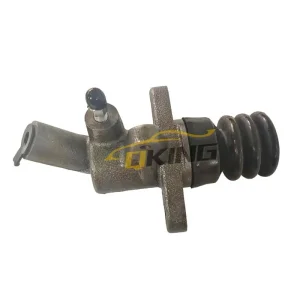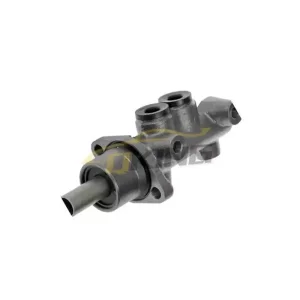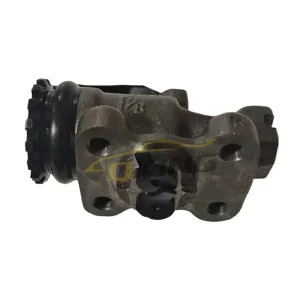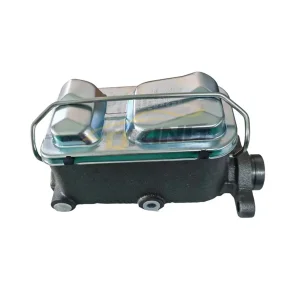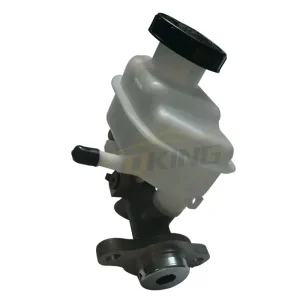
Direct from Wuhu Qiujing Auto Parts: Certified OEM quality and rigorous industrial inspection standards.
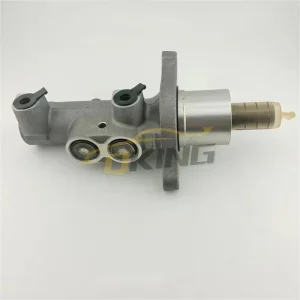
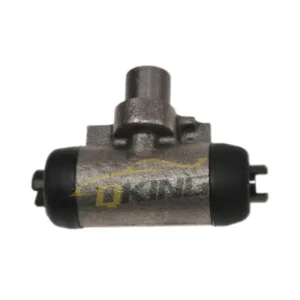
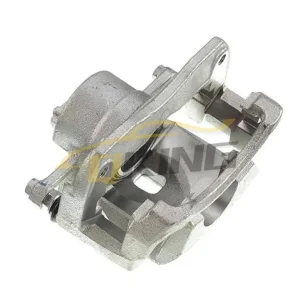
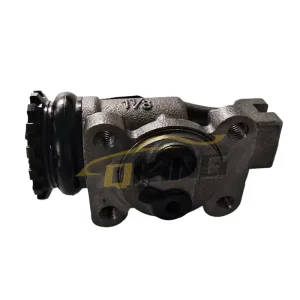
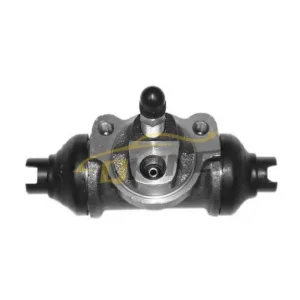
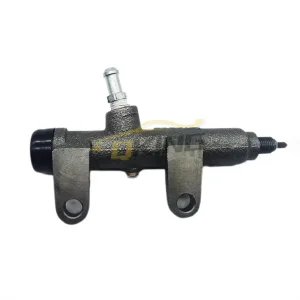
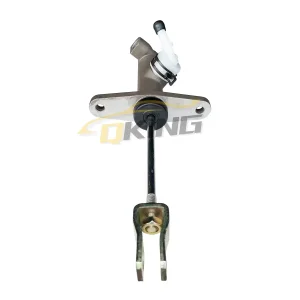
The automotive and heavy-duty commercial truck industries rely heavily on manual transmissions and automated manual transmission (AMT) systems, which require a high-precision clutch actuation mechanism. At the heart of this mechanism is the clutch master cylinder (CMC). Together with the clutch slave cylinder (CSC), it converts the physical force exerted on the clutch pedal into hydraulic pressure. This pressure flows through lines to disengage the engine drivetrain from the manual gearbox, allowing for smooth gear synchronization.
In 2024, the global automotive hydraulic system market continues to expand, driven by robust demand for medium-duty to heavy-duty logistics vehicles, utility trucks, and passenger cars in developing markets. In the commercial shipping and logistics sector (featuring workhorse platforms from manufacturers like Isuzu, Hino, and Fuso), manual clutches remain a preferred choice due to their mechanical durability, energy efficiency, and cost-effectiveness. Consequently, global procurement teams in regions such as Latin America, Southeast Asia, Eastern Europe, and Africa require a consistent supply of replacement and OEM-grade clutch master cylinders to keep their fleets operational.
Procuring clutch master cylinders at a wholesale level requires a deep understanding of the manufacturing cost structure. Sourcing agents must weigh several variables when analyzing quotes from international factories:
Metallurgical Raw Materials: High-pressure cylinders are generally fabricated from either high-density cast iron (for heavy commercial vehicles demanding high wear resistance) or lightweight aluminum alloys (such as ADC12 or A380, typical in modern passenger vehicles). Fluctuations in aluminum and iron ore global markets directly influence the baseline manufacturing cost.
Elastomer Quality & Seal Engineering: The mechanical seal within the cylinder represents a key point of failure. Top-tier factories utilize premium ethylene propylene diene monomer (EPDM) or fluorocarbon (FKM) seals capable of enduring millions of compression cycles without leaking. Cheaper, low-grade seals degrade rapidly when exposed to DOT 3, DOT 4, or DOT 5.1 brake fluids, leading to catastrophic system failure.
Machining Tolerances: Inner cylinder walls must undergo precision boring and honing processes. Surface roughness must be maintained within micron-level tolerances (typically Ra 0.2 to Ra 0.4 microns) to prevent premature seal wear. Realizing this degree of precision requires investment in advanced computer numerical control (CNC) machining centers, which affects the initial manufacturing pricing, but vastly decreases field failure rates.
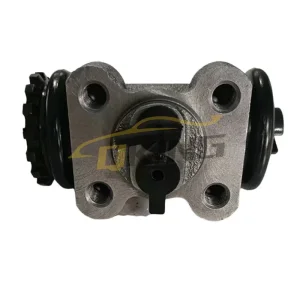
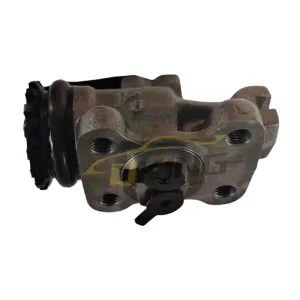
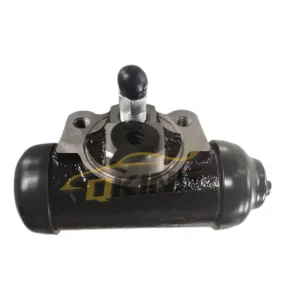
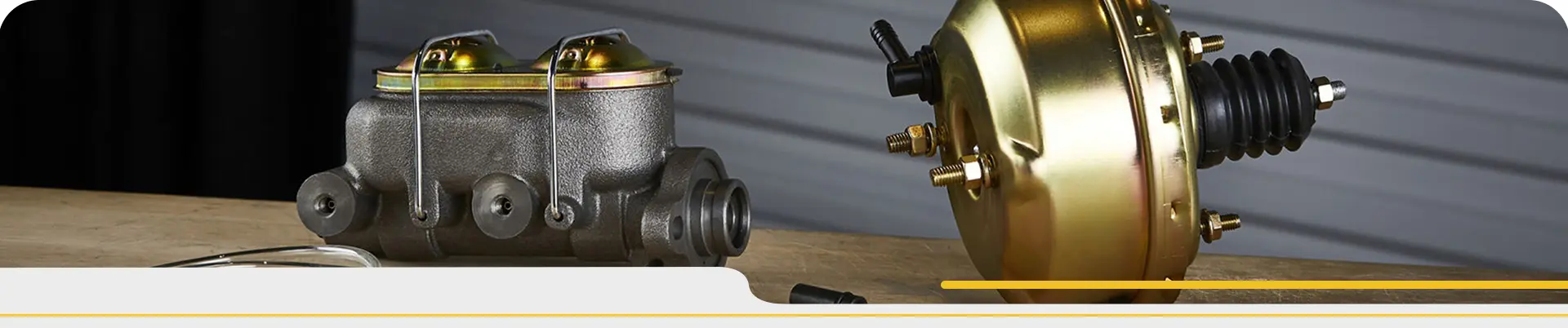
Explore our extensive component catalog designed to fulfill demanding OE specifications.
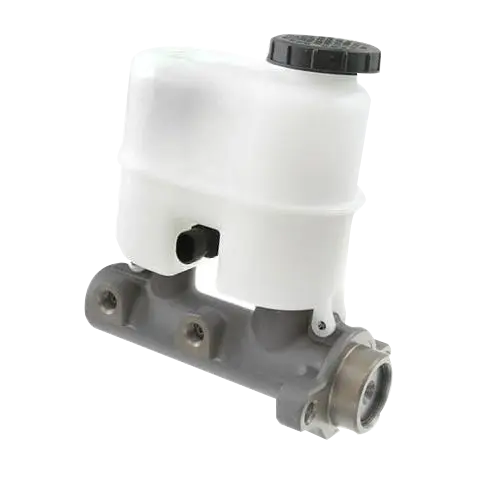
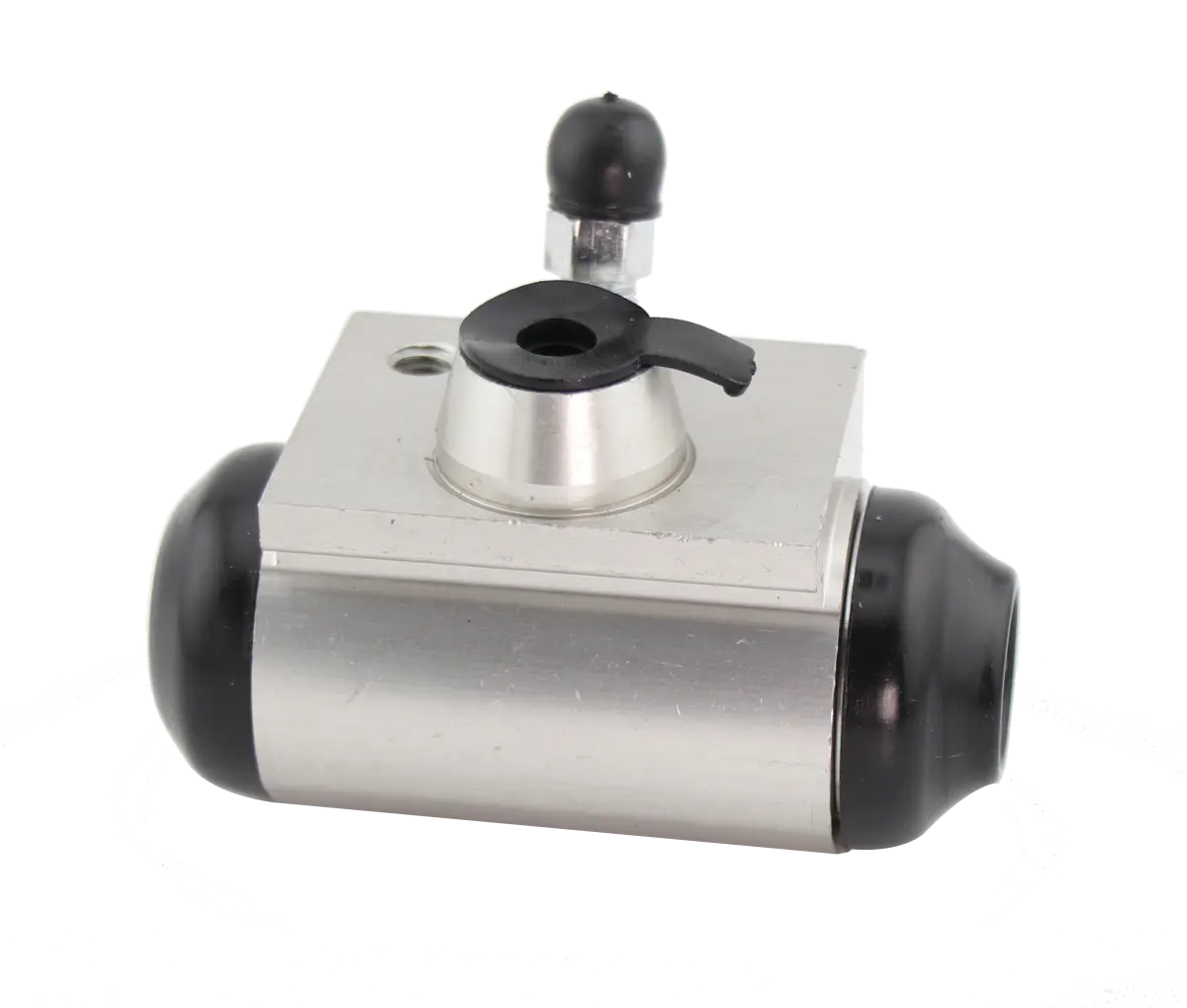
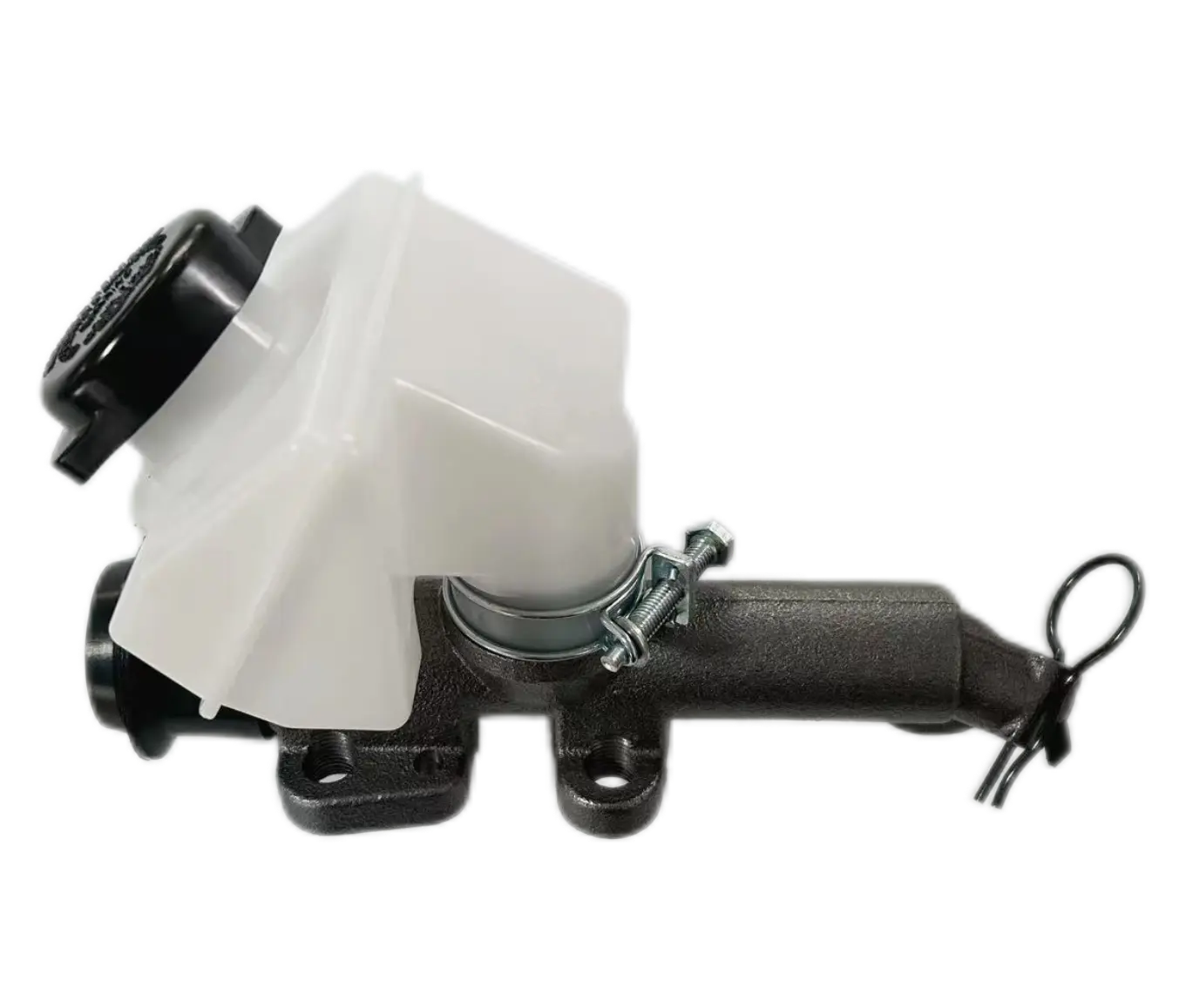
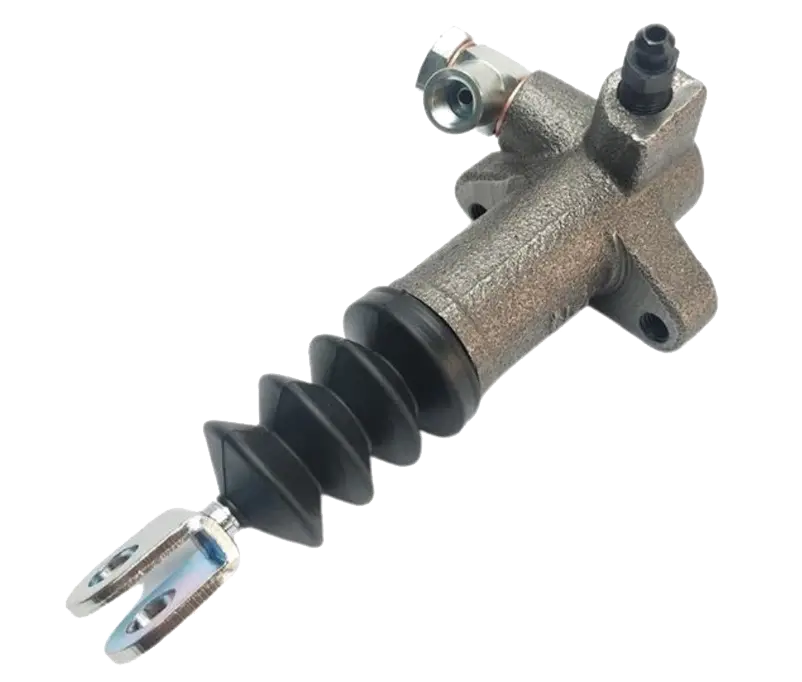
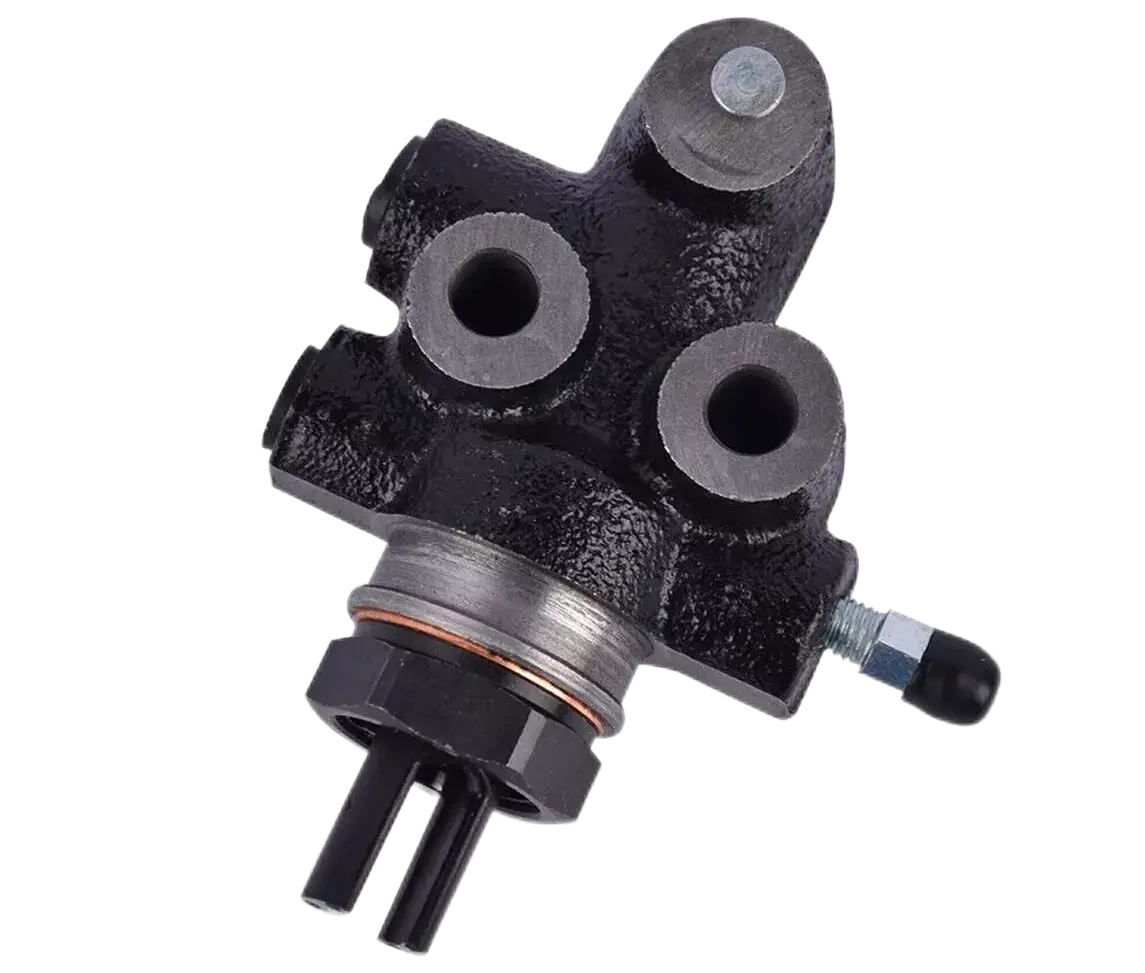
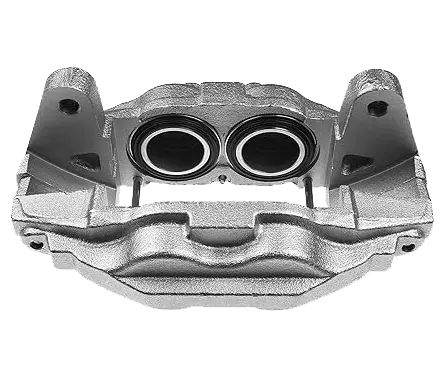
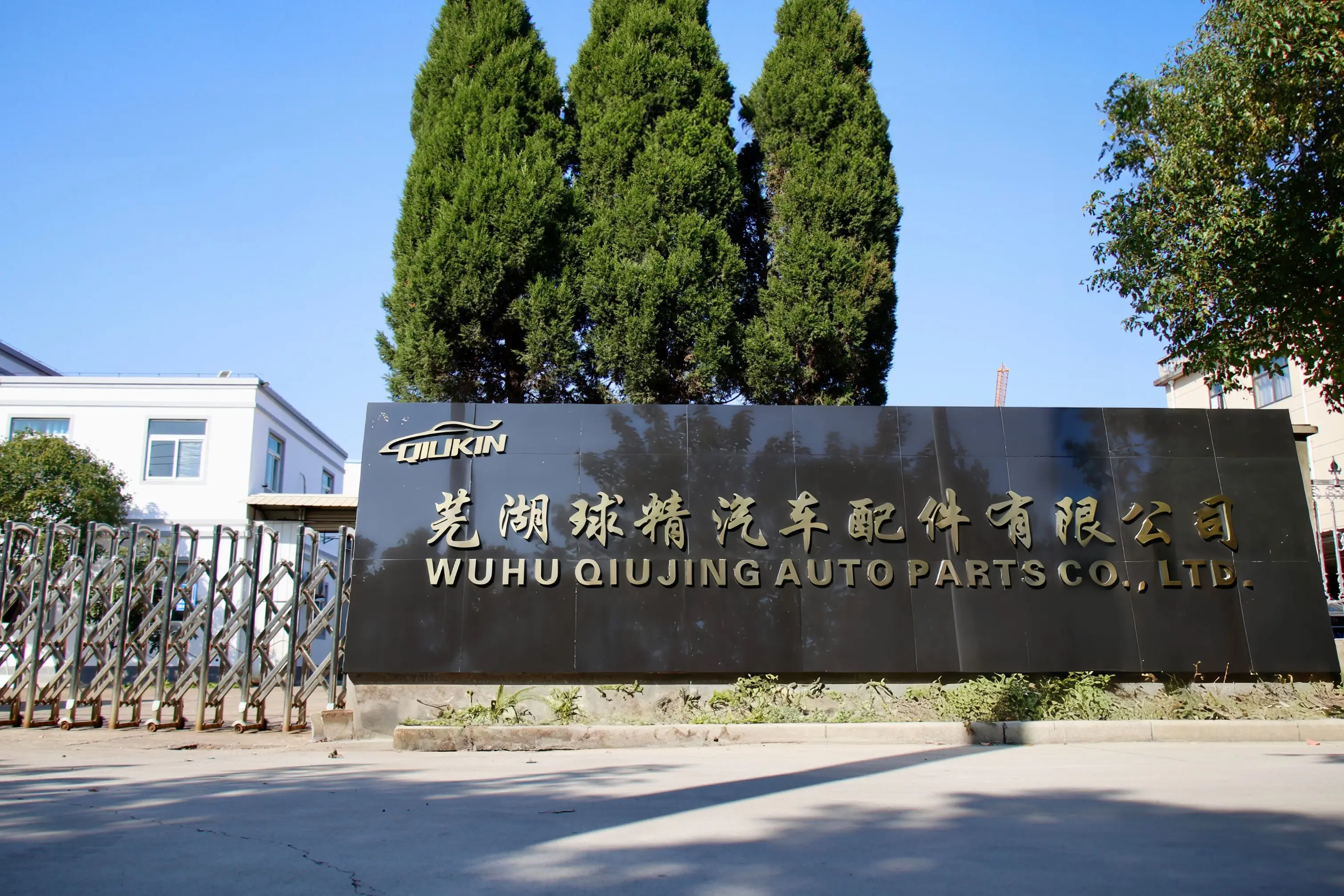
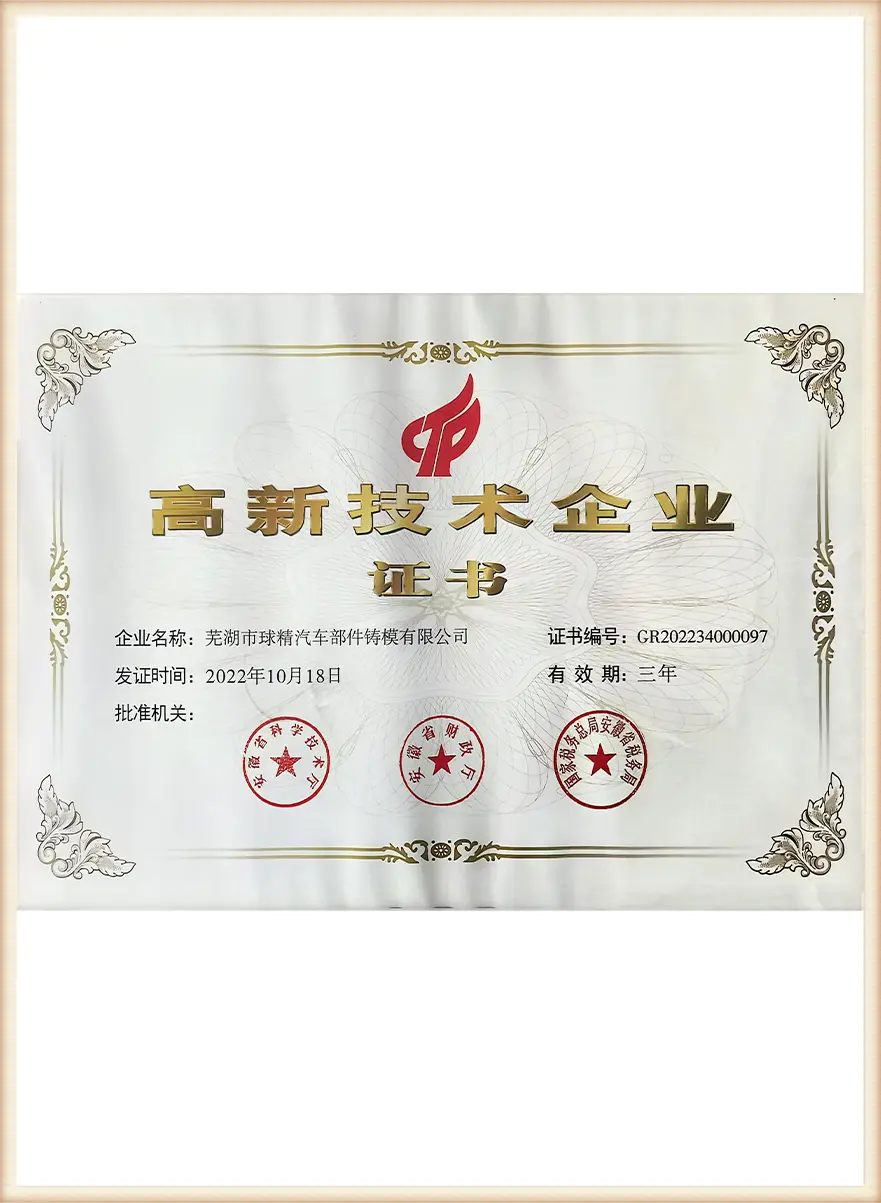
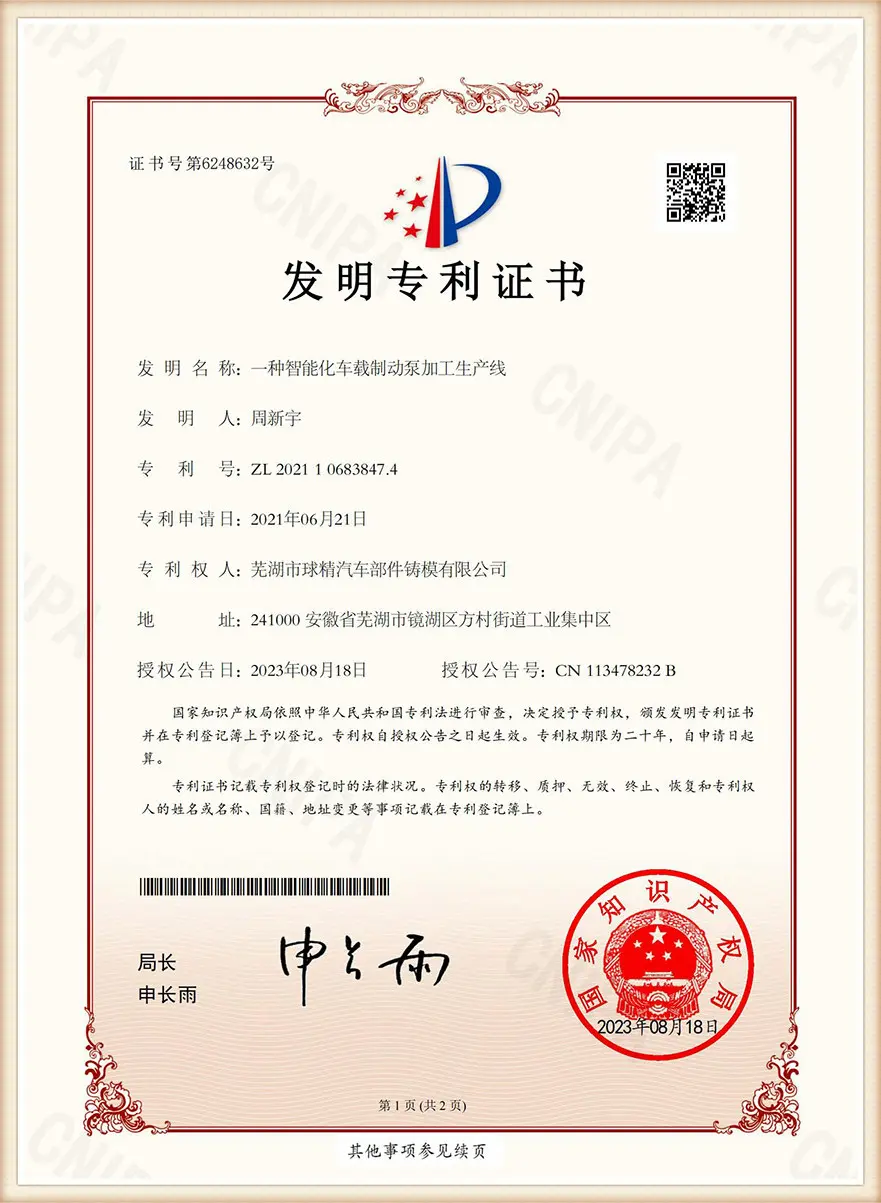
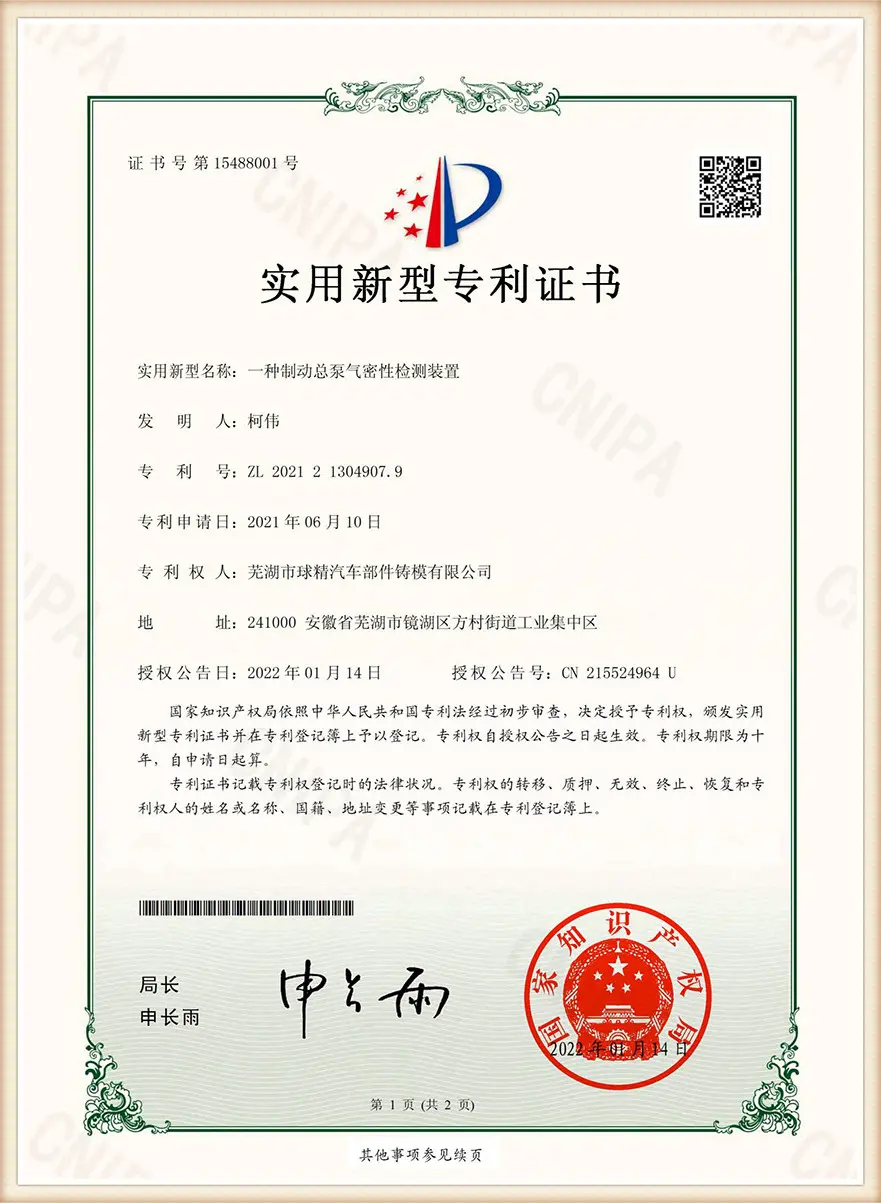
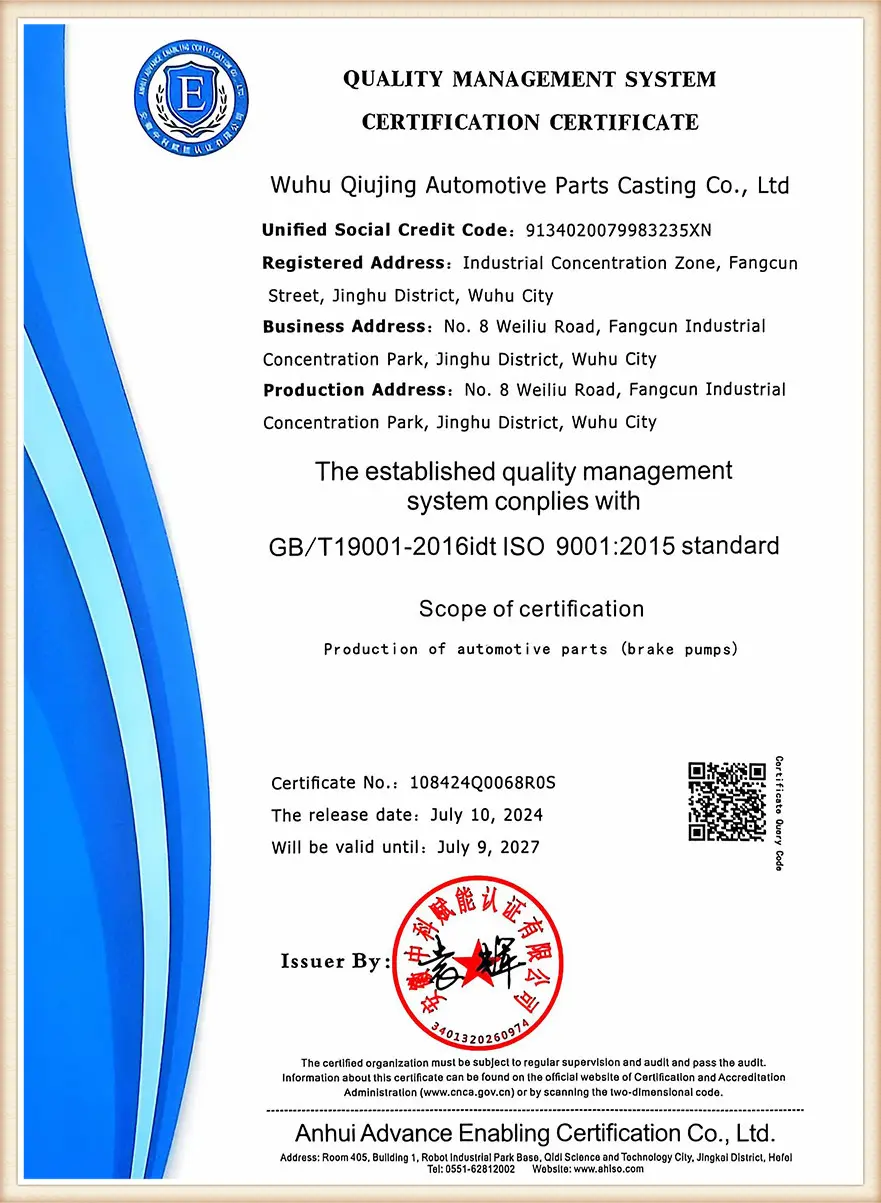
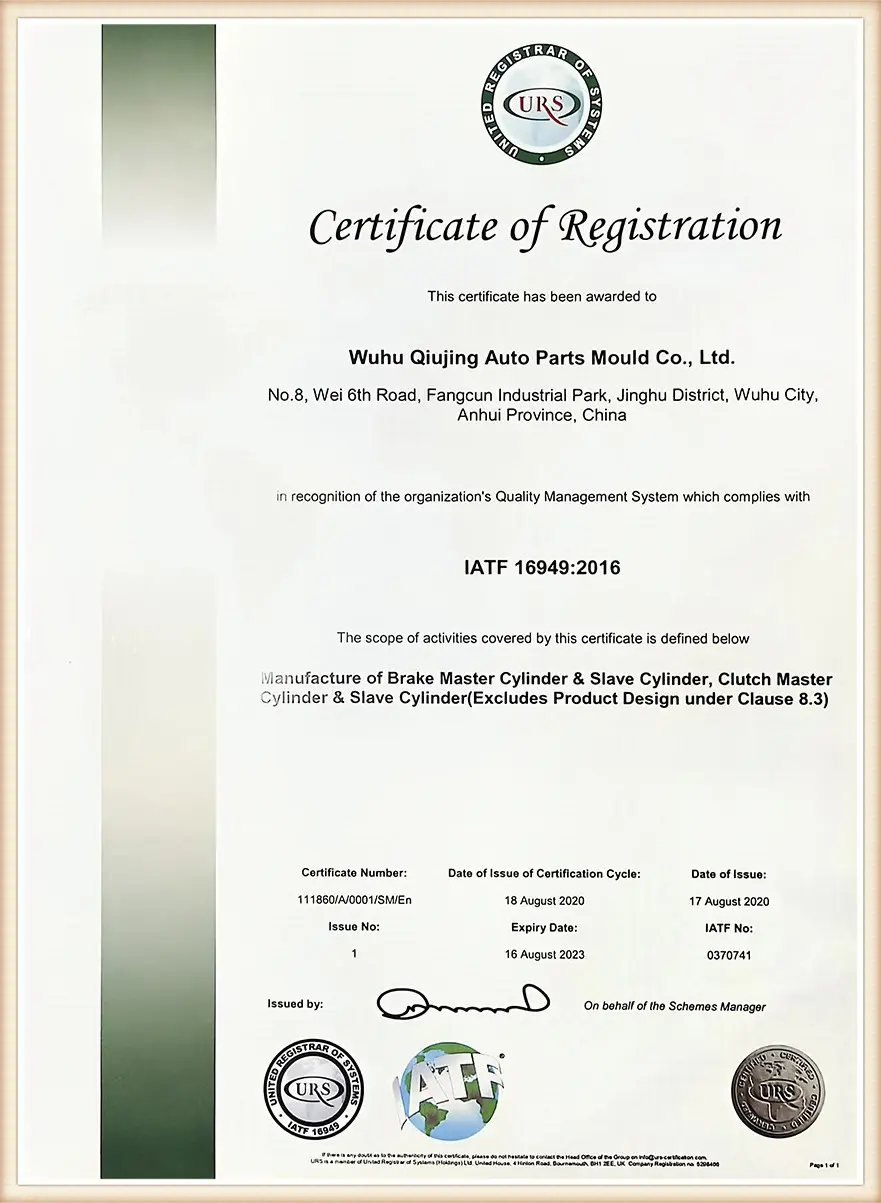
We are a professional brake system parts manufacturer and supplier, mainly including brake master cylinder, brake wheel cylinder, clutch master cylinder, clutch slave cylinder, etc. The founder has been deeply engaged in automotive brake parts since 1996. Through industry experience and production technology, the factory has now developed dozens of models and thousands of products to ensure that they are suitable for different models and meet different road requirements. The products have GB/T19001-2016/ISO 9001:2015, IATF16949:2016 quality system certification.
 "Safety first" is the core concept of the factory.
Actively promotes the corporate spirit of "integrity, innovation, and efficiency".
"Safety first" is the core concept of the factory.
Actively promotes the corporate spirit of "integrity, innovation, and efficiency".
Automotive procurement managers at Tier-1 component brands, major aftermarket import firms, and regional distributors must mitigate risks by enforcing a strict validation process. The primary challenge is balancing unit price against long-term warranty liability. Working with a verified source factory like Wuhu Qiujing offers distinct structural benefits:
Quality Management Accreditations: Sourcing facilities must operate under IATF 16949:2016 and ISO 9001:2015 quality frameworks. These standards ensure that every production run—from melt selection to the final automated testing—follows a documented sequence of preventative quality measures.
Comprehensive Validation Testing Protocols: A premium master cylinder is subjected to thorough performance evaluations before leaving the factory. These tests include:
• Low-Pressure Leak Testing: Verifies structural integrity at 0.05 to 0.1 MPa pressures to detect minor casting porosity.
• High-Pressure Destructive Testing: Ensures the cylinder can withstand spike pressures up to 15-20 MPa without structural rupture.
• Cycle Durability Testing: Simulates 1,000,000+ operations in environmental chambers ranging from -40°C to +120°C to confirm the thermal resilience of EPDM seals.
Wuhu, located in Anhui Province, stands as a major hub for China's modern automotive component export industry. Housing major domestic passenger vehicle manufacturers and a vast network of casting, precision tooling, and chemical polymer facilities, the Wuhu automotive cluster provides unmatched supply chain efficiency.
At Wuhu Qiujing Auto Parts Co., Ltd., we capitalize on this regional supply chain integration to optimize material procurement and production times. Operating a dedicated 6000m² factory equipped with specialized CNC machining setups, coordinate measuring machines (CMM), and automatic anodizing processes, we produce an annual volume exceeding 2,000,000 hydraulic cylinders. This high-volume framework reduces individual unit production costs, allowing us to pass significant savings on to our global commercial partners while maintaining strict IATF 16949-certified quality controls.
Our operational model is built around precision manufacturing, certified quality standards, and dedicated client service.
Direct ownership of a 6000+ m² facility, staffed by 50+ technicians, with an annual output exceeding 2 million units.
Equipped with specialized machining centers and inspection devices. All components come with a two-year post-sale warranty.
Consistently uniform castings, rigorous seal inspections, and flexible scheduling designed for long-term supply arrangements.
Direct integration between our R&D, tooling, QA, and logistics teams for rapid project execution and client updates.
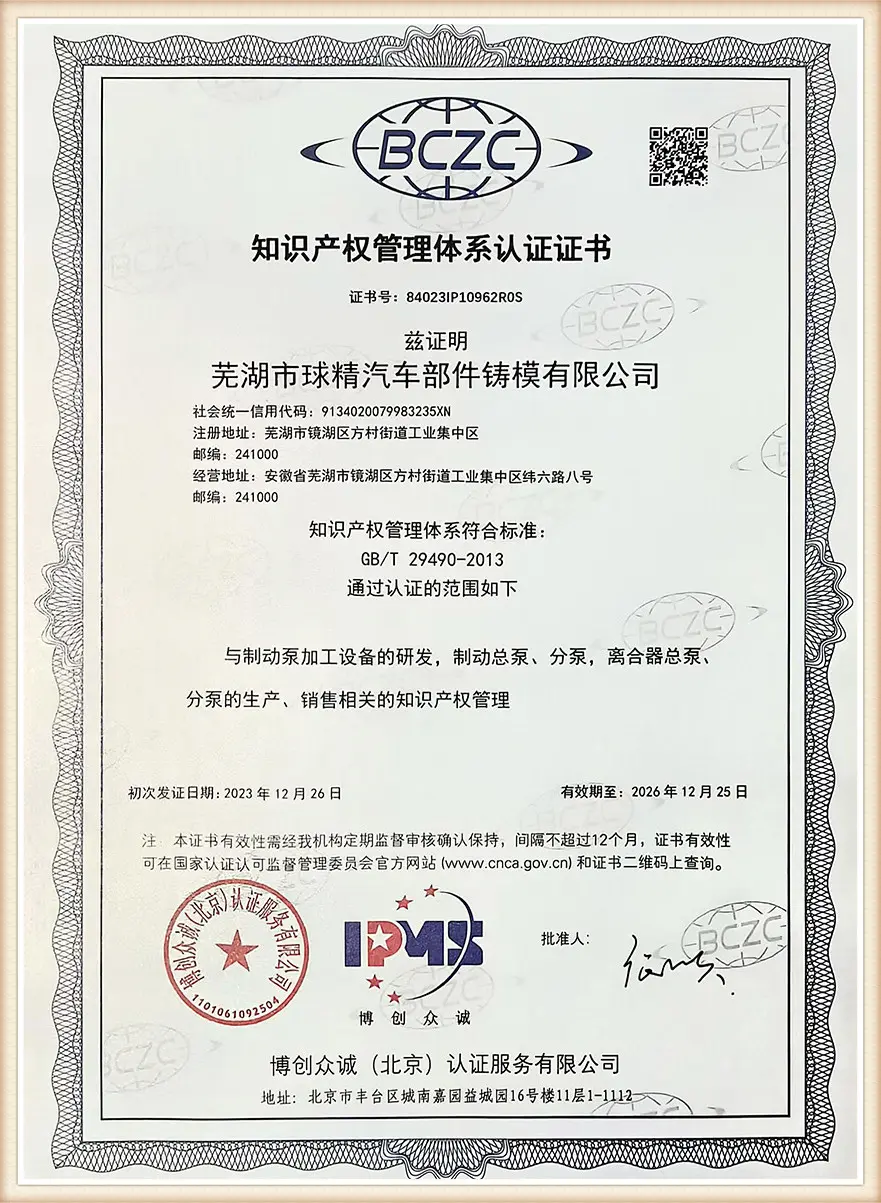
Operating under GB/T19001-2016 / ISO 9001:2015, IATF 16949:2016, and GB/T29490-2013 regulatory frameworks.
Hydraulic design demands differ significantly based on the operating environment and region:
High-Altitude & Low-Temperature Environments: High-altitude transport runs in regions like the Andes in South America or parts of Central Asia require hydraulic cylinders that maintain elasticity at sub-zero temperatures. Low-performance seals can contract in extreme cold, allowing air pockets to enter the clutch fluid. This causes a spongy clutch pedal feel and incomplete clutch disengagement. The use of premium EPDM elastomers is critical for these operating conditions.
Tropical & High-Humidity Logistics: In humid coastal areas of Southeast Asia and West Africa, corrosion of the outer casting is the primary threat to cylinder longevity. For cast iron cylinder bodies, our factory utilizes defensive electrostatic coating or black oxide surface treatments. Aluminum models undergo advanced anodizing treatments to prevent galvanic corrosion.
Heavy-Duty Commercial Fleet Operations: Delivery routes and heavy-duty logistics involve constant shifting and stop-and-go driving. These duty cycles subject commercial workhorses like the **Isuzu Elf (NHR, NKR, NPR)** or heavy-duty **Hino** trucks to continuous hydraulic spikes. Our OEM-grade cylinders feature bore-honed finishes that reduce seal wear under load, resulting in longer maintenance intervals for commercial operators.
As the automotive industry evolves, manual clutch actuation technologies are adapting to keep pace. Key trends shaping the future of this sector include:
Integration of Sensor Technology: Modern semi-automated powertrains and advanced AMT setups utilize clutch master cylinders integrated with magnetic travel sensors. These sensors output precise positional feedback to the vehicle's Transmission Control Unit (TCU), allowing the system to adjust clutch release speed based on engine speed and vehicle load.
High-Performance Composite Materials: Weight reduction remains a major goal for passenger vehicle platforms. Engineering firms are increasingly moving away from heavy cast metals in favor of high-performance glass-fiber reinforced polyamides. These advanced composites provide equivalent burst pressure ratings to aluminum while reducing component weight by up to 40% and offering natural resistance to environmental oxidation.
Detailed technical answers to common queries from procurement specialists, logistics managers, and engineers.
Stay informed about operational announcements, holiday notices, and seasonal shipping updates from our team.
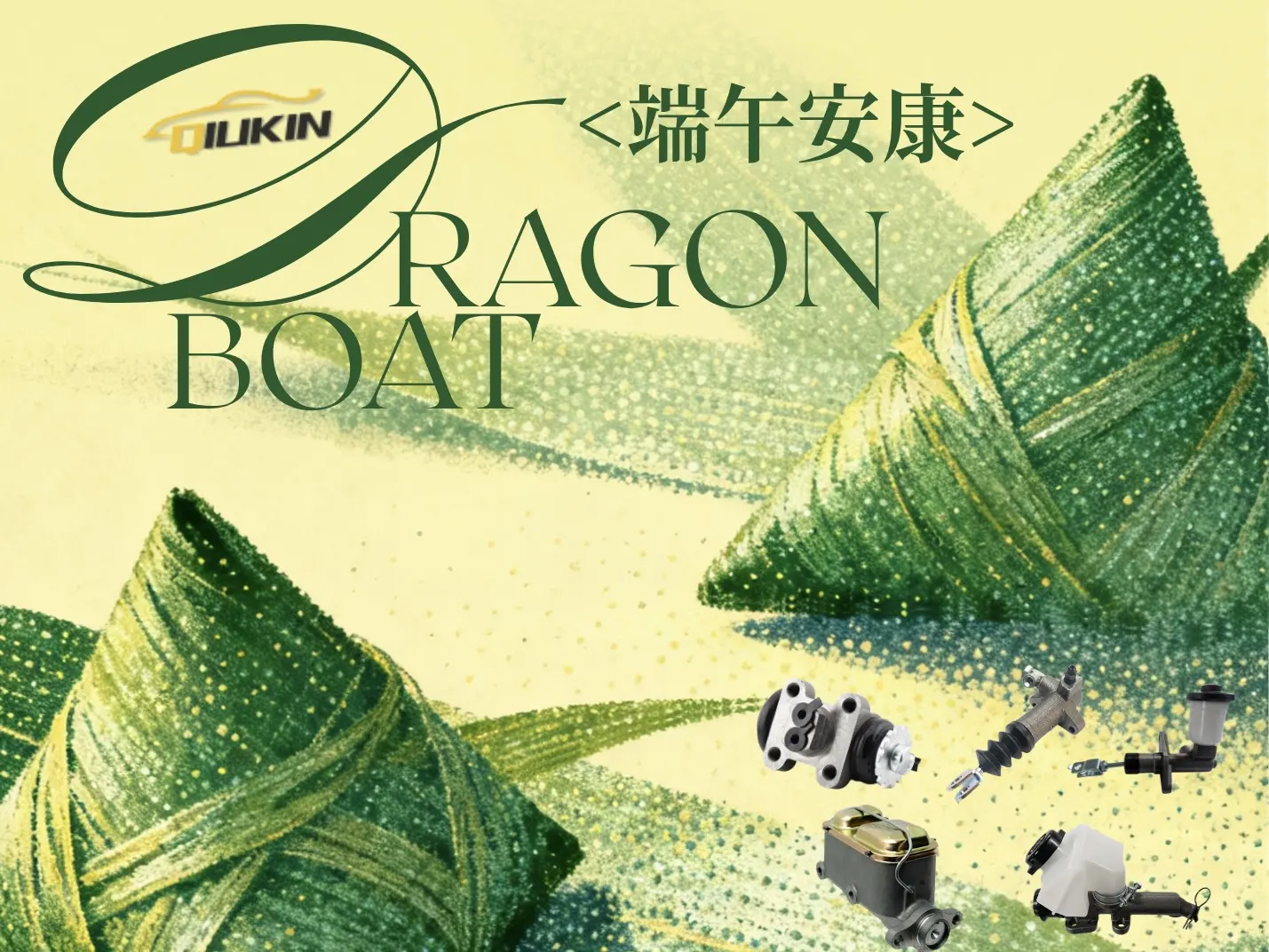
Our holiday operational schedule and emergency contact info for international shipping schedules during the upcoming traditional festival.
view more
Following the seasonal holiday break, our CNC lines and assembly areas are operating at full capacity. We are currently accepting new orders for Q2 shipping dates.
view more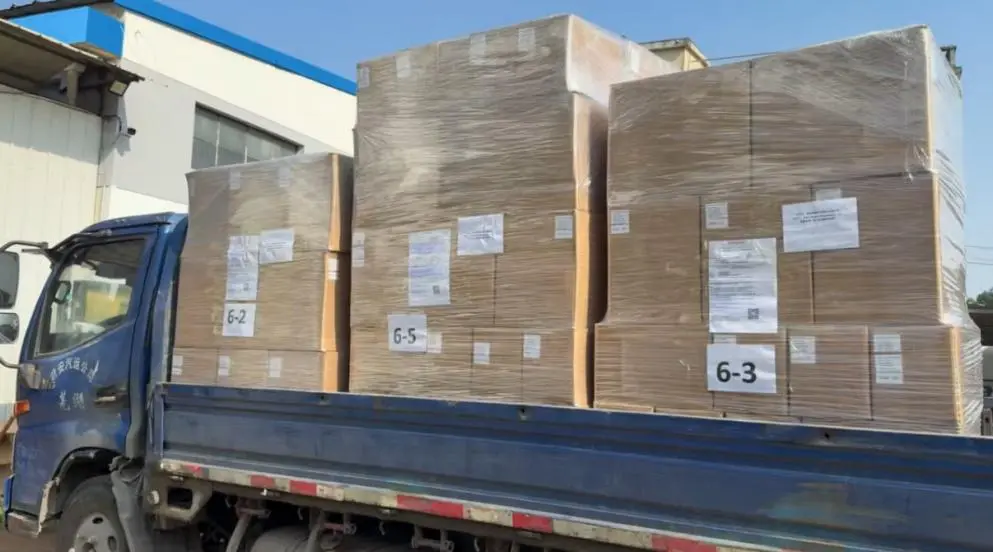
Our shipping team successfully finalized and dispatched all outstanding export container orders, ensuring our distributors maintain target inventory levels.
view moreExplore additional OEM-grade hydraulic components from our production lines.