Wholesale Fallas Comunes Del Cilindro Maestro De Frenos Supplier & Suppliers

Global Industrial Brake System Manufacturer Specializing in IATF 16949 Certified Brake Cylinders, Troubleshooting Solutions, and Bulk Aftermarket Distribution.

Comprehensive Hydraulic Control Categories

Engineered to deliver high pressure stability, structural integrity, and maximum service life.

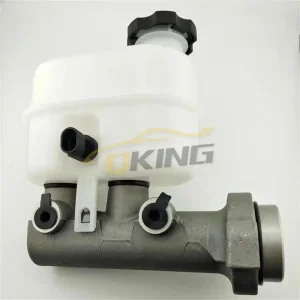
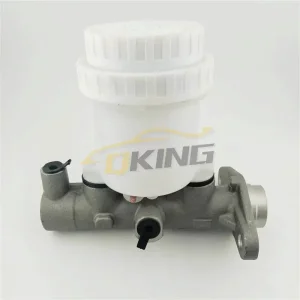
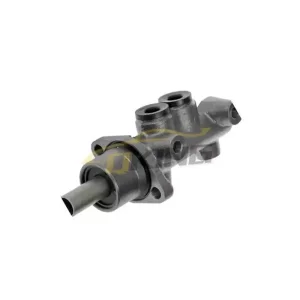
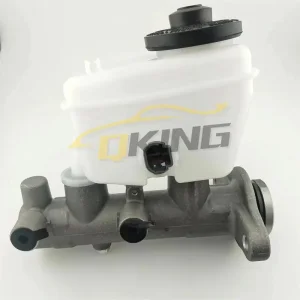
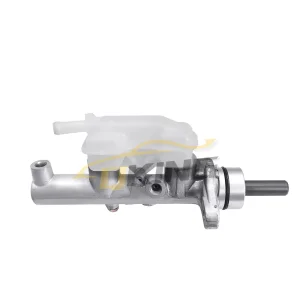
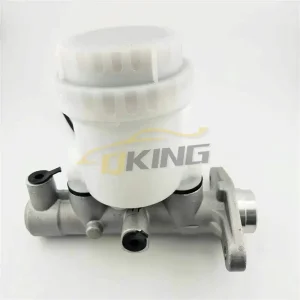
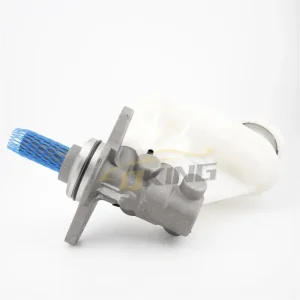
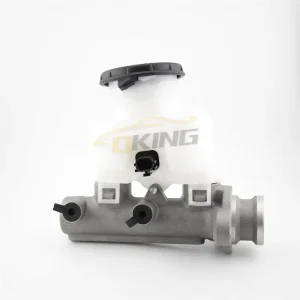
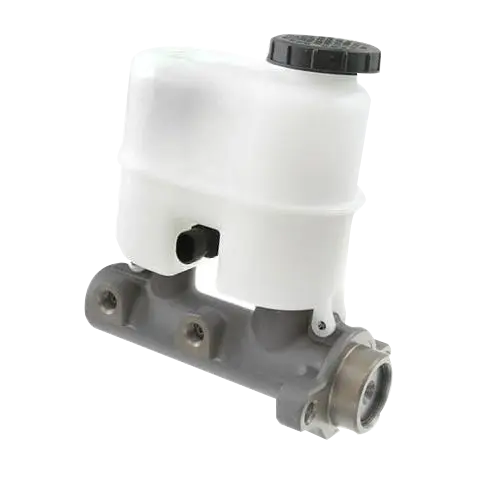
Brake Master Cylinder
R1 Category

Brake Master Cylinder

Explore Technical Specifications →
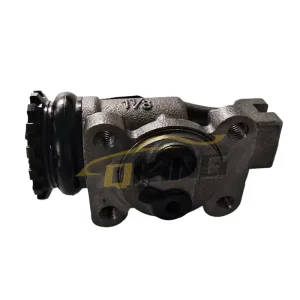
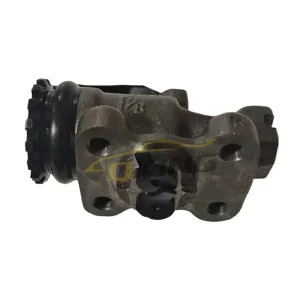
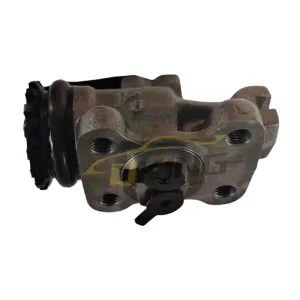
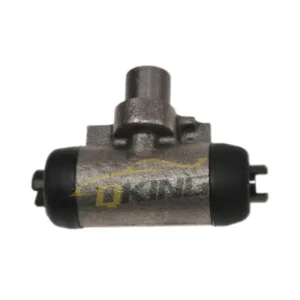
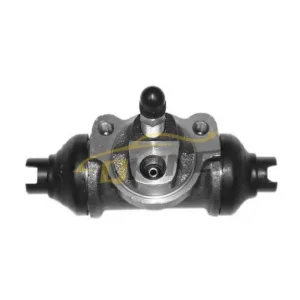
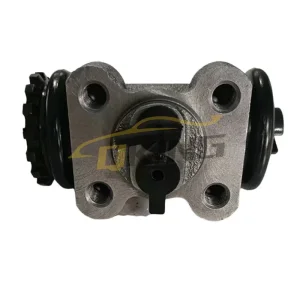
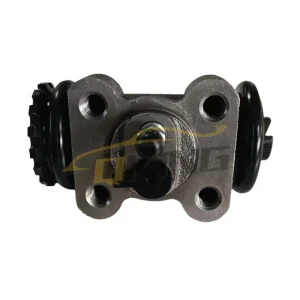
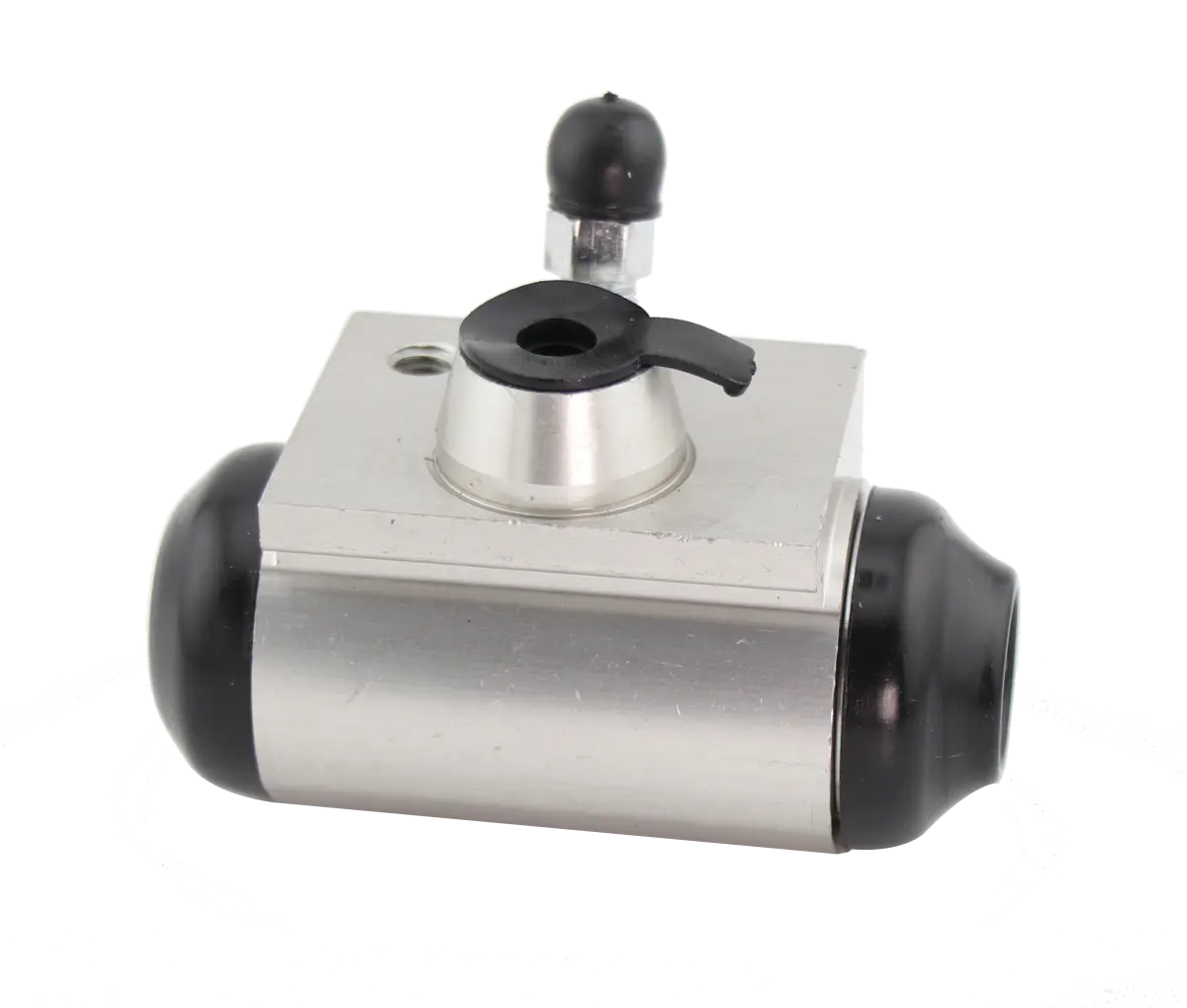
Brake Wheel Cylinder
R2 Category

Brake Wheel Cylinder

Explore Technical Specifications →
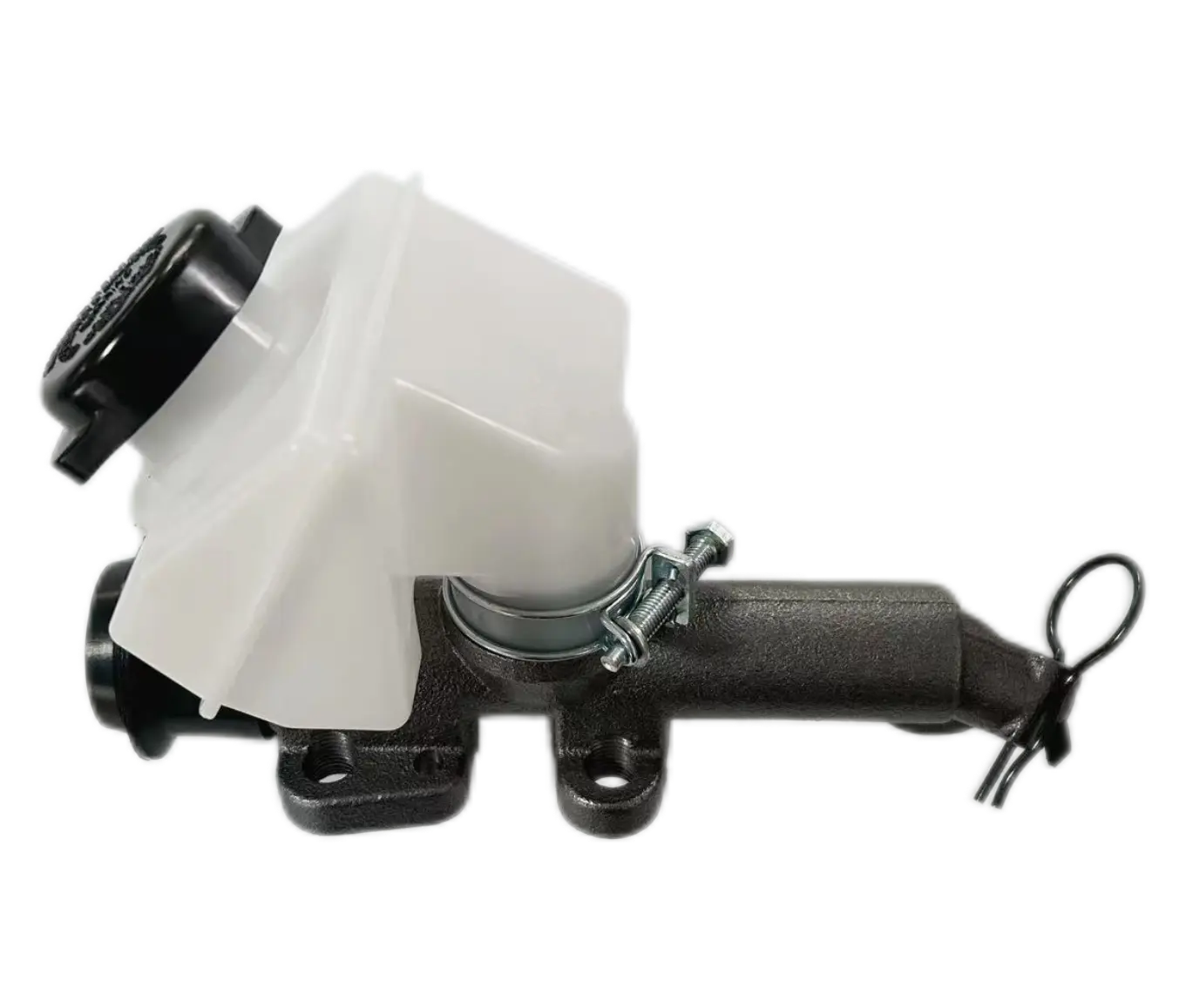
Clutch Master Cylinder
R3 Category

Clutch Master Cylinder

Explore Technical Specifications →
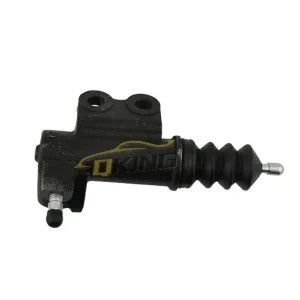
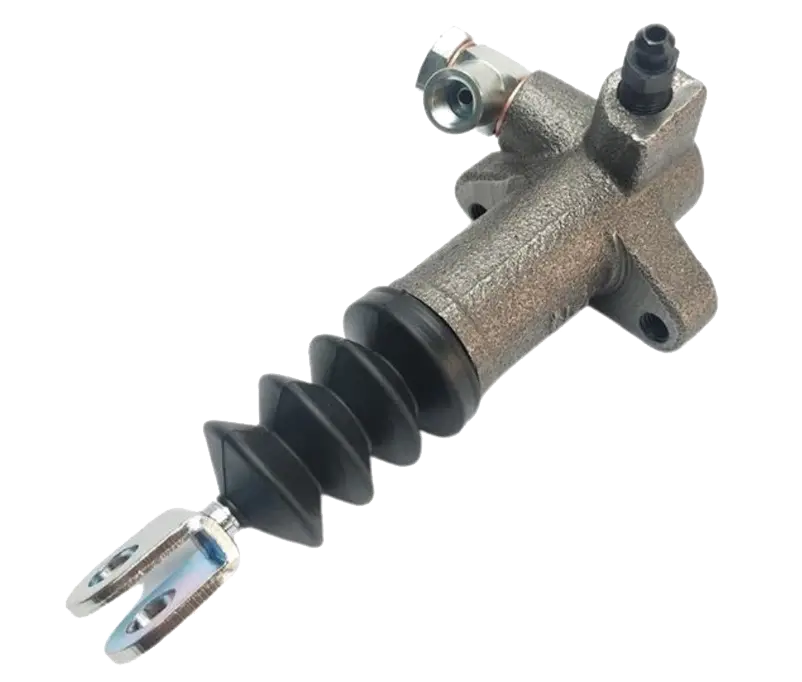
Clutch Slave Cylinder
R4 Category

Clutch Slave Cylinder

Explore Technical Specifications →
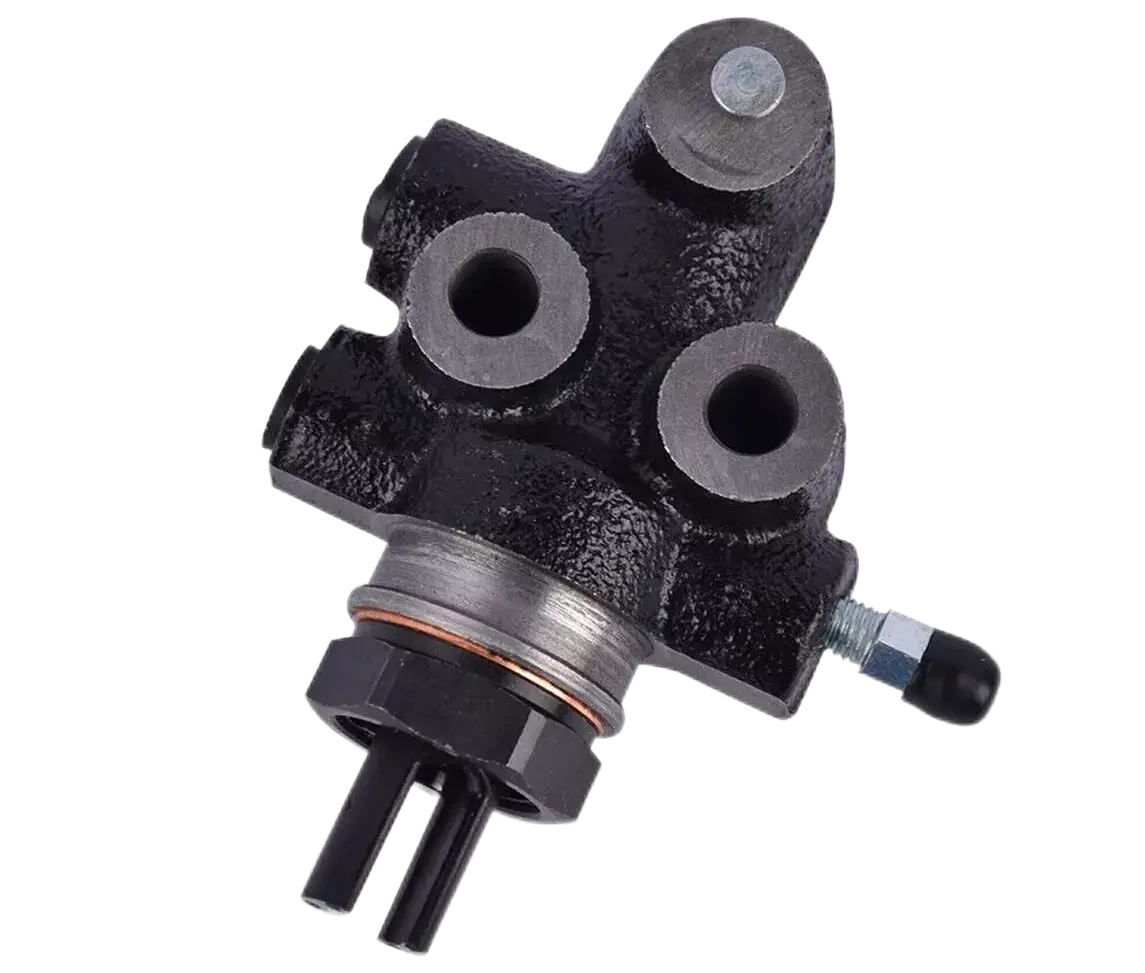
Brake Proportioning Valve
R5 Category

Brake Proportioning Valve

Explore Technical Specifications →
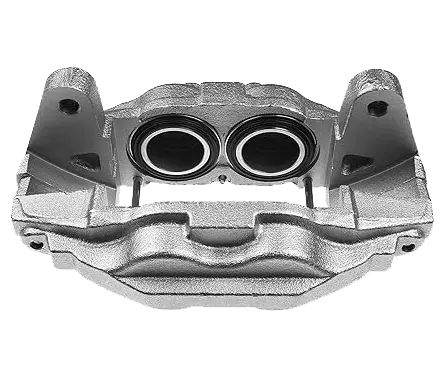
Brake Caliper
R6 Category

Brake Caliper

Explore Technical Specifications →

Fallas Comunes del Cilindro Maestro de Frenos: Technical Analysis & Diagnosis

The Brake Master Cylinder (Cilindro Maestro de Frenos) is the hydraulic heart of any vehicle's braking system. Its primary role is to convert mechanical force from the brake pedal into hydraulic pressure, transmitting fluid through lines to calipers and wheel cylinders. When internal seals degrade or bores experience excessive wear, vehicular safety is critically compromised. For fleet operations, global parts distributors, and automotive mechanics, identifying common failures (fallas comunes) is key to preventative maintenance and quality sourcing.

1. Pedal Esponjoso o "Bajo" (Spongy Pedal Action)

When internal primary piston seals wear out or crack, hydraulic fluid leaks backward past the piston rather than being forced forward through the outlet ports. This internal bypass generates a spongy, unresponsive pedal feel that requires multiple pumps to build stopping pressure.

2. Fugas de Líquido de Frenos Internas y Externas

External leaks are usually visible at the rear of the master cylinder assembly where it mounts to the brake booster. Damage to the secondary cup seal causes brake fluid to pass into the booster housing, stripping paints, damaging the booster diaphragm, and slowly dropping fluid reservoir levels.

3. Bloqueo o Agarre de los Frenos (Brake Dragging)

If the piston return port (compensating port) is blocked by debris, corrosion, or incorrect pushrod clearance, pressure cannot exhaust back into the reservoir when the pedal is released. This trapped pressure causes continuous pad-to-rotor contact, leading to overheating and severe component wear.

4. Contaminación del Líquido y Oxidación del Cilindro

Brake fluid is hygroscopic (moisture-absorbing). Over time, moisture accumulation promotes chemical corrosion inside the cast iron or anodized aluminum cylinder bore. This rough, pitted surface rapidly tears through new rubber seals, leading to premature assembly failures.

Failure Symptoms & Root Causes Matrix

Failure Mode (Falla Común) Observed Symptom Root Physical Cause Corrective Action
Internal Bypass Leakage Pedal slowly sinks to floor under constant pressure. EPDM rubber primary seal degradation due to thermal stress. Complete replacement of the cylinder assembly.
External Fluid Loss Visible oil film at the booster junction; low fluid light. Secondary seal wear; physical scoring in the rear cylinder bore. Replace unit; check brake booster diaphragm integrity.
Compensating Port Blockage Brake dragging, vehicle slows sluggishly, high fuel usage. Fluid contamination, sludge build-up, or mechanical misalignment. Flush hydraulic system; inspect piston stroke length.
Piston Binding / Sticking Brake pedal returns slowly or fails to return to top. Internal spring fatigue or piston galling on the bore walls. Sourcing high-precision micro-finished cylinders (Qiujing).
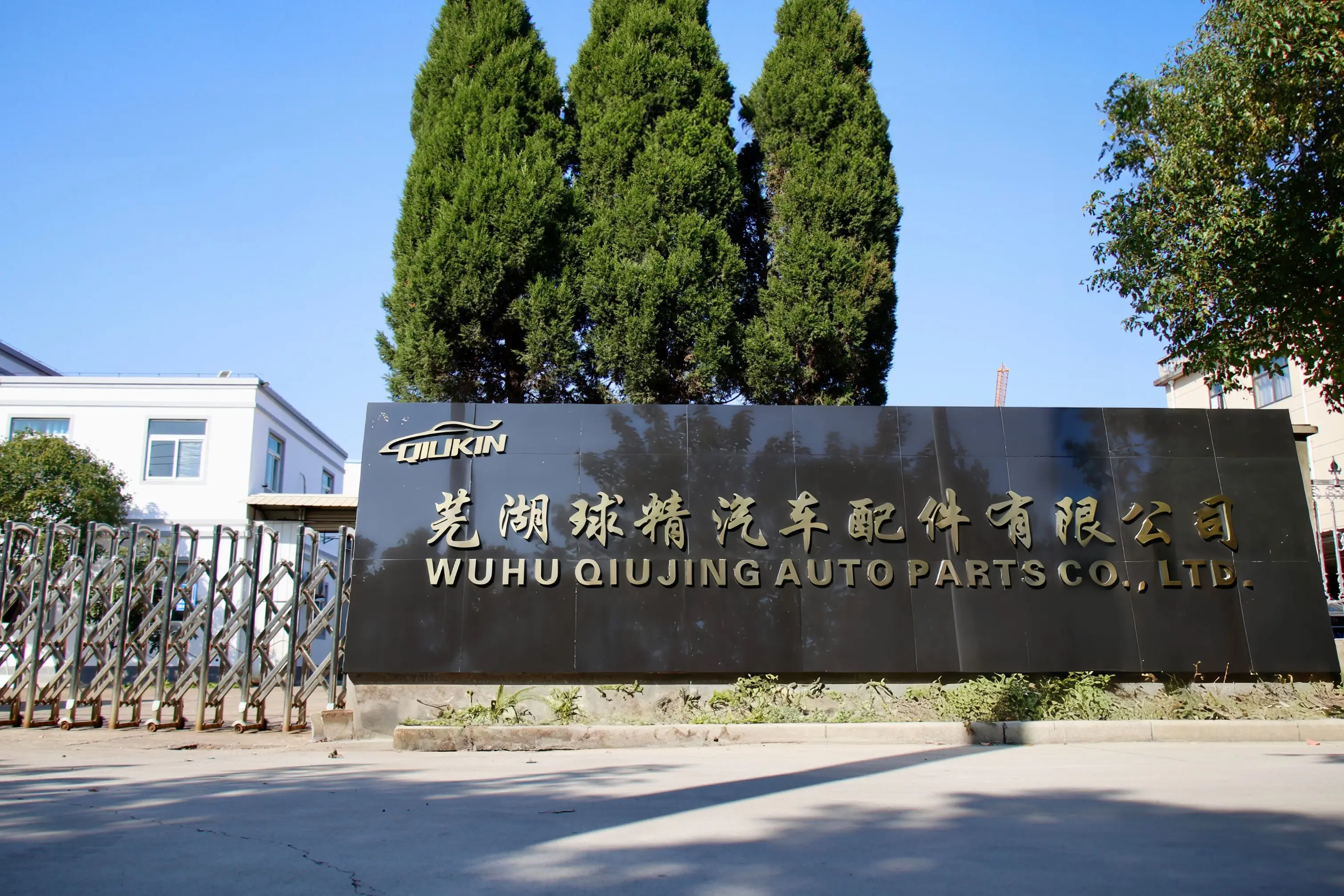
Wuhu Qiujing Auto Parts Factory Production Line
Est. 2007
Brake Solutions

Professional Automotive Brake Parts Source Factory

Wuhu Qiujing Auto Parts Co., Ltd. is an industry-leading manufacturer and wholesale supplier of critical hydraulic brake parts. Our manufacturing experience dates back to 1996, laying the foundation for unparalleled precision and durability.

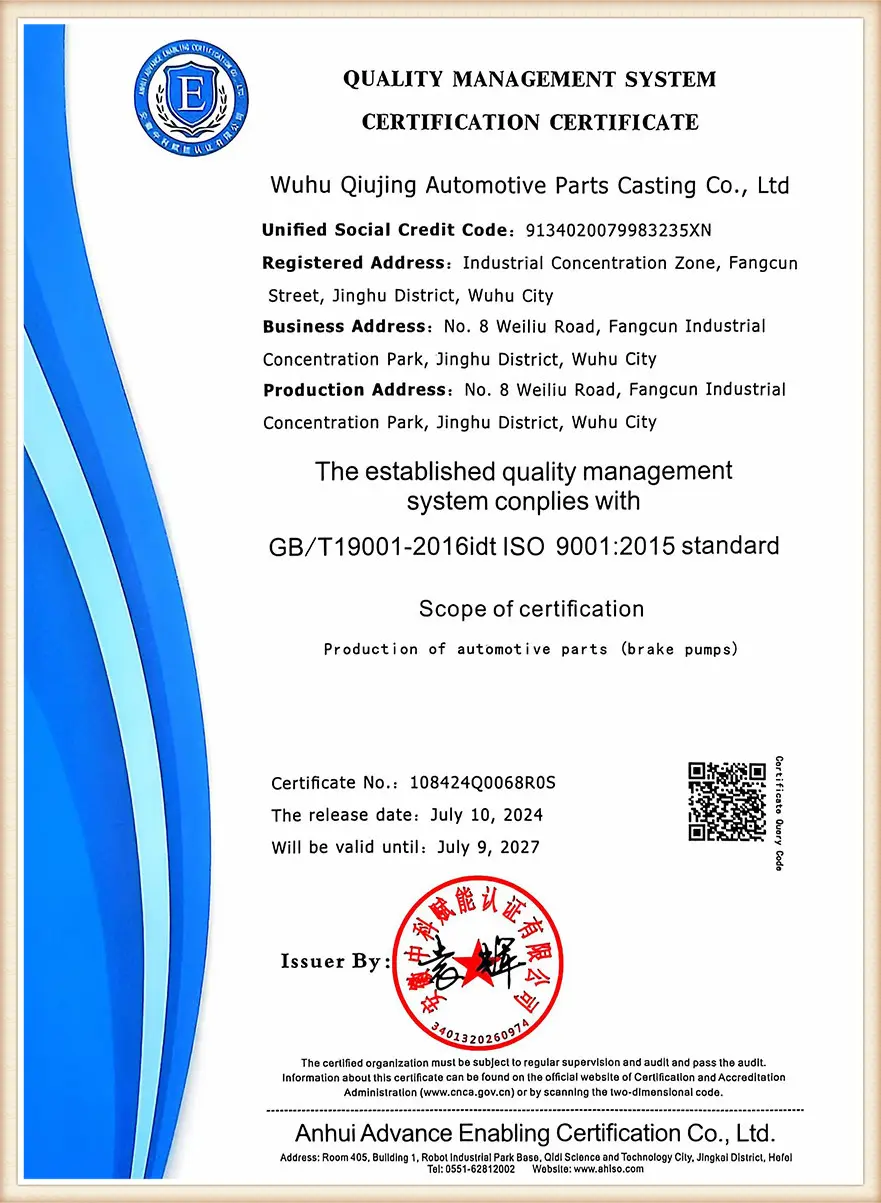
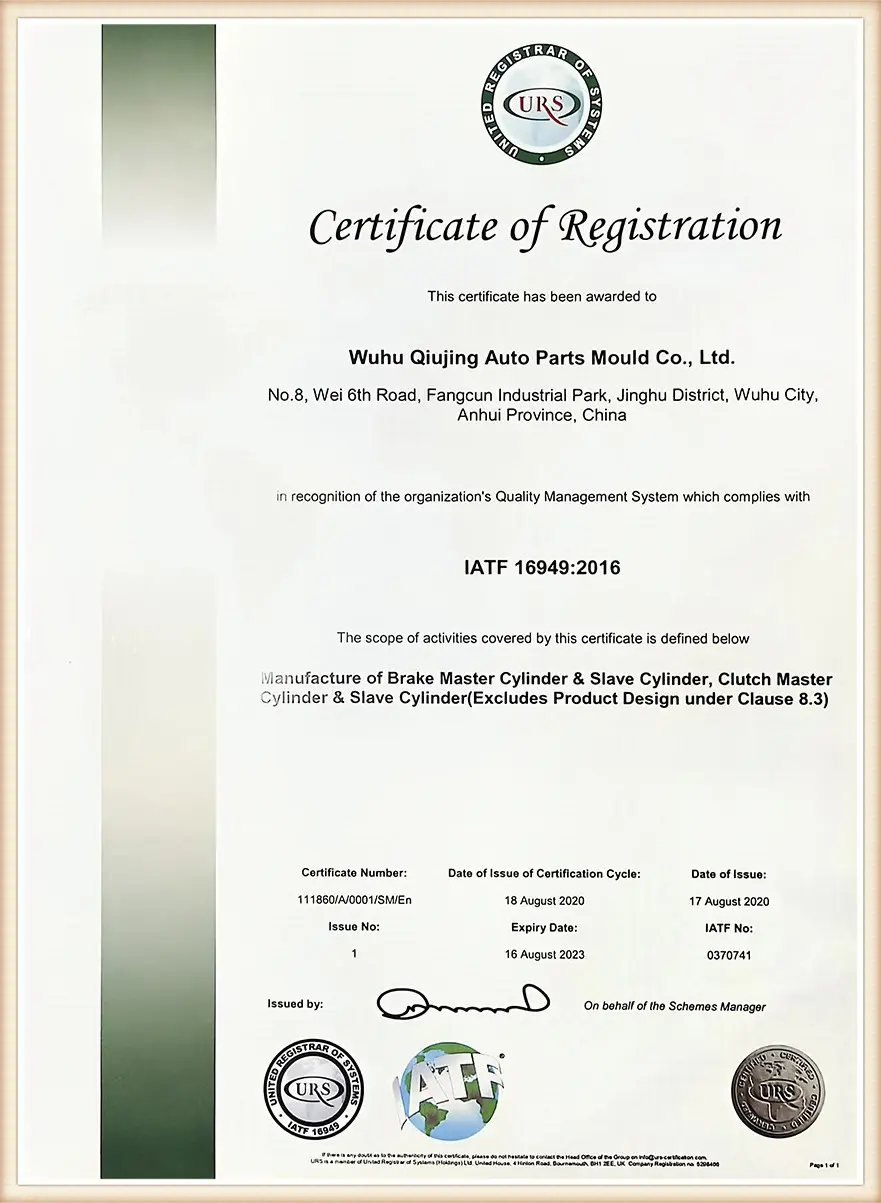
We manage a comprehensive product pipeline covering Brake Master Cylinders, Brake Wheel Cylinders, Clutch Master Cylinders, Clutch Slave Cylinders, and Brake Proportioning Valves. Certified with GB/T19001-2016 / ISO 9001:2015 and the rigorous IATF 16949:2016 standards, our factory represents the highest tier of manufacturing discipline in China.

  • Premium EPDM seals tested to withstand high pressure cycles up to 120 bar.
  • High-accuracy CNC bore machining within sub-micron tolerances.
  • Anti-corrosive external surface plating (Cr3+ zinc or hard anodizing).
6000 Factory Area
2M+ Yearly Capacity
20+ Years Experience
50+ Skilled Staff

Global Sourcing Trends in Braking Hydraulics

The global automotive aftermarket has transitioned from simple cost-driven purchasing to risk-mitigated supply chains. Fleet operators, wholesale buyers, and commercial brands now prioritize parts suppliers with strict structural verification and zero-defect quality methodologies.

Key global trends include:

  • Transition to Lightweight Materials: Cast iron cylinders are increasingly replaced by premium anodized aluminum alloys, reducing vehicular unsprung weight without compromising structural burst-pressure ratings.
  • Strict Material Specifications: Compliance with international rubber standards (like SAE J1603 for brake piston seals) ensures chemical resistance to diverse modern brake fluids, including DOT 3, DOT 4, and DOT 5.1 glycol-ether formulas.
  • Strict Traceability Protocols: Procurement directors demand full structural traceability, from the casting raw material heat code to final end-of-line pneumatic leak testing.

Technological Roadmap: The Evolution of Brake Cylinders

Brake master cylinder technology is advancing to support smart safety architectures like active collision avoidance, stability control, and regenerative braking in hybrid/EV vehicles.

Phase 1: Precision Micro-Finishing Bores

Achieving super-smooth cylinder inner walls to minimize friction and prevent rubber seal wear, which extends the operating lifespan of the assembly by 200%.

Phase 2: High-Performance Fluorosilicone & EPDM Seals

Adopting advanced rubber polymers to withstand extreme temperature ranges (-40°C to +150°C) without losing elasticity or showing signs of chemical degradation.

Phase 3: Integration with Active Safety Systems

Modern master cylinders are designed to accommodate smart electronic brake force distribution (EBD) inputs and sudden ABS back-pressures without internal failure.

Why Choose Wuhu Qiujing Auto Parts?

We combine advanced engineering with high-capacity production to provide premium OE-quality braking parts.

Direct Source Factory

Source Factory

Over 6000m² of advanced production workspace, producing over 2 million units annually with premium production control.

Quality Assurance Guarantee

Quality Assurance

We utilize comprehensive diagnostic testing platforms. All shipments are backed by a robust 2-year after-sales service policy.

Stable & Reliable Quality

Stable Quality

Unified QA testing and automated calibration machines ensure every batch meets precise design guidelines.

Expert Team Configuration

Team Configuration

Our dedicated R&D, manufacturing, inspection, and customer service teams support your order from design to delivery.

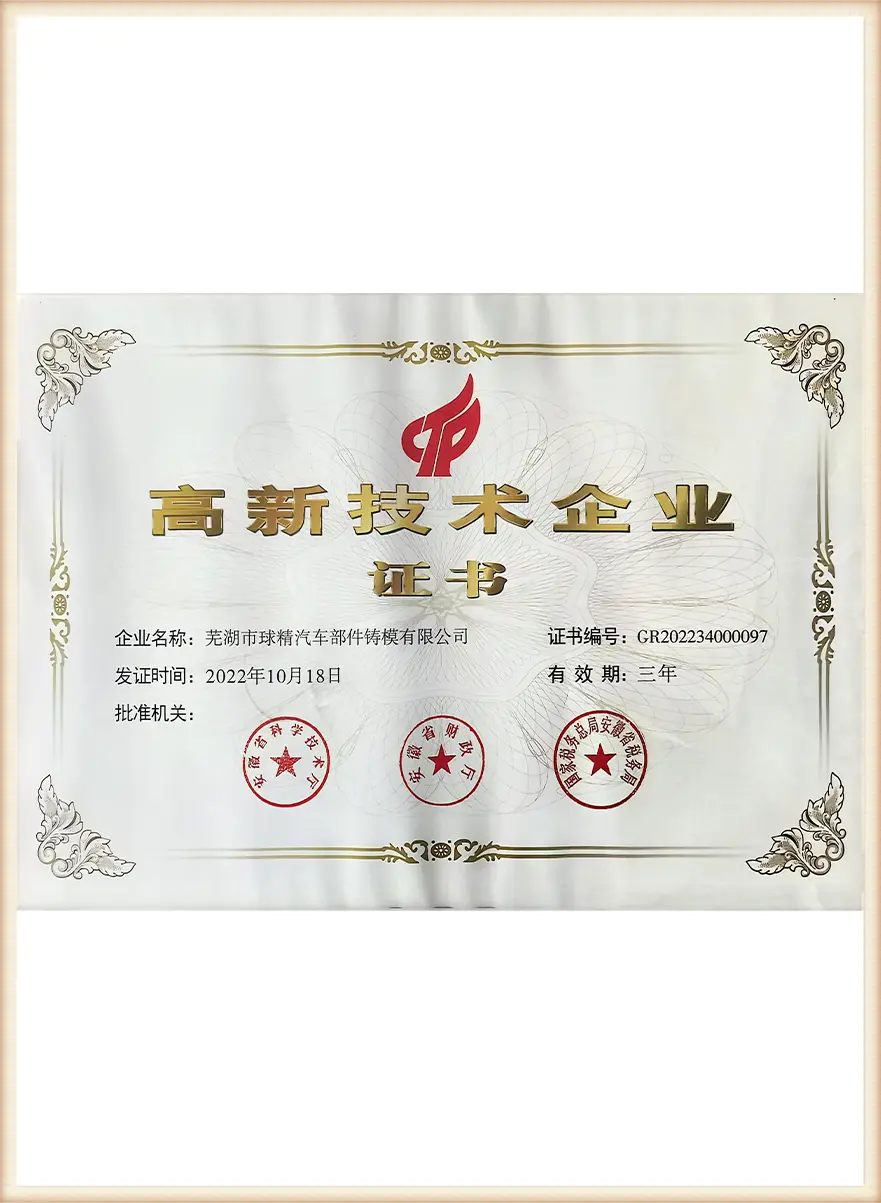
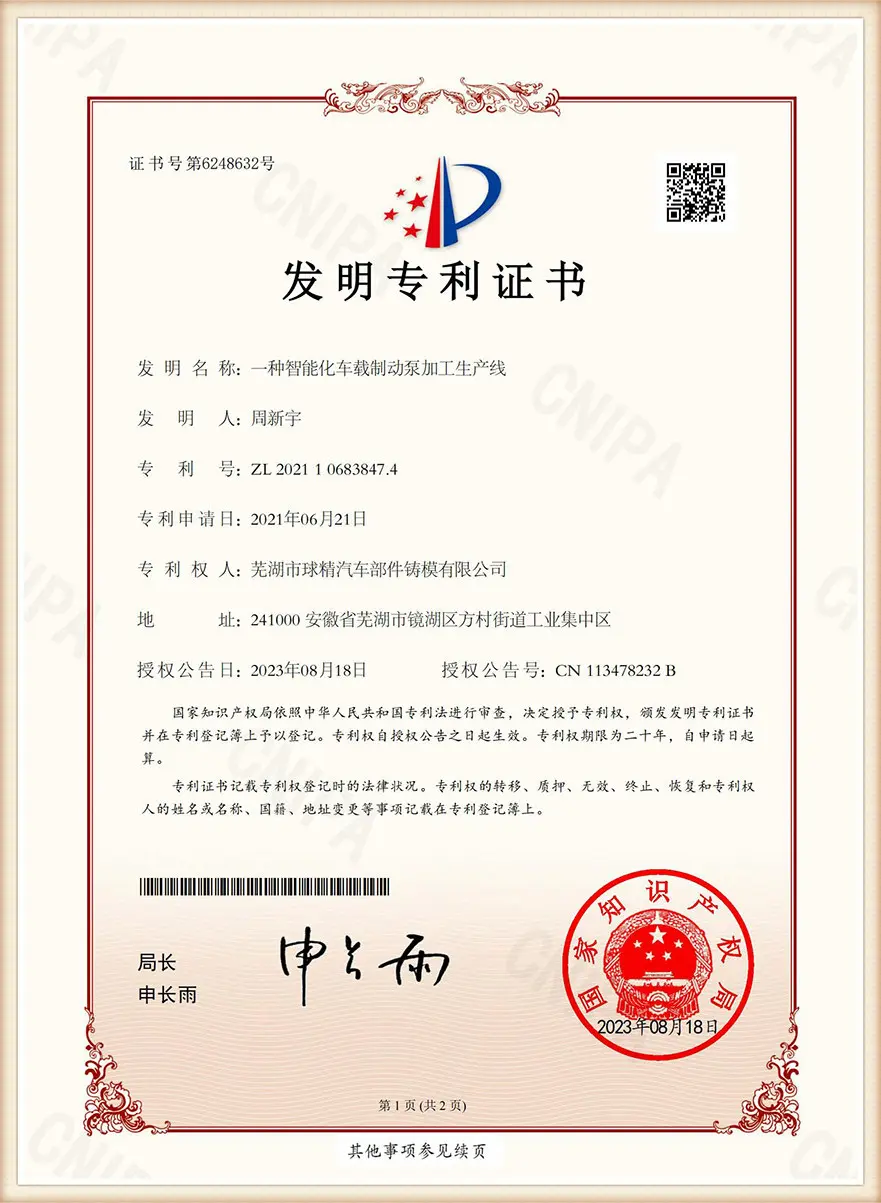
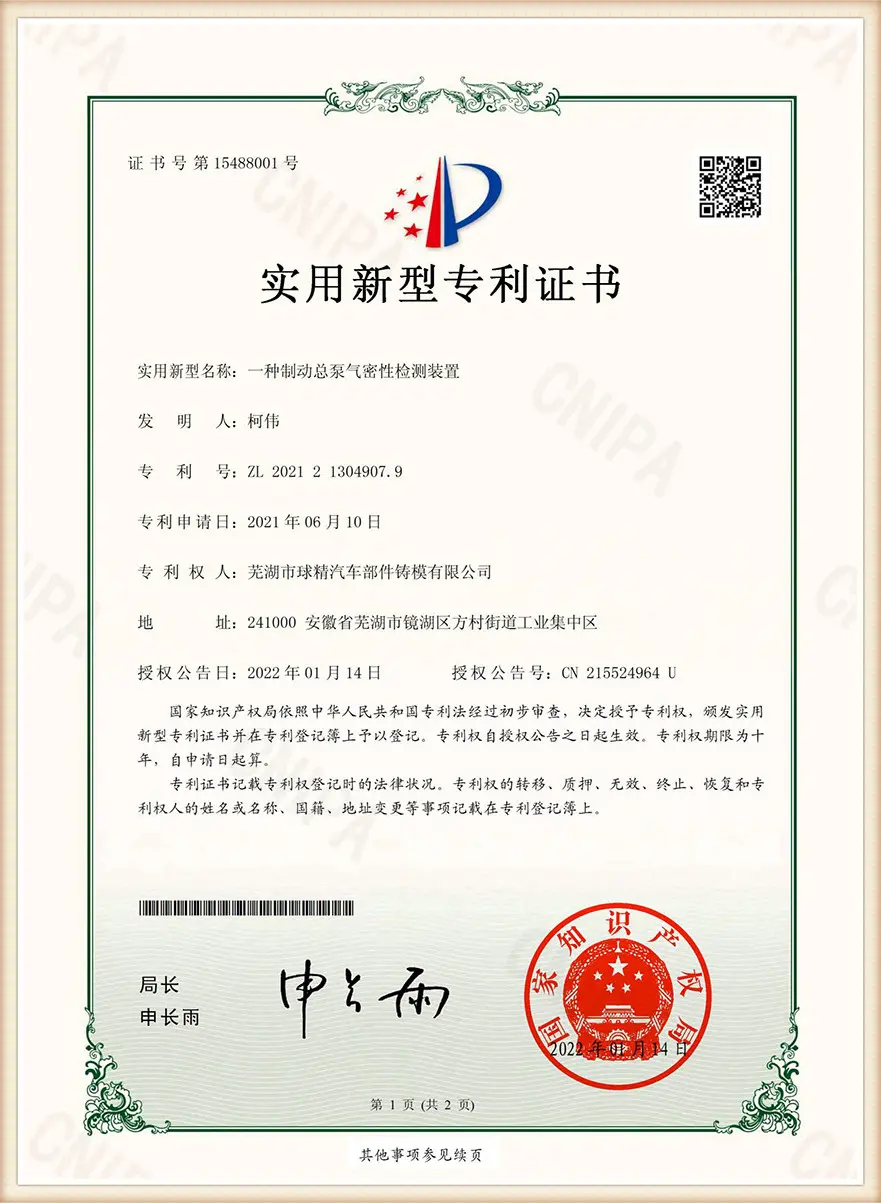
Certified Automotive Standards

Our products undergo rigorous testing and are fully certified to meet major international quality systems.

Quality Certificate 1
Quality Certificate 2
Quality Certificate 3
Quality Certificate 4
Quality Certificate 5

News & Industry Insights

Discover our latest updates, manufacturing announcements, and technical publications.

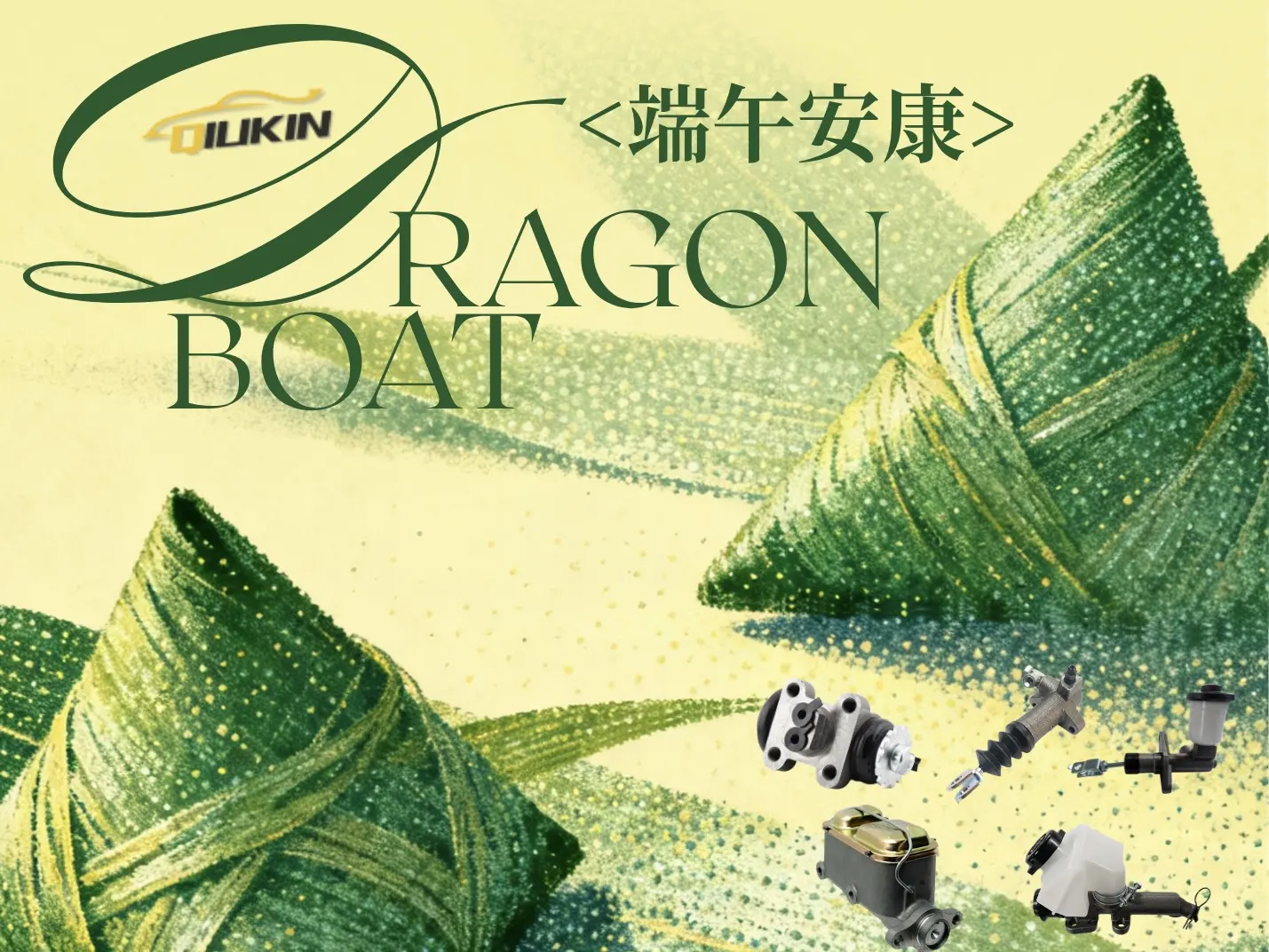
Dragon Boat Festival Notice

Wuhu Qiujing Auto Parts Co., Ltd. Festival Notice

Read about our holiday schedule, shipping arrangements, and customer service availability during the Dragon Boat Festival.

View Details →
Resumption of Production

Post-Holiday Resumption of Production

Our state-of-the-art brake cylinder production line has resumed operations to keep up with growing global demand.

View Details →
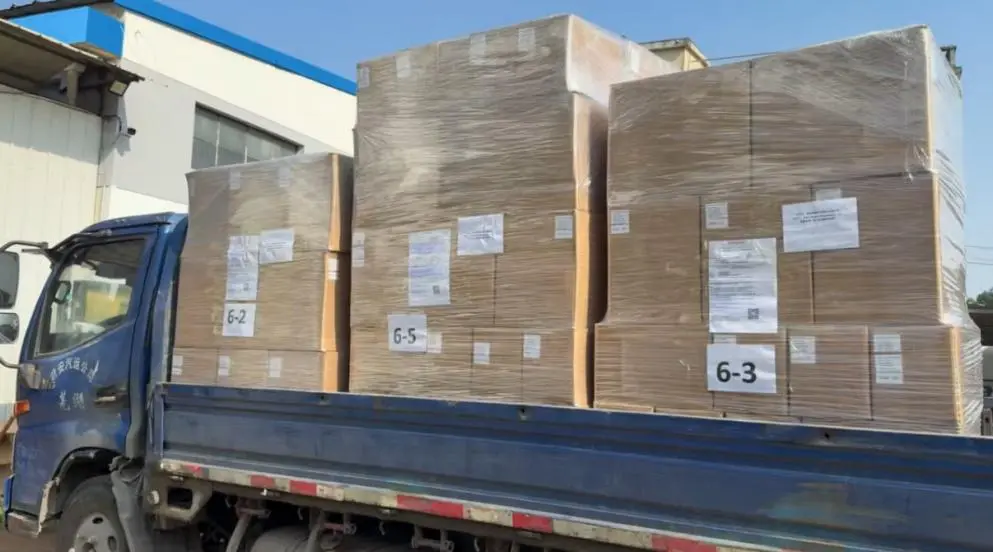
Critical Dispatch Completed

Year-End Shipments Successfully Dispatched

We completed critical international shipments of brake master cylinders and wheel cylinders ahead of the Lunar New Year holiday.

View Details →

Preguntas Frecuentes: Diagnostic & Sourcing FAQ

Expert answers to common technical and sourcing questions regarding brake master cylinders.

¿Cuáles son los síntomas más evidentes de una falla interna en el cilindro maestro? +
El síntoma más común es un pedal de freno que se hunde lentamente hacia el piso al mantener una presión constante, sin fugas visibles externas. Esto ocurre por un bypass de fluido sobre los sellos primarios desgastados dentro del cilindro.
¿Por qué es crítico el estándar IATF 16949 para los importadores de cilindros de freno? +
La certificación IATF 16949:2016 es el estándar de calidad más riguroso en el sector automotriz. Garantiza consistencia en el proceso de fabricación, control de defectos y rastreabilidad de materiales, reduciendo drásticamente los riesgos de fallas catastróficas en el sistema de frenado.
¿Cómo afecta el tipo de líquido de frenos (DOT 3, DOT 4, DOT 5.1) a los sellos de goma? +
Los cilindros de freno de Qiujing utilizan juntas tóricas y copas de caucho EPDM de alta calidad compatibles con fluidos a base de glicol (DOT 3, DOT 4 y DOT 5.1). Sin embargo, el uso accidental de fluidos basados en petróleo (aceites minerales) destruirá los sellos casi de inmediato, provocando fallas del sistema.
¿Qué tolerancias mecánicas aplican en la fabricación de sus cilindros? +
Nuestros cilindros maestros y cilindros de rueda son maquinados en tornos y centros CNC de última generación, logrando precisiones geométricas micrométricas y acabados de espejo en el orificio interno (rugosidad Ra inferior a 0.2 micras) para evitar el desgaste prematuro de las copas de goma.

Request a Technical Consultation & Custom Quotation

Connect directly with our engineering team to select the appropriate cylinder models, request custom parameter configurations, or request bulk supply contract options.

Certifications: IATF 16949 / ISO 9001 / GB/T 29490
OEM/ODM: Supported (Custom Laser Marking & Packaging)
Production Lead Time: 25-45 Days (Standard Volume Batches)