Whitepaper: Strategic Sourcing & Engineering Dynamics in Drum Brake Systems
In modern commercial, logistics, and specialty automotive platforms, the drum brake mechanism remains a cornerstone of reliable kinetic energy dissipation. Sourcing departments, Tier-1 distributors, and fleet operators globally must navigate the complex nuances of metallurgy, hydraulic tolerances, and regulatory adherence. This industry whitepaper examines the technical framework, global sourcing requirements, and emerging manufacturing trajectories of drum brake components, establishing a benchmark for procurement excellence.
"Security in automotive engineering is not a variable metric—it is the baseline. As global infrastructure demands heavier carrying capacities and longer operational duty cycles, the precision and longevity of hydraulic drum components dictate fleet efficiency and passenger safety."
1. Technical Evolution & Material Metallurgy of Drum Hydraulic Castings
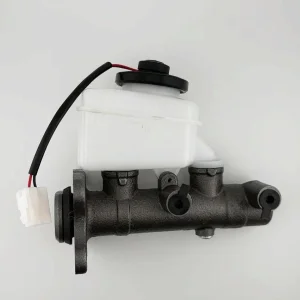
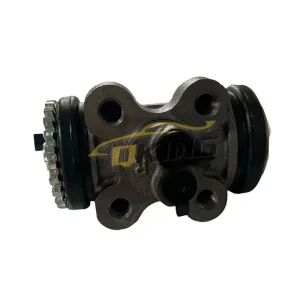
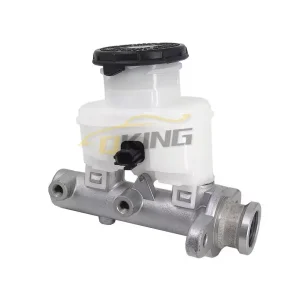
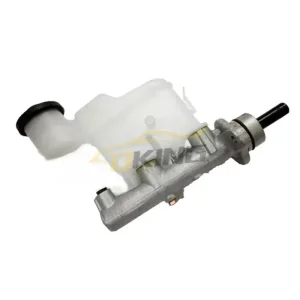
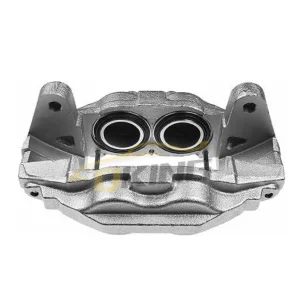
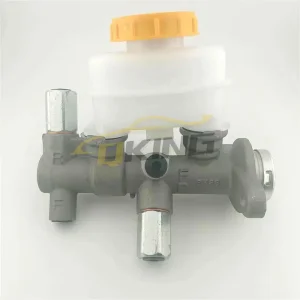
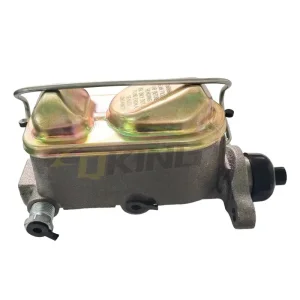
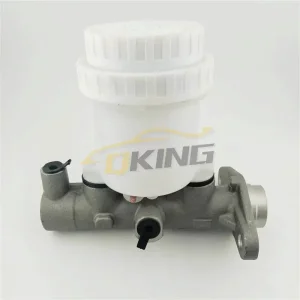
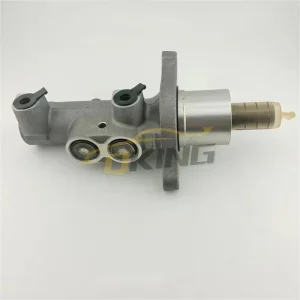
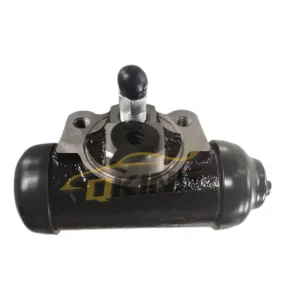
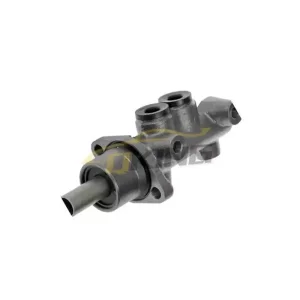
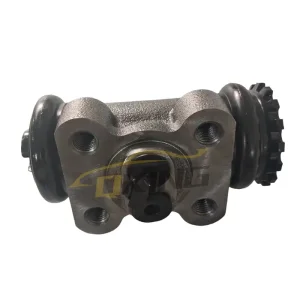
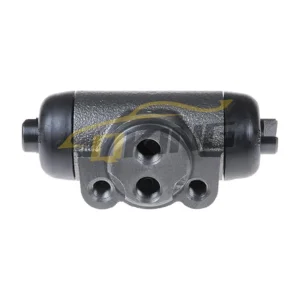
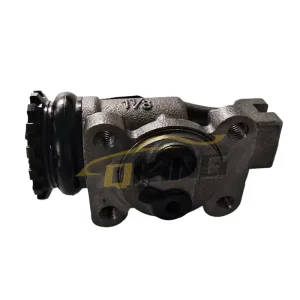
The manufacturing paradigm of drum brake parts has evolved from simple grey iron castings to advanced SG (Spheroidal Graphite) iron and precision-extruded aluminum alloys. Modern brake master cylinders and wheel cylinders are subjected to severe cyclical hydrostatic pressures, often exceeding 15 MPa. Under these thermal conditions, casting porosity can lead to micro-fissure propagation and eventual catastrophic hydraulic pressure drops.
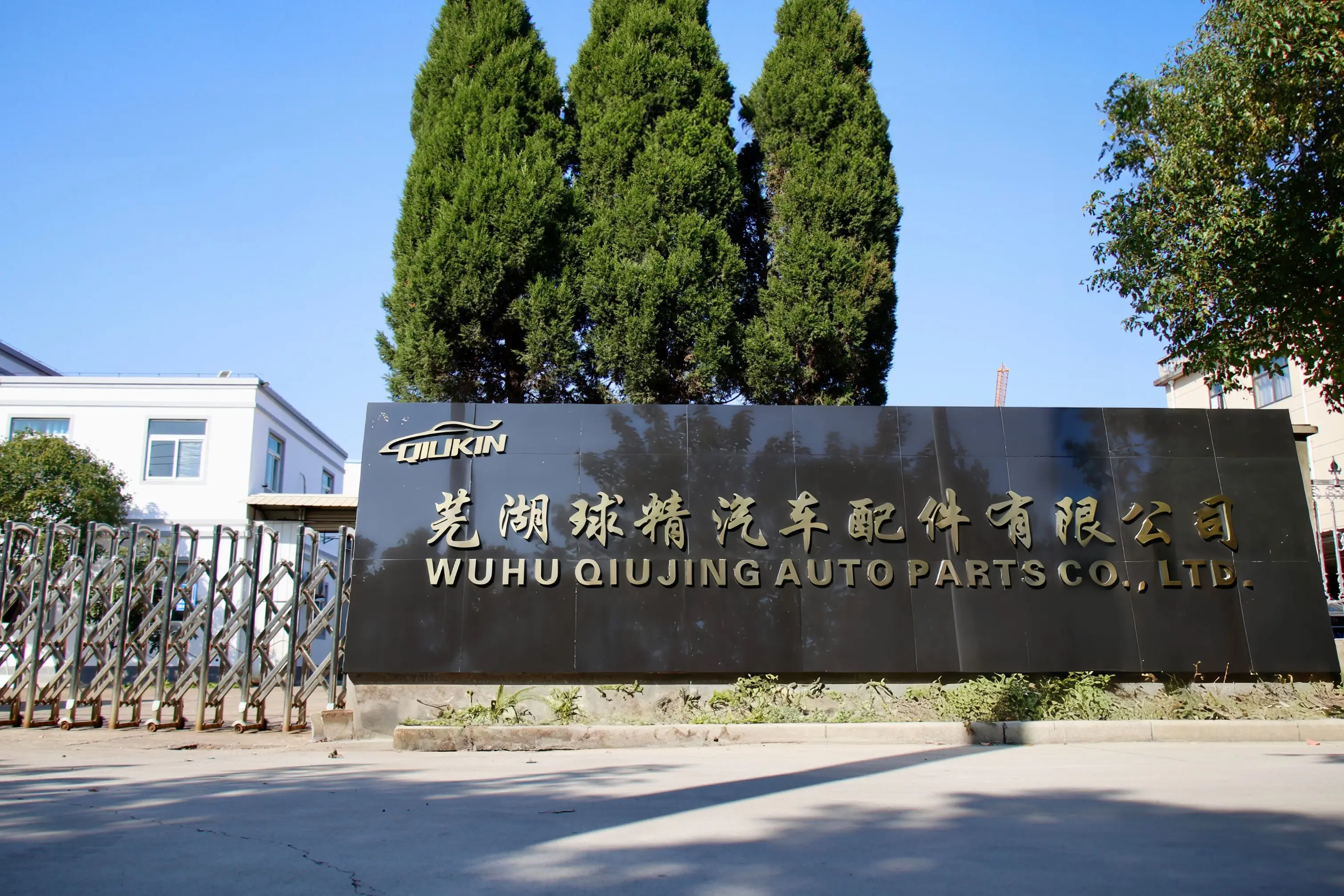
At Wuhu Qiujing Auto Parts Co., Ltd., we utilize computerized alloy composition testing and automated casting controls to ensure uniform graphite distribution. This minimizes bore wall deformation during system operations. Bores are finished with diamond-honed tools to achieve a surface roughness ($Ra$) under 0.25 microns. This level of finish reduces friction coefficients, prevents premature wear of EPDM elastomer seals, and extends the operational lifespan of the assembly.
2. Global Procurement Pain Points & Procurement Solutions
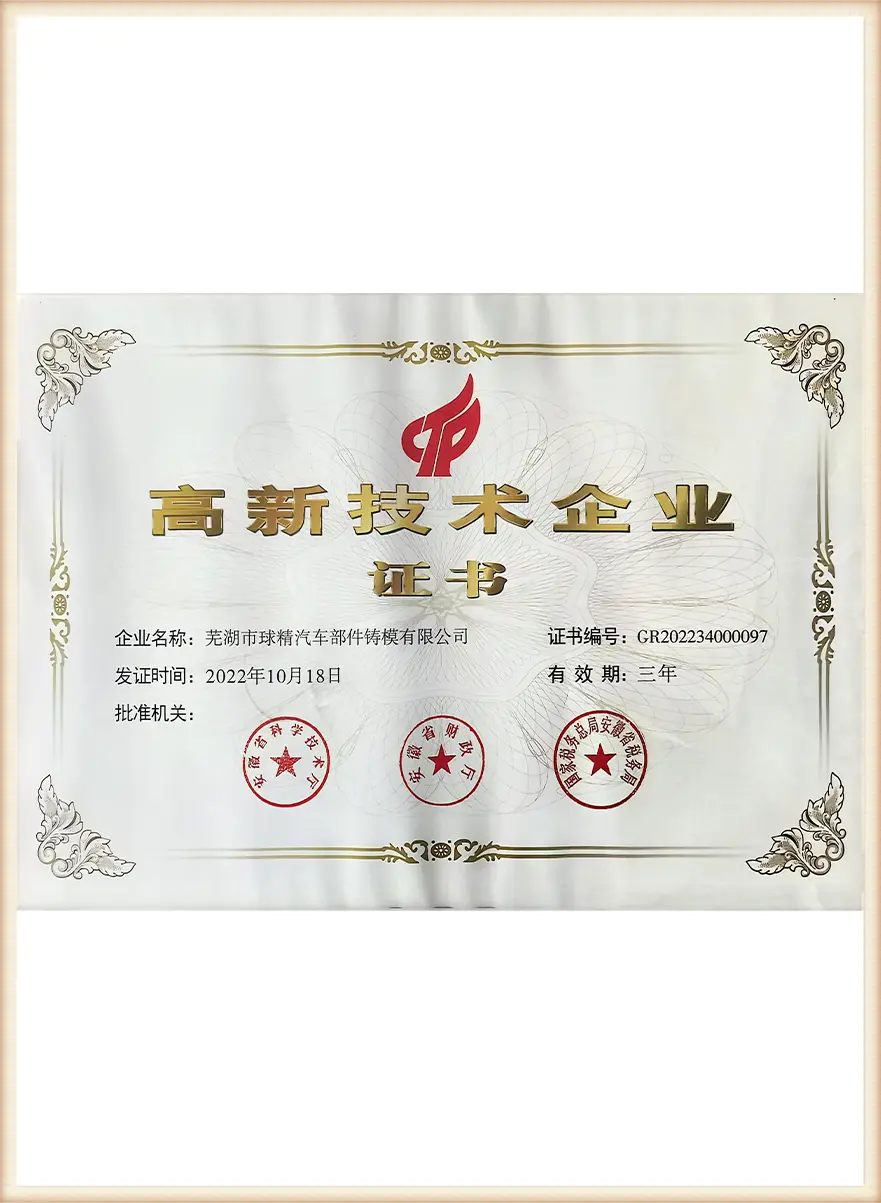
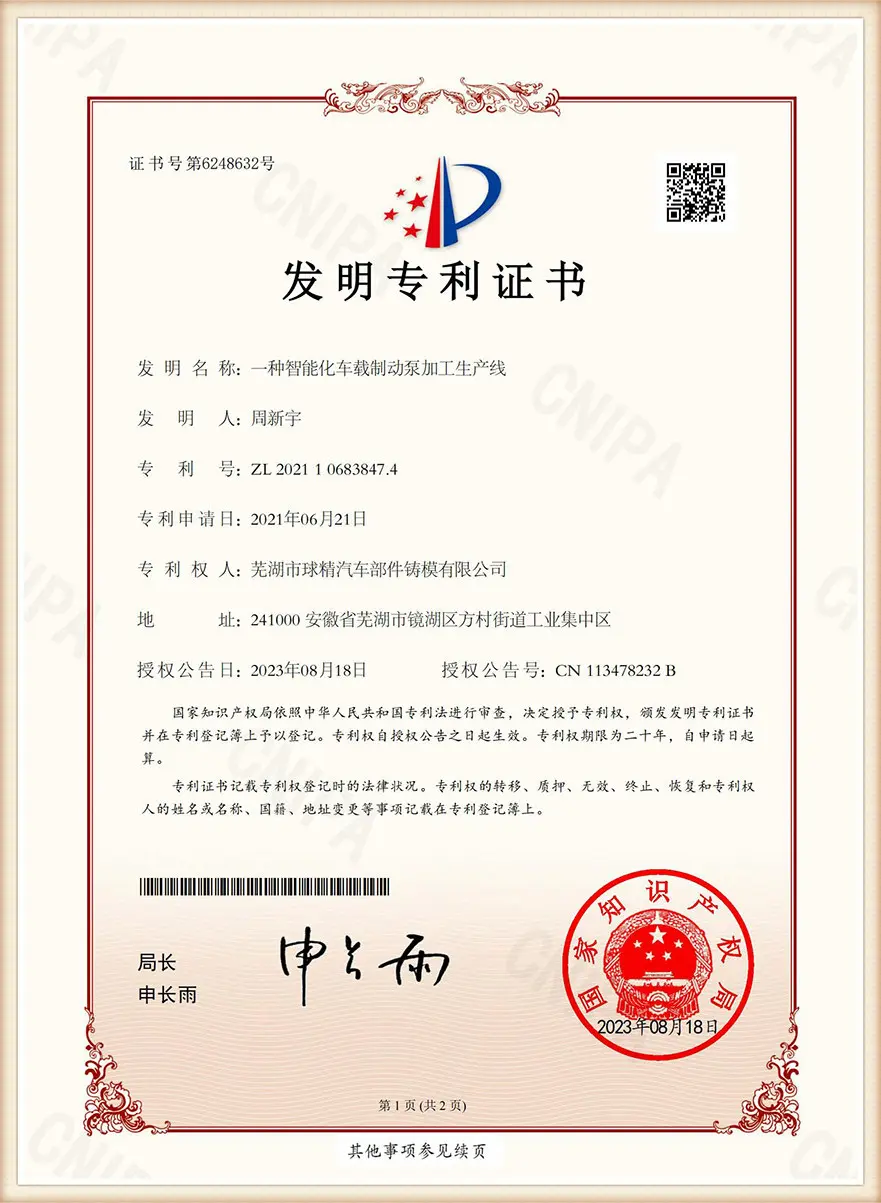
Sourcing directors managing tier-1 supplier lists look for three main attributes: dimensional consistency, robust compliance certificates, and logistical adaptability. Fluctuating trade tariffs and supply chain challenges require working with manufacturers that control the entire production line internally.
Our solutions target these industrial challenges directly by providing:
- Complete Quality Traceability: Every batch of brake cylinders is laser-etched with a unique serial number tied to its casting mold and pressure validation record.
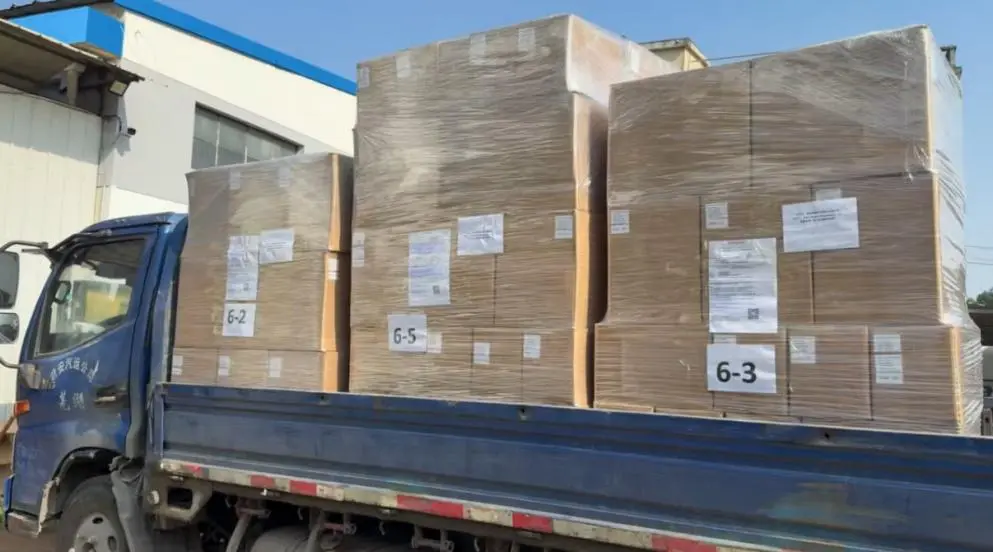
- Optimized Shipping Lifecycles: Located in Wuhu, Anhui Province, we leverage integrated transport networks to reduce transit times to deepwater ports, minimizing storage overhead.
- Cross-Referencing Accuracy: We maintain a database matching OEM part numbers (including Toyota, Isuzu, Mitsubishi, Mazda, Fiat, and Nissan) to ensure drop-in compatibility.
3. Dynamic Load Distribution & Proportioning Valve Engineering
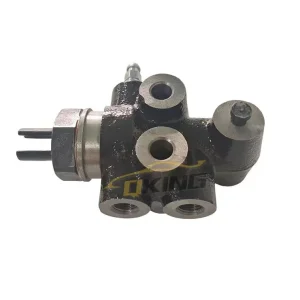
During heavy deceleration, vehicle load transfers forward, which can lock the rear axle and cause vehicle instability. Integrating a robust Load Sensing Proportioning Valve (LSPV), such as the OEM 47910-26040, is essential for high-payload passenger and logistics vehicles.
These valves modulate hydraulic fluid flow to the rear wheel cylinders based on the distance between the vehicle axle and chassis. Our custom engineering allows us to calibrate internal spring rates and piston seals. This design handles fluctuating dynamic pressures, ensuring predictable braking responses in variable weather conditions.
4. Advanced Rubber Compound Science: EPDM Seal Durability
The weakest link in any hydraulic system is not the metal casting, but the elastomer seals. Standard nitrile or low-grade rubbers degrade when exposed to glycol-based DOT 3, DOT 4, or DOT 5.1 brake fluids. High operating temperatures can cause these seals to swell, crack, or lose flexibility.
We source premium EPDM (Ethylene Propylene Diene Monomer) compounds that withstand temperature extremes from -40°C to 120°C. These seals undergo rigorous ozone aging tests, oil-immersion checks, and long-term cycle testing to guarantee zero fluid bypass over a minimum of 2 years or 50,000 kilometers of road use.
5. The Future: Integration of Smart Sensors & Lightweighting Trends
As logistics vehicles move toward hybridization and electrification, reducing unsprung weight is a key design goal. We are transitioning from cast iron body structures to anodized lightweight aluminum alloys for passenger brake cylinders. This reduces weight by up to 45% without sacrificing pressure resistance.
We are also researching the integration of pressure transducer micro-sensors directly into the master cylinder housing. This will feed real-time hydraulic metrics into the vehicle's electronic control unit, enabling predictive maintenance alerts before a seal failure occurs.
 "Safety first" is the core concept of the factory.