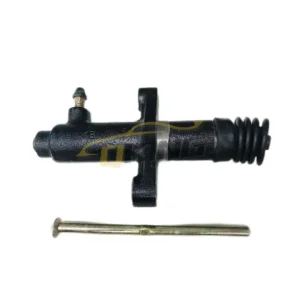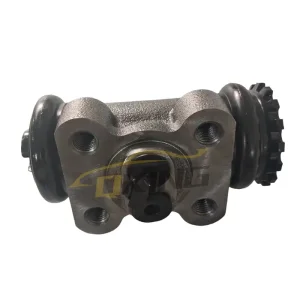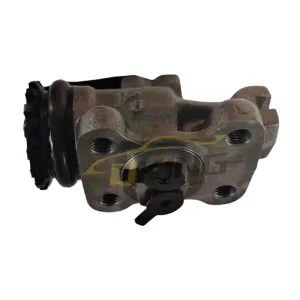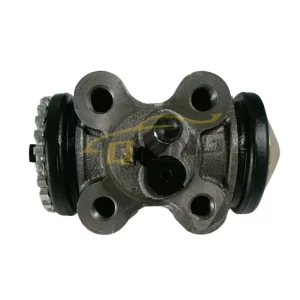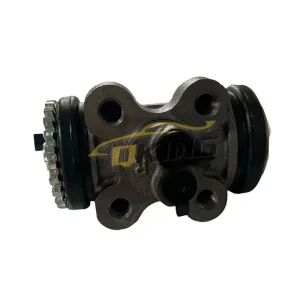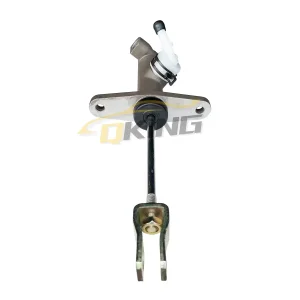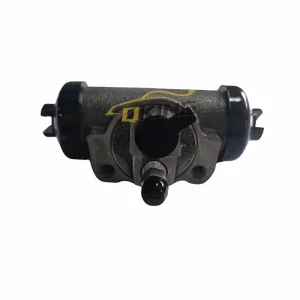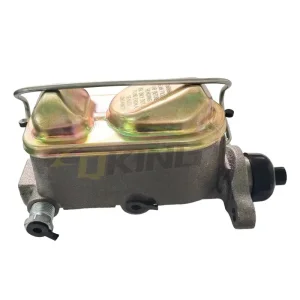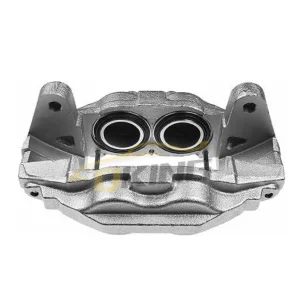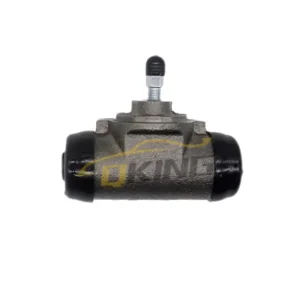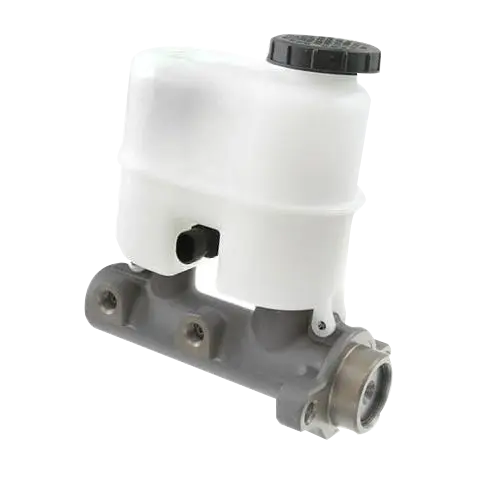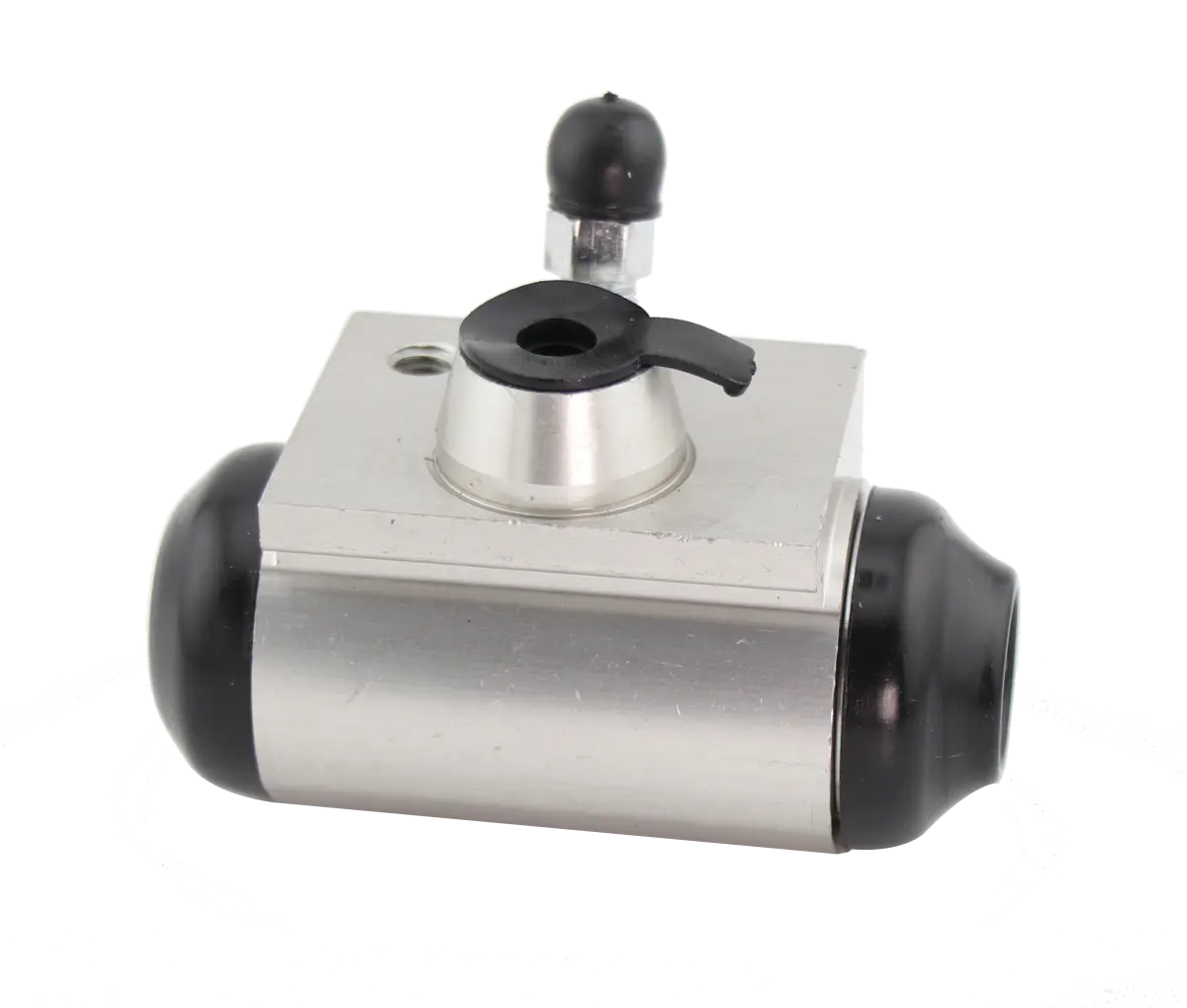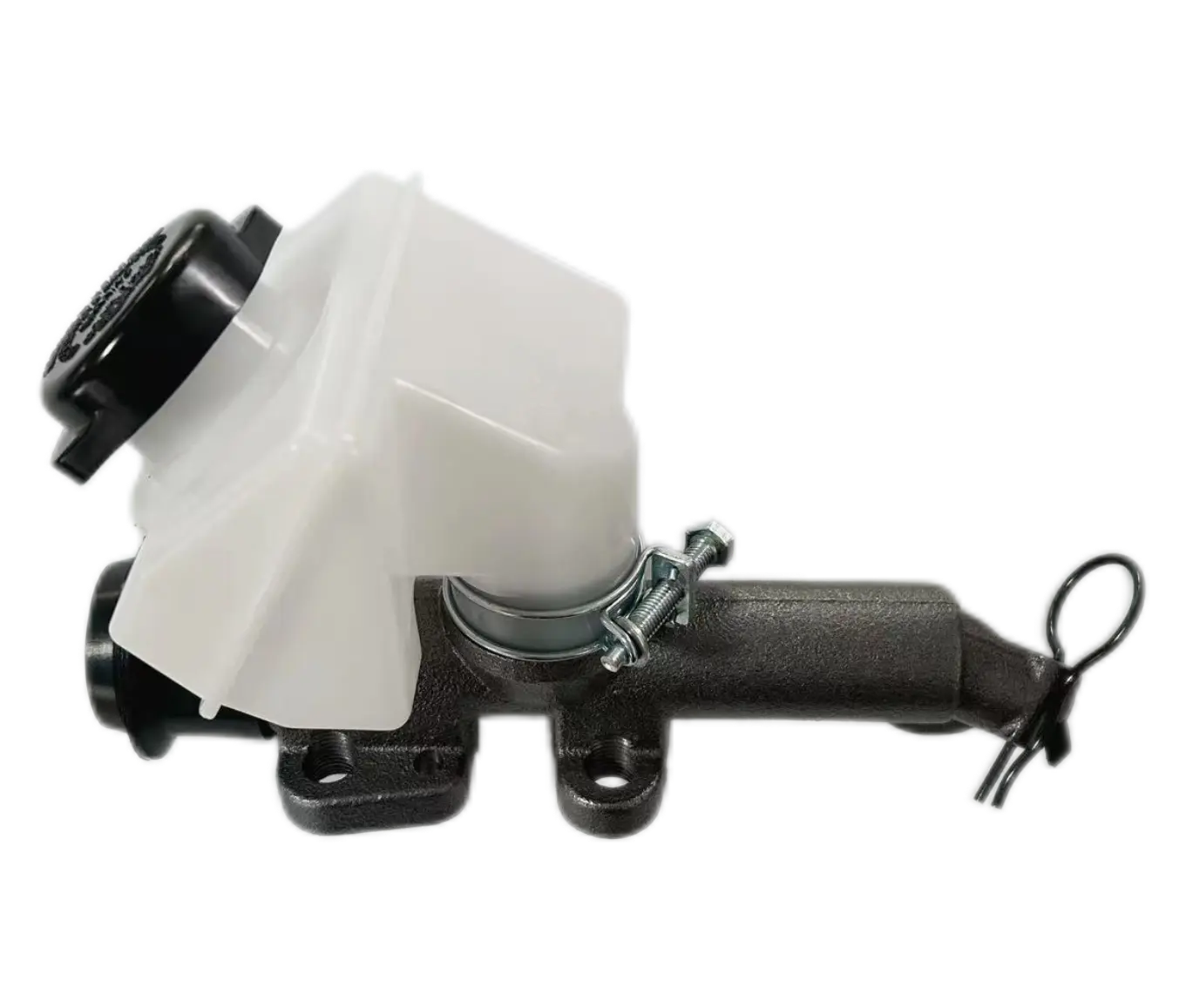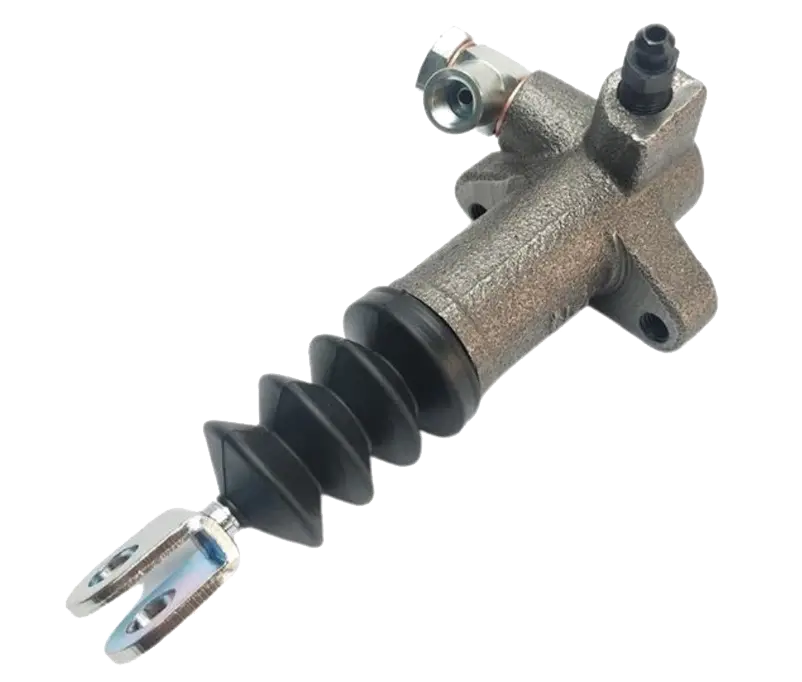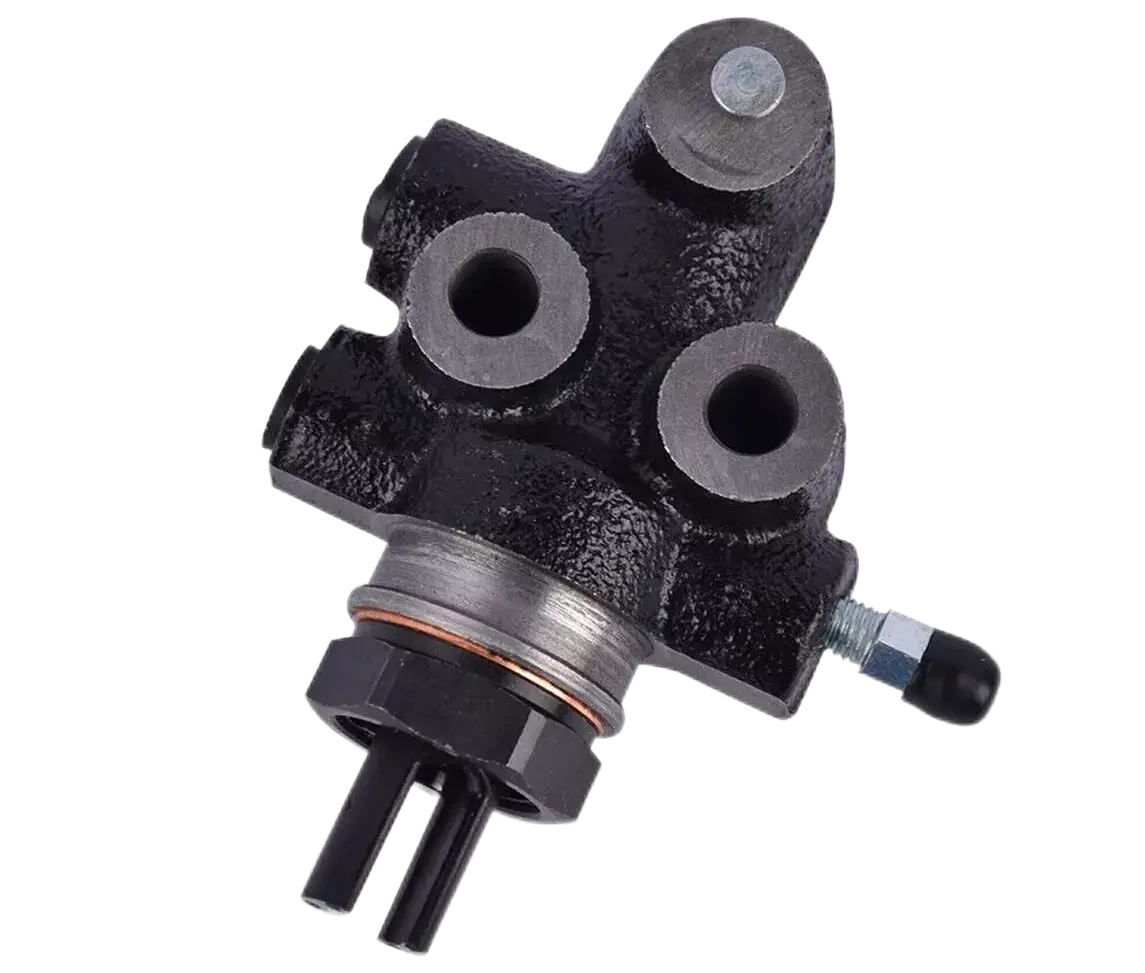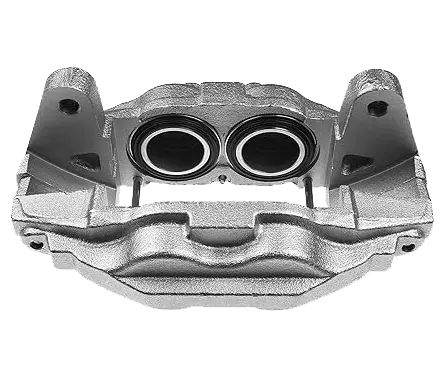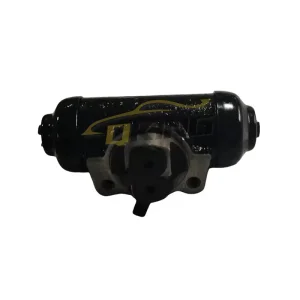
Explore our premium hydraulic systems engineered to match and exceed OEM performance parameters globally.
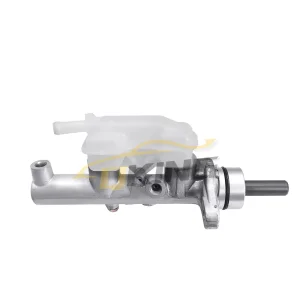
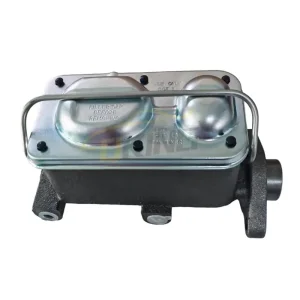
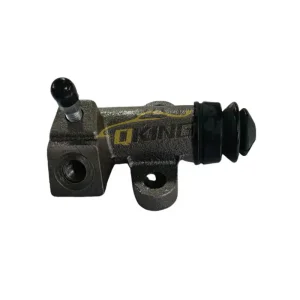
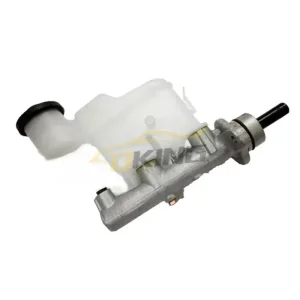
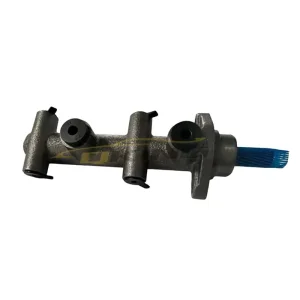
Engineered for high durability and perfect performance in passenger and heavy-duty vehicles.
An Industrial Guide to Hydraulic Integrity, Metallurgical Excellence, and Supply Chain Architecture
Dodge vehicles—ranging from the high-torque, heavy-duty Ram truck series to the high-performance Challenger and Charger platforms—require robust hydraulic brake systems. The brake master cylinder acts as the core of this system. It transforms mechanical force from the brake pedal into hydraulic pressure. This pressure is then distributed to the calipers and wheel cylinders.
In heavy-duty applications (such as the Ram 2500 and 3500), the master cylinder must withstand immense pressure spikes. Operating pressures often exceed 2,000 PSI under max payload or towing conditions. This requires precise control of bore finishing, piston clearance, and seal compatibility. The internal bore must be micro-honed to a roughness profile of Ra 0.2 to 0.4 microns. This level of finish reduces seal wear and prevents fluid blow-by under high thermal conditions.
Historically, Dodge vehicles used heavy cast iron master and wheel cylinders. Modern applications have shifted toward anodized aluminum alloys to reduce weight and improve corrosion resistance. Each material requires specific manufacturing techniques:
China's automotive parts manufacturing sector has shifted from basic replication to advanced engineering and supply chain integration. Leading factories, such as Wuhu Qiujing Auto Parts Co., Ltd., use sophisticated equipment to produce reliable components:
Advanced Metallurgy & Casting Control: Automated melting and pouring systems ensure consistent chemical composition, preventing structural porosity that could cause leakage under pressure.
CNC Machining & Micro-Honing: Modern CNC tooling machines critical bore surfaces in a single setup, ensuring precise alignment of the primary and secondary piston pathways.
Testing Protocols: In line with global expectations (including IATF 16949 standards), each cylinder undergoes comprehensive testing. This includes pneumatic low-pressure leaks, hydraulic high-pressure tests, and long-term cycle testing (up to 1 million strokes) to verify seal durability.
Brake cylinder performance relies heavily on elastomeric seals. Standard glycol-ether fluids (DOT 3, DOT 4, and DOT 5.1) require specialized compounding:
Ethylene Propylene Diene Monomer (EPDM): The standard seal material. EPDM resists swelling and cracking under high thermal loads (-40°C to 120°C). It maintains elasticity to prevent internal fluid bypass during temperature fluctuations.
Localized Environmental Scenarios: In cold climates, seals must remain flexible to prevent fluid leaks. In hot or high-load conditions, they must resist softening and deformation to keep the brake pedal feeling firm.
For international buyers, sourcing aftermarket brake parts involves balancing production costs, quality standards, and logistics. Successful procurement relies on key factors:
Regulatory Compliance: Sourced parts must meet local standards, such as FMVSS 105 in North America or ECE R13 in Europe, to ensure legal and safe road operation.
Logistical Optimization: China-based manufacturers are located near major shipping hubs like Shanghai and Ningbo. This proximity simplifies transport, lowers ocean freight costs, and speeds up distribution to global hubs.
Flexible OEM/OES Tooling: Advanced factories can develop tooling for new or legacy vehicle designs in weeks, helping distributors capture market share ahead of the competition.
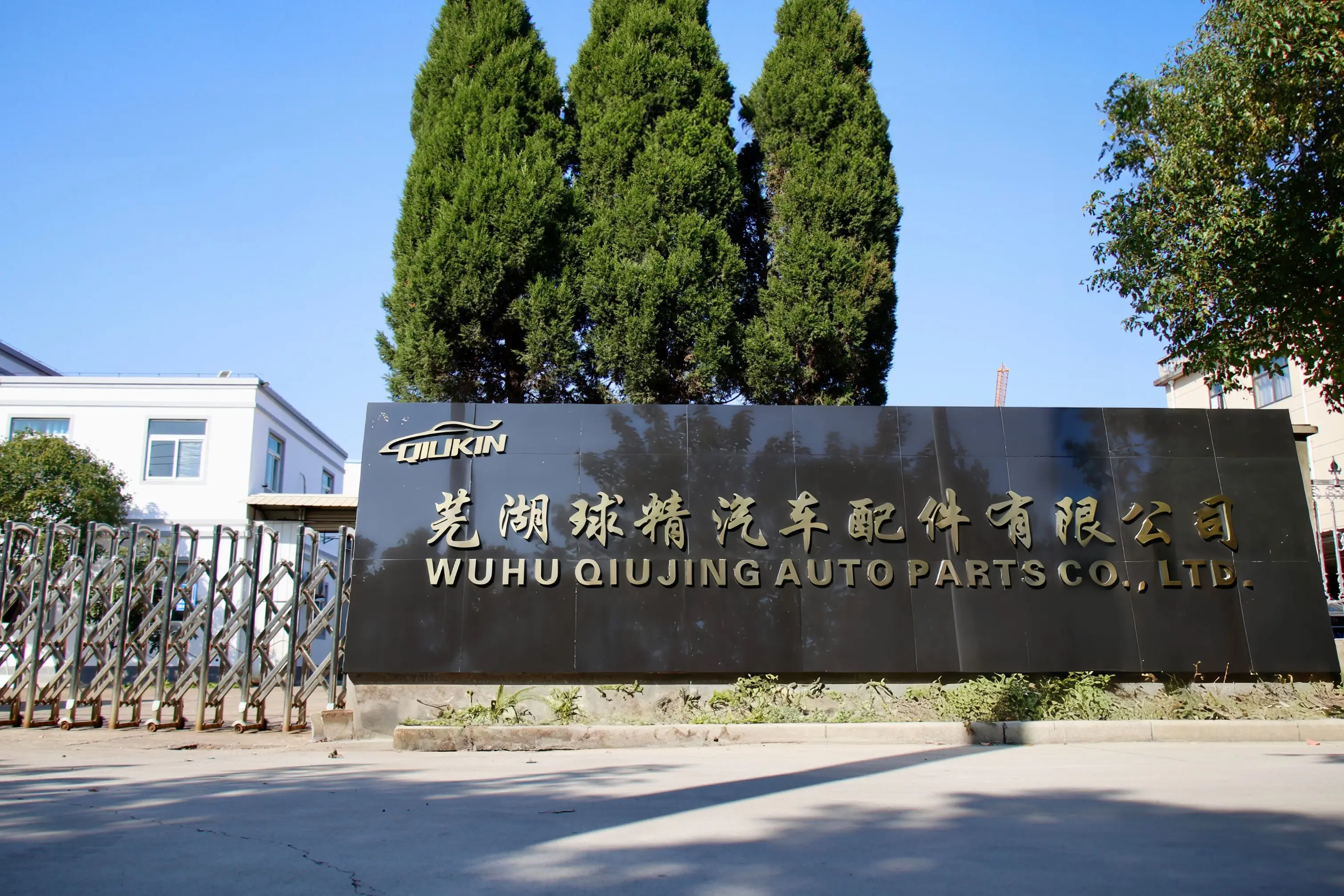
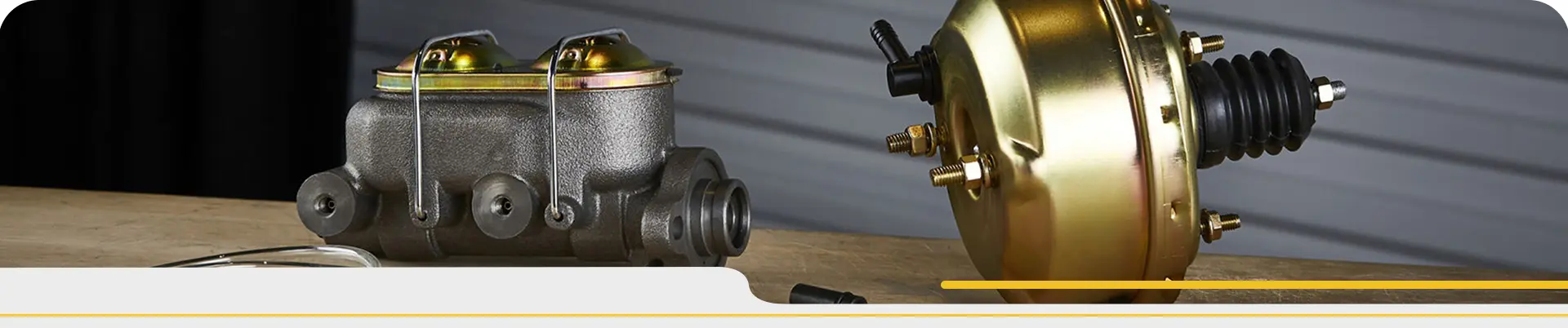
Wuhu Qiujing Auto Parts Co., Ltd. is a specialized manufacturer and supplier of hydraulic brake system components. Our product line includes brake master cylinders, brake wheel cylinders, clutch master cylinders, and clutch slave cylinders. Our founder has been dedicated to automotive braking systems since 1996.
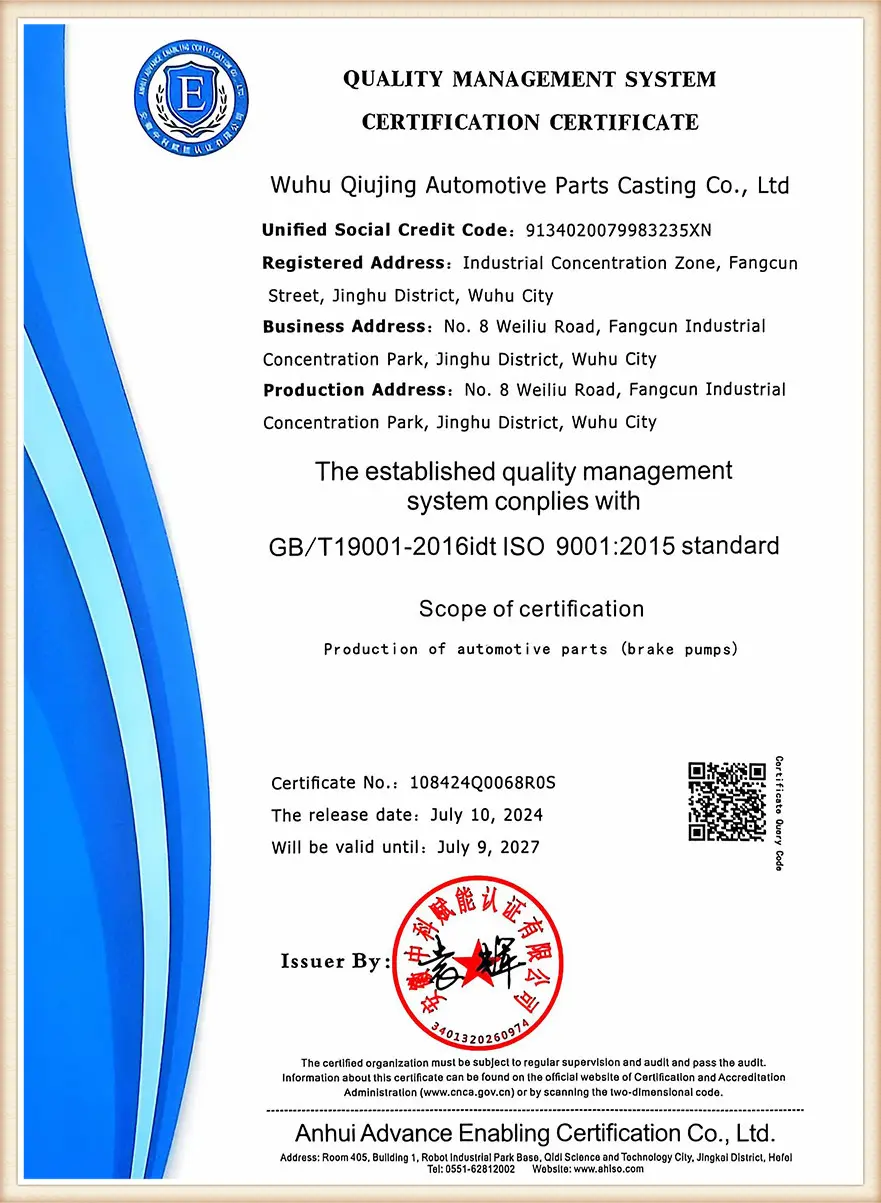
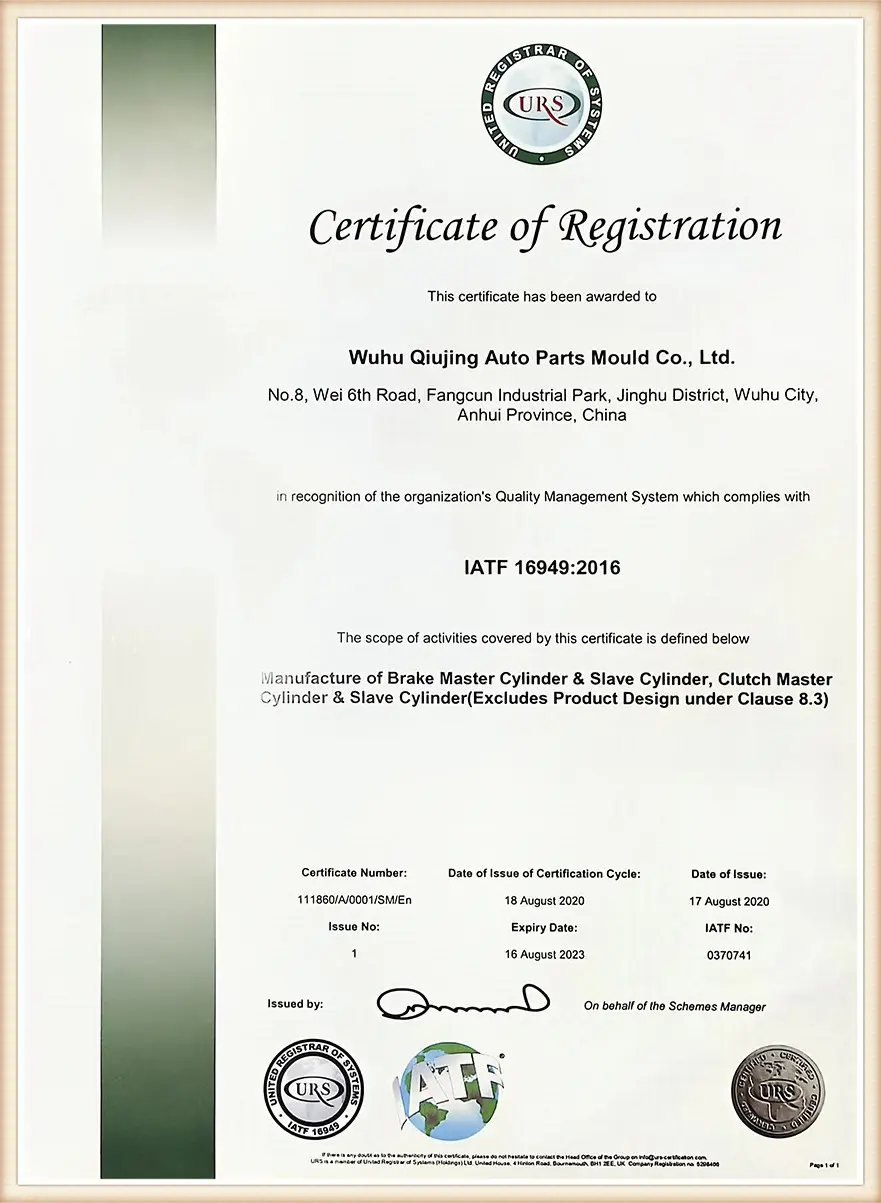
With decades of production experience and technical expertise, we have developed thousands of part models to fit diverse vehicle applications. Our facility operates under a certified quality management system compliant with GB/T19001-2016/ISO 9001:2015 and IATF16949:2016 standards.
"Safety First" is our foundational manufacturing philosophy.
We promote the core values of integrity, innovation, and efficiency in every process.
Providing a professional, integrated, and efficient service system from production to after-sales support.

Direct access to our 6,000+㎡ production facility, with an annual capacity exceeding 2 million units for stable global supply.

Fully equipped testing laboratories ensure consistent product performance, backed by a 2-year warranty on all products.

Strict quality control and flexible production scheduling ensure reliability for long-term distribution partnerships.

Our dedicated teams—spanning R&D, manufacturing, inspection, and logistics—provide seamless communication and support.
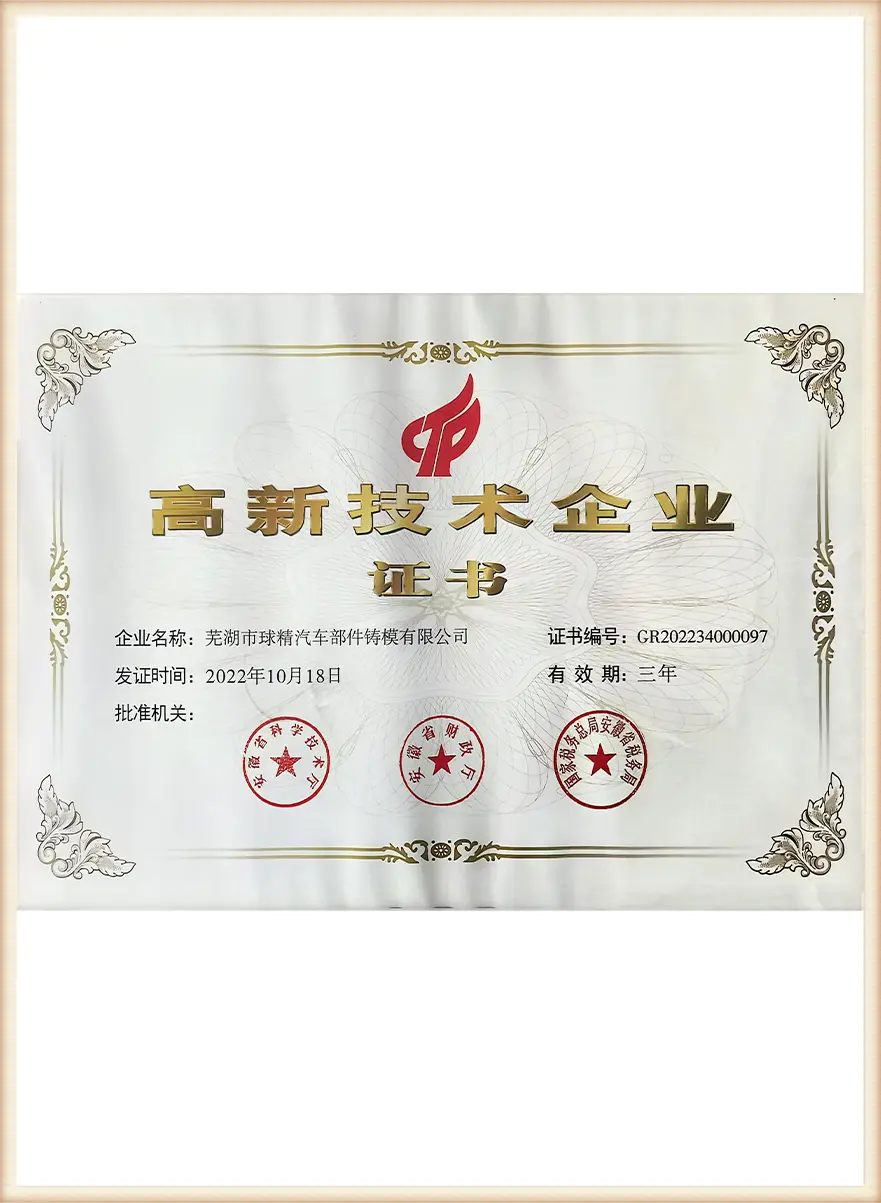
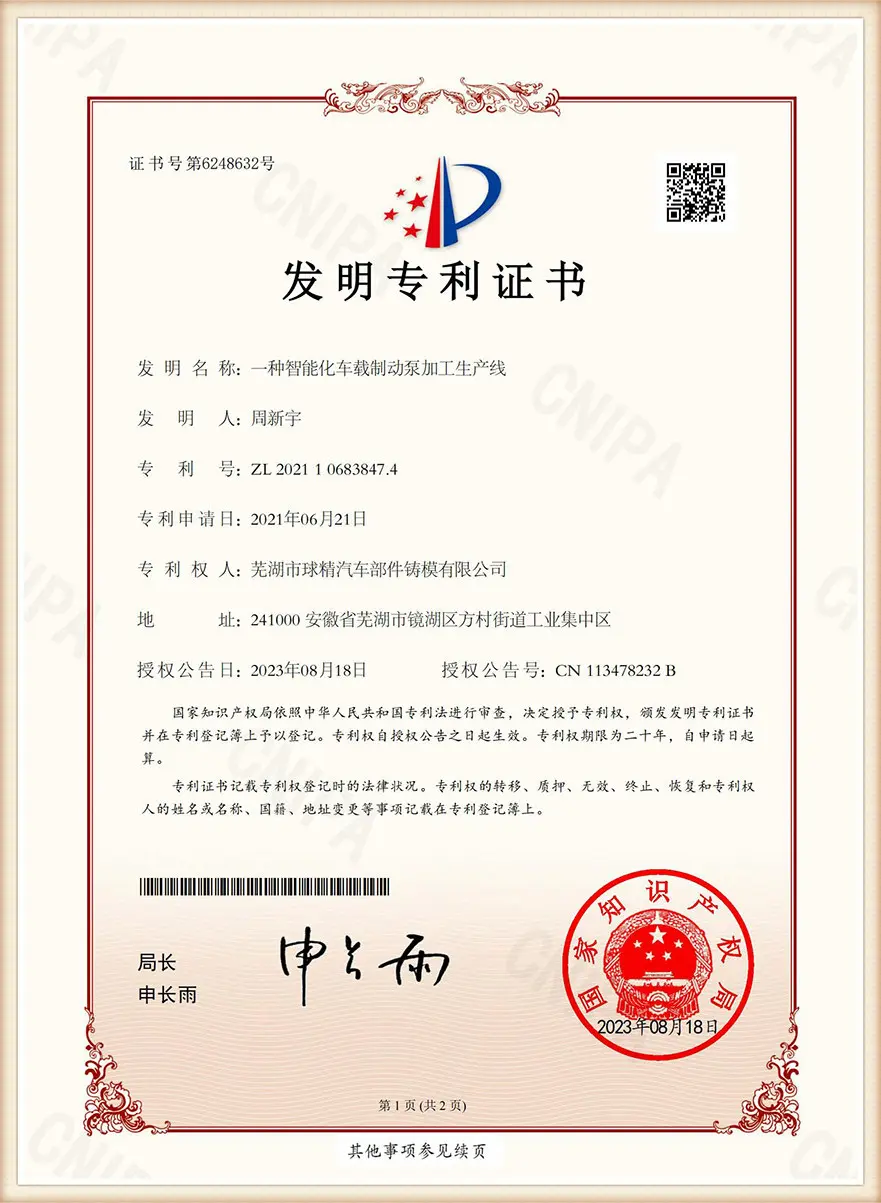
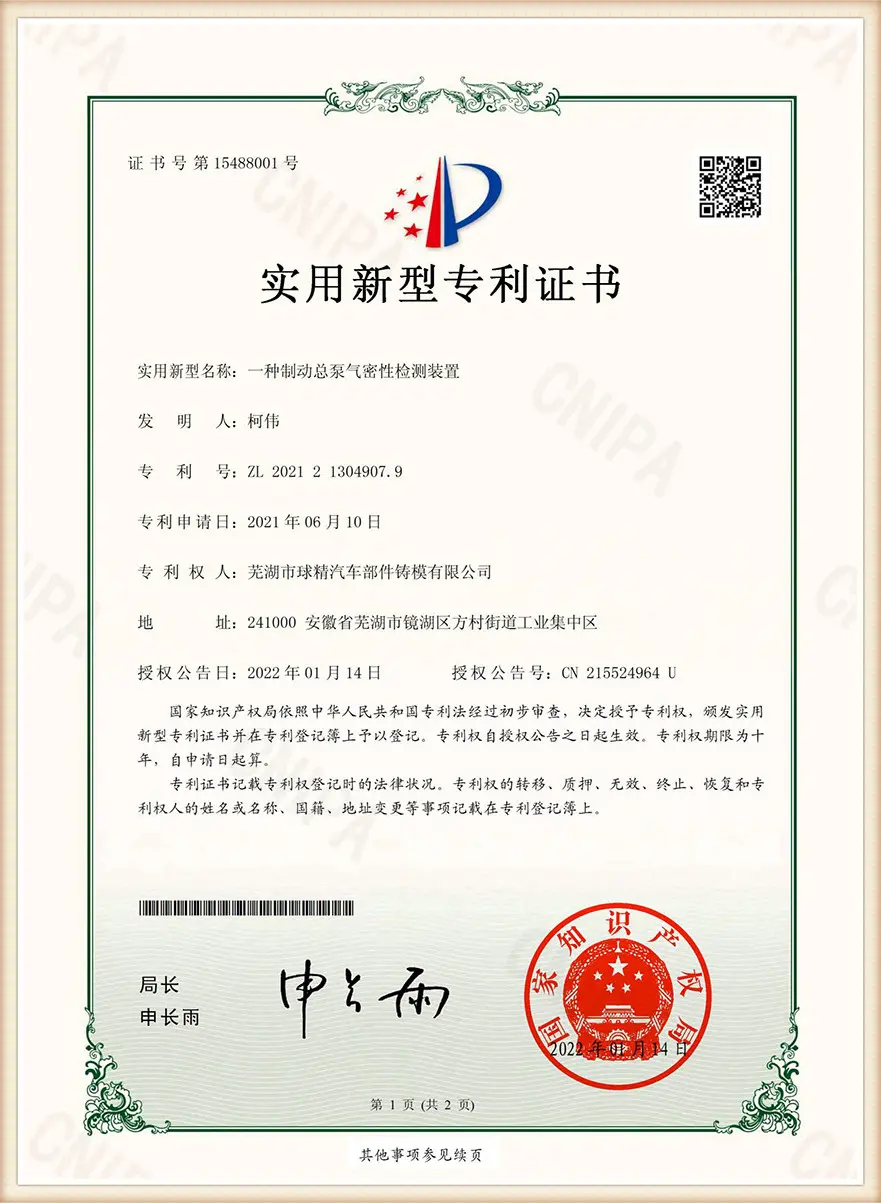
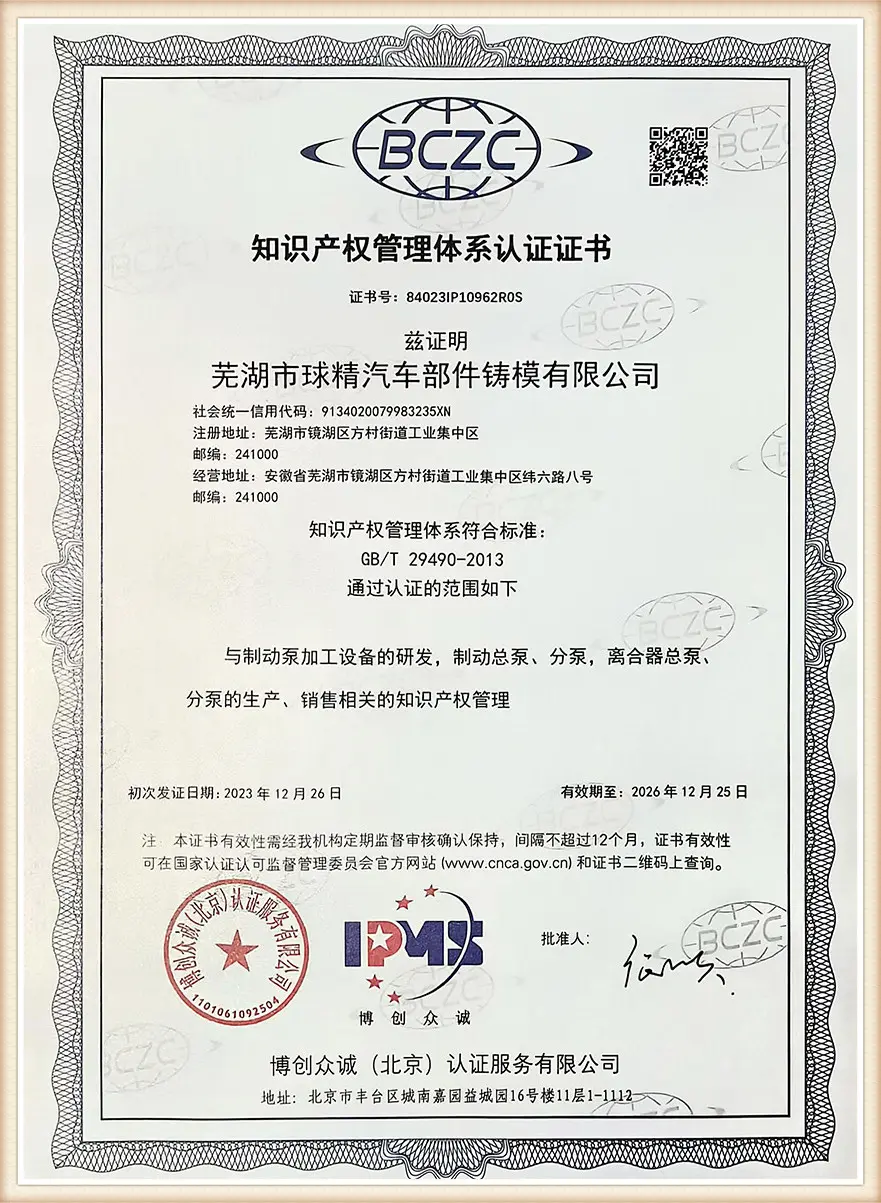
Our facility operates under rigorous international quality management certifications, ensuring safety and precision.
Stay updated with our company milestones, operational updates, and event notices.
Updates regarding our operational schedule, customer support availability, and logistics planning during seasonal holidays.
Read Article →
Wuhu Qiujing Auto Parts Co., Ltd. is pleased to announce the full resumption of our manufacturing operations, returning to regular output levels.
Read Article →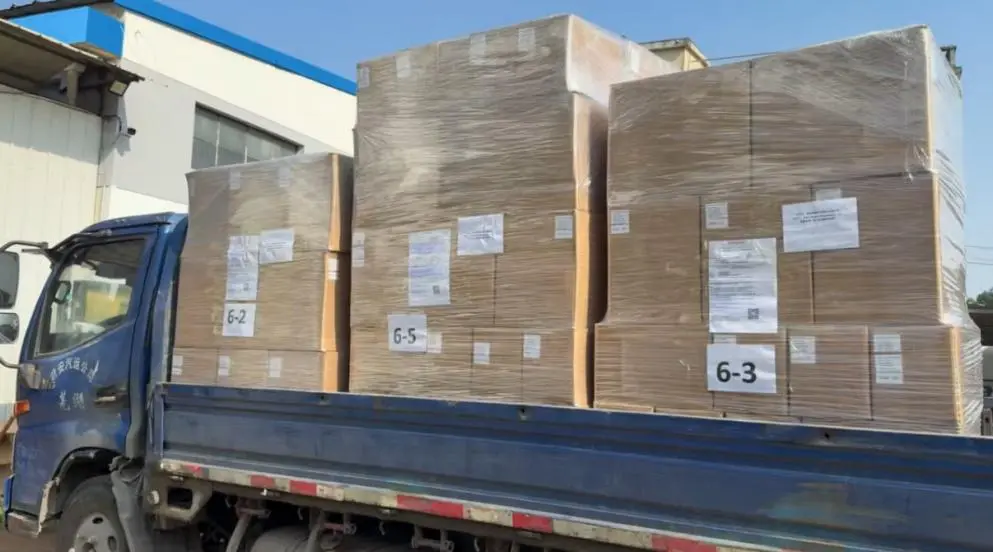
Our logistics and warehousing teams successfully completed all year-end shipping schedules ahead of the holiday closures, ensuring timely delivery.
Read Article →Get answers to common technical, logistical, and partnership questions from our engineering team.

Submit your part numbers, vehicle applications, and volume requirements. Our engineering and sales teams will respond within 24 business hours.
Explore our extensive range of master cylinders, wheel cylinders, and calipers built for global vehicle platforms.