
Explore our premium replacement units engineered to meet or exceed original equipment manufacturer configurations and tolerances.
Whitepaper Analysis: The evolution of automotive hydraulics in high-performance drivetrain activation.
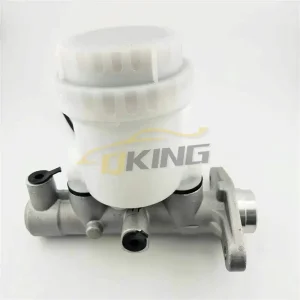
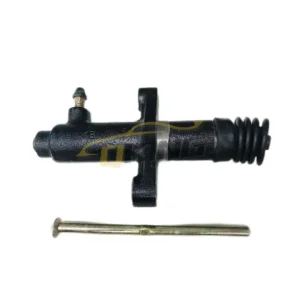
The clutch master cylinder is a vital component in manual and automated manual transmission systems, acting as the primary force generator when the driver or an automated system depresses the clutch pedal. By converting mechanical force into hydraulic pressure, this assembly initiates the fluid dynamic chain that releases the clutch assembly from the engine flywheel. In the global logistics and passenger vehicle landscape, particularly for heavy-duty truck platforms like Isuzu, Mitsubishi Fuso, and Hyundai Trucks, reliable clutch activation is critical to preventing transmission synchromesh wear and catastrophic gear-shifting failures.
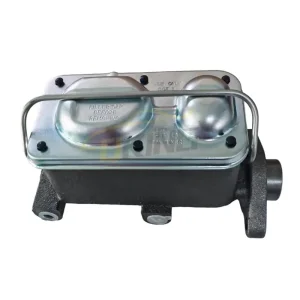
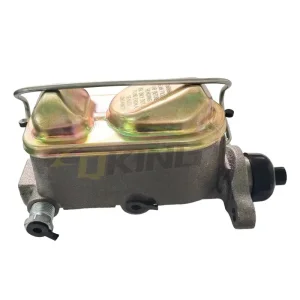
Modern hydraulic clutch networks are subjected to intense thermal gradients and pressure surges. In stop-and-go urban logistics, a delivery vehicle's clutch system may cycle thousands of times a day. Consequently, tier-one manufacturers utilize cast-iron housings or high-strength aluminum alloys. Aluminum master cylinders offer significant weight reduction and resistance to external oxidation, while cast iron variants remain the preferred choice for heavy-duty commercial vehicles due to their raw structural rigidity and wear resistance under high hydraulic stresses.
Internally, precision micro-honed cylinder bores are engineered to surface roughness profiles below Ra 0.2 µm. This minimizes friction and extends the service life of internal Ethylene Propylene Diene Monomer (EPDM) seals. EPDM compounds are standard because they are compatible with glycol-based brake fluids (DOT 3, DOT 4, and DOT 5.1), preventing swell and seal extrusion at high pressures.
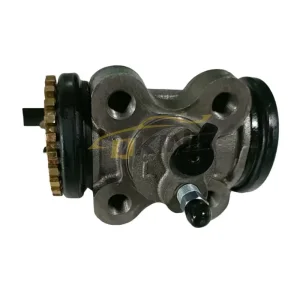
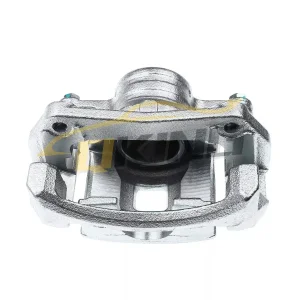
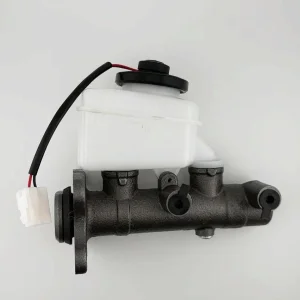
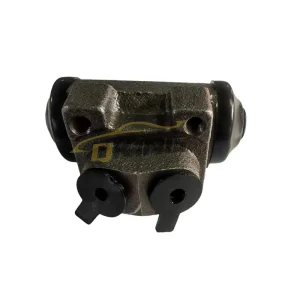
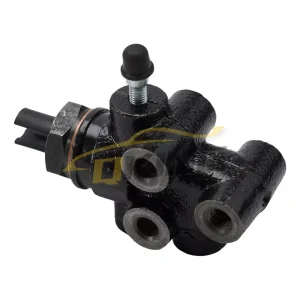
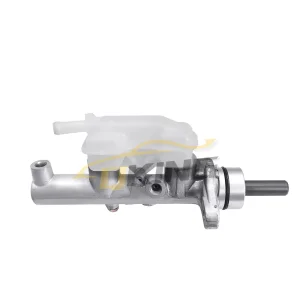
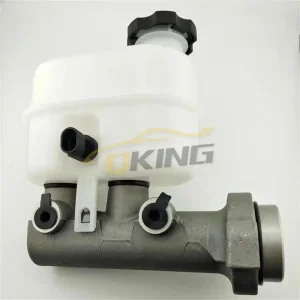
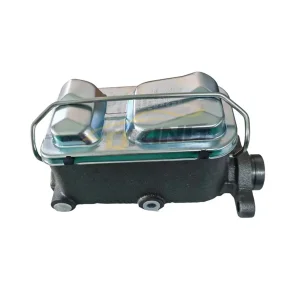
We manufacture a comprehensive range of hydraulic clutch and brake components for leading global car and truck models.
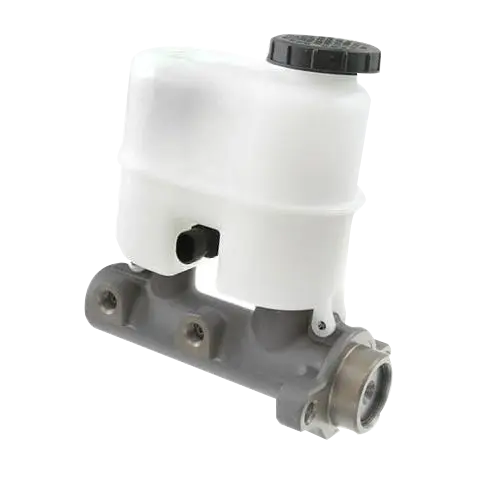
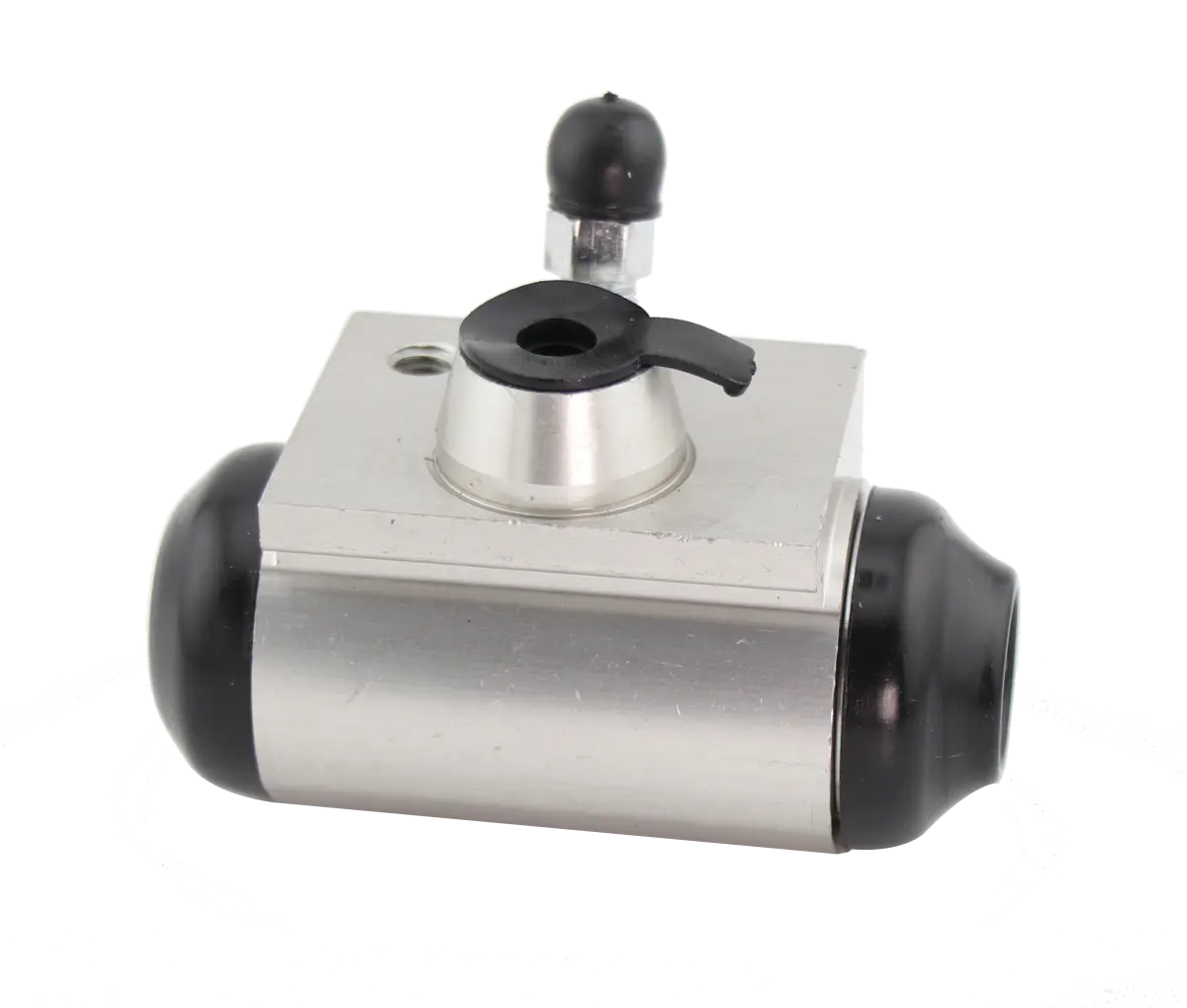
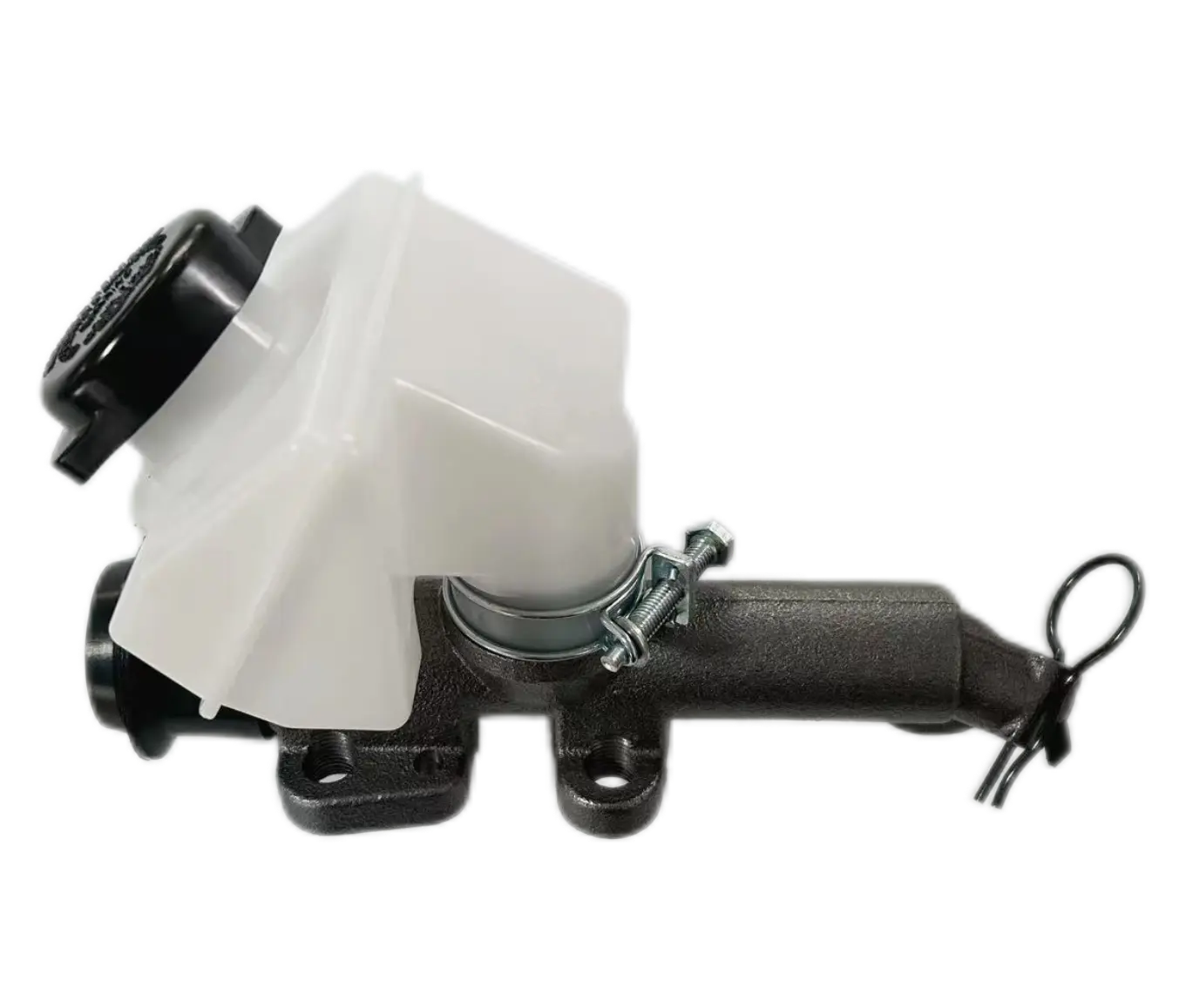
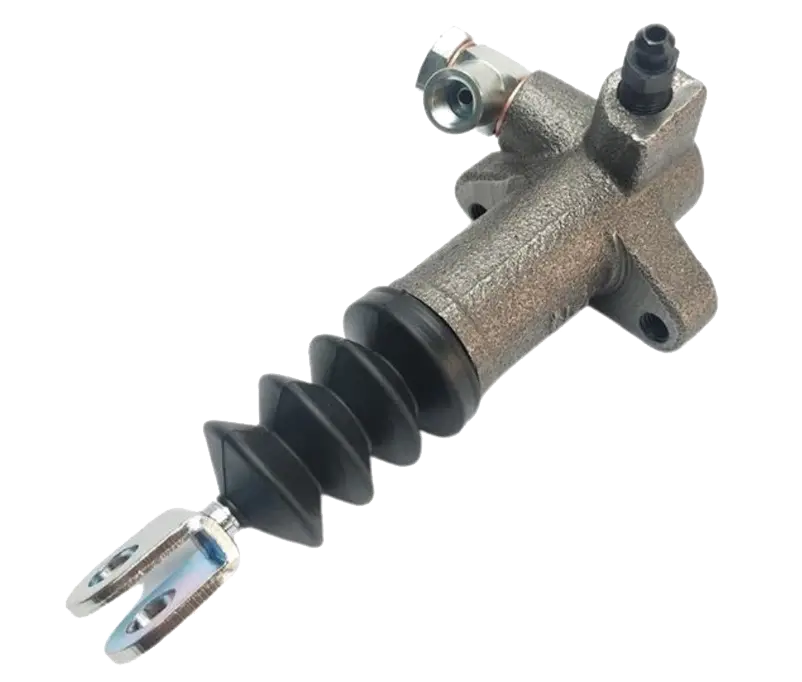
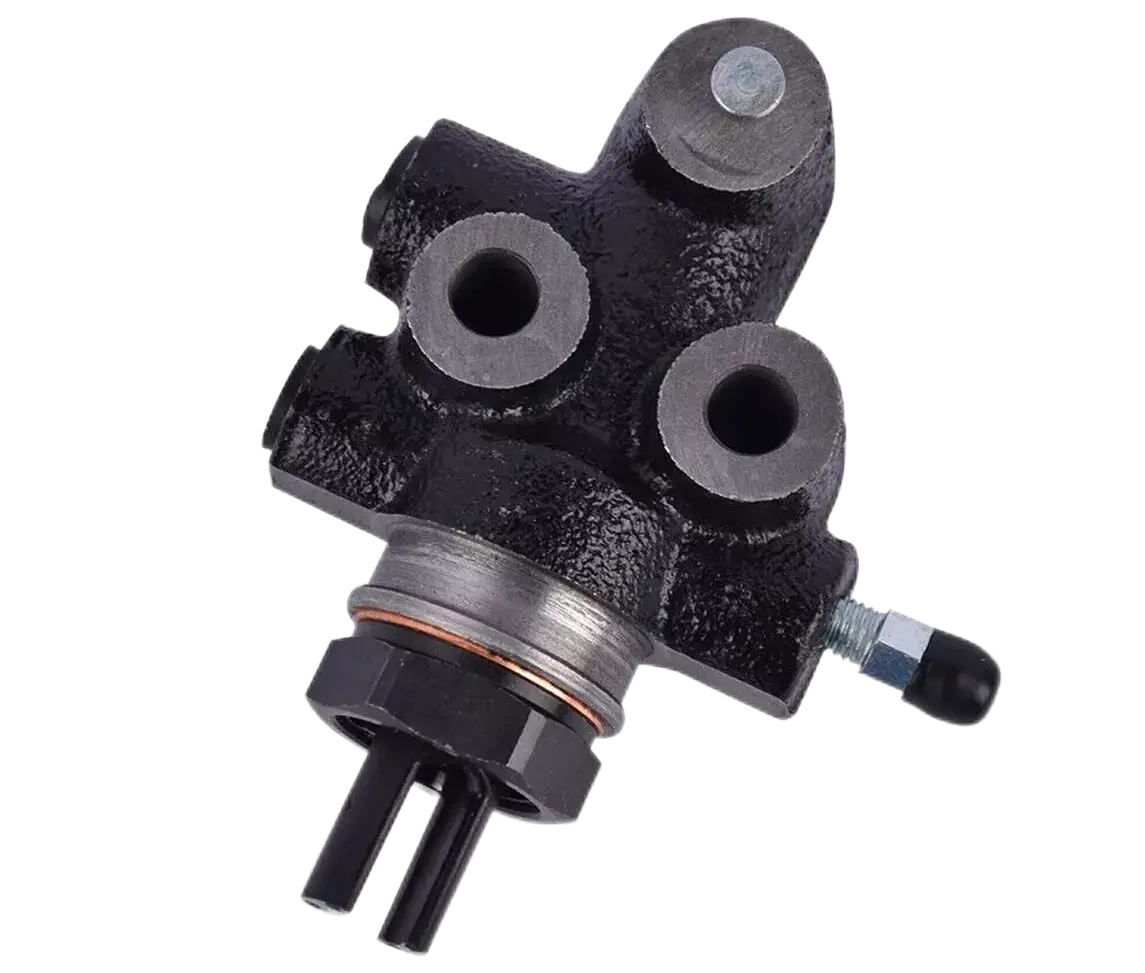
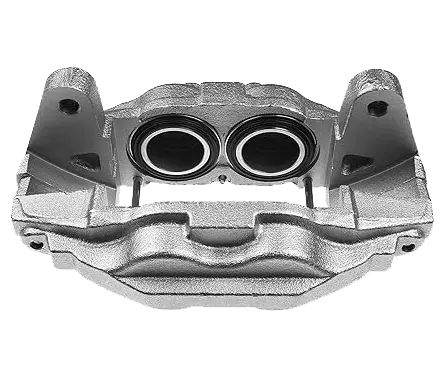
Deep-dive into our factory floor operations, testing regimes, and IATF 16949:2016 verification protocols.
Wuhu Qiujing Auto Parts Co., Ltd. has stood at the forefront of hydraulic brake and clutch components since 2007. Led by our founding principles established in 1996, the factory focuses on high-precision machining, assembly, and quality assurance. Our manufacturing footprint features state-of-the-art CNC grinding machines, automated seal installing tooling, and computer-controlled test benches to monitor piston travel, pressure retention, and dynamic response times.
Every single clutch master cylinder we produce undergoes two quality gates prior to packaging:
Adhering to *GB/T19001-2016/ISO 9001:2015* and *IATF16949:2016* automotive quality systems, we achieve a defective rate of under 50 PPM (parts per million). Our logistics and aftermarket partners rely on this quality control to eliminate warranty costs and customer returns.
Leveraging deep industrial expertise to provide reliable supply chains for aftermarket and OEM auto parts.

6,000+ ㎡ production facility with an annual output exceeding 2 million units. Buy direct to optimize margins.

Equipped with advanced production machinery. We proudly back our components with a 2-year after-sales warranty.

Standardized QC processes and flexible assembly configurations ensure high reliability for long-term supply partnerships.

Dedicated engineers, experienced manufacturing technicians, and responsive sales reps ensure smooth, efficient order execution.
We stock replacement assemblies for popular vehicle platforms worldwide, including GM, Toyota, and Isuzu.
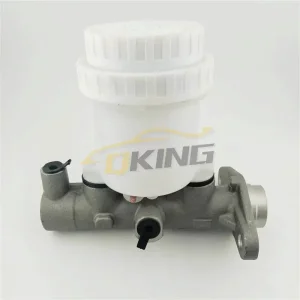
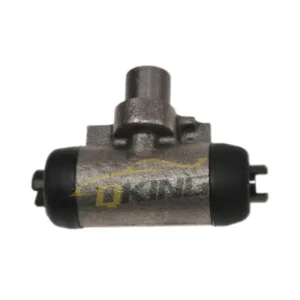
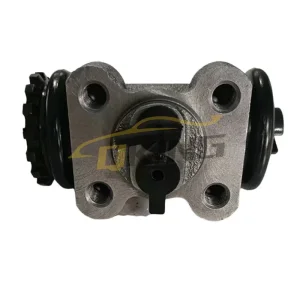
Understanding regional requirements, localized operating conditions, and the future of hydraulic actuation.
Automobile hydraulic systems operate in diverse, challenging environments globally. For example, commercial fleets in cold climates like Northern Europe or Canada require hydraulic cylinders that maintain seal elasticity at temperatures as low as -40°C. In these environments, standard rubber seals can stiffen and fail, causing fluid leaks and sudden pressure drops. To prevent this, we formulate low-temperature EPDM compounds that resist thermal shrinkage and leakage.
Conversely, in hot and humid regions like Southeast Asia, humidity can accelerate the absorption of water by glycol-based brake fluids. Over time, this moisture lowers the boiling point of the fluid and causes internal corrosion inside standard iron cylinders. To prevent rust in these humid climates, we treat our cylinder housings with advanced anti-corrosion coatings like zinc-nickel plating, ensuring reliable, long-term performance.
The rise of electric, hybrid, and autonomous vehicles is reshaping automotive engineering. While fully electric passenger cars do not use traditional clutch assemblies, hybrid drivetrains and modern automated manual transmissions (AMTs) in commercial heavy-duty logistics continue to rely on advanced hydraulic actuators. The latest trend is integrating sensors directly into the master cylinder housing to provide real-time pressure, fluid level, and temperature data to the vehicle's engine control unit (ECU). These smart sensors help fleets schedule predictive maintenance, reducing vehicle downtime and preventing on-road failures.
We operate in strict accordance with international standards, backed by third-party testing and verified quality certifications.
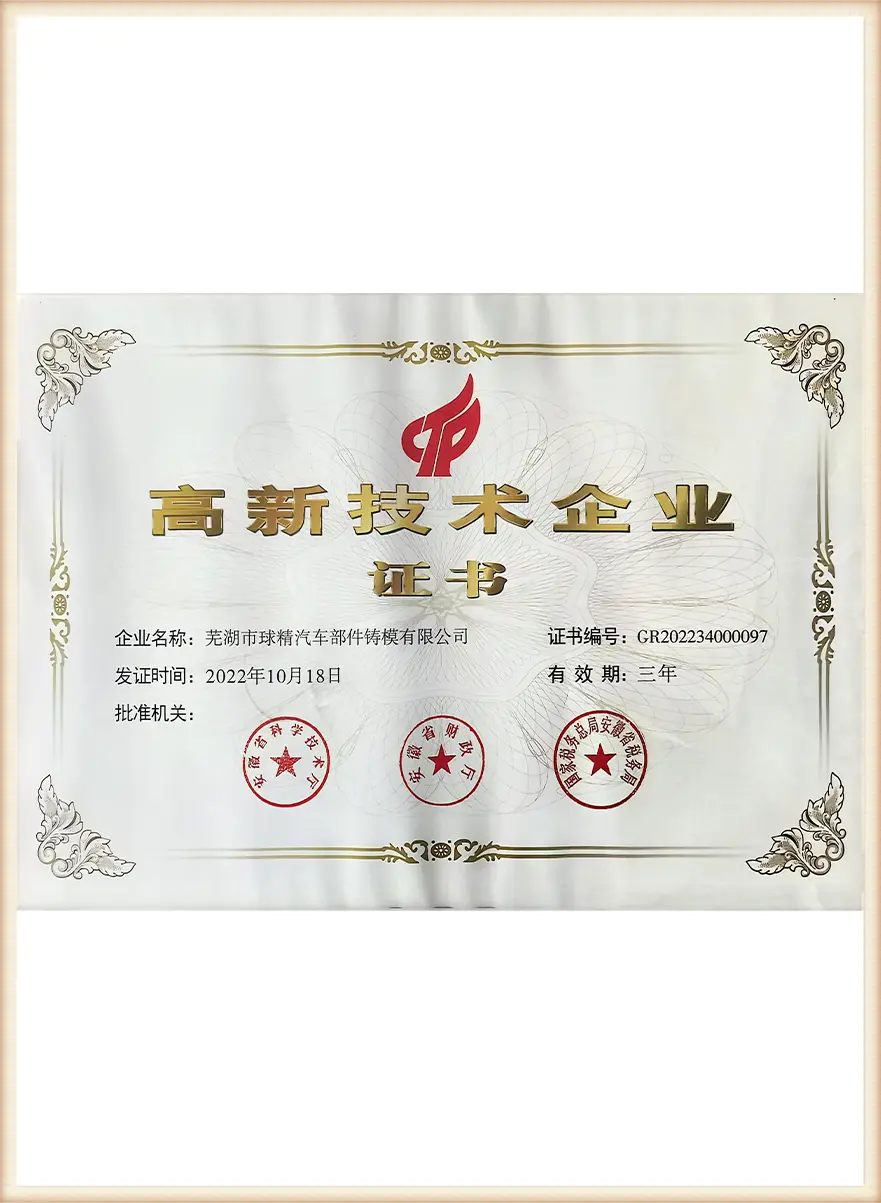
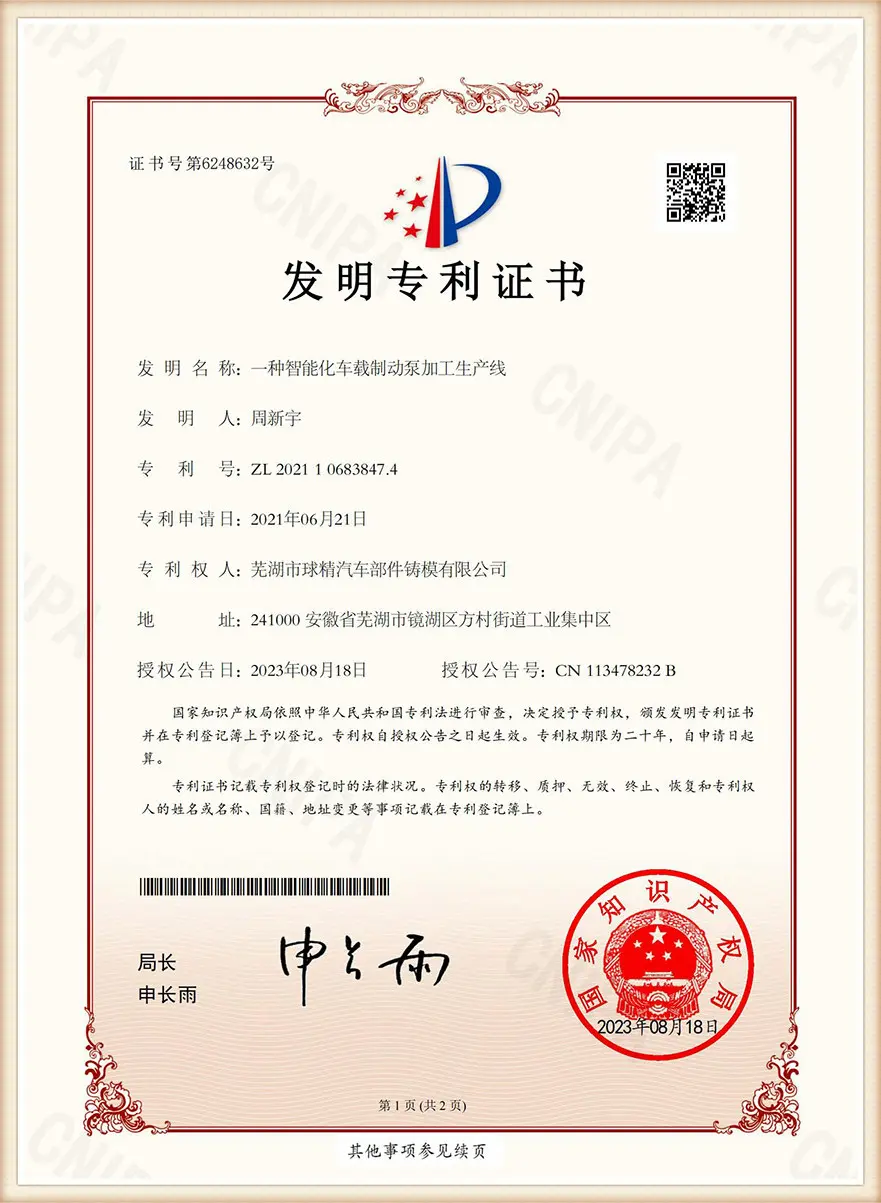
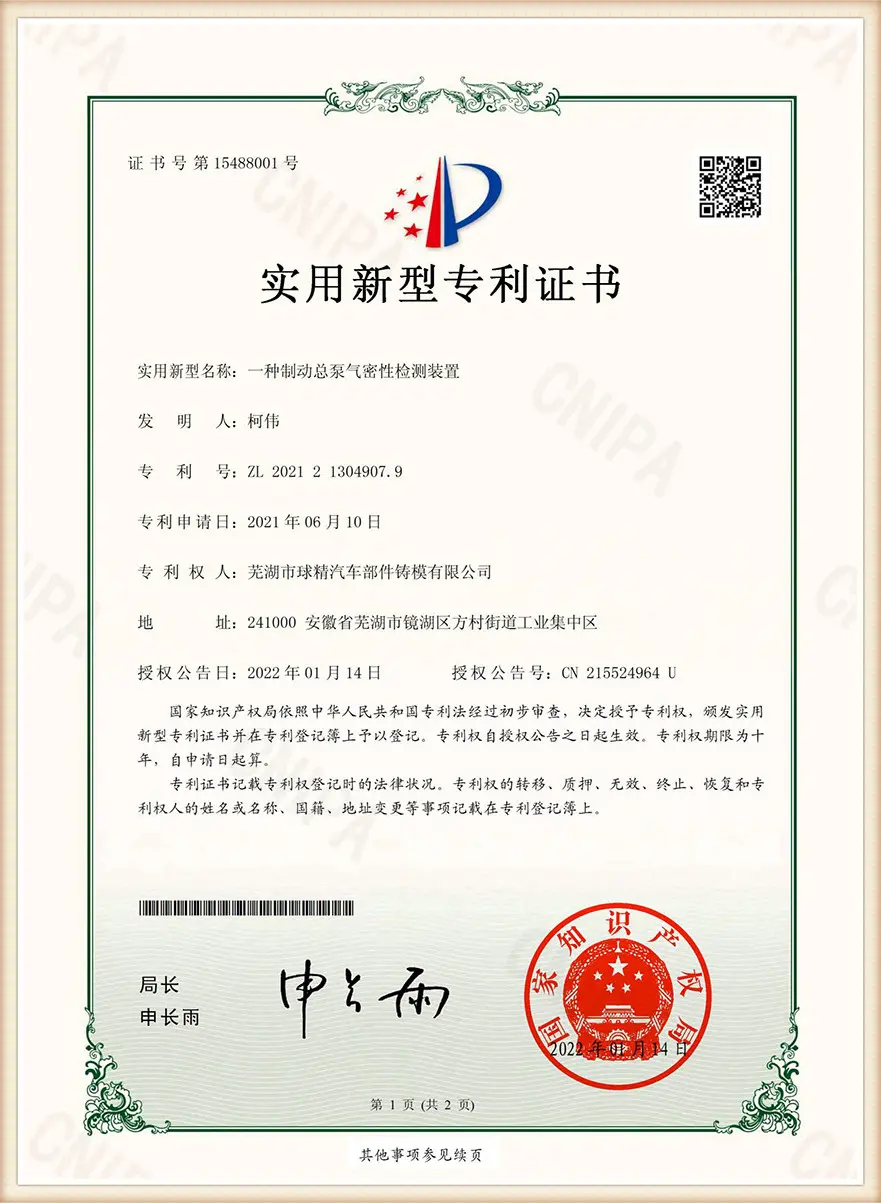
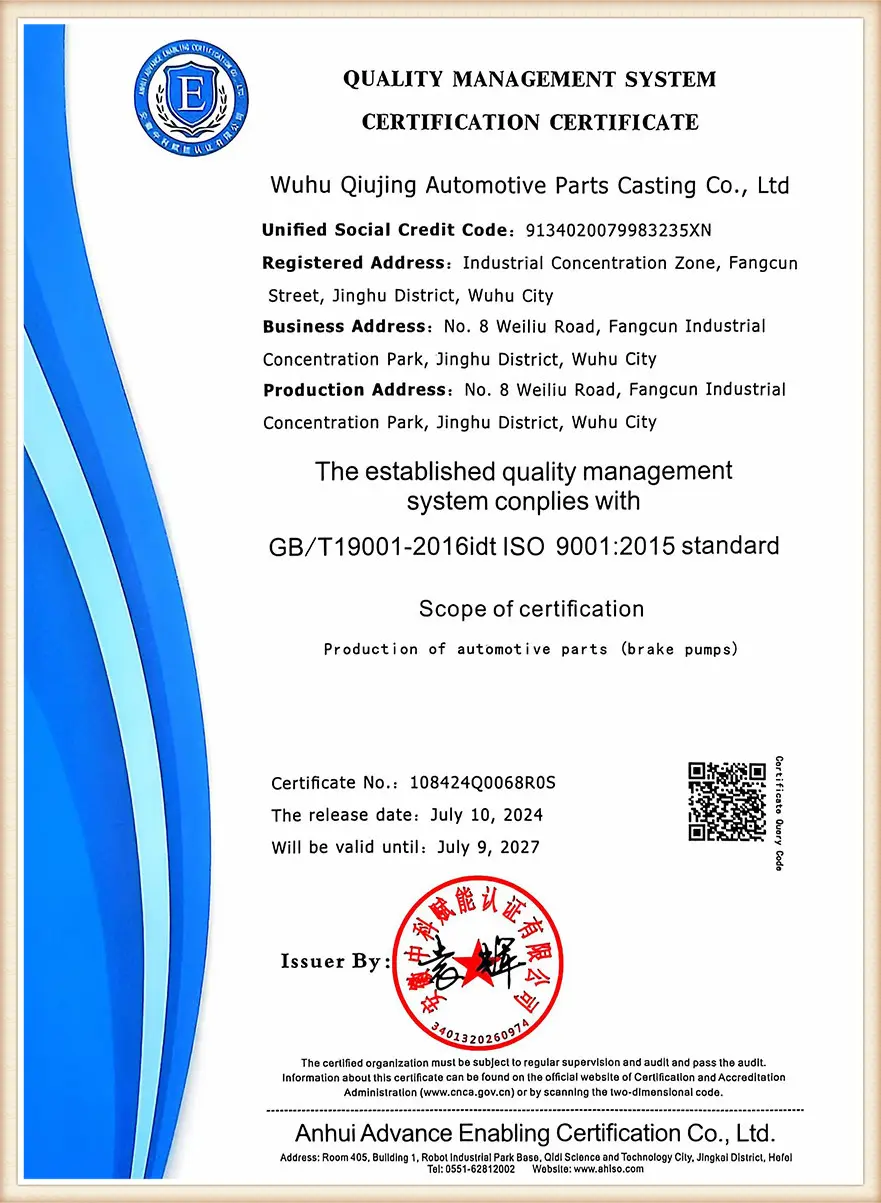
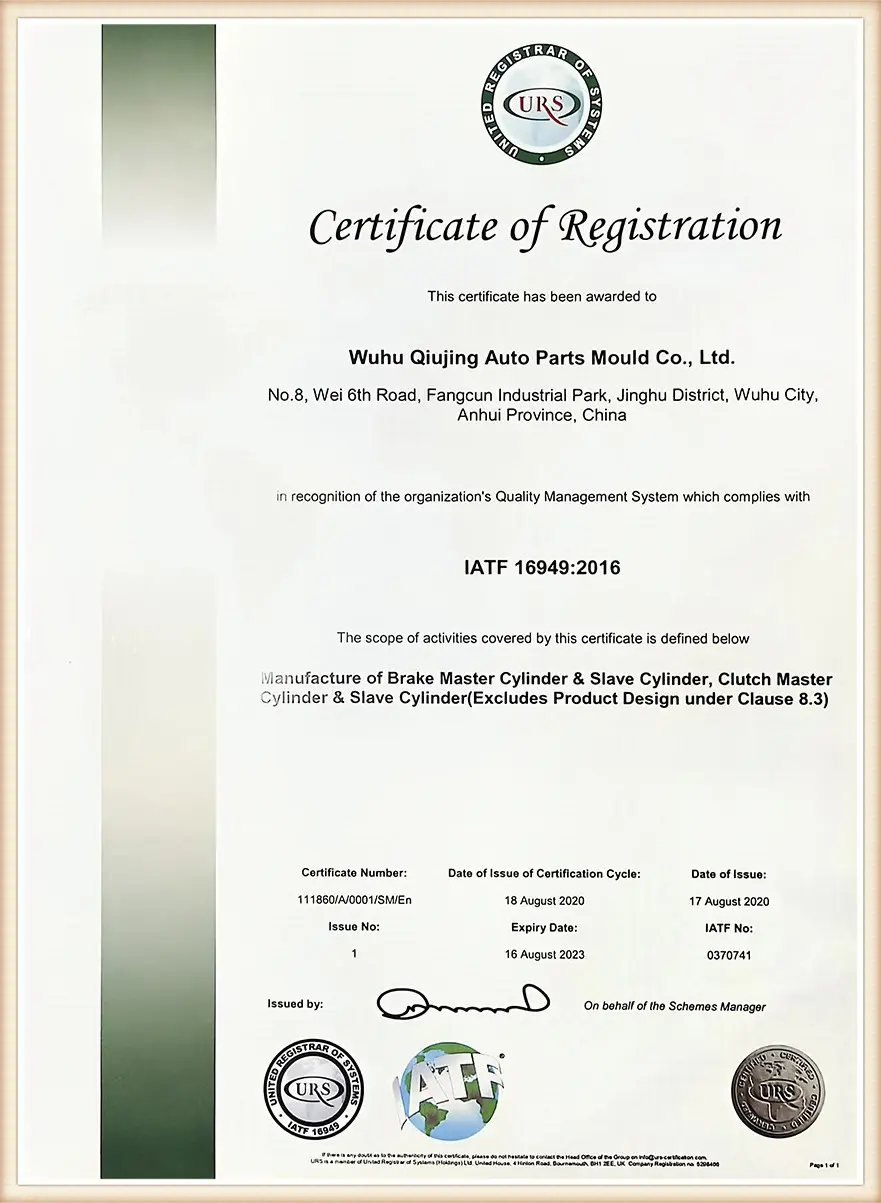
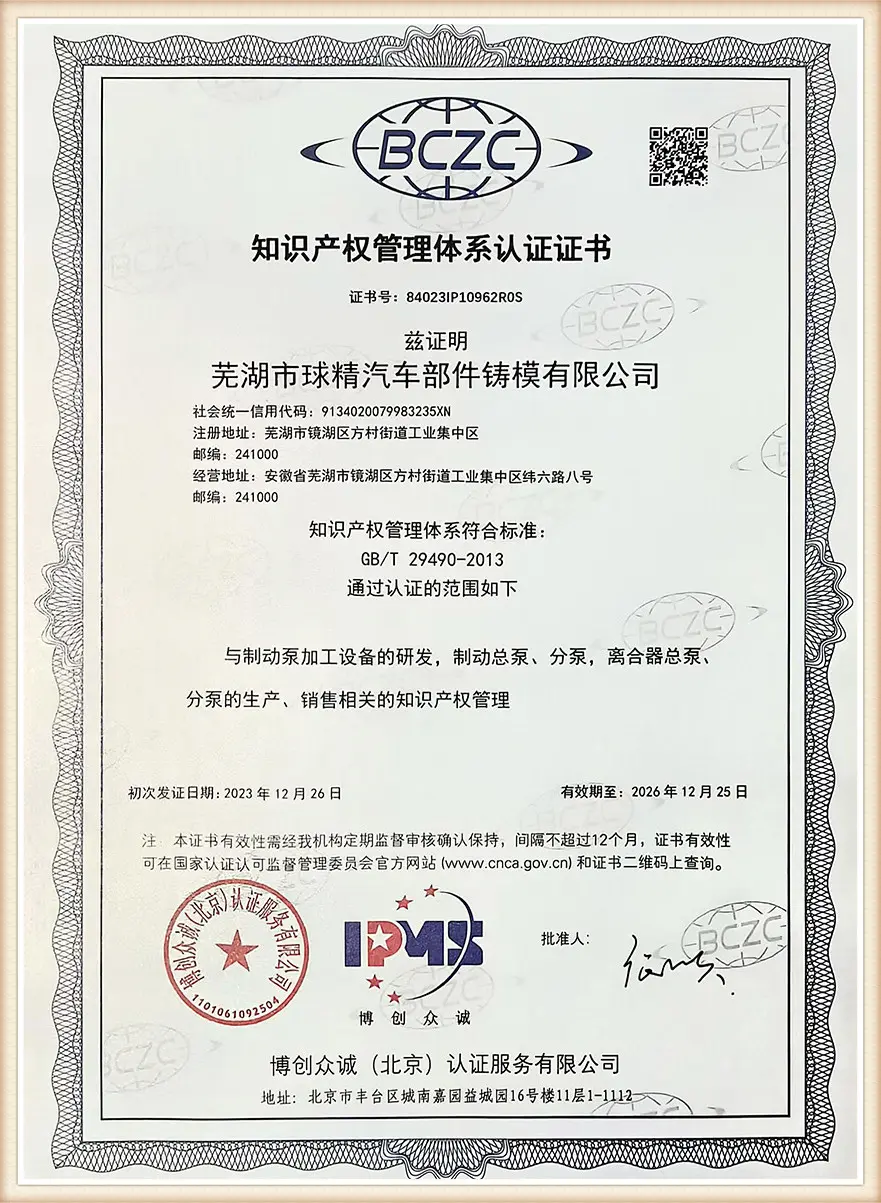
Stay informed about our latest operations, production updates, and peak-season logistical notices.
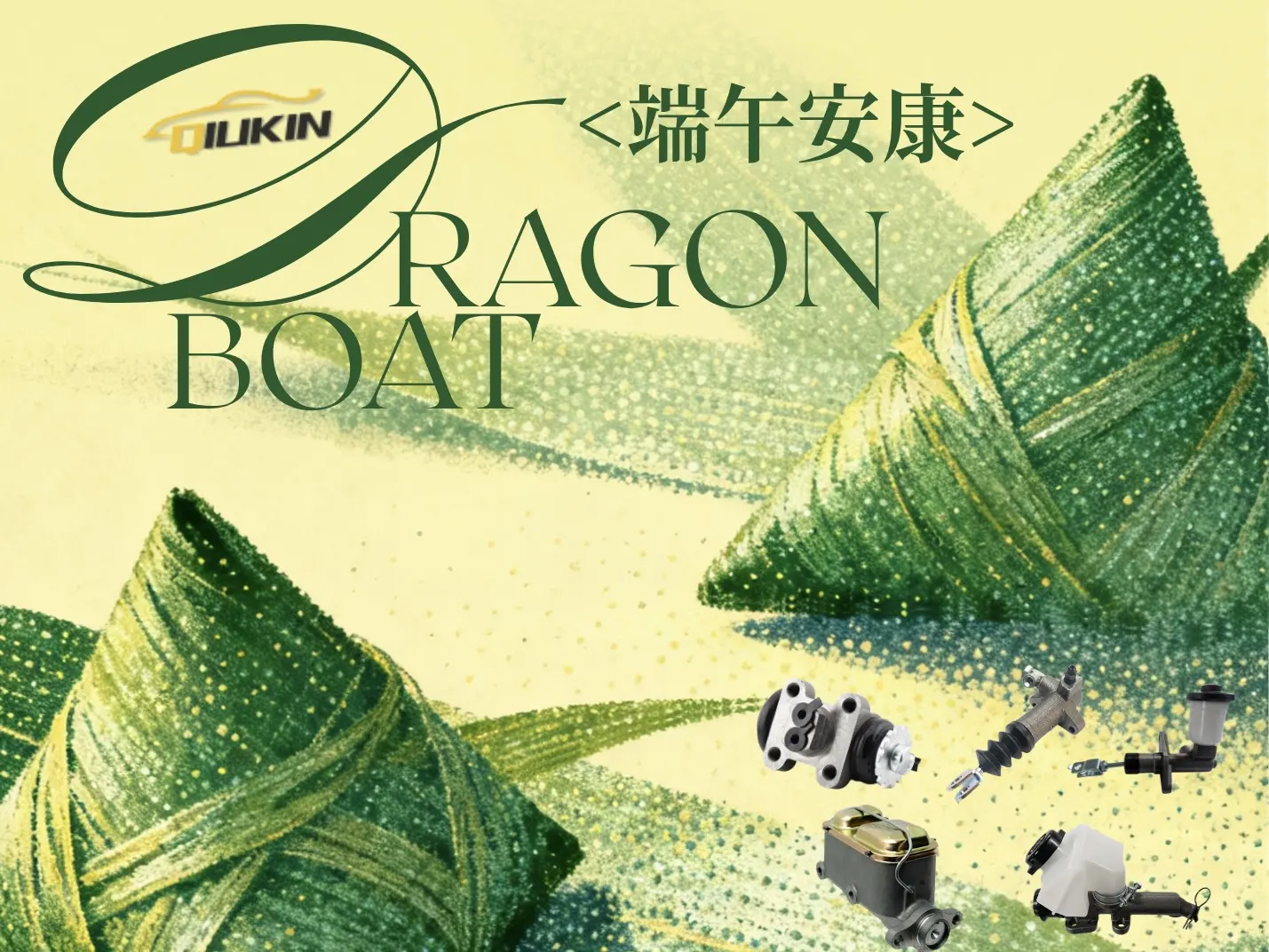
Detailed updates on shipping schedules and office availability during the holiday season. Learn how to plan your orders early.
Read Article
We have successfully resumed production, running all machining and assembly lines at full capacity to meet global order demands.
Read Article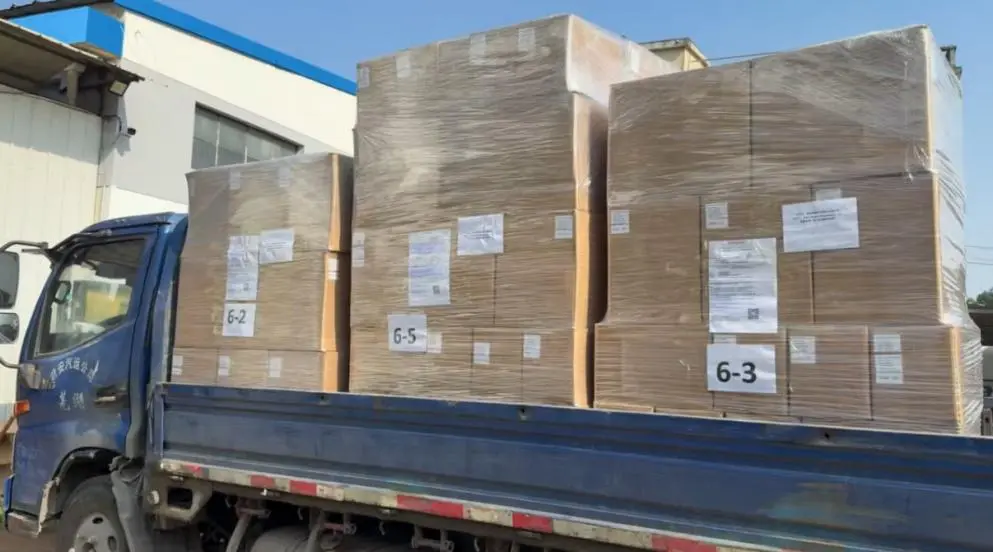
Our logistics team successfully finalized critical year-end shipments before the holiday closures, ensuring timely delivery for global distributors.
Read ArticleDetailed answers to the most common questions regarding technical specifications, installation, and wholesale procurement.
A failing clutch master cylinder typically presents several distinct operational warning signs:
1. Pedal Sponginess: If air enters the hydraulic circuit or the internal piston seal degrades, the clutch pedal will feel soft or spongy when pressed.
2. Difficulty Shifting Gears: A loss of hydraulic pressure prevents the slave cylinder from fully disengaging the clutch disk, causing grinding noises during gear changes.
3. Low Fluid Levels or Exterior Stains: Fluid pooling around the pedal linkage inside the cabin or under the master cylinder reservoir indicates seal failure.
No, you should never mix DOT 5 silicone-based brake fluid with glycol-based fluids like DOT 3, DOT 4, or DOT 5.1. Our clutch master and slave cylinders are equipped with specialized EPDM seals engineered specifically for glycol-based fluids. Using DOT 5 silicone fluid can cause these seals to swell, degrade, and fail prematurely, compromising the entire hydraulic system.
We enforce strict quality control at every stage of production under our *IATF 16949:2016* certification. This includes sourcing high-grade metal castings, checking dimensions with precision CMM equipment, micro-honing cylinder walls, and conducting 100% pneumatic and hydraulic pressure testing on every single unit before it is packaged for shipment.
For standard catalog items with raw materials in stock, our lead time ranges from 15 to 30 days. For custom OEM or ODM orders that require new castings or custom tooling development, the development and production process typically takes 45 to 60 days. Please contact our sales team with your exact specifications for an accurate delivery timeline.
Yes, we provide complete OEM and ODM packaging solutions. We can laser-etch custom part numbers or company logos onto the cylinder housings and create custom printed boxes and master cartons to match your branding requirements. MOQ limits may apply for custom packaging designs.

Request quotes, verify pricing tiers, or coordinate custom product development with our sales team.