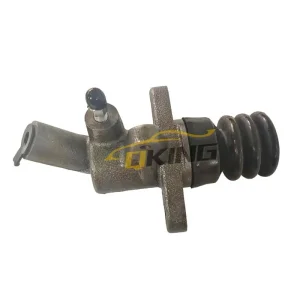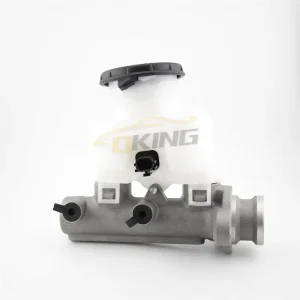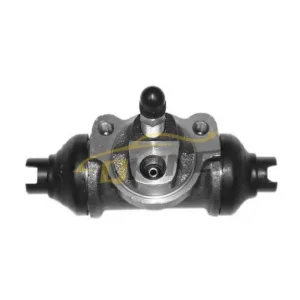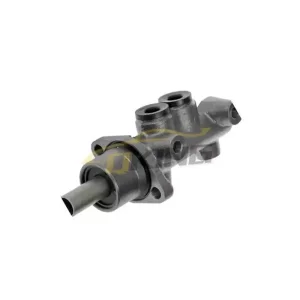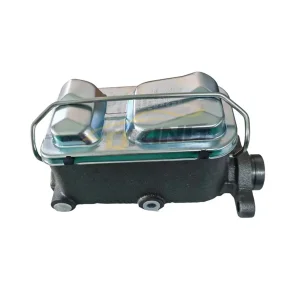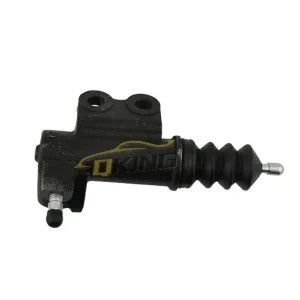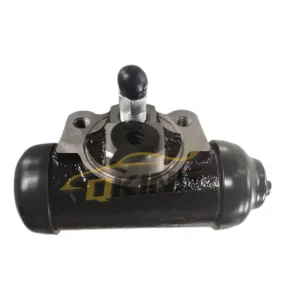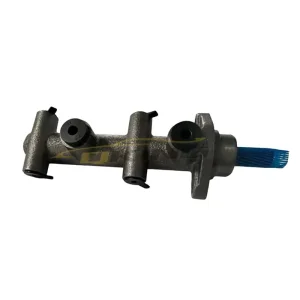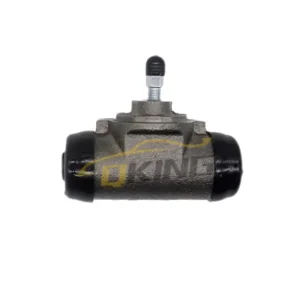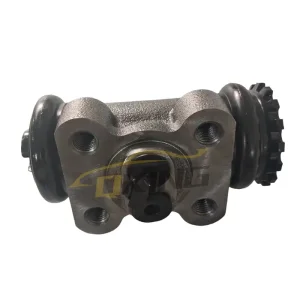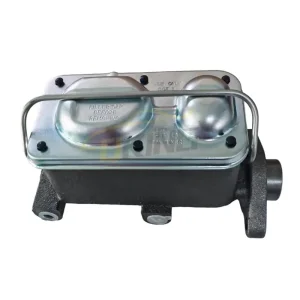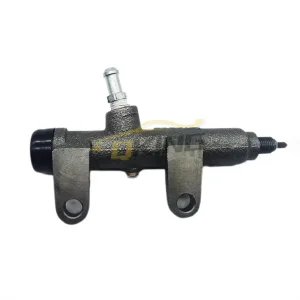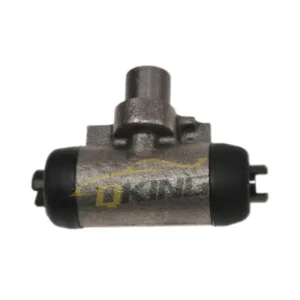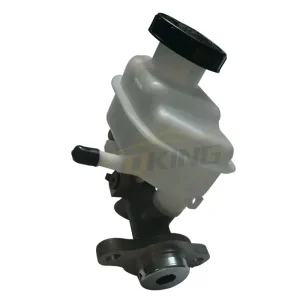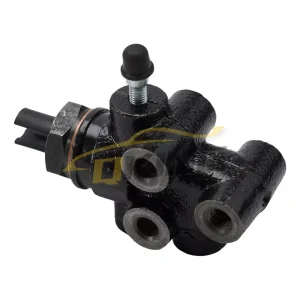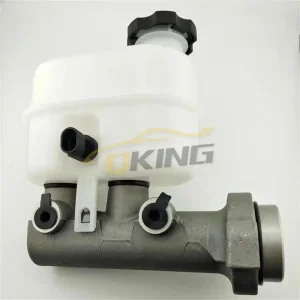
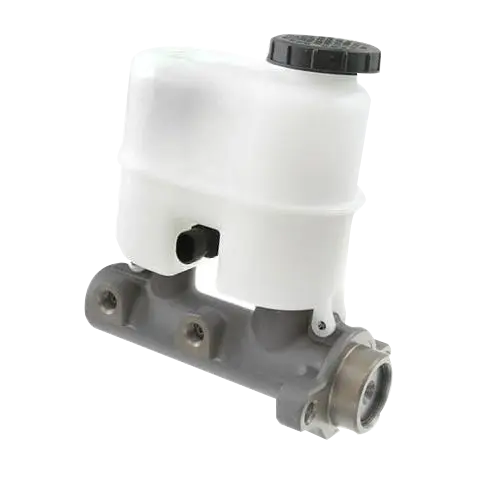
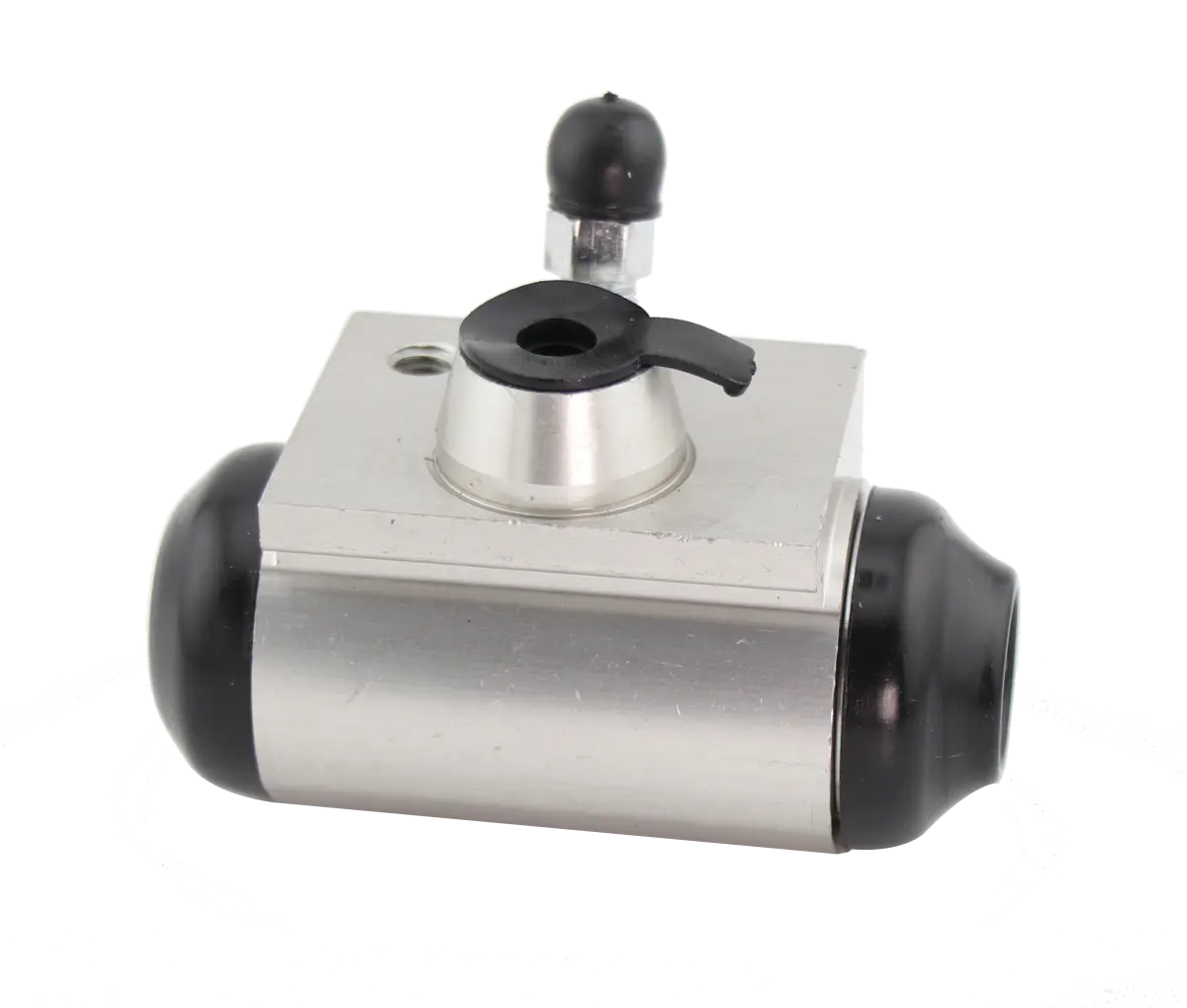
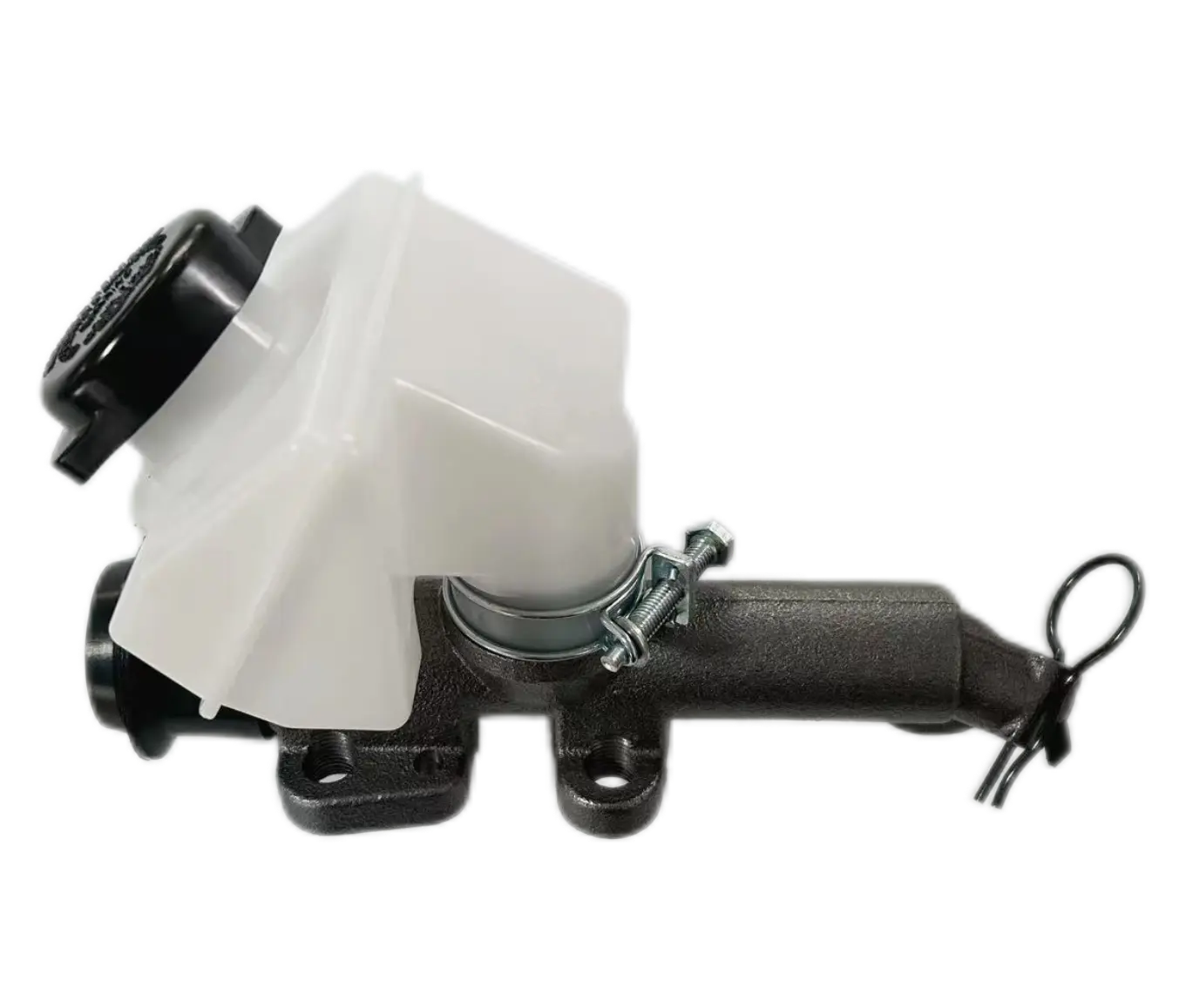
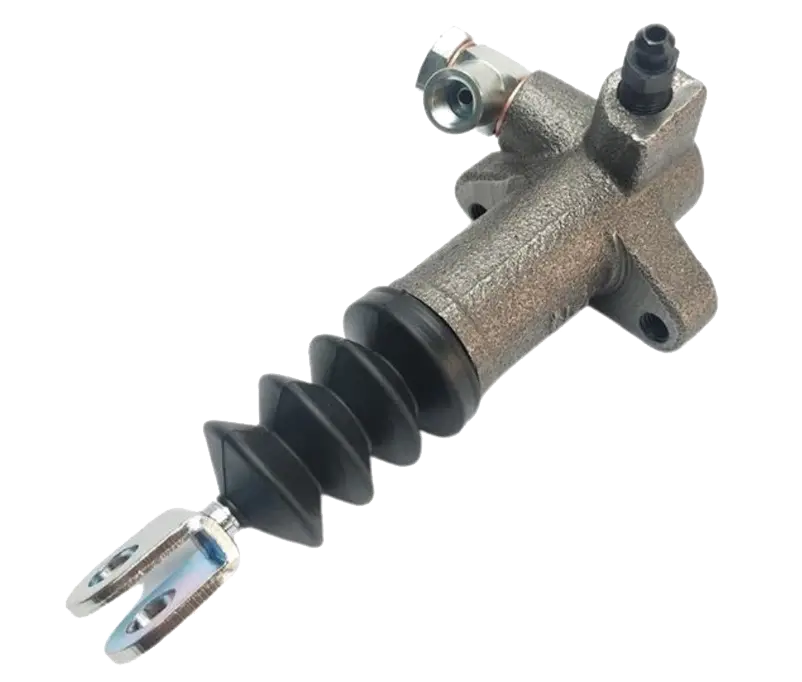
High-precision master cylinders, slave cylinders, and wheel pumps engineered for diverse vehicle layouts.
Explore our comprehensive lineup of precision-engineered automotive brake and clutch system components.
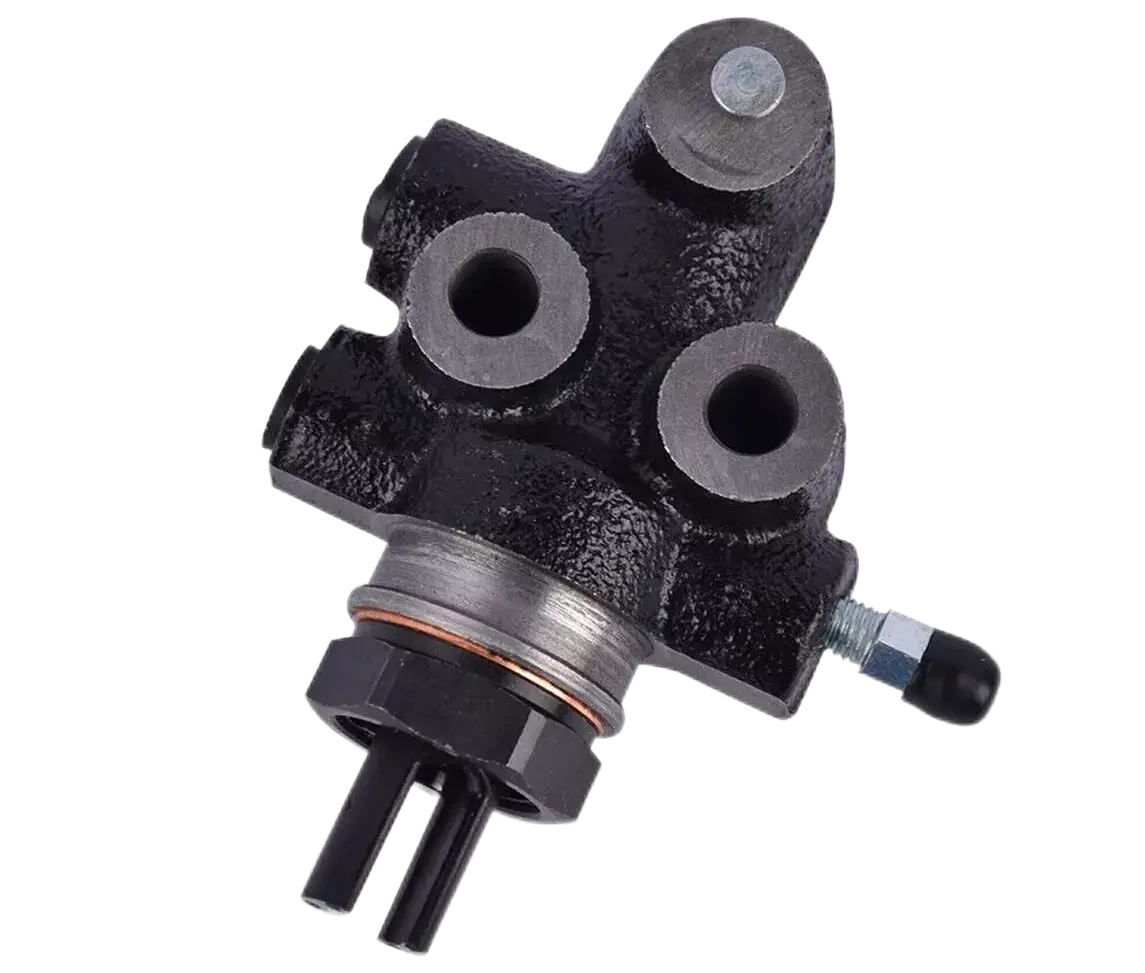
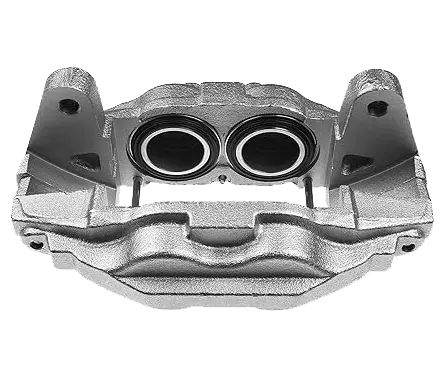
A technical whitepaper analyzing materials science, manufacturing tolerances, and sourcing strategies for global supply networks.
In modern automotive design, the braking architecture remains the single most critical safety subsystem. Within Chrysler vehicles—ranging from light passenger sedans and classic heritage models to utility platforms and heavy-duty RAM series commercial trucks—the hydraulic cylinder acts as the primary power translator. Translating mechanical force from the brake pedal into equalized hydraulic pressure, the Chrysler Brake Cylinder must withstand severe operational stresses under extreme temperature cycles.
For procurement professionals, buying teams, and global distributors, identifying a reliable Chrysler brake cylinder factory involves analyzing parameters far beyond unit pricing. It demands a deep understanding of metallurgical structures, precise internal bore tolerances, seal elasticity profiles, and overall compliance with safety standards such as IATF 16949 and SAE J1601. In this whitepaper, we dissect the design parameters, manufacturing methodologies, and pricing metrics essential for optimizing a robust, high-yield supply chain.
Historically, heavy-duty Chrysler platforms relied almost exclusively on spheroidal graphite cast iron (ductile iron) due to its high tensile strength and compressive yield. However, the push for lighter vehicles to improve fuel efficiency and lower emissions has driven the widespread adoption of high-strength aluminum alloys. Let's compare these materials:
At our manufacturing facility, we implement both casting methodologies, using computerized spectroscopy to verify alloy purity before casting. By verifying chemical consistency at the molecular level, we prevent internal casting defects such as micro-porosities, which can lead to critical failures under high-pressure scenarios.
The core mechanism of a Chrysler brake cylinder is the interaction between the piston, the seals, and the inner bore. To prevent pressure drop and internal fluid bypass, we maintain a geometric tolerance of less than Ra 0.25 μm on all internal bore surfaces. This is achieved through multi-step honing processes:
By enforcing these strict tolerances, our components remain sealed under extreme pressures up to 15 MPa, exceeding typical automotive operating limits.
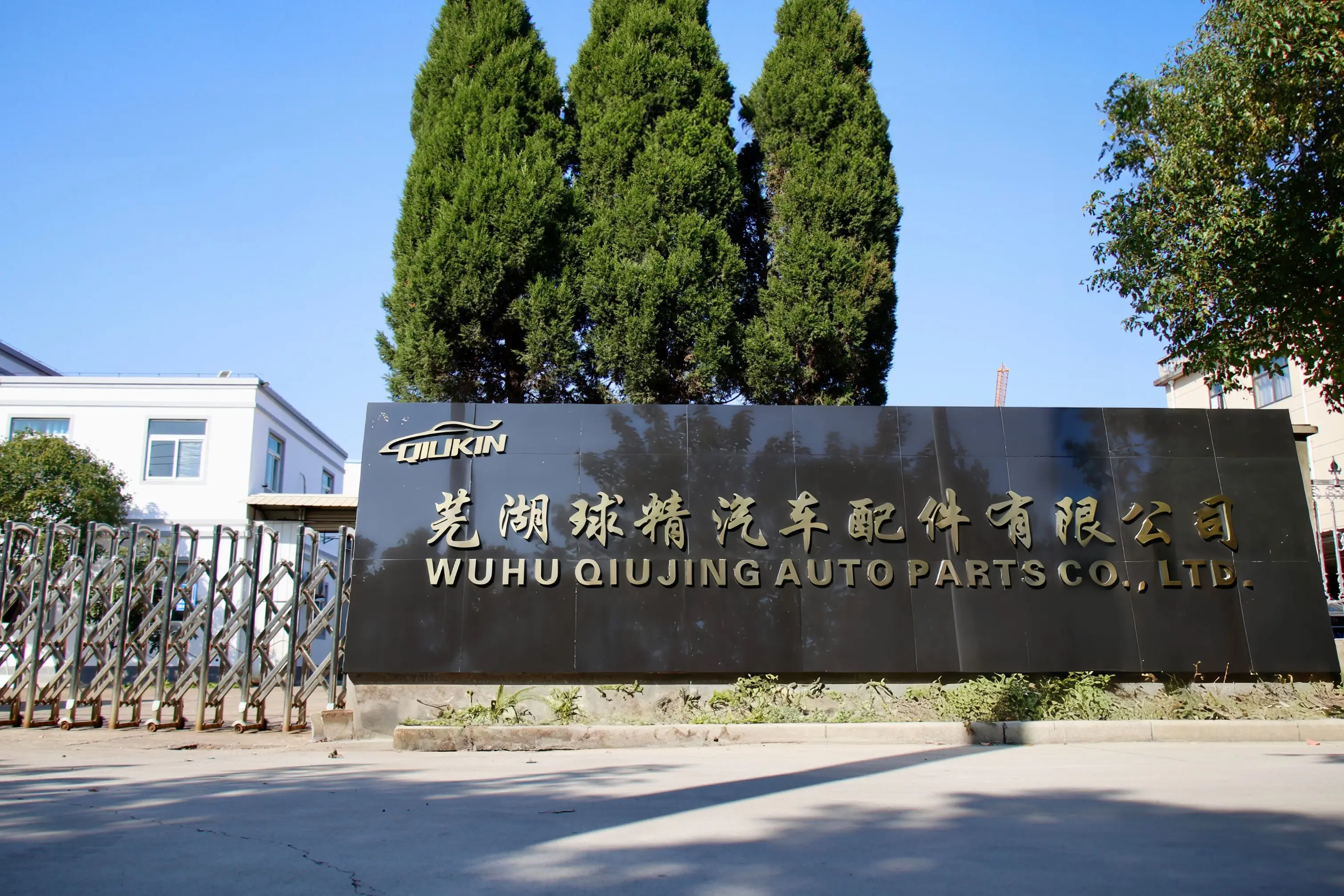
Professional Automotive Brake Parts Source Factory Since 2007
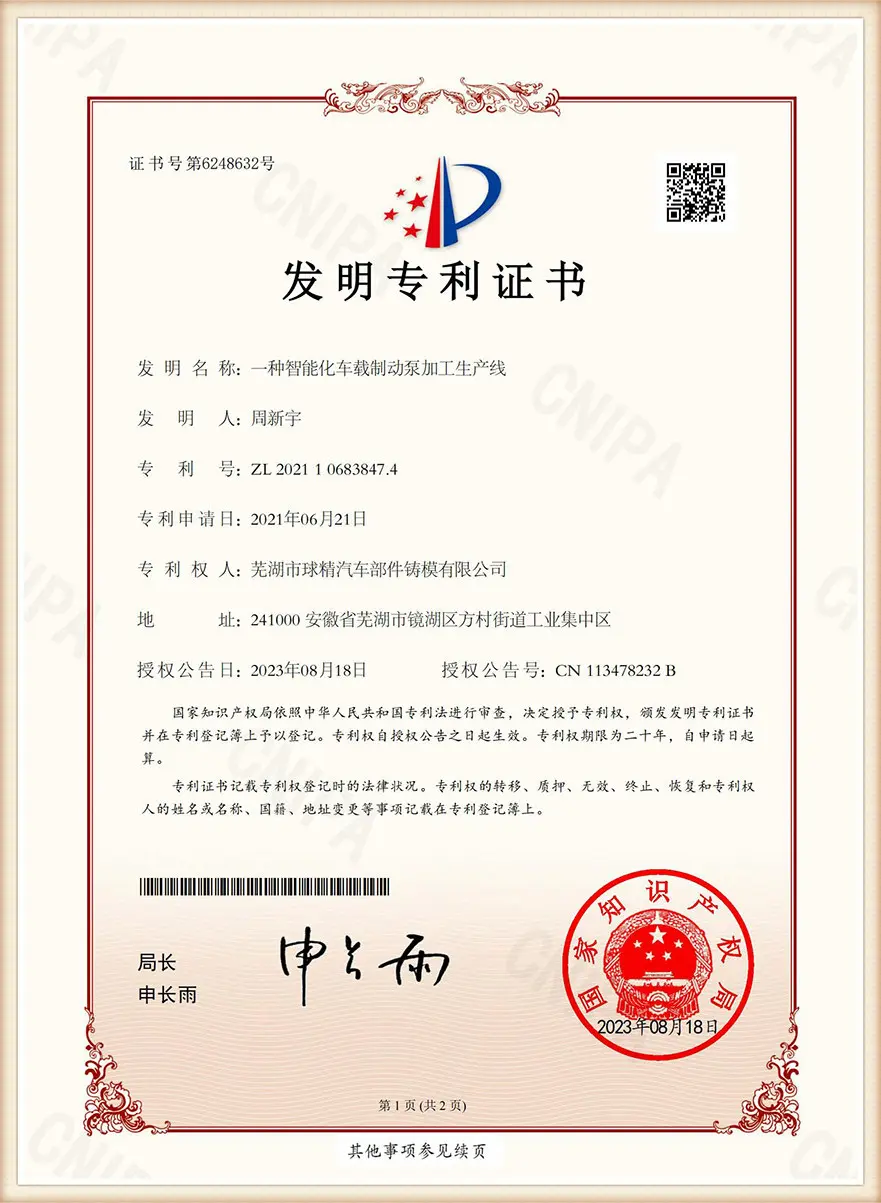
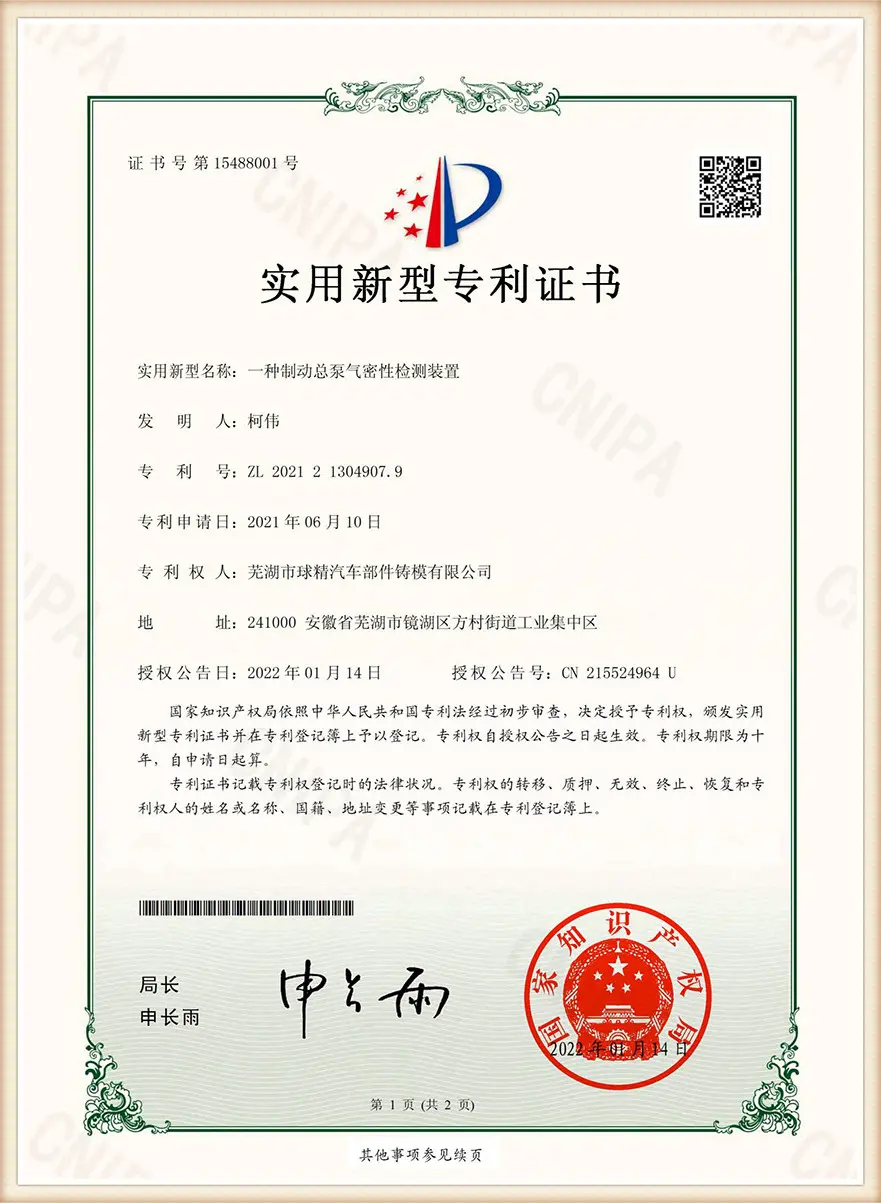
Established in 2007, Wuhu Qiujing Auto Parts Co., Ltd. is a specialized manufacturer dedicated to high-precision automotive brake systems. Our founder has been deeply engaged in automotive brake parts since 1996, building a foundation of production technology and field experience. Over decades of operation, we have developed dozens of models and thousands of specific SKUs to suit different vehicle makes, ensuring reliability under diverse road conditions.
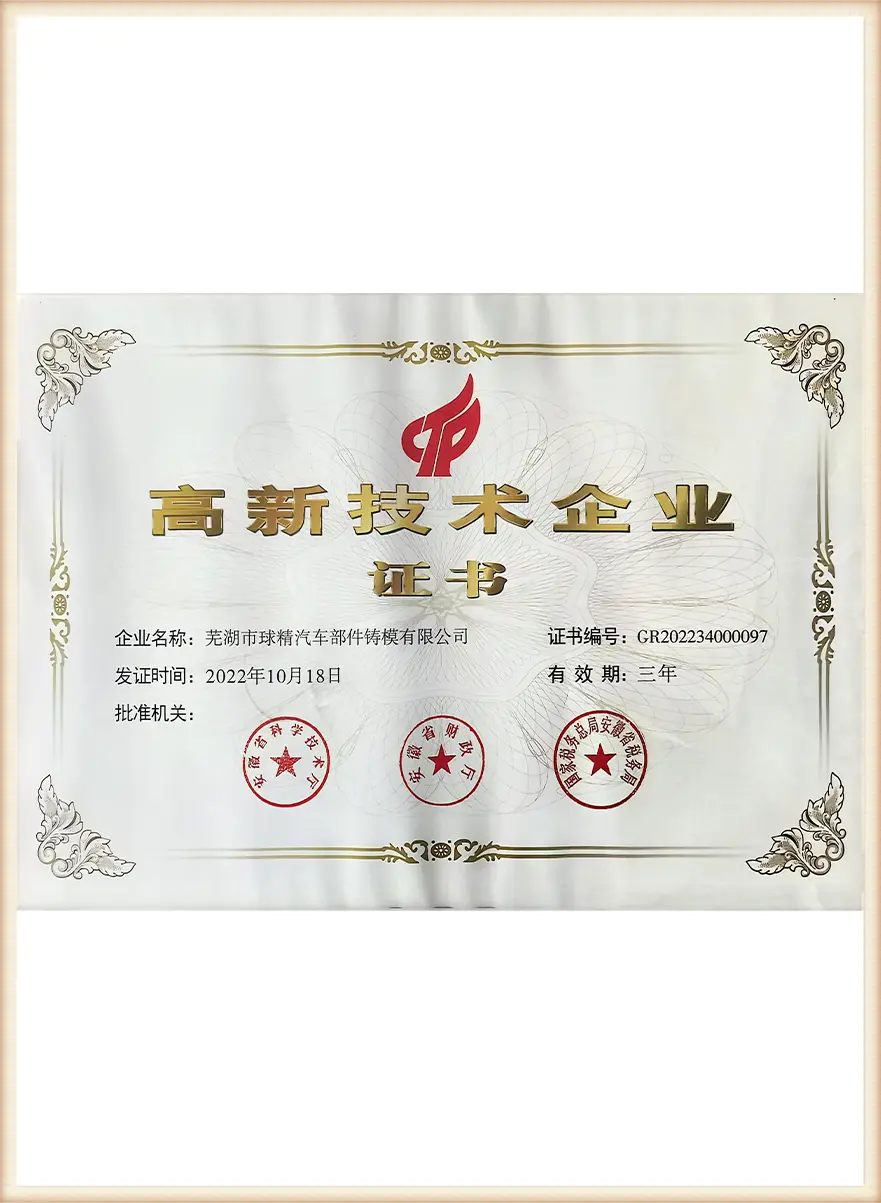
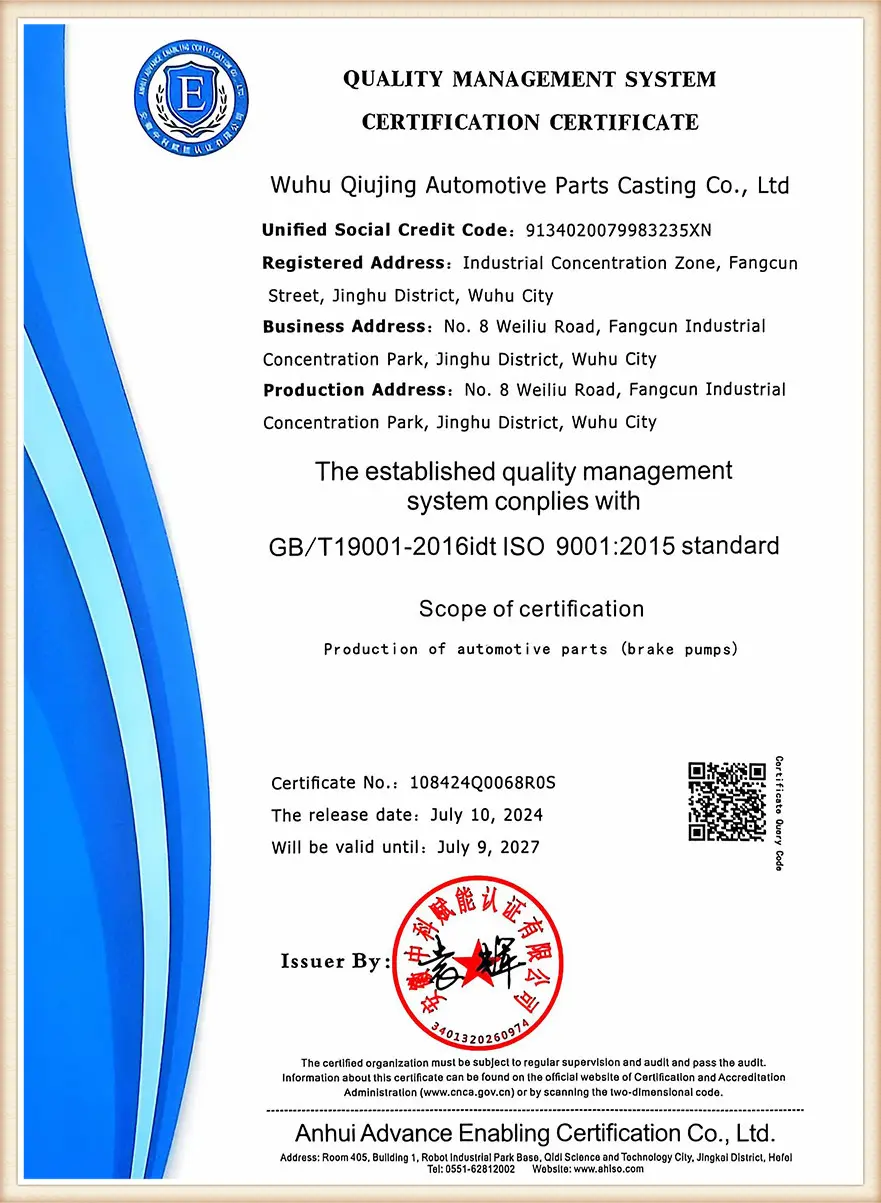
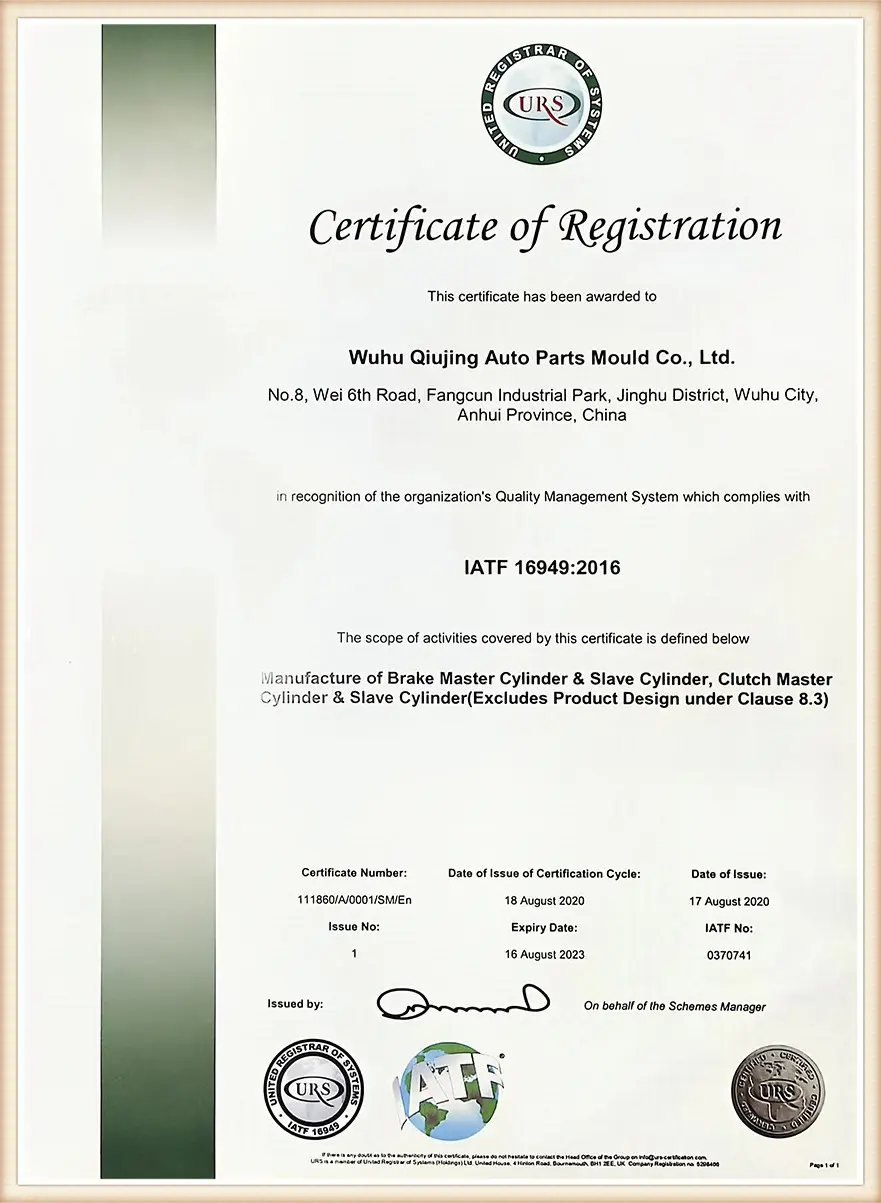
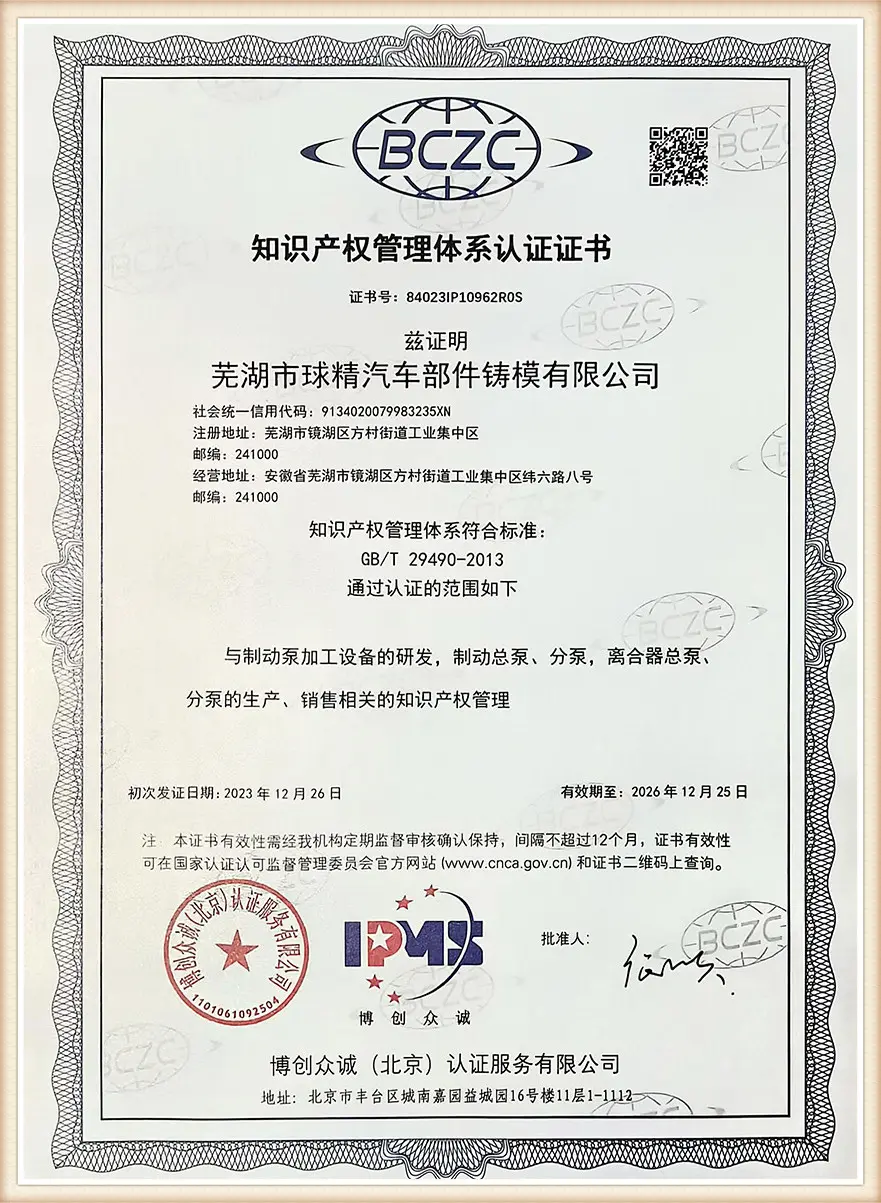
Our facility holds GB/T19001-2016 / ISO 9001:2015 and IATF16949:2016 quality system certifications, verifying our commitment to strict production standards and safety compliance. We operate under the philosophy of "Safety First", incorporating efficient practices into all aspects of production.
A professional, integrated, and comprehensive service system tailored for global aftermarket and OEM supply chains.

6000+㎡ dedicated production space and office area, housing advanced machining equipment and 50+ staff members.

Equipped with specialized testing machinery. All parts include a comprehensive two-year after-sales warranty.

Strict quality control protocols and flexible production lines support stable long-term supply arrangements.

Dedicated R&D, quality control, production, and international logistics teams ensure smooth order processing.
Procuring automotive components at scale requires strict adherence to international regulatory frameworks. B2B buyers must navigate various compliance certifications depending on their target market:
For wholesale distributors, managing inventory for a broad car parc like Chrysler, Dodge, and RAM requires a balanced stocking strategy. Stocking slow-moving part numbers can tie up capital, while stockouts on high-demand master cylinders can lead to lost sales. We offer key supply solutions to mitigate these challenges:
Consolidated Shipping: By manufacturing a wide range of parts, including brake master cylinders, wheel cylinders, and clutch slave cylinders, we allow distributors to consolidate multiple product lines into single shipments. This lowers import tariffs and ocean freight costs per unit.
Custom Packaging and Private Labeling: We offer complete OEM packaging design, incorporating custom barcoding, localized safety labeling, and protective internal packaging (VCI anti-rust bags) to ensure shelf readiness immediately upon arrival.
The transition toward electric vehicles (EVs) and hybrid drivetrains has fundamentally changed hydraulic braking requirements. Regenerative braking systems place different demands on hydraulic actuators compared to traditional friction braking. In response, our R&D department is actively pursuing these technical developments:
We maintain strict quality control backed by GB/T19001-2016/ISO 9001:2015, IATF16949:2016, and GB/T29490-2013 standards.

Stay informed on our latest manufacturing updates, holiday schedules, and end-of-year operations.
Learn about our production scheduling and logistics arrangements during the upcoming festival holiday.
view more →
Wuhu Qiujing Auto Parts Co., Ltd. has officially resumed full production capacity following the seasonal break.
view more →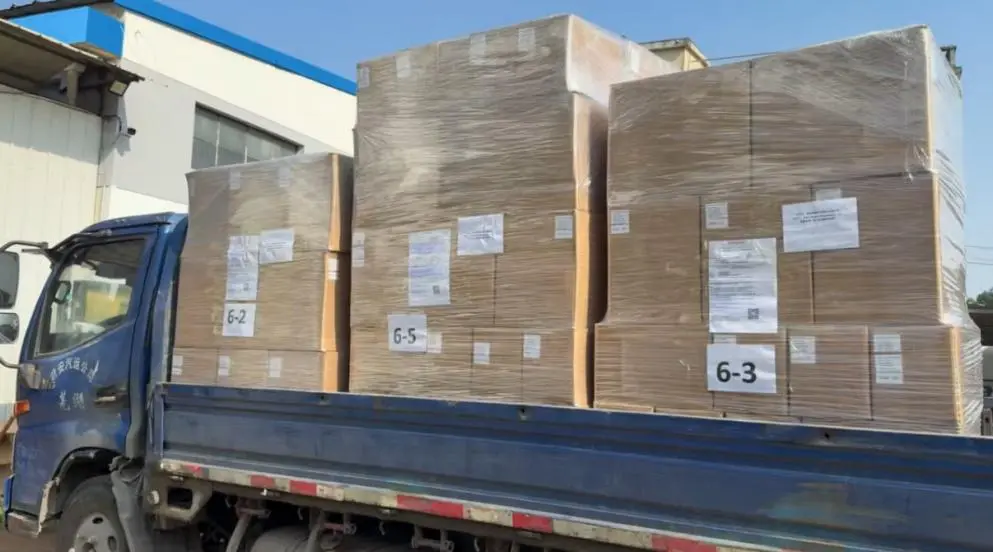
Our team successfully completed critical year-end shipments before the holiday closures, ensuring stable inventory for our overseas partners.
view more →Answers to common questions regarding lead times, customization capabilities, and warranty terms.

Additional replacement parts and configurations available for global order fulfillment.