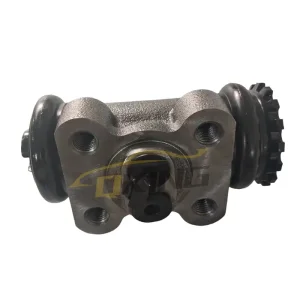
OEM Hydraulic Brake Systems Engineering Whitepaper

Wholesale Can A Master Cylinder Cause Brakes To Stick Supplier & Factories

Technical Analysis: Can A Master Cylinder Cause Brakes To Stick?

An authoritative guide on hydraulic lockup, bypass port restrictions, and failure root-cause diagnostic mapping for industrial buyers and automotive engineers.

Executive Summary: Yes, a brake master cylinder can absolutely cause brakes to stick. In hydraulic brake systems, sticking or "dragging" is typically attributed to stuck calipers or guide pins. However, systemic pressure lock-up originating from the master cylinder is a critical, high-risk failure mode. Under E-E-A-T guideline assessments, resolving diagnostic ambiguity in hydraulic returns is crucial for fleet safety and aftermarket parts reliability.

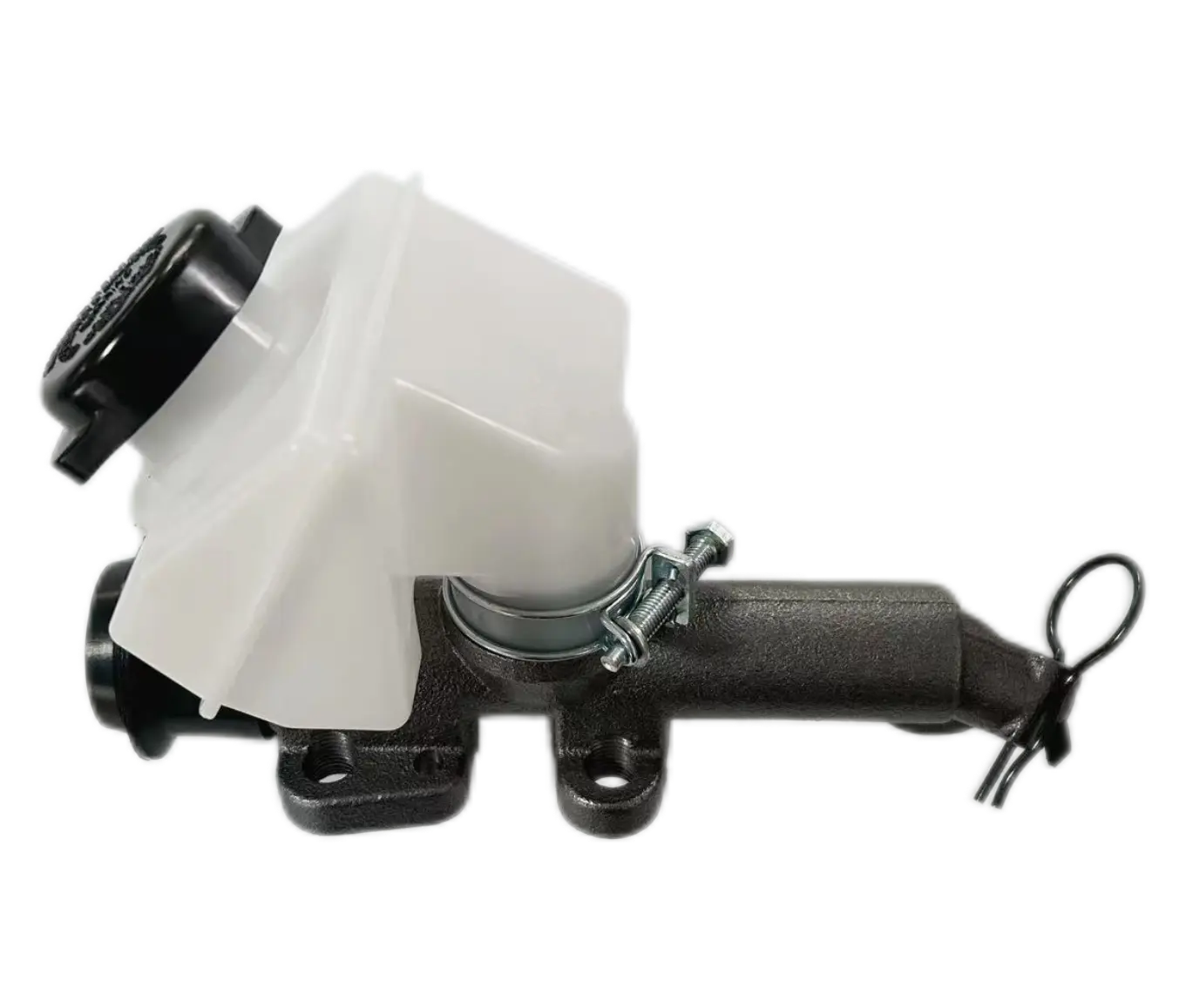
1. The Mechanical & Hydraulic Mechanism of Master Cylinder Induced Brake Sticking

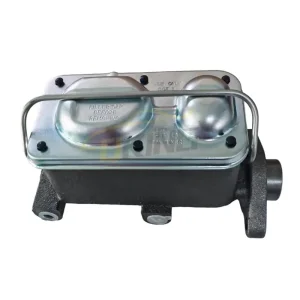
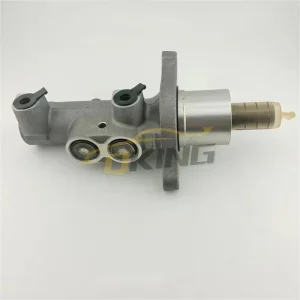
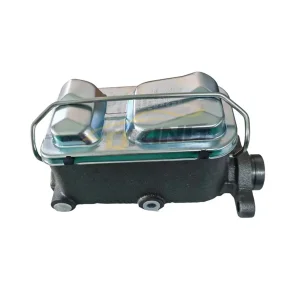
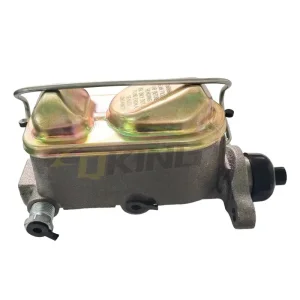
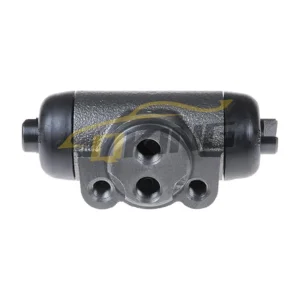
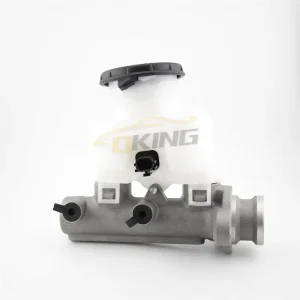
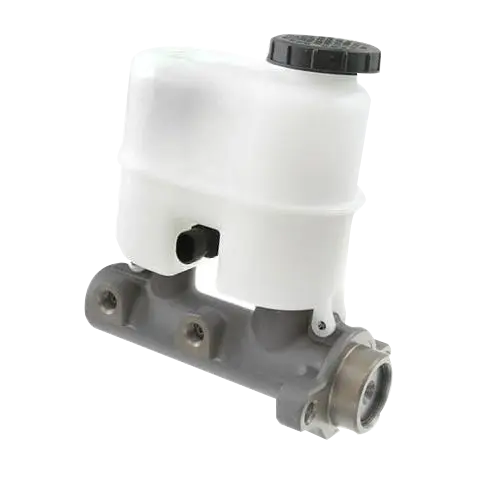
The core function of the master cylinder is to convert mechanical force from the brake pedal into hydraulic pressure, forcing brake fluid through lines to actuate the wheel calipers or wheel cylinders. When the driver releases the brake pedal, fluid must return back to the reservoir to relieve the line pressure.

If the master cylinder fails to allow this fluid backflow, hydraulic pressure remains trapped inside the brake lines. Consequently, the brake caliper pistons remain extended, forcing the brake pads against the rotors even when the brake pedal is fully released. This is known as hydraulic brake dragging or lockup.

Failure Mode Root Mechanism Diagnostic Symptom Systemic Impact
Blocked Compensating Port Dirt, rust debris, or swollen primary cup seals cover the relief orifice. Simultaneous locking of multiple wheels after system warms up. Rapid overheating, accelerated pad wear, vehicle immobilization.
Incorrect Pushrod Clearance Misalignment between brake booster pushrod and master cylinder piston. Brakes stick immediately after installation or system adjustment. Inability to relieve line pressure; pedal feels hard with zero free play.
Internal Spring Failure Fractured or fatigued return spring inside the cylinder bore. Slow pedal return; brakes drag temporarily before releasing. Incomplete piston retraction, constant low-pressure contact.
Bore Corrosion / Scoring Moisture entry leading to pitting in cast iron or anodized aluminum. Brakes stick intermittently; pedal feels rough or binds. Damage to rubber cup seals; eventual complete seal failure and external leaks.

2. Diagnostic Differentiation: Master Cylinder vs. Brake Caliper / Hose

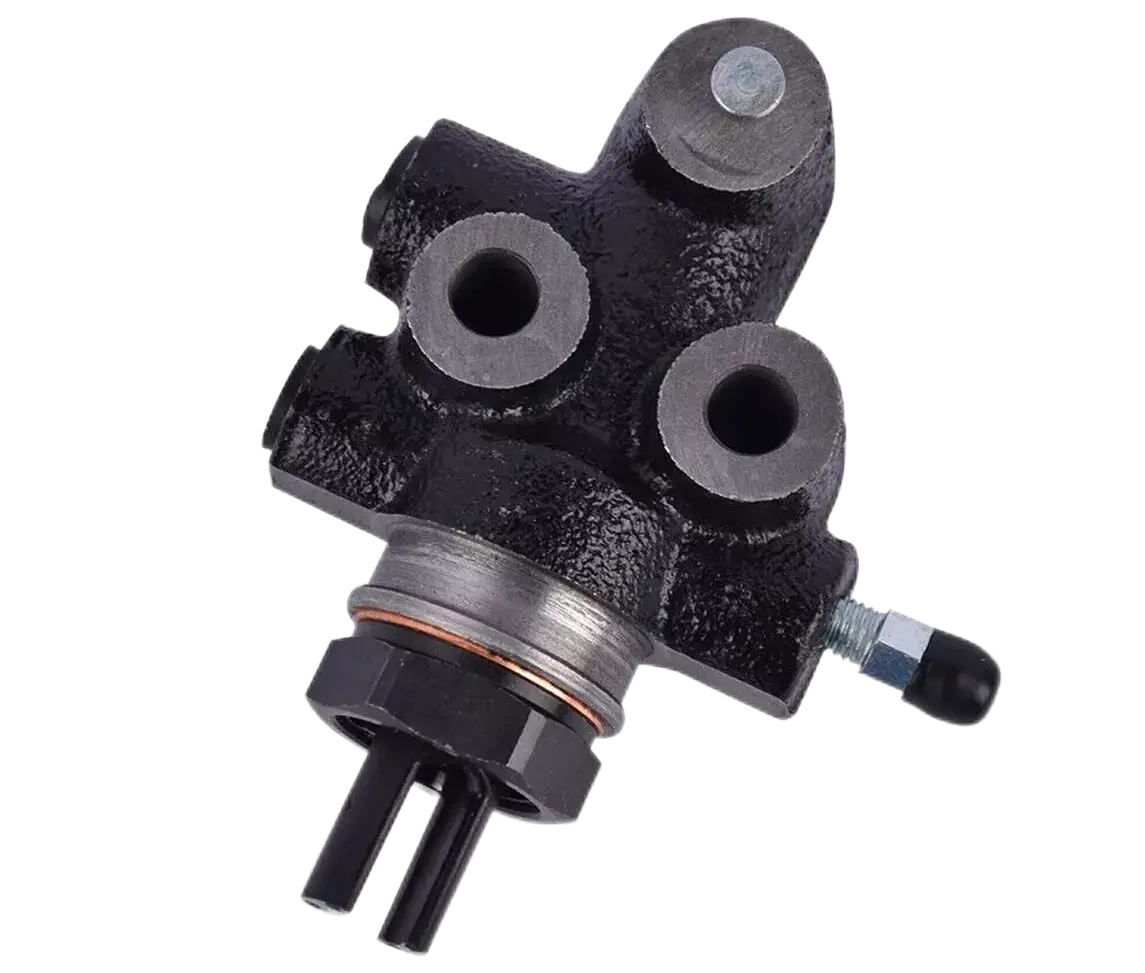
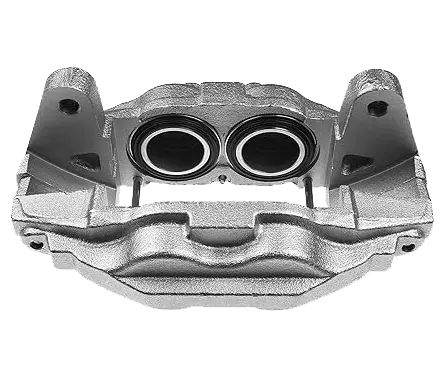
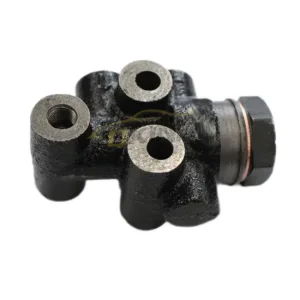
When diagnostic engineers evaluate brake sticking in commercial fleets or heavy-duty machinery, identifying whether the failure resides at the wheel end (caliper, slider pins, flex hose) or centrally (master cylinder, proportioning valve) is vital. A classic diagnostic test involves checking for line pressure relief:

  • Step 1: Elevate the vehicle so the sticking wheel(s) can spin. Attempt to spin the wheels by hand to confirm the lockup.
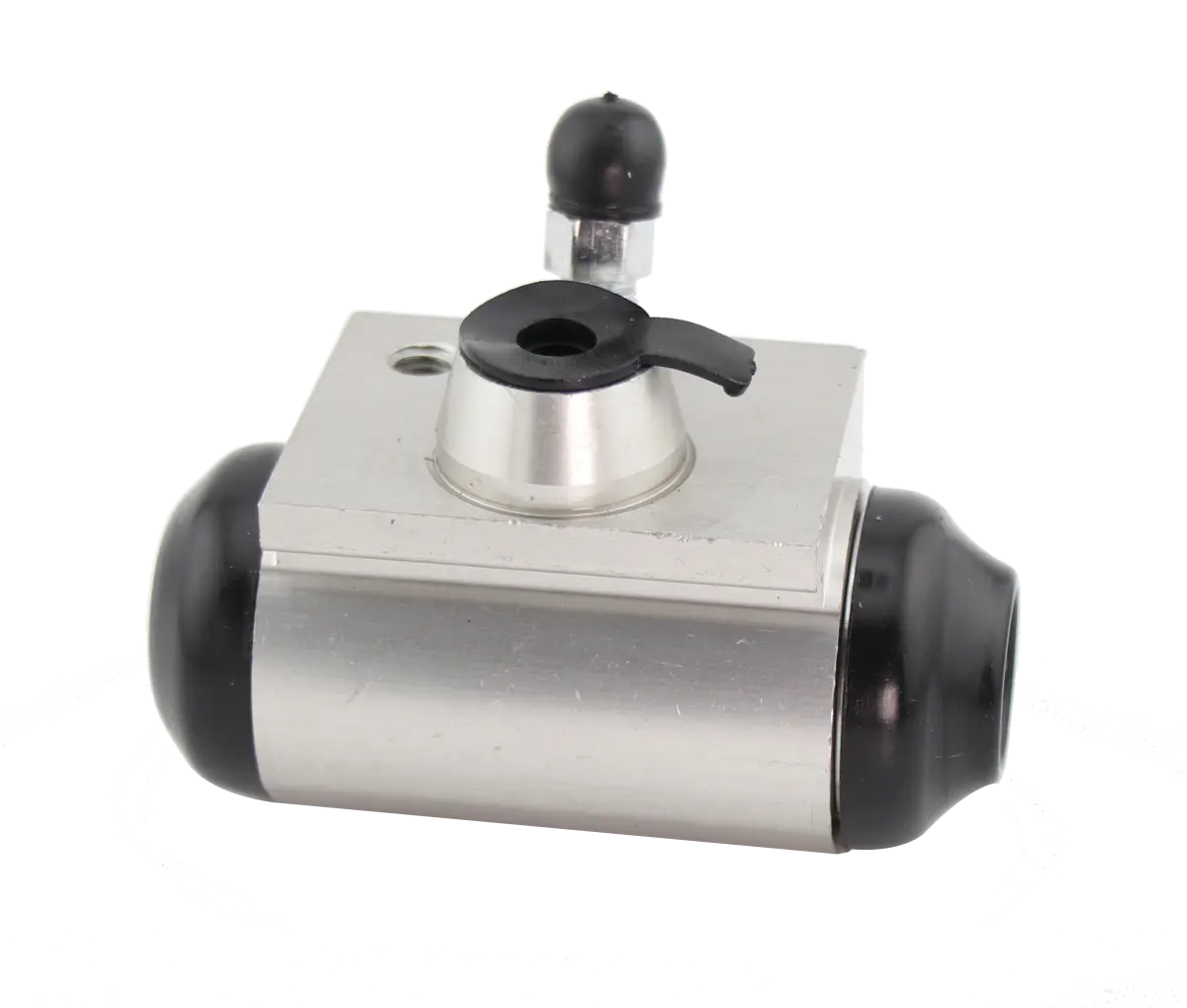
  • Step 2: Crack open the bleeder valve at the sticking wheel caliper. If the wheel immediately spins freely and a small squirt of high-pressure fluid escapes, the hydraulic line was holding pressure. This indicates the issue is upstream (brake hose restriction, proportioning valve, or master cylinder).
  • Step 3: If the wheel remains locked after cracking the bleeder, the caliper piston is mechanically seized, or the slider pins are frozen.
  • Step 4: If the issue is upstream, loosen the brake line fitting directly at the outlet port of the master cylinder. If the sticking wheel releases, the master cylinder is keeping pressure trapped due to a misadjusted pushrod or blocked return port.
Global Automotive Hydraulic Parts Market & Purchasing Landscape

Procurement Trend 1

Shift Toward Heavy-Duty and EV Adaptation: Electric vehicles (EVs) utilize regenerative braking systems, leading to less frequent mechanical brake application. However, hydraulic systems remain the critical fail-safe. Global OEM buyers now demand brake cylinders with advanced corrosion resistance and lower internal drag to handle long periods of mechanical standby without sizing or sticking.

Procurement Trend 2

Stricter Compliance & Material Traceability: Major automotive markets (North America, EU, APAC) mandate rigorous certifications. Importers require source factories to guarantee full IATF 16949 compliance, showing detailed material sheets for EPDM rubber seals and precise bore surface finish roughness ratings (typically Ra < 0.25 μm).

Procurement Trend 3

Supply Chain Security through Direct Sourcing: Tier-1 distributors are actively bypassing intermediaries to form direct alliances with source factories in China. This move mitigates tariff pressures and guarantees rapid development of custom SKUs for classic, niche, or commercial heavy truck markets.

Professional Automotive Brake Parts Source Factory

Since 2007 Company Establishment | Wuhu Qiujing Auto Parts Co., Ltd.

We are a professional brake system parts manufacturer and supplier, mainly including brake master cylinder, brake wheel cylinder, clutch master cylinder, clutch slave cylinder, etc. Our founder has been deeply engaged in automotive brake parts since 1996. Through extensive industry experience and robust production technology, the factory has developed dozens of models and thousands of products to ensure that they are suitable for different models and meet diverse road requirements.

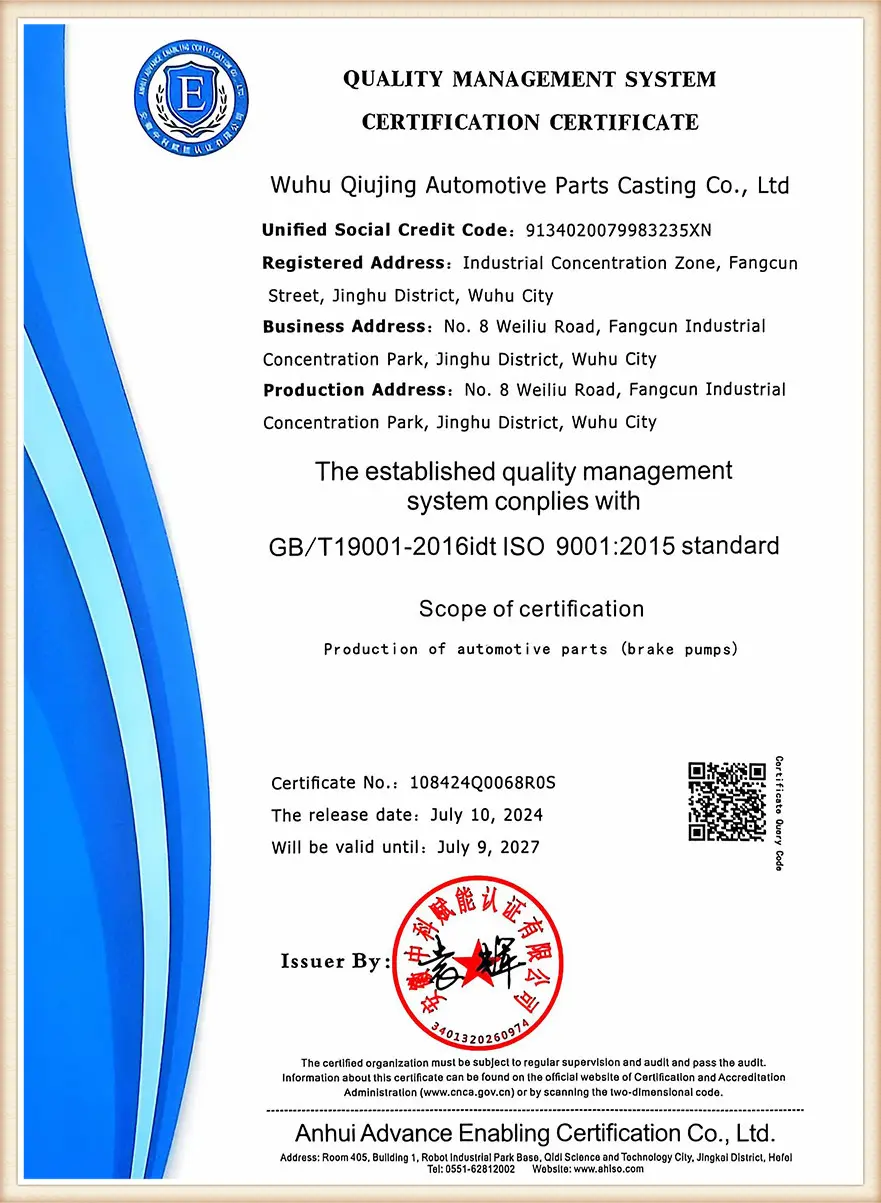
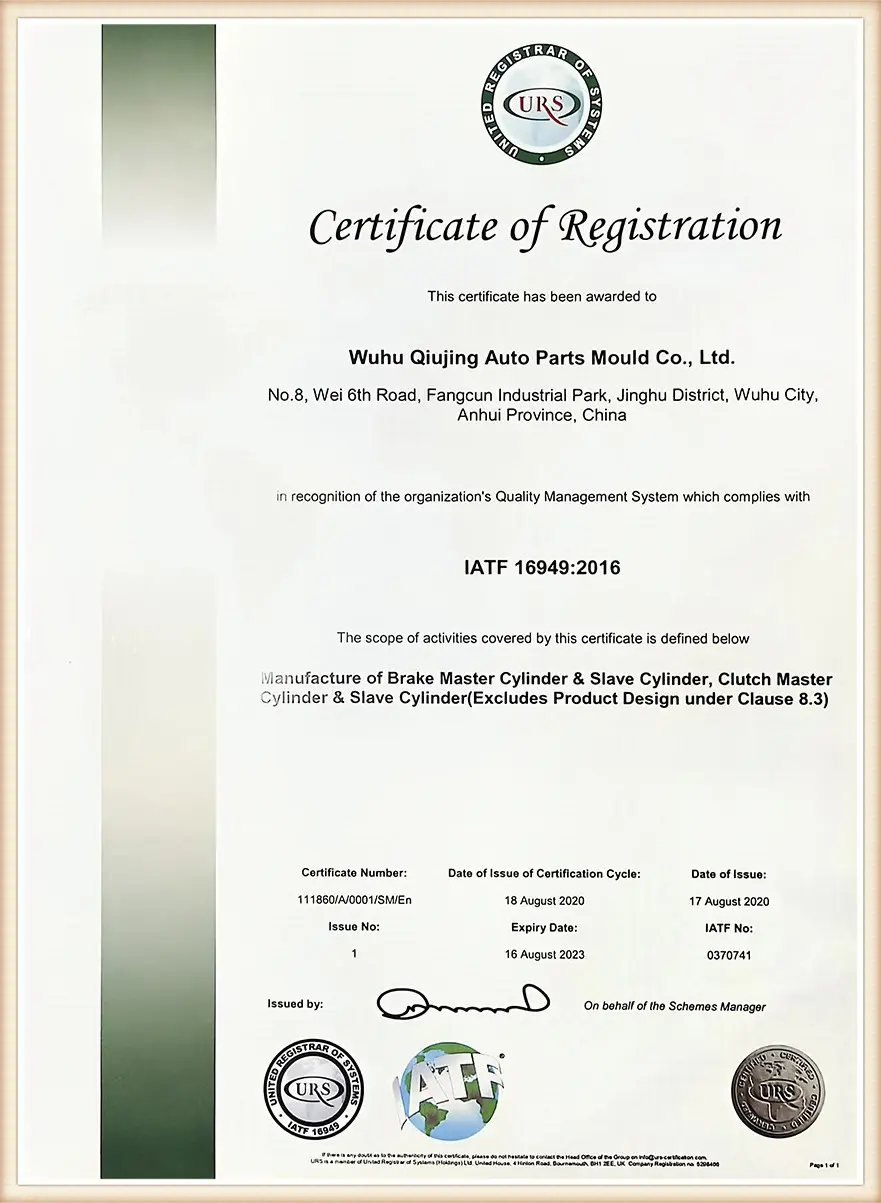
The products have achieved GB/T19001-2016/ISO 9001:2015 and IATF16949:2016 quality system certifications, providing clients globally with unwavering safety guarantees.

Safety first "Safety first" is the core concept of the factory.
Integrity and Innovation Actively promotes the corporate spirit of "integrity, innovation, and efficiency".
Read more about our heritage →
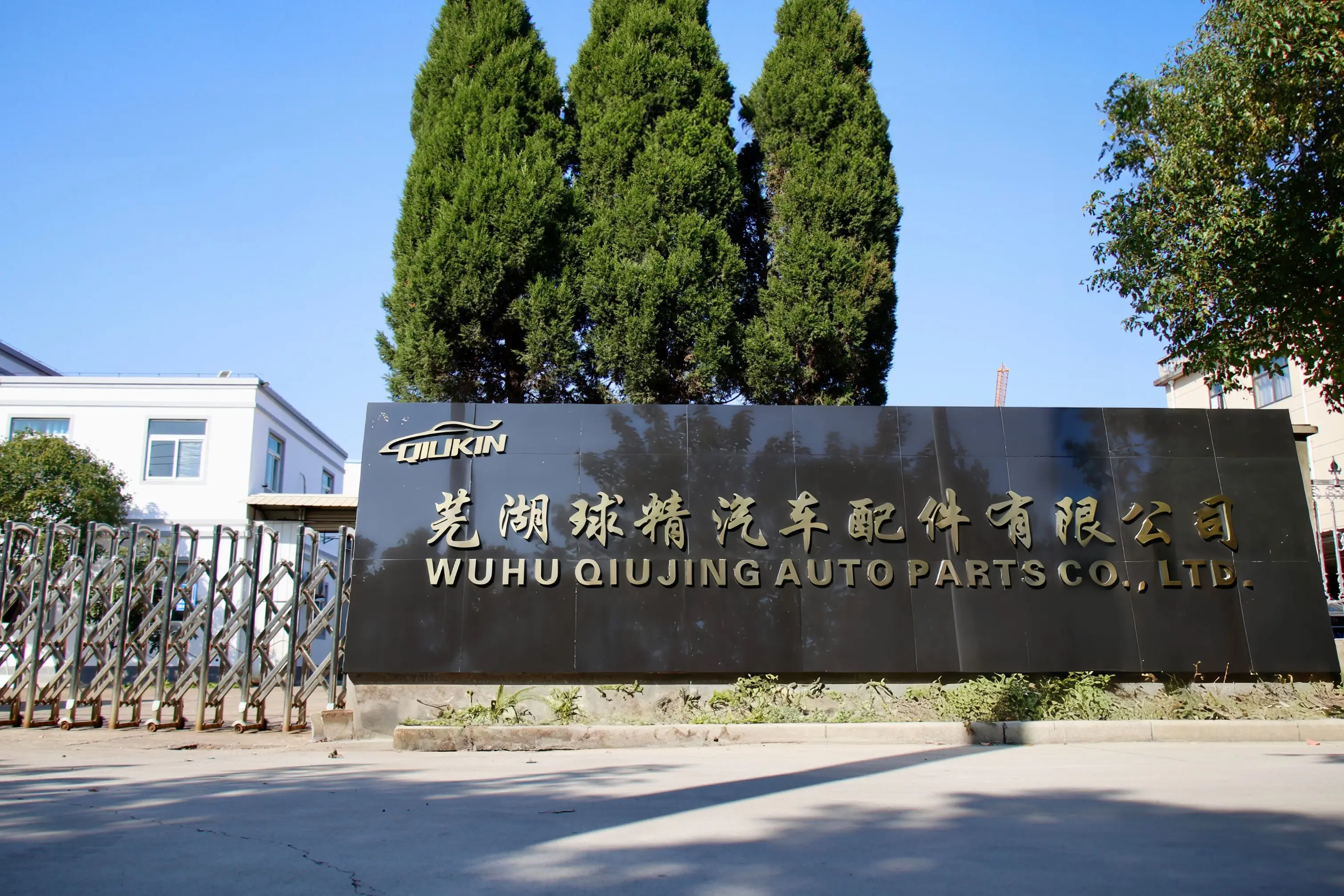
Qiujing Auto Parts Factory Floor
Factory Cert badge
6000+ m² Factory Area
2M+ Units Yearly Capacity
20+ Years Industry Experience
50+ Experts Skilled Employees

OUR ADVANTAGES

Professional, efficient, integrated and comprehensive service system designed for global commercial scale.

Source Factory

Source Factory

Owned factory with 6000+㎡ production and office area, 50+ professional staff, generating over 2 million units annually.

Quality Assurance

Quality Assurance

Equipped with state-of-the-art production machinery. We proudly provide a two-year warranty for post-purchase peace of mind.

Stable Quality

Stable Quality

Uniform quality control protocols coupled with flexible production configurations, optimized for long-term B2B alliances.

Team Configuration

Team Configuration

Highly efficient alignment across specialized teams: R&D, Production, Quality Inspection, and Global Business units.

Frequently Asked Questions (FAQ)

Addressing technical inquiries regarding master cylinder failures and system troubleshooting.

Q1: Can a faulty master cylinder cause only one caliper to stick?

A: Typically, a master cylinder failure affects wheels in pairs due to the dual-circuit hydraulic design (e.g., front-left and rear-right combined). However, if one wheel line has a slightly higher restriction or the caliper slider pins are already partially compromised, the trapped pressure from a failing master cylinder compensating port may manifest as only one wheel sticking initially. Comprehensive diagnostics require cracking the line at the master cylinder outlet port to see if the stuck caliper releases.

Q2: What is the bypass port in a master cylinder, and how does it block?

A: The bypass (or compensating) port is a tiny opening connecting the reservoir to the high-pressure bore, situated just ahead of the primary seal cup when the pedal is released. It allows expanded brake fluid (due to heat) to flow back into the reservoir. It can block due to contamination, degradation of rubber seals forming black sludge, or if the pushrod clearance is too small, which physically prevents the piston from retracting past the port.

Q3: How do I distinguish a bad brake booster from a bad master cylinder causing brakes to drag?

A: If the brake booster's internal return spring is broken or if there is a vacuum imbalance, the booster may continue to apply physical force to the master cylinder pushrod after the driver releases the pedal. To isolate this, back off the master cylinder mounting nuts slightly from the booster. If the sticking brakes release immediately, the issue lies in the booster or pushrod length rather than the master cylinder's internal fluid return mechanism.

Q4: What are the key indicators that a replacement master cylinder needs adjustment?

A: If you install a new master cylinder and the vehicle immediately suffers from dragging brakes across multiple wheels, the booster pushrod is likely too long. A lack of free play in the pedal and the inability of the vehicle to roll freely after warm-up are critical indicators of this mechanical misalignment.

Q5: How does brake fluid contamination lead to master cylinder failure?

A: Glycol-ether-based brake fluids (DOT 3, 4, 5.1) are hygroscopic—meaning they absorb moisture. This moisture lowers the boiling point and causes internal corrosion in cast iron or aluminum bores. Additionally, introducing mineral oils or petroleum products into a glycol system causes EPDM rubber seals to swell and jam inside the cylinder bore, leading to stuck brakes or complete system failure.

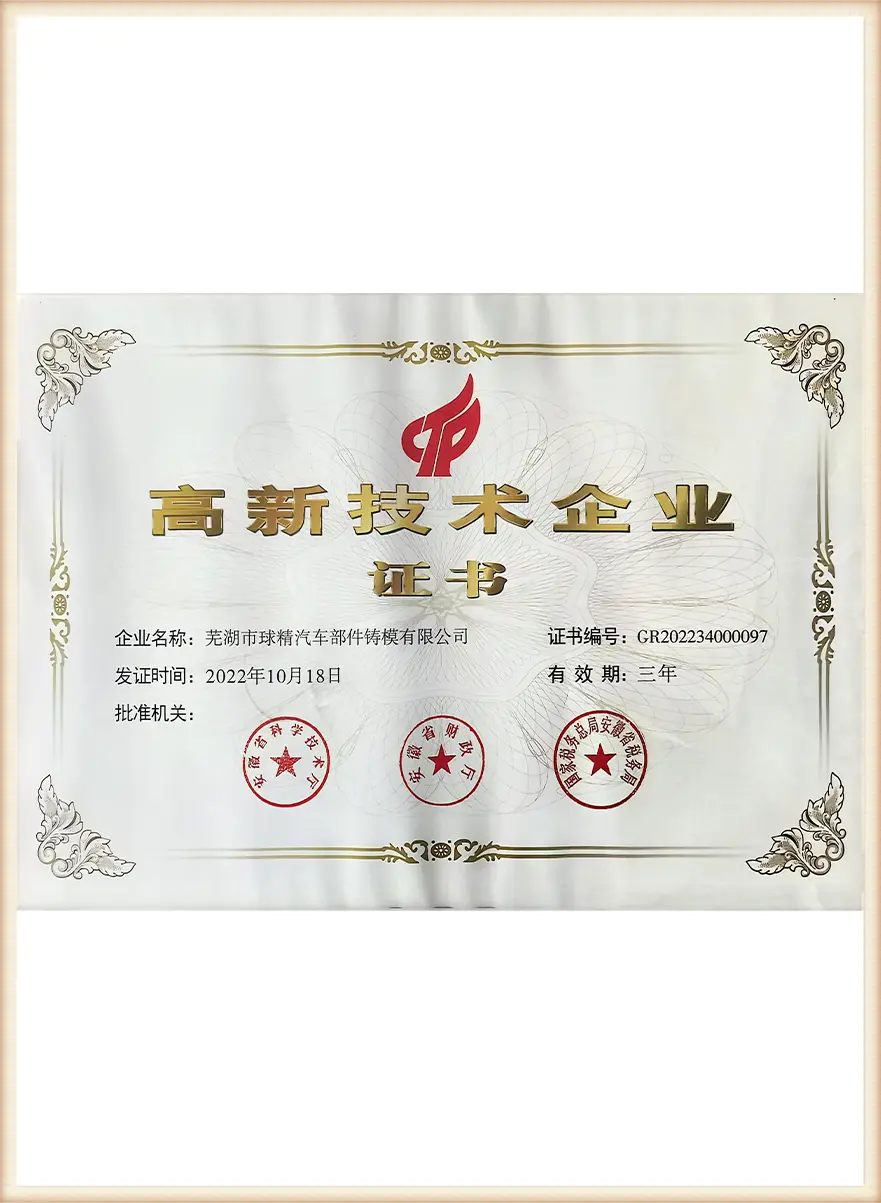
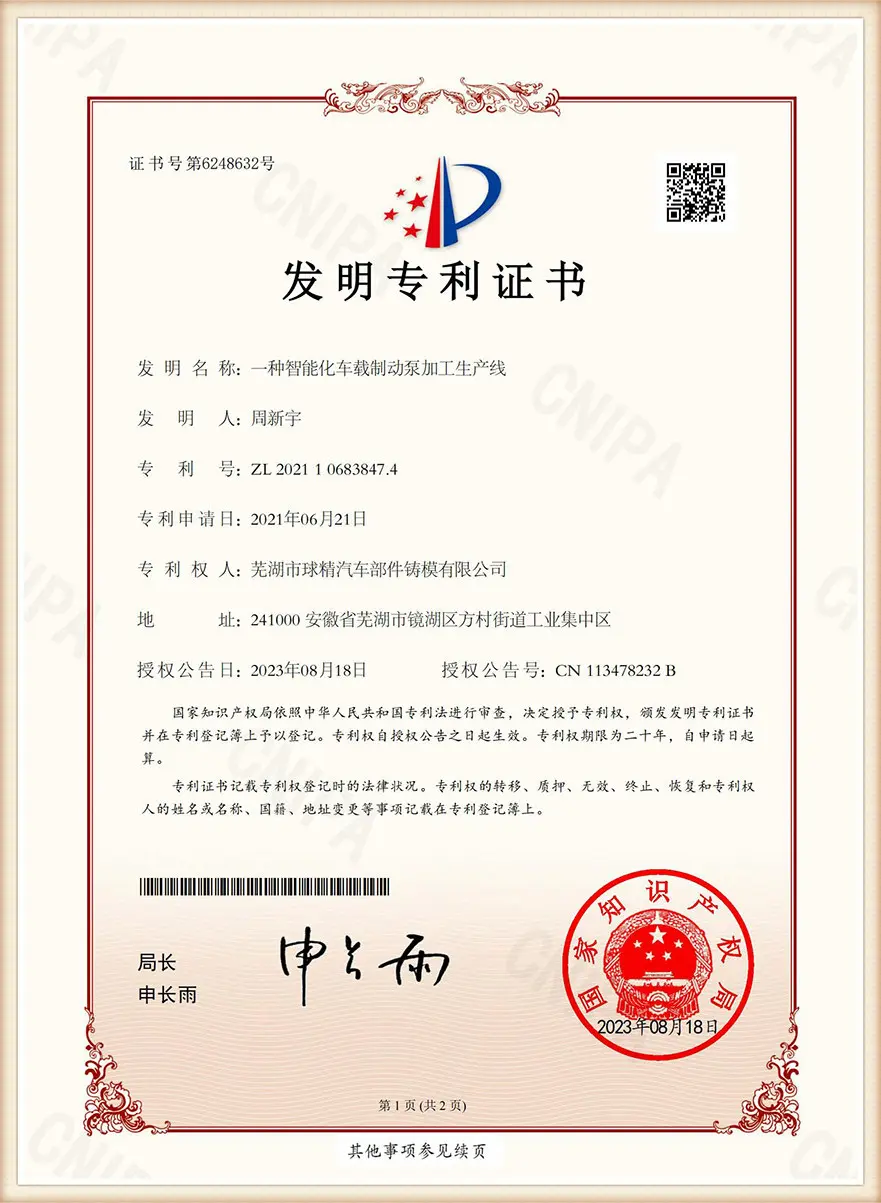
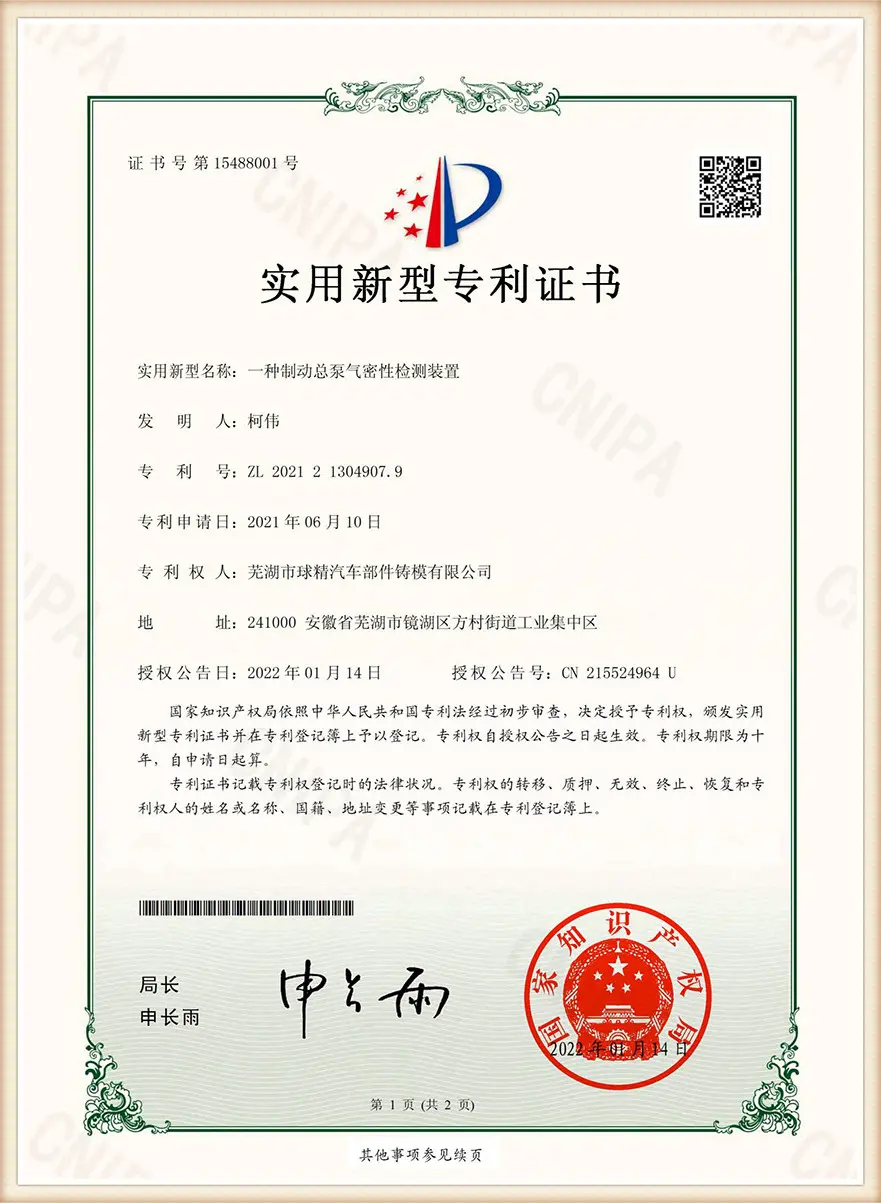
OUR CERTIFICATE

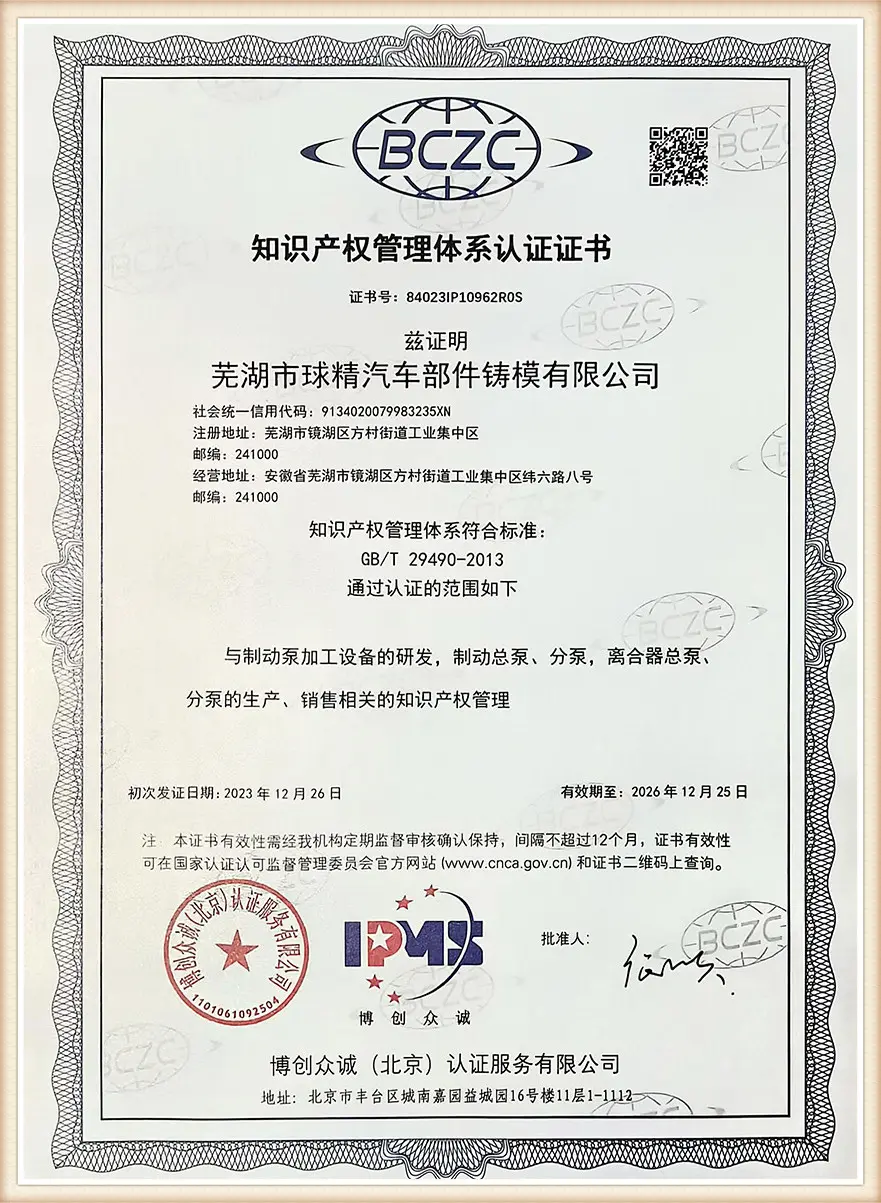
We offer competitive pricing, advanced machinery, and stringent quality controls with GB/T19001-2016/ISO 9001:2015, IATF16949:2016, and GB/T29490-2013 certifications.

Certification 1
Certification 2
Certification 3
Certification 4
Certification 5
Certification 6

COMPANY NEWS & INSIGHTS

Discover the latest updates, event announcements, and technical achievements from our team.

Holiday Notice

Dragon Boat Festival Holiday Notice

Wuhu Qiujing Auto Parts Co., Ltd. announces holiday schedules while ensuring client delivery timelines remain unimpacted.

view more →
Production Resumption

Resumption of Post-Holiday Production

Wuhu Qiujing Auto Parts Co., Ltd. has officially resumed production operations following the spring holidays with enhanced line capacities.

view more →
Year-End Dispatch

Critical Year-End Dispatch Accomplished

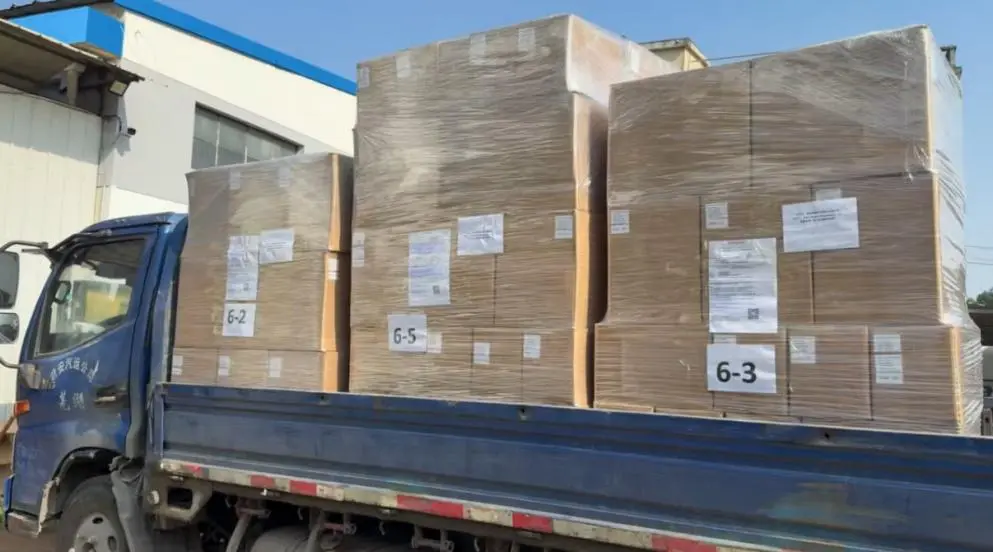
Successfully completed and dispatched major OEM cylinder orders before the lunar schedule, securing critical inventory flow for overseas clients.

view more →
B2B Contact Banner

Send Your Inquiry Directly To Us

Request OEM/ODM custom specifications, volume quotations, or ask our engineers technical questions regarding braking assembly projects.

* Fields are mandatory for processing