Premium grade hydraulic assembly components precision engineered for Chrysler, Isuzu, Mazda, and global platforms.
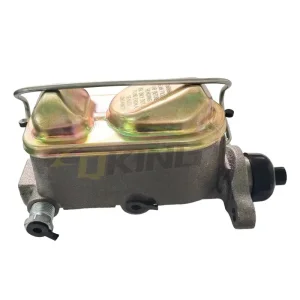
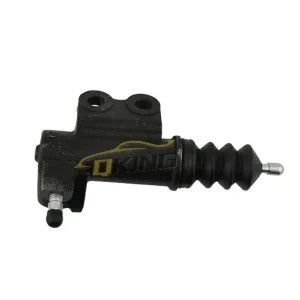
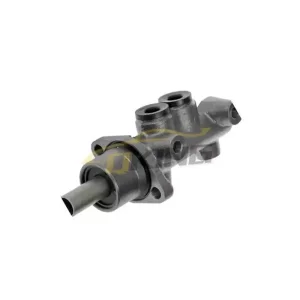
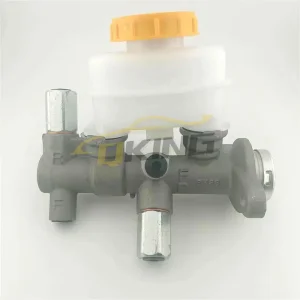
In modern automotive architecture, hydraulic braking systems remain the gold standard for reliable, high-friction energy dissipation. At the heart of drum brake assemblies, the wheel brake cylinder plays a critical role in converting fluid line pressure into mechanical force, driving brake shoes against the drum to decelerate the vehicle. Because of its safety-critical nature, global supply chains demand uncompromising accuracy, material integrity, and strict adherence to OEM engineering tolerances.
“As vehicles trend toward heavier hybrid architectures and commercial payloads expand, the heat dissipation capacity and pressure thresholds of hydraulic actuators are being pushed to new physical limits.”
Currently, the international market is experiencing bifurcated demand: mature markets require high-durability replacement parts to sustain aging vehicle populations, while emerging industrial sectors seek localized, heavy-duty configurations for municipal transport and distribution vehicles. System components like clutch master cylinders, brake proportioning valves, and slave units are no longer treated as stand-alone replacement items but as integrated components of holistic chassis dynamics control platforms. Sourcing teams look for tier-1 level capabilities to maintain the safety indices required by strict regional transport authorities such as the NHTSA in the US, ECE in Europe, and SAC in East Asia.
For an OEM wheel brake cylinder to pass validation, it must survive rigorous testing frameworks. These include fatigue testing spanning over one million actuation cycles, low-temperature seal flexibility audits down to -40°C, and maximum burst pressure benchmarks exceeding 30 MPa. Sourcing specialists must ensure their suppliers utilize premium EPDM (Ethylene Propylene Diene Monomer) rubber cups, which resist degradation under synthetic fluids (DOT 3, DOT 4, and DOT 5.1). Any compromised seal geometry directly leads to hydraulic fluid bypass, pressure drop, and eventual brake system failure.
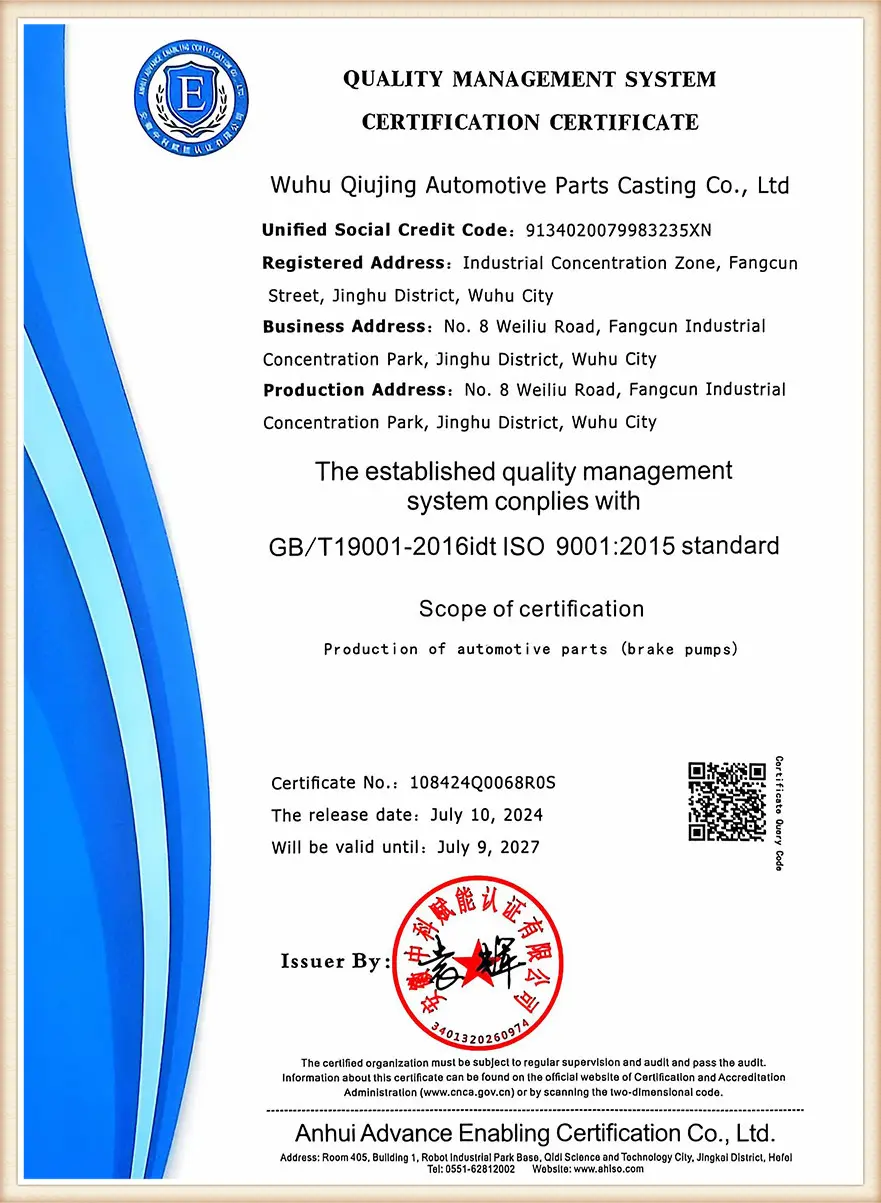
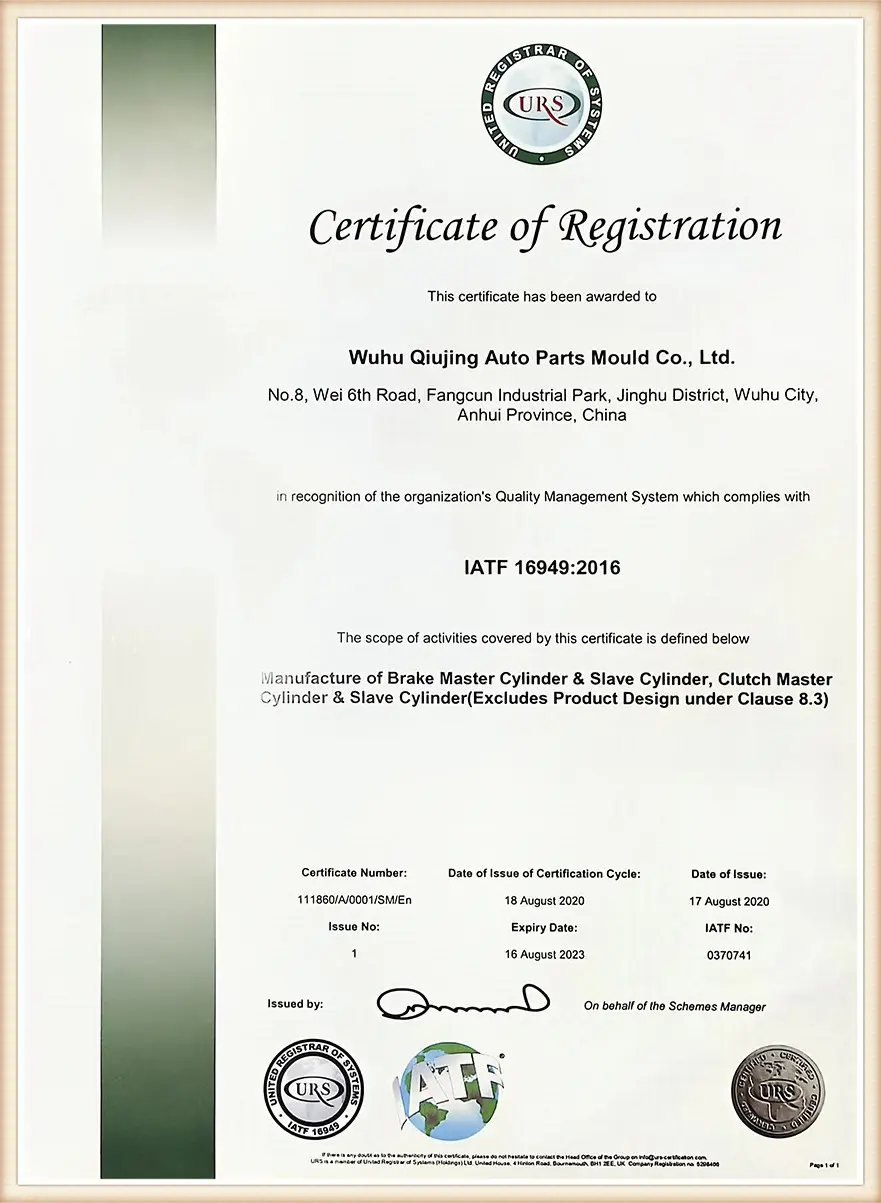
Fully compliant with GB/T19001-2016, ISO 9001:2015, and IATF16949:2016 standards.
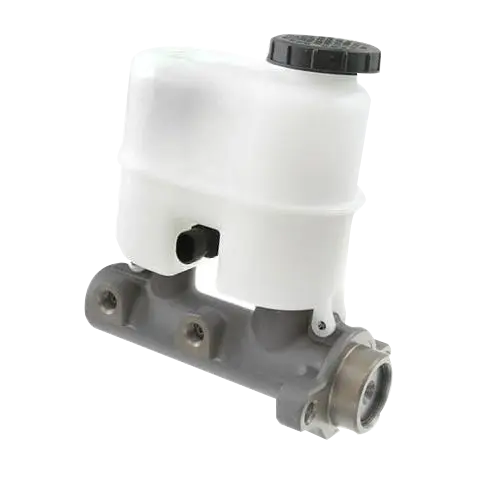
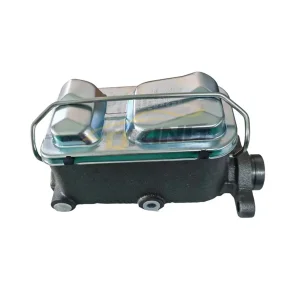
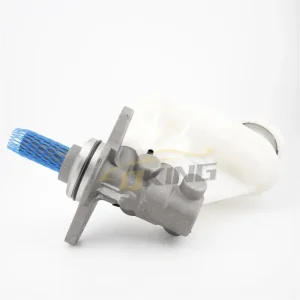
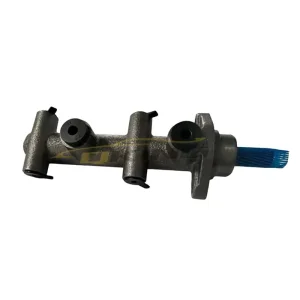
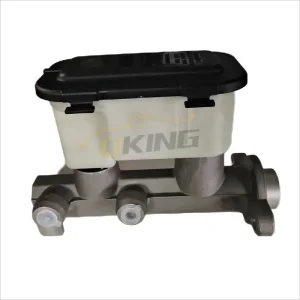
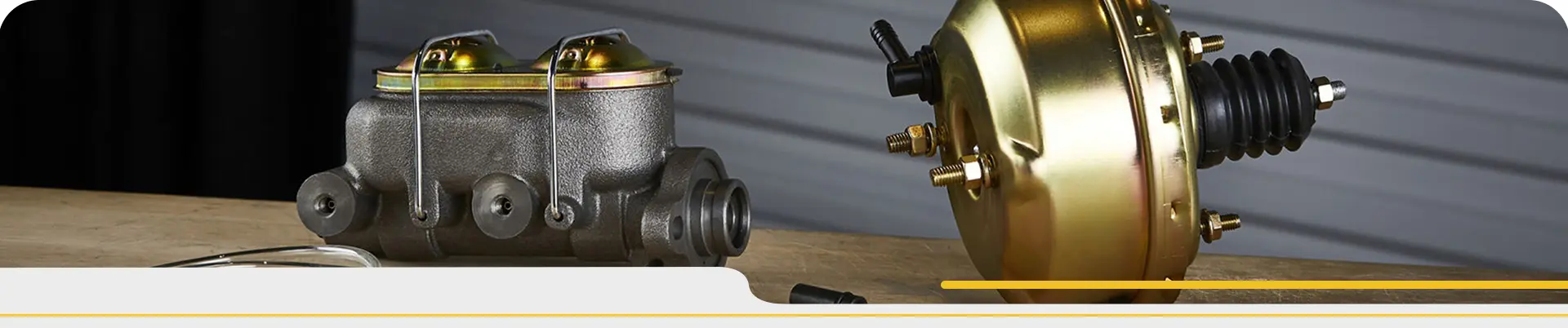
The primary pressure generation unit managing hydraulic force distribution to front and rear brake circuits.
Learn More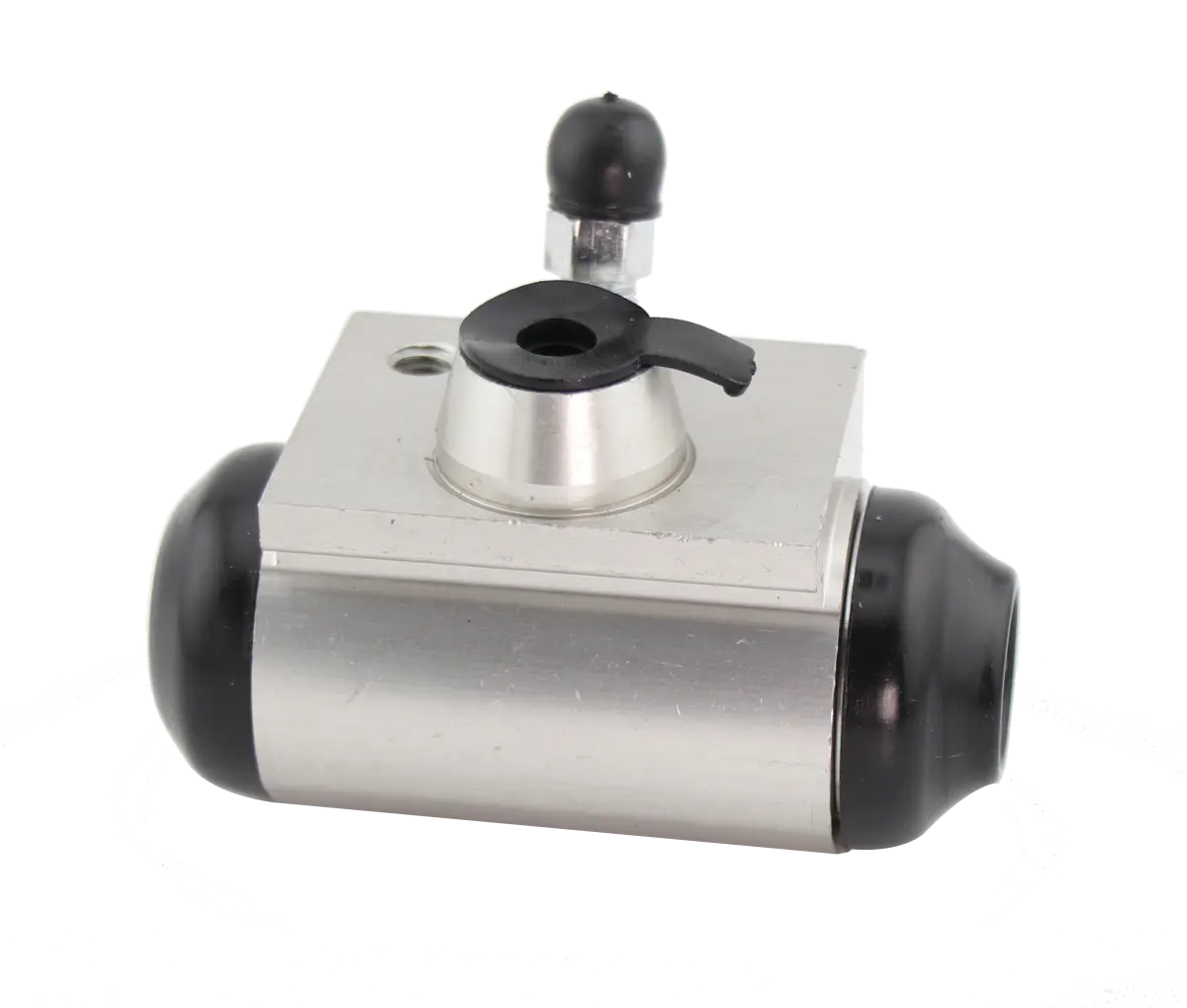
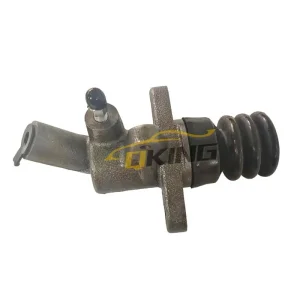
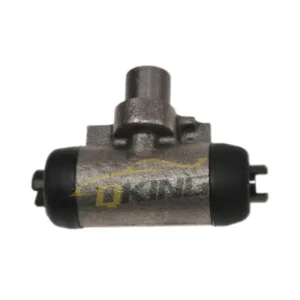
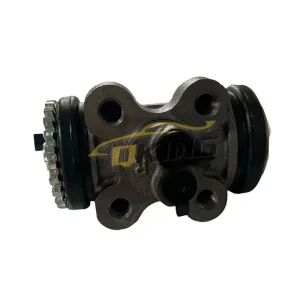
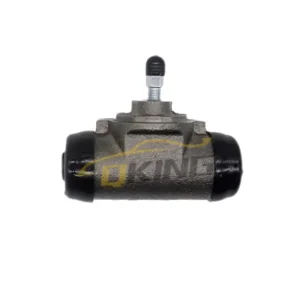
Heavy-duty, precision-bored actuator components designed to activate rear drum brake shoes.
Learn More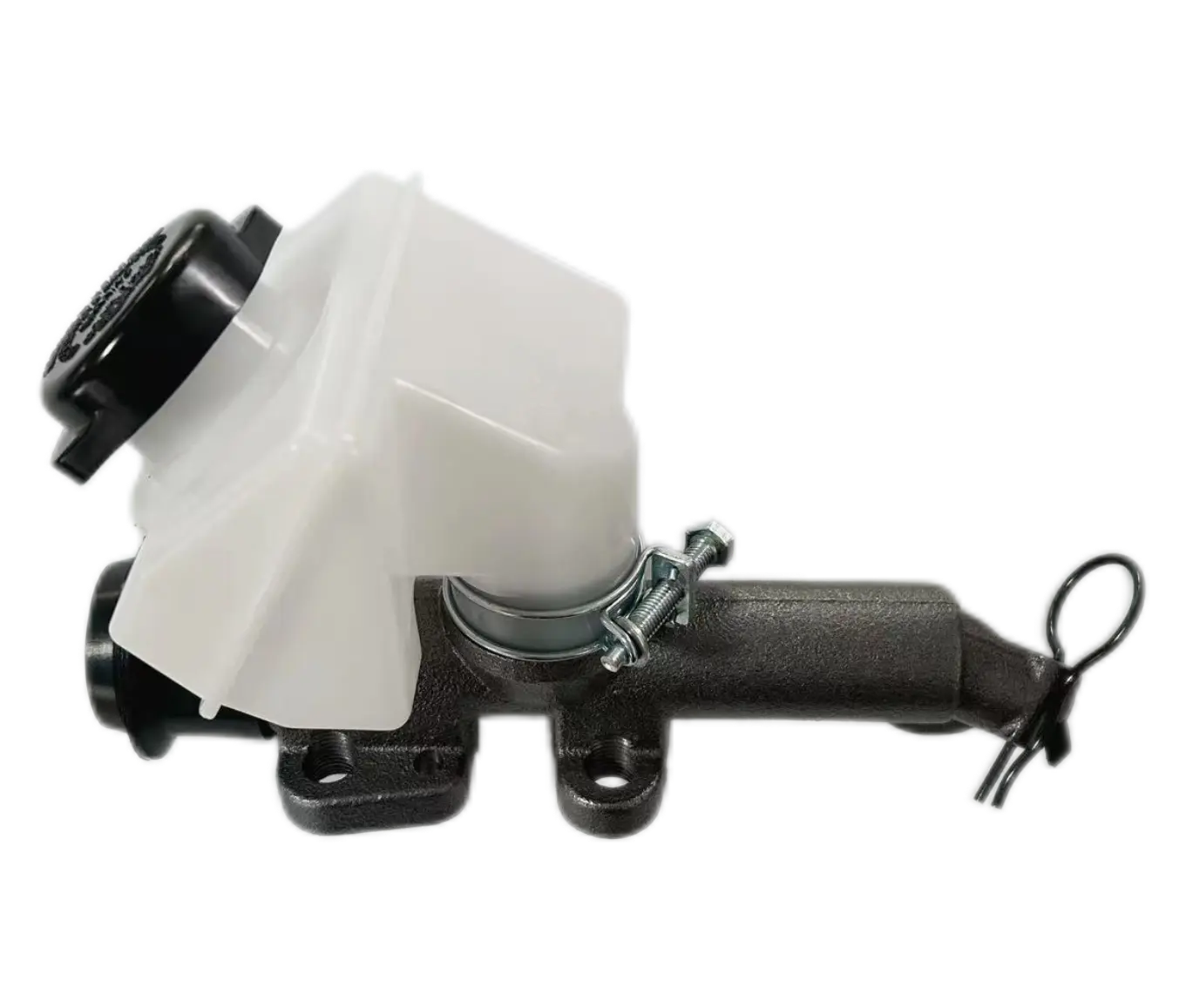
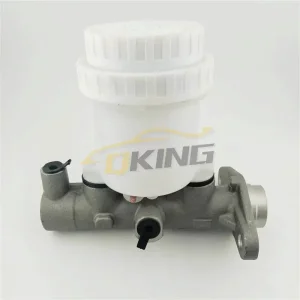
Smooth manual gearbox actuation modules using optimized piston profiles and seal configurations.
Learn More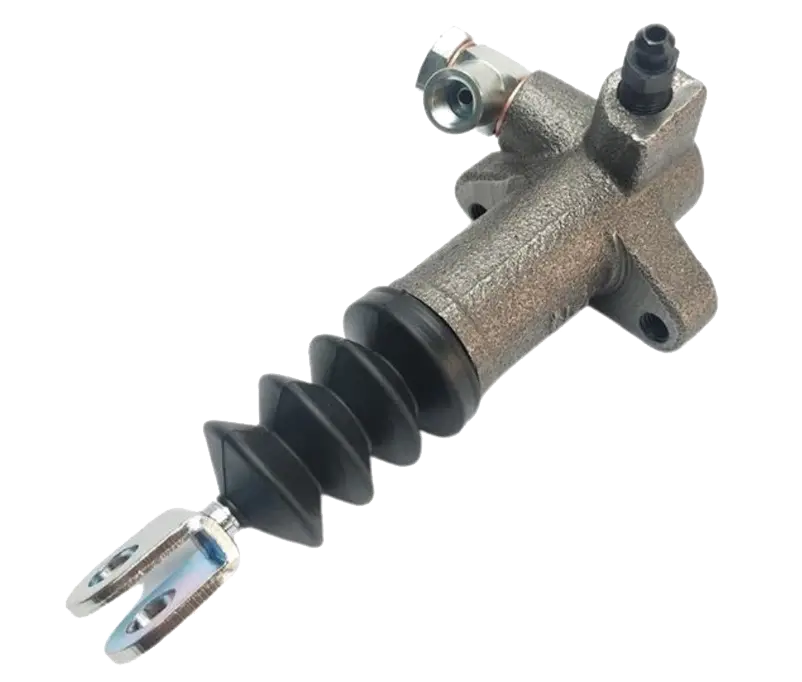
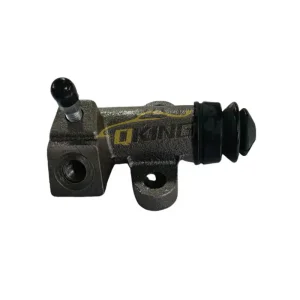
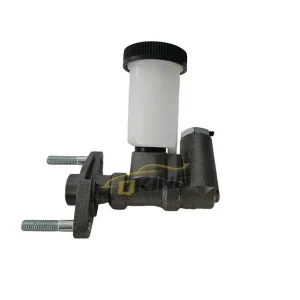
Actuator component engineered for responsive disengagement of manual drive clutches.
Learn More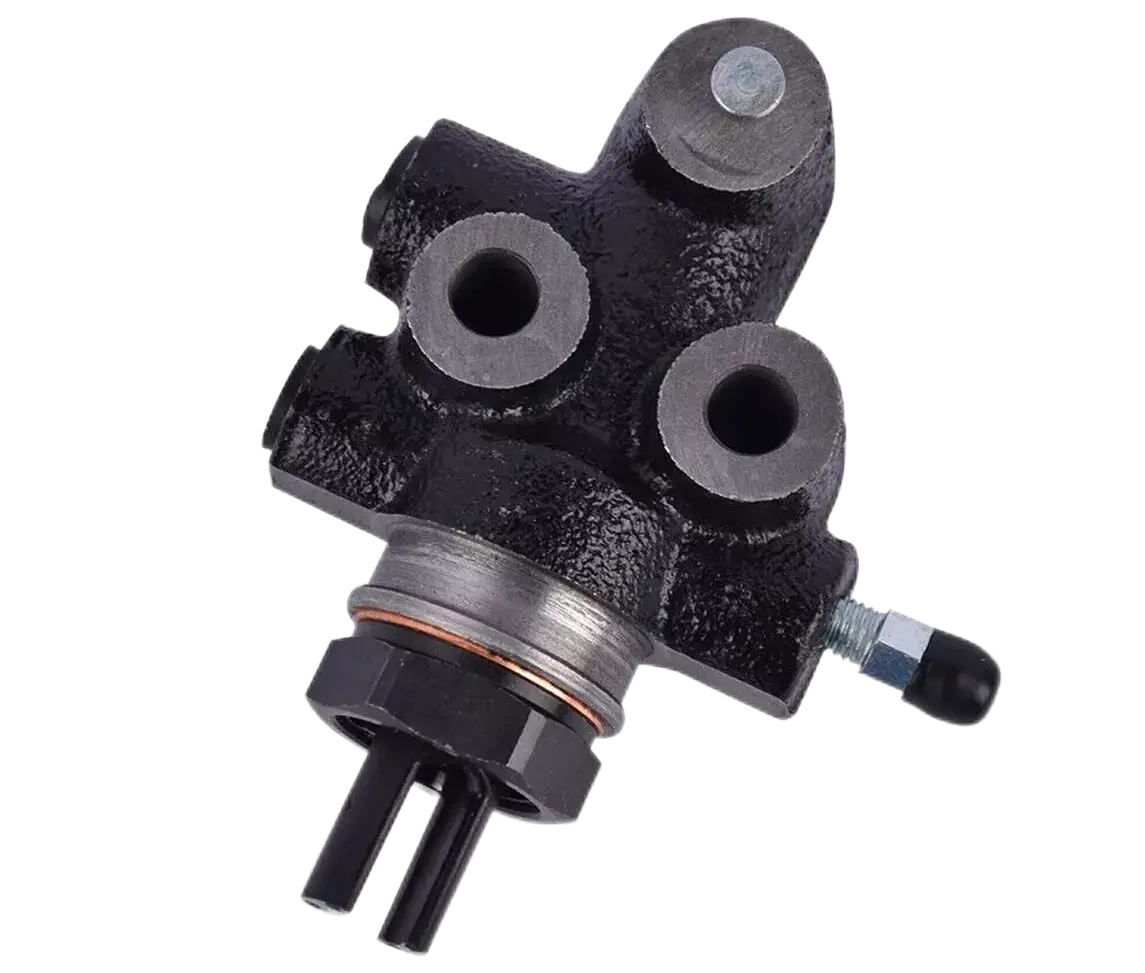
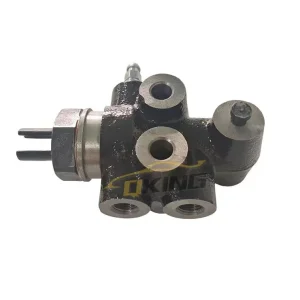
Intelligent mechanical pressure regulating valves preventing rear-wheel lockup during heavy stops.
Learn More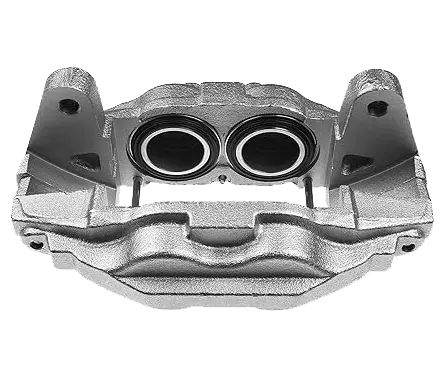
Engineered caliper assemblies for modern disc brakes with thermal dispersion structures.
Learn MoreFor global procurement managers, the debate has shifted from purely lower-cost sourcing to strategic manufacturing partnerships. Chinese automotive component manufacturers have transitioned from manual, low-tolerance production systems to highly automated, smart factories. Through deep supply chain integration, Chinese factories consistently offer unparalleled tooling velocity, design adaptation speed, and high volume output consistency.
Wuhu Qiujing Auto Parts Co., Ltd. represents this technological transition. By operating specialized casting lines alongside automated CNC boring machines, the factory eliminates spatial variance across batch productions. The cylinder bores are machined to tolerances measured in microns (H8 limit class and above), ensuring the internal piston assembly slides with negligible friction while preventing fluid weeping past the seals. Furthermore, automated electro-deposition and anodizing lines protect the metal surface against atmospheric oxidation and salt-spray wear, a critical factor for vehicle operation in northern geographical zones.
“Sourcing from factories certified with IATF 16949:2016 ensures that corrective actions, process control metrics (Cp/Cpk), and failure mode effects analyses (FMEA) are part of the daily production pipeline, not just compliance paperwork.”
Additionally, logistics integration from major manufacturing centers in Anhui and surrounding regions reduces transit delay margins. From raw cast iron ingot deliveries to finalized protective packaging, every step is optimized to reduce lead times. This allows global aftermarket operations and OEM assembly plants to minimize safety stock levels, reducing capital overhead while maintaining high order fill rates.

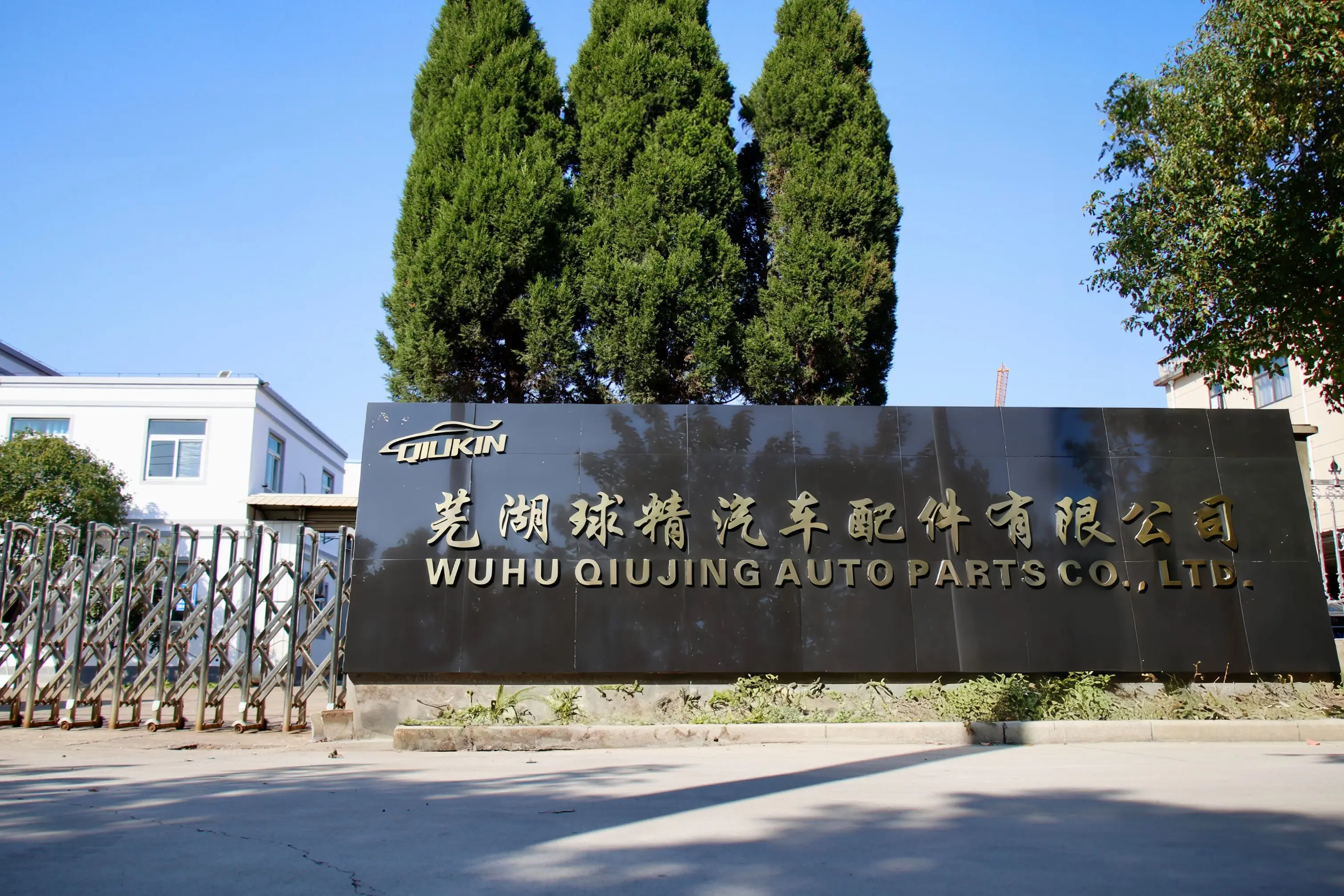
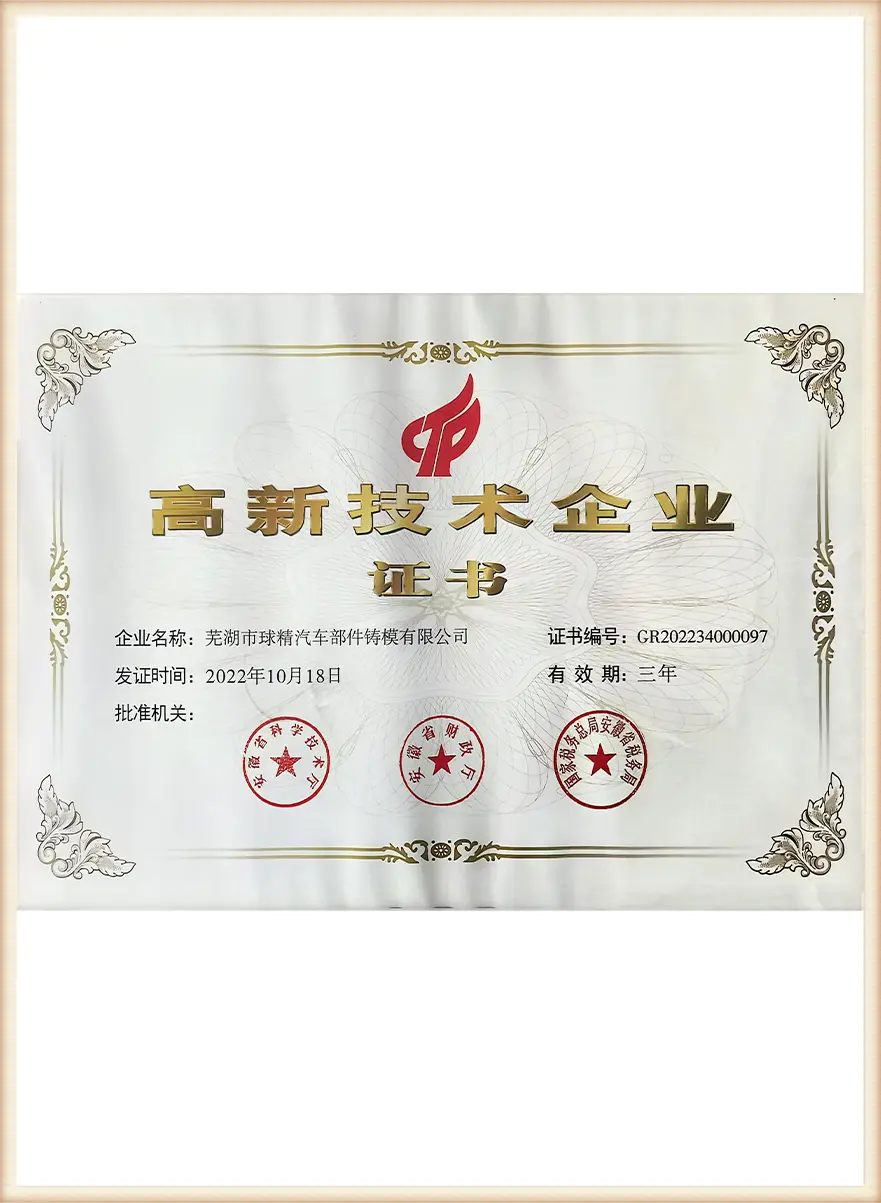
We are a professional brake system parts manufacturer and supplier, mainly including brake master cylinder, brake wheel cylinder, clutch master cylinder, clutch slave cylinder, etc. The founder has been deeply engaged in automotive brake parts since 1996. Through industry experience and production technology, the factory has now developed dozens of models and thousands of products to ensure that they are suitable for different models and meet different road requirements. The products have GB/T19001-2016/ISO 9001:2015 and IATF16949:2016 quality system certification.
 Safety first is the core concept of the factory. Every component undergoes 100% pneumatic and hydraulic pressure leak checks.
Active promotion of the corporate spirit of integrity, innovation, and efficiency to facilitate long-term collaborative OEM programs.
Safety first is the core concept of the factory. Every component undergoes 100% pneumatic and hydraulic pressure leak checks.
Active promotion of the corporate spirit of integrity, innovation, and efficiency to facilitate long-term collaborative OEM programs.
Operating conditions vary greatly across global markets, requiring customizable formulations and materials for wheel brake cylinders. In cold climates like Northern Europe or North America, road gritting practices expose chassis parts to corrosive salt slurries. Here, standard cast iron components fail quickly. For these regions, sourcing managers prioritize protective treatments like zinc-nickel plating or switch to lightweight aluminum alloy cylinder housings, which form a self-passivating oxide barrier.
Conversely, in tropical, high-humidity regions such as Southeast Asia and South America, water ingress is the main driver of hydraulic fluid degradation and seal wear. The high moisture level lowers the boiling point of glycol-based brake fluids, increasing the risk of vapor lock under continuous use. In these areas, wheel cylinders must feature extra sealing boots to keep external moisture and abrasive road dust away from the primary piston seal, preserving system pressure.
“From heavy stop-and-go urban logistics fleets to rural off-road pickups, specifying the correct internal seal elasticity index and body material is crucial to avoid premature system failure.”
In addition, light commercial vehicles (LCVs) used in urban delivery fleets run a high-cycle daily pattern. The continuous application of the brakes generates thermal build-up that transfers to the wheel brake cylinder body. If the cylinder body expands at a different rate than the piston assembly, internal friction changes, accelerating seal wear. Our engineers solve this by designing materials with matched thermal expansion coefficients, maintaining consistent actuation throughout shifts.
Why Tier-1 Distributors and Global OEMs Standardize on Qiujing Auto Parts Sourcing Pipelines

Direct ownership of production facility. 6000+ m² facility, 50+ industry professionals, and an annual output capacity of over 2 million units.

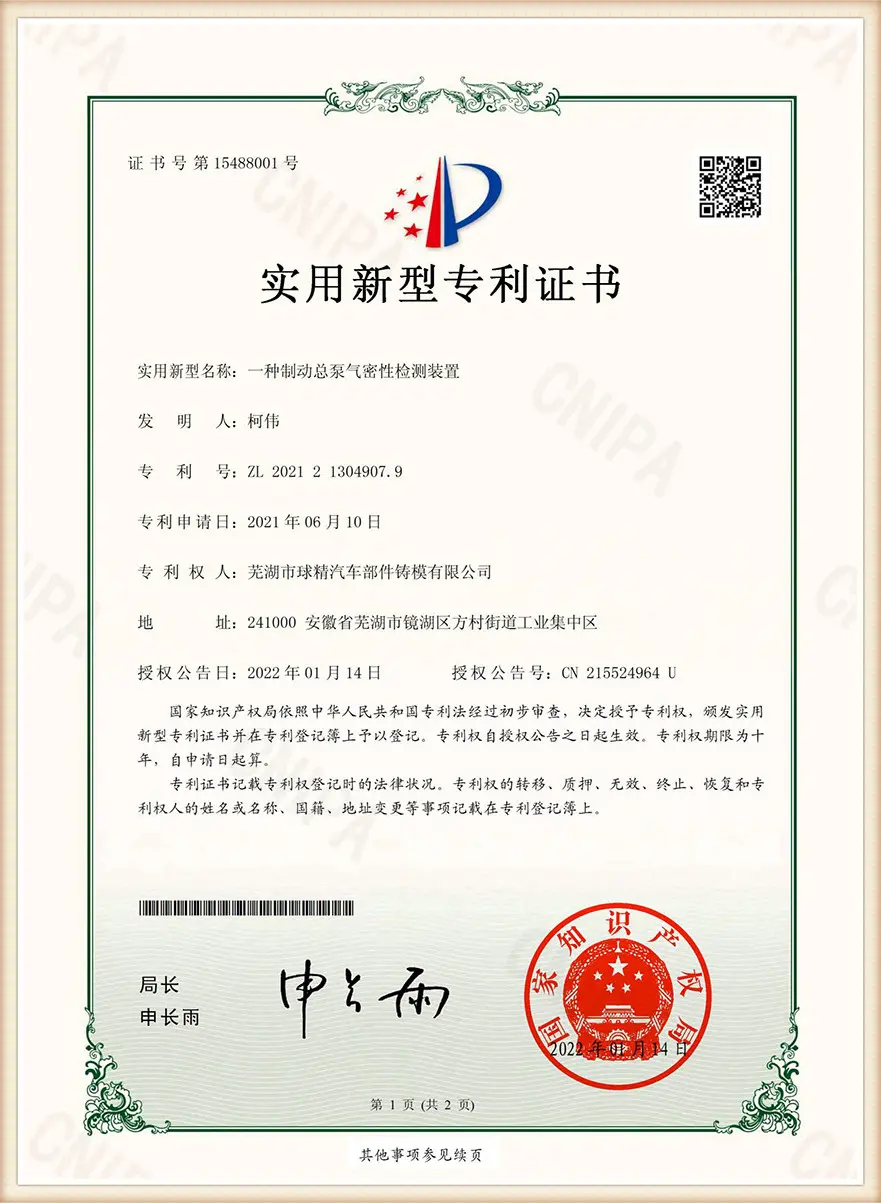
Equipped with complete test benches, CNC tooling systems, and dual-year warranty backing for peace of mind.

Standardized materials control and flexible production scheduling built for long-term international procurement programs.

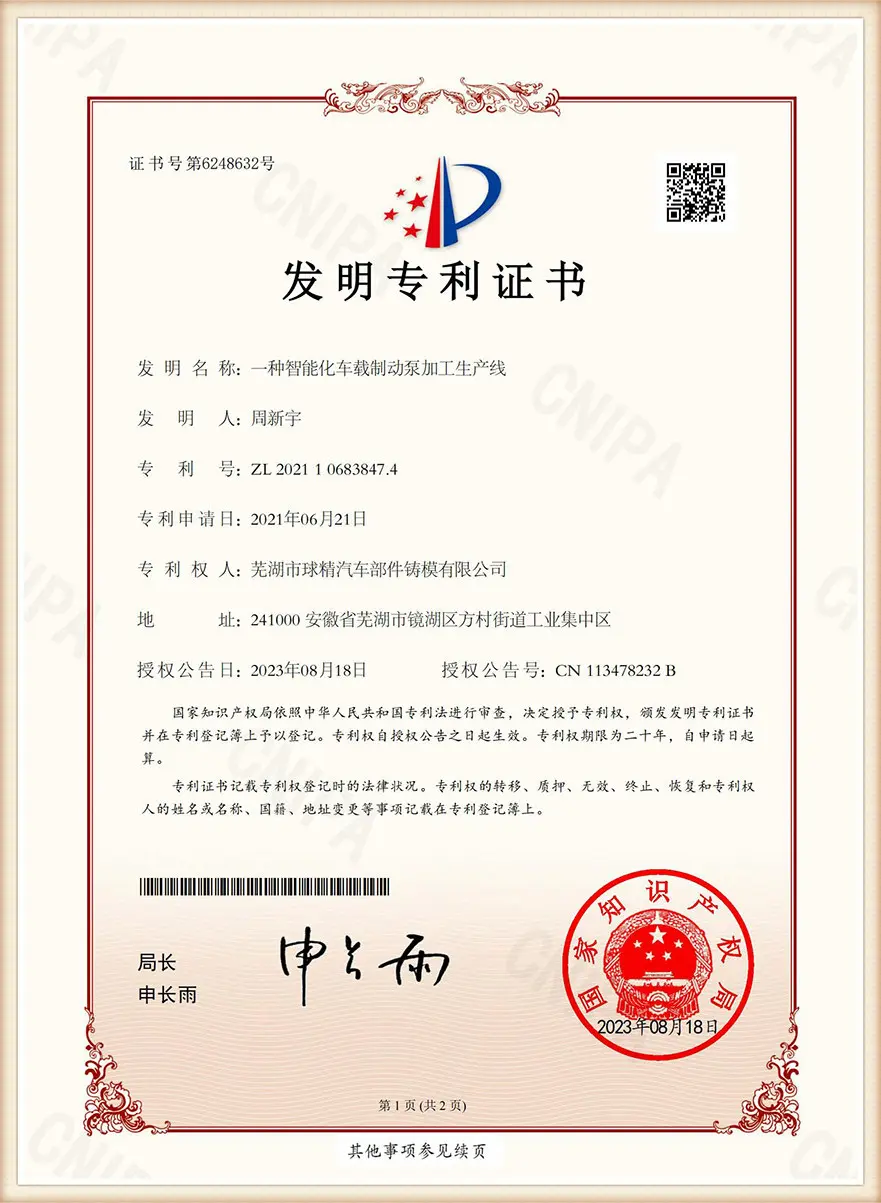
Dedicated R&D, advanced casting, QA engineers, and professional business support teams for efficient order handling.
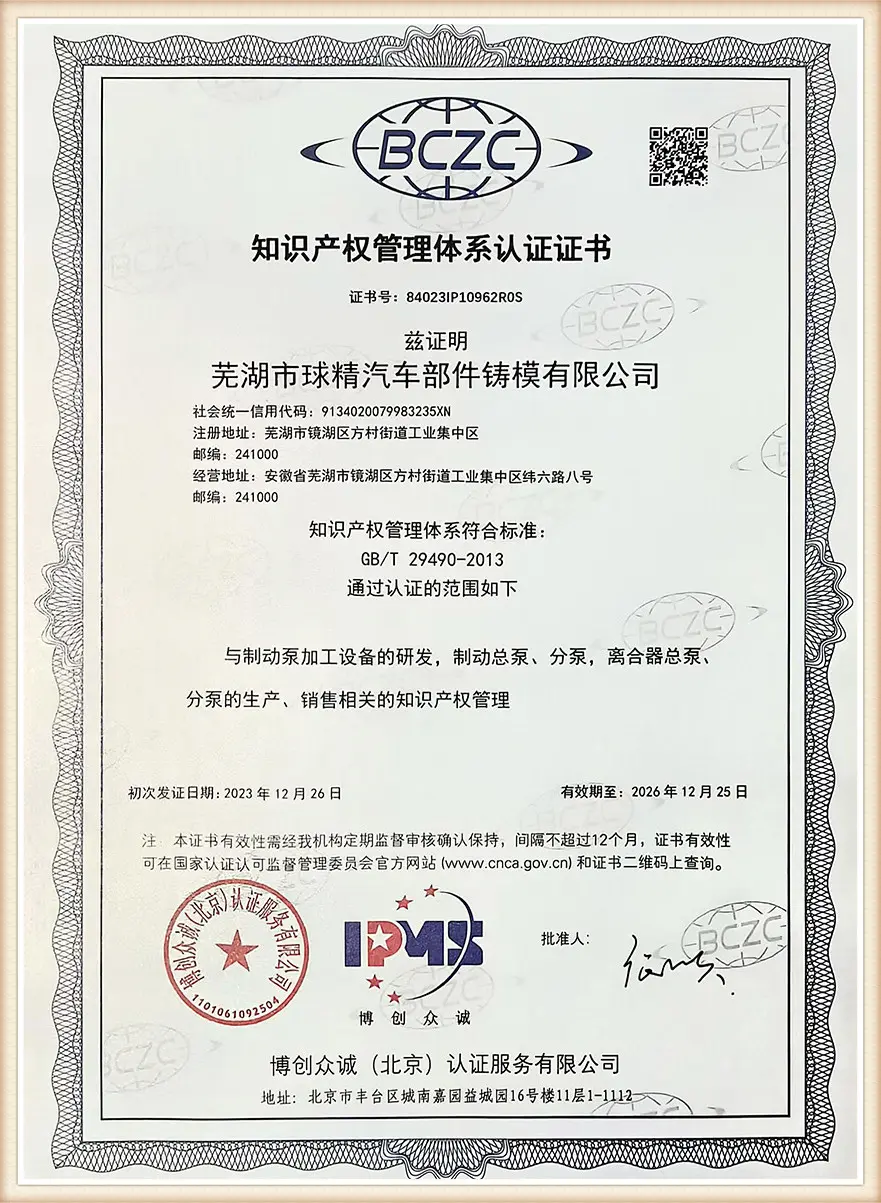
Our operations comply with GB/T19001-2016/ISO 9001:2015, IATF16949:2016, and GB/T29490-2013 regulatory frameworks.
The transition toward electric vehicles (EVs) is altering traditional hydraulic braking requirements. In EVs, regenerative braking does most of the slow-down work, leaving hydraulic brakes to engage primarily during sudden stops or holding positions. As a result, hydraulic parts remain inactive for longer periods, which increases the risk of corrosion due to stagnant brake fluid. This requires using premium corrosion-resistant materials for cylinders and pistons to prevent binding.
Additionally, modern active safety systems like Autonomous Emergency Braking (AEB) and Electronic Stability Control (ESC) demand faster pressure building. Actuation parts must react within milliseconds of receiving a control signal. This requires reducing clearances within master and wheel cylinders to optimize flow and ensure rapid deceleration response.
“As automotive designs shift toward smart chassis systems, every hydraulic component must offer low drag, fast response, and extended service intervals.”
Another key trend is weight reduction. Replacing heavy cast iron cylinder bodies with high-strength aluminum alloys saves weight and lowers emissions. Additionally, there is a strong focus on using recyclable materials and reducing chemicals like Hexavalent Chromium in coatings. Working with environmental regulations ensures that parts are compliant with modern global eco-standards.
Stay informed about Wuhu Qiujing’s operational notices and manufacturing updates.
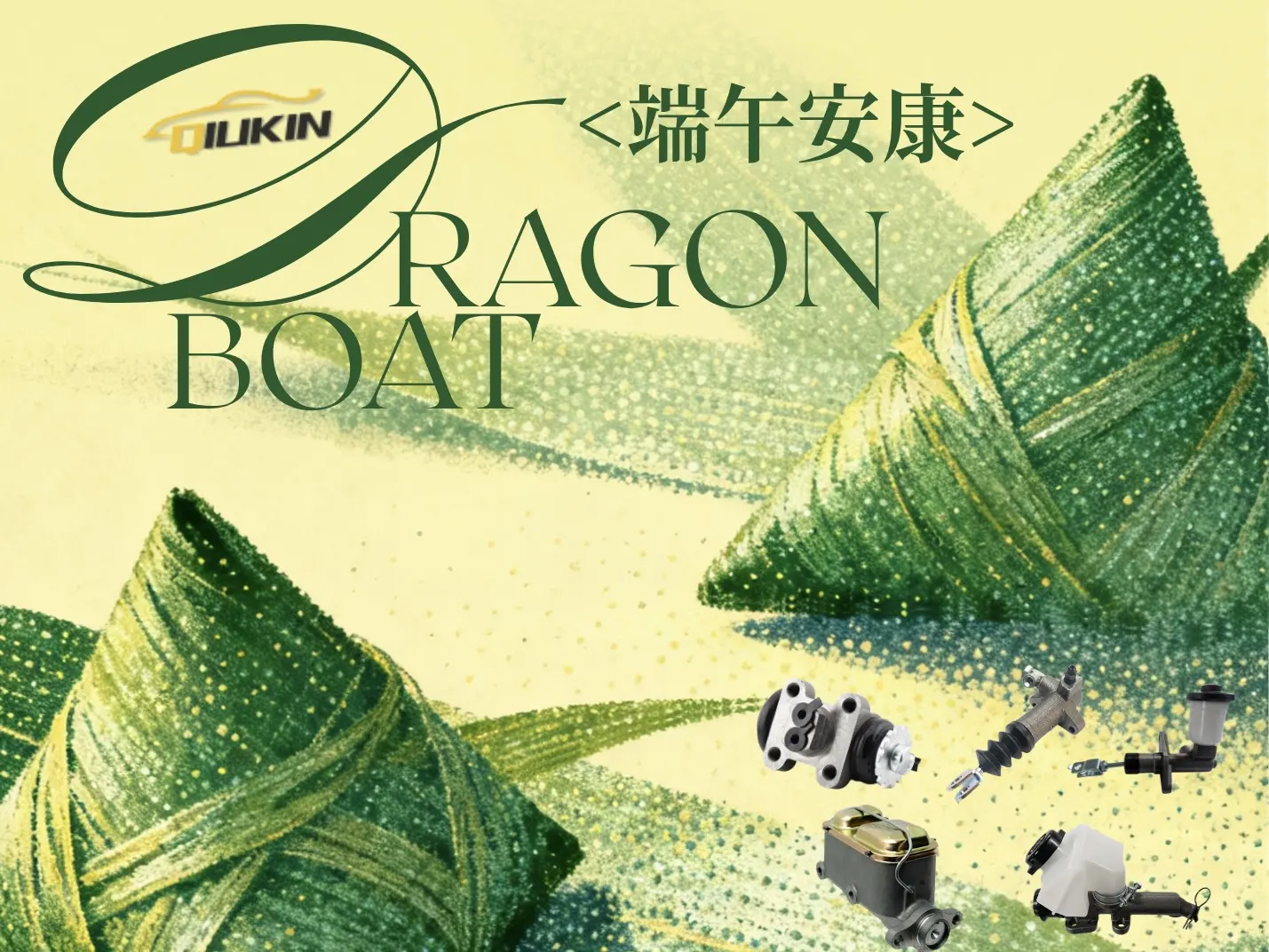
Annual schedule announcements and delivery pipeline adjustments for the upcoming public holiday period.
Read More
Wuhu Qiujing Auto Parts Co., Ltd. is pleased to announce the official resumption of production today, following the scheduled spring break...
Read More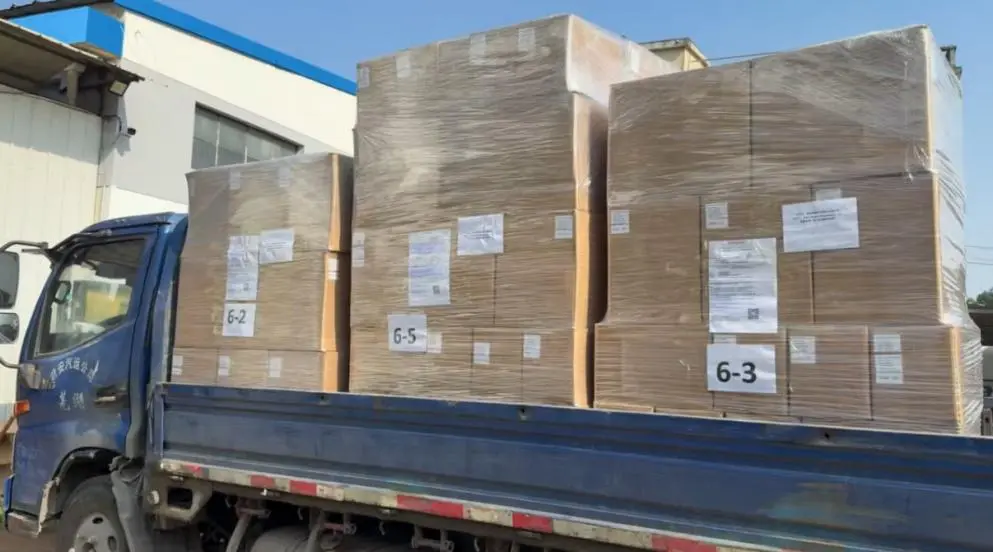
[Wuhu, January] As the Lunar New Year approaches, Wuhu Qiujing Auto Parts Co., Ltd. has successfully completed critical year-end shipments...
Read MoreSourcing automotive brake components requires balance between cost and safety compliance. Procurement teams should verify that suppliers maintain an active Quality Management System (QMS) certified to IATF 16949. This framework covers all stages of production, ensuring that material batches are traceable, from raw casting pour to final box packing.
In addition, checking the raw material quality is essential. Suppliers should provide testing reports verifying the structural integrity of the casting. The pistons must undergo precision grinding and surface hardening to prevent premature seal wear. Using premium EPDM seals is critical, as sub-standard compounds can harden or swell, causing system pressure loss.
“Sourcing from a verified manufacturer reduces return rates and helps maintain brand reputation in competitive aftermarket segments.”
Lastly, logistical coordination and flexible production scheduling are key for long-term programs. Choosing a partner who offers prototyping services, rapid tooling development, and custom packaging support streamlines supply chains. This agility helps buyers adapt to shifting market demands and maintain stable stock levels.
Addressing the common questions raised by procurement managers, engineers, and tier-1 distributors.
OEM wheel brake cylinders are primarily manufactured using ductile cast iron or high-grade aluminum alloys. Cast iron is chosen for its structural strength and wear resistance under high operating pressures. Aluminum alloys are selected for weight reduction and natural corrosion resistance, helping improve vehicle fuel efficiency.
IATF 16949:2016 is the global quality standard for the automotive industry. Sourcing from a certified manufacturer ensures systematic defect prevention, consistent variation reduction, and traceability across the entire production run.
EPDM (Ethylene Propylene Diene Monomer) provides chemical compatibility with glycol-based brake fluids (DOT 3, DOT 4, DOT 5.1). It resists swelling, maintains flexibility at low temperatures (-40°C), and resists heat hardening, helping prevent leaks.
The cylinder bore is machined to tight tolerances, often matching the H8 limit class or finer. The surface roughness (Ra value) must be carefully controlled to ensure a smooth seal surface, preventing fluid leaks while keeping friction low.
Quality control processes include 100% pneumatic testing for air leaks, followed by hydraulic pressure testing to verify seal performance. Fatigue life checks and environmental exposure tests are also performed on sample batches.
Common indicators include visible hydraulic fluid leaks around the brake drum, a soft or spongy brake pedal, and uneven braking force that causes the vehicle to pull to one side during stops.
Yes. Manufacturers can adjust piston diameters, port configurations, and mounting dimensions to meet the performance requirements of unique commercial vehicle platforms.
Premium aftermarket suppliers typically offer a two-year warranty or a set mileage guarantee, reflecting their confidence in the component's materials and build quality.
Premium grade replacement and system parts engineered to maintain brake safety dynamics across diverse road platforms.