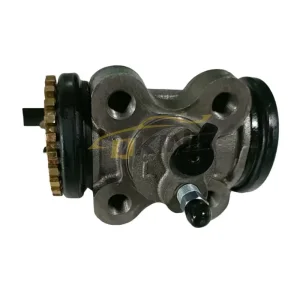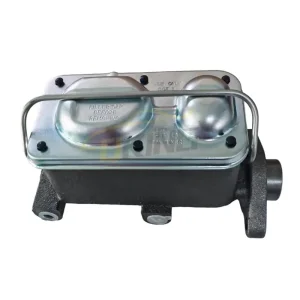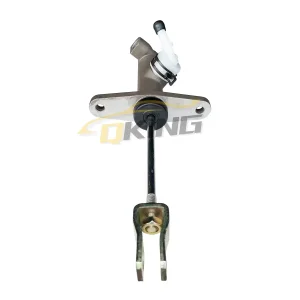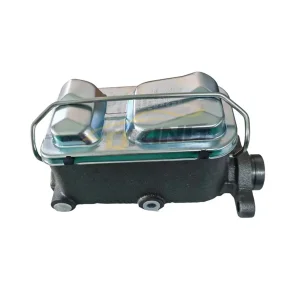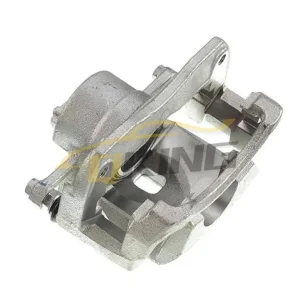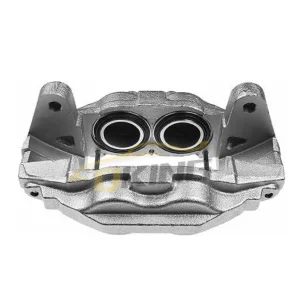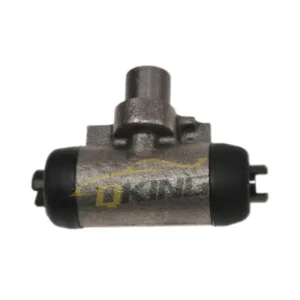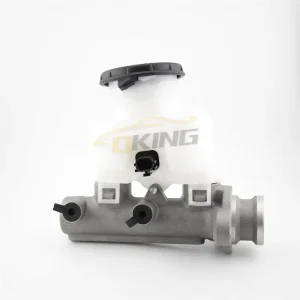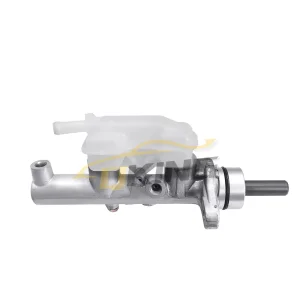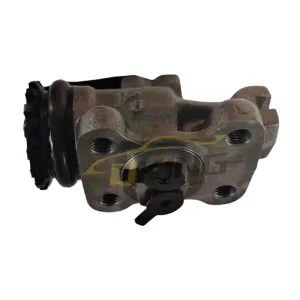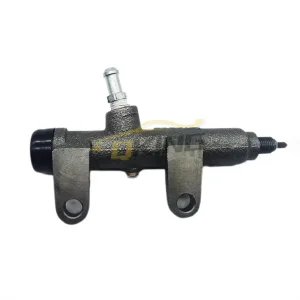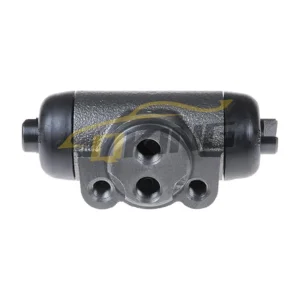
Explore our catalog of certified brake master cylinders, wheel cylinders, and brake calipers designed to original manufacturer specifications.
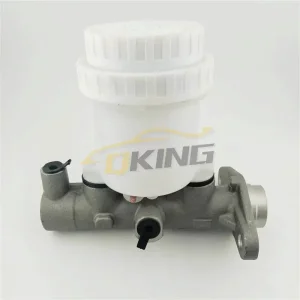
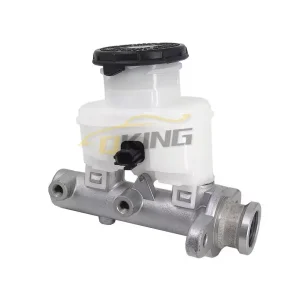
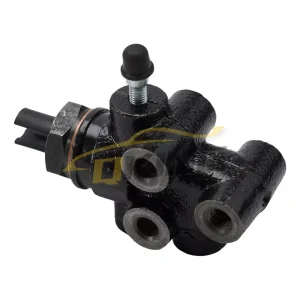
Deploying state-of-the-art hydraulic design across all passenger and light commercial vehicle lines.
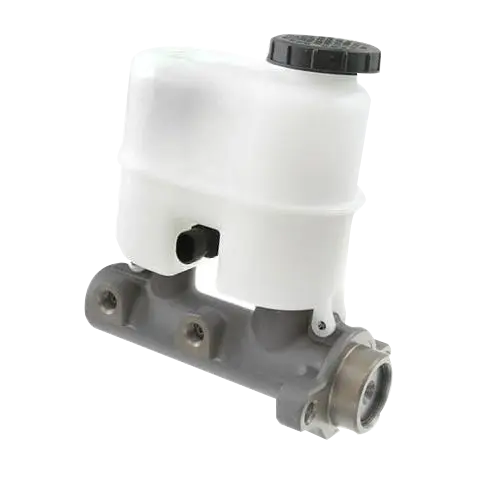
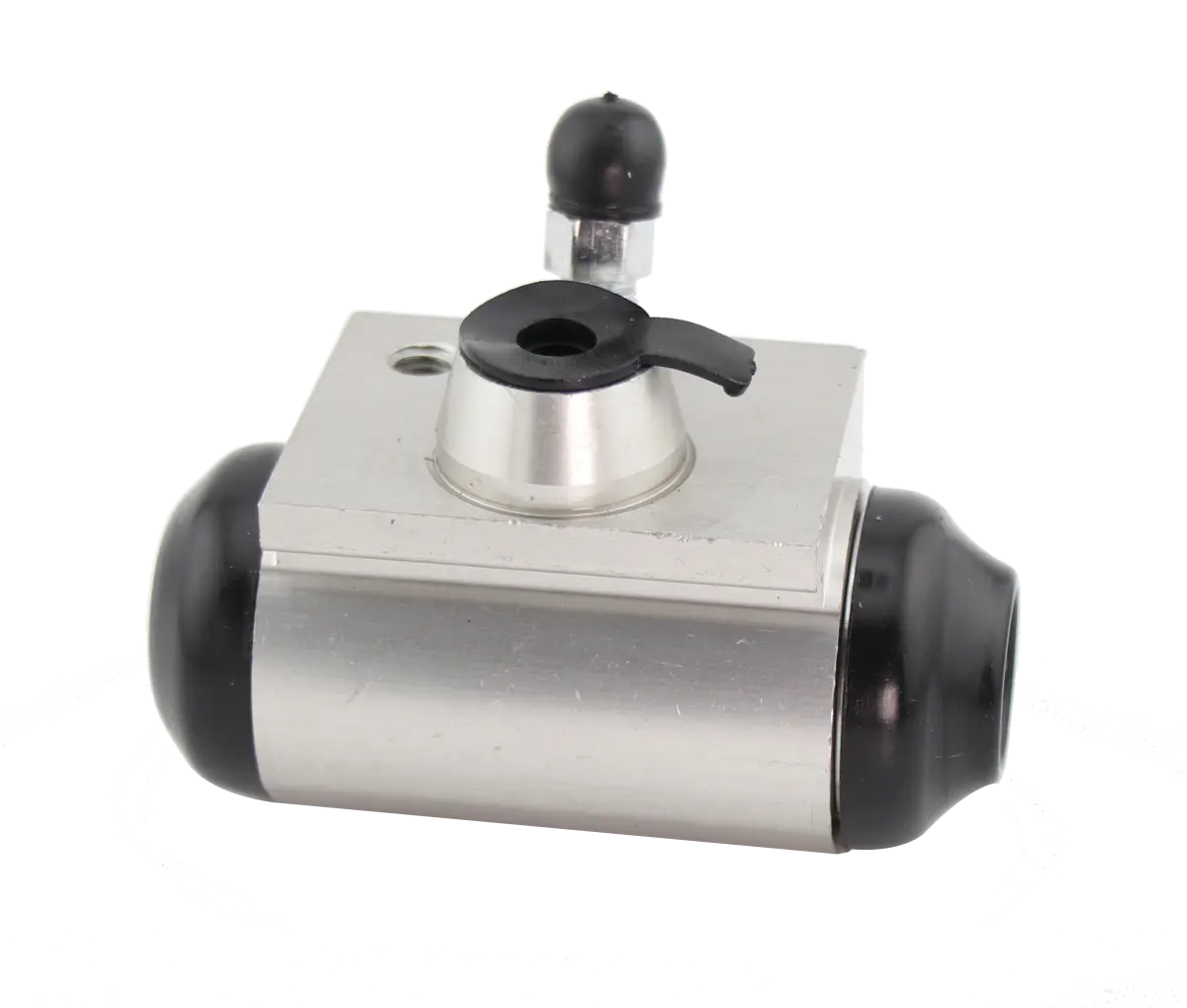
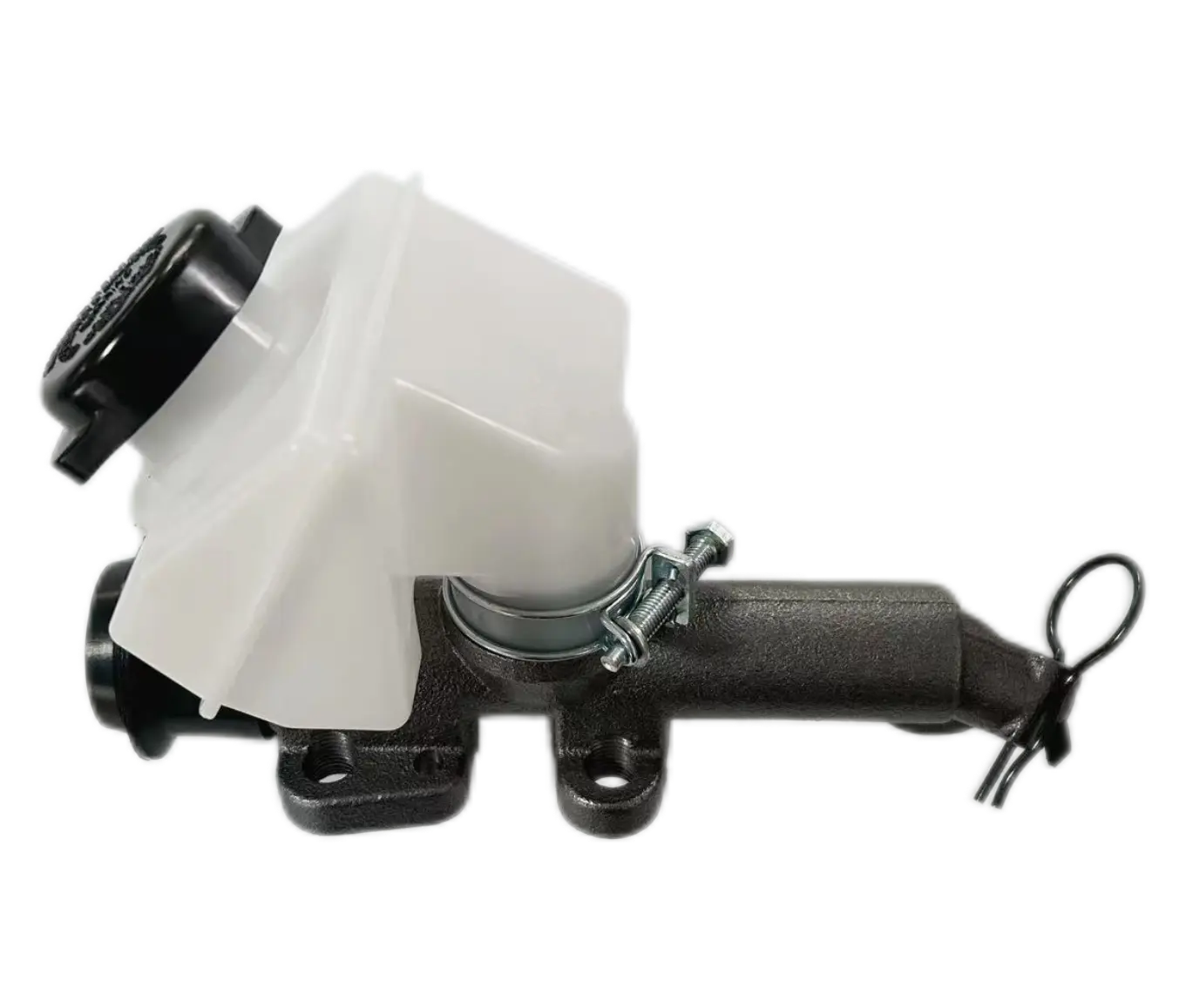
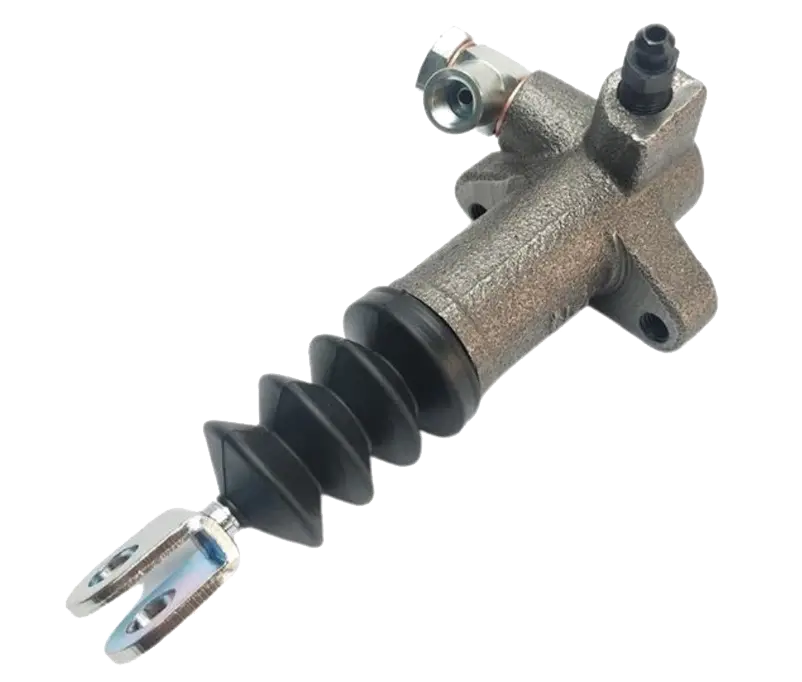
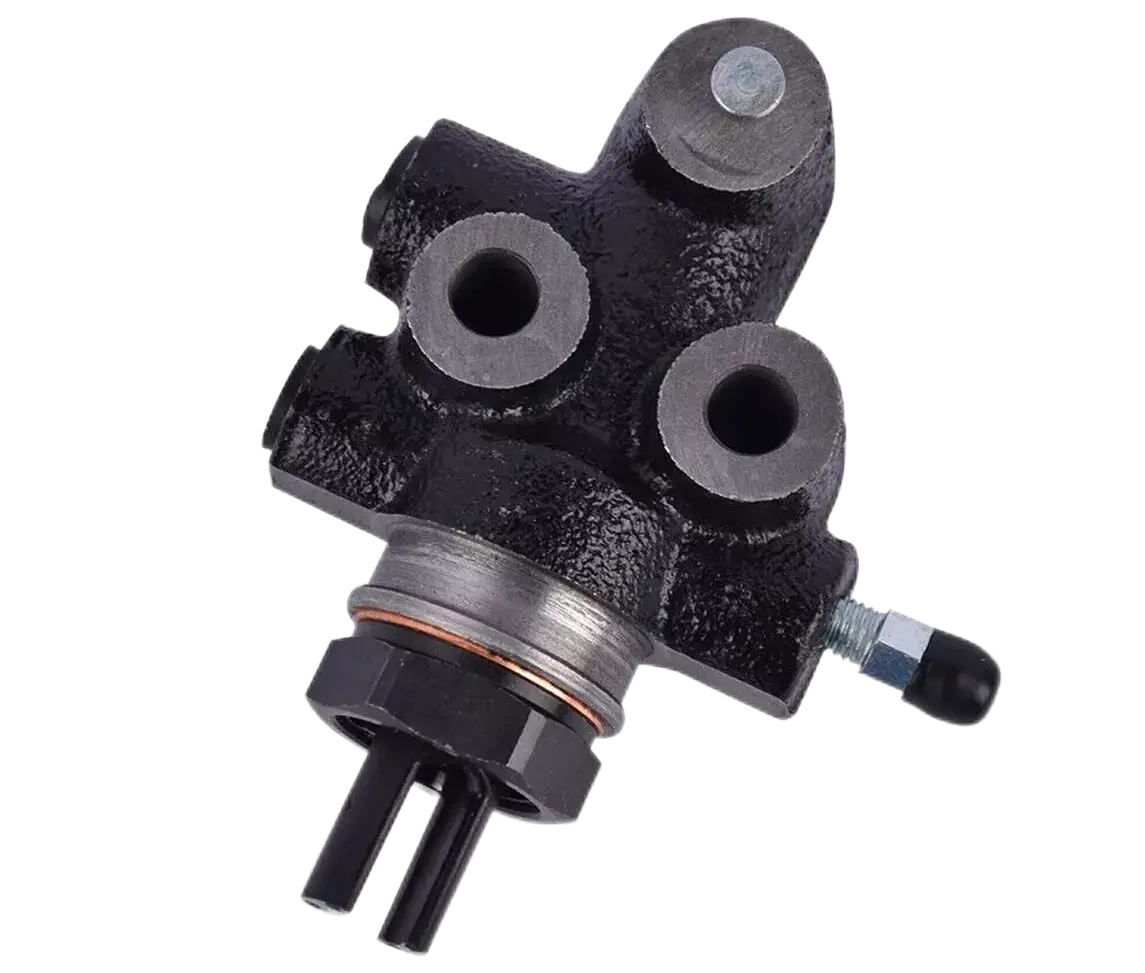
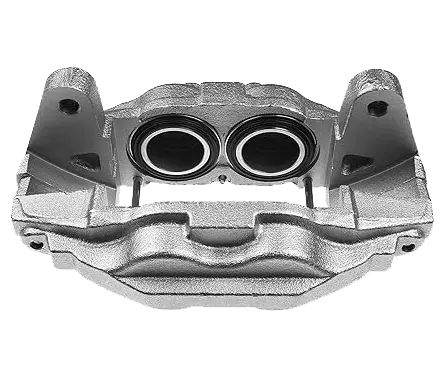
The automotive supply chain is undergoing structural changes driven by safety requirements, manufacturing optimization, and cost-effective sourcing strategies. At the center of vehicle safety are hydraulic actuation components: brake master cylinders, clutch master/slave cylinders, wheel cylinders, and calipers. In the commercial vehicle and passenger car segments, these parts form the primary layer of passive and active vehicle safety. As fleet operators and wholesale distributors manage cross-border procurement, sourcing OEM-grade components with transparent pricing and engineering guarantees is crucial.
Understanding the dynamics of hydraulic pressure regulation, load-sensitive braking distribution, and mechanical tolerances helps international procurement officers buy parts that match or exceed original specifications. This analysis explores global market dynamics, manufacturing procedures, local application needs, and pricing configurations for automotive parts distribution networks.
Historically, automotive components were sourced within localized OEM clusters. Today, industrial supply chains depend on global manufacturing hubs. Modern light-truck and passenger vehicle manufacturing requires high customization, rapid model updates, and zero-defect quality control. Global aftermarket supply chains rely heavily on Tier-1 and Tier-2 manufacturers capable of building parts according to original technical drawings.
Direct sourcing from specialized manufacturing units like Wuhu Qiujing Auto Parts reduces transaction costs, shortens lead times, and allows for direct technical configuration. Sourcing directly helps companies overcome shipping bottlenecks and navigate changing trade barriers, keeping unit costs competitive without sacrificing engineering standards.
Vehicle fleet lifespans are extending globally. In North America and Europe, the average vehicle age now exceeds 12 years. This trend creates long-term demand for high-reliability replacement parts. Components such as brake calipers and clutch slave cylinders must perform reliably for years under changing temperatures, salt spray, and physical stress. For global parts distributors, partnering with factories certified under IATF 16949 ensures catalog stability and reduces warranty claims.
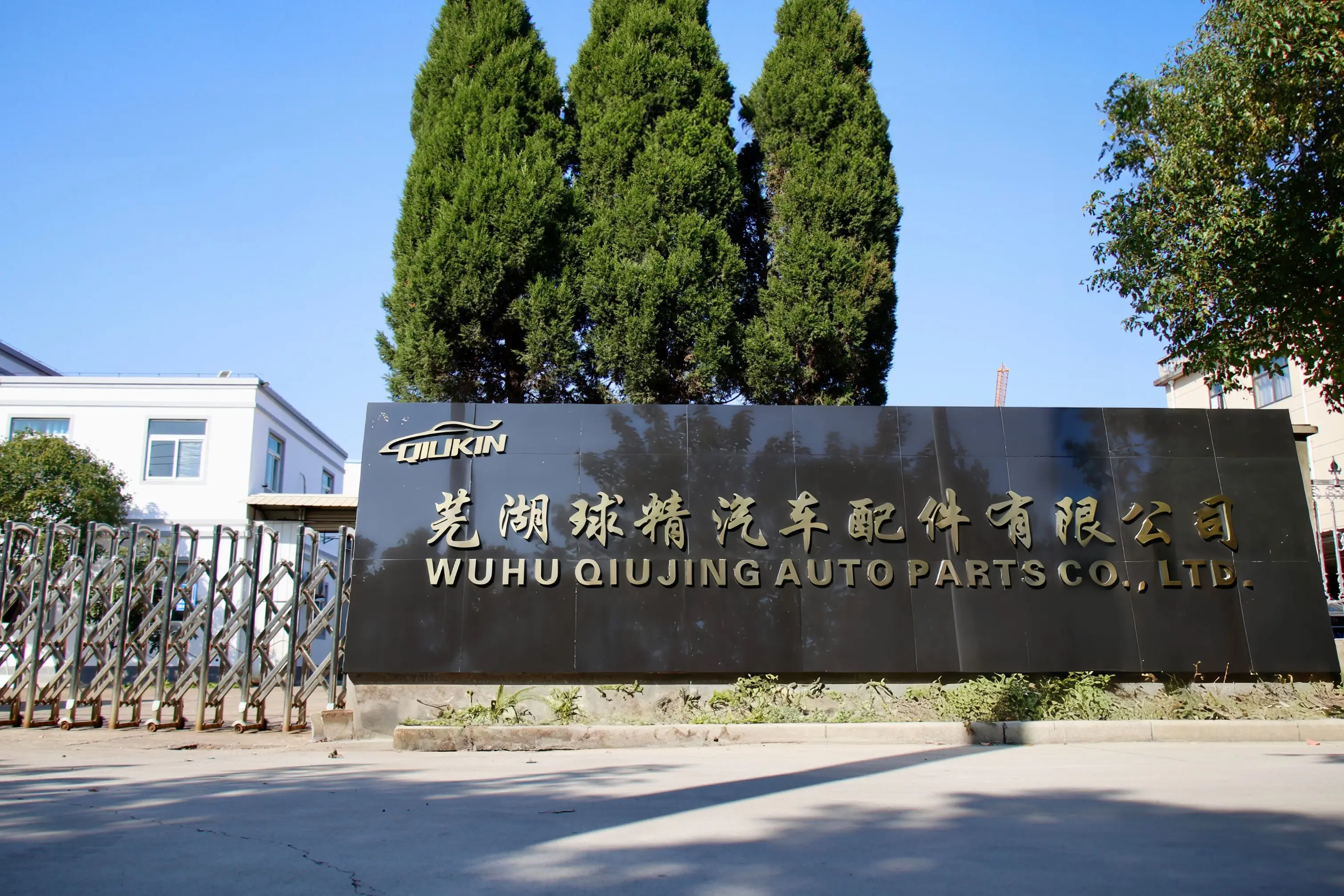
Wuhu Qiujing Auto Parts Co., Ltd. is a dedicated manufacturer specializing in hydraulic brake and clutch components. Led by industry experts since 1996, the factory delivers engineered solutions for international markets, complying with ISO 9001 and IATF 16949 standards.
Hydraulic braking components operate under harsh conditions. When a driver presses the brake pedal, the brake master cylinder converts this force into hydraulic pressure, often exceeding 1,000 PSI (68.9 bar). Any failure in material structural integrity or seal elasticity will degrade braking performance.
Our manufacturing processes focus on two primary engineering factors:
For cast iron parts, such as specific wheel cylinders and calipers, we use nodular cast iron (Ductile Iron). This material provides the tensile strength and yield strength needed to handle high hydraulic spikes without fracturing. Lightweight aluminum components are anodized to protect against corrosion from moisture and road salt.
Different vehicle markets demand specific performance criteria. Sourcing parts requires matching the design to the local environment and usage patterns.
In regions with sustained downhill descents, brakes generate high heat. This thermal energy transfers to the brake fluid and cylinder bodies. Brake proportioning valves must regulate fluid pressure accurately, and caliper pistons must move freely without binding, even when temperatures reach extreme limits.
In coastal or high-humidity regions, galvanic corrosion can seize caliper guide pins and accelerate rust on raw cast iron. To counter this, parts intended for these regions feature specialized protective coatings, zinc plating, or composite materials.
Why Tier-1 buyers and regional distributors partner with Wuhu Qiujing for long-term supply programs.

6000+ m² manufacturing facility with modern production equipment and an annual output exceeding 2 million units.

We back our precision engineering with a comprehensive two-year warranty on all hydraulic cylinders and caliper components.

Standardized manufacturing processes and automated testing stations ensure uniform quality across all production batches.

In-house engineering, metallurgy, quality testing, and customer service teams support your custom development projects.
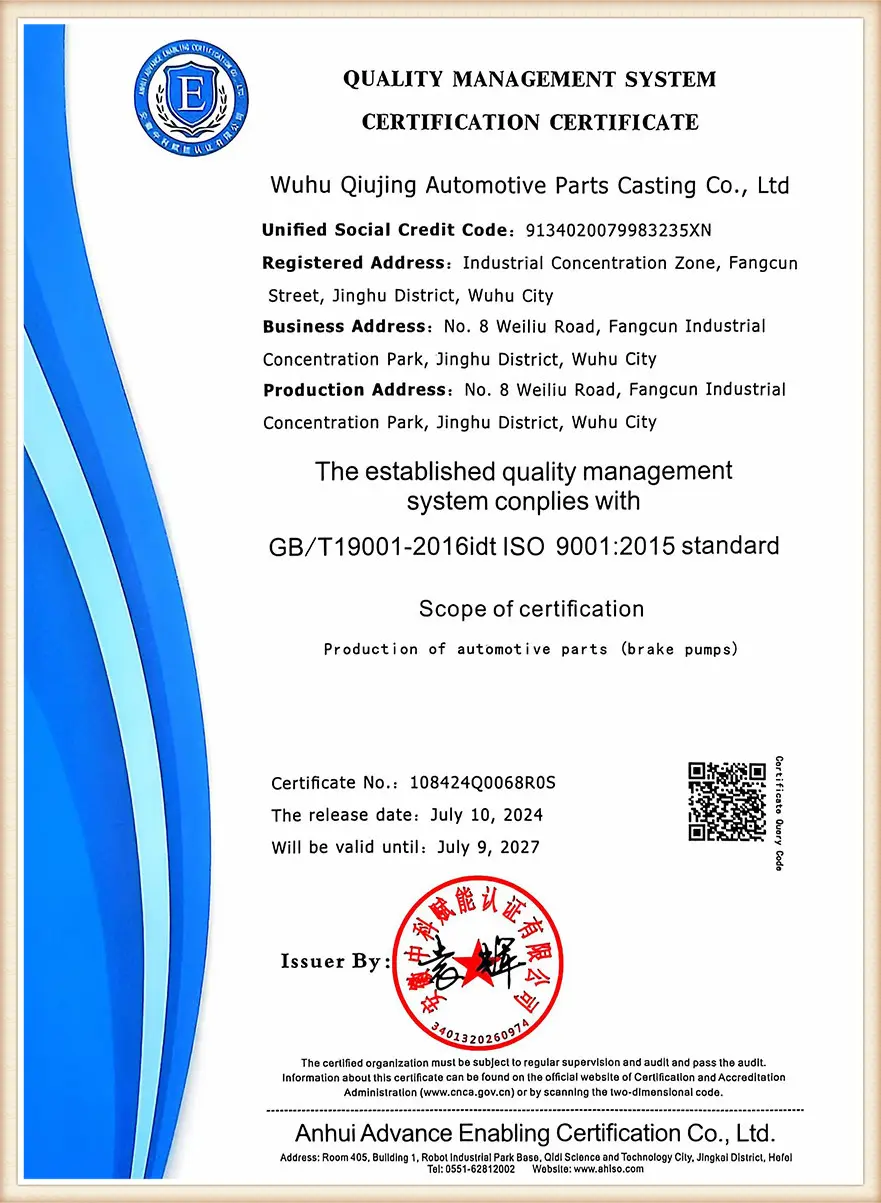
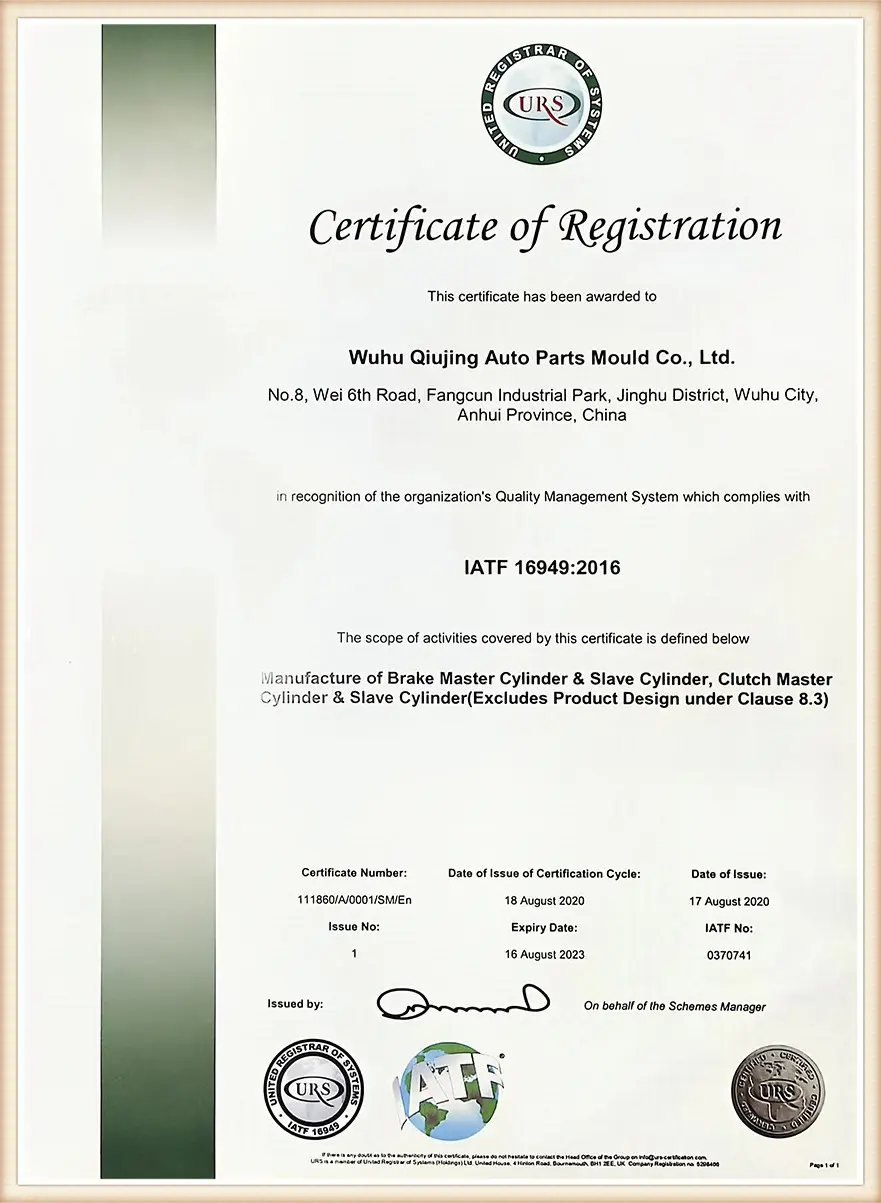
Automotive safety parts require compliance with established global standards. Sourcing partners must verify the manufacturer holds certifications such as IATF 16949:2016 and ISO 9001:2015. These certifications ensure the facility operates under a structured quality management system (QMS) focused on continuous improvement and defect prevention.
Critical control points include:
By working with certified manufacturers, parts distributors protect themselves from liability claims and build confidence with repair shops and vehicle owners.
For parts distributors, optimizing purchase prices is a primary objective. Sourcing high-quality parts requires understanding the variables that influence manufacturing costs:
Manufacturing costs depend on raw material pricing (metals and elastomers), machining times, production volume, and custom tooling. By scheduling larger manufacturing runs, distributors can reduce setup costs per unit and lower freight charges through consolidated container shipping.
When preparing Request for Quote (RFQ) packages, buyers should provide detailed technical information. This includes OEM part cross-references, vehicle applications, target annual purchase volumes, packaging requirements, and any specific environmental or temperature testing demands. Providing these details helps the factory produce accurate quotes and establish realistic production timelines.
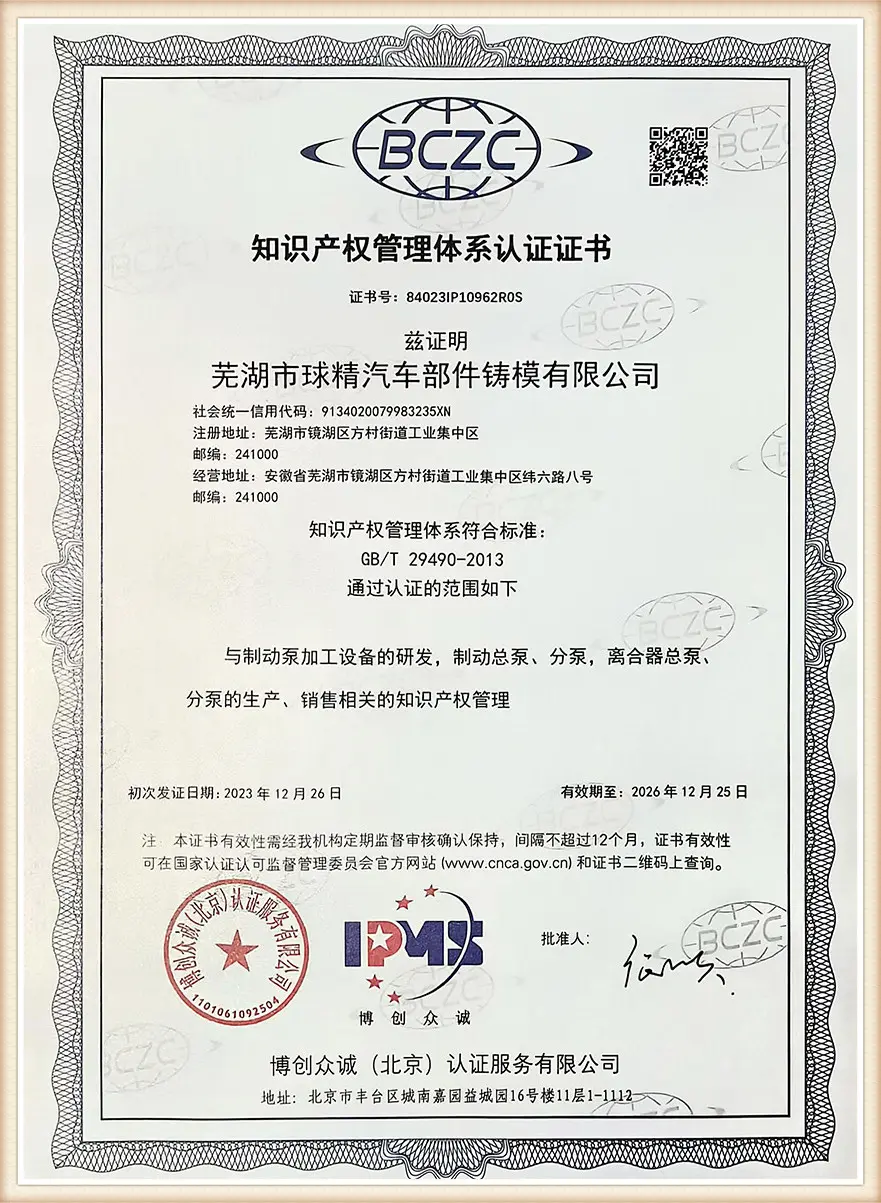
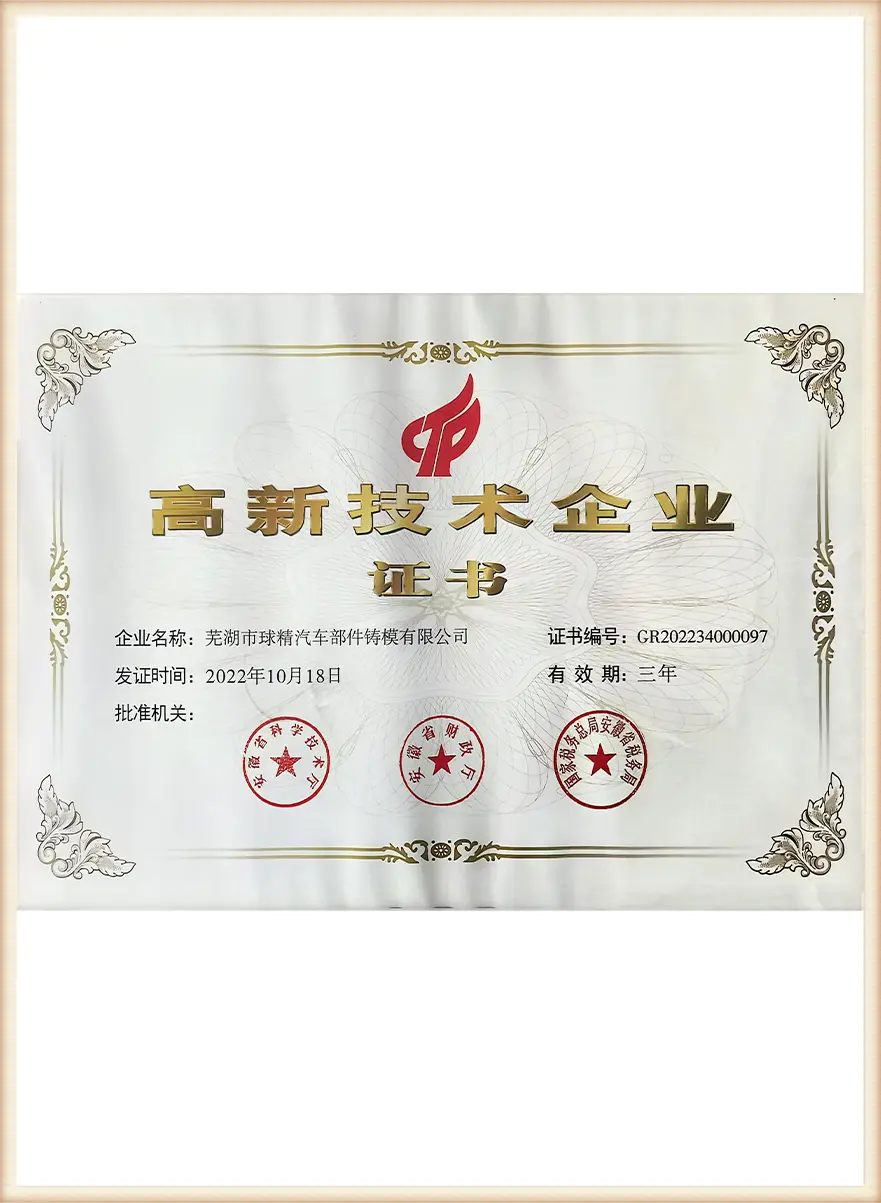
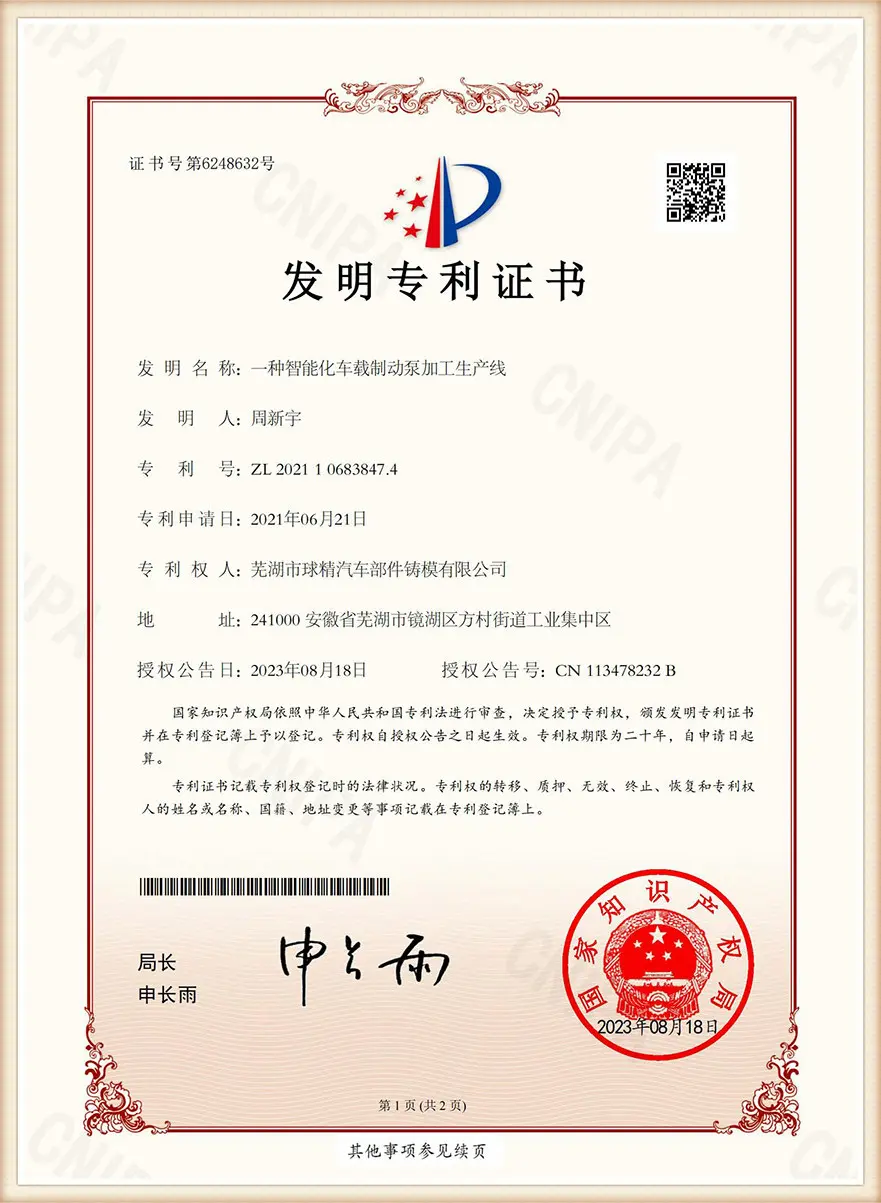
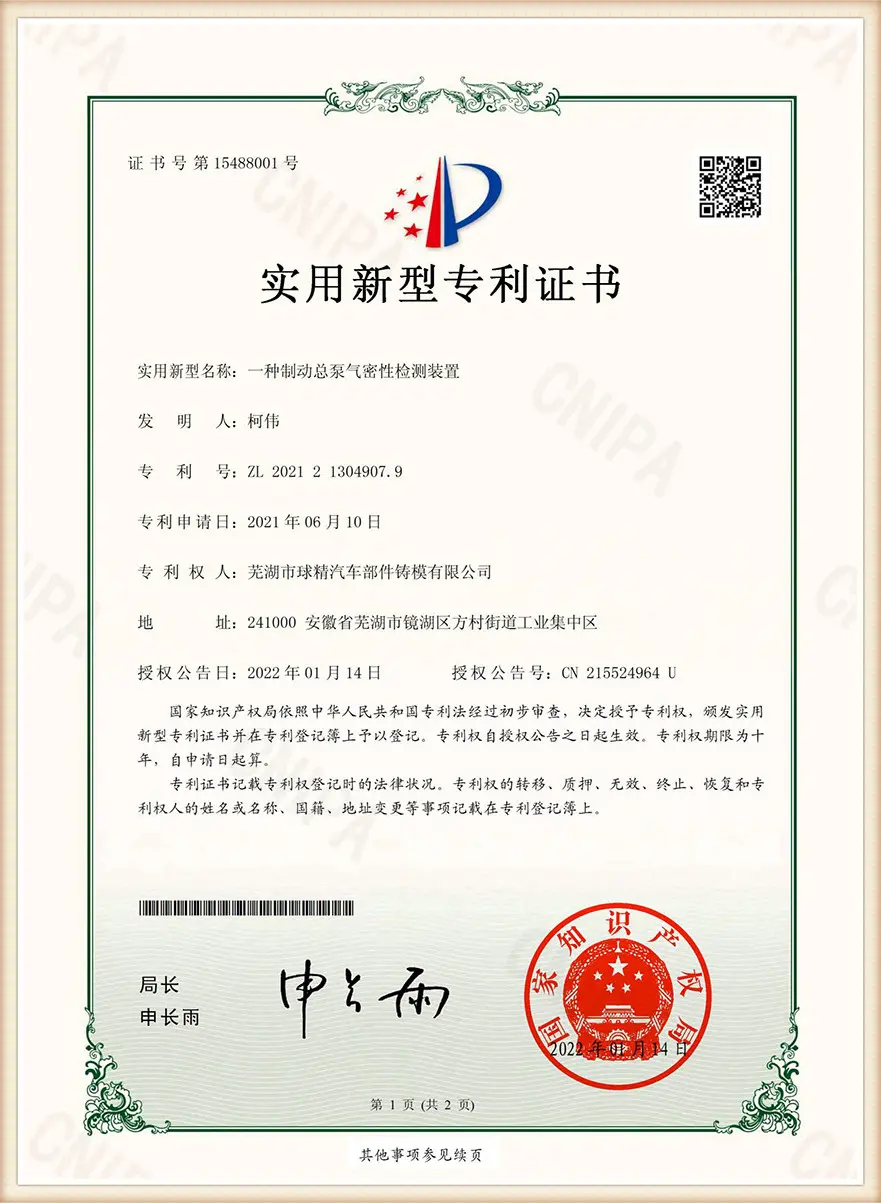
Operating under strict compliance with GB/T19001-2016 / ISO 9001:2015, IATF16949:2016, and GB/T29490-2013 standards.
Stay informed about our production cycles, holiday schedules, and factory updates.
Explore our updated holiday operating schedules and customer support contact details for the upcoming seasonal break.
View Details
Wuhu Qiujing Auto Parts Co., Ltd. has successfully resumed regular manufacturing activities, with production lines running at standard capacity.
View Details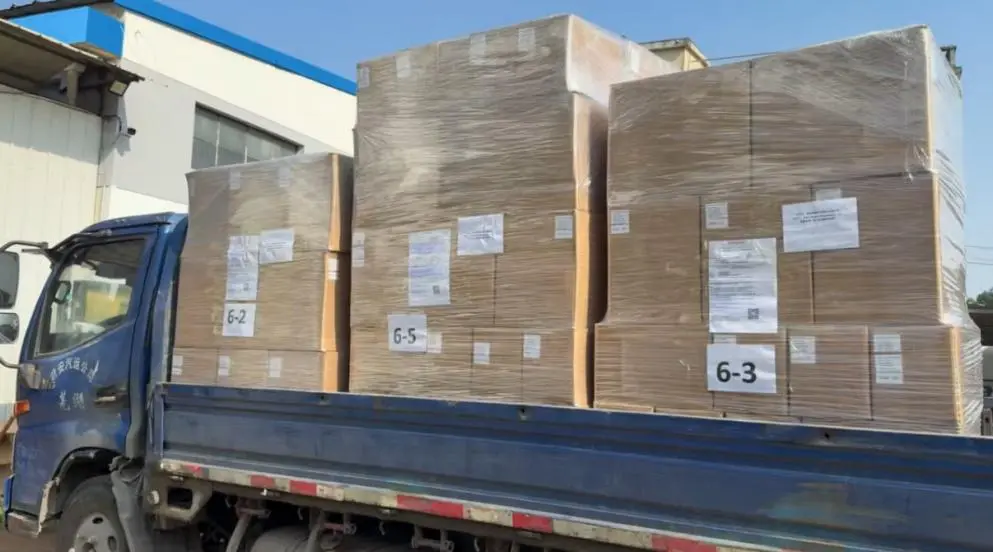
Our logistics and packing divisions successfully finalized year-end shipments, meeting delivery commitments before the Lunar New Year shutdown.
View DetailsQuick answers to common questions about product testing, custom configurations, and export services.
Further selections of our high-quality hydraulic brake parts, clutch master cylinders, and specialty cylinders built for global vehicles.