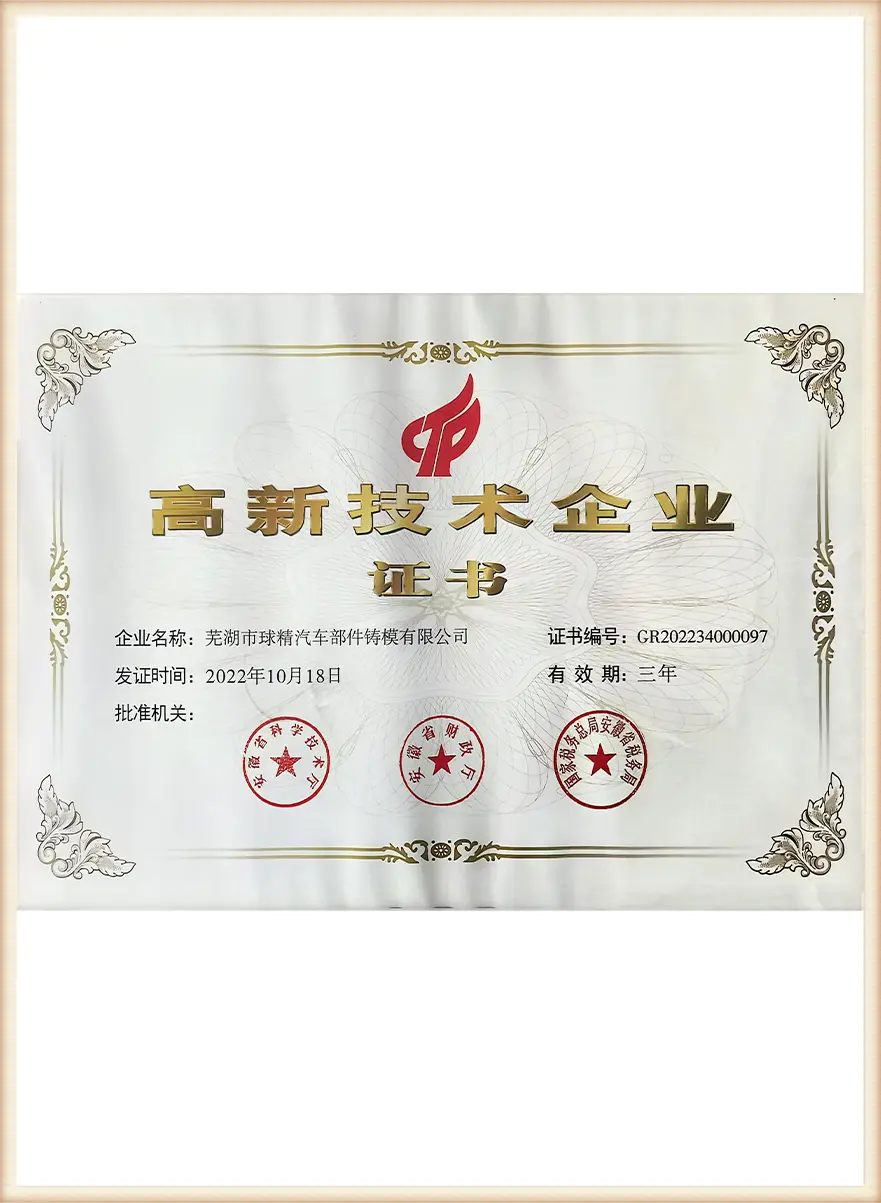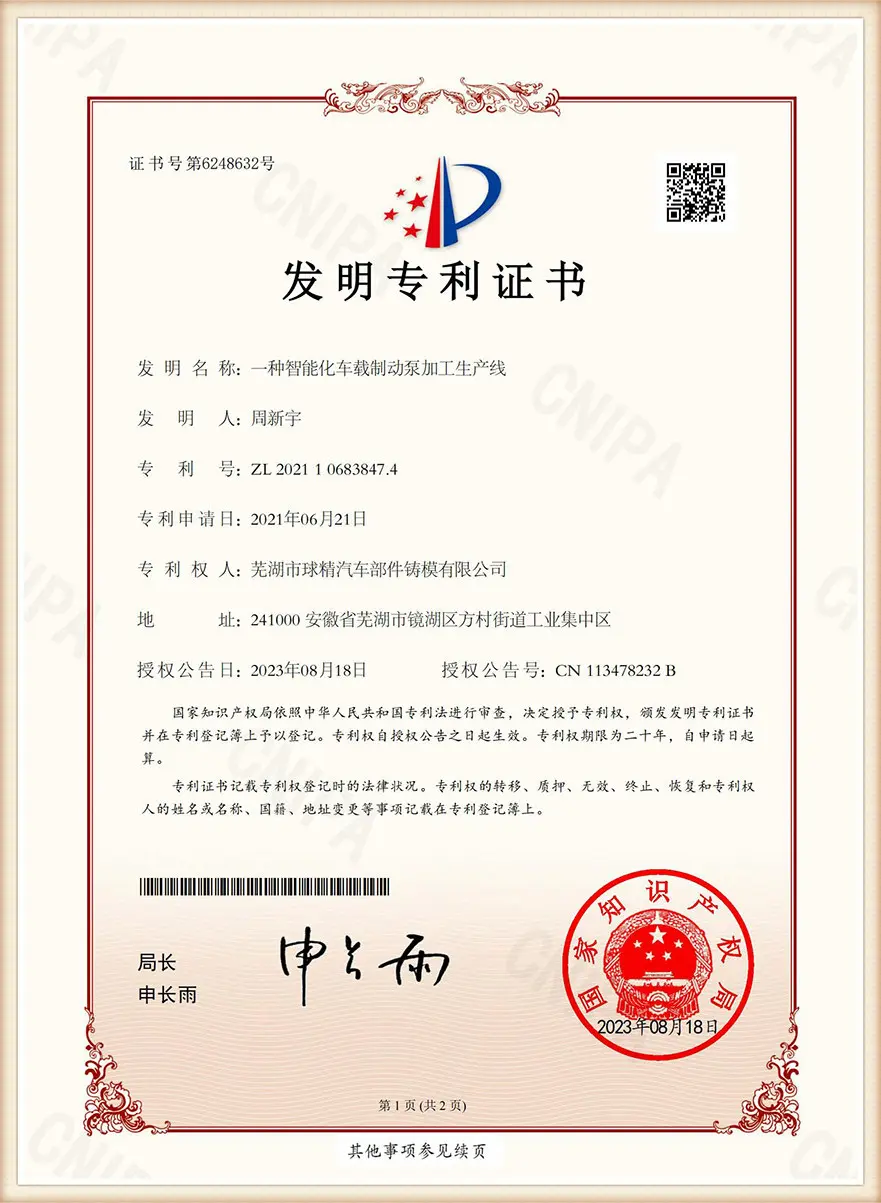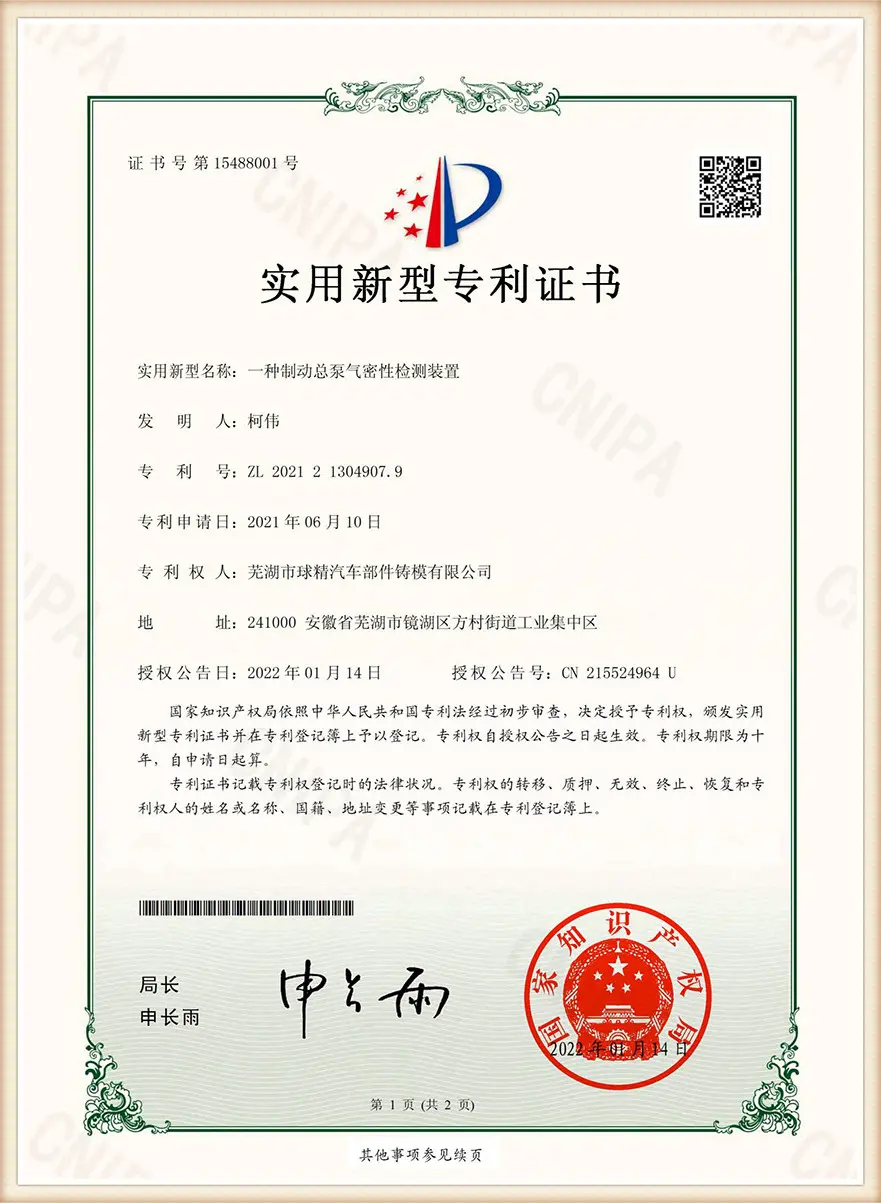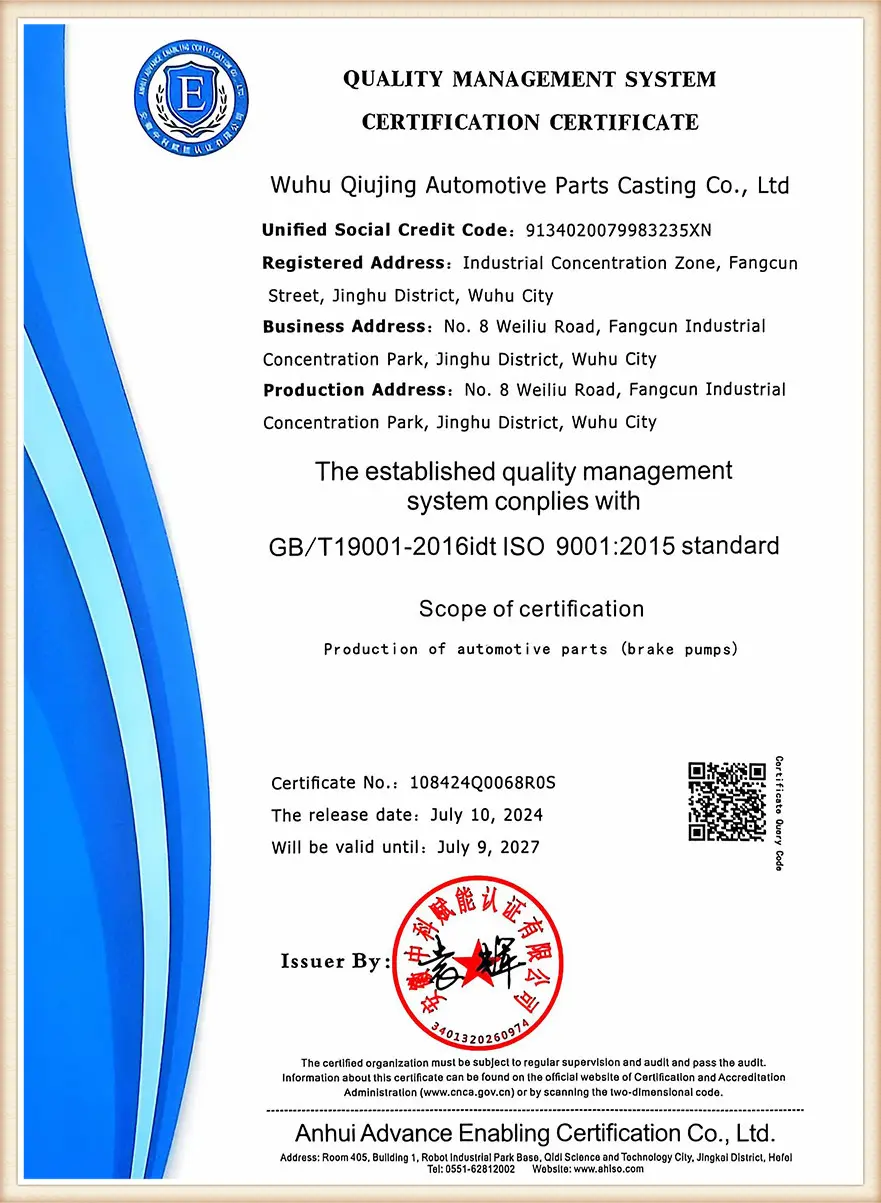



Whitepaper: Engineering Standardizations for Automotive Hydraulic Braking Systems
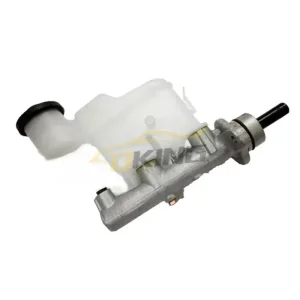
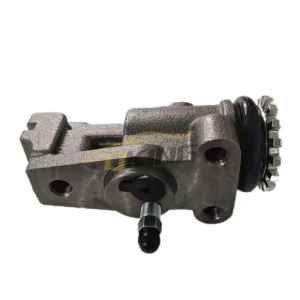
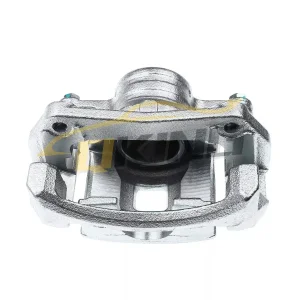
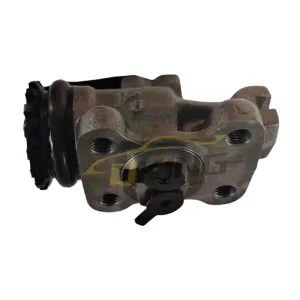
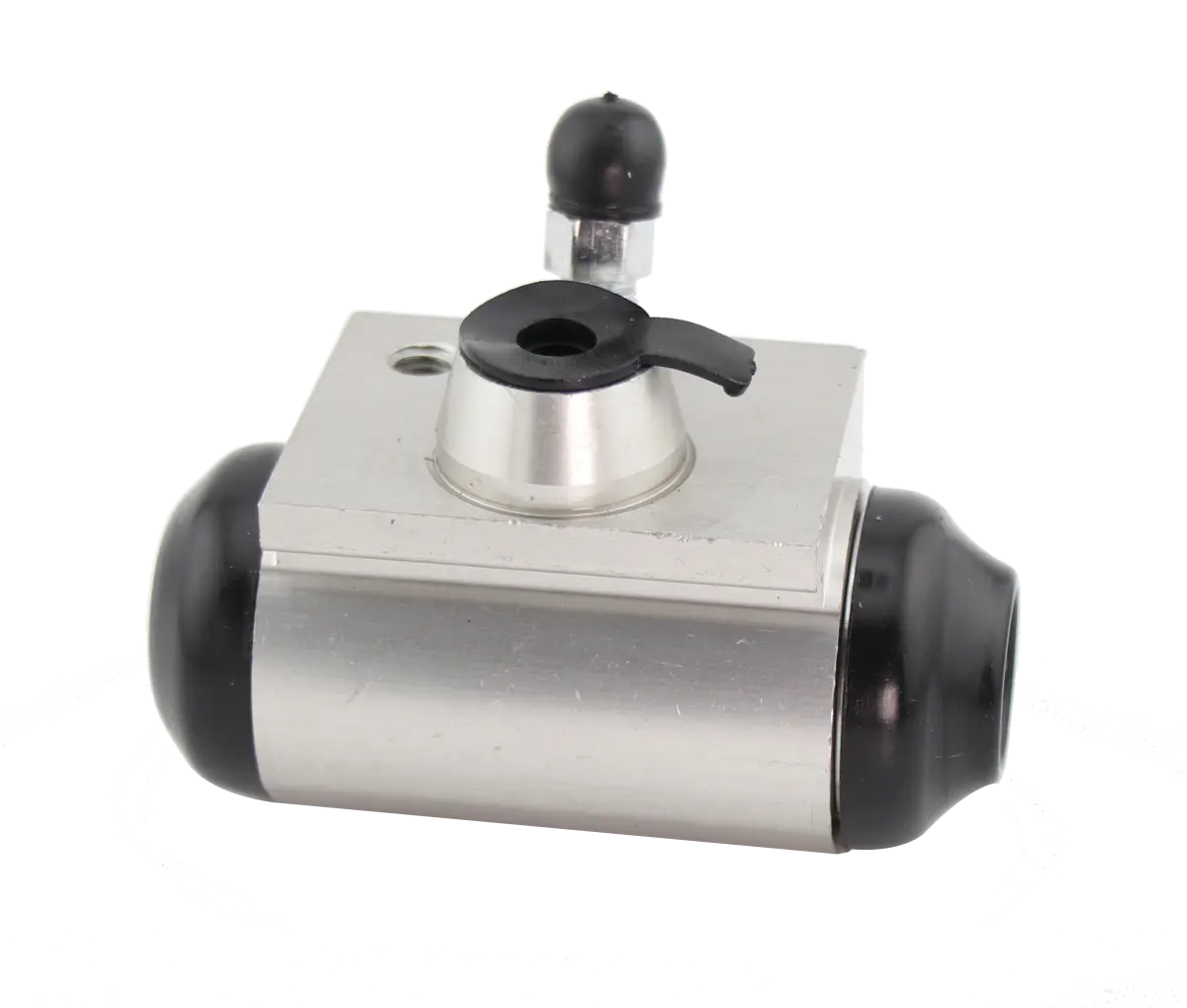
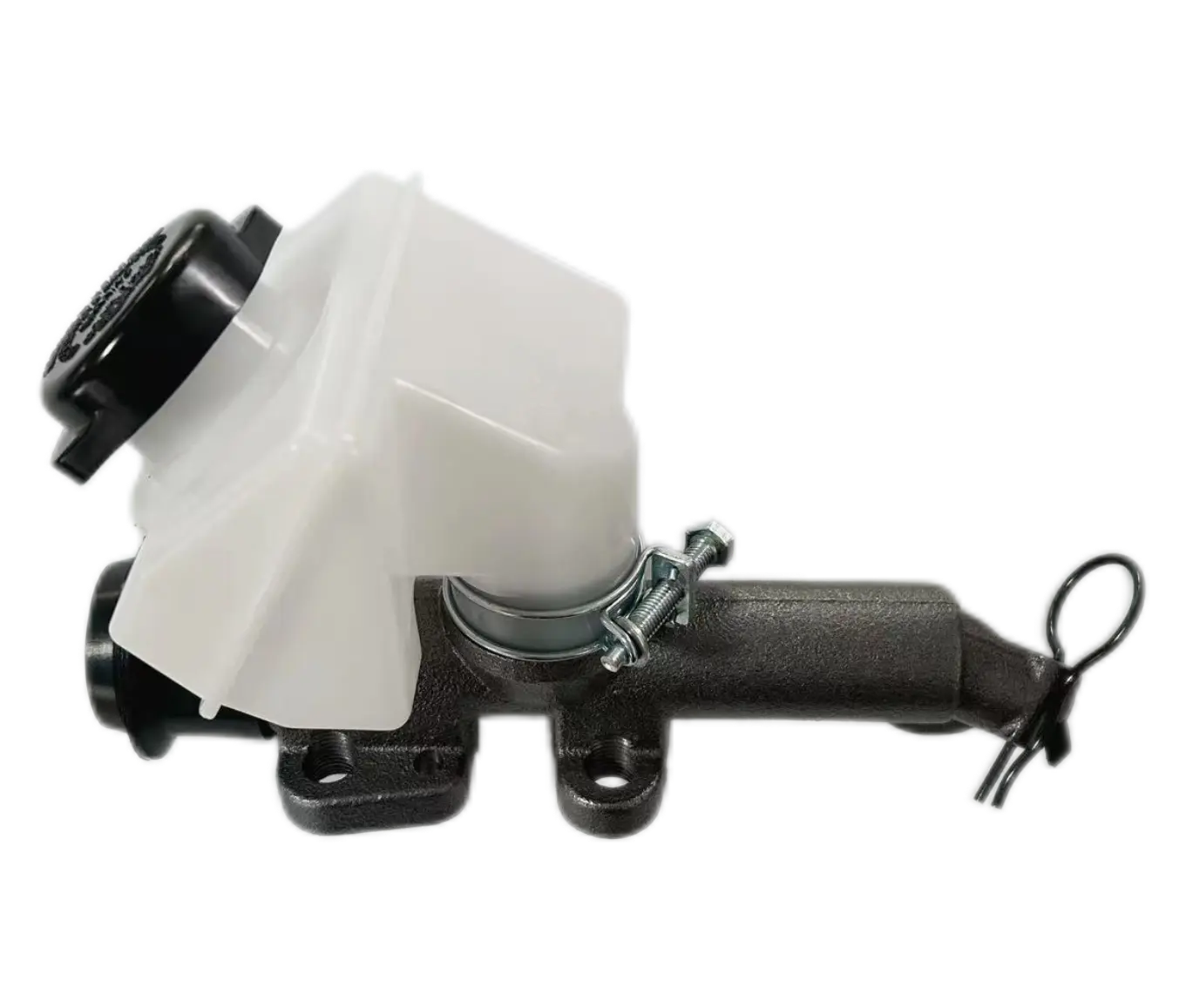
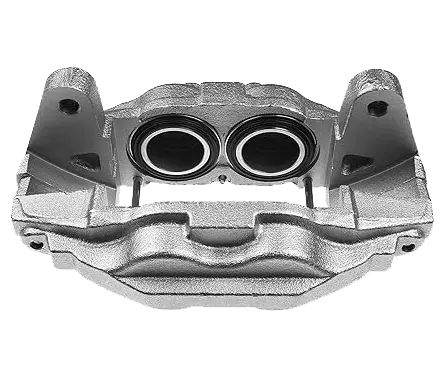
Modern commercial and passenger vehicles operate under extreme mechanical stresses. The reliability of hydraulic actuators (such as brake master cylinders, wheel cylinders, and load-sensing proportioning valves) directly dictates the performance envelope of safety-critical systems. This whitepaper analyzes the metallurgical selections, dynamic seal profiles, and structural safety margins crucial for procurement teams looking to secure OEM-grade brake suppliers.
1. Material Science and Surface Treatment Innovations
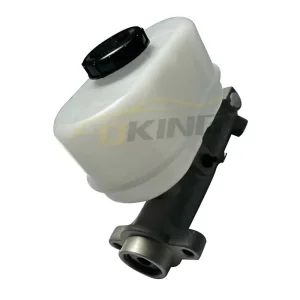
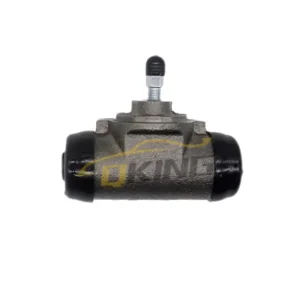
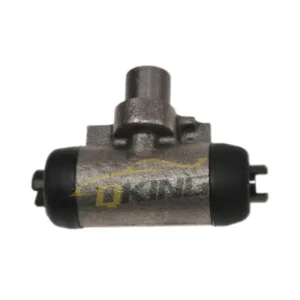
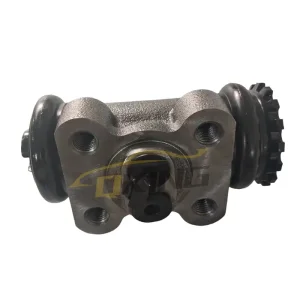
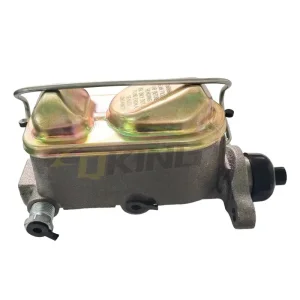
In safety-critical hydraulic systems, body distortion or wall degradation is unacceptable. The industry utilizes two dominant base alloys: high-strength grey cast iron (such as HT250) and lightweight aluminum alloys (such as 6061-T6 or ADC12).
- Grey Cast Iron: Ideal for heavy-duty commercial applications (e.g., Isuzu ELF and Toyota Hilux series) due to its high compressive strength, thermal dissipation capacity, and excellent wear resistance.
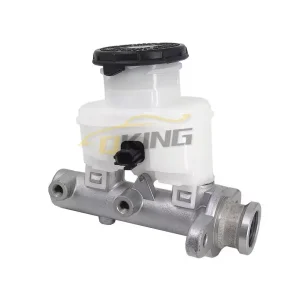
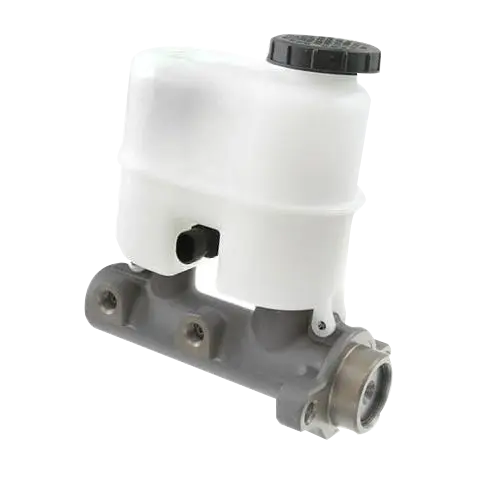
- Aluminum Alloys: Adopted in passenger platforms (e.g., Nissan Versa, Mazda 2) to reduce unsprung weight, helping vehicles meet stringent carbon emission standards while maintaining high corrosion resistance.
To resist the corrosive properties of glycol-based brake fluids (DOT 3, DOT 4, and DOT 5.1), internal bores must undergo specialized surface treatments. Our manufacturing facilities employ anodizing processes for aluminum bodies and micro-precision polishing for cast iron bores. This controls surface roughness (Ra < 0.4 μm), minimizing friction coefficient and reducing the risk of micro-tearing in rubber seals during emergency stops.
Slight imperfections in bore finishing can lead to seal degradation and micro-leakage. High-end OEM suppliers must specify an inner cylinder surface roughness of Ra 0.2 to 0.4 μm. Any roughness greater than Ra 0.8 μm accelerates seal wear, leading to pressure drop within fewer than 100,000 cycles.
2. Dynamic Seal Optimization and Glycol Resistance
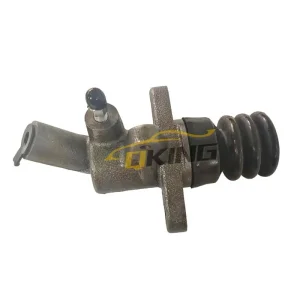
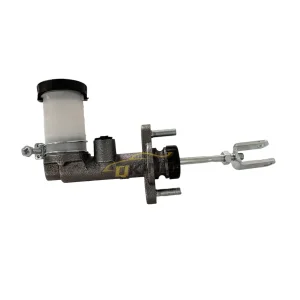
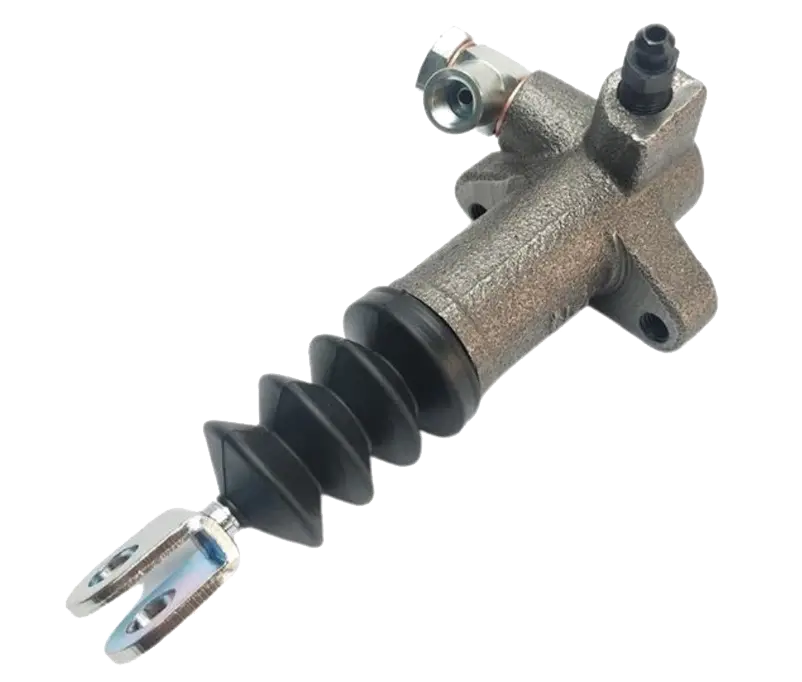
At the center of every hydraulic brake master cylinder or clutch slave cylinder is the elastomer cup. Standard aftermarket cylinders often fail due to premature seal hardening or swelling caused by low-grade rubber compounds. Wuhu Qiujing utilizes Ethylene Propylene Diene Monomer (EPDM) compounds sourced from premium global suppliers.
These seals are formulated to resist swelling when exposed to glycol-based fluids across temperatures ranging from -40°C to +120°C. Piston return springs are fabricated from high-tensile spring steel (such as 65Mn or music wire), ensuring consistent retraction speeds to prevent drag on brake calipers.
3. Load-Sensing Proportioning Valves (LSPV) and Force Distribution
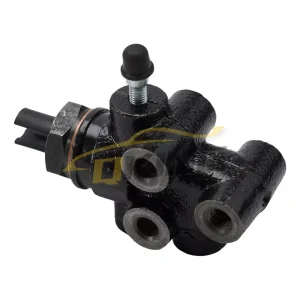
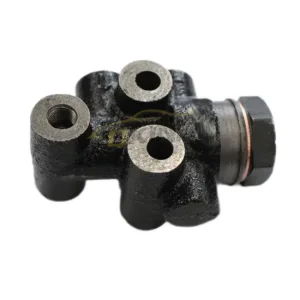
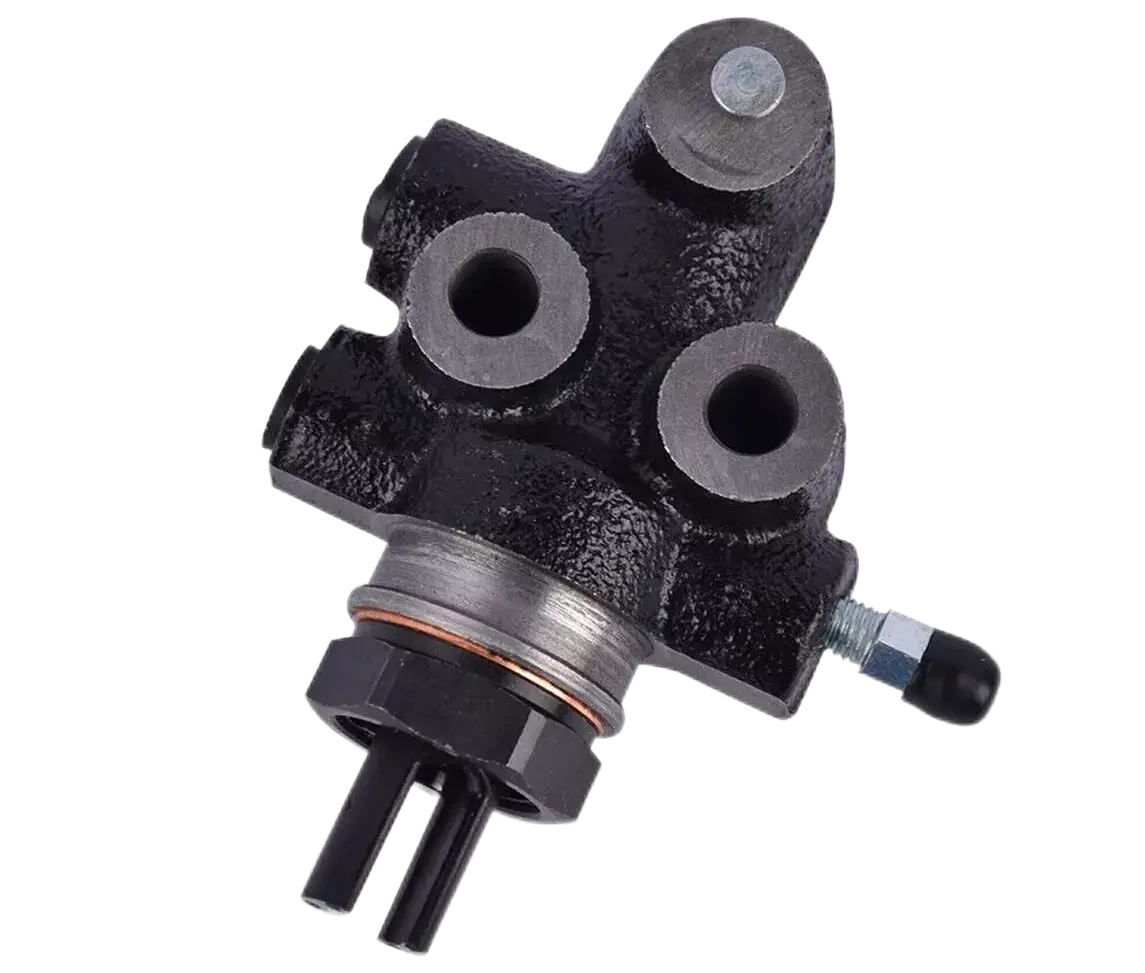
For pickup trucks and utility vehicles like the Toyota Hilux Kun25 or Mazda B-Series, load variance significantly alters the rear-axle traction limits. When the vehicle is empty, excessive rear hydraulic pressure can lock the rear wheels, leading to dangerous spin-outs. The Load-Sensing Proportioning Valve (such as OEM 47910-0K020 or 47910-27110) dynamically regulates pressure distribution.
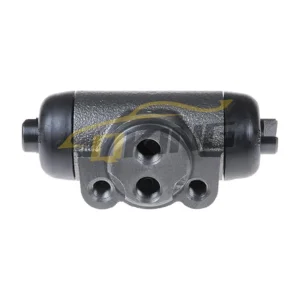
As the rear payload increases, the suspension spring compresses, shifting the valve lever to allow higher fluid volume and pressure to reach the rear wheel cylinders. Machining these valves requires tight tolerances. Wuhu Qiujing uses precision-honed spool assemblies to ensure exact calibration curves match the target vehicle's dynamics.
4. Supply Chain Risk Management & Localization Support
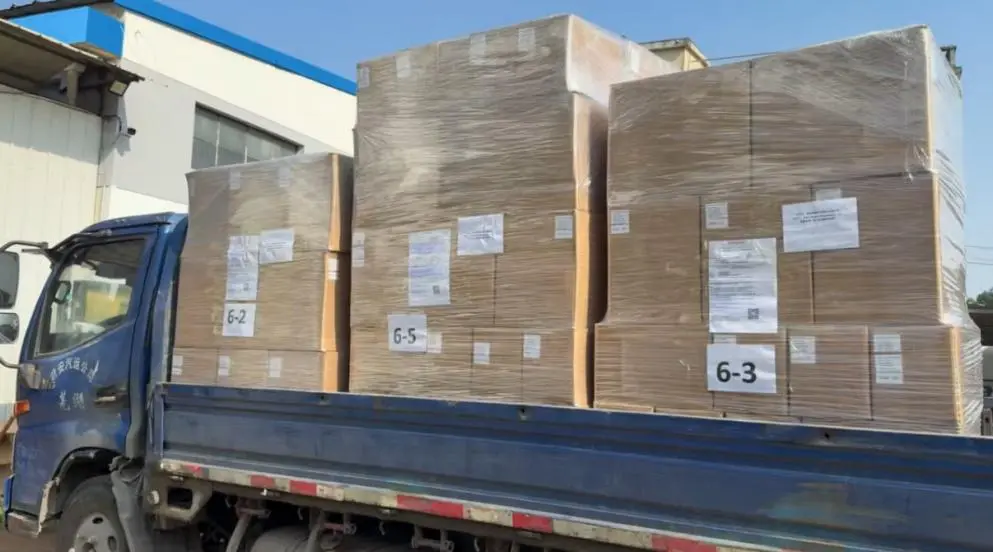
Global Tier-1 procurement managers face substantial supply chain risks, including shipping disruptions, sudden tariff changes, and volatile raw material costs. Wuhu Qiujing minimizes these risks through local warehousing partnerships, flexible production scheduling, and structured raw material stockpiles.
Our engineering division supports rapid prototyping. By utilizing 3D scanning and optical measuring systems, we can transition a physical OE sample or custom CAD layout into a production-ready casting tool within 45 days. This accelerates time-to-market for niche aftermarket distributors and specialty vehicle manufacturers.