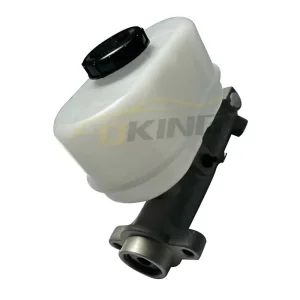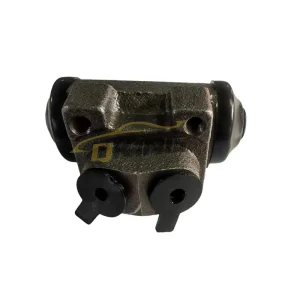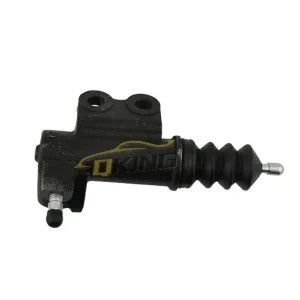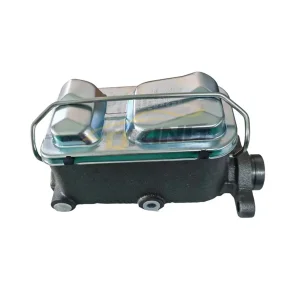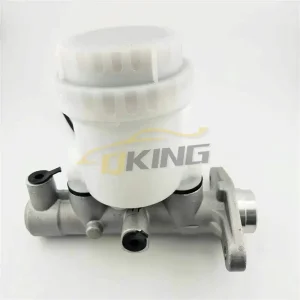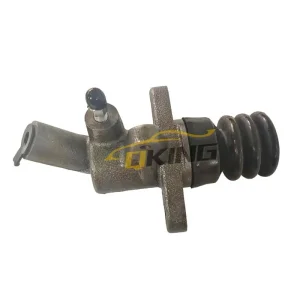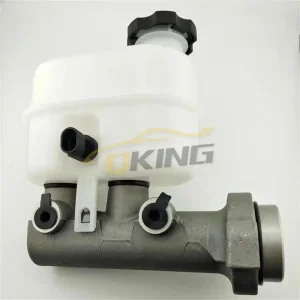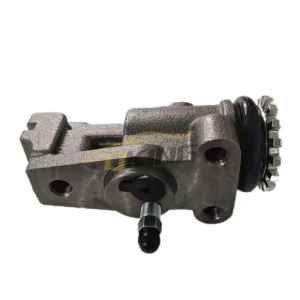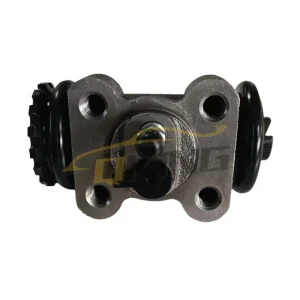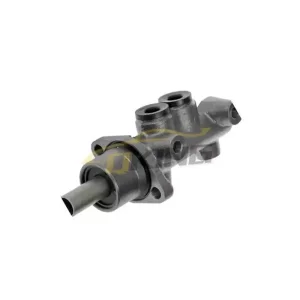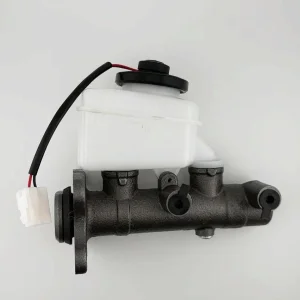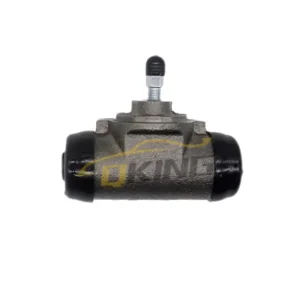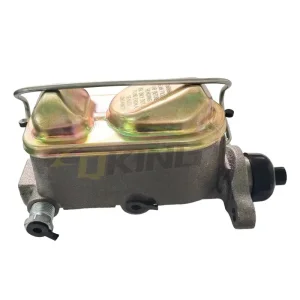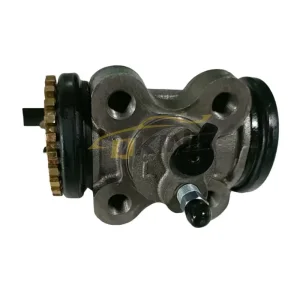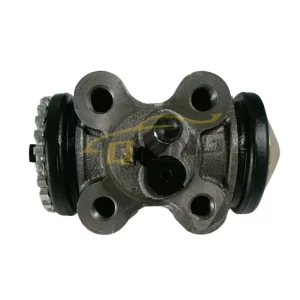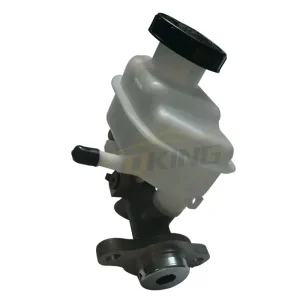
In modern automotive engineering, the hydraulic braking system remains the ultimate fail-safe mechanism, protecting lives under diverse operating envelopes. At the heart of this system lies the Brake Master Cylinder, a highly critical component designed to translate mechanical pedal force into precise hydraulic pressure. For global procurement directors, Tier-1 automotive integrators, and independent aftermarket distributors, selecting a reliable OEM brake master cylinder manufacturer requires balancing rigorous technical performance with optimized unit pricing. This document provides an in-depth engineering and commercial analysis of the global master cylinder landscape, examining the direct correlation between manufacturing variables, testing protocols, and pricing metrics.
A master cylinder must endure hundreds of thousands of pressure cycles under thermal extremes ranging from -40°C to over 120°C. To ensure longevity without hydraulic leakage or pressure fade, materials selection is paramount:
Micro-grooves inside the cylinder bore retain microscopic amounts of brake fluid, lubricating the seals during travel. This prevents dry-friction damage to the EPDM cups, expanding the service life of the cylinder beyond standard warranty requirements.
Procurement professionals often seek clarification regarding the dispersion of *OEM brake master brake prices*. These price variances are not arbitrary but directly correspond to engineering configurations and raw material grades:
| Component Category | Material Base | Testing Standard | Pricing Tier (Index) |
|---|---|---|---|
| Standard Aftermarket Replacements | Recycled Aluminum / Standard EPDM | Basic Pressure Cycling (300k Cycles) | Baseline (Economy) |
| OEM Class Commercial Grade | Premium Virgin Cast Iron / High-spec EPDM | IATF 16949 Compliant (1M Cycles) | Mid-to-High (Value Optimized) |
| Tandem Cylinder w/ Integrated Sensor | High-tensile Anodized Aluminum / Fluorosilicone | Acoustic Test & Electronic Calibration | Premium (Specialized Sourcing) |
Key drivers of unit pricing include casting yields, the quality of sealing components, the integration of reservoir systems, and the implementation of automated testing like 100% helium leak detection. By sourcing directly from verified factories with established production processes, buyers can optimize procurement costs without compromising safety integrity.
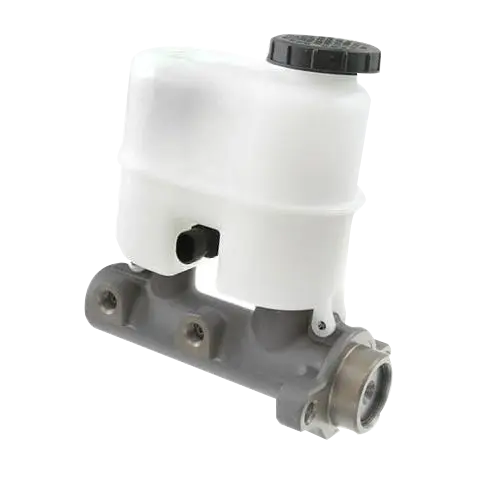
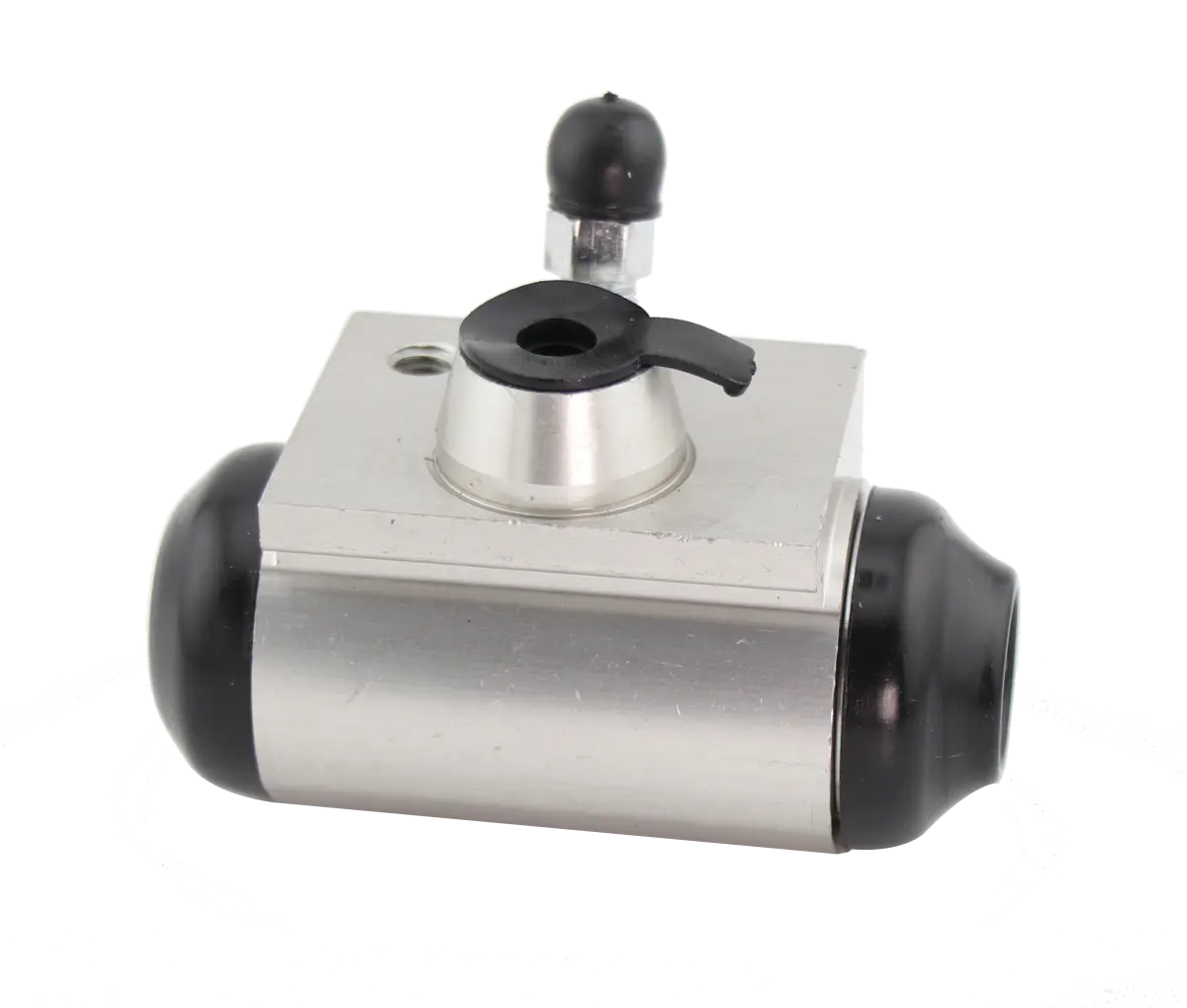
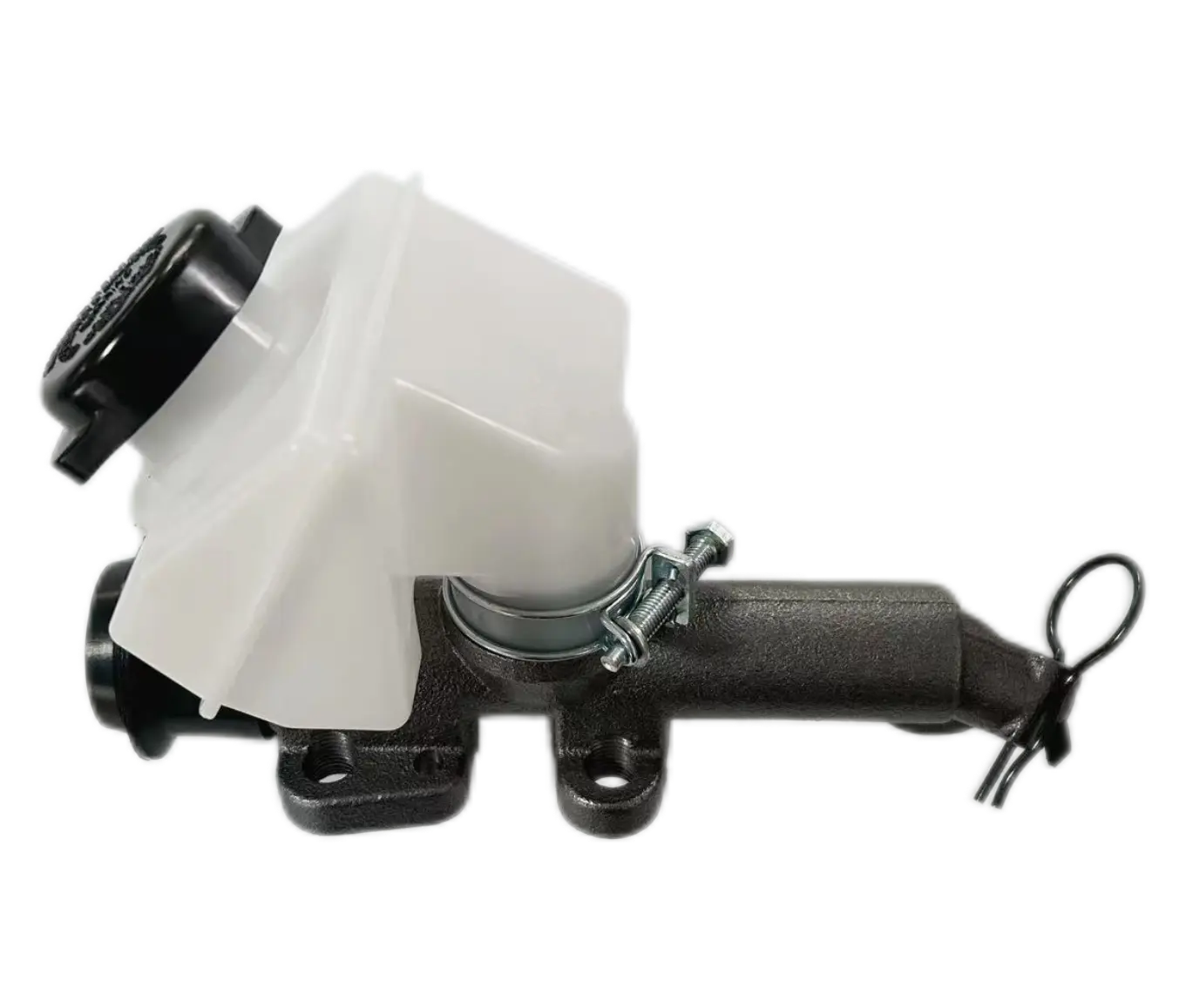
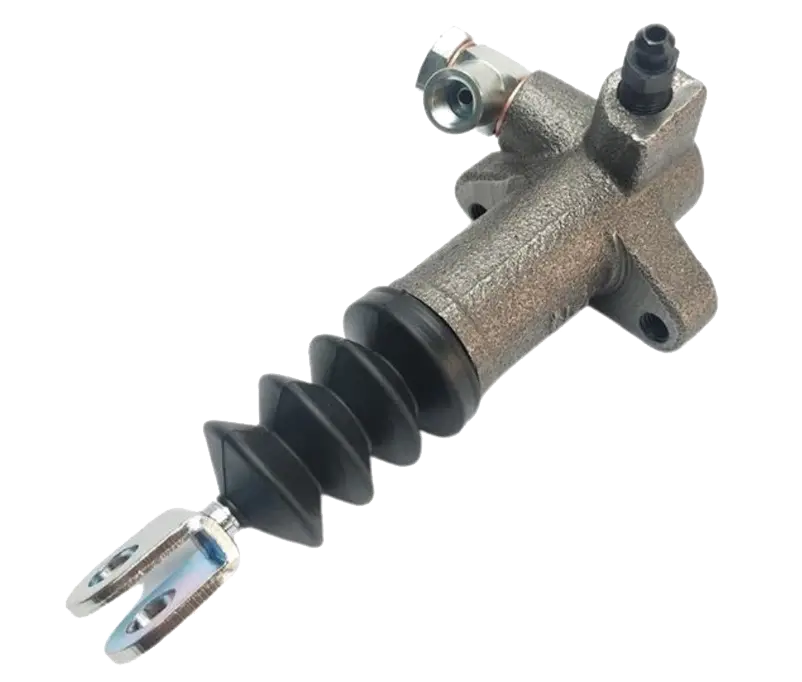
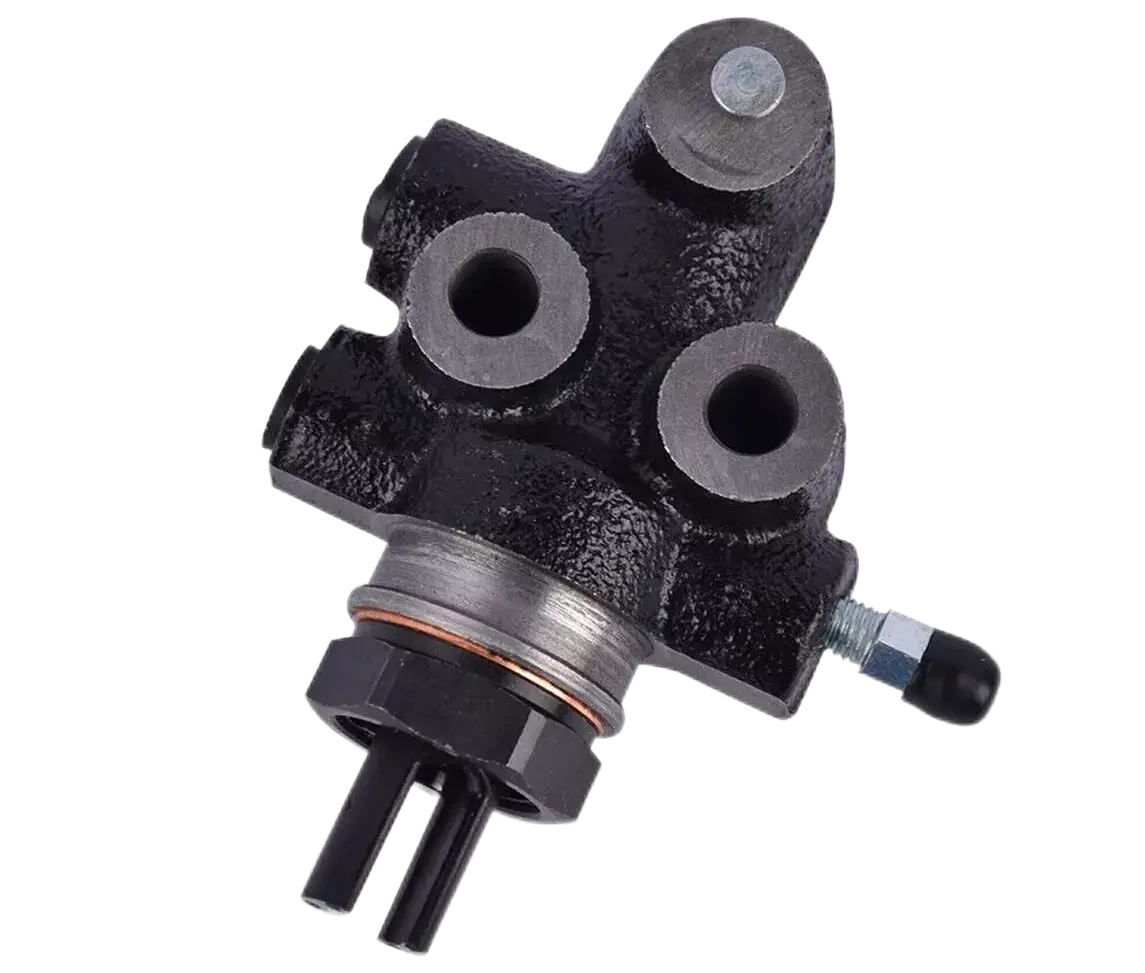
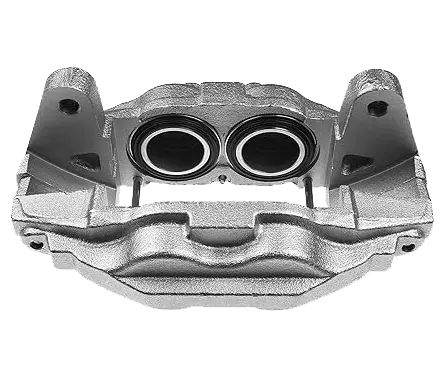
For over two decades, our engineering team has been dedicated to manufacturing high-precision hydraulic braking components. Since our founder began focusing on automotive brake systems in 1996, we have continuously advanced our core technology to meet the performance and safety requirements of global markets.
Operating from a certified facility equipped with automated machining centers and strict testing systems, we supply a comprehensive range of master cylinders, wheel cylinders, clutch master cylinders, and proportioning valves to global markets.
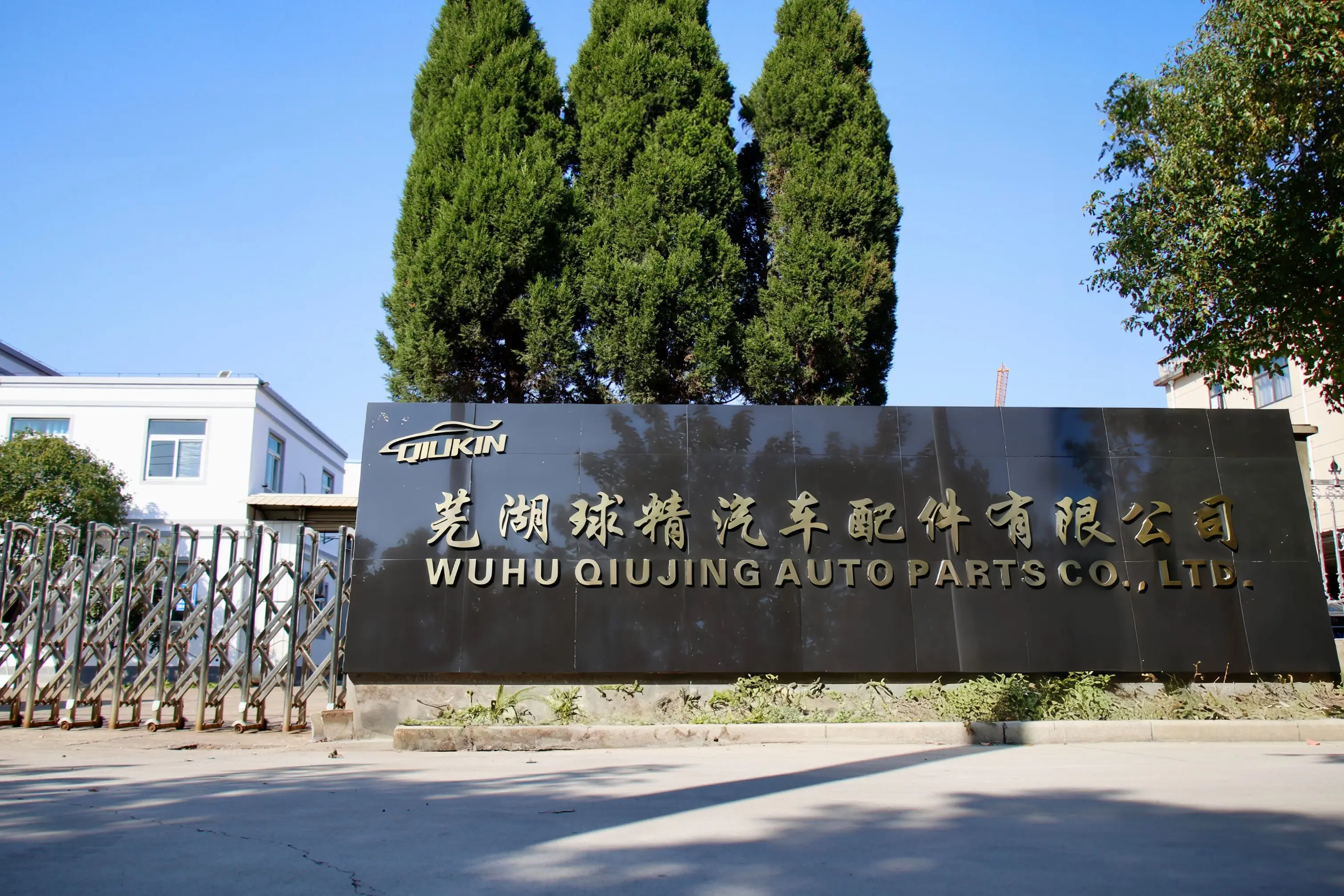
Safety First Principle
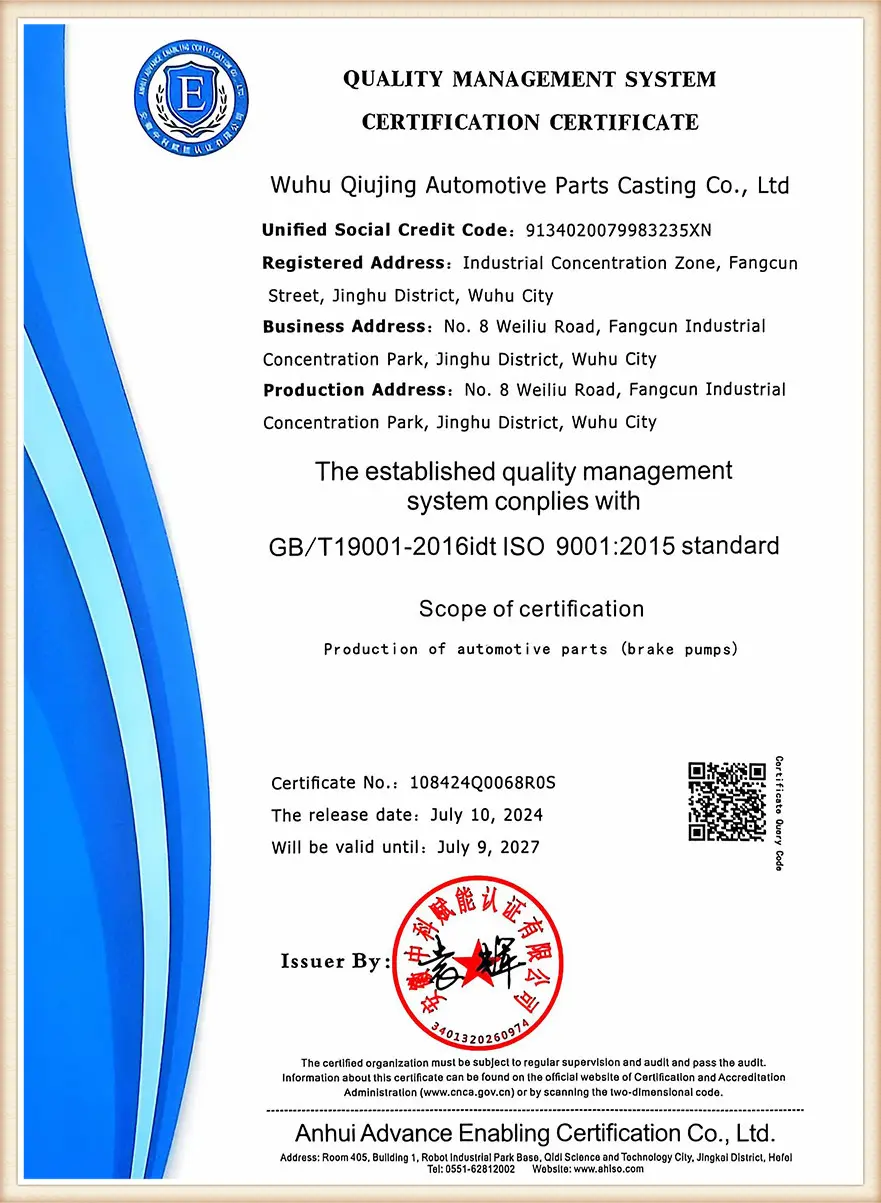
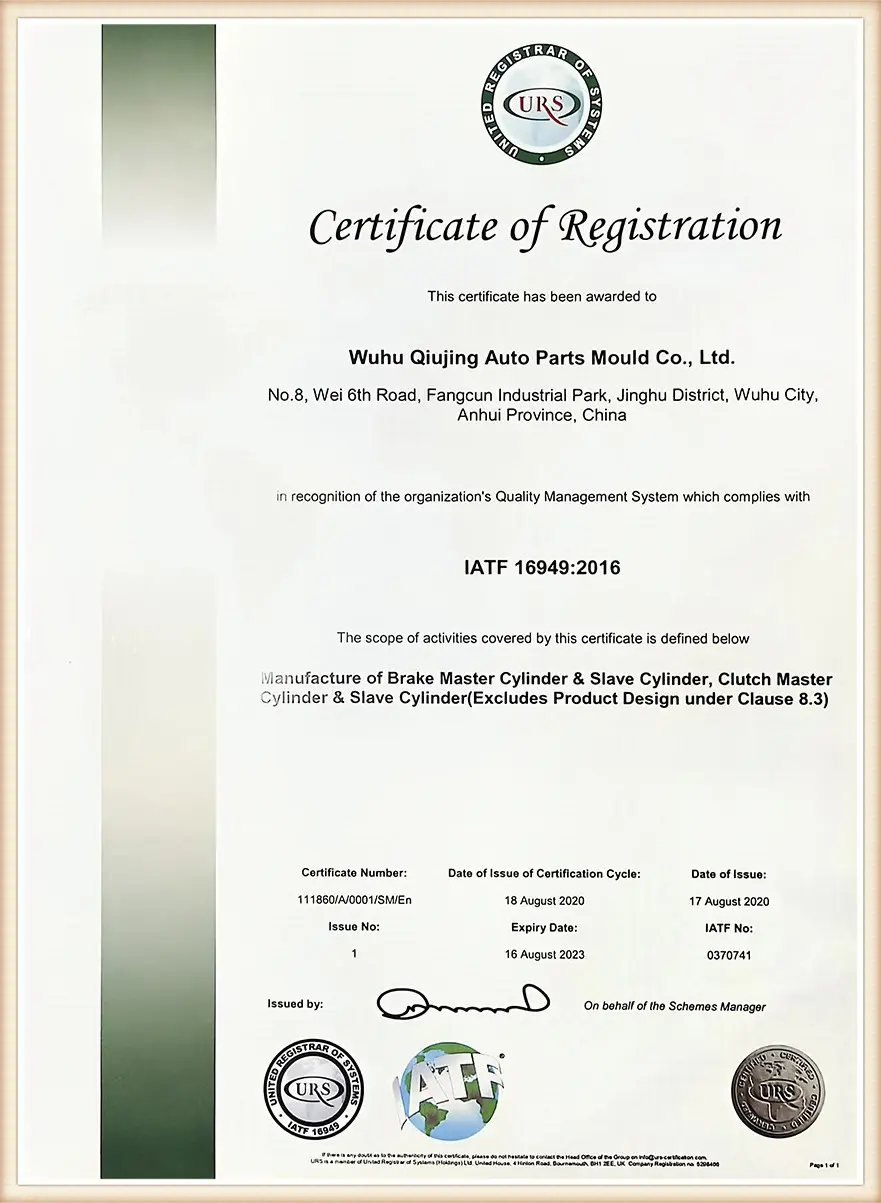
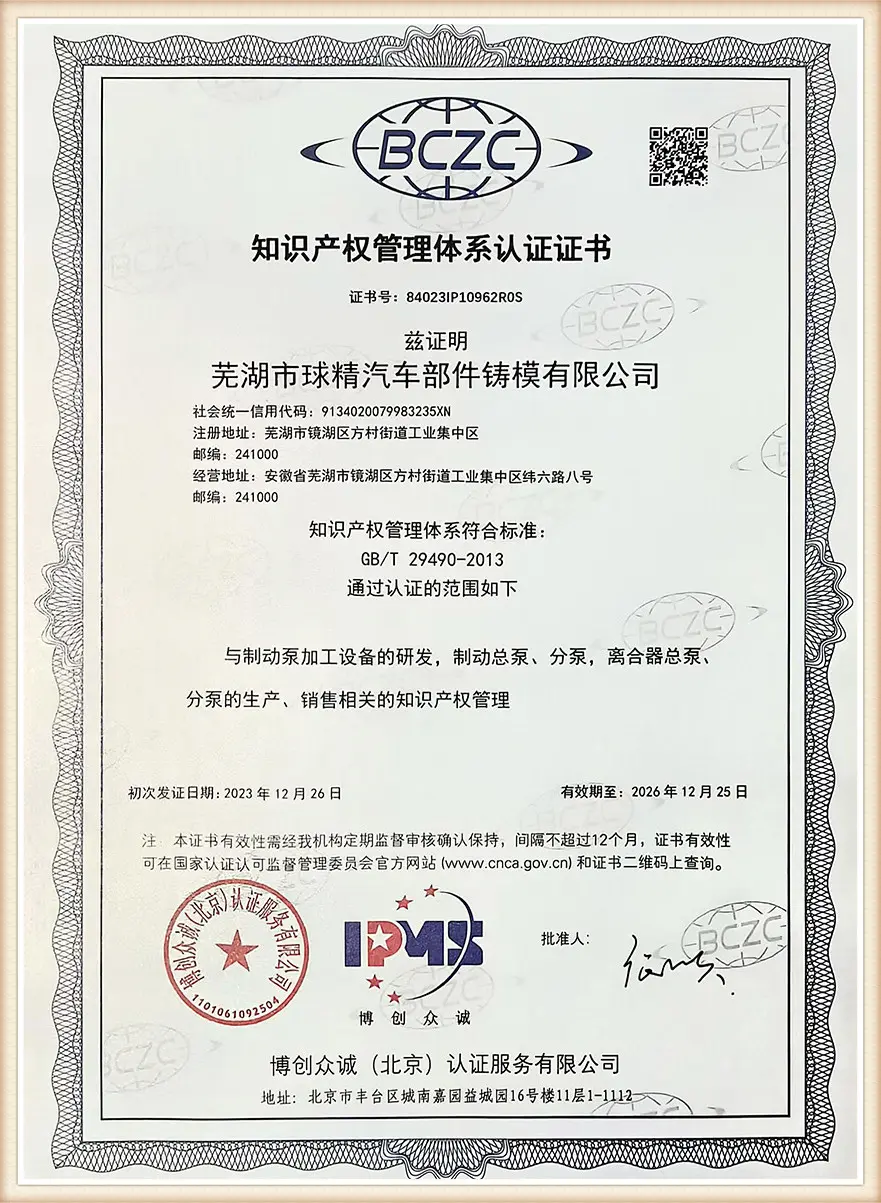
IATF 16949 & ISO 9001 Certified
In the wake of supply chain bottlenecks and rising logistical variables, international procurement divisions are transitioning to structured sourcing models. High-volume buyers prioritize partners capable of providing flexible scheduling, stable material costs, and end-to-end trace documentation. Developing a long-term supply agreement with an established manufacturer offers significant operational advantages:
The automotive industry's pivot toward electric drivetrains and autonomous capability is reshaping braking hardware. While traditional hydraulic architectures continue to form the foundation of global vehicle fleets, new designs are adapting to integration with modern safety systems:
Modern master cylinders are engineered with integrated stroke sensors to communicate fluid displacement directly to electronic stability control (ESC) units. This hybrid architecture ensures that mechanical brake backup systems remain active if the vehicle's electronic power-assist fails.
As brake-by-wire designs become more common, manufacturers are refining production tolerances and testing protocols. Dynamic pressure chambers must withstand rapid pressure ramps generated by active braking modulators, requiring high integrity from all internal seals and machined surfaces.
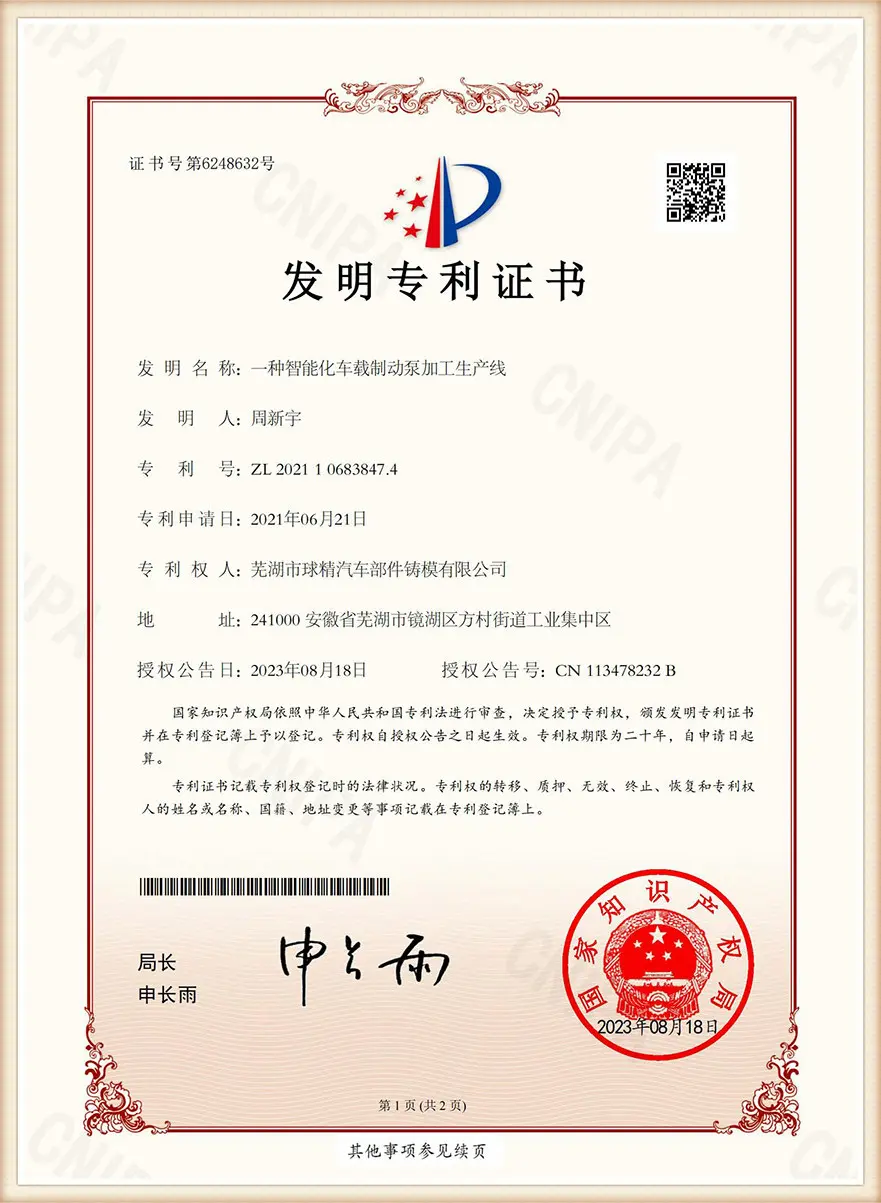
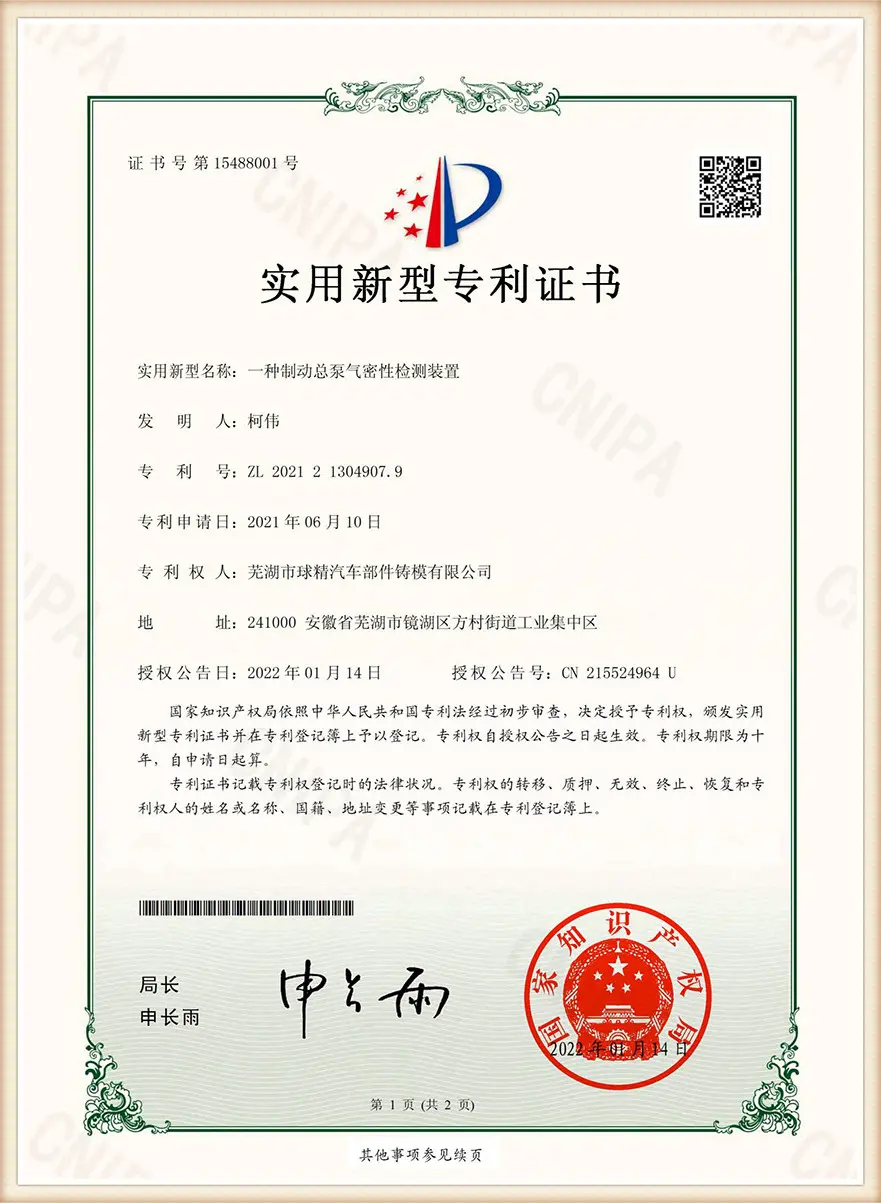
Our manufacturing systems and materials verification procedures comply with major international quality and management standards.
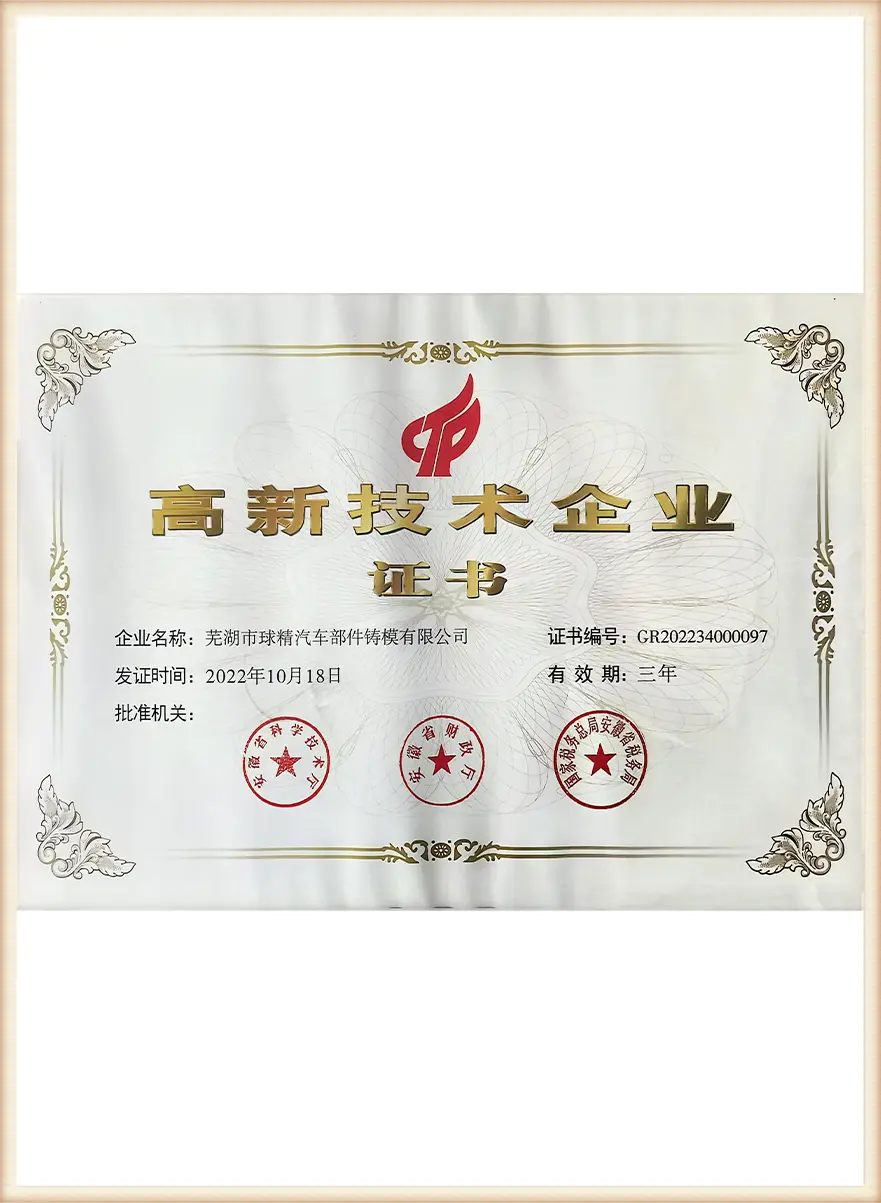
Providing updates on company schedules to coordinate international shipping arrangements and minimize lead times during local holidays.
Read More
Our manufacturing lines are fully active following scheduled closures, restoring standard capacity for domestic and export orders.
Read More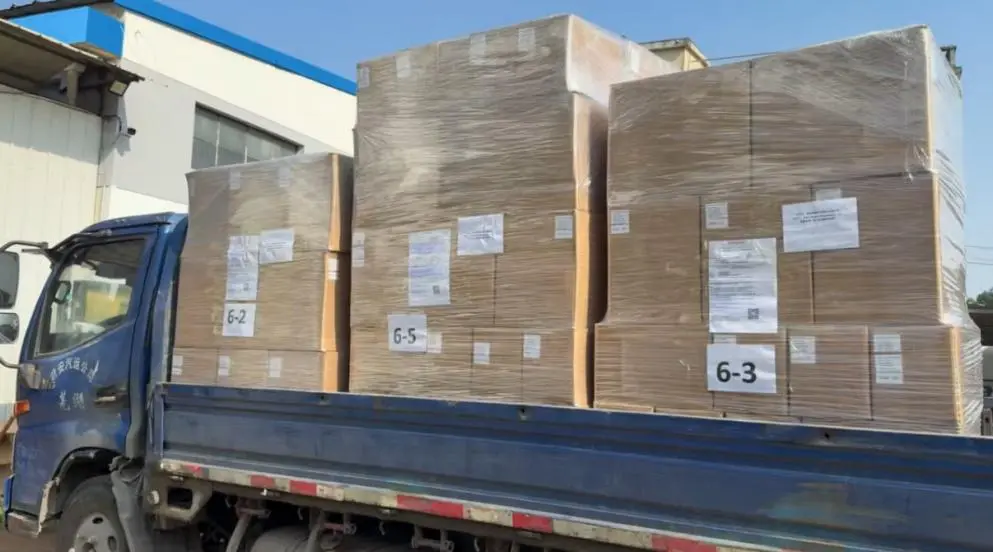
Wuhu Qiujing has completed critical year-end shipments, meeting delivery commitments for our global distribution partners.
Read More
Submit your specifications, OEM reference numbers, and volume requirements. Our engineering team will review the details and provide a formal price proposal.