Direct from Wuhu Qiujing Auto Parts Factory – ISO 9001:2015 & IATF 16949:2016 Certified Automotive Safety Systems
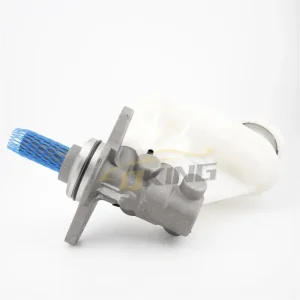
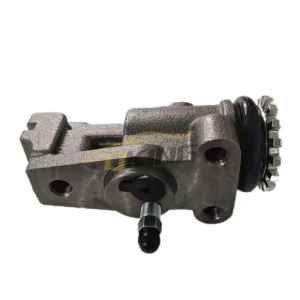
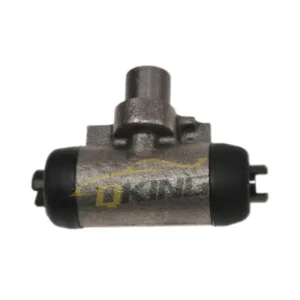
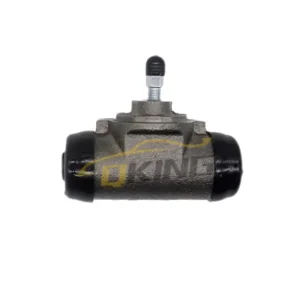
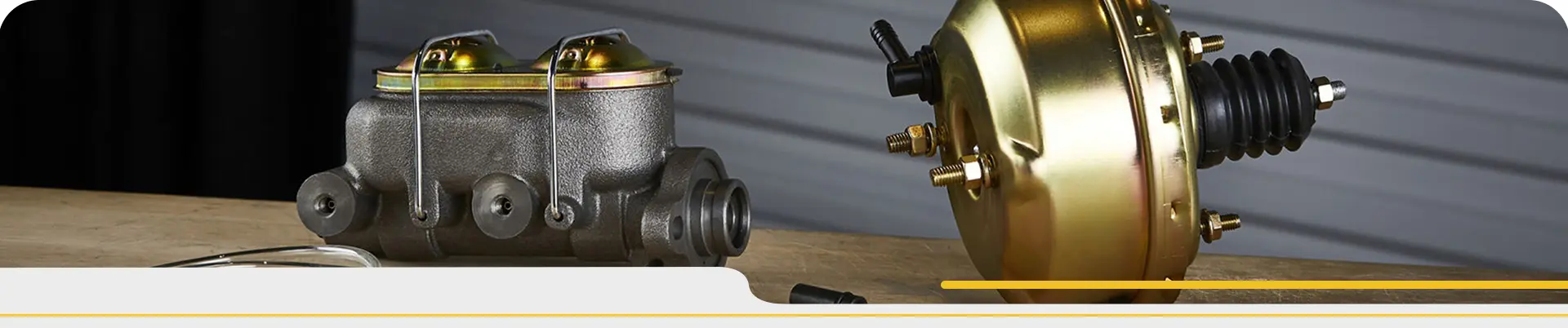
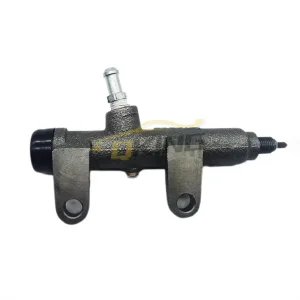
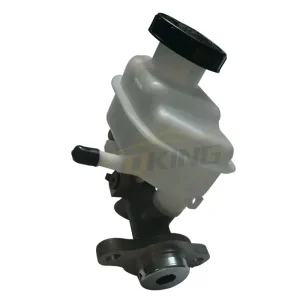
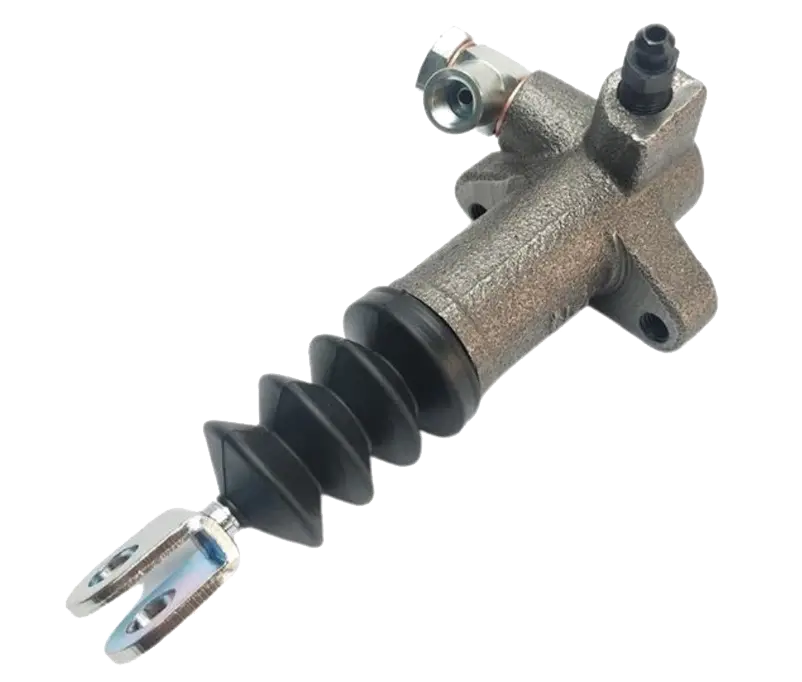
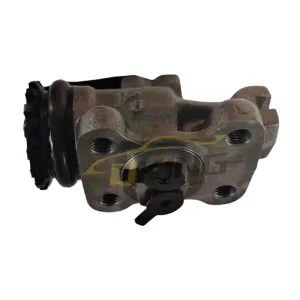
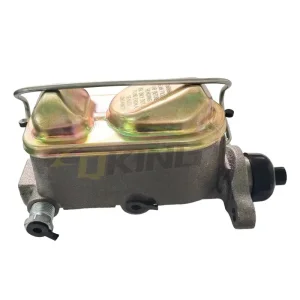
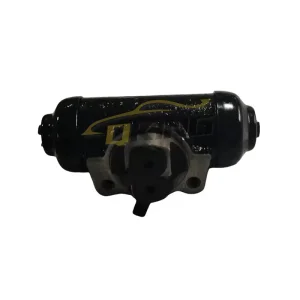
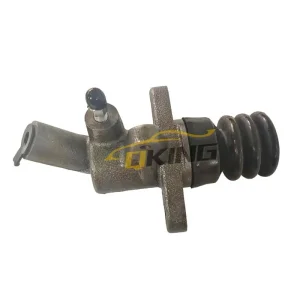
Automotive braking technology has undergone structural evolutions from mechanical systems to complex, high-pressure hydraulic net configurations. The hydraulic brake system remains the safety bedrock of modern passenger, light commercial (LCV), and heavy-duty vehicles worldwide. At its core, the conversion of driver pedal force into hydraulic line pressure requires component tolerances measured in microns. Key components such as the Brake Master Cylinder, Clutch Cylinders, and Wheel Cylinders operate under constant cyclic loading and extreme temperature variations.
Modern system designs utilize lightweight aluminum alloys instead of traditional cast iron to reduce vehicle curb weight and improve fuel efficiency. Aluminum cylinders require advanced anodizing treatment to yield hard, corrosion-resistant internal bore finishes, typically with a surface roughness (Ra) below 0.25 microns. This level of finish reduces piston seal wear, preventing internal fluid bypass and ensuring a responsive brake pedal feel over a service life exceeding 10 years.
Critical Safety Notice: According to ISO 9001 and IATF 16949 paradigms, a drop in hydraulic pressure of even 0.05 MPa during testing points to structural sealing micro-defects that could lead to complete system failure under emergency deceleration. This highlights the absolute necessity of sourcing from certified OEM manufacturing plants.
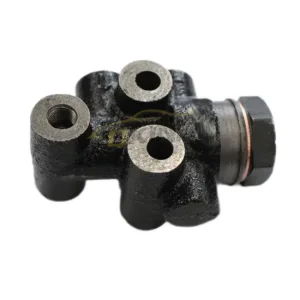
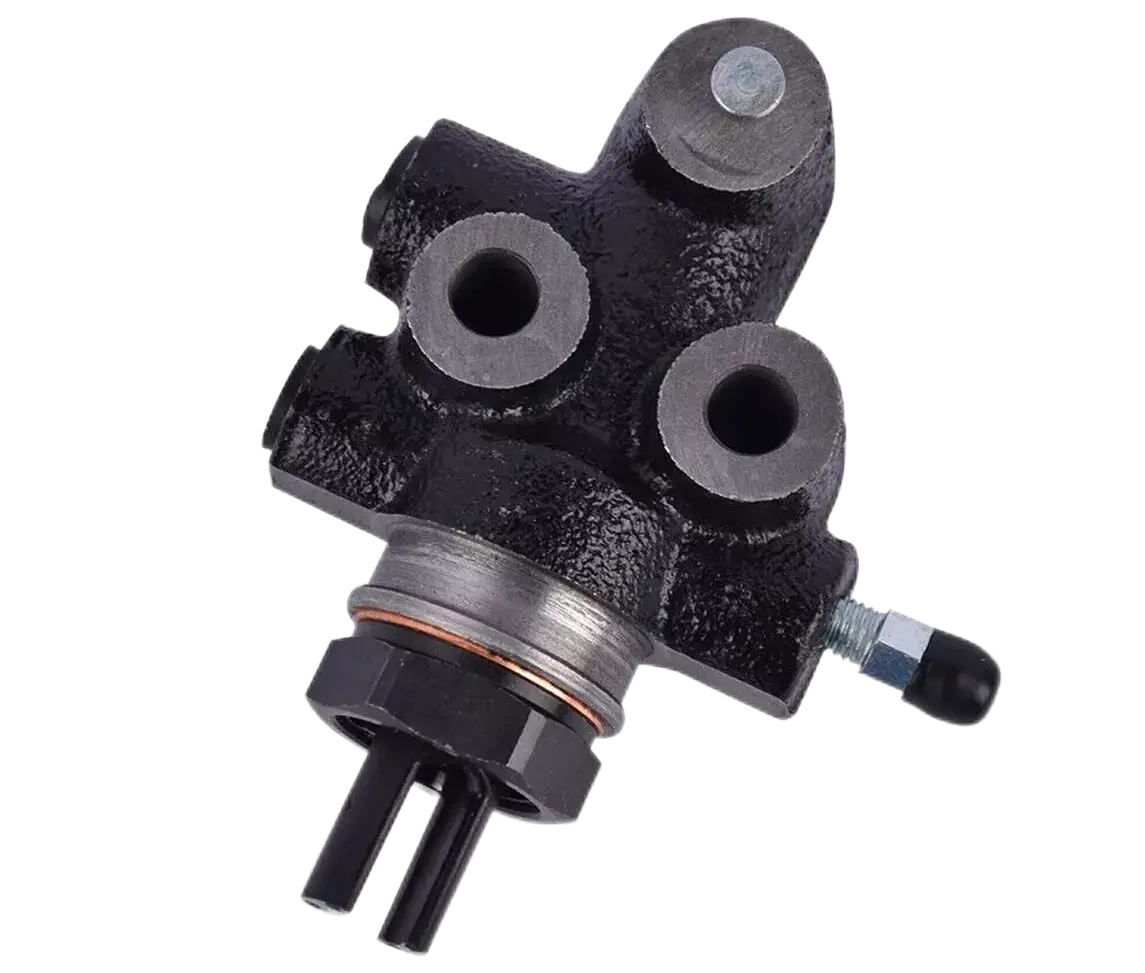
In parallel, the rise of Electric Vehicles (EVs) and Advanced Driver Assistance Systems (ADAS) is reshaping the hydraulic landscape. Regenerative braking systems require intelligent coordination between friction brakes and electric motors. This coordination places higher demands on Brake Proportioning Valves and master cylinder response rates. The integration of electronic brake boosters demands hydraulic components that can withstand rapid, automated pressure spikes without structural fatigue.
Brake components are highly regulated safety parts. Automotive procurement managers, global parts distributors, and Tier-1 integrators navigate complex international compliance structures, including Federal Motor Vehicle Safety Standards (FMVSS) in North America, UNECE regulations in Europe, and GB standards in China. A key bottleneck in the supply chain is obtaining competitive factory quotes without sacrificing regulatory compliance.
When assessing an OEM factory, global buyers prioritize the following:
To manage these risks, sourcing departments are shifting away from intermediaries. They prefer direct partnerships with integrated manufacturers like Wuhu Qiujing Auto Parts Co., Ltd., who control the manufacturing process from raw casting to final hydraulic bench testing.
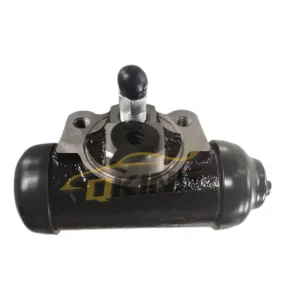
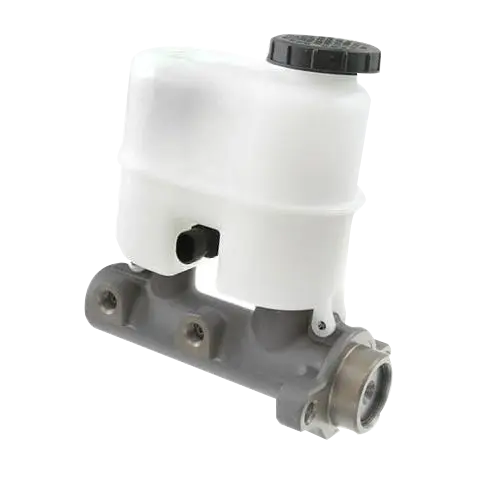
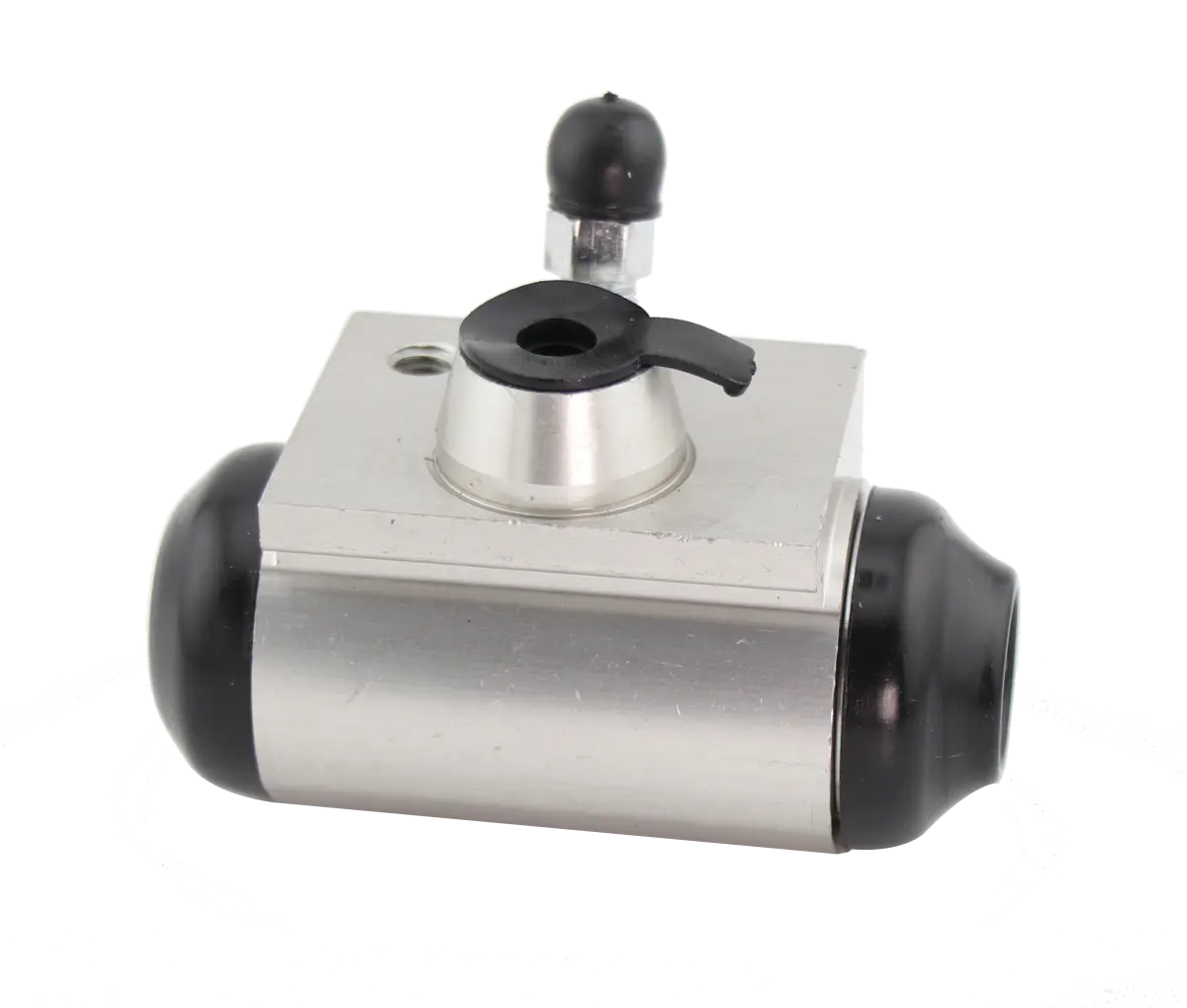
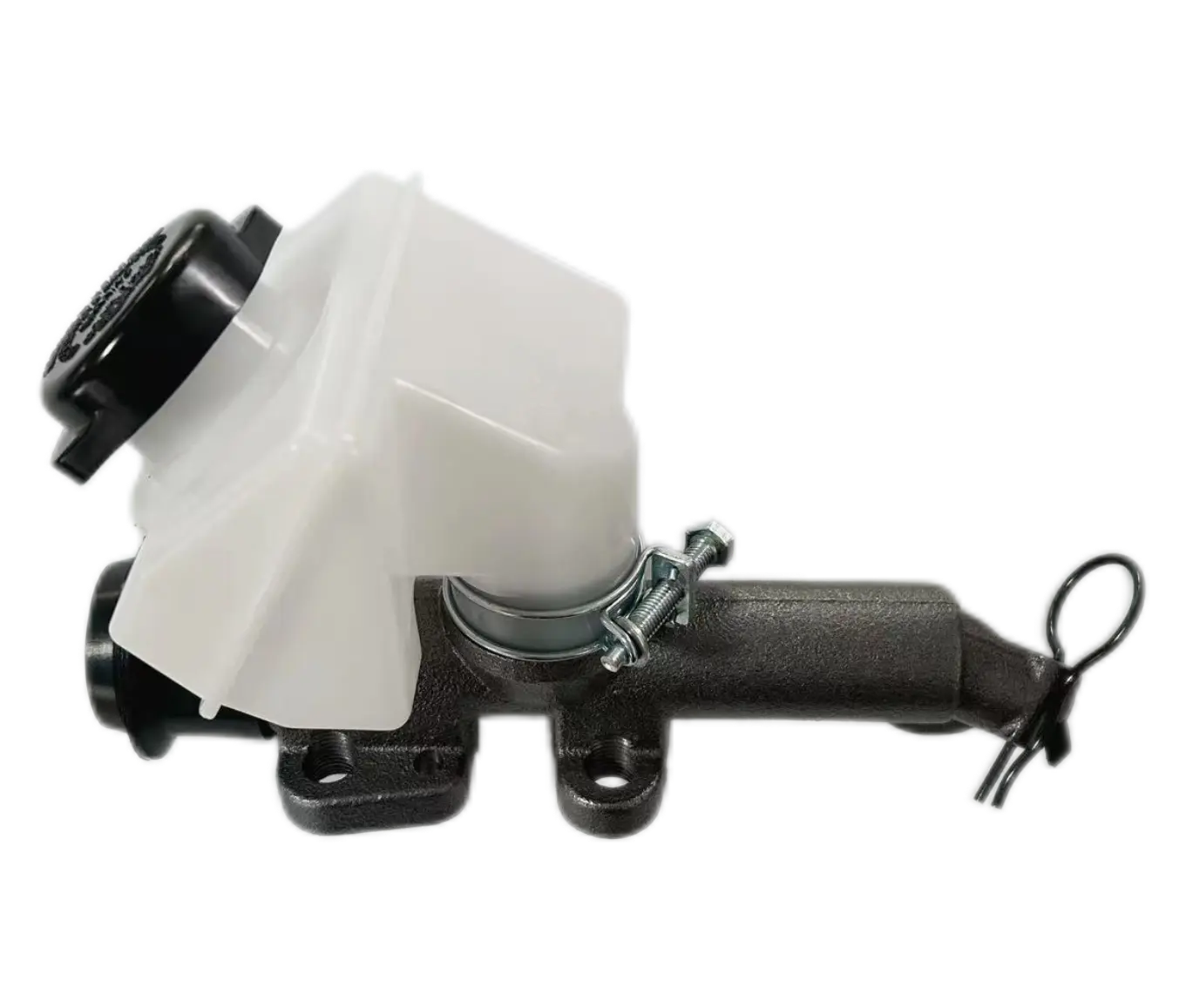
Explore our main component lines engineered to meet OEM specifications across passenger and commercial vehicle platforms.
China's automotive component sector has evolved from high-volume assembly lines to advanced, digitally integrated smart factories. This transformation, known as China Factory 4.0, focuses on supply chain resilience and structural quality control. In safety-critical sectors like hydraulic braking systems, maintaining consistency across large production volumes is essential.
Wuhu Qiujing Auto Parts Co., Ltd. demonstrates how localized industrial clusters in Anhui Province drive global cost and engineering efficiencies. By combining raw casting, multi-axis CNC machining, and automated anodizing in a single geographic hub, production risks are minimized. Key advantages of this integrated approach include:
We leverage mature industrial capabilities, direct factory structures, and rigorous testing protocols to deliver reliable performance.


Brake hydraulic systems operate in diverse environmental conditions worldwide. A cylinder that performs well in moderate climates may experience accelerated wear under extreme cold or high humidity. OEM-grade design must adapt to these localized application requirements:
1. Arctic and Extreme Cold Operations (e.g., Northern Europe, Canada): In temperatures below -30°C, standard elastomers can harden and lose flexibility, causing fluid leaks. Wuhu Qiujing uses specialized low-temperature EPDM rubber seals that maintain flexibility and pressure-holding capability down to -40°C.
2. High-Humidity and Coastal Environments (e.g., Southeast Asia): High humidity accelerates galvanic corrosion between aluminum pistons and cast-iron cylinder bodies. To prevent sticking, components undergo advanced chemical passivation and multi-layer plating, meeting salt spray test requirements of 240+ hours.
3. Heavy-Duty Urban Cycles (e.g., Logistics Fleets, Light Commercial Vehicles): Delivery vans, such as the Toyota Hiace, undergo frequent stop-and-go driving under high payloads. This causes elevated operating temperatures and frequent pressure spikes. Wuhu Qiujing designs these cylinders with deep bore polishing (Ra ≤ 0.2µm) and reinforced piston guides to prevent lateral wear from high-frequency use.
Our manufacturing facility meets international standards, ensuring compliance with global import and quality criteria.
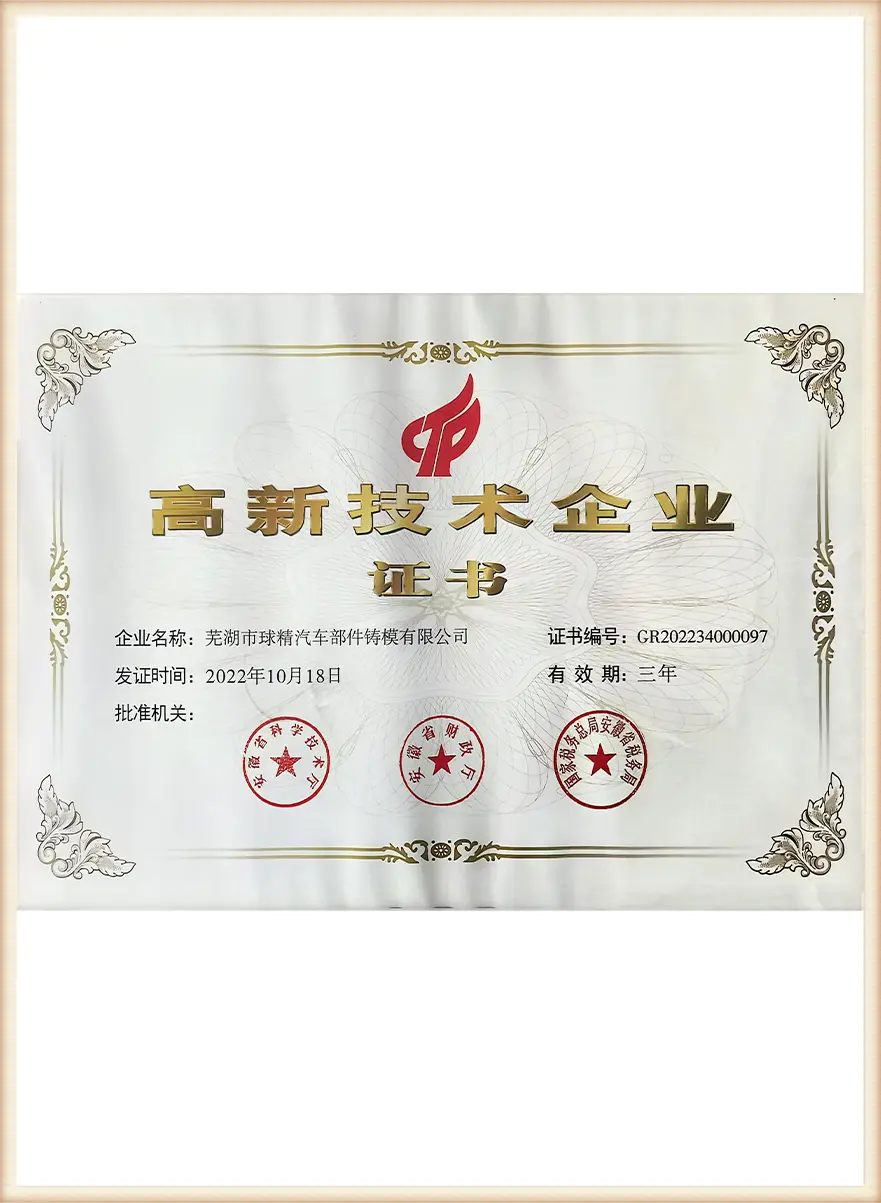
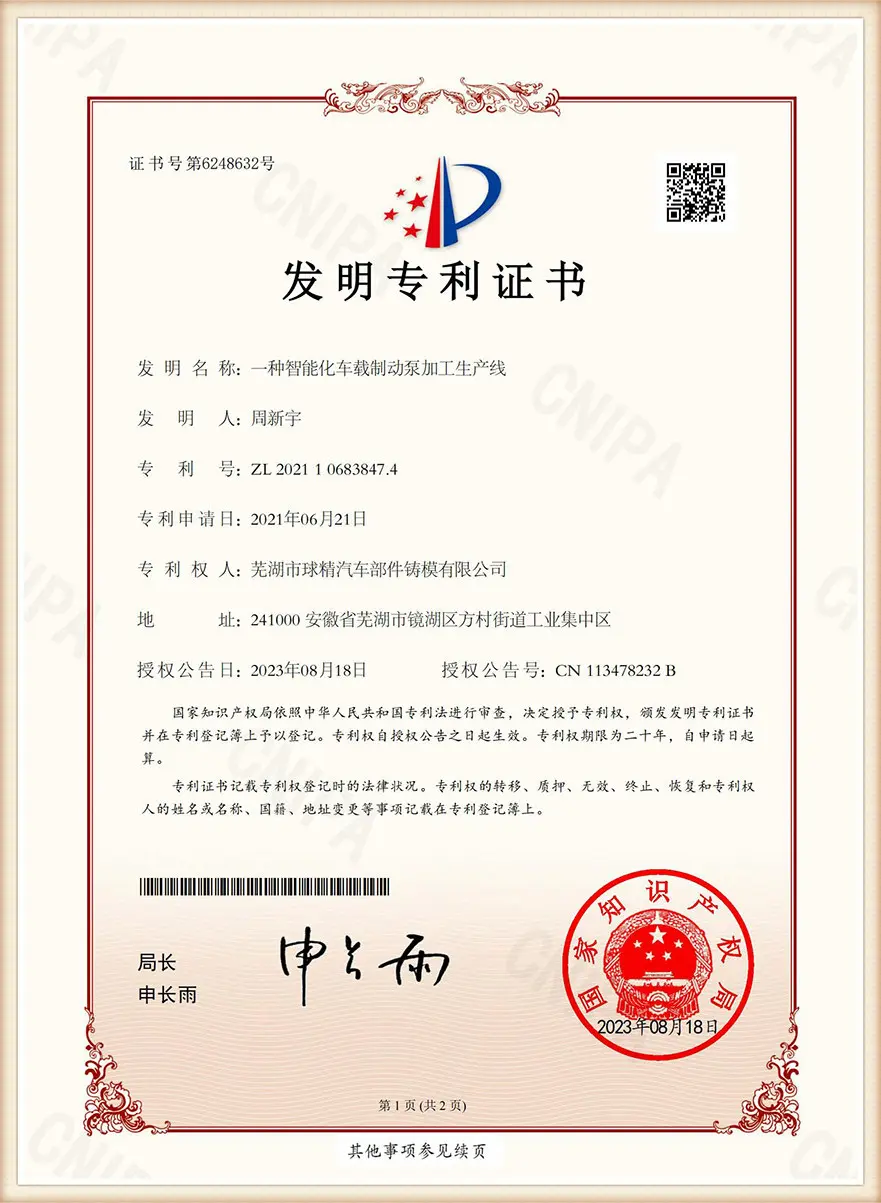
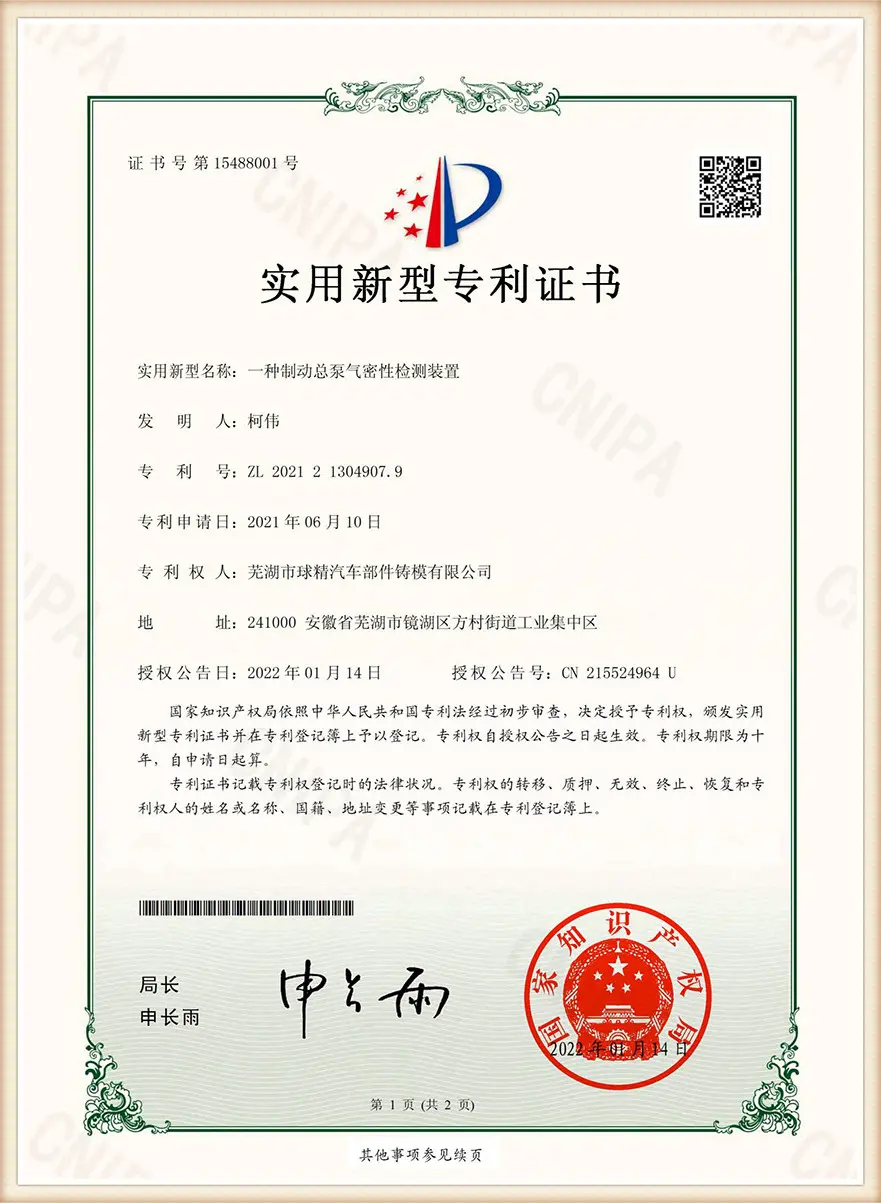
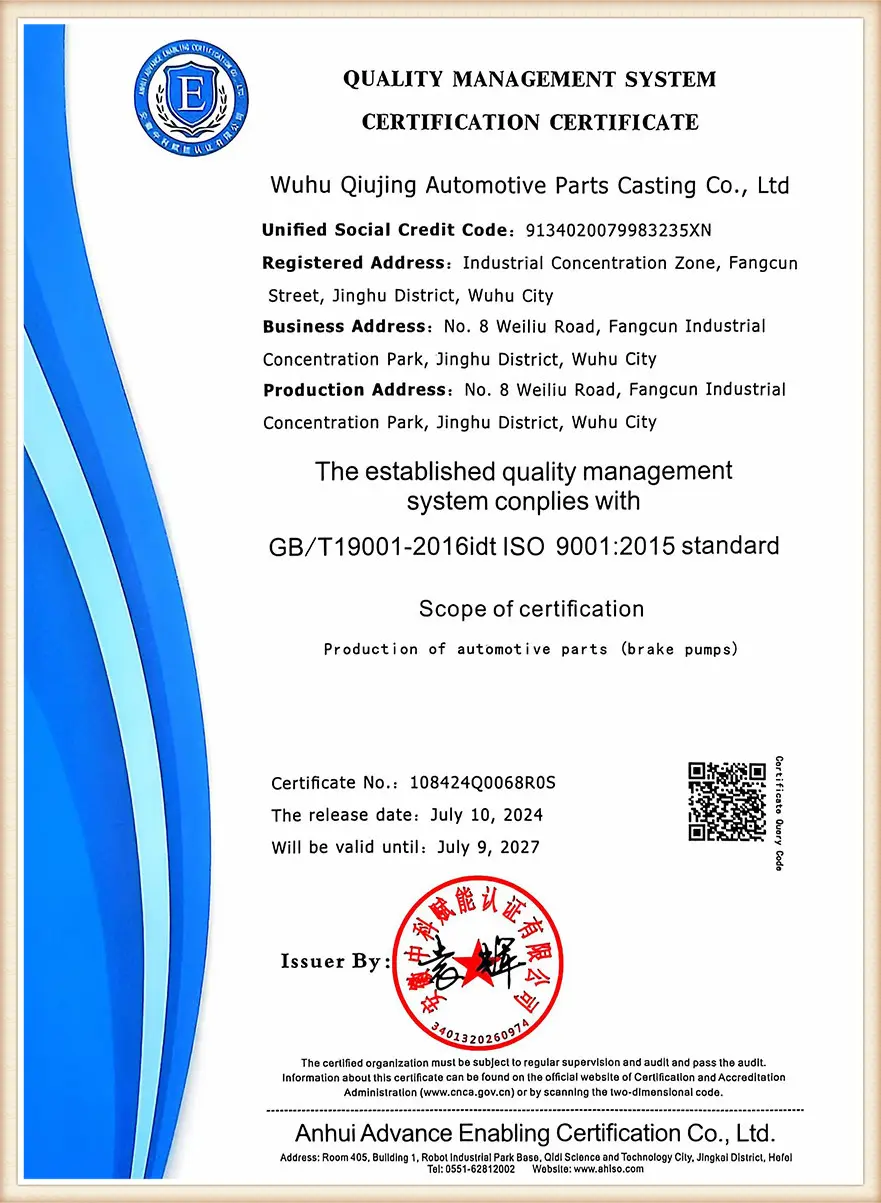
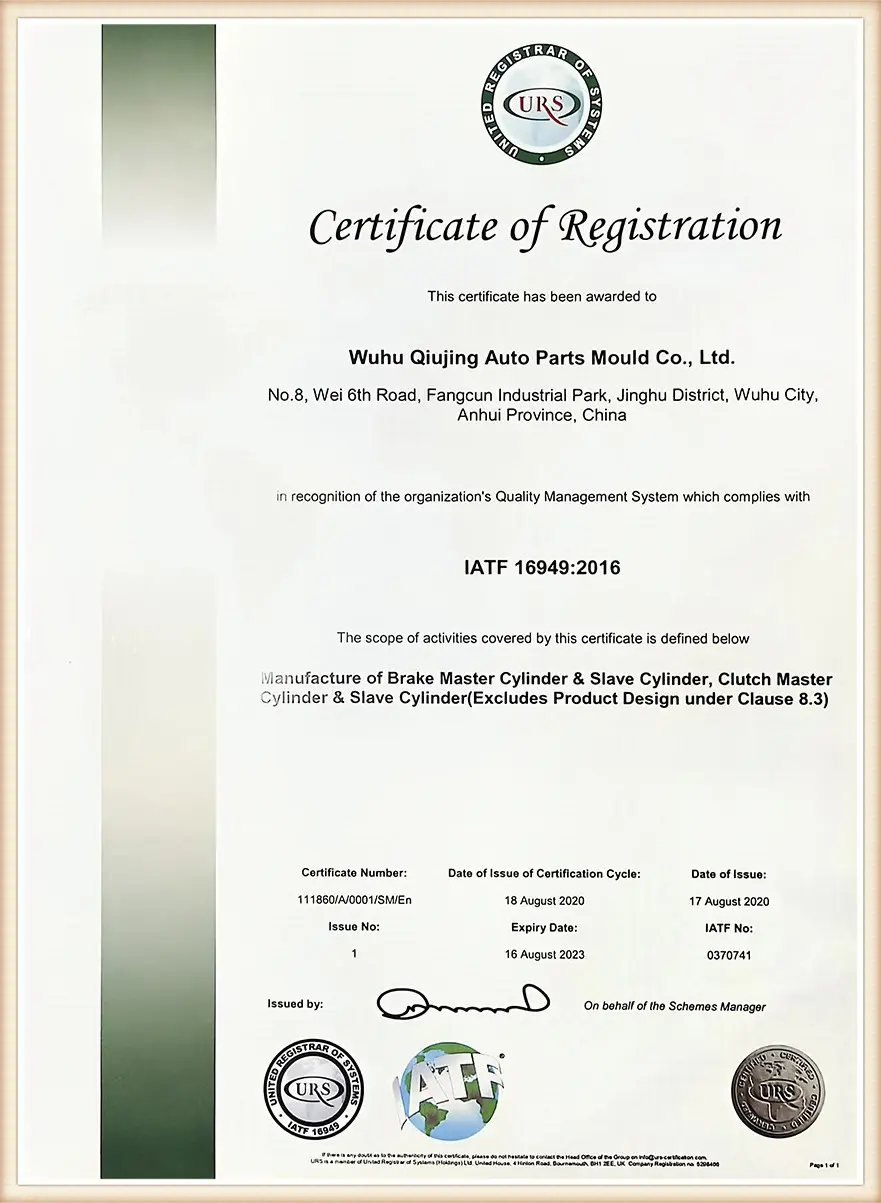
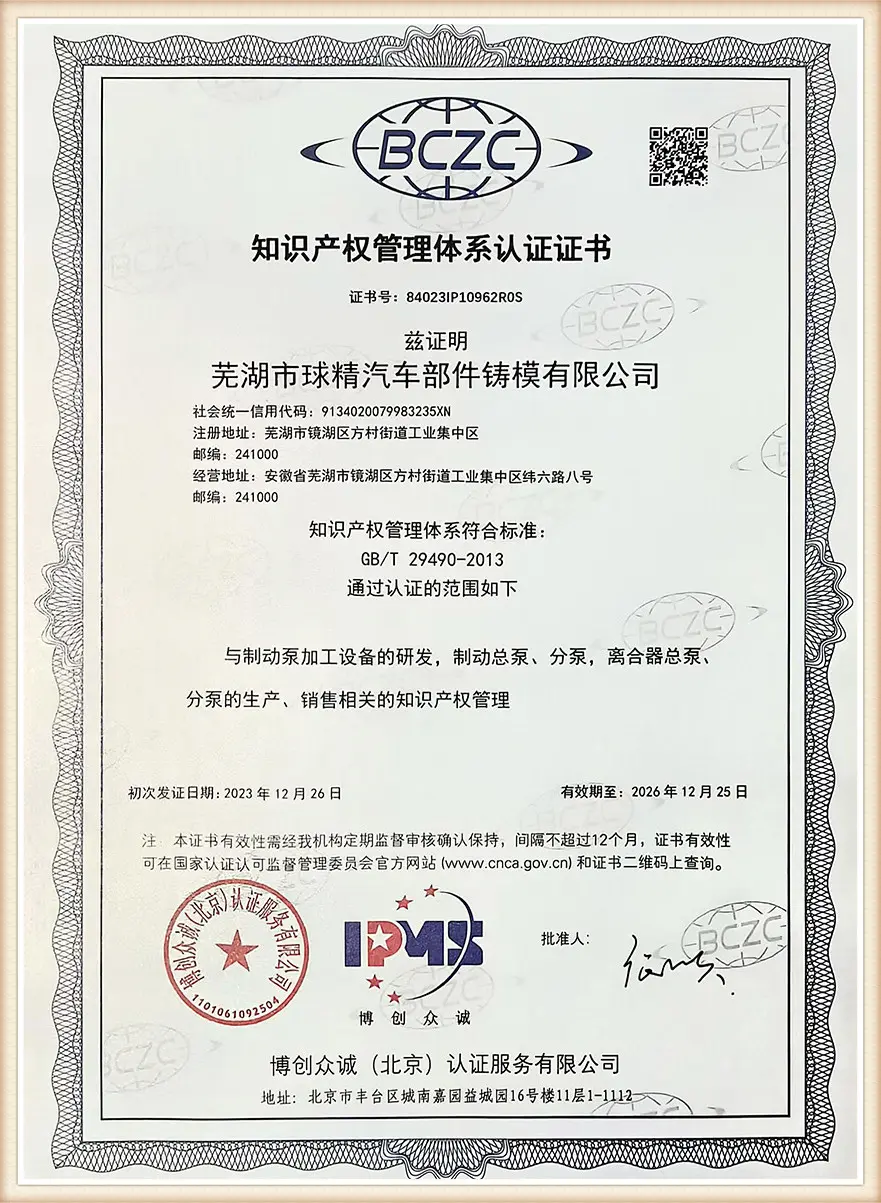
Founded in 2007, with a leadership team deep-rooted in the brake manufacturing industry since 1996, Wuhu Qiujing Auto Parts Co., Ltd. has grown into a specialized manufacturer of hydraulic brake parts. The factory operates a 6,000-square-meter facility with an annual production capacity exceeding 2 million units.
The company's catalog includes thousands of hydraulic cylinder designs, catering to global passenger car brands, Japanese and Korean utility vehicles, and regional heavy-duty trucks. Production steps are managed under strict quality controls:
Common questions from procurement teams, automotive engineers, and distributors regarding design standards, testing, and logistics.
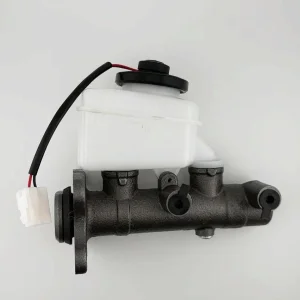
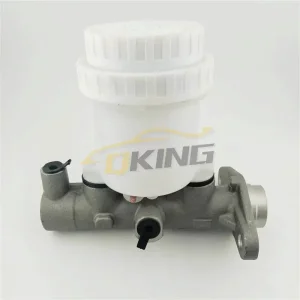
Complete your sourcing requirements with our certified aftermarket replacement parts for Japanese, European, and American vehicle platforms.
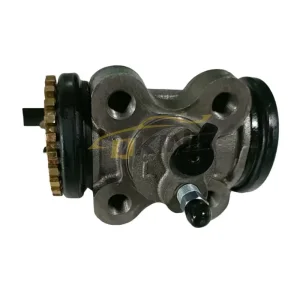
Stay informed about our holiday schedules, production status, and year-end shipping schedules.
Operational schedule and customer support arrangements during the upcoming traditional Dragon Boat Festival holiday.
Read Article ➔
Wuhu Qiujing Auto Parts Co., Ltd. has fully resumed manufacturing operations, optimizing output to meet Q1 delivery targets.
Read Article ➔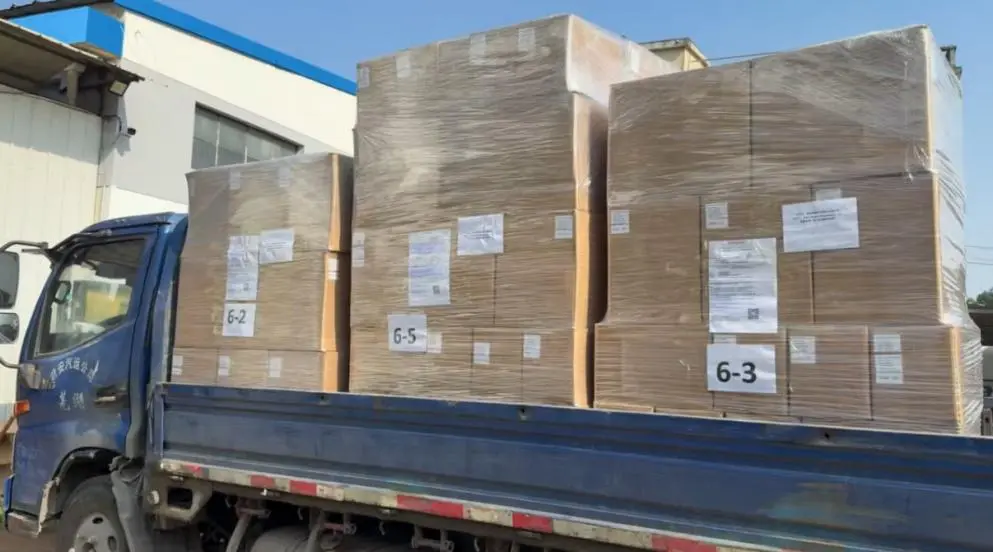
Wuhu Qiujing successfully finalized and shipped all pending export container orders before the seasonal shutdown, ensuring customer inventory continuity.
Read Article ➔