High-precision industrial solutions featuring OEM configurations, advanced testing limits, and complete compatibility assurances.
An authoritative analysis of hydraulic brake standards, performance limits, and manufacturing technologies for European fleet configurations.
The engineering of Peugeot Brake Cylinders has evolved rapidly to support modern electronic safety infrastructures. In earlier passenger models like the Peugeot 206 and 207, traditional cast-iron hydraulic cylinders were widely used. Today, the demands of fuel efficiency, weight reduction, and faster hydraulic response times have shifted the standard to high-grade anodized aluminum alloy constructions. The integration of modern ABS, ESP, and electronic brakeforce distribution (EBD) requires cylinders to handle rapid pressure modulations without losing pressure integrity or causing seal wear.
Modern Peugeot braking architectures require dual-circuit systems that ensure safety even in the event of a single line leakage. These assemblies feature customized primary and secondary piston structures. They are built to manage demanding temperature transitions ranging from extreme winter climates (-40°C) to extreme heat during continuous braking operations (up to 120°C). By optimizing inner bore finishes and applying micro-honing technologies, manufacturers have reduced initial seal wear, ensuring smooth operation over 1 million strokes.
At the center of any premium brake cylinder is the interaction between the metal bore and the elastomeric piston seals. For Peugeot applications, raw material selections must meet rigid European OEM standards, including PSA ES5.0001 specifications. The cylinder body is typically manufactured from spheroidal graphite cast iron or lightweight EN AW-6082 aluminum. Spheroidal graphite cast iron is preferred for commercial vehicle models like the Peugeot Boxer or Partner because it offers superior fatigue resistance under heavy loads. Aluminum alloys are used for lighter models like the Peugeot 308 and 2008 to save weight.
Piston seals must resist chemical decomposition, heat, and structural deformation. Leading production lines utilize Ethylene Propylene Diene Monomer (EPDM) rubbers formulated to prevent fluid leaks while resisting friction wear. EPDM seals ensure zero volume swelling and maintain structural stability when exposed to glycol-based DOT 3, DOT 4, or DOT 5.1 brake fluids. High-precision manufacturing ensures the seal lip interacts seamlessly with the honed metal wall, maintaining critical hydraulic sealing limits across various operating pressures.
Explore our specialized automotive brake system and hydraulic components designed for global applications.
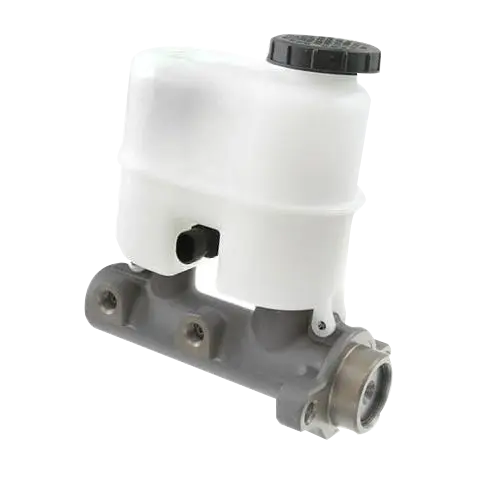
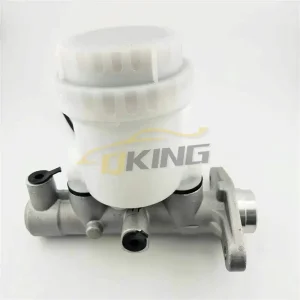
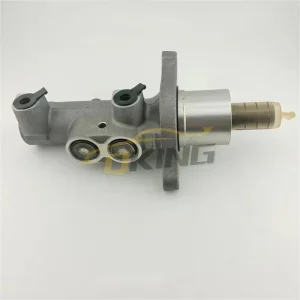
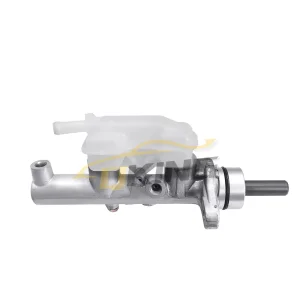
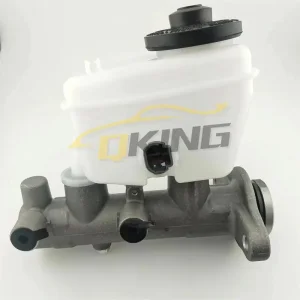
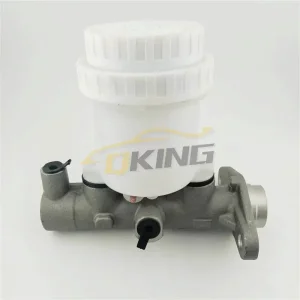
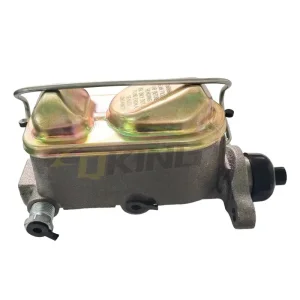
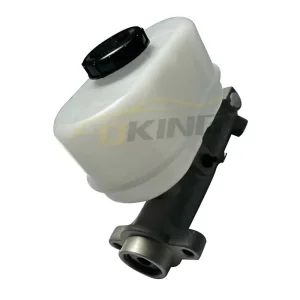
Main hydraulic pressure source converts pedal force to hydraulic energy.
Learn More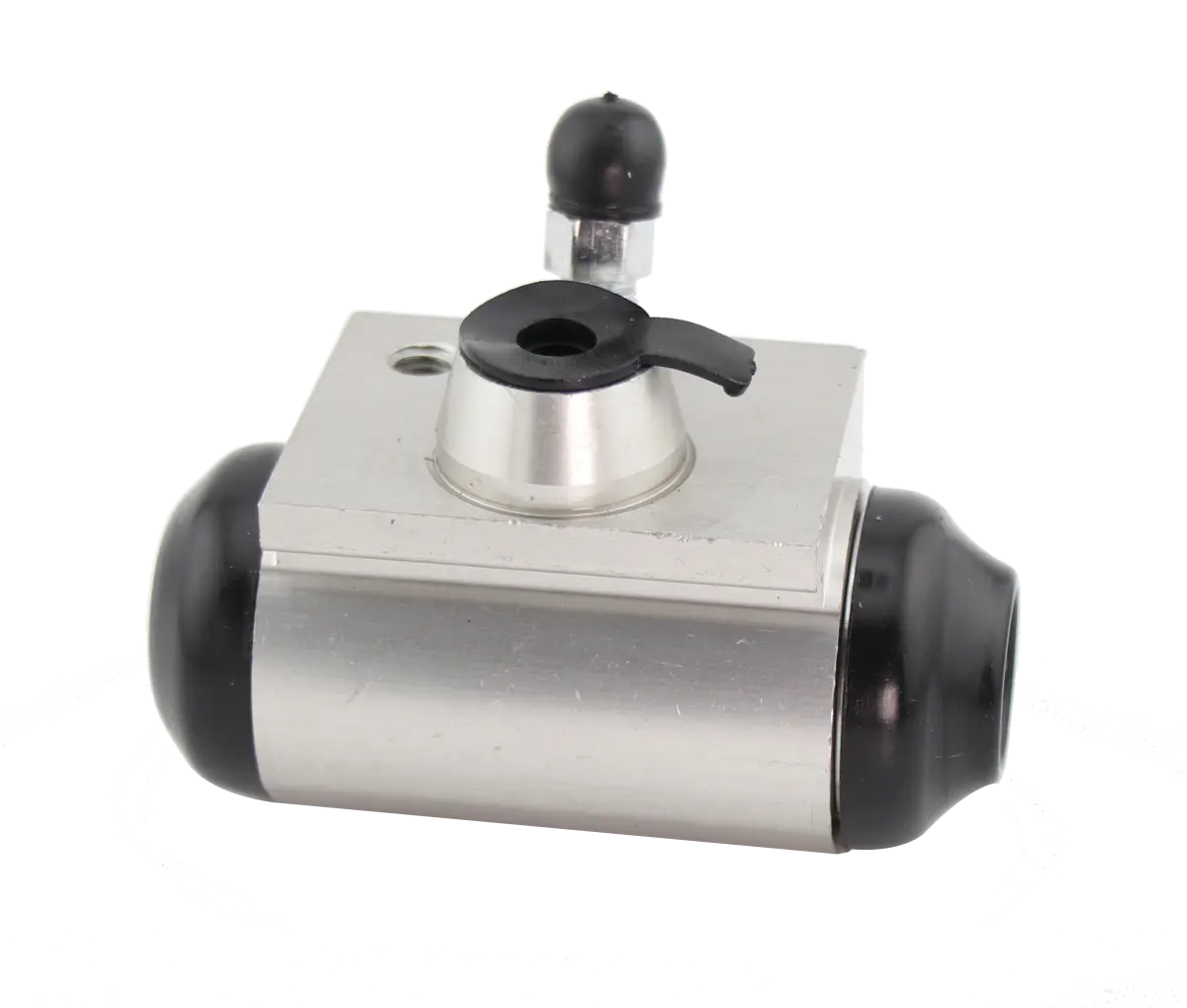
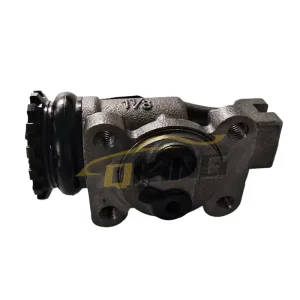
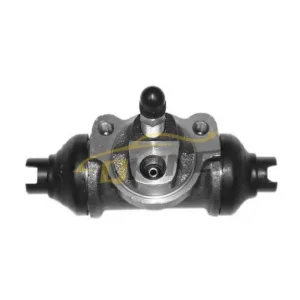
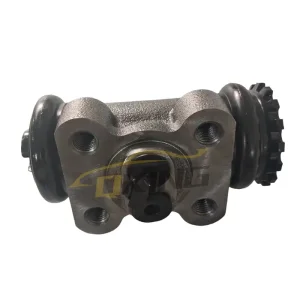
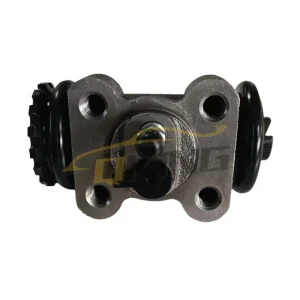
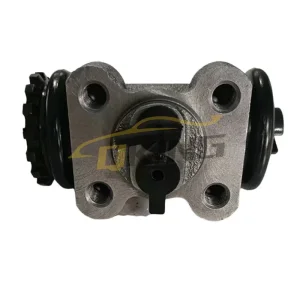
Actuates drum brake shoes against the drum surface for dependable stopping power.
Learn More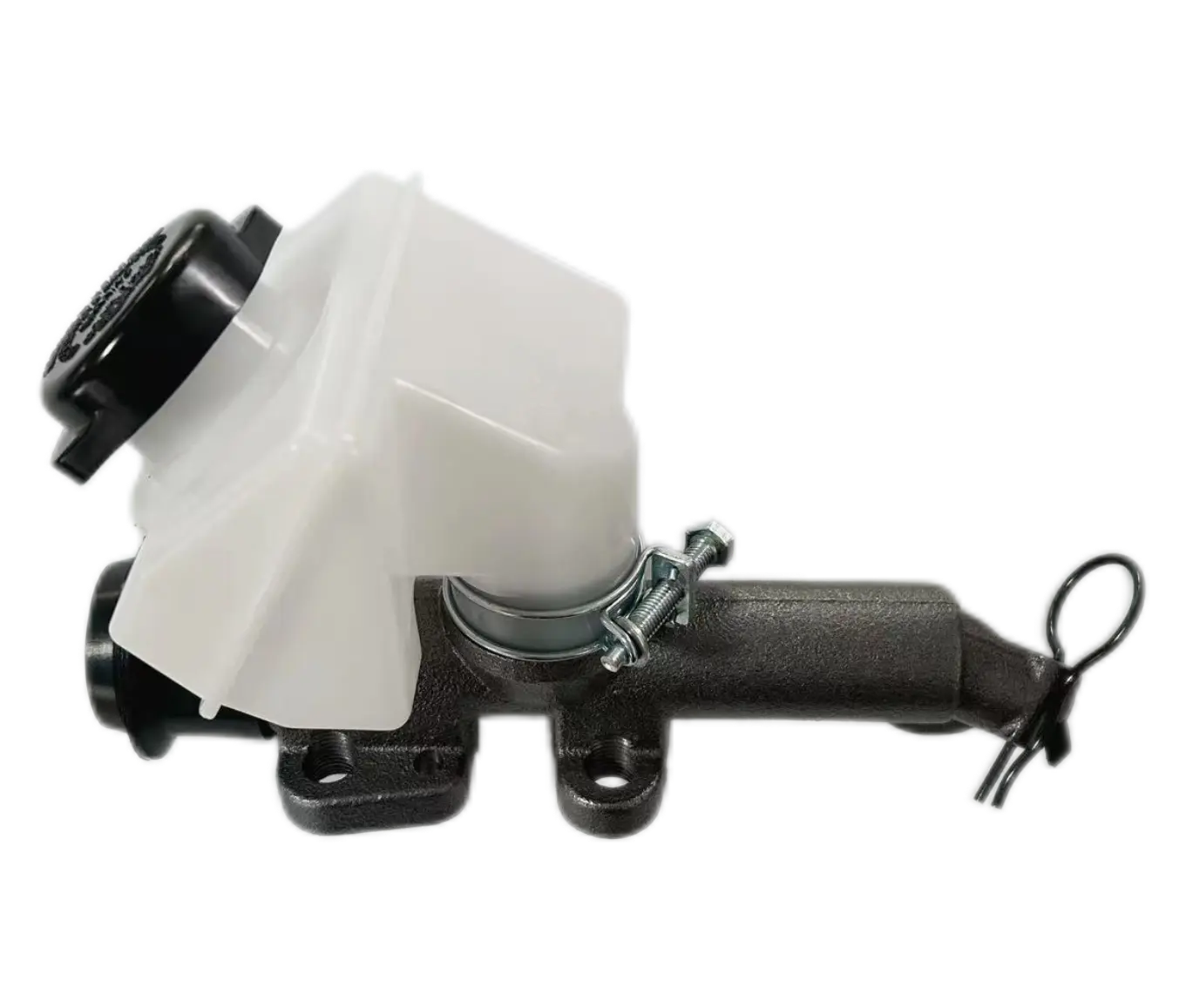
Generates critical line pressure required for hydraulic manual transmission systems.
Learn More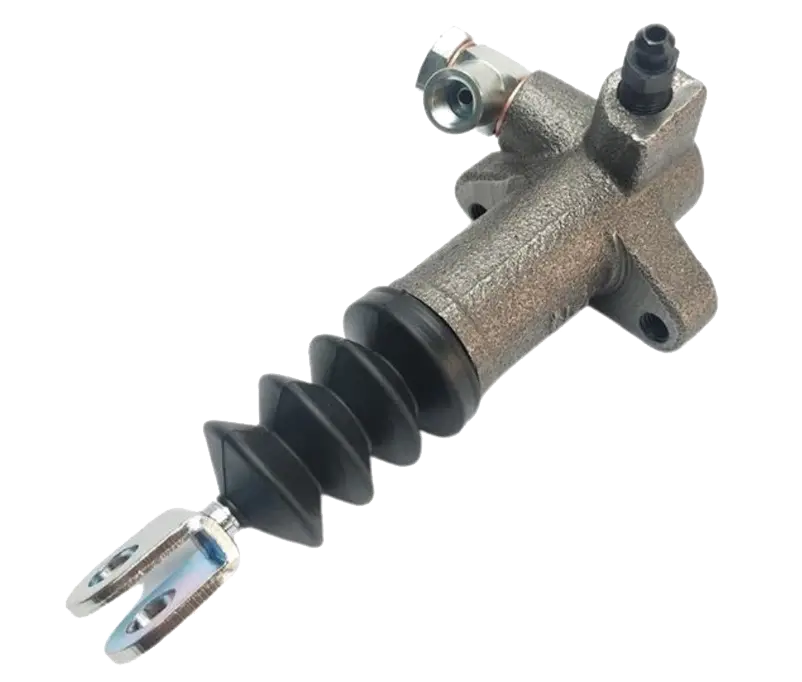
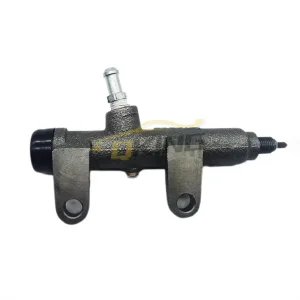
Receives master cylinder pressure to smoothly disengage manual clutches.
Learn More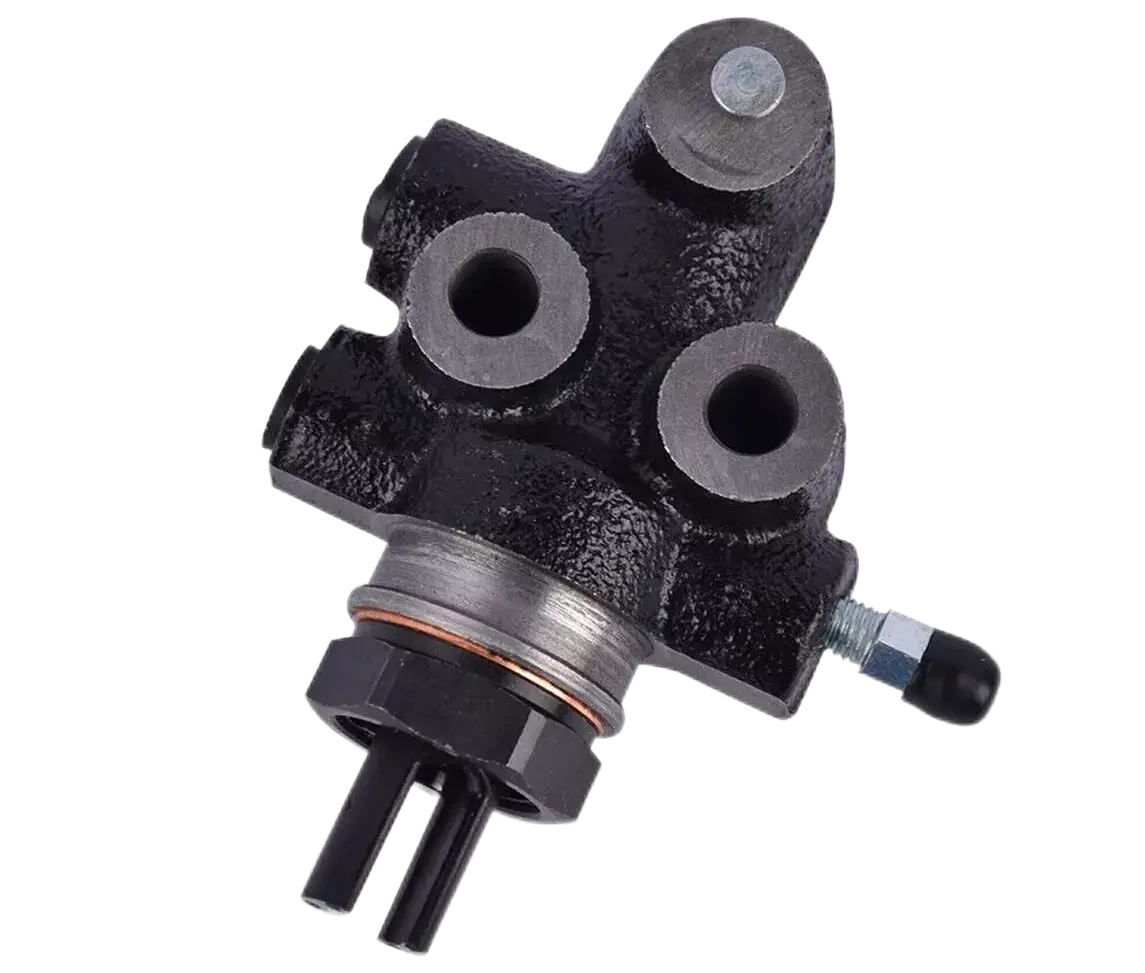
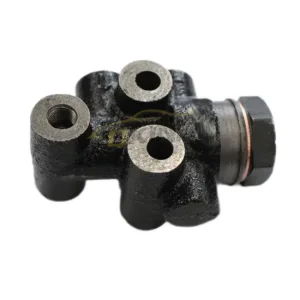
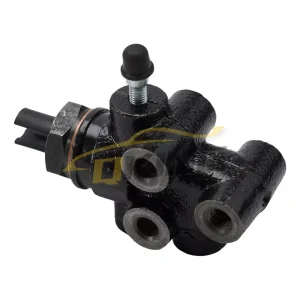
Balances hydraulic pressure distributions between front and rear axles.
Learn More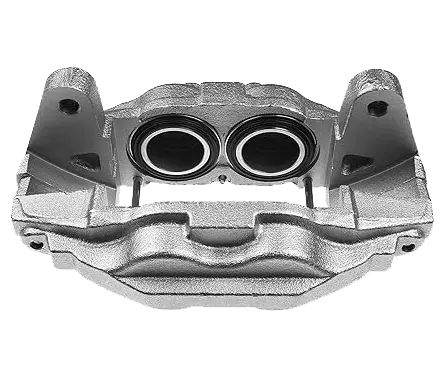
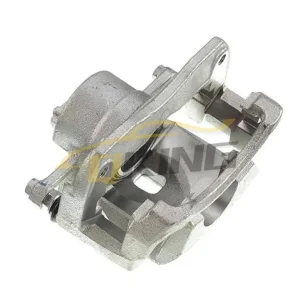
Holds brake pads and forces them onto the rotor to bring the vehicle to a stop.
Learn MoreDeciphering the critical testing procedures, regulatory compliances, and localized logistics for industrial buyers.
Our validation protocols test each assembly across a wide range of temperatures. Thermal chambers simulate extreme environments (-40°C to +120°C) to ensure seals resist leaks and maintain consistent stroke behavior under all operational conditions.
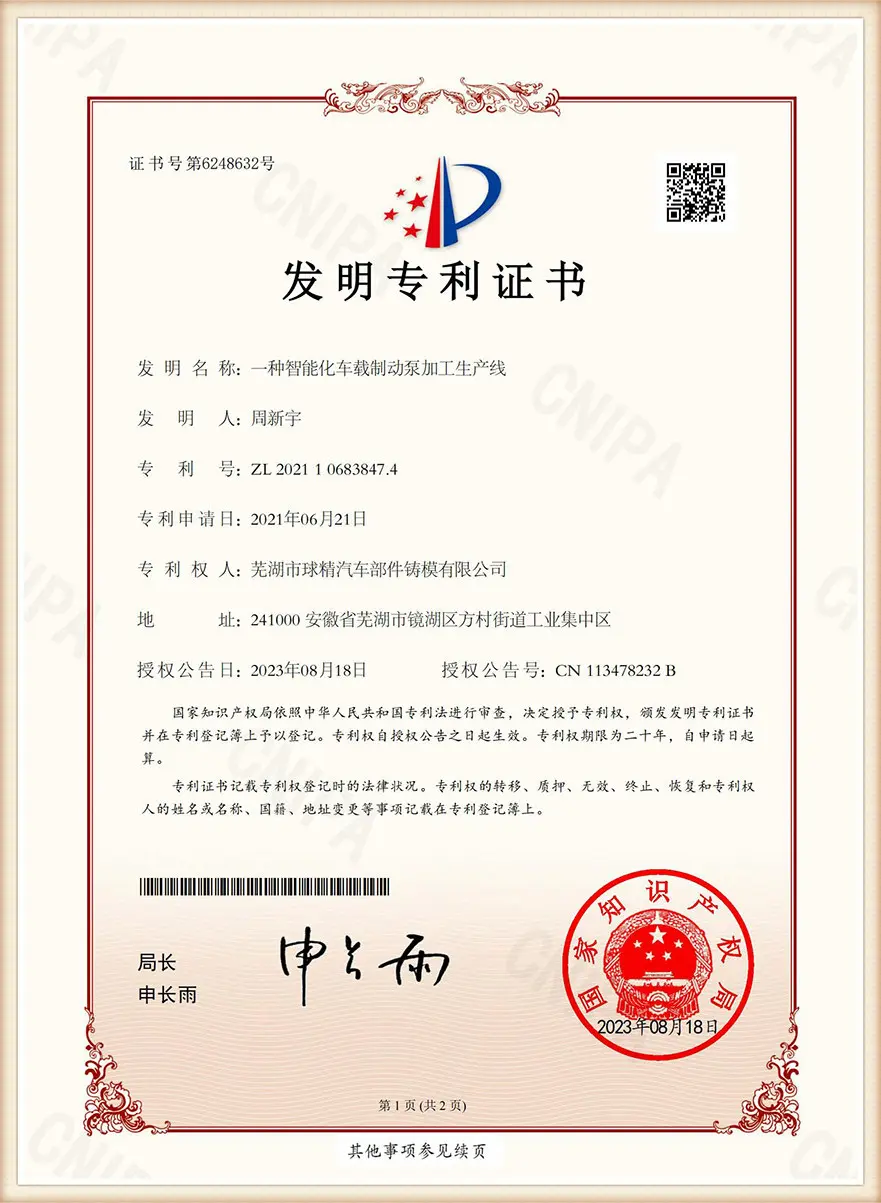
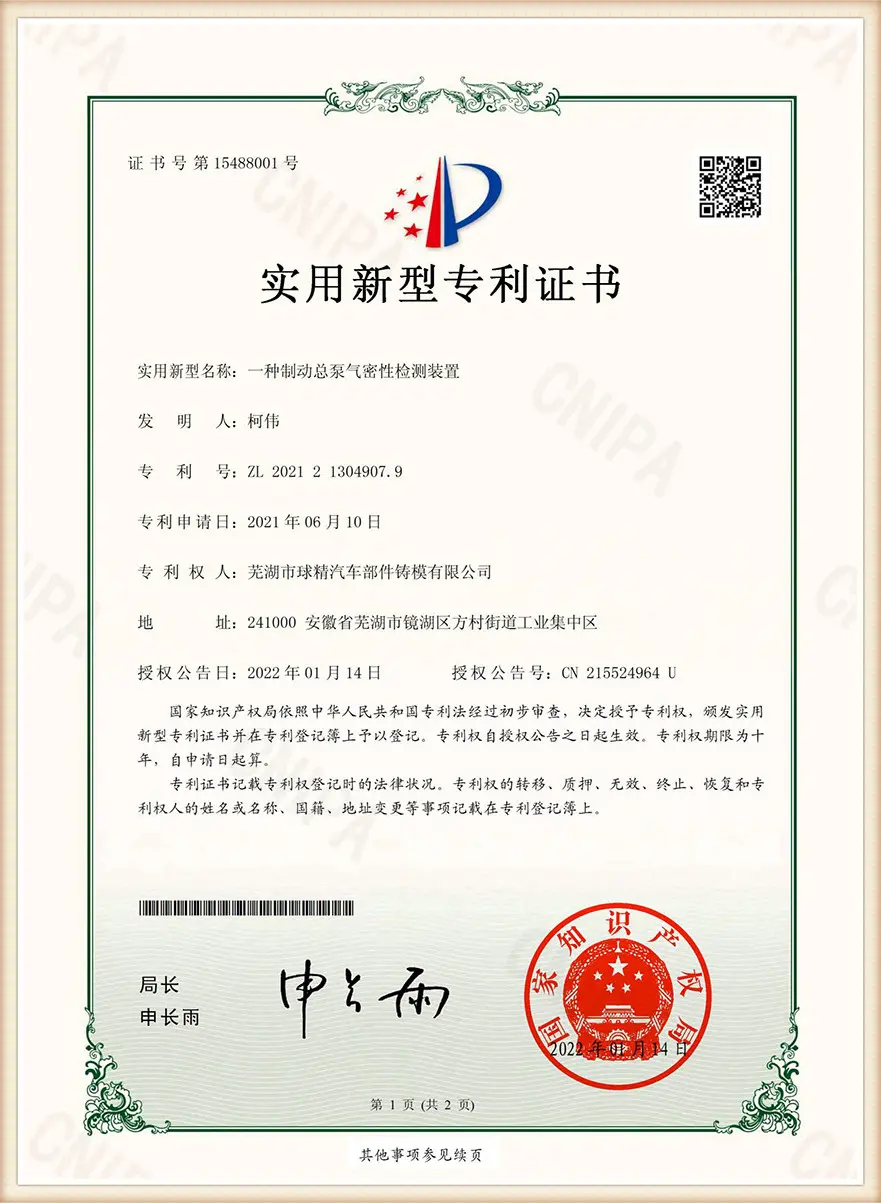
Every brake cylinder goes through automated high-pressure pneumatic leak testing before packaging. This process detects micro-cracks or seal misalignments that could result in dangerous brake system failures.
Automotive aftermarket buyers, parts distributors, and Tier-1 procurement teams face complex challenges when sourcing replacement hydraulic cylinders. For European applications, parts must match original dimensions exactly. A variation of even 0.1mm in the cylinder bore or mounting flange can cause fluid leaks, uneven wear, or installation issues. Therefore, suppliers must provide clear documentation showing cross-referenced OEM numbers (e.g., cross-referencing to PSA group configurations) to prevent fitment issues.
Additionally, global supply chains require consistent production cycles, traceable raw materials, and reliable logistics. For high-volume projects, industrial buyers expect factories to offer transparent scheduling, robust packaging to prevent moisture damage during sea shipping, and direct access to quality assurance data. Choosing a manufacturer that handles both iron casting/aluminum extrusion and final machining reduces quality variations and keeps production costs competitive.
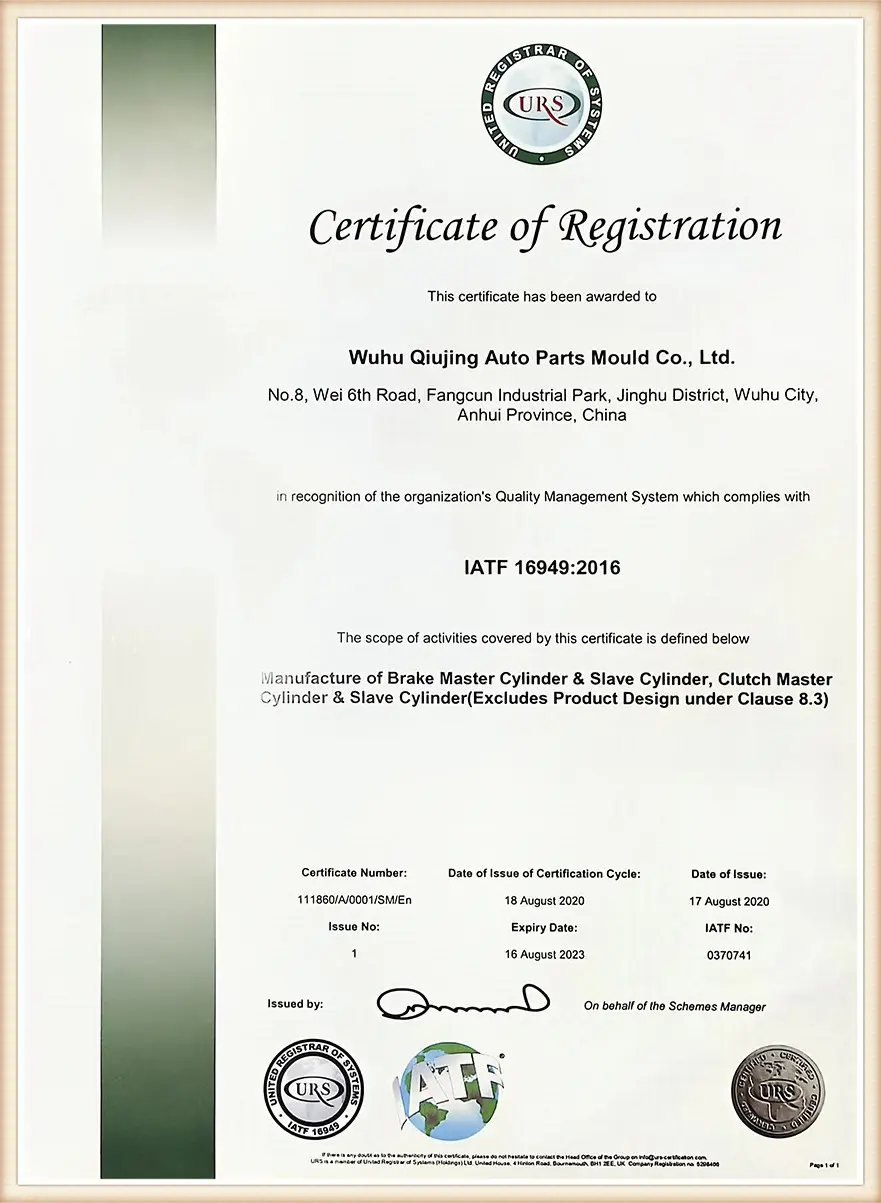
Supplying critical braking components to the global automotive market requires strict adherence to international quality systems. The foundation of modern production quality is the IATF 16949:2016 certification, which is designed specifically for the automotive supply chain. This quality framework focuses on continuous improvement, defect prevention, and reducing variation and waste. It ensures that every step of the manufacturing process—from raw material selection to machining and final assembly—is carefully monitored and documented.
In addition to system certifications, products must comply with national and regional safety regulations, such as ECE R90 in Europe and FMVSS standards in North America. These regulations verify that aftermarket brake cylinders perform dynamically equivalent to OEM parts. Achieving compliance requires rigorous laboratory evaluations, including burst pressure tests, cycle life fatigue tests (often exceeding 1 million strokes), and salt spray corrosion resistance testing (per ASTM B117) to ensure durability against road salt and moisture.
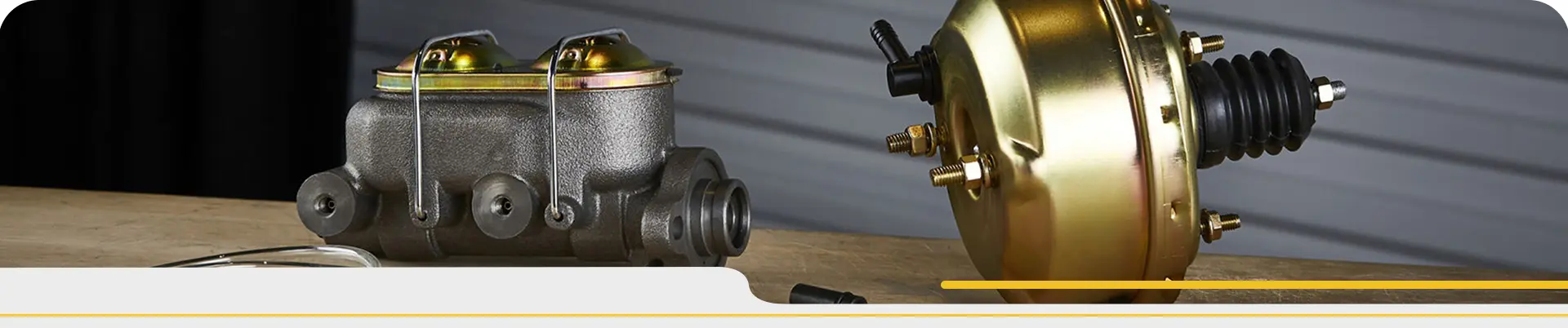

Founded in 2007, with a legacy starting in 1996, Wuhu Qiujing Auto Parts Co., Ltd. has developed into a specialized manufacturing factory. We focus on premium hydraulic brake components, including brake master cylinders, wheel cylinders, and clutch cylinders. Over the past two decades, we have designed thousands of components for a wide range of global vehicle models.
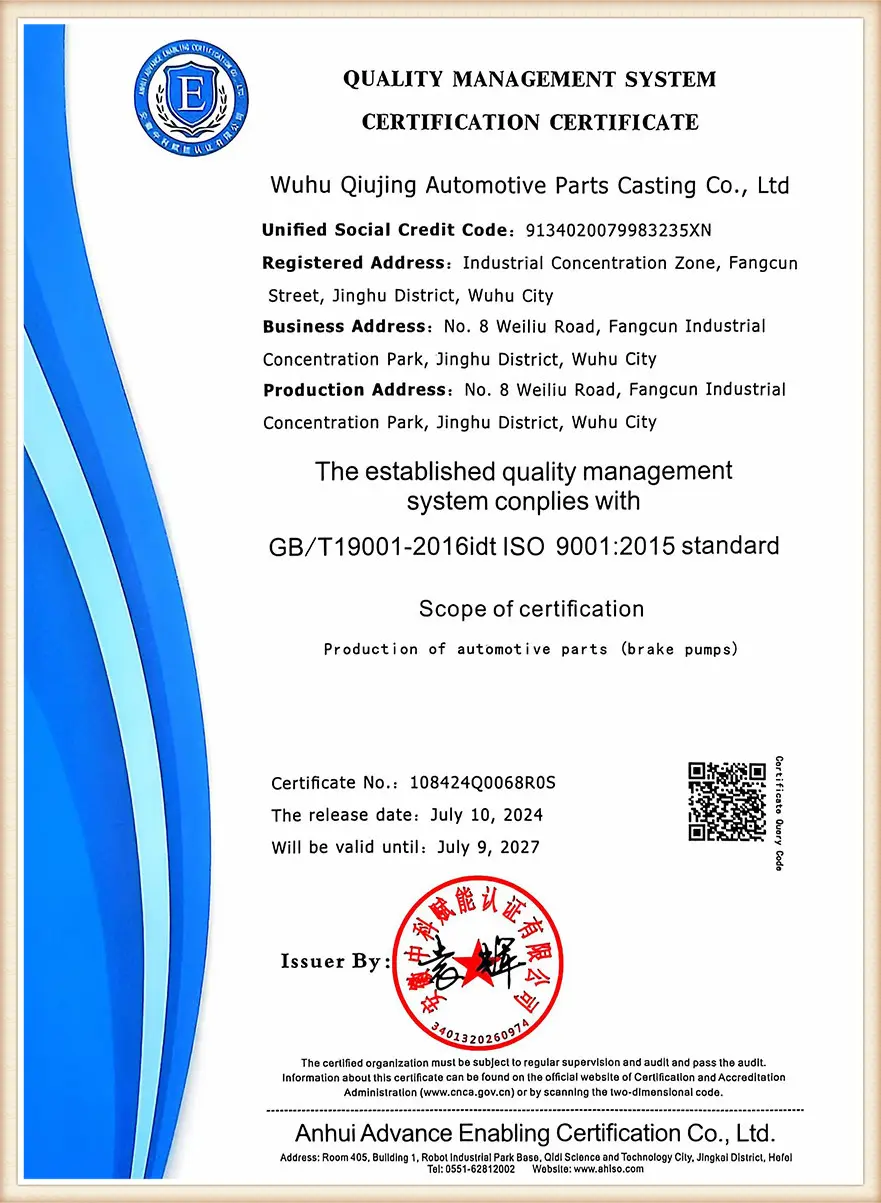
We operate under strict quality management processes, certified to GB/T19001-2016 / ISO 9001:2015 and IATF 16949:2016 standards. Every unit is engineered for reliable hydraulic performance and safety on the road.
Exploring the transition to smart braking architectures, eco-friendly materials, and global supply chain integration.
As the automotive sector transitions toward electrified platforms (BEVs and PHEVs), the requirements for braking systems are changing. Hybrid and pure electric powertrains rely heavily on regenerative braking, which alters the duty cycles and pressure profiles of hydraulic brake cylinders. In traditional setups, hydraulic pressure is directly proportional to pedal force. In electric vehicles (EVs), the friction braking system works alongside electric motor braking. This requires master cylinders to support electro-hydraulic braking (EHB) systems and respond to automated electronic signals.
To support these architectures, our engineering team is focused on developing ultra-lightweight composite materials and advanced surface finishes that reduce frictional resistance. We are also working on compact cylinder body geometries to fit tighter engine bays. Additionally, the industry is moving away from Hexavalent Chromium (Cr6+) surface treatments in favor of eco-friendly, corrosion-resistant trivalent plating and zinc-nickel finishes. This helps global buyers comply with strict environmental regulations like REACH and RoHS.
Our factory uses multi-spindle vertical honing machines to achieve a precise cross-hatch pattern on cylinder walls. This pattern holds lubrication efficiently and reduces friction, significantly extending seal life.
We apply chrome-free surface treatments to prevent corrosion. These coatings withstand up to 96 hours of salt spray exposure while complying with REACH and RoHS environmental standards.
We source high-grade EPDM rubbers formulated for temperature stability. These compounds maintain elasticity from -40°C to +120°C and resist swelling when exposed to glycol-based brake fluids.
Securing a reliable supply of safety-critical components is essential for commercial distributors. In today's volatile supply chain environment, buyers need to partner with factories that offer transparent lead times, consistent material grades, and proactive logistics support. A single delayed shipment of brake cylinders can disrupt regional distribution centers and impact downstream supply chains.
To reduce these risks, we maintain partnerships with certified local metal suppliers, ensuring a steady supply of raw aluminum and iron casting blocks. We also use computerized inventory tracking to monitor raw stock, work-in-progress parts, and finished assemblies in real time. This system allows us to adjust production schedules dynamically and provide accurate delivery timelines for our global customers.
A professional, efficient, and comprehensive service system designed to support long-term partnerships.

Operating a 6,000+ m² facility with 50+ skilled staff, delivering an annual production capacity of over 2 million units.

Equipped with specialized testing machinery. Every batch is backed by a 2-year quality assurance warranty.

Uniform quality control protocols and flexible manufacturing plans support stable, long-term procurement.

Integrated teams for R&D, manufacturing, quality control, and international sales ensure efficient project handling.
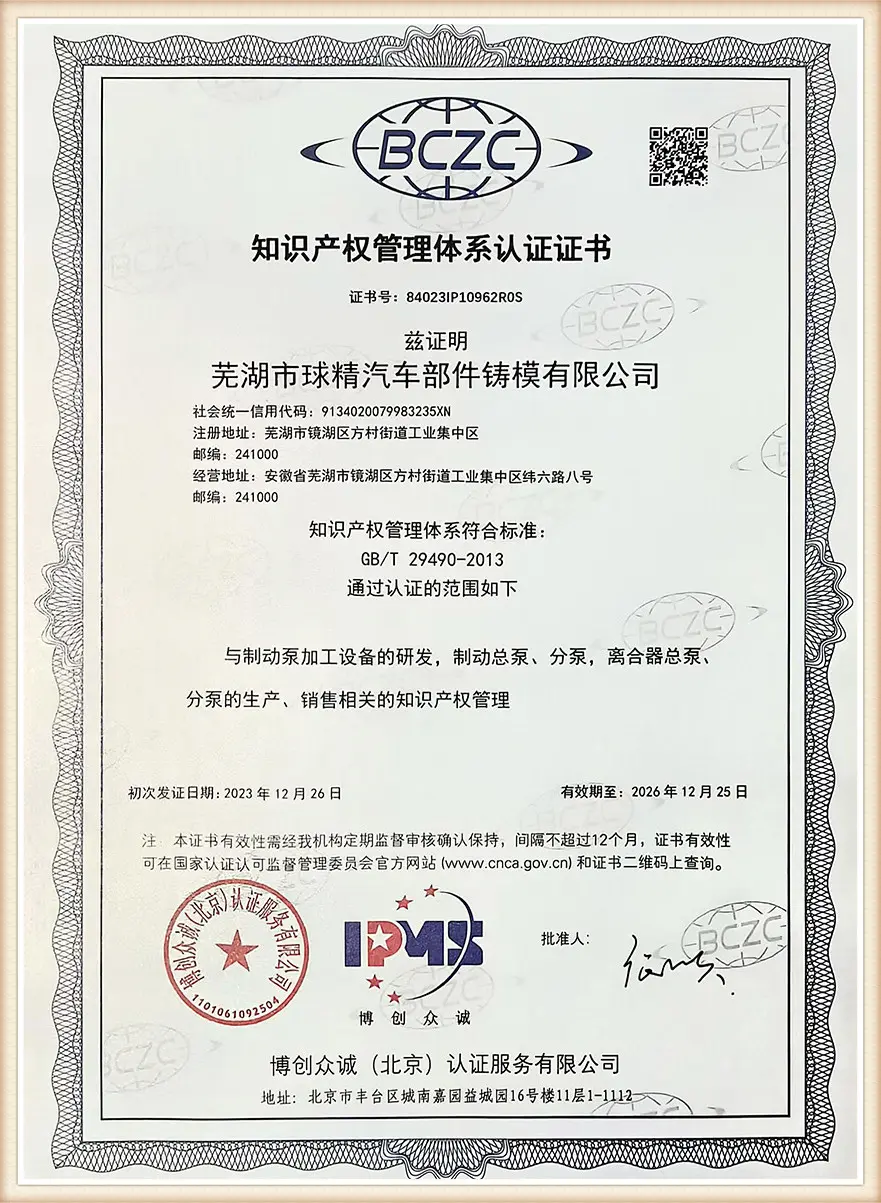
We offer competitive pricing, modern machinery, and strict quality control certified to GB/T19001-2016/ISO 9001:2015, IATF16949:2016, and GB/T29490-2013.
Technical answers to help buyers evaluate product quality, verify OEM cross-references, and place orders.
We manufacture using high-tensile cast iron for heavy-duty applications (such as the Peugeot Boxer) and lightweight EN AW-6082 aluminum for passenger models (like the Peugeot 308). All raw materials are verified for tensile strength and density before processing.
We source rubber compounds from certified global manufacturers. Each batch is tested for swelling, hardness, and thermal resistance in glycol fluids (DOT 3, DOT 4, and DOT 5.1) to ensure the seals do not deteriorate or leak under pressure.
Yes. Our engineering department can cross-reference OEM part numbers to verify casting tolerances, cylinder dimensions, thread pitches, and mounting designs. We also offer custom development based on customer samples or 3D drawings.
Every brake cylinder goes through 100% pneumatic high/low pressure testing to verify seal performance. We also perform burst pressure tests, cycle life fatigue tests (up to 1 million strokes), and salt spray chamber tests on sample batches to ensure long-term durability.
Our standard MOQ depends on the material type and casting tooling availability. Typically, we require 100 to 200 units per model. Standard production lead times run between 35 to 50 days, depending on our current foundry schedule.
Yes. All our brake cylinder designs are engineered to meet safety standards like ECE R90, FMVSS 116, and SAE J1153. Our factory operates under audited quality control systems certified to IATF 16949:2016.
Stay informed about our holiday schedules, production capacity expansions, and industry milestones.
Wuhu Qiujing Auto Parts Co., Ltd. announces the scheduled dates for the upcoming national holiday, along with details on our automated logistics monitoring during the break.
View More
Wuhu Qiujing Auto Parts Co., Ltd. is pleased to announce the full resumption of operations across our tooling, casting, machining, and testing departments following the Spring Festival.
View More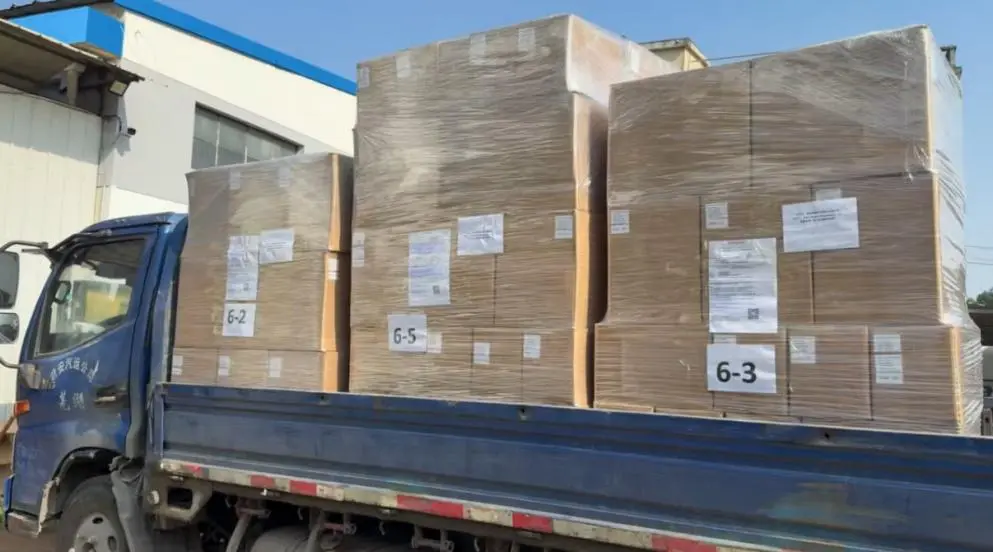
Our logistics team successfully finalized and dispatched all winter overseas orders. This ensures our global distributors receive their shipments on schedule before seasonal closures.
View MoreBrowse our selection of aftermarket and OEM-grade hydraulic components designed for global passenger and utility vehicles.