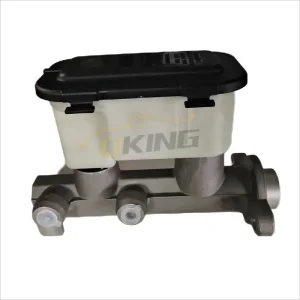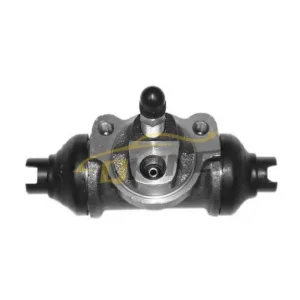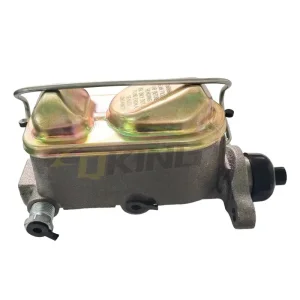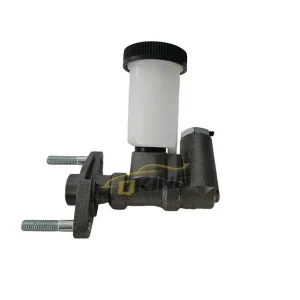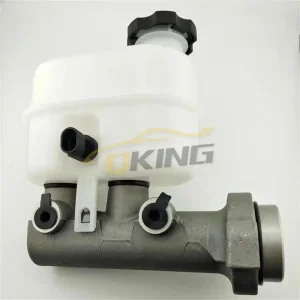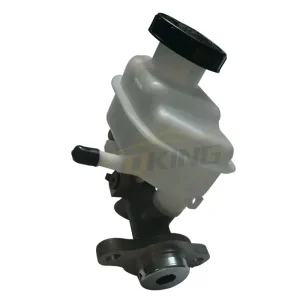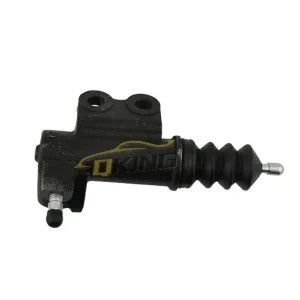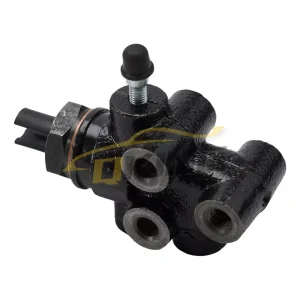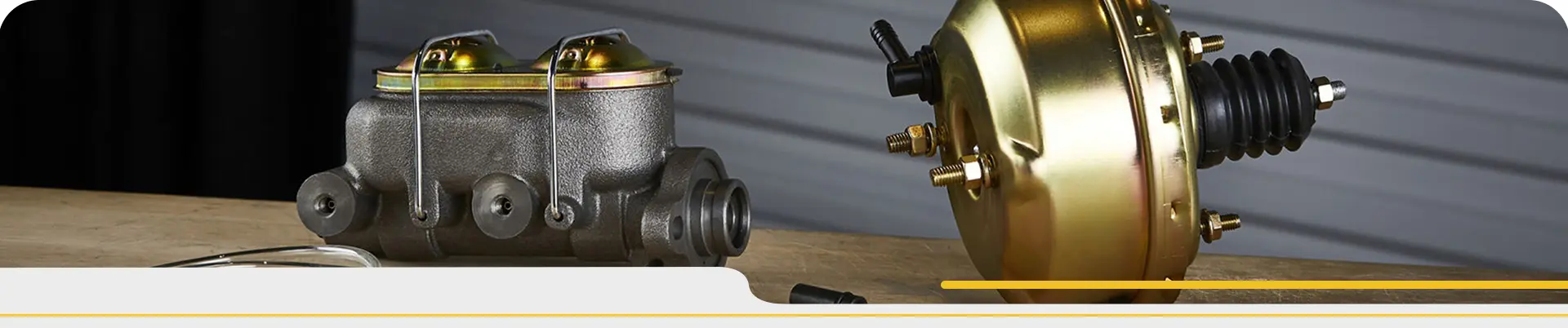
Premium OEM-grade hydraulic cylinders manufactured to strict international quality standards
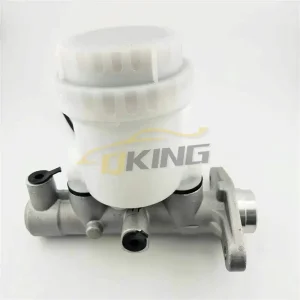
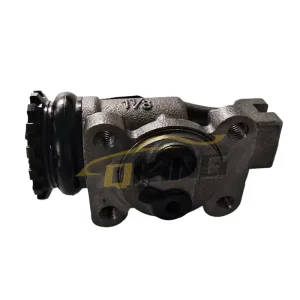
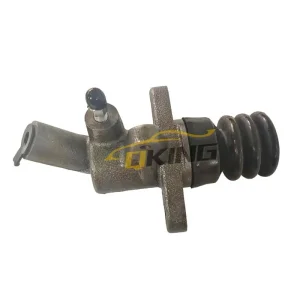
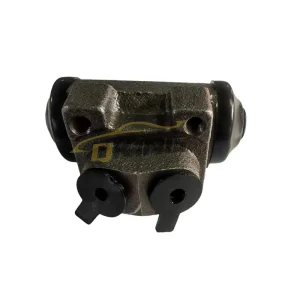
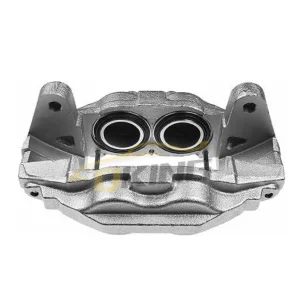
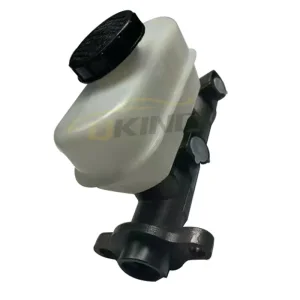
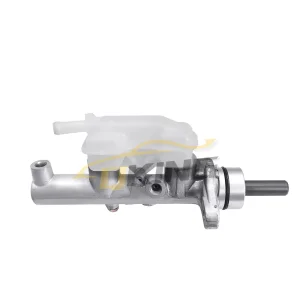
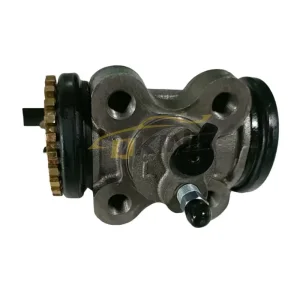
Strategic analysis of technological shifts in Japanese passenger and light commercial vehicle hydraulic platforms
The global automotive braking landscape is undergoing unprecedented structural shifts, heavily influenced by the rise of electric assist powertrains, lightweight structural metals, and tighter safety regulations. Within this context, the demand for high-integrity Mazda brake cylinders has experienced a major technical transition. For decades, Mazda vehicles—ranging from the iconic MX-5 roadsters and mainstream Mazda 3 & 6 series to commercial BT-50 pickups—have relied on precision-designed hydraulic brake master cylinders and wheel cylinders to maintain their signature "Jinba Ittai" (oneness of horse and rider) responsive pedal feel.
A primary driver in modern cylinder engineering is the shift from traditional cast iron bodies to lightweight anodized aluminum alloys. By implementing hard-anodizing treatment on the internal bore surfaces, manufacturers reduce the raw cylinder mass by up to 45% while significantly increasing resistance to abrasive wear. The micro-finish quality of the inner bore is engineered to a surface roughness of less than 0.4µm (Ra). This prevents the premature degradation of EPDM (Ethylene Propylene Diene Monomer) rubber seal cups. In doing so, it ensures that hydraulic fluid integrity remains uncompromised even during rapid pressure oscillations driven by modern Anti-lock Braking Systems (ABS) and Dynamic Stability Control (DSC) units.
Furthermore, modern Mazda chassis architectures integrate advanced regenerative braking. This shifts the workload of the hydraulic brake cylinder from a straightforward driver-input translator to an active pressure-modulating component. To prevent pressure drag and ensure a seamless blend between regenerative generator drag and friction braking, manufacturing tolerances have tightened. Port designs within master cylinders now require laser-machined relief holes. This minimizes transient fluid cavitation and ensures instantaneous pressure discharge back into the reservoir once pedal load drops.
Engineered for high performance, thermal stability, and OEM compatibility
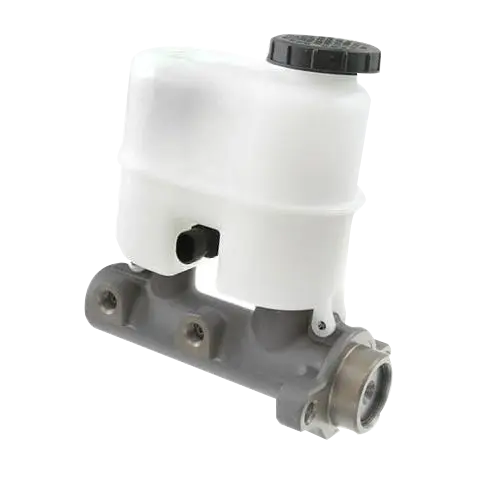
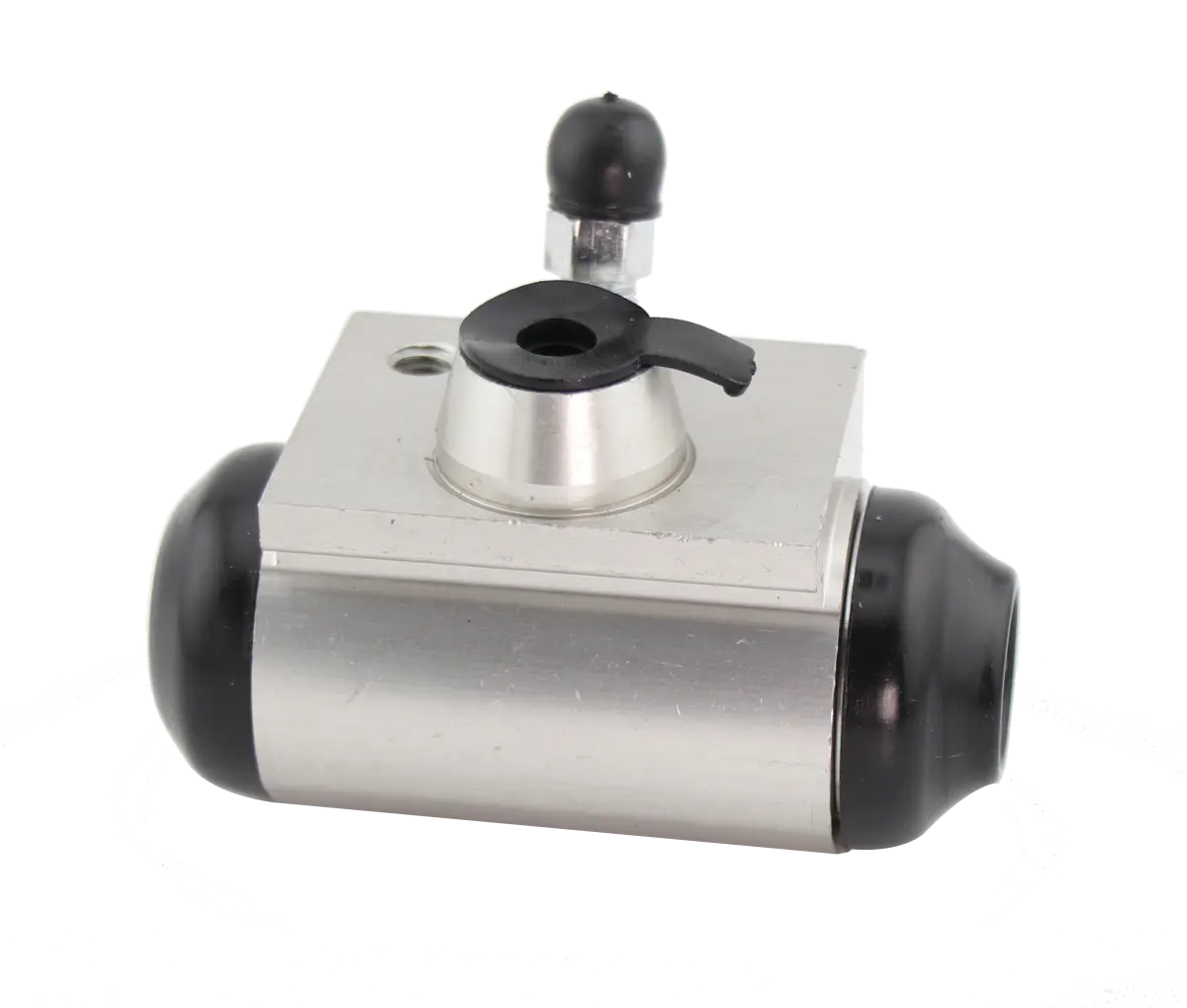
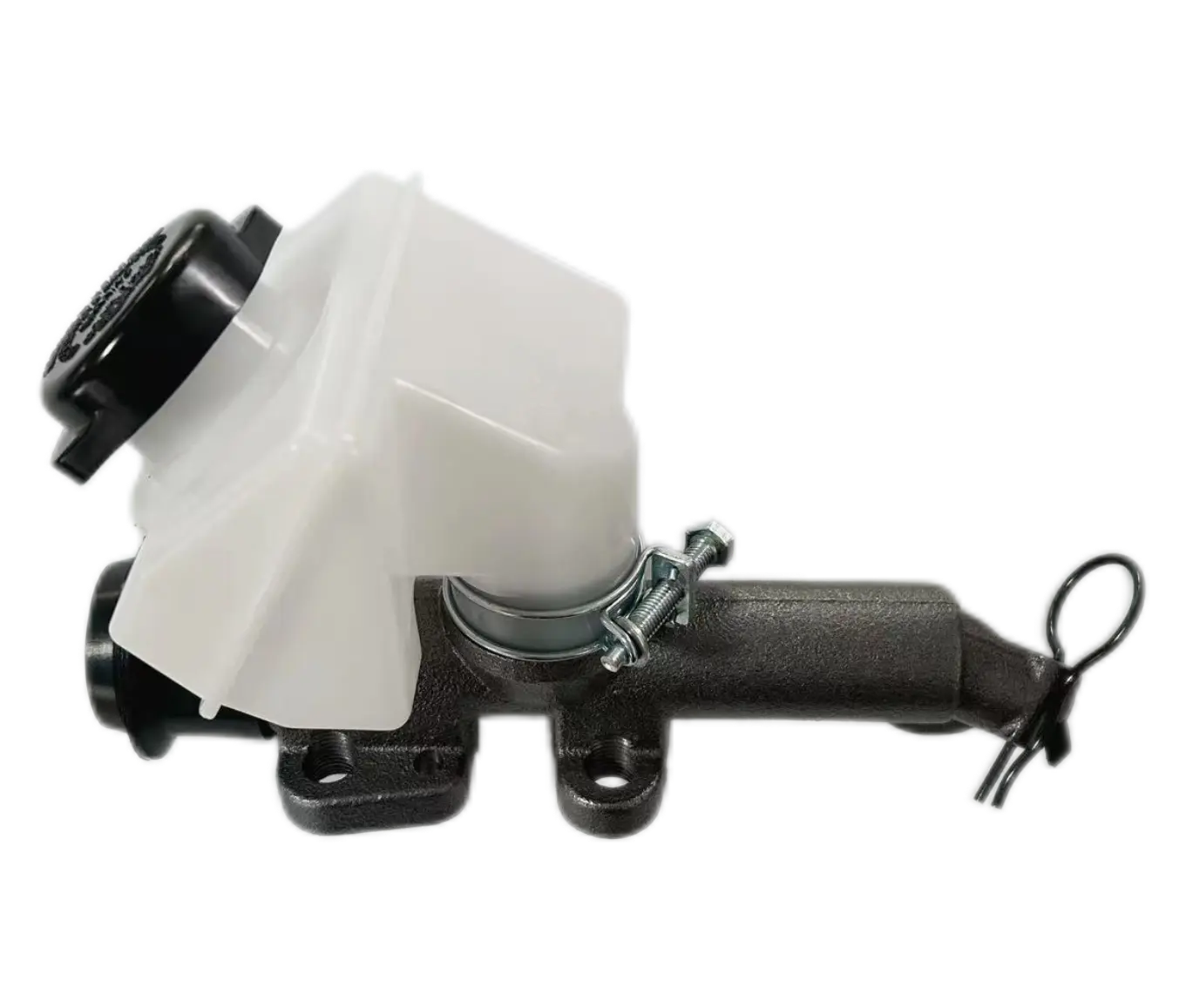
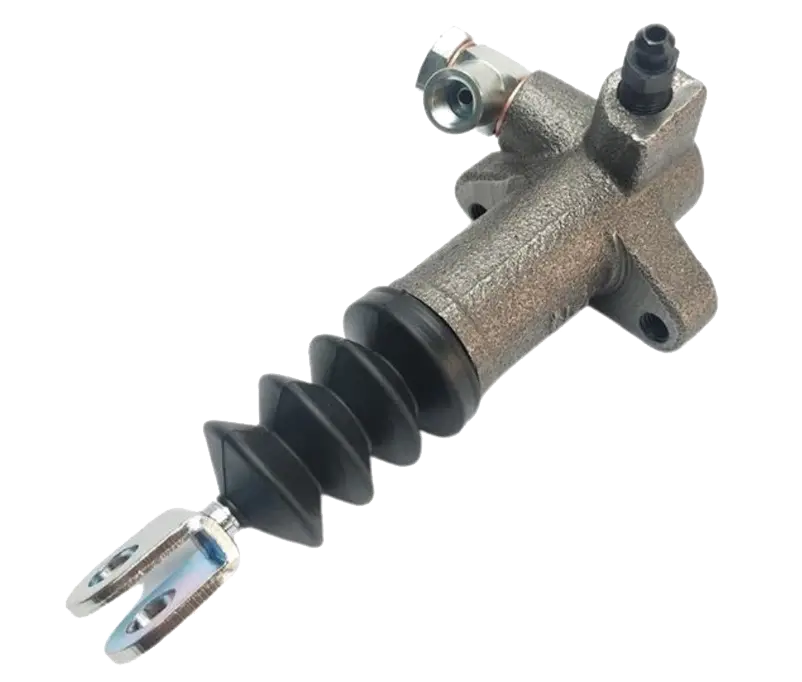
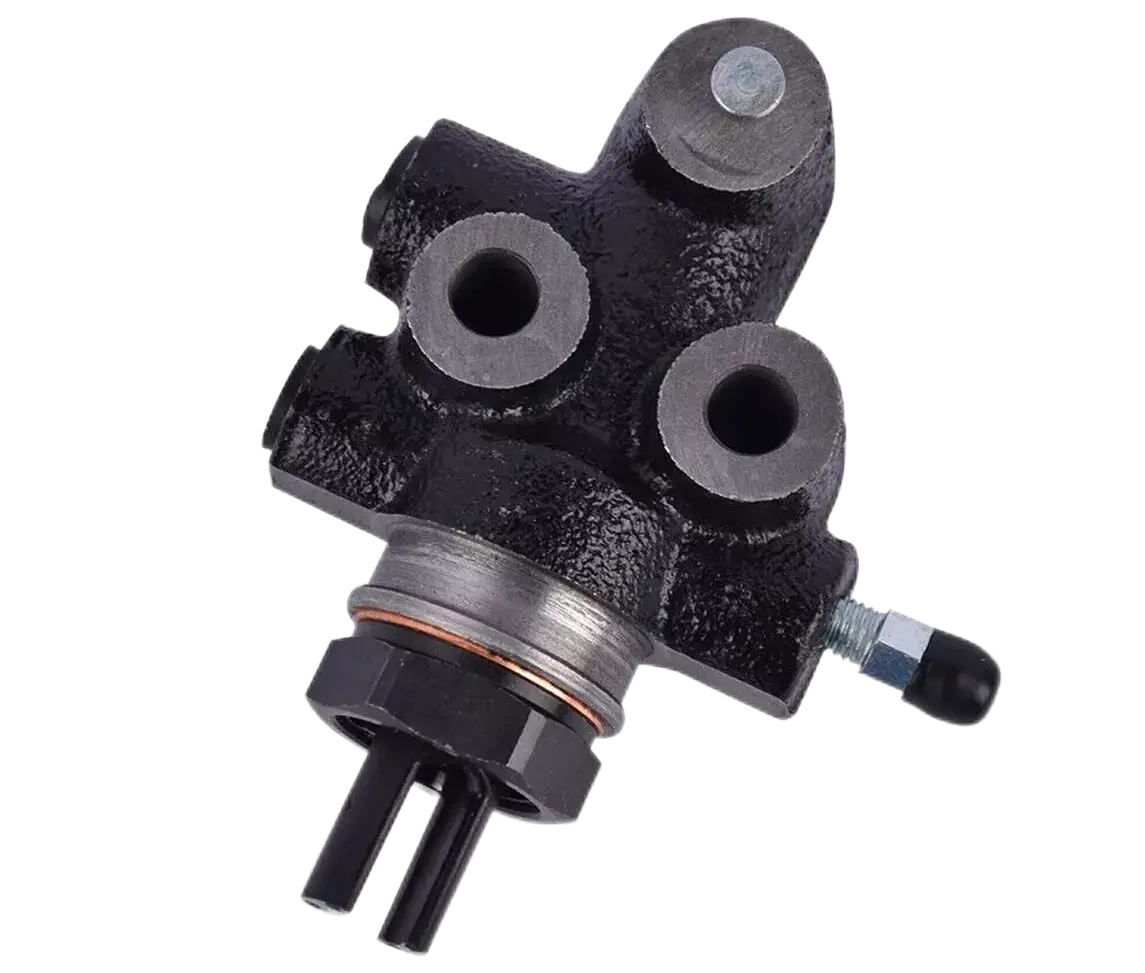
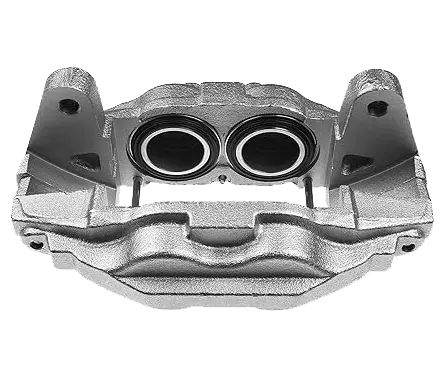
Addressing supply chain risks, quality compliance, and logistical challenges for bulk distributors
For global tier-1 buyers, wholesale auto parts importers, and large-scale aftermarket distributors, procurement is more than finding the lowest unit cost. The critical issue is managing structural supply chain risks while ensuring consistent, high-performance product quality. When dealing with precision safety components like Mazda brake wheel cylinders and clutch master cylinders, failure to meet specifications can lead to costly batch recalls, legal liabilities, and damage to brand reputation.
A primary challenge in today's aftermarket is material purity and consistency. Lower-grade casting practices often lead to micro-porosity in aluminum or iron housings. While these defects are invisible to the naked eye, they can cause micro-leakages under emergency braking pressures (exceeding 10-15 MPa). Professional global procurement teams must verify that their manufacturing partners utilize state-of-the-art testing equipment. This includes automated coordinate measuring machines (CMM), ultrasonic crack detectors, and high-pressure pneumatic test benches that test 100% of manufactured units.
Beyond component quality, long-term price stability is key to reliable supply chains. Rising raw material costs for aluminum and EPDM rubber compounds can easily squeeze distributor margins. Top-tier factories mitigate this issue by using advanced manufacturing execution systems (MES), automated die-casting setups, and continuous scrap recovery processes. These optimizations stabilize product pricing, even during global supply line disruptions. Additionally, establishing strategic warehouses near major shipping hubs ensures flexible lead times and reduces transoceanic delays.
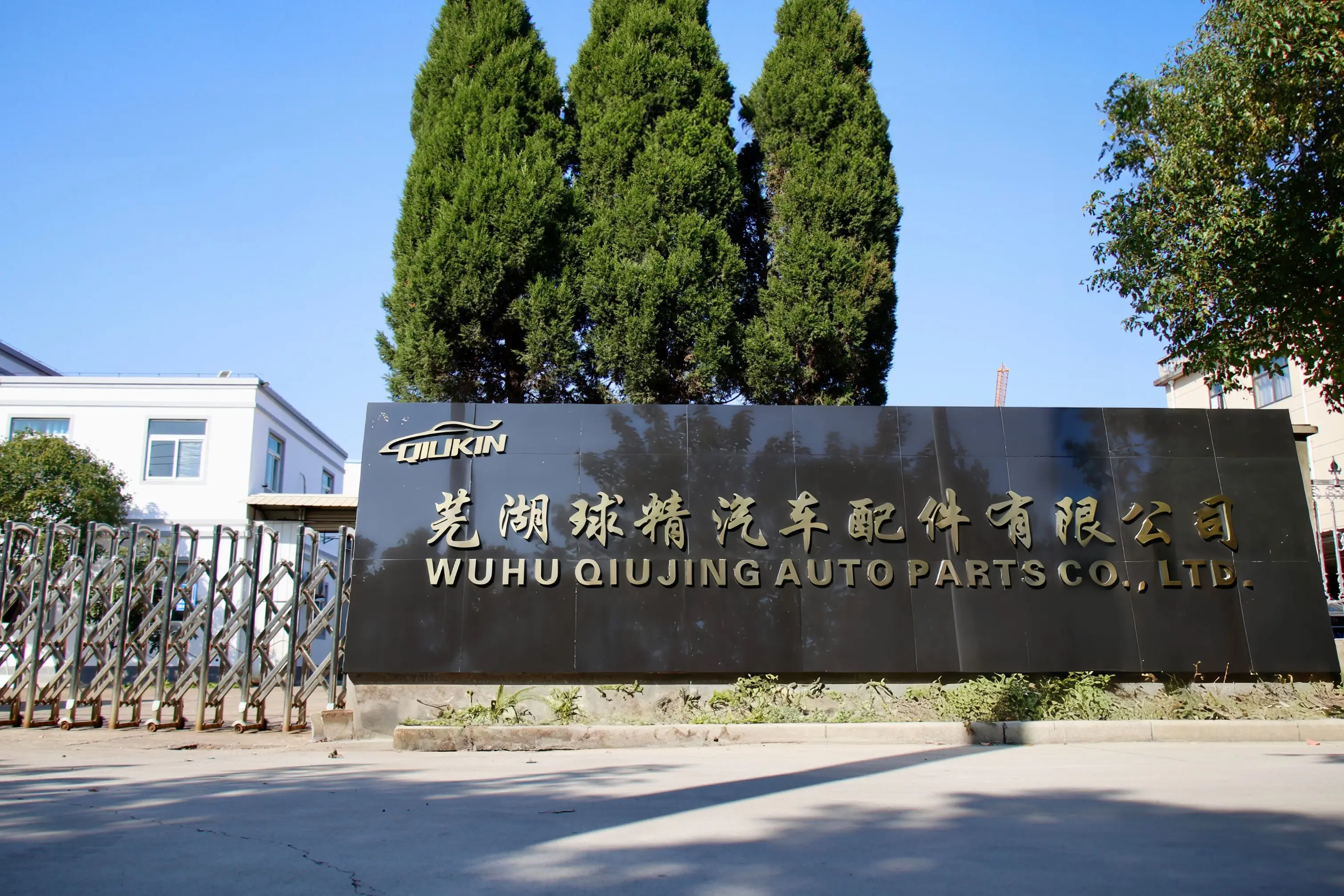
Professional automotive brake parts Source Factory
Established in 2007, Wuhu Qiujing Auto Parts Co., Ltd. is a dedicated, high-tech manufacturer specializing in hydraulic brake and clutch components. Built on the core principle of "Safety First," our founder has been actively engaged in automotive brake systems engineering since 1996.
Over the past two decades, we have developed thousands of OE-matching product numbers. These products are designed for passenger cars, light commercial vehicles, and heavy-duty transport platforms. Our facility utilizes advanced metallurgy and precise CNC machining lines to deliver consistent, long-term product performance. This enables us to meet the rigorous demands of road infrastructure and global safety regulations.
Continuous investment in advanced production processes and high-grade materials
Our manufacturing facility utilizes high-precision horizontal machining centers and automated toolwear compensation systems. This ensures bore tolerances remain within ±0.005mm, preventing pressure blow-by under intense braking scenarios.
Brake cylinder performance is heavily dependent on seal integrity. We source premium-grade EPDM compounds that resist thermal degradation up to 150°C and maintain flexibility at -40°C, ensuring broad compatibility with DOT 3, DOT 4, and DOT 5.1 brake fluids.
Every brake master and wheel cylinder undergoes automated dual-stage pressure tests. This process checks for low-pressure gas leakage and high-pressure fluid retention, ensuring that only zero-defect components leave our assembly lines.
An integrated, professional, and efficient service system built for long-term partnerships

6,000+m² production footprint, 50+ staff, and an annual production capacity exceeding 2 million units.

Equipped with state-of-the-art testing systems. We provide a full 2-year warranty on our auto parts.

Consistent quality control processes and flexible scheduling options support long-term partnerships.

Experienced R&D, production, QA, and sales teams ensure smooth and efficient communication.
Our quality management systems are fully certified to meet the strict demands of the global automotive supply chain
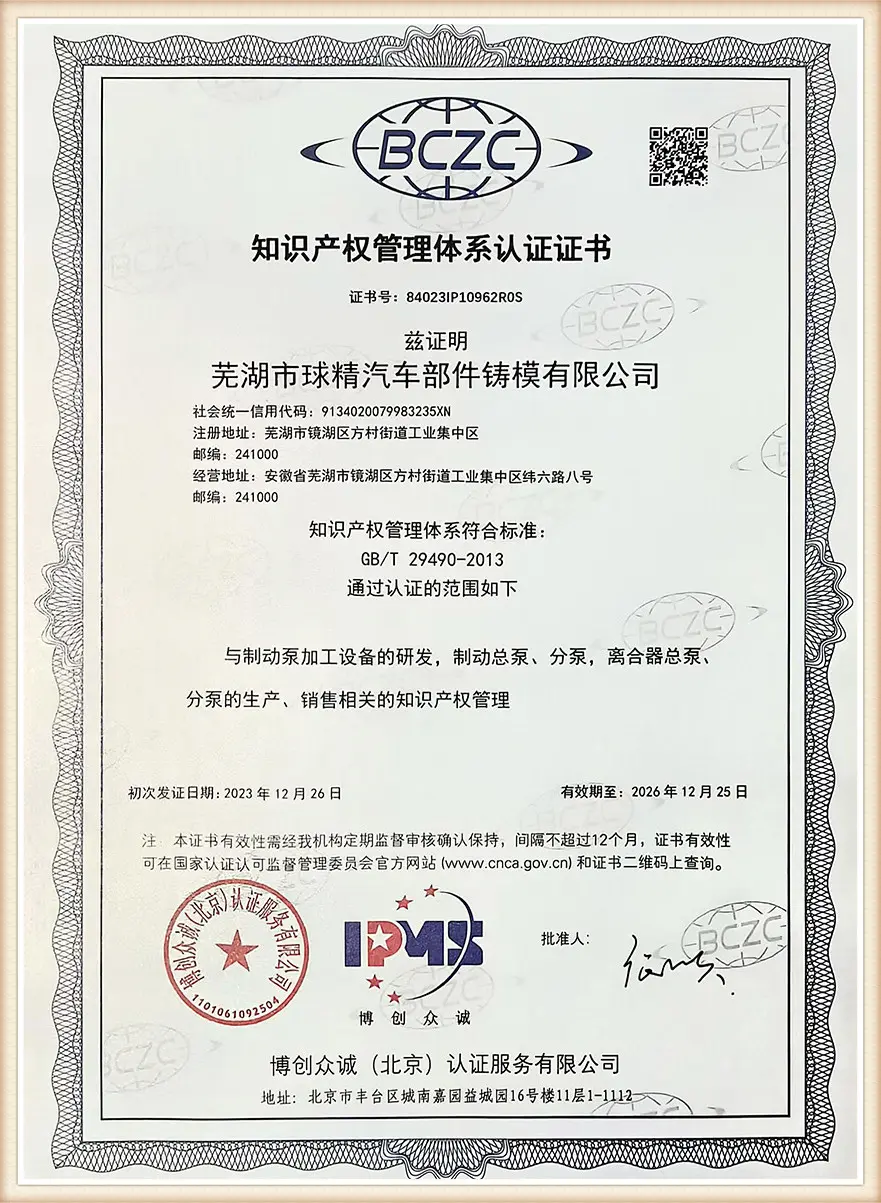
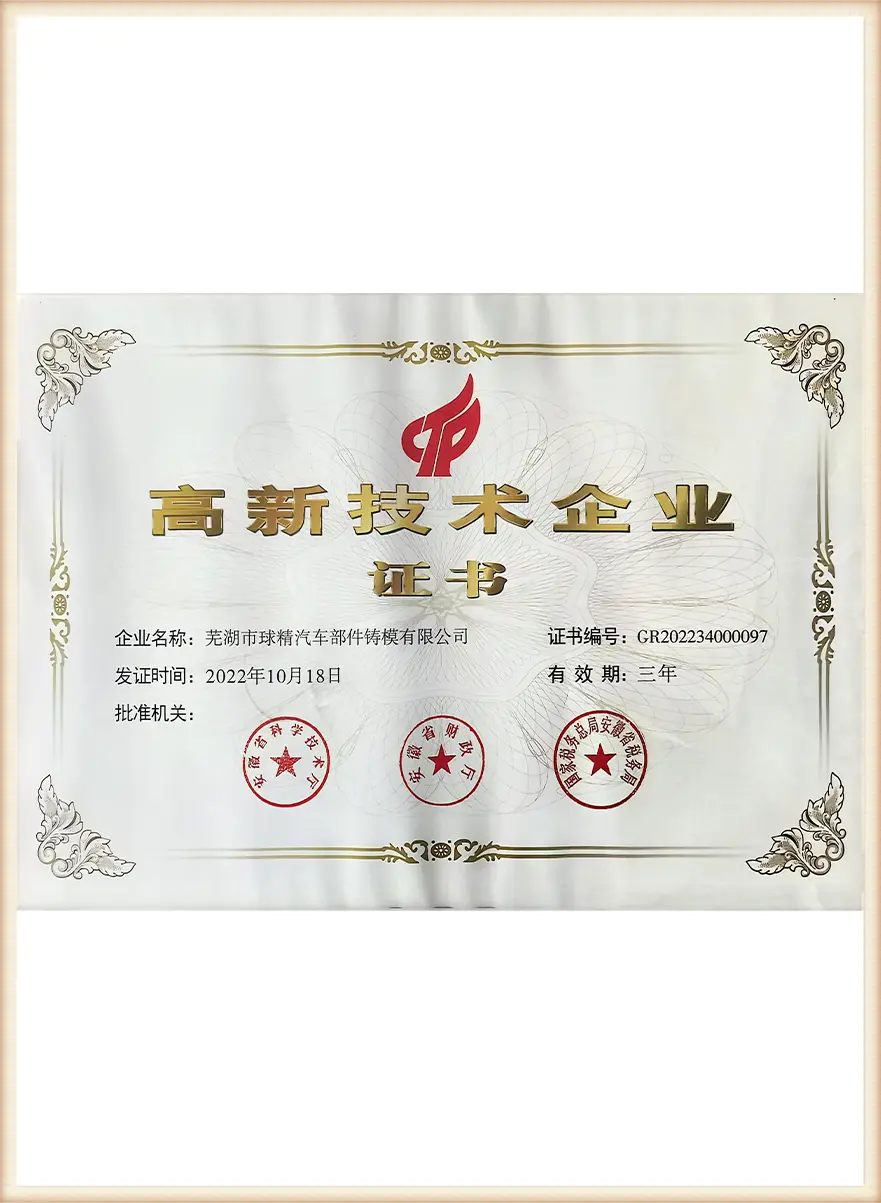
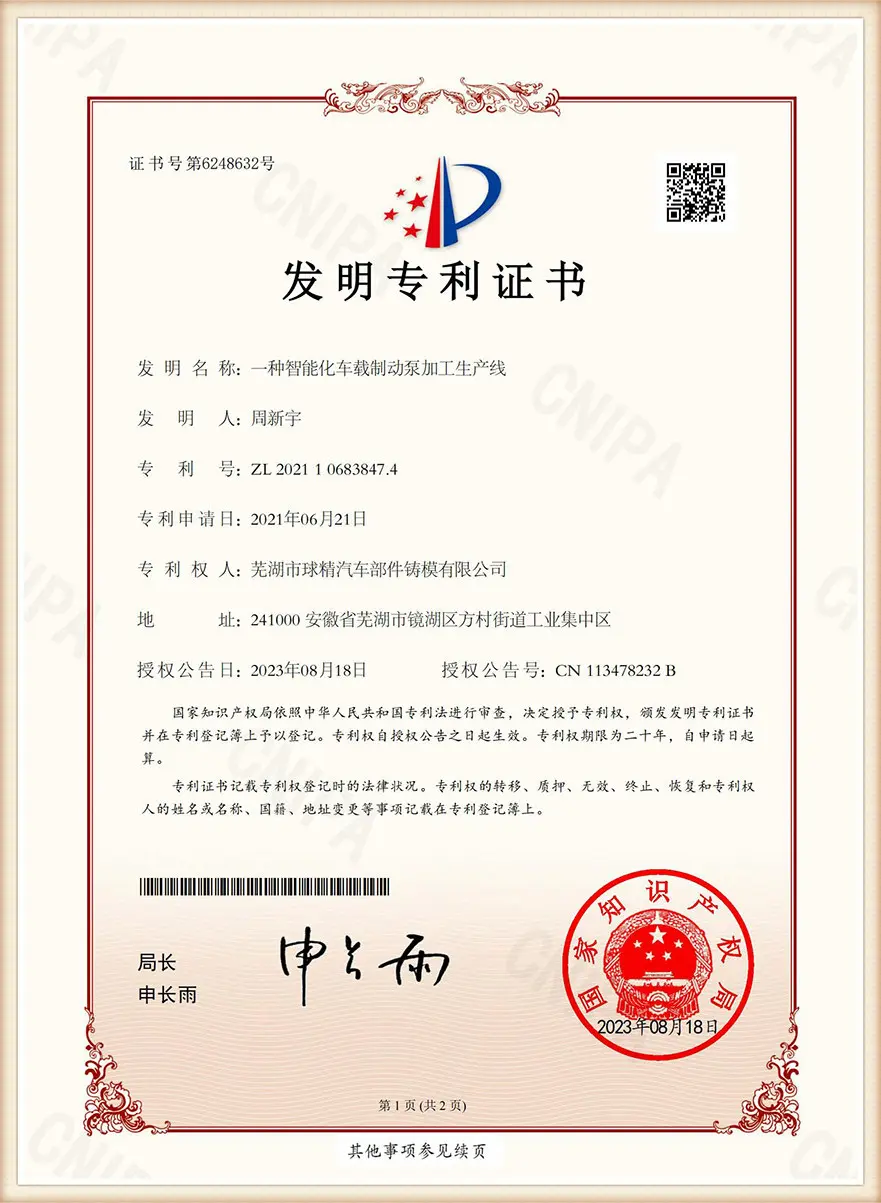
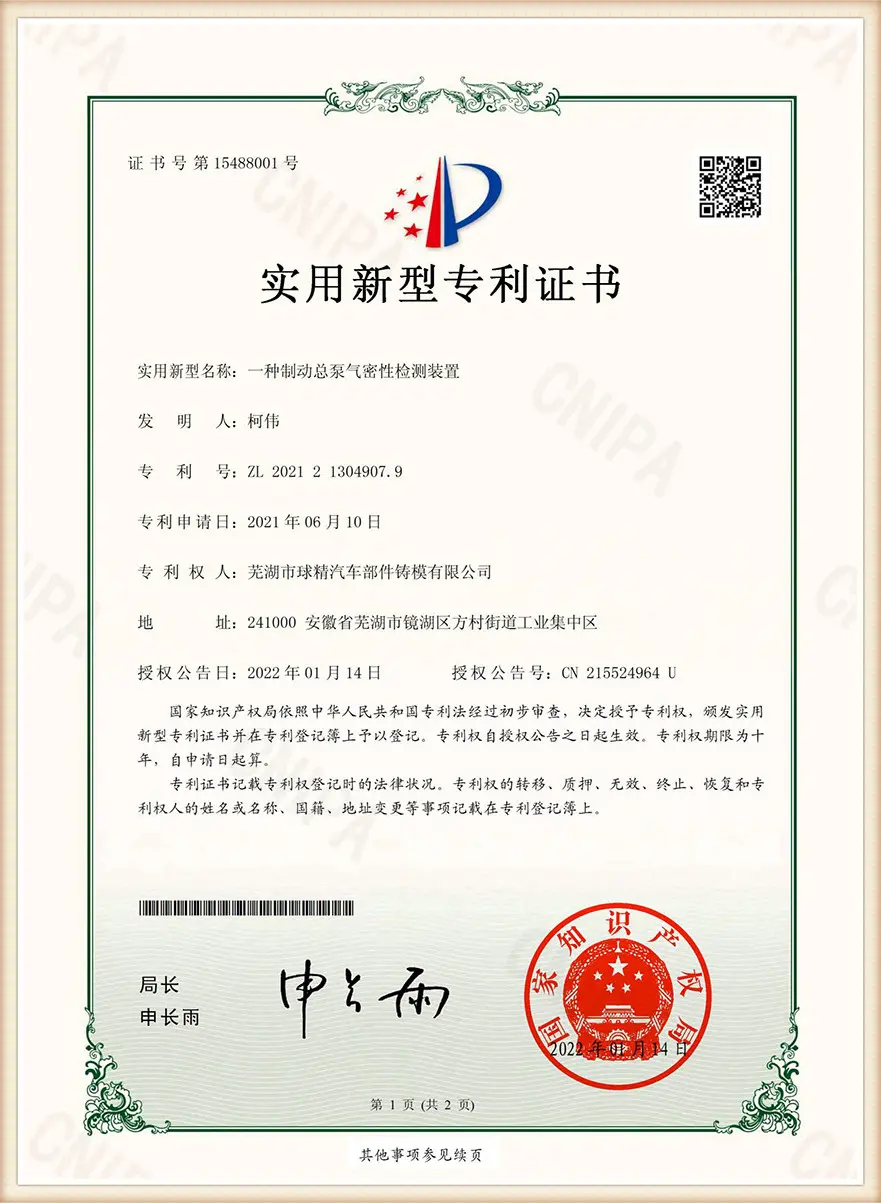
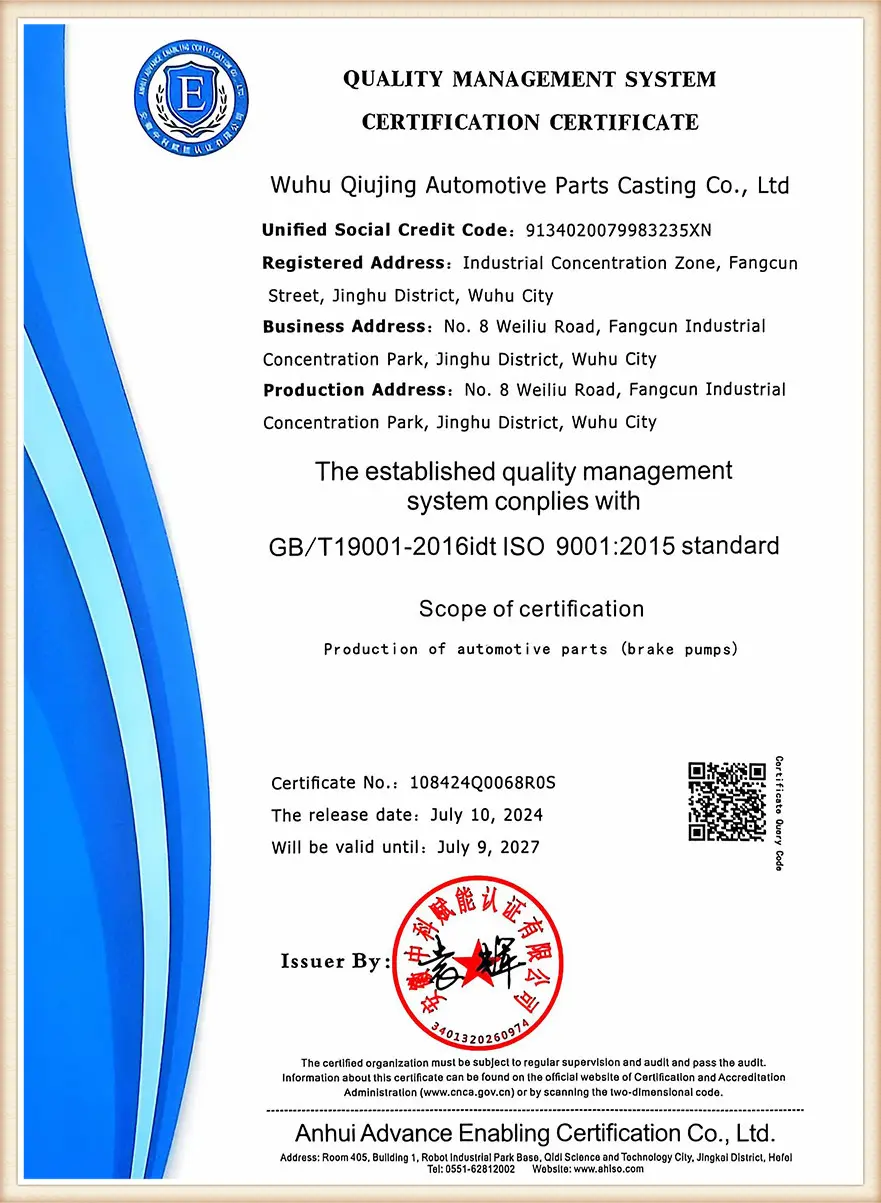
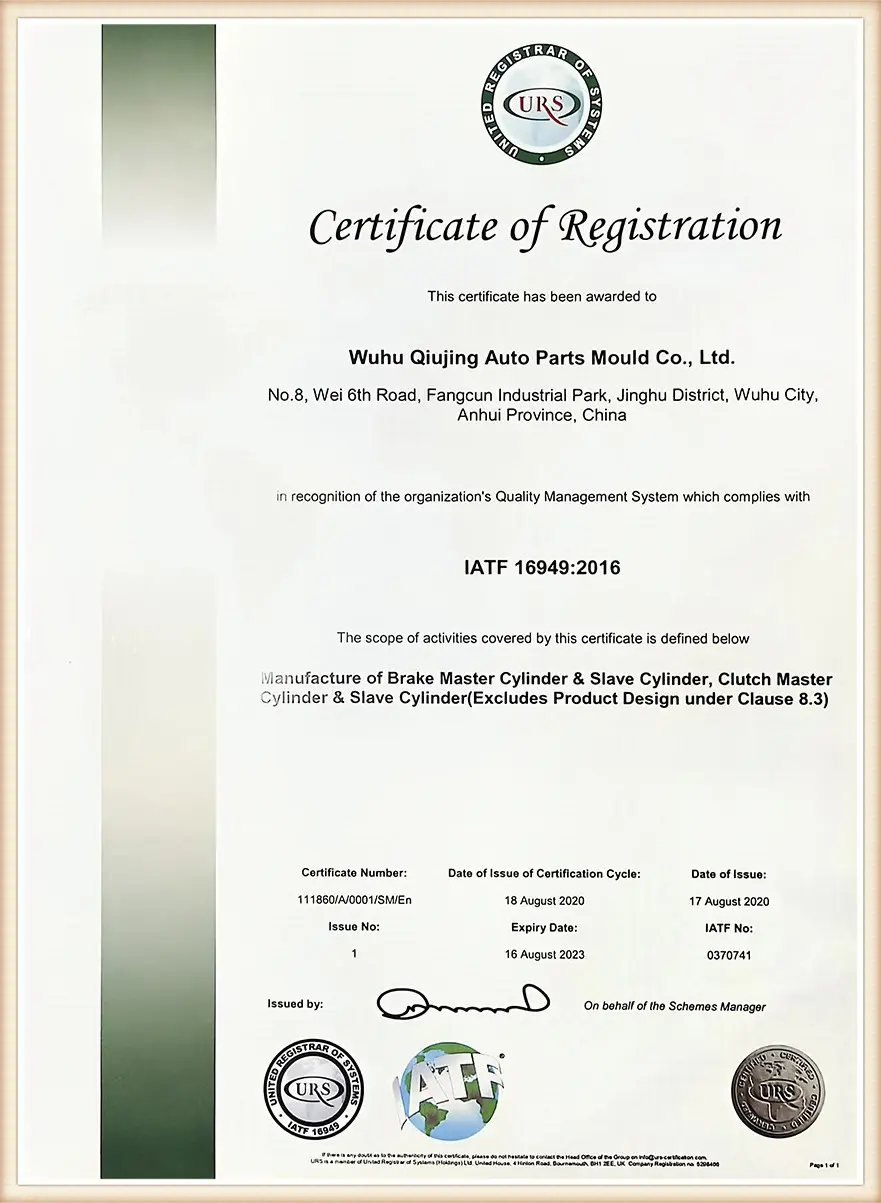
Ensuring compliance with international safety standards and chemical regulations
To serve global markets, automotive components must comply with a wide range of international standards. For hydraulic systems, this includes strict compliance with standards like SAE J1153 and SAE J1154 for hydraulic brake master cylinders, and FMVSS 106 for hose connection seals. At Wuhu Qiujing, our development processes are structured around these standards. This ensures that every Mazda-compatible brake cylinder we produce is a direct replacement for the original equipment, restoring the vehicle's braking performance to factory specifications.
Furthermore, our materials comply with EU REACH regulations and RoHS directives. Our EPDM rubber seals are sourced from certified manufacturers and formulated to resist swelling and hardening, even when exposed to high-glycol-ether-based DOT fluids. This material choice prevents seal shrinkage, a common cause of fluid leaks in climates with extreme temperature swings. Additionally, our aluminum cylinders undergo clear anodizing to protect the outer surface from road salts, moisture, and chemical exposure, preventing galvanic corrosion over the life of the part.
Our casting process uses high-pressure die casting (HPDC) to achieve a dense metallurgical structure. This approach minimizes internal gas inclusions and porosity compared to gravity-cast methods. Every casting run is monitored using real-time process control systems that track variables like shot speed, temperature, and packing pressure. This digital tracking allows us to maintain stable, reliable quality across large-volume production runs.
Updates and announcements from our engineering teams and production facilities
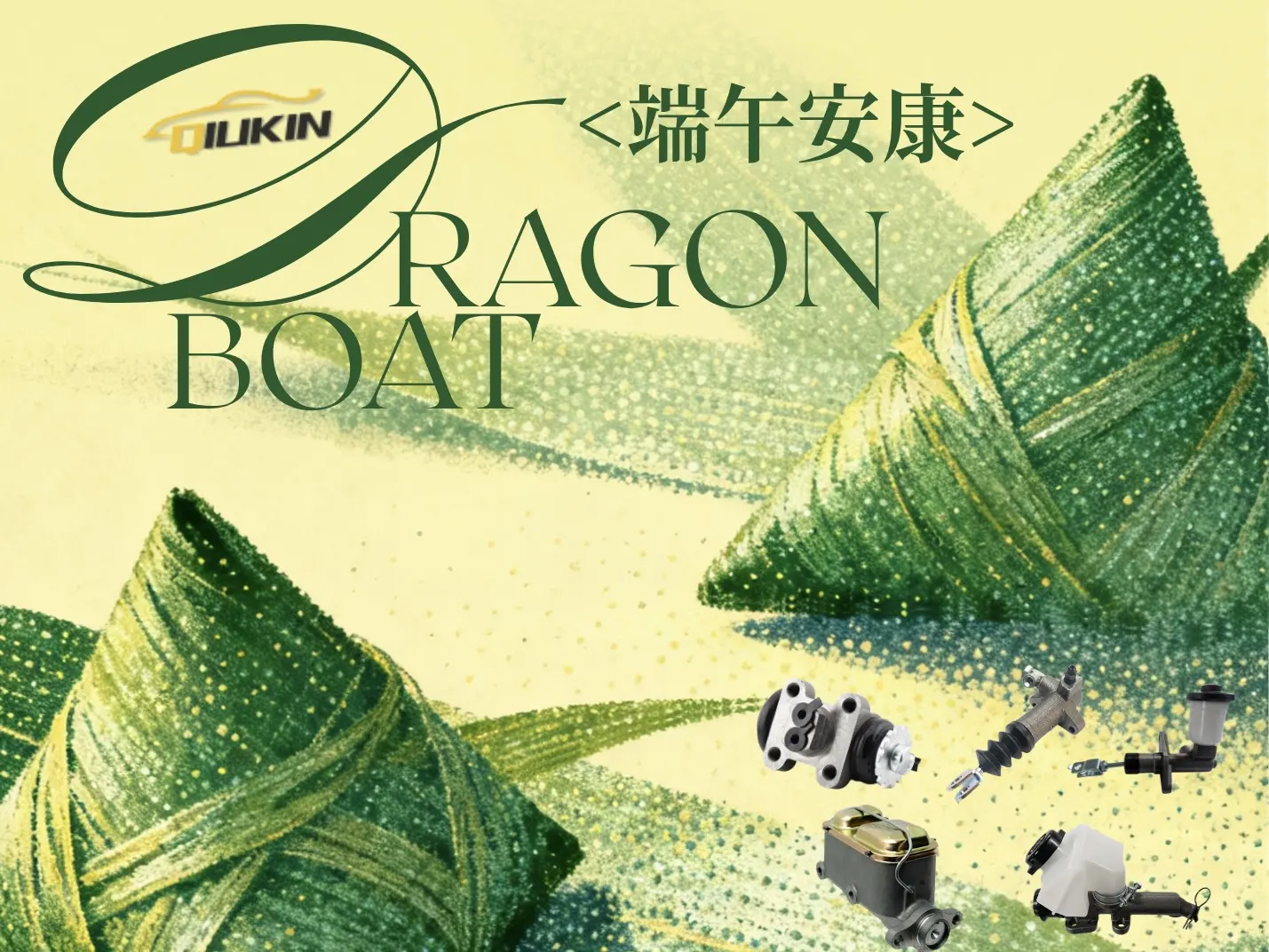
Read about our holiday schedule adjustments and shipping timelines designed to minimize impact on your supply chain.

Our production facilities have resumed normal operations. We are scheduling shifts to ensure prompt fulfillment of order backlogs.
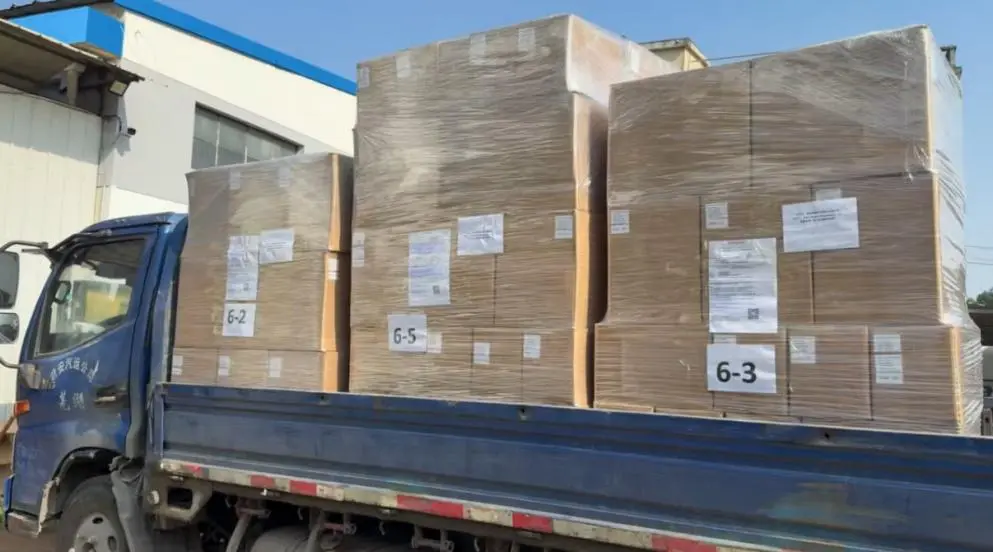
Our team successfully completed critical year-end shipments, meeting delivery commitments for our global partners ahead of schedule.
Technical answers to common questions about materials, compatibility, and quality control
We construct our aluminum cylinders from high-strength ADC12/A380 alloys, which are cast under high pressure to ensure structural integrity. For our cast iron range, we utilize HT250 gray cast iron, which is selected for its wear resistance and vibration damping properties. Both choices meet or exceed OEM mechanical properties.
Our seals are manufactured using specialized EPDM compounds. These elastomers undergo extensive testing to ensure chemical stability, resistance to swelling, and physical integrity when exposed to glycol-ether-based brake fluids. This prevents leaks and maintains consistent pedal pressure over time.
Every single cylinder is subjected to 100% automated end-of-line pneumatic testing. This includes a low-pressure air decay test to detect seal seat leakage, followed by a high-pressure test to verify casting integrity. This combination ensures that only defect-free units are packed and shipped.
Yes. Our in-house engineering and R&D teams can develop custom cylinders based on OE samples, technical drawings, or physical dimensions. We use 3D modeling and prototyping tools to accelerate development times while maintaining strict IATF 16949 design controls.
Premium OEM-equivalent hydraulic cylinders and valves for global passenger and light truck applications