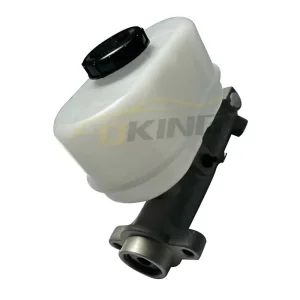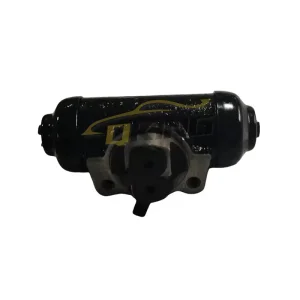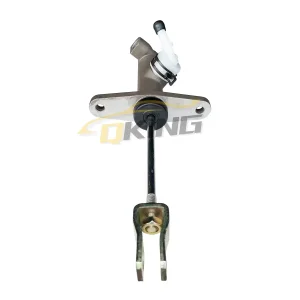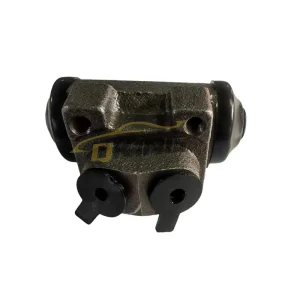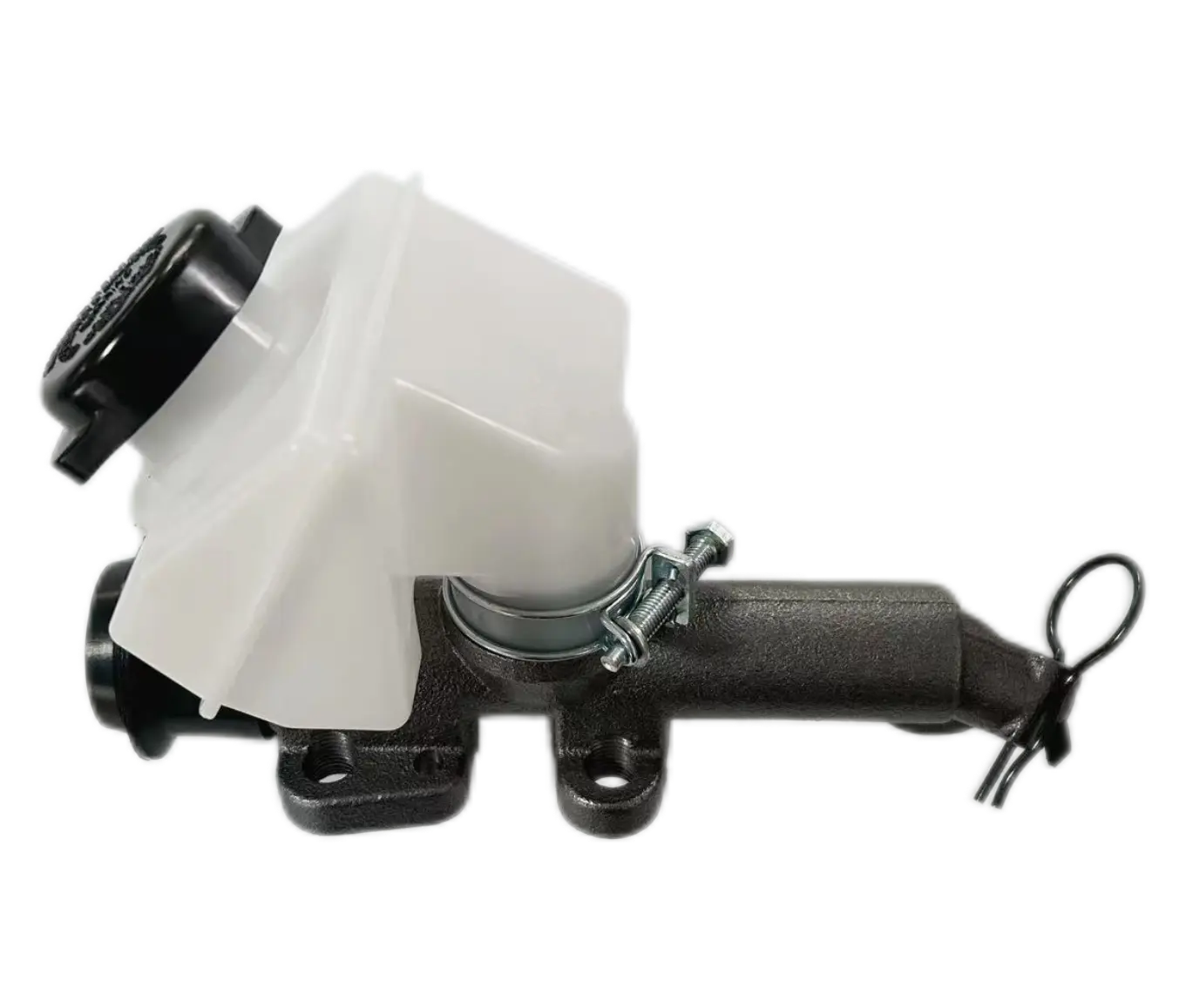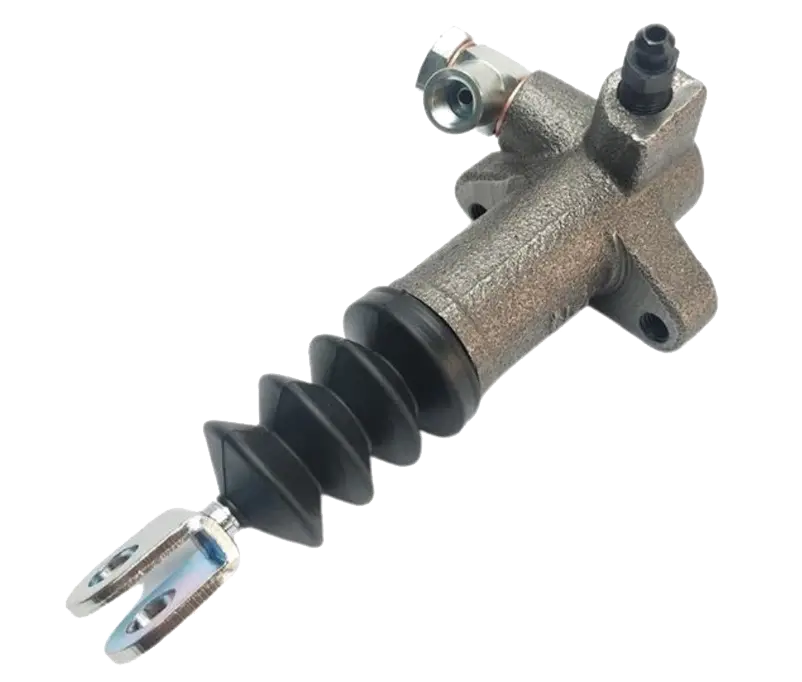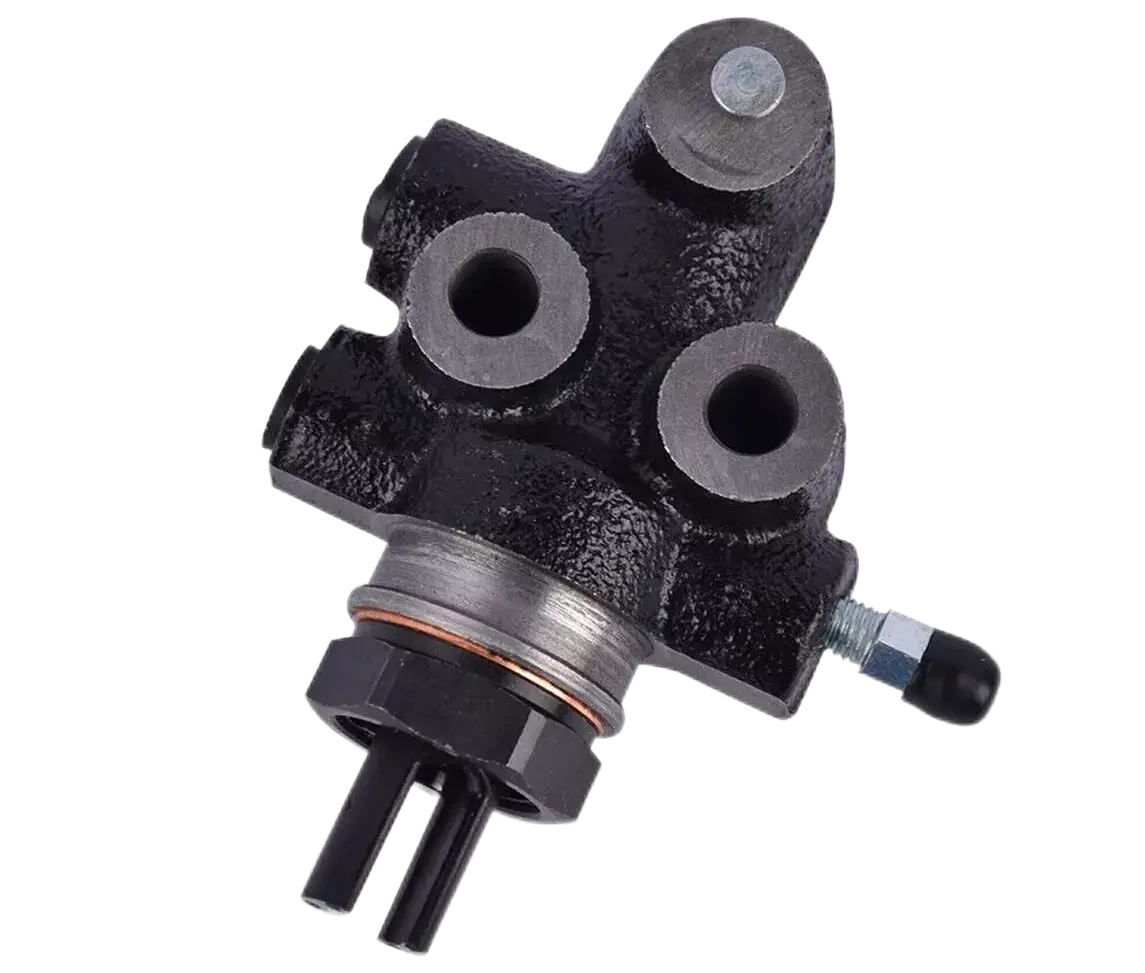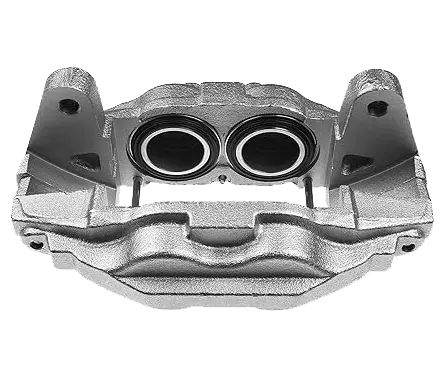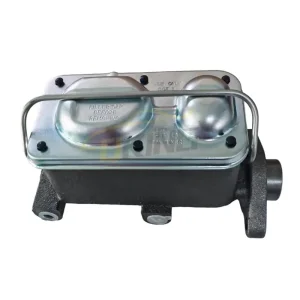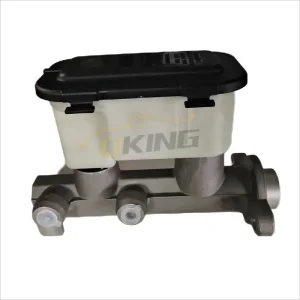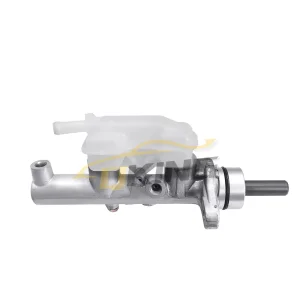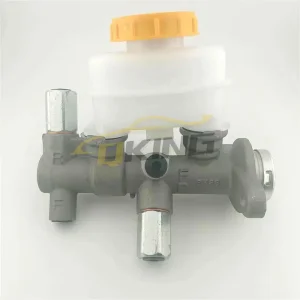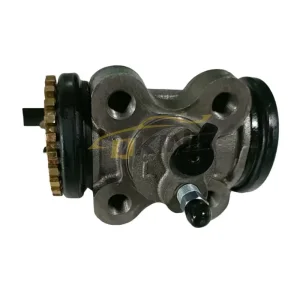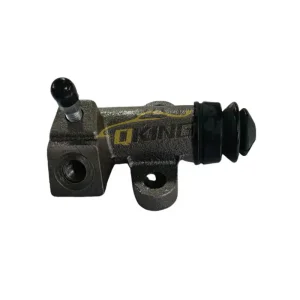
Explore our high-performance components engineered for precise fluid dynamics, direct OEM compatibility, and long-term durability under demanding operational conditions.
A professional technical breakdown of manufacturing practices, material selection, and strategic supply chains in the automotive brake and clutch industry.
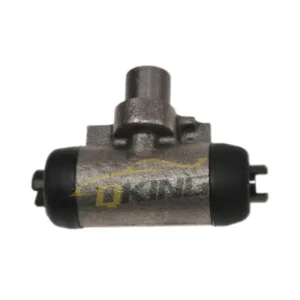
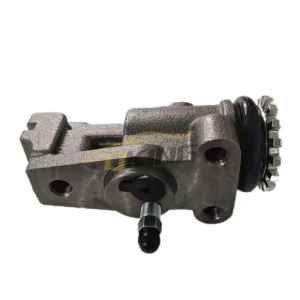
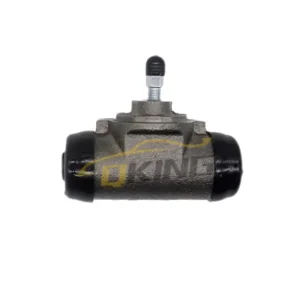
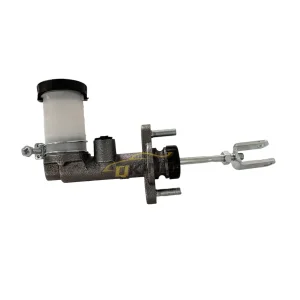
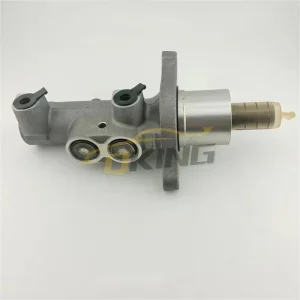
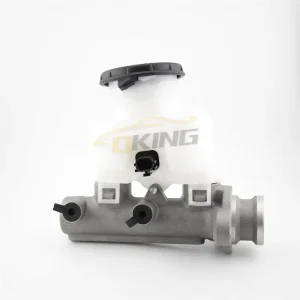
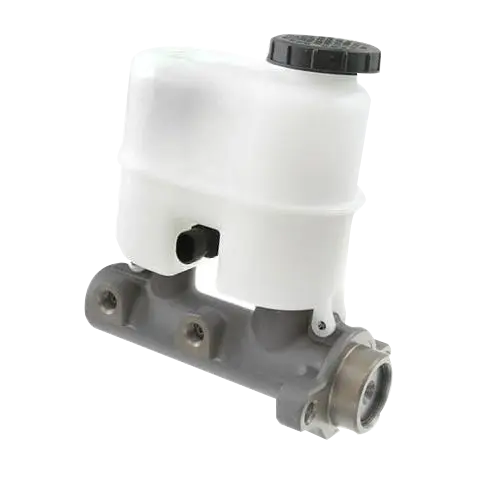
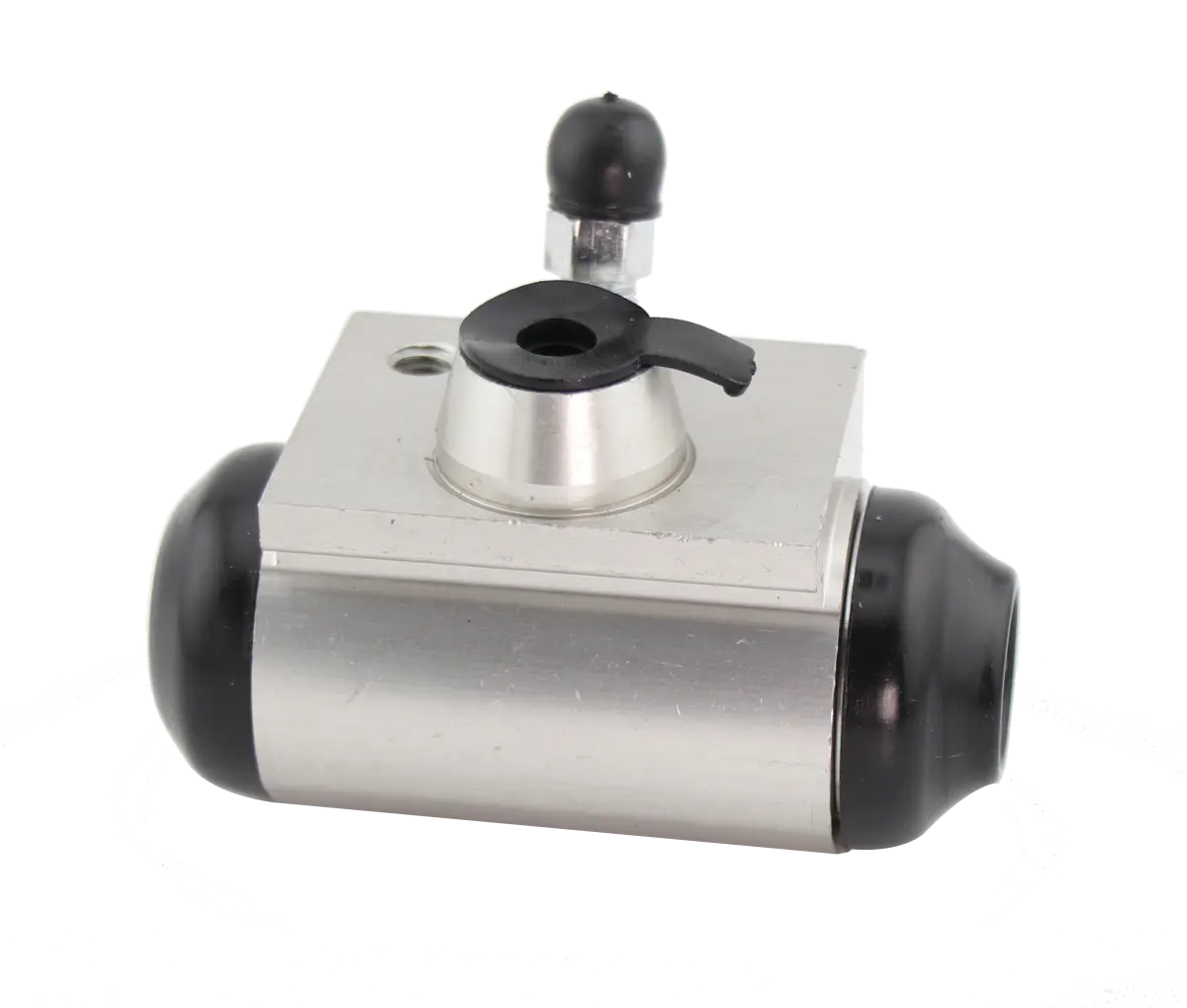
The hydraulic actuation circuit remains the gold standard for manual transmission and dual-clutch transmission (DCT) applications globally. The dual-component mechanism—comprising the clutch master cylinder connected to the clutch pedal and the clutch slave cylinder coupled to the release fork—converts mechanical force into hydraulic pressure, transmitting it across varying engine bay environments.
In North American, European, and Asia-Pacific regions, manual and commercial utility fleets demand highly reliable components due to extreme duty cycles. Heavy-duty pickup trucks, passenger transports, and light-duty logistics vehicles (such as the Isuzu ELF or Mazda B-Series pickups) operate under severe start-stop stress. Any degradation in hydraulic integrity leads to transmission drag, gear grinding, or catastrophic system failure. Consequently, global tier-1 distributors, warehouse distributors (WDs), and heavy-duty fleet procurement managers prioritize cylinders designed with high thermal-tolerance seals and precision-honed internal bores.
SEO Insight & Semantic Value: Modern automotive designs require tight coordination between master and slave cylinder bores to prevent pressure drops. Working with a verified source factory guarantees that both components match volumetric configurations for instantaneous pressure response.
China represents the global epicentre for high-precision automotive component manufacturing. Industrial clusters, particularly in Wuhu, Anhui Province, benefit from comprehensive engineering ecosystems, raw material integration, and proximity to shipping hubs like Shanghai and Ningbo.
At Wuhu Qiujing Auto Parts Co., Ltd., we utilize advanced automation and lean production flows to optimize output efficiency without compromising quality. By combining aluminum casting, micro-honing CNC machining, and automated sealing-ring insertion, we mitigate manual assembly errors. This lean configuration allows us to operate a 6,000 m² state-of-the-art facility and produce over 2,000,000 units annually. This regional concentration significantly reduces raw material logistics costs and local casting costs, passing substantial margins down the supply chain to international OEM and aftermarket partners.
Hydraulic cylinders must perform reliably under diverse regional conditions:
The shift towards light-weighting and integrated systems is reshaping the aftermarket and OEM sectors. Heavy cast-iron cylinders are increasingly replaced by high-strength engineered plastics and anodized aluminum alloys, reducing vehicle weight.
Additionally, the adoption of Concentric Slave Cylinders (CSCs)—which combine the release bearing and the slave cylinder into a single unit—simplifies assembly on the vehicle line but demands even tighter tolerances from factories. Quality control protocols, such as 100% pneumatic low-and-high pressure testing and Coordinate Measuring Machine (CMM) dimensional checks, are crucial to ensure that parts meet strict industry guidelines.
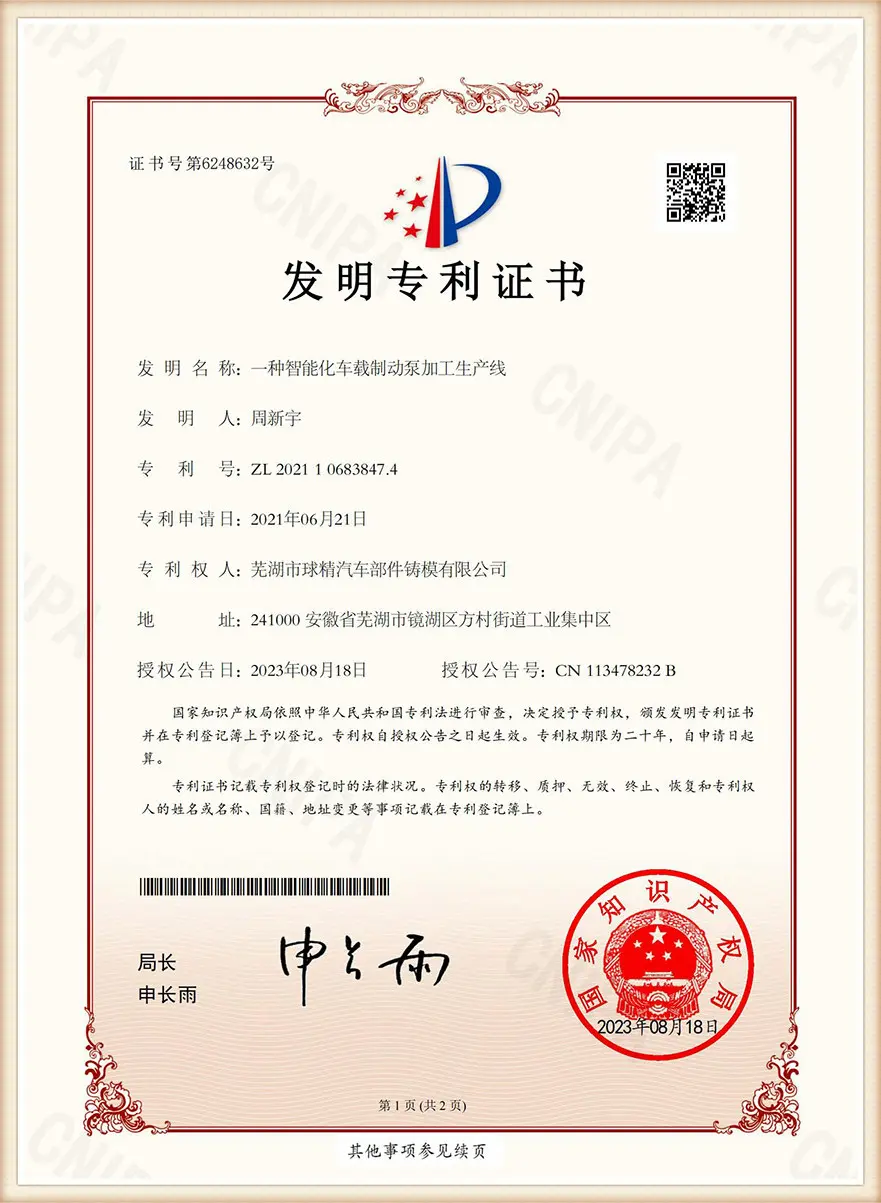
Over two decades of precision manufacturing backed by stringent quality control certifications.
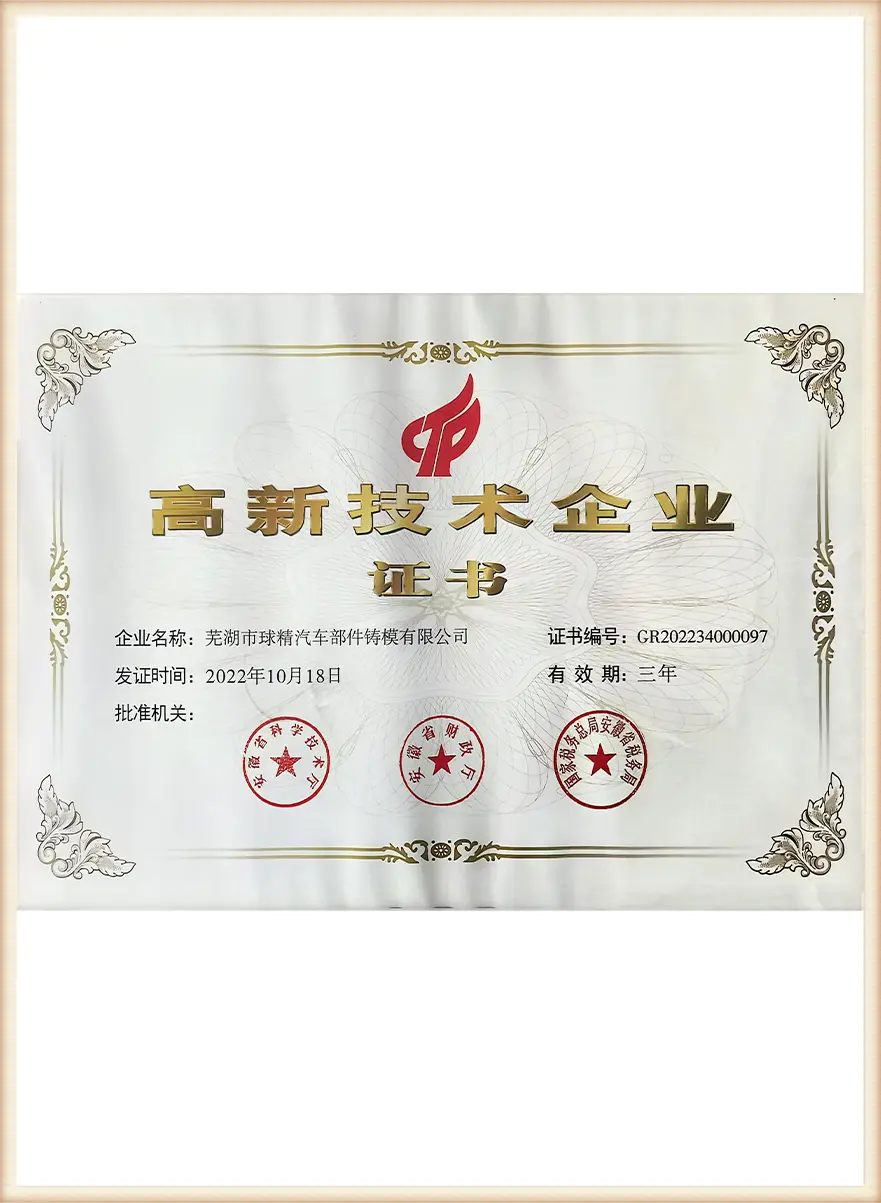
We align with international automotive standard frameworks, maintaining GB/T19001-2016 / ISO 9001:2015, IATF 16949:2016, and GB/T29490-2013 certifications.
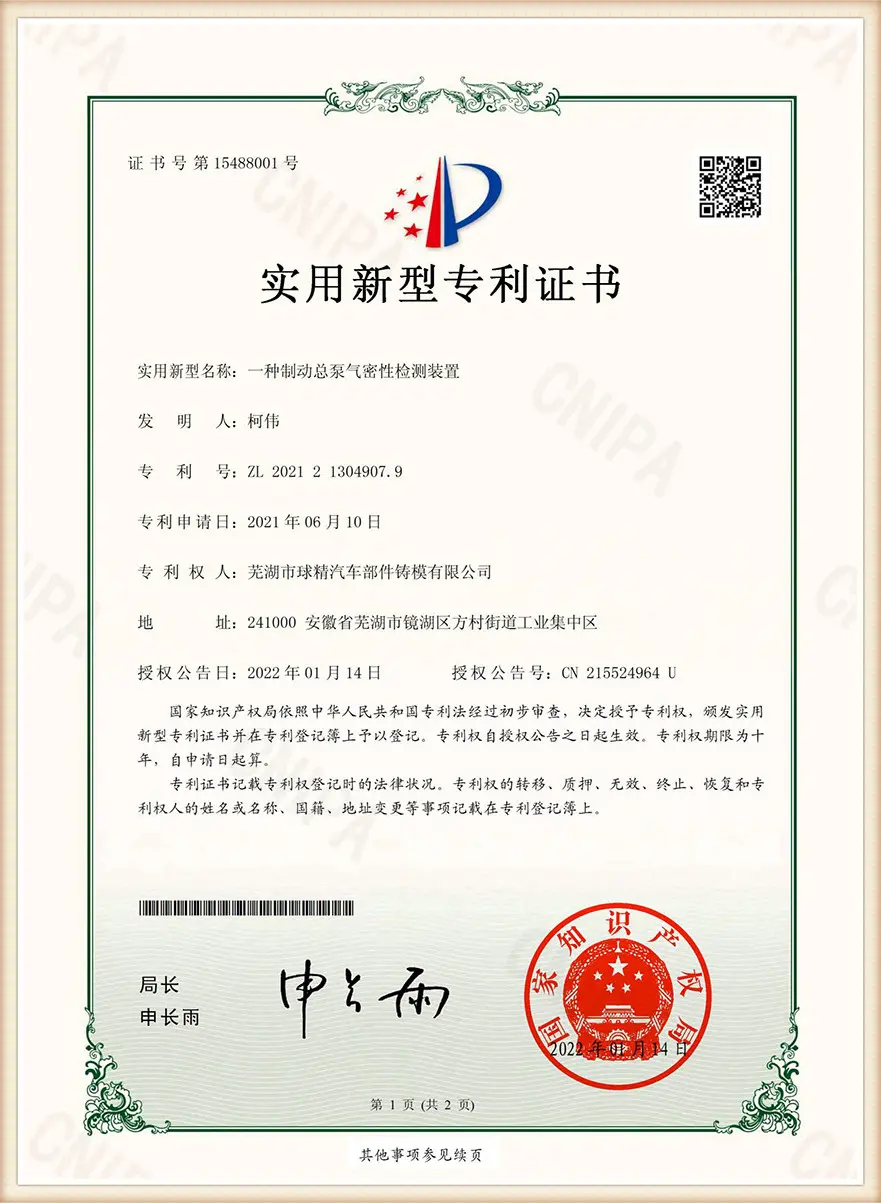
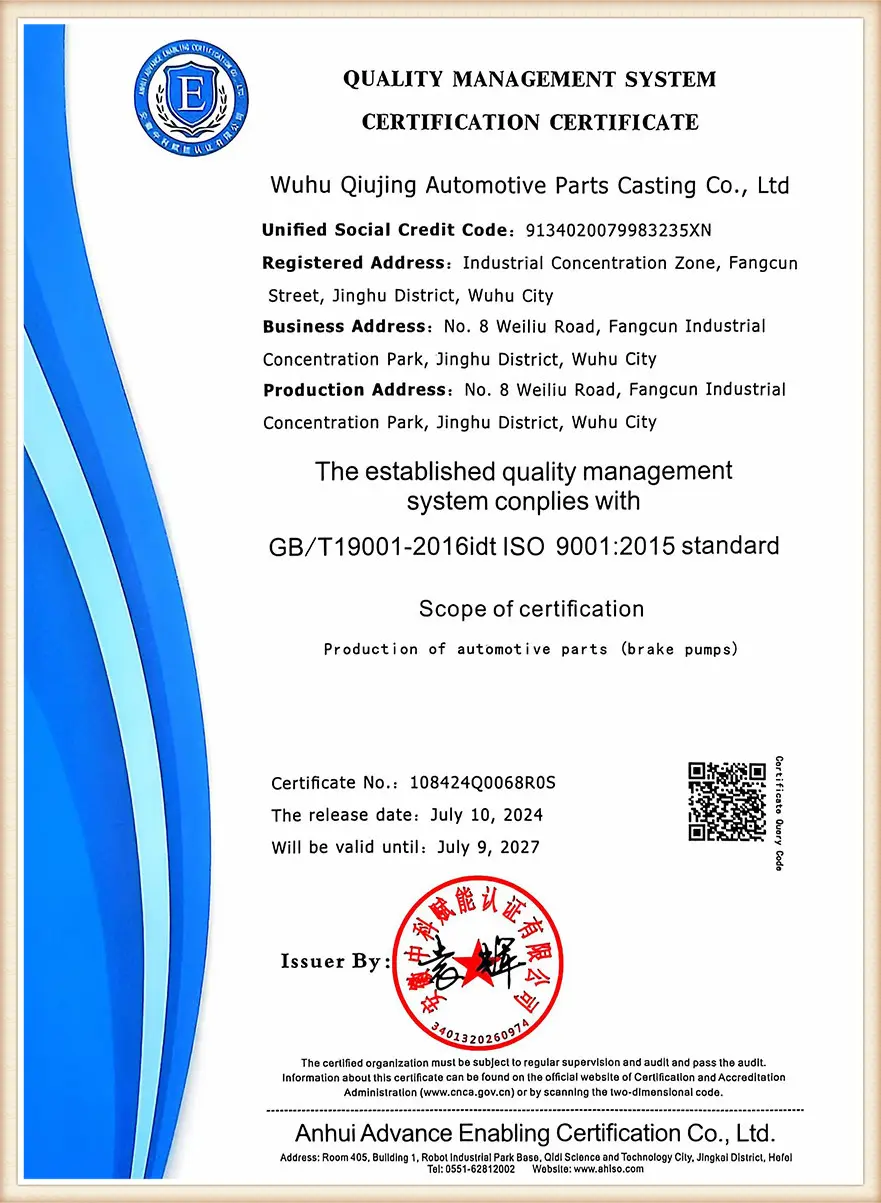
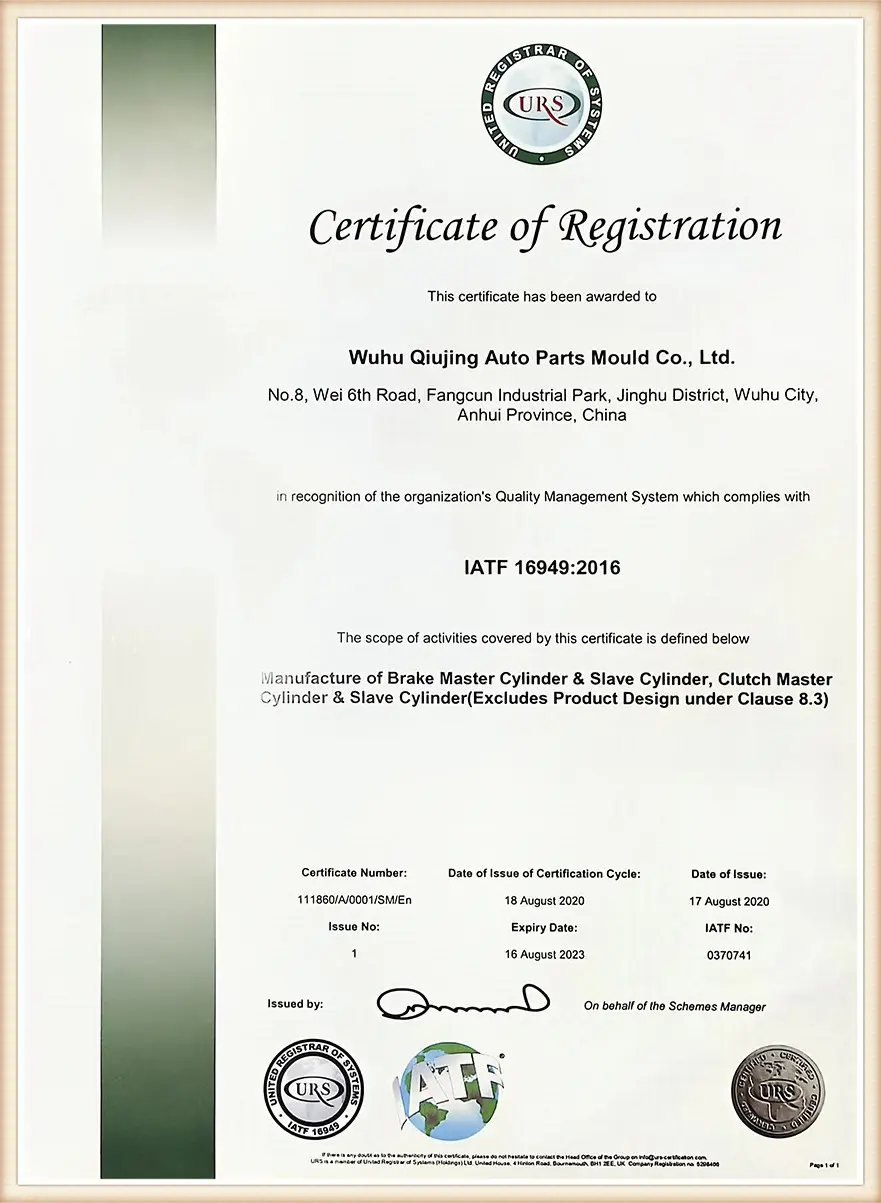
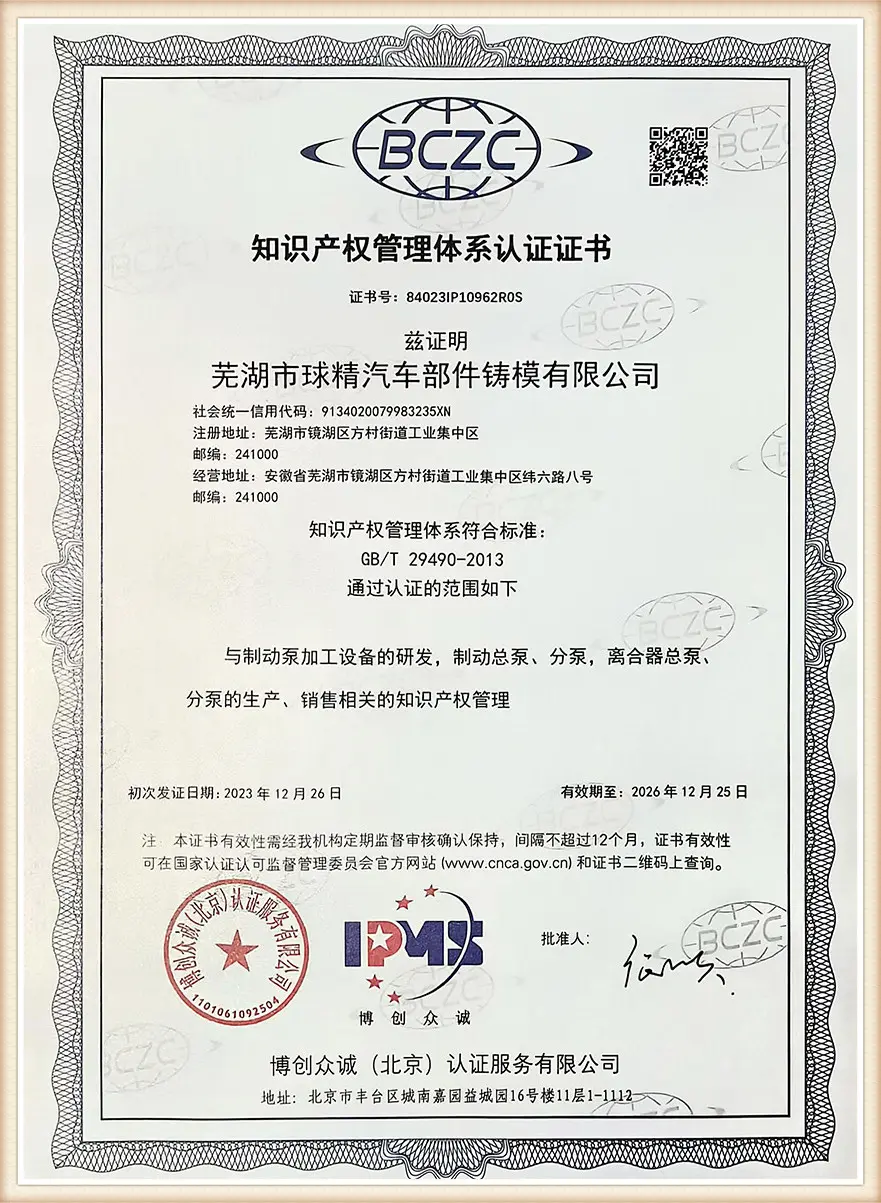
A complete catalog of hydraulic actuation components designed for major global automotive applications.
Why Tier-1 importers, distributors, and global retailers partner with our manufacturing facility.

Eliminate intermediaries. Our 6,000+ m² facility features streamlined layout configurations, 50+ specialized employees, and robust scale production efficiencies.

Equipped with rigorous precision testing lines. We offer a comprehensive two-year after-sales warranty on our entire hydraulic cylinder product line.

We utilize premium castings and strict batch control policies to ensure uniform tolerances across production cycles. Ideal for long-term contract supply.

Our structure integrates R&D engineers, QC controllers, and a professional international trading division to streamline OEM customization and communication.
Stay updated with our manufacturing milestones, holiday schedules, and trade operations.
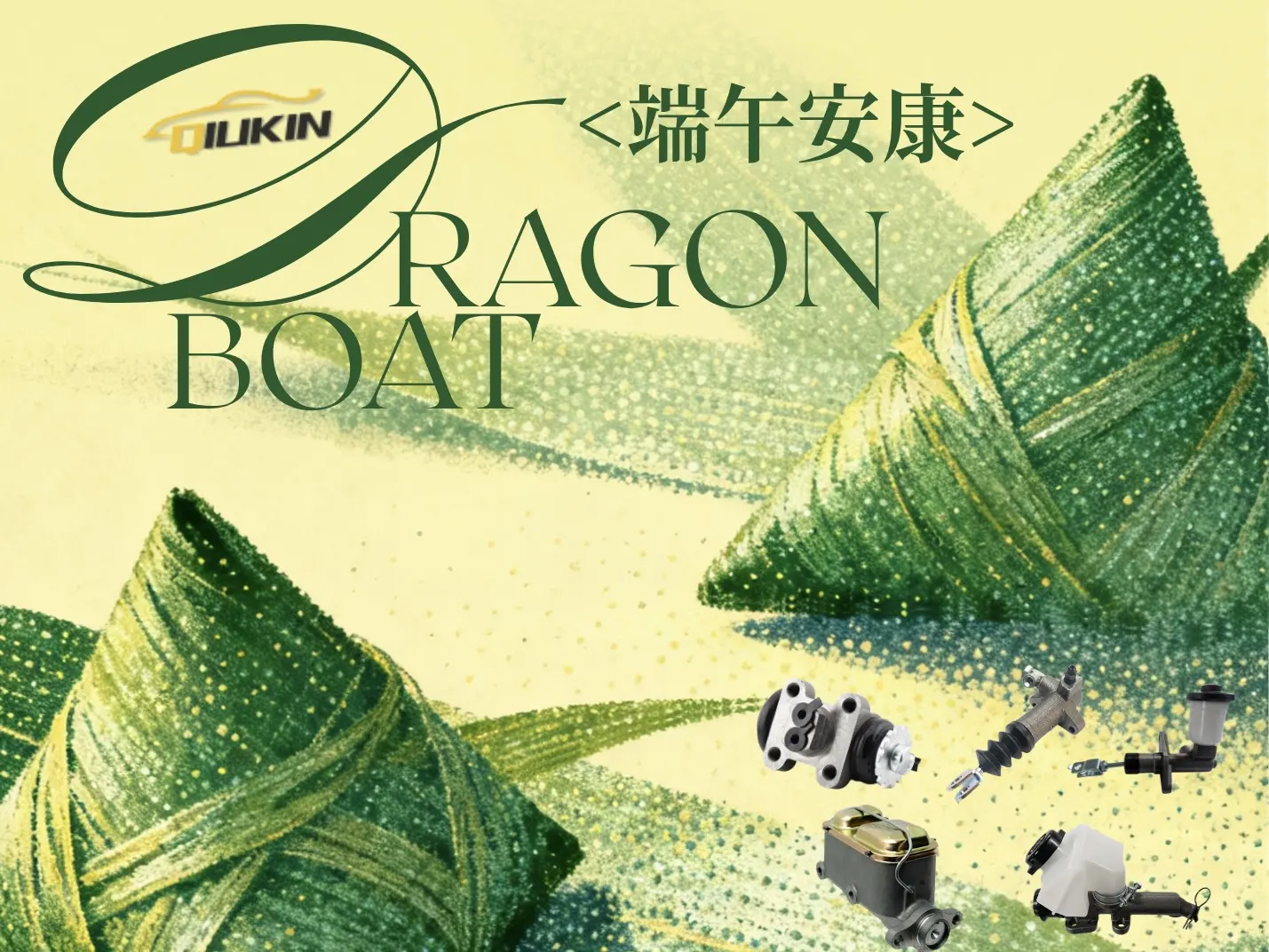
Operational schedule adjustments and customer support availability details during the traditional Chinese Dragon Boat Festival.
View More
Wuhu Qiujing Auto Parts Co., Ltd. is pleased to announce the official resumption of production today, following scheduled maintenance routines.
View More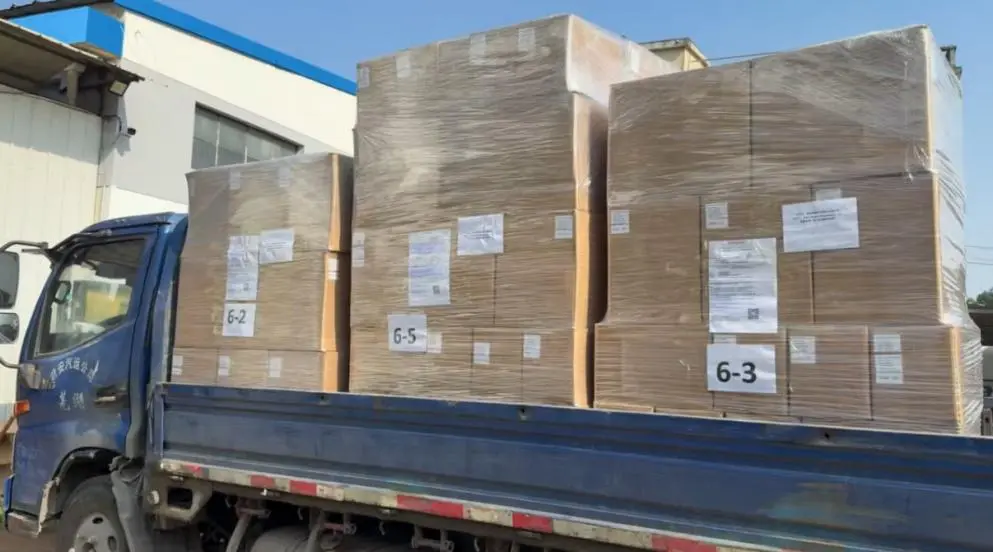
[Wuhu, January 2025] As the Lunar New Year approaches, our logistics team has successfully finalized critical shipping schedules for international partners.
View MoreTechnical responses regarding hydraulic clutch components, procurement terms, and OEM specifications.
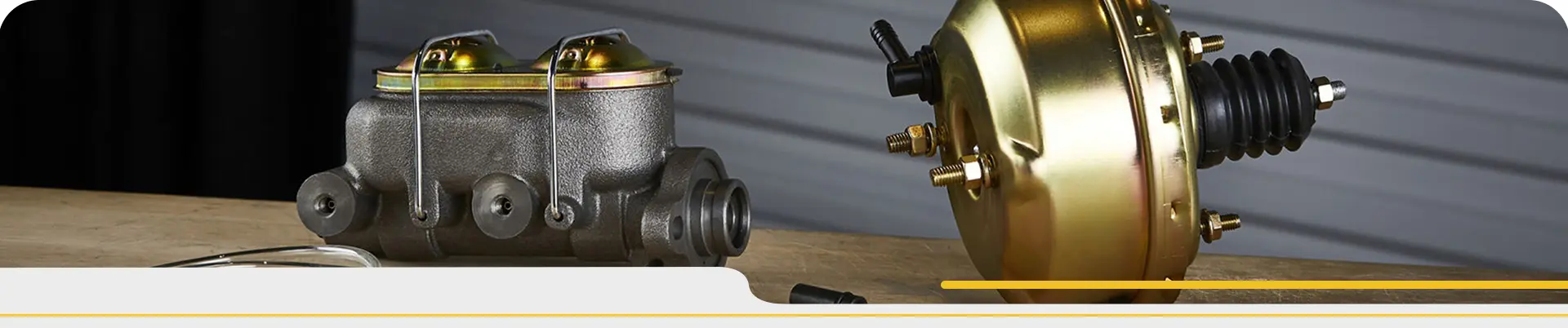
Send us your required OEM reference numbers and product specifications. Our engineering and sales teams will respond with custom pricing and technical specifications within 24 hours.
Explore additional application listings engineered for precision braking and clutch engagement across global vehicle models.