Precision-engineered solutions tailored for global distributors, commercial fleets, and OES suppliers.
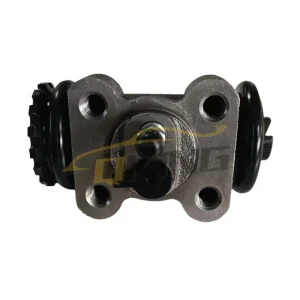
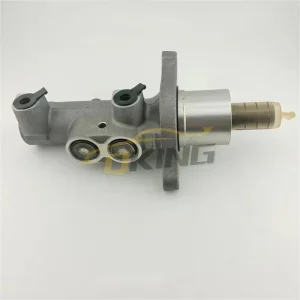
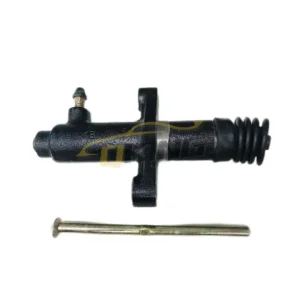
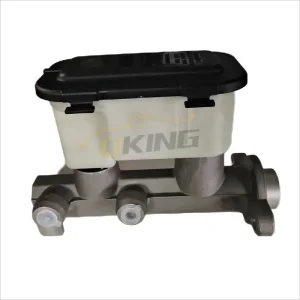
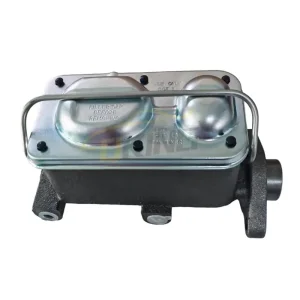
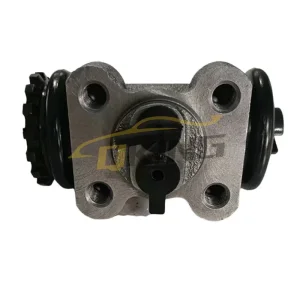
A comprehensive technical guide to Clutch Slave Cylinder (CSC) optimization, cost structural variables, and sourcing intelligence.
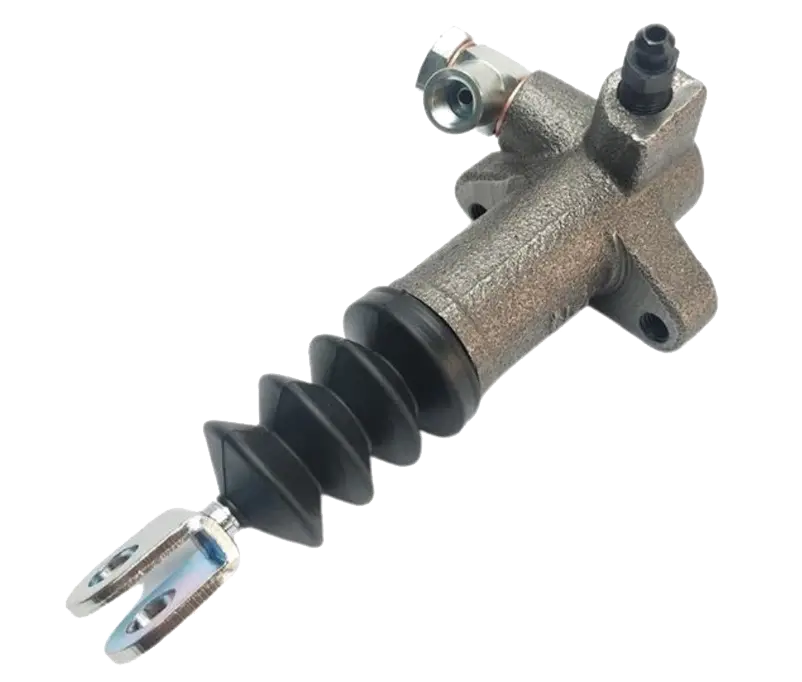
The clutch slave cylinder acts as the final muscle of a vehicle's manual transmission system. Situated inside the bell housing (in concentric slave cylinder setups) or on the exterior of the transmission casing, it translates hydraulic pressure generated by the master cylinder into a direct mechanical push against the clutch release fork or diaphragm spring. This mechanical force disengages the engine from the driveline. Any micro-fissure or pressure drops immediately lead to catastrophic transmission failures, making component integrity non-negotiable for commercial and passenger vehicle safety.
Modern factories utilize premium cast iron or lightweight, heat-stabilized aluminum alloys to endure intense mechanical stresses and operating temperatures exceeding 120°C. The inner bore is engineered through high-precision honing processes down to micro-tolerances of ±0.01 mm. This minimises friction coefficient and reduces wear on rubber piston seals. Standard industrial materials rely on EPDM (ethylene propylene diene monomer) seals, specially formulated to resist hydraulic DOT fluids and avoid deformation under extreme pneumatic and hydraulic stress.
Under heavy duty cycles, common failure modes include seal degradation due to fluid contamination, bore oxidation, and pressure bypass. Leading factories resolve these issues using hard anodization for aluminum bores and proprietary electro-deposition (ED) coatings for cast-iron housings. These chemical coatings protect the cylinder from road debris, moisture, salt air, and corrosive chemical environments, ensuring a trouble-free lifecycle spanning hundreds of thousands of disengagement actions.
When sourcing components at scale, understanding the structural composition of the Clutch Slave Cylinder Price is crucial for global supply chain procurement officers. Raw material cost fluctuations in metals (specifically high-grade aluminum and ductile iron) directly impact base costs. However, precision machining, post-casting heat treatments, and quality validation constitute a significant portion of the ultimate factory quote.
Cheaper alternatives from uncertified factories save cost by using recycled rubbers for seals, which quickly fail when exposed to standard brake fluid additives. High-quality factories purchase premium seal components from certified vendors (such as Japanese or European rubber manufacturers), assuring a service life that aligns with the vehicle's OEM specifications. Furthermore, investing in automated 100% pneumatic testing for seal leaks ensures that the defect rates (expressed in PPM - Parts Per Million) are kept under single digits.
By working directly with Chinese Source Factories (such as Wuhu Qiujing Auto Parts Co., Ltd.), procurement teams eliminate intermediary markups, gaining access to customized packing solutions, competitive bulk pricing structures, and robust R&D scaling services. This direct channel significantly reduces the Total Cost of Ownership (TCO) for importers, distributors, and global OES brands alike.
Navigating the path toward lightweight materials, electrification, and intelligent hydraulic systems.
To reduce vehicle curb weight and curb carbon emissions, global R&D divisions are shifting from cast metals to high-performance thermoplastic polymers (such as PA66-GF35). These glass-fiber-reinforced polymers provide high structural rigidity while dropping component weight by up to 40%. The manufacturing process involves precision injection molding, which eliminates secondary machining phases and translates to highly competitive component pricing at high volumes.
The integration of sensor technologies is the next frontier for hydraulic systems. Next-generation clutch slave cylinders feature magnetic-inductive travel sensors. These sensors detect piston travel positions in real-time, providing input signals to the vehicle’s ECU. This allows precise control of clutch engagement, reducing clutch plate wear and facilitating smoother gear transitions in semi-automatic transmissions.
Environmental policies dictate the reduction of petrochemical residues in manufacturing. Future hydraulic systems will rely more on eco-friendly, biodegradable hydraulic fluid configurations. This shift requires factories to validate seal materials under prolonged exposure to water-glycol mixes and newly formulated bio-liquids, ensuring compatibility and preventing fluid leakages across extreme environments.
Established in 2007, Wuhu Qiujing Auto Parts Co., Ltd. has developed into a leading manufacturing hub specializing in automotive brake and hydraulic clutch actuation systems. Guided by our founder's expertise dating back to 1996, the factory has dedicated over two decades to developing and manufacturing dozens of categories and thousands of individual models.
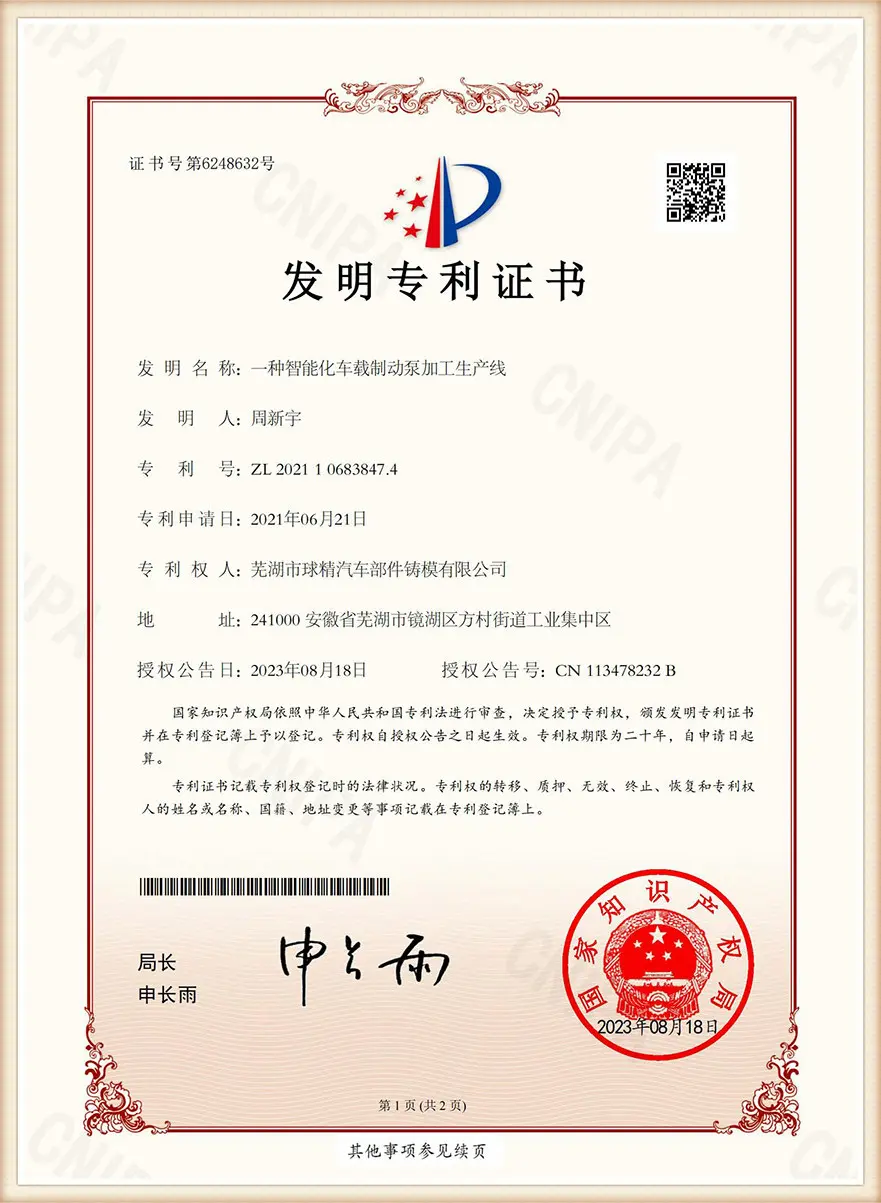
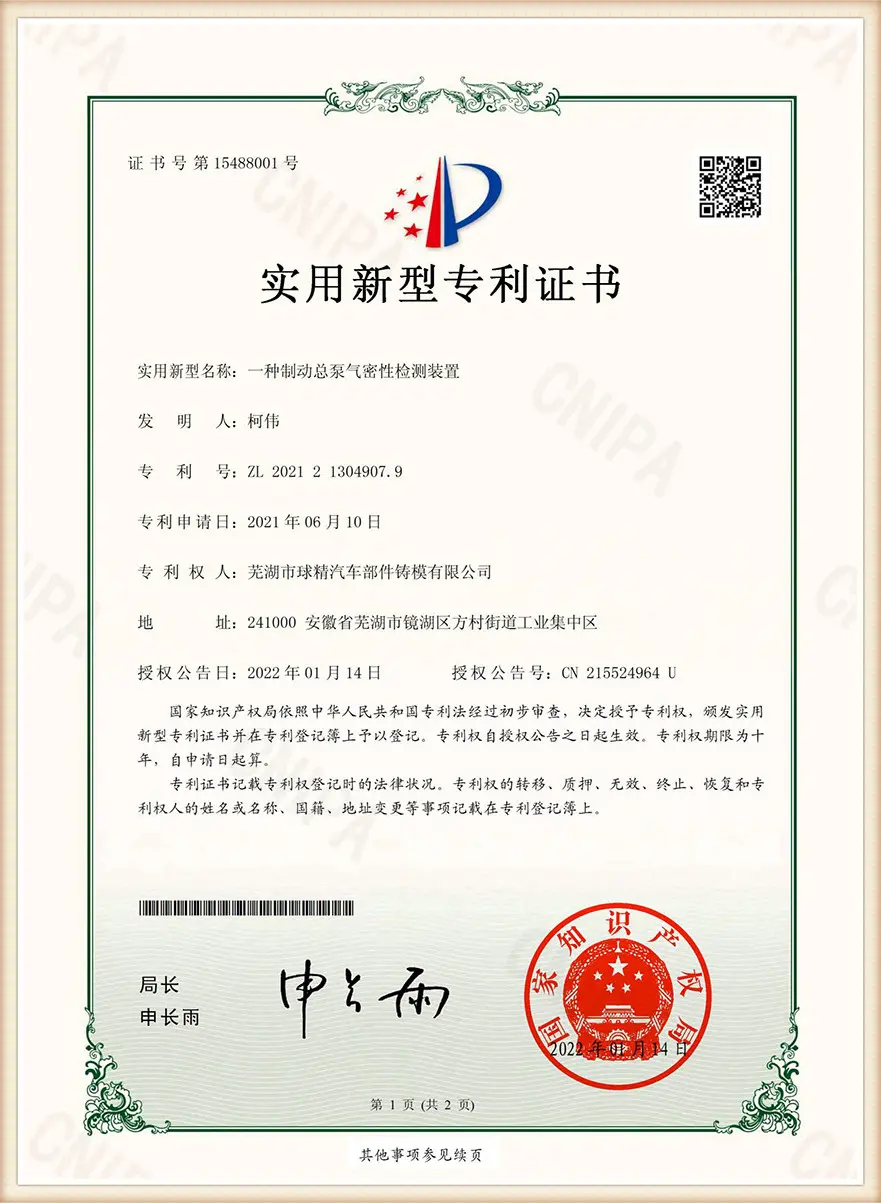
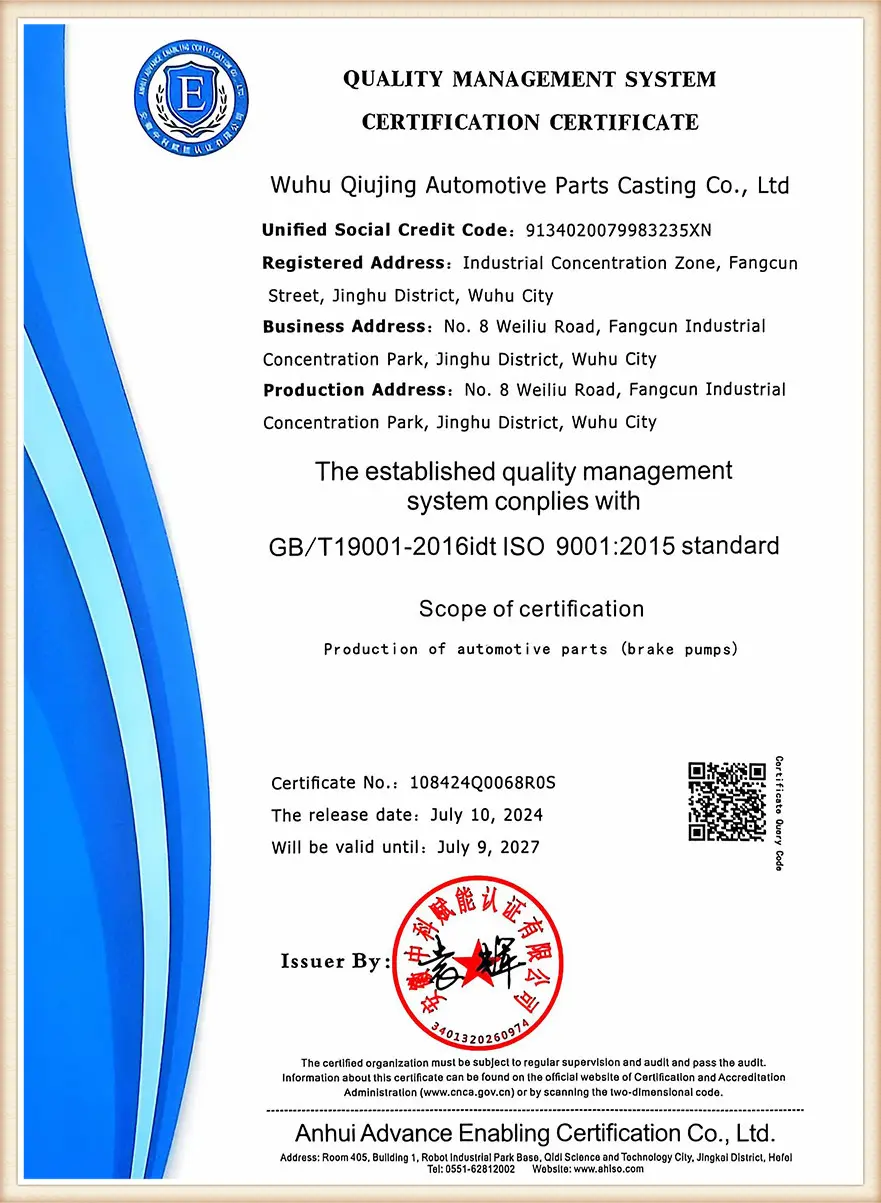
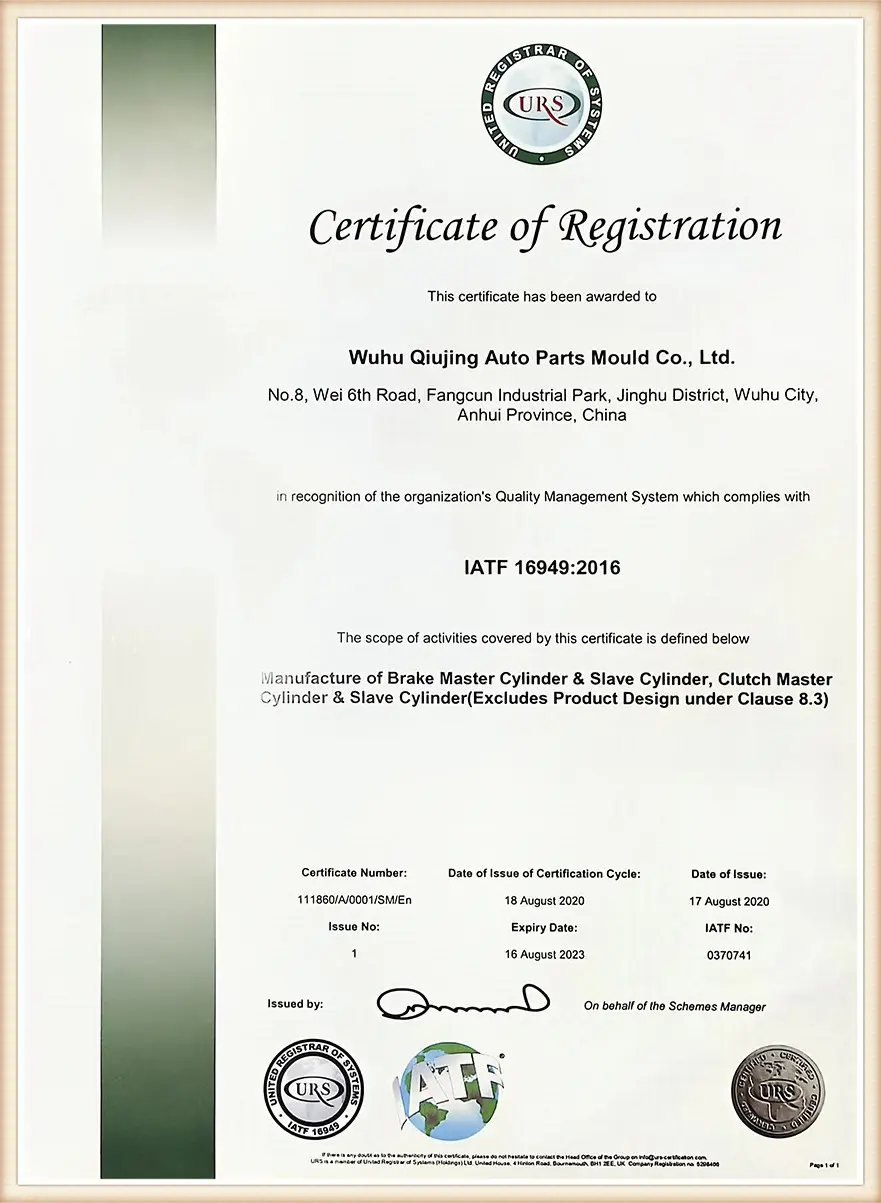
Operating out of a modern manufacturing facility, we implement rigorous quality management models certified by GB/T19001-2016 / ISO 9001:2015 and the automotive-grade standard IATF 16949:2016. We consistently execute our core philosophy: "Safety First, Precision Engineering" to ensure that every cylinder exiting our assembly line exhibits flawless pressure resistance and long-term durability.
Comprehensive manufacturing solutions covering critical automotive hydraulic systems.
Why global automotive distributors and OES buyers choose Qiujing.

Direct manufacturing ensures absolute transparency, customizable packaging, and competitive volume pricing directly from our 6,000+ m² facility.

Equipped with state-of-the-art diagnostic machinery. We offer a comprehensive two-year after-sales warranty on our hydraulic configurations.

Automated manufacturing operations and rigorous production tolerances guarantee long-term performance consistency across batches.

Integrating in-house design, automated tooling, quality testing, and dynamic logistics coordination for smooth operations.
Sourcing critical safety parts like clutch master and slave cylinders for multinational aftermarket distributors requires rigorous compliance. International importers must ensure that their supplier's manufacturing facilities align with global standards such as ISO 9001:2015 and IATF 16949:2016. This alignment ensures consistency from initial materials processing to final functional testing.
Wuhu Qiujing Auto Parts Co., Ltd. meets these requirements by providing comprehensive testing documentation. This includes chemical analysis certificates for raw aluminum alloy castings, dimensional tolerance charts, and high-pressure helium leakage reports.
Additionally, we understand the logistical challenges faced by global businesses. We offer flexible MOQ frameworks, secure palletized shipping configurations, customized labeling options, and custom clearances to facilitate a smooth supply chain.
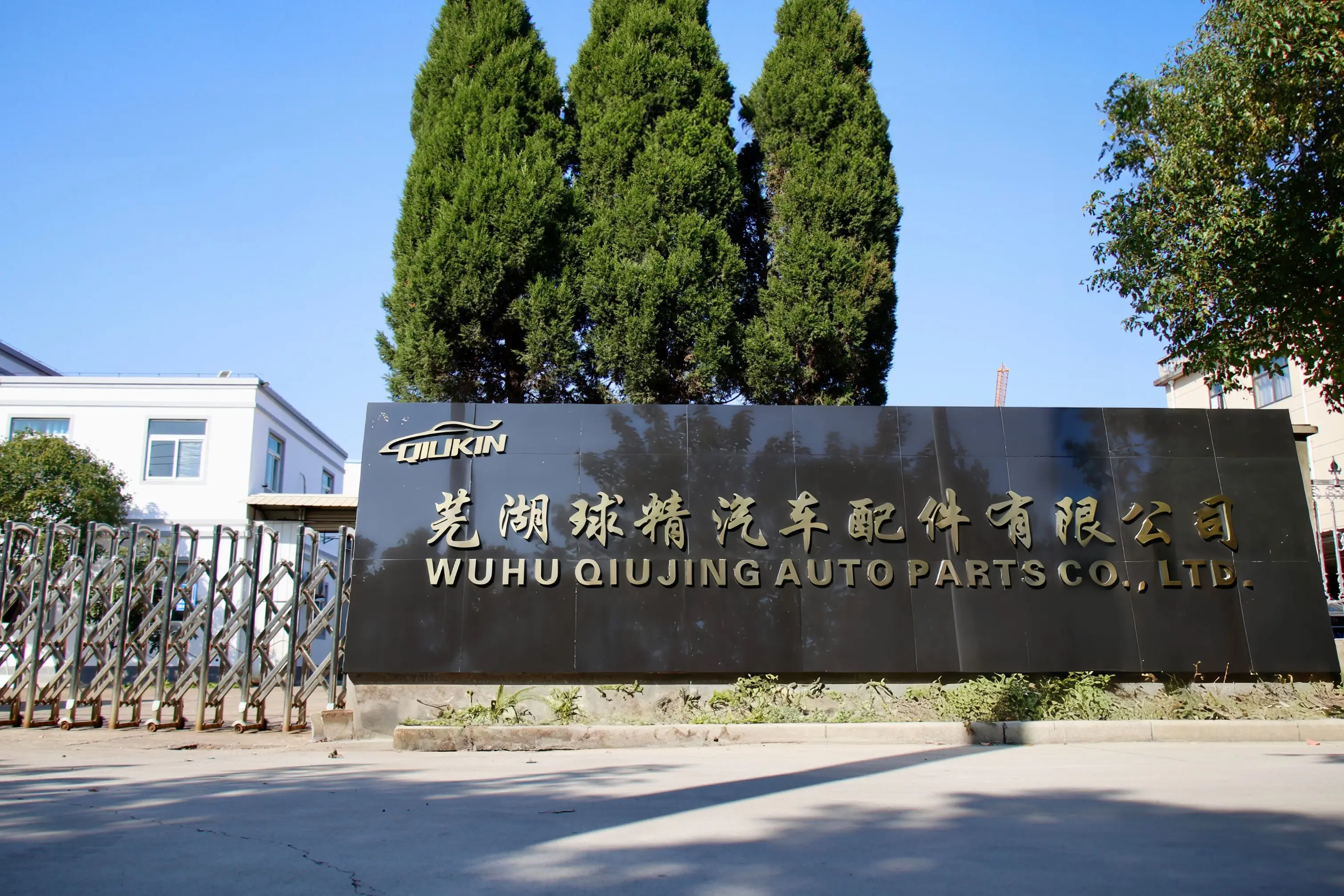
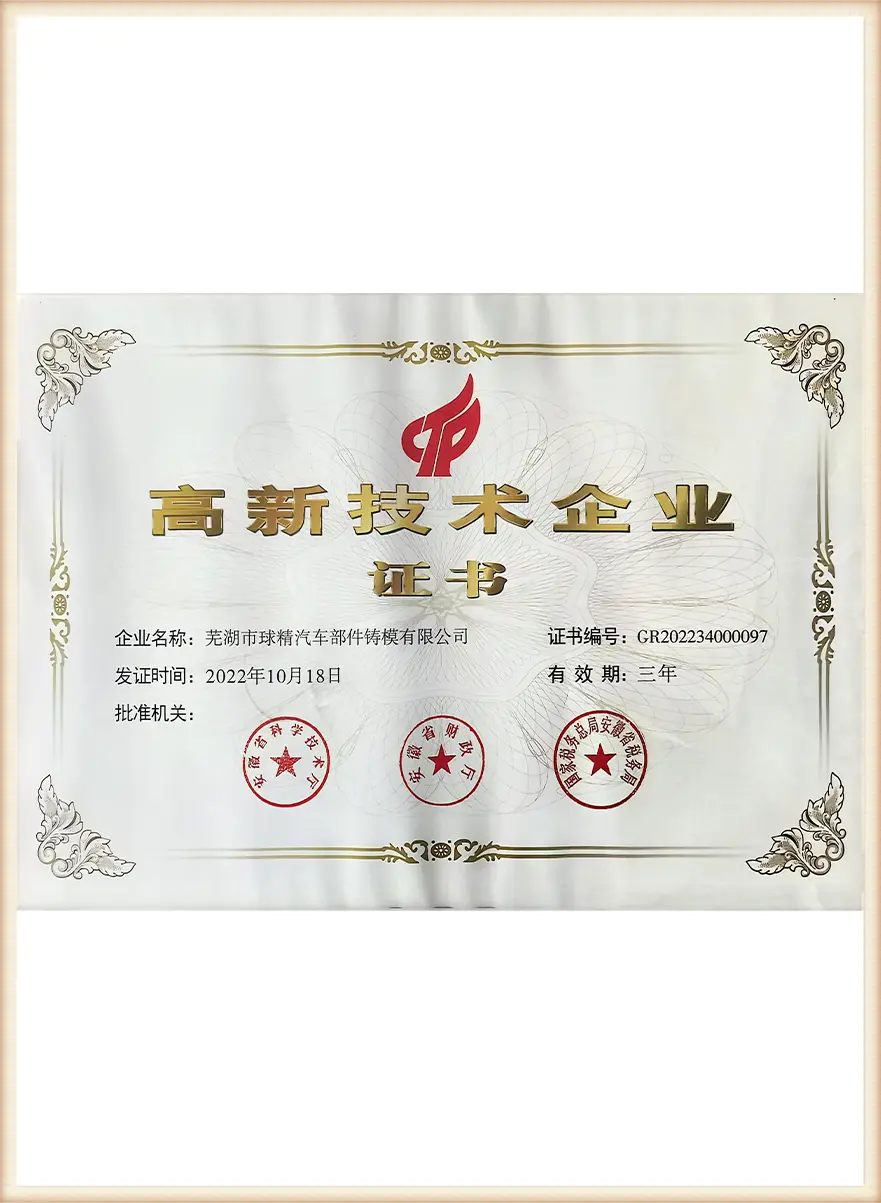
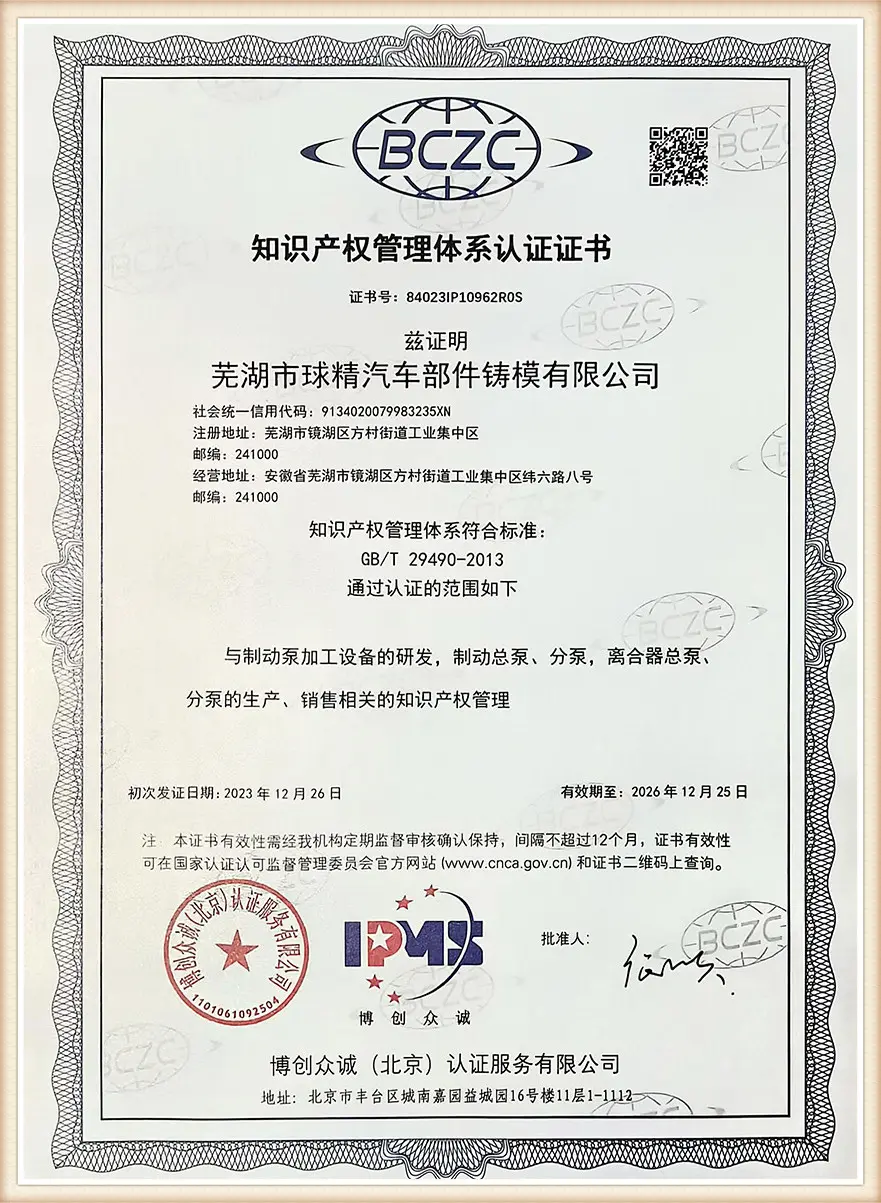
We guarantee consistent manufacturing standards through validated international certifications.
Technical and commercial answers to key inquiries regarding Clutch Slave Cylinder sourcing.
Follow our company announcements, shipping notices, and manufacturing expansion updates.
Discover our operating schedule and logistics adjustments for the upcoming national holiday period.
Wuhu Qiujing Auto Parts Co., Ltd. is pleased to announce the official resumption of production today, following the spring festival recess.
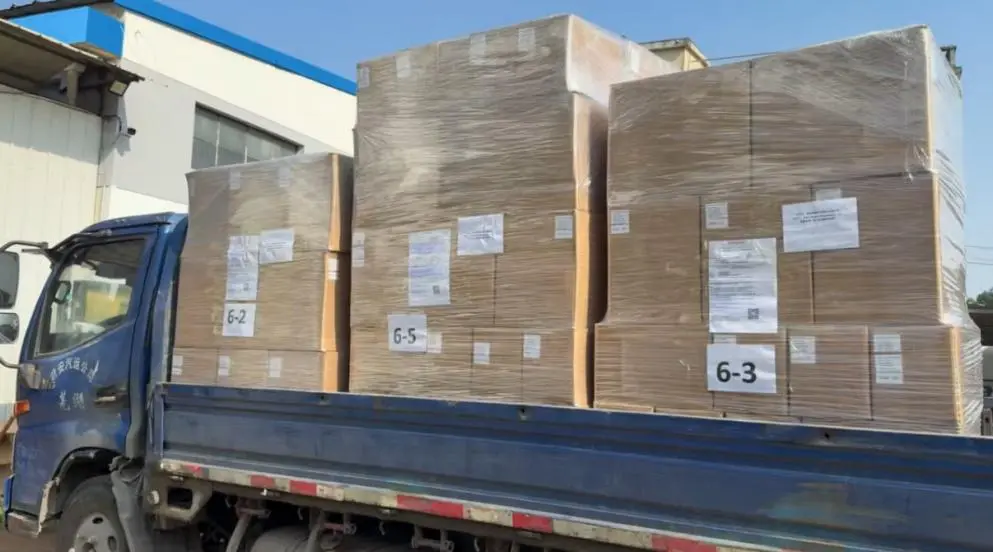
[Wuhu, January 2025] As the Lunar New Year approaches, Wuhu Qiujing Auto Parts Co., Ltd. has successfully completed critical global shipments.

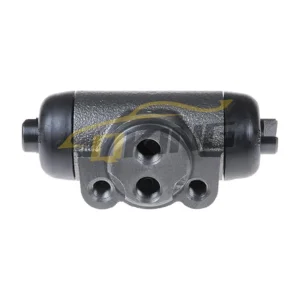
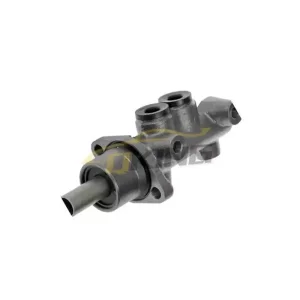
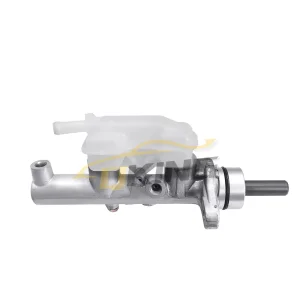
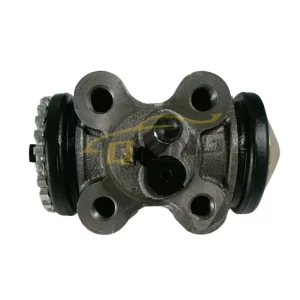
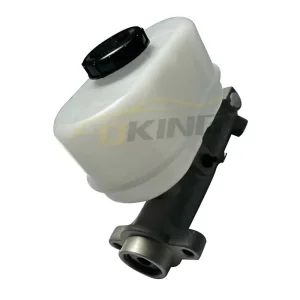
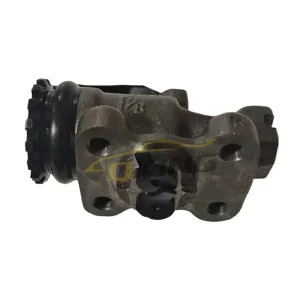
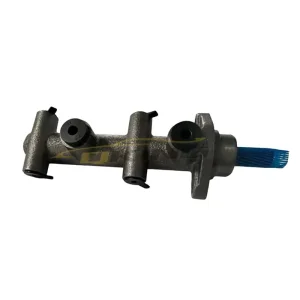
Examine our specialized catalog variations, including premium master and wheel cylinders.