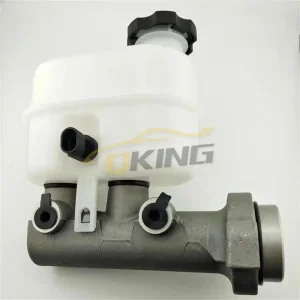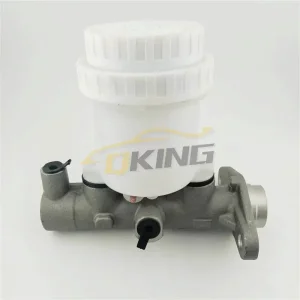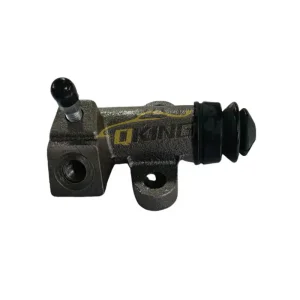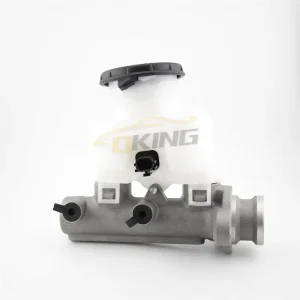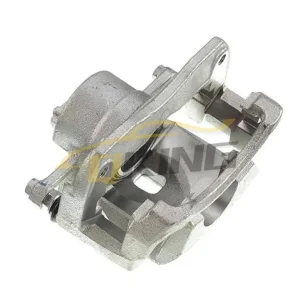
OEM-grade precision components tailored for global light and heavy commercial vehicle fleets
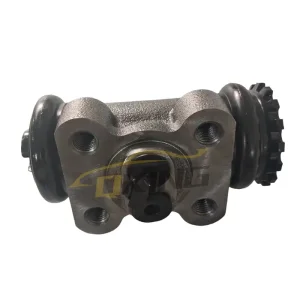
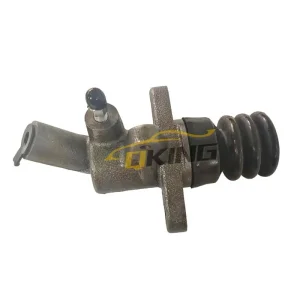
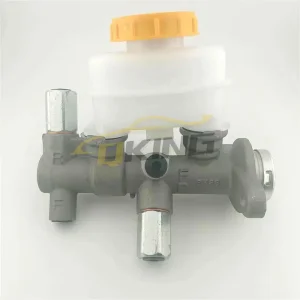
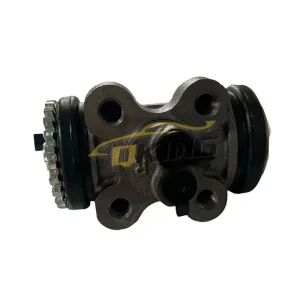
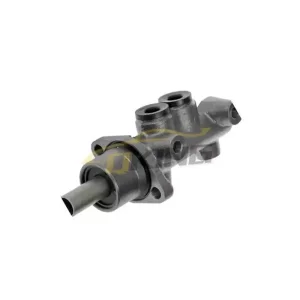
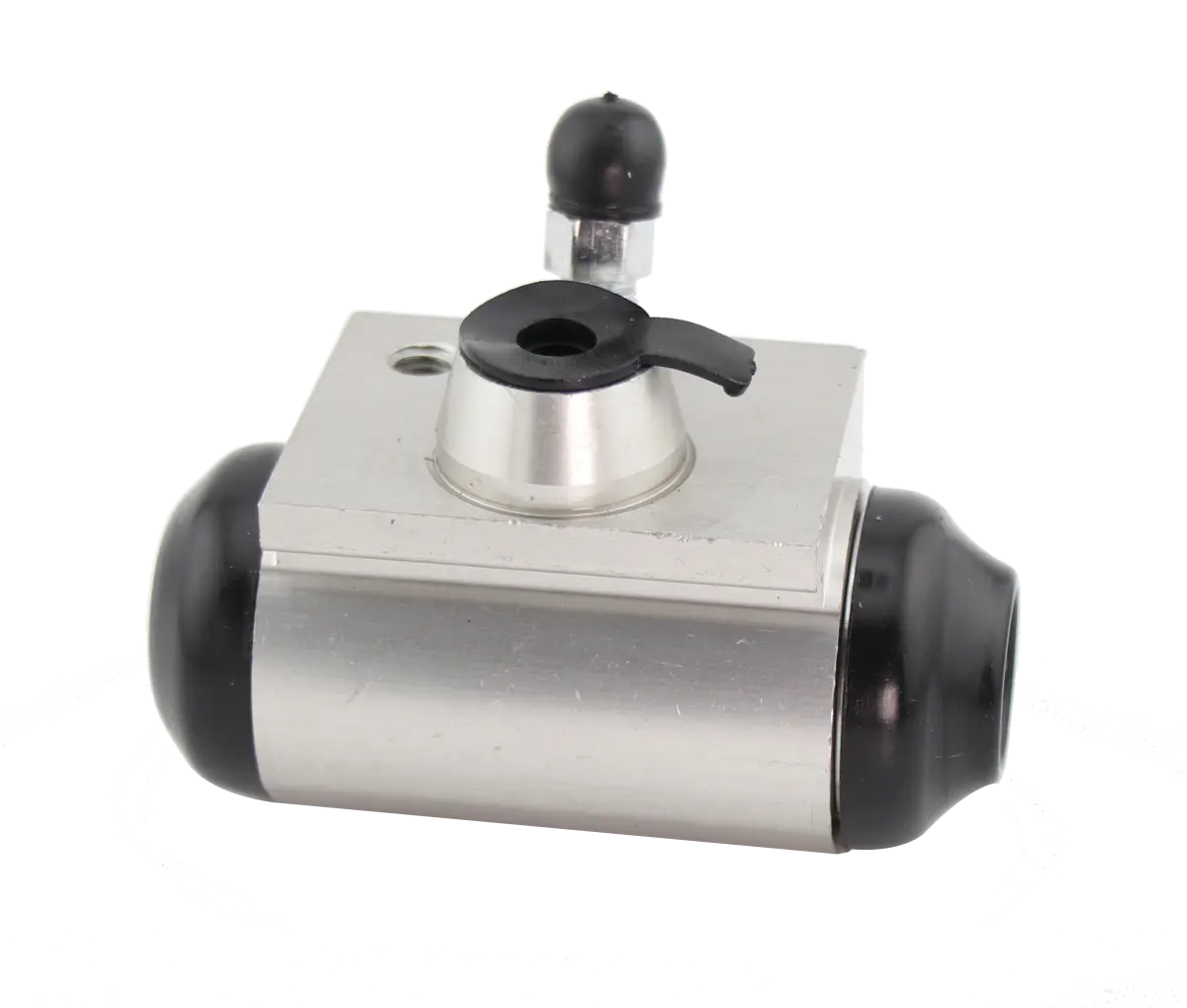
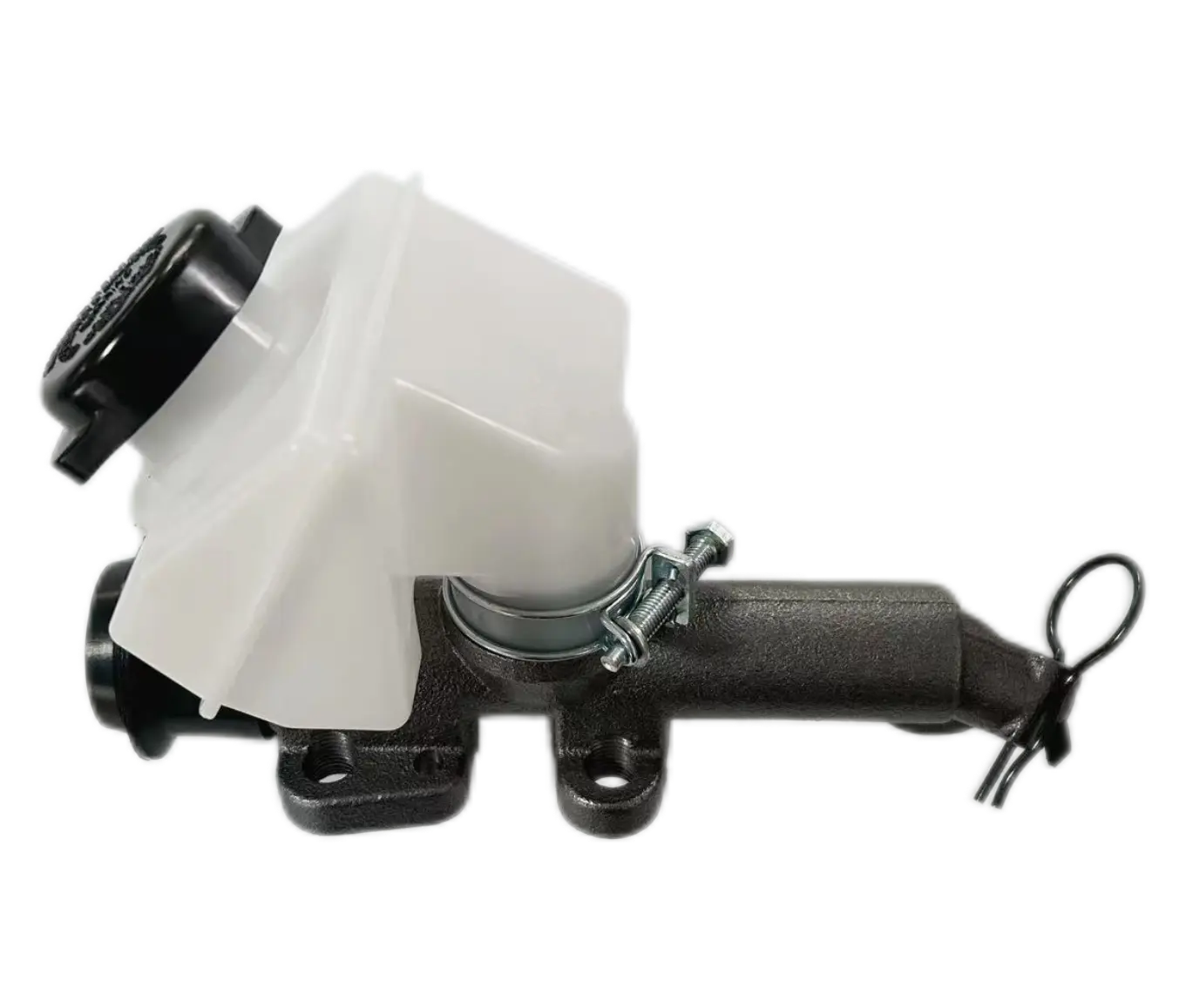
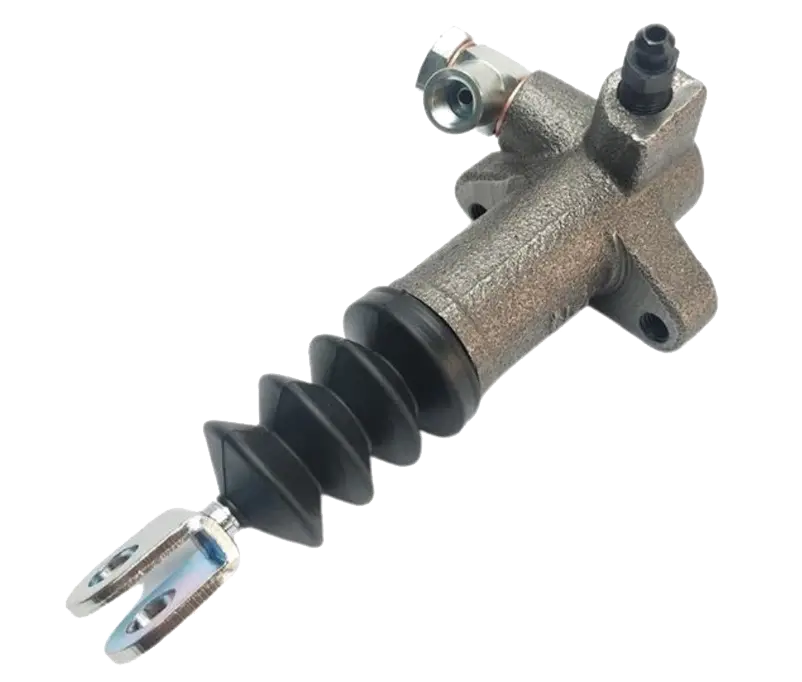
The contemporary global automotive industry relies heavily on secure, responsive, and robust hydraulic actuation systems. Within this subsystem, hydraulic cylinders—specifically Brake Master Cylinders, Brake Wheel Cylinders, Clutch Master Cylinders, and Clutch Slave Cylinders—act as critical media. They translate mechanical pedal inputs directly into mechanical clamp forces or clutch release pressures.
With the rapid development of urban logistics operations, express delivery fleets, and inter-city commercial transit, light-duty commercial vehicles like the ISUZU ELF, HINO 300/500 Series, and light-duty trucks from NISSAN and MITSUBISHI are experiencing continuous growth. Operating continuously under heavy loads in extreme stop-and-go city traffic, the braking and clutch systems of these commercial vehicles require components that offer maximum durability, minimal fluid bypass, and high resistance to wear. This industrial context has made precision engineering and adherence to stringent global quality frameworks (such as IATF 16949:2016 and ISO 9001:2015) mandatory requirements for tier-1 suppliers and aftermarket replacement parts manufacturers.
Furthermore, mature passenger car fleets in North America, Europe, and the Asia-Pacific region demand high-precision, direct-fit replacement parts for legacy platforms like GM, CHRYSLER, FIAT, and MAZDA. These markets require components that exactly replicate OEM performance characteristics. This ensures that the installation process is straightforward, the pedal feedback feels natural, and the safety margins remain wide under all driving conditions.
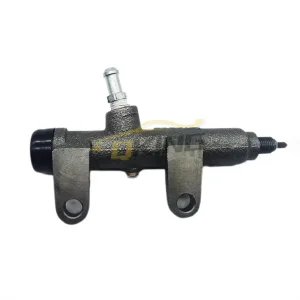
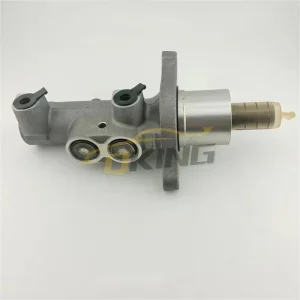
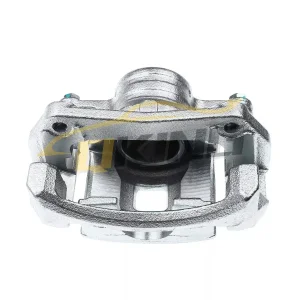
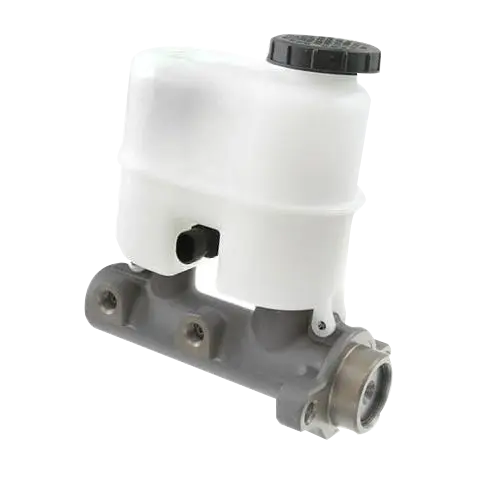
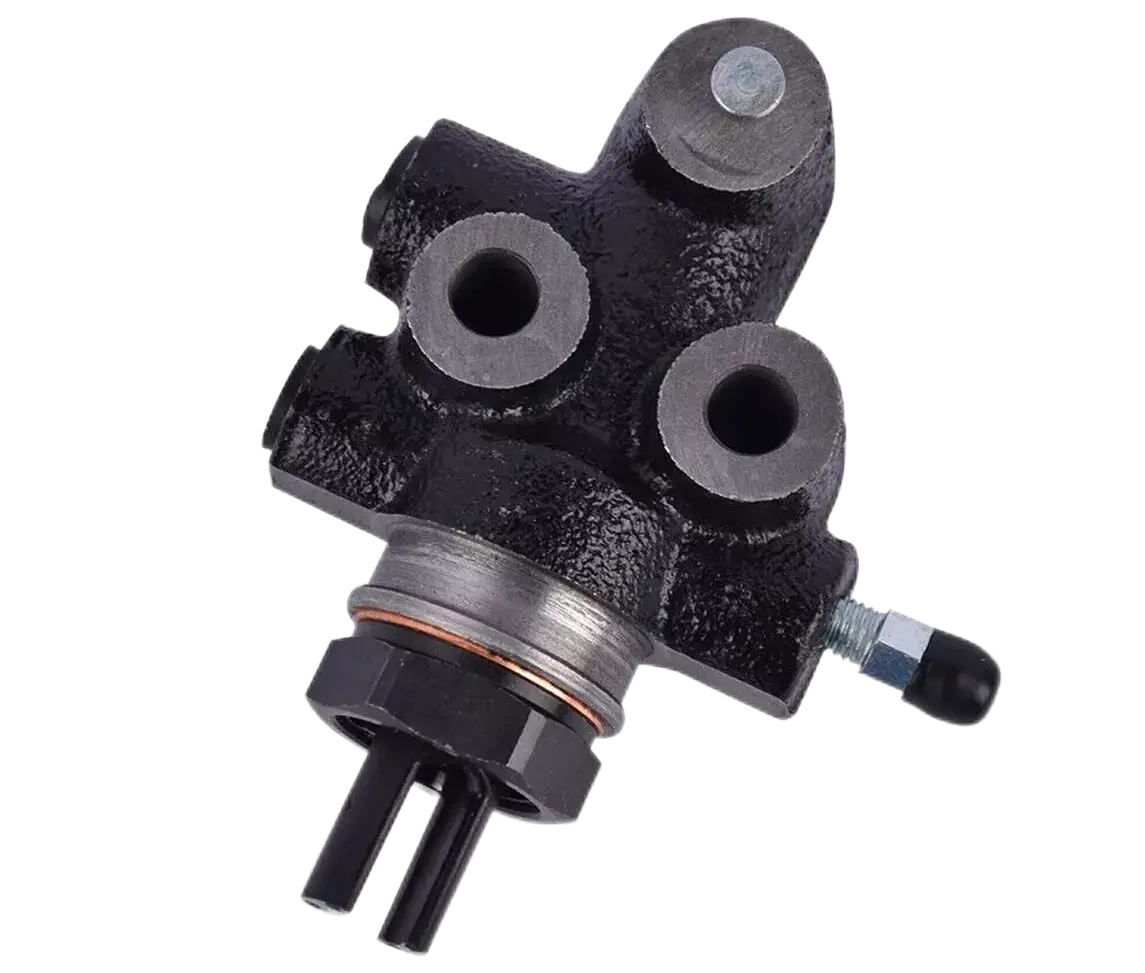
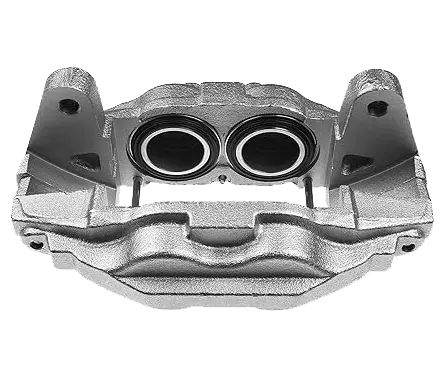
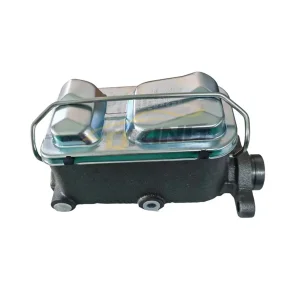
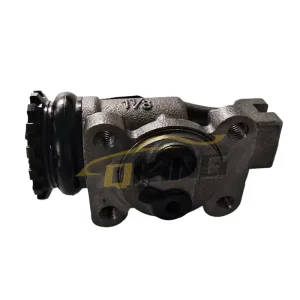
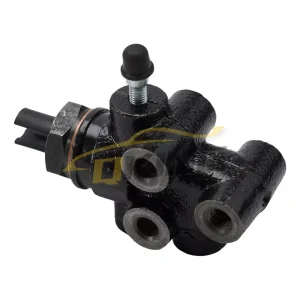
Explore our main production lines, engineered for precision, high pressure, and maximum longevity.
High-quality hydraulic cylinders are not simple cast metal components. They are high-precision assemblies that must operate under pressures exceeding 1,000 PSI while maintaining complete seals. Our production team utilizes top-tier materials and rigorous machining standards to achieve these objectives:
For cast iron cylinders, we utilize high-grade nodular cast iron (ductile iron), which offers superior tensile strength and impact resistance compared to standard grey iron. For lightweight applications, premium aluminum alloys are precision-melted and die-cast. The cylinder bores undergo specialized honing processes, achieving tolerances within microns. This creates a highly polished internal surface that minimizes seal friction and wear over millions of cycles.
The primary point of failure in any hydraulic actuator is the rubber seal. Wuhu Qiujing utilizes custom-formulated EPDM (Ethylene Propylene Diene Monomer) cups and dust seals. These are highly resistant to glycol-ether-based brake fluids (DOT 3, DOT 4, and DOT 5.1). The seals maintain high flexibility at low temperatures (down to -40°C) and resist swelling and deformation at high temperatures (up to 120°C). This ensures complete sealing performance across all operating environments.
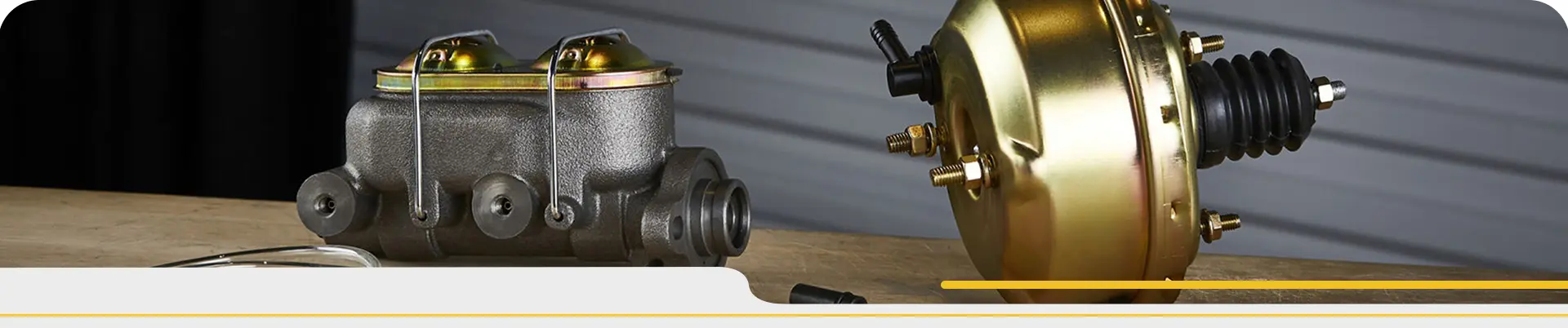

Wuhu Qiujing Auto Parts Co., Ltd. is a specialized designer, developer, and manufacturer of hydraulic brake and clutch components. Our founder's direct involvement in automotive hydraulic engineering dates back to 1996. Over nearly three decades, we have accumulated the design blueprints, raw material relationships, and manufacturing expertise required to offer thousands of individual part configurations.
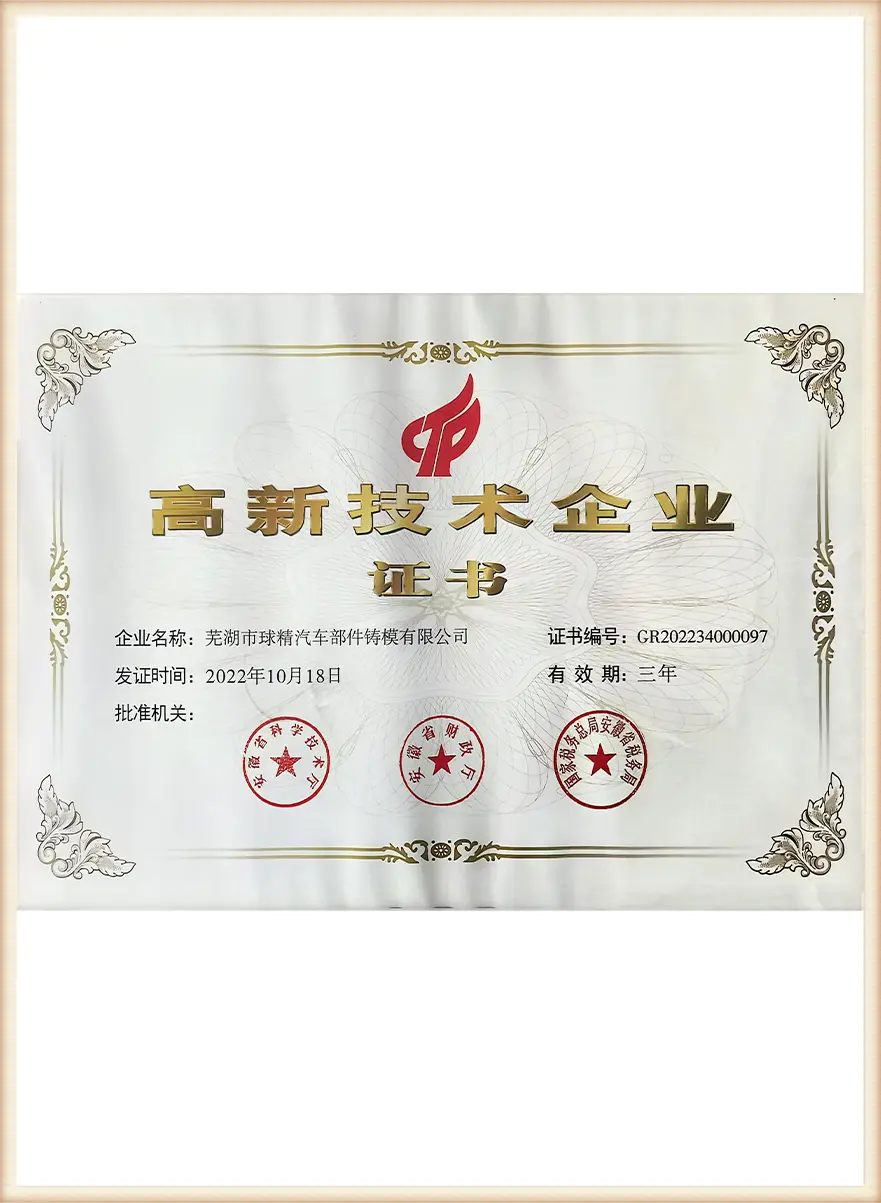
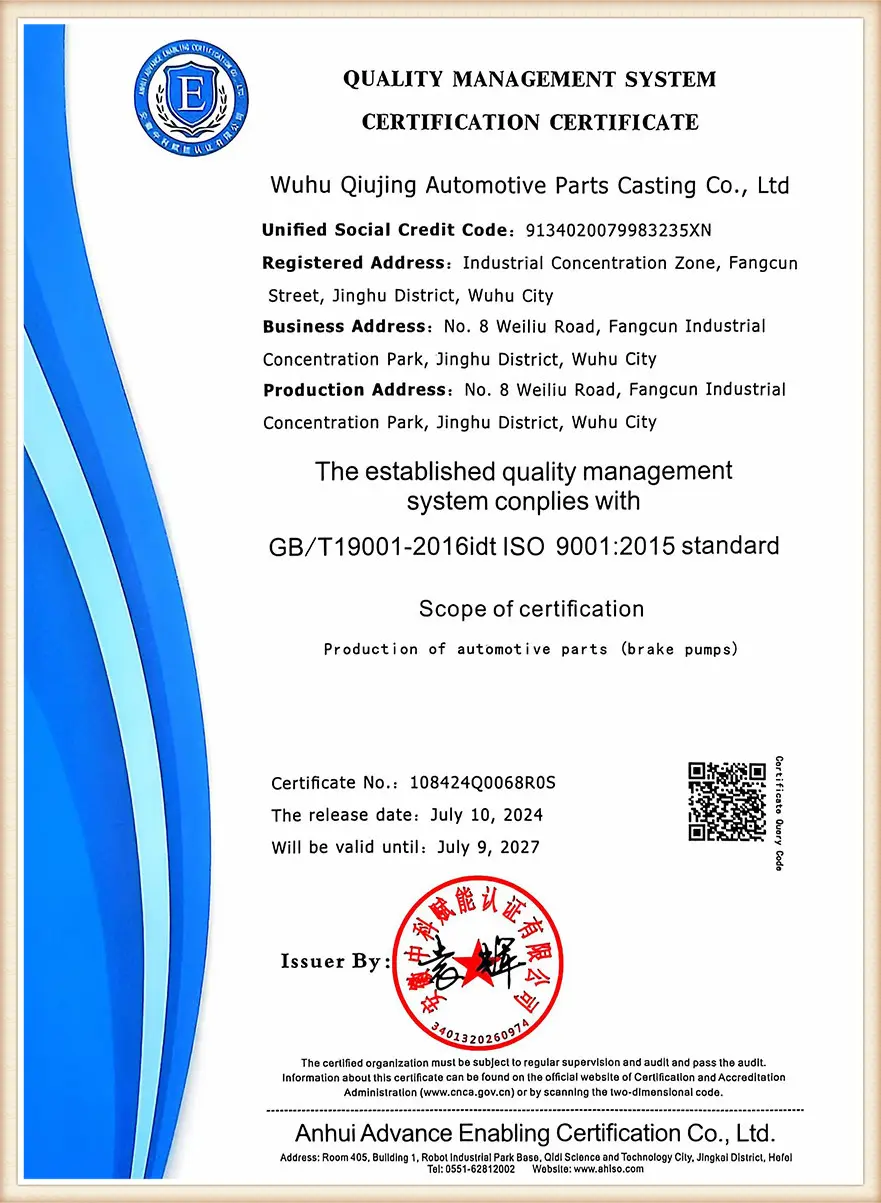
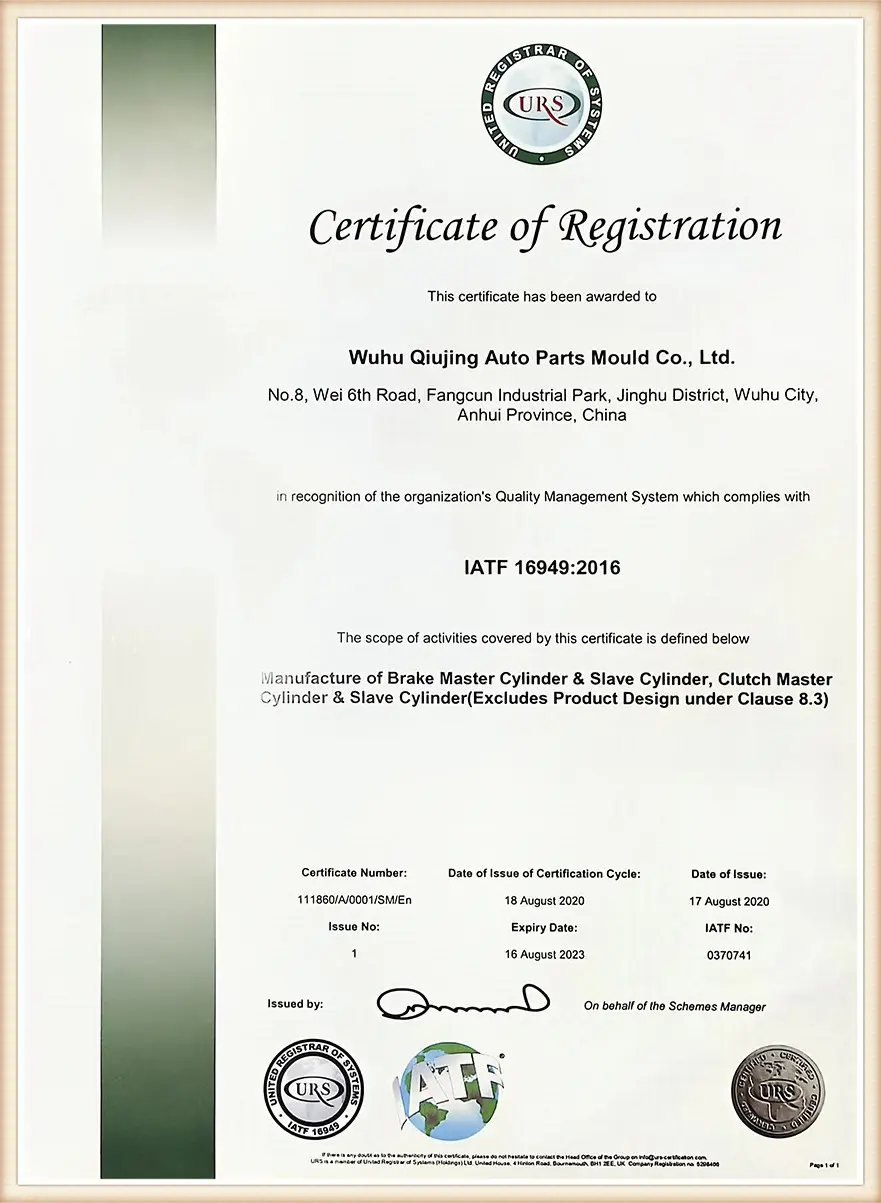
Our modern production facility utilizes high-precision CNC machining centers, automated cylinder grinding machines, and computerized testing stations to ensure that every single unit is built to perform. All products are manufactured in compliance with international quality frameworks, including IATF 16949:2016 and ISO 9001:2015.
The automotive sector is shifting toward electrification and advanced driver assistance systems (ADAS). Traditional passive hydraulic cylinders are evolving to integrate with next-generation braking systems. Our engineering team is currently working on:
Partnering directly with a certified source factory provides your distribution chain with distinct market advantages.

6,000+ m² facility, 50+ professional staff, and an annual production capacity exceeding 2 million units.

Comprehensive production testing and material tracing, supported by a two-year after-sales warranty.

Strict quality control across all batches, along with flexible production scheduling for long-term supply partnerships.

Integrated R&D, manufacturing, inspection, and customer support departments for efficient communication.
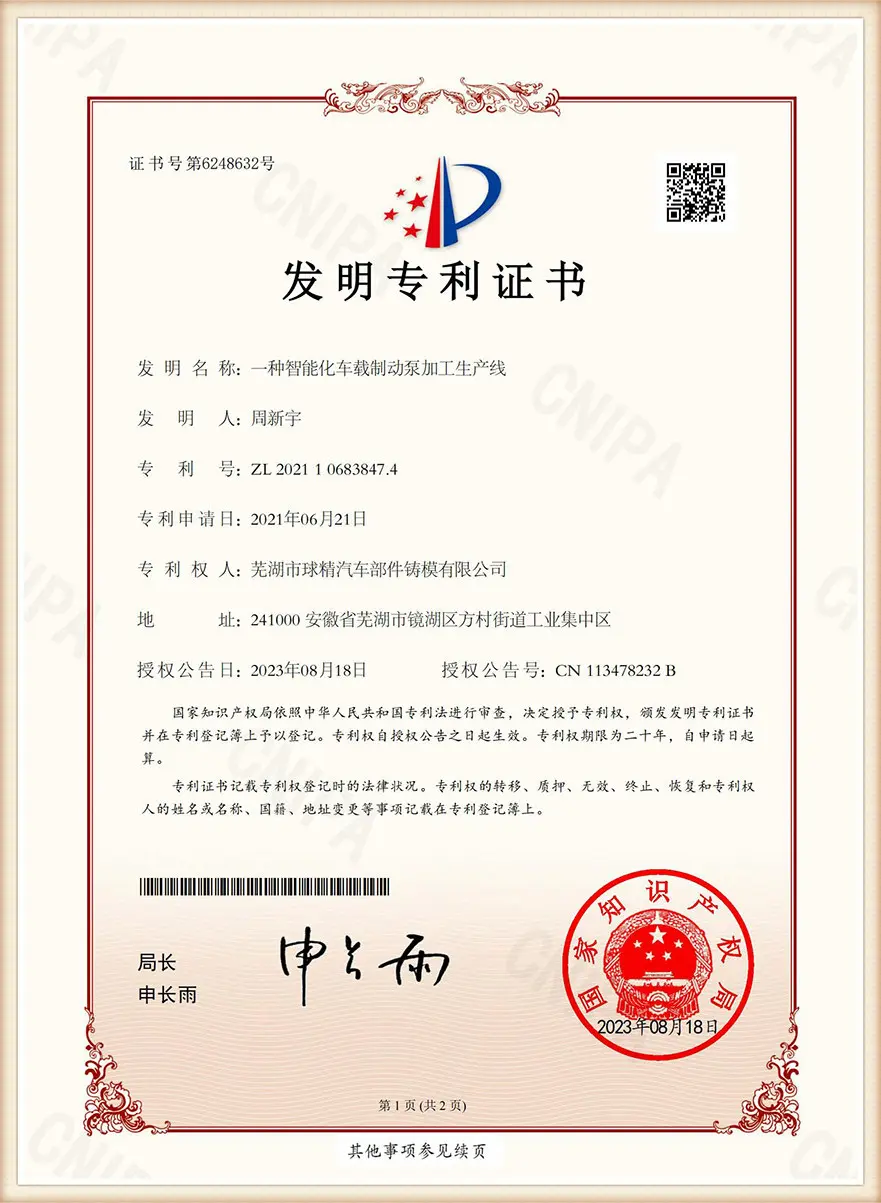
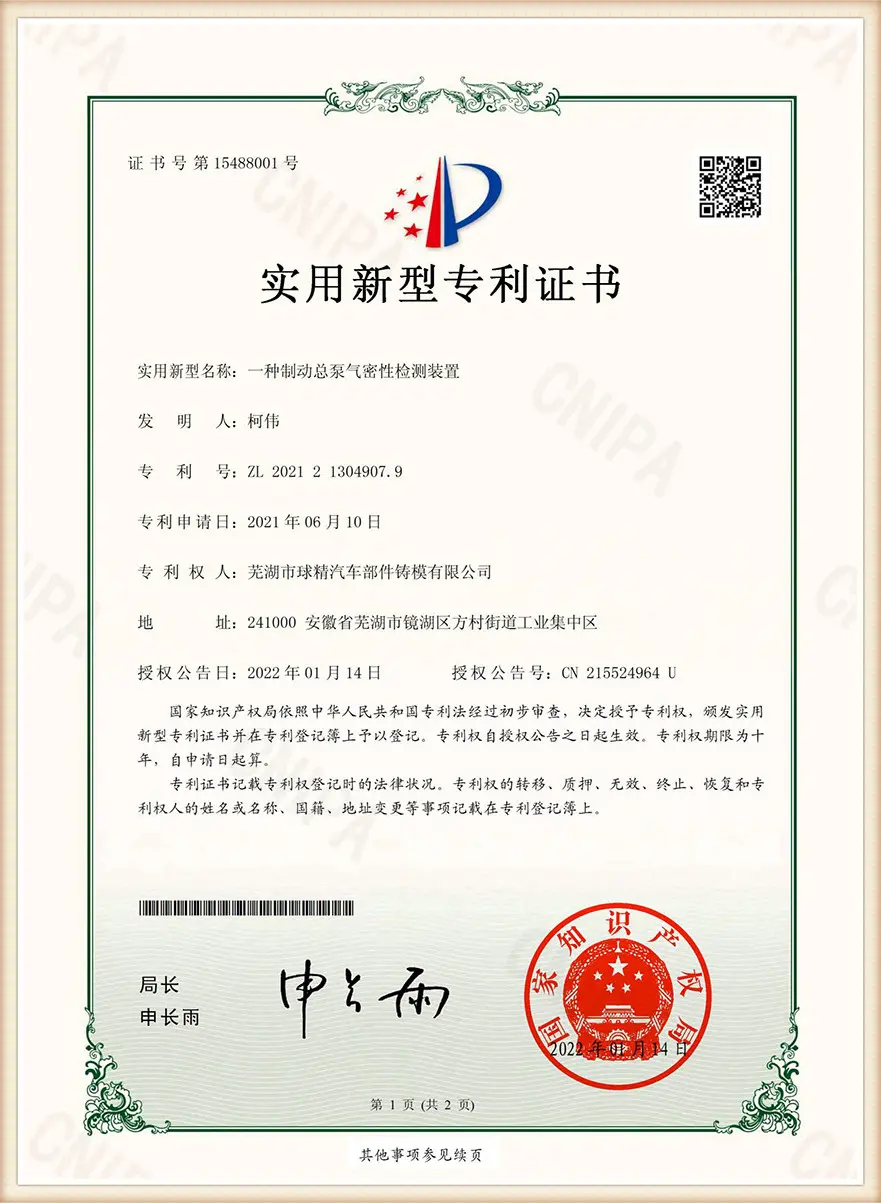
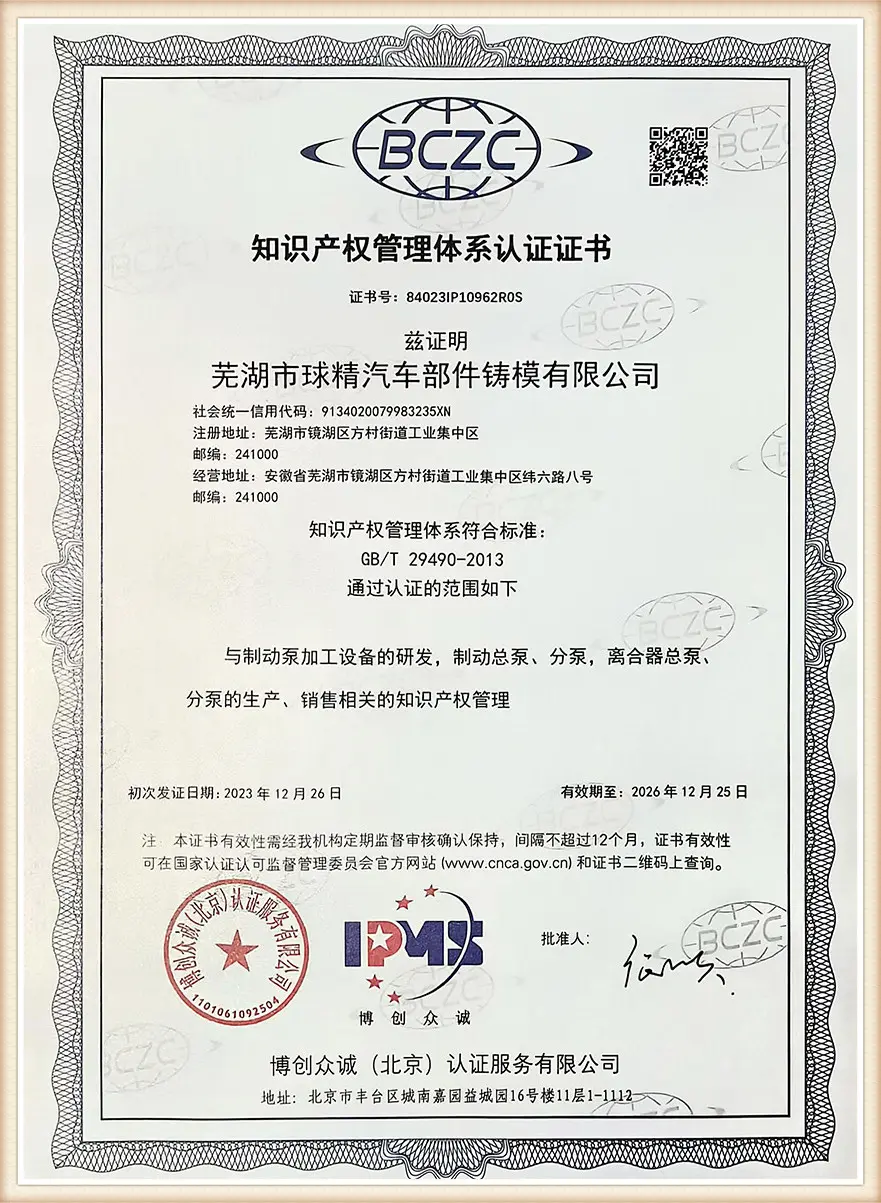
Our production facilities operate in strict compliance with global safety standards and automotive quality management systems.
Read answers to frequently asked technical questions regarding the manufacturing, failure analysis, and procurement of automotive cylinders.
Vehicles operating in different parts of the world face varying environmental and operational challenges. A standard cylinder that performs well in a mild climate may degrade prematurely under harsher conditions. We design and treat our components to resist damage in challenging environments:
In northern regions where roads are salted during the winter, moisture and salt can cause aggressive galvanic corrosion on exposed cylinder bodies, particularly wheel cylinders and brake calipers. To address this, we apply electrophoretic paint finishes and zinc plating treatments. These protective coatings pass standardized salt spray tests, shielding the cast iron and aluminum bodies from oxidative wear.
Urban delivery vehicles, such as those built on the ISUZU ELF platform, engage in continuous clutch-and-brake cycles. This generates high thermal stress within the hydraulic fluids. Our cylinders feature increased thermal mass design and optimize fluid return port dynamics to help dissipate heat from the piston face. This reduces fluid breakdown and helps maintain consistent pedal feedback.

Precision-made replacements compatible with Toyota, Mitsubishi, Nissan, and GM platforms