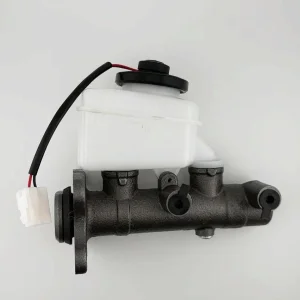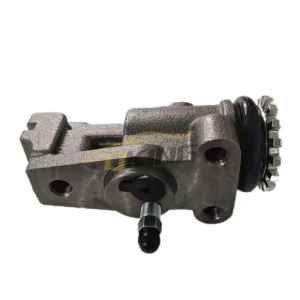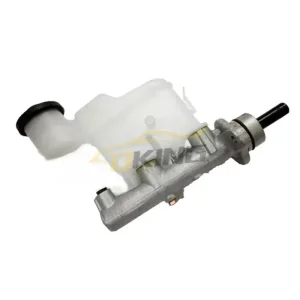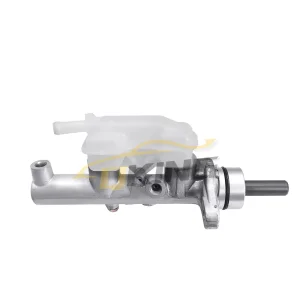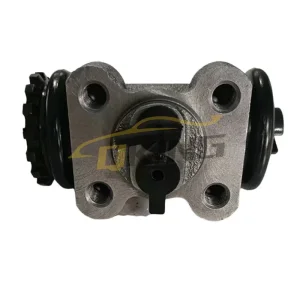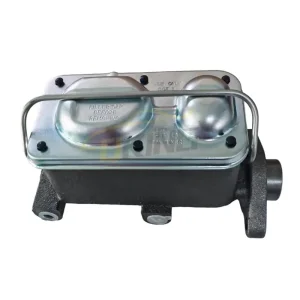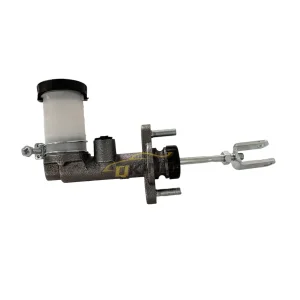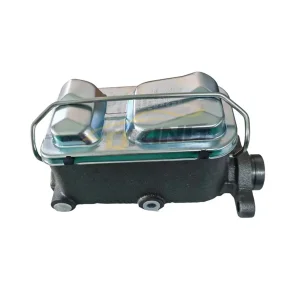
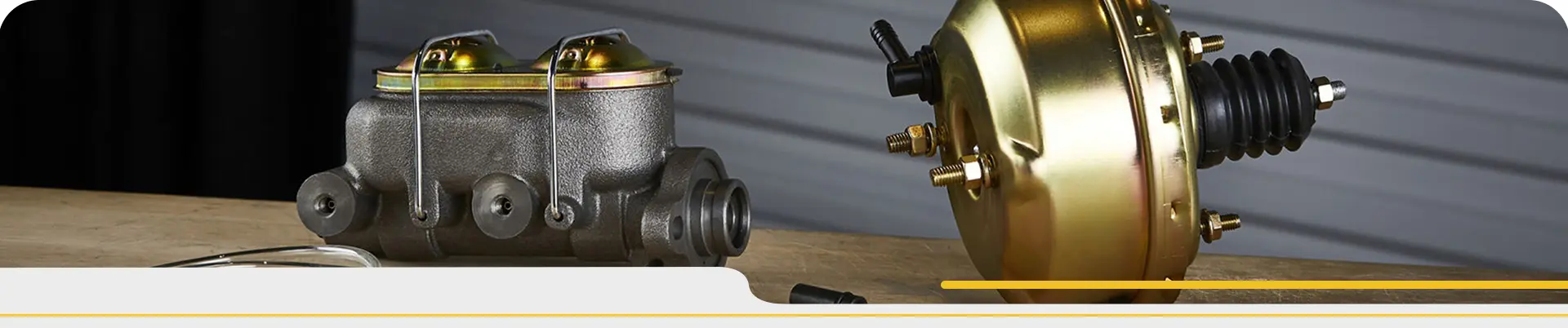
Engineered to precise specifications, our master cylinders and valve assemblies guarantee consistent pressure and maximum operating safety.
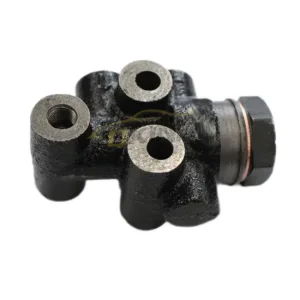
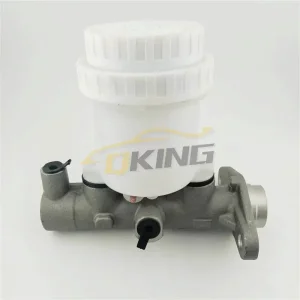
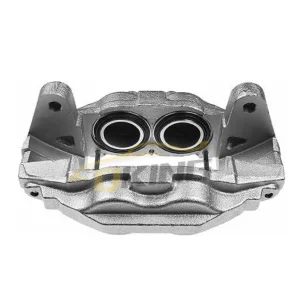
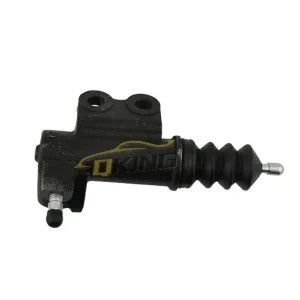
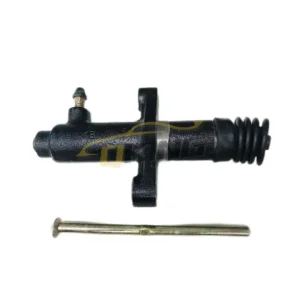
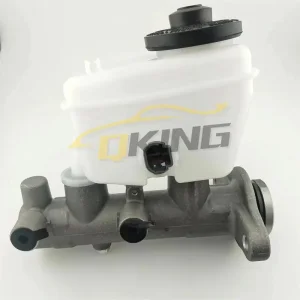
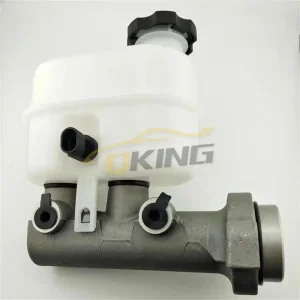
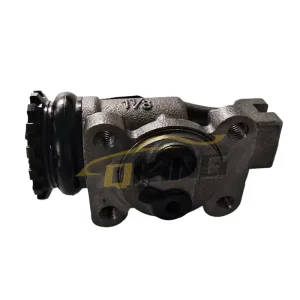
An authoritative industry whitepaper outlining mechanical architectures, market developments, and strategic global purchasing frameworks.
The automotive industry is experiencing an unprecedented structural transition. The brake master cylinder (BMC)—originally configured as a simple pressure generator—now serves as a primary nodal interface in modern braking loops. With the emergence of Electronic Stability Control (ESC), regenerative braking in hybrid/EV configurations, and Advanced Driver Assistance Systems (ADAS), the demand for dynamic response times has escalated. Modern tandem cylinders utilize bore surfaces micro-polished down to sub-micron tolerances, significantly mitigating premature piston seal wear under high duty cycles.
Furthermore, hydraulic system design is adapting to severe weight constraints. Traditional cast-iron housings are progressively yielding to high-strength anodized aluminum alloys, yielding weight reductions of up to 45% without compromising mechanical burst thresholds. Seal compounds are similarly changing: standard nitrile formulations are being replaced by high-performance Ethylene Propylene Diene Monomer (EPDM) matrices that resist physical degradation across extreme thermal ranges (-40°C to 120°C) and maintain compound integrity when subjected to glycol-based DOT 3, DOT 4, and low-viscosity DOT 5.1 fluids.
Global sourcing directors are facing volatile raw material markets alongside escalating regulatory oversight (such as FMVSS, ECE R13H, and GB Standards). When evaluating OEM/OES suppliers, evaluating unit cost in isolation creates significant supply risk. High-reliability components such as brake cylinders demand assessment of the overall Total Cost of Ownership (TCO), factoring in logistics, custom clearances, rate of warranty claims, and field failure liabilities.
Leading procurement networks utilize structured supplier qualification scoring, mandating that partner factories implement 100% End-of-Line (EOL) testing. This testing requires pneumatic low-pressure leaks, hydraulic high-pressure seals, and volumetric stroke measurements to be recorded for every production batch. Sourcing departments also require clear traceability paths: raw steel/alloy melt batches must be directly linked back to specific heat numbers, and casting molds must be logged to avoid run-out defects.
Established in 2007, and built on engineering expertise dating back to 1996, Wuhu Qiujing has grown into a leading manufacturer of critical automotive braking components. Based in China, we manage a 6,000 m² advanced manufacturing facility with a dedicated engineering team, producing over 2 million units annually.
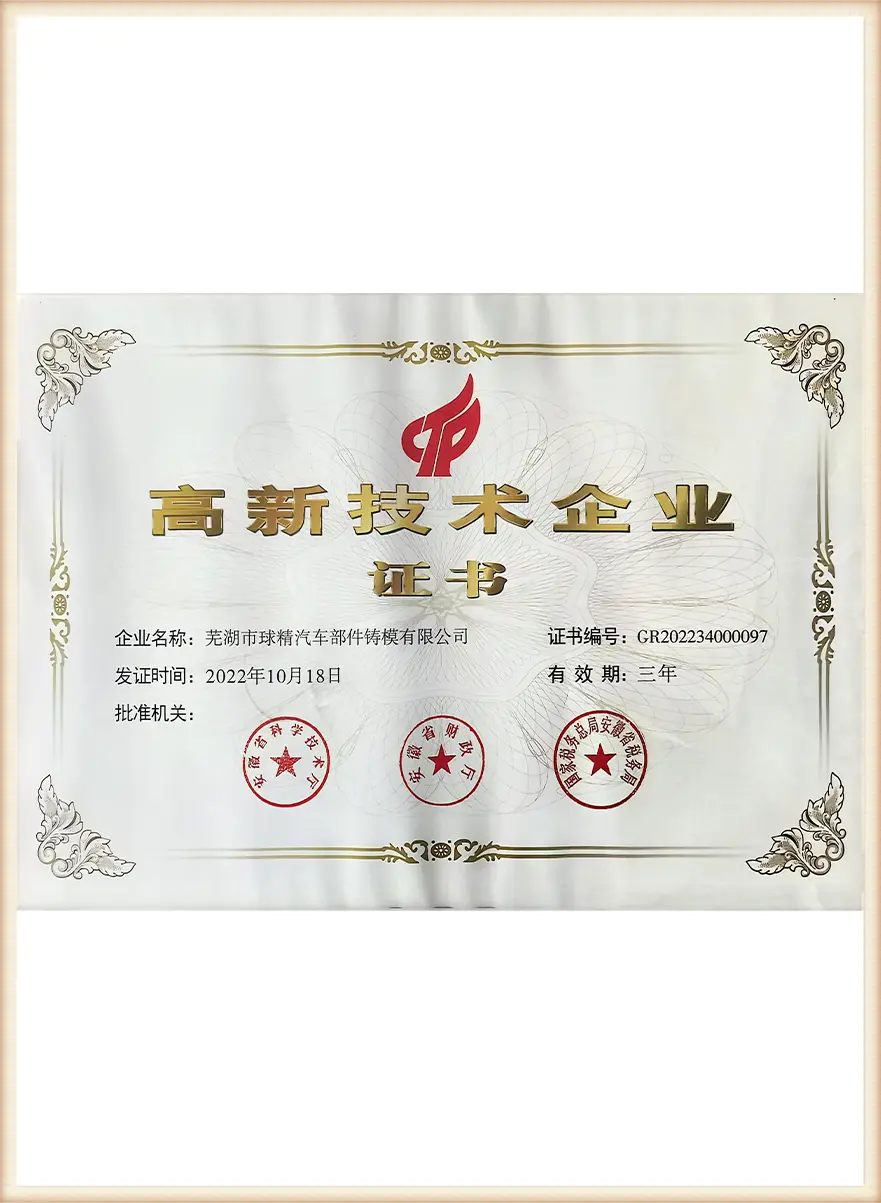
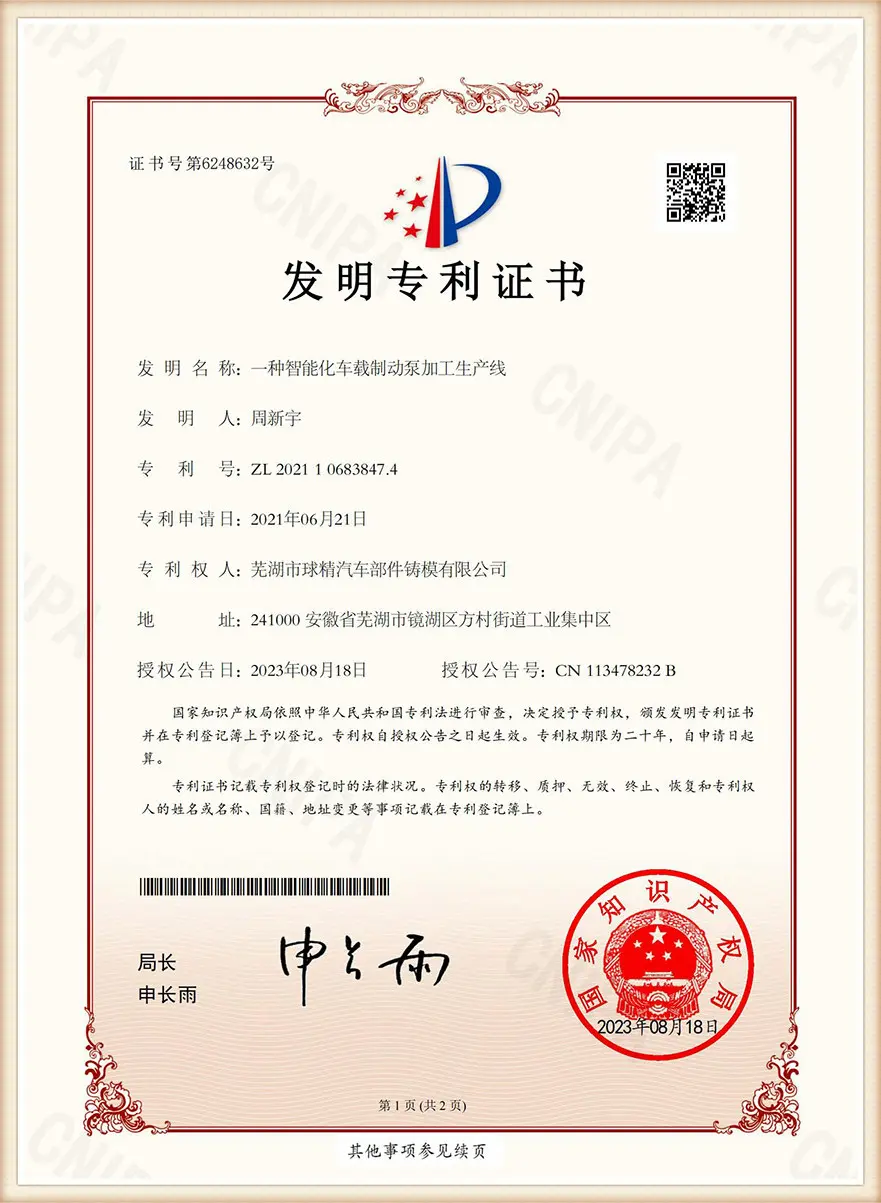
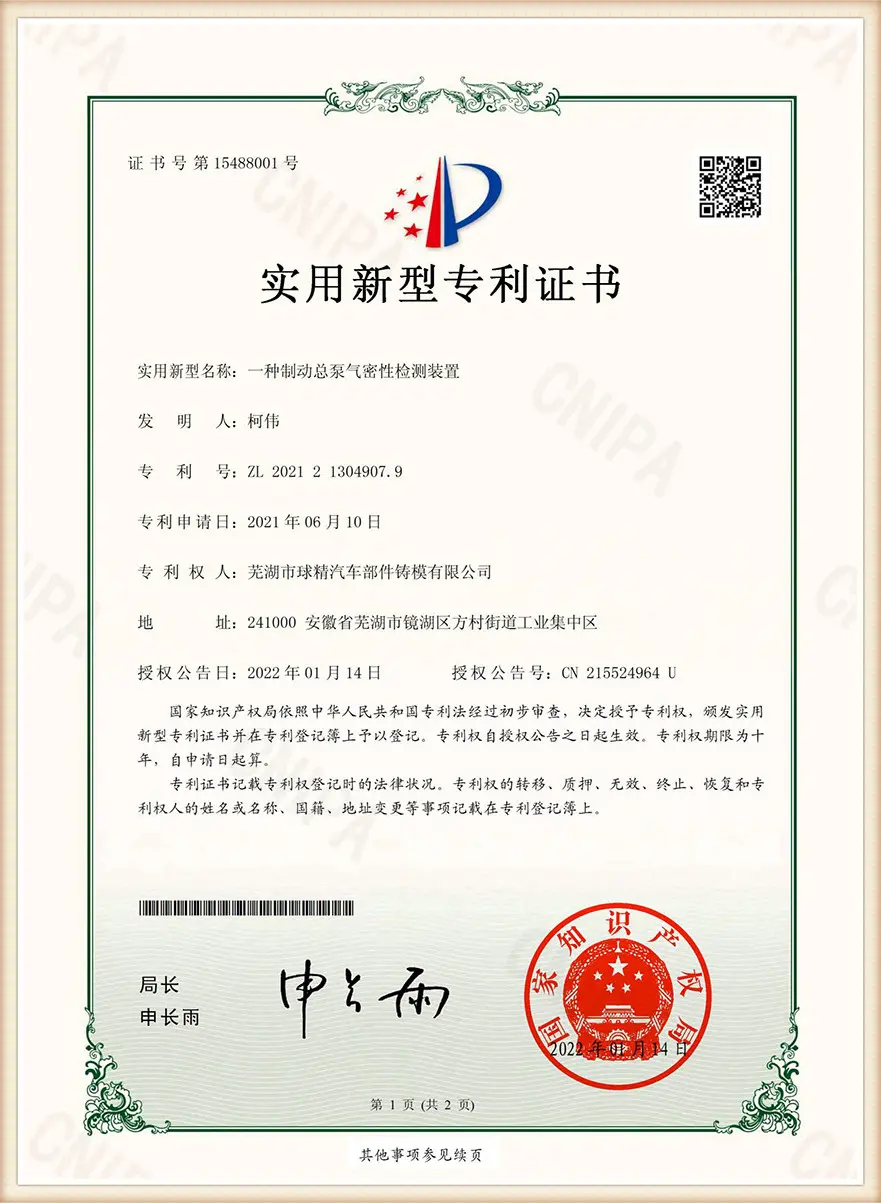
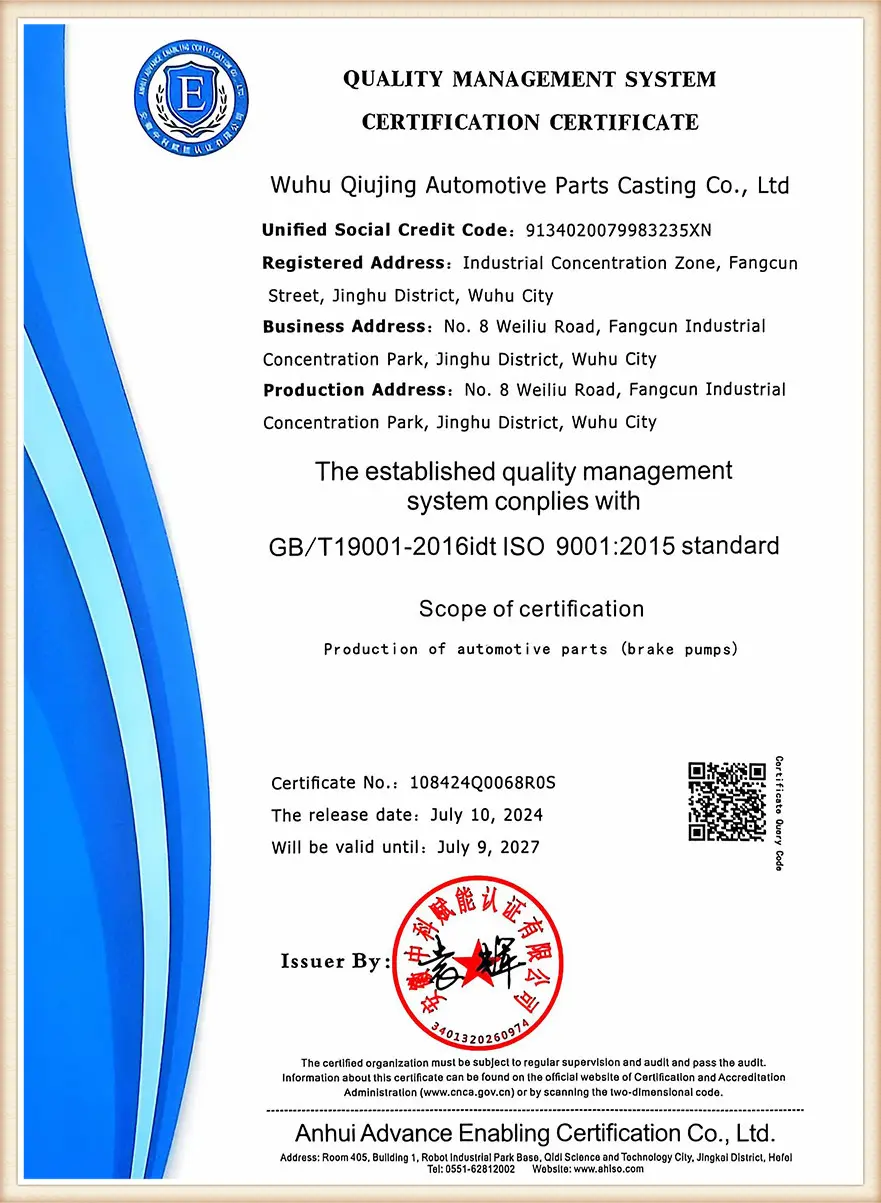
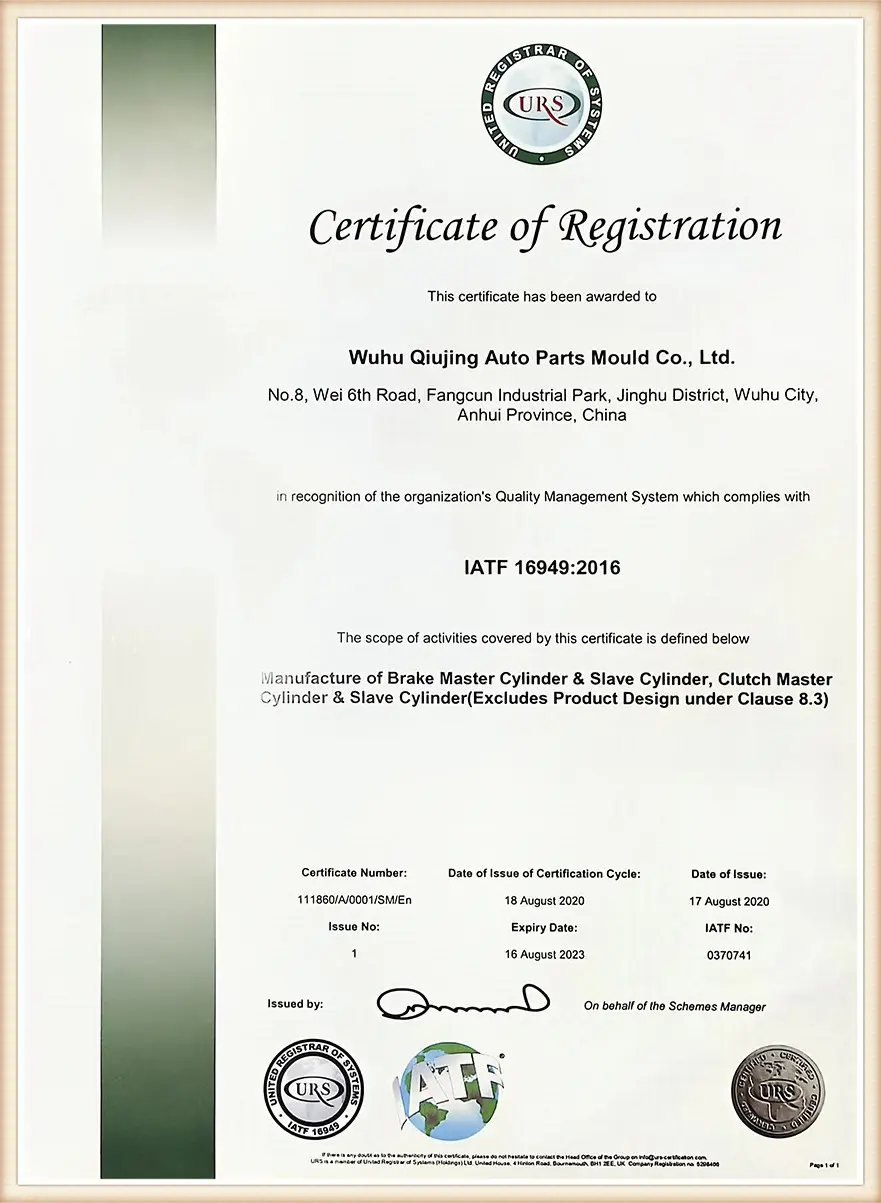
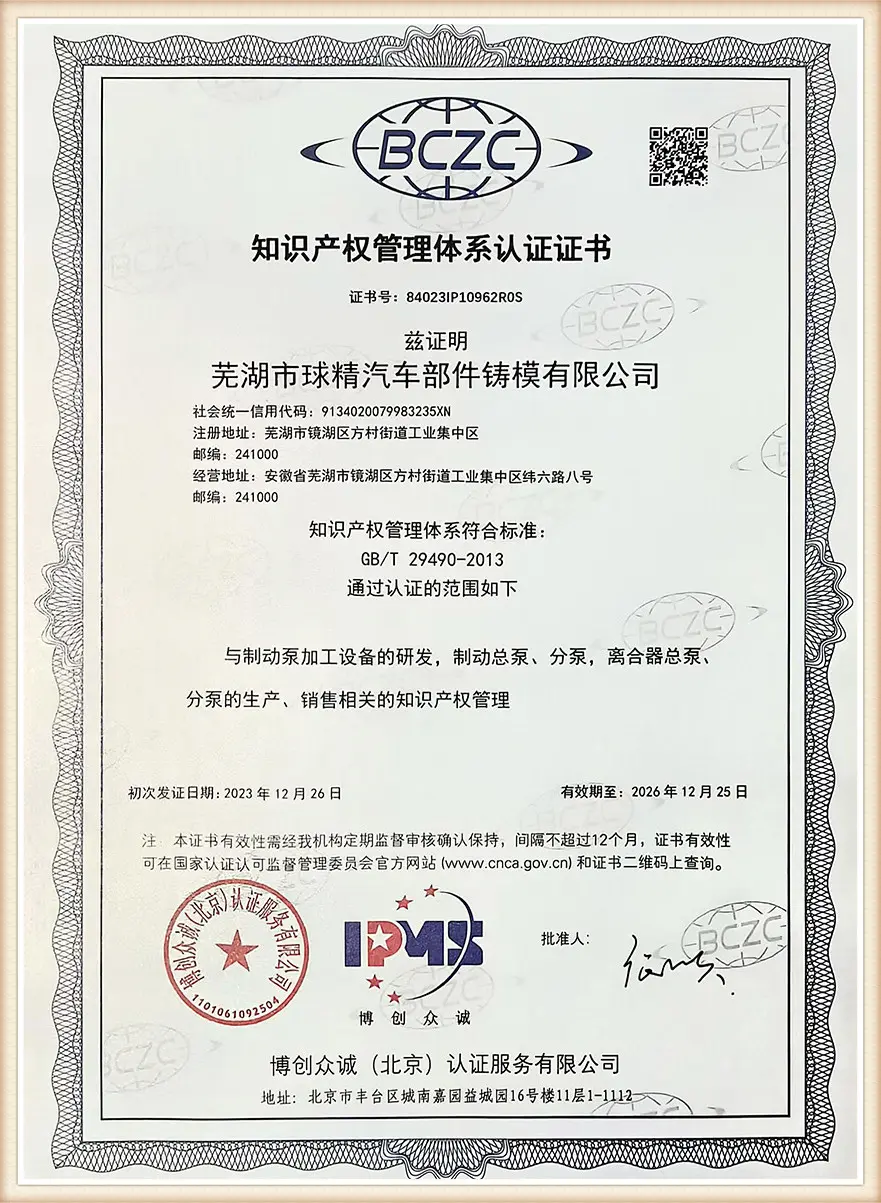
We maintain rigorous quality standards with certifications including IATF 16949:2016 and ISO 9001:2015, ensuring safety and compliance across OEM, OES, and aftermarket channels.

We provide a comprehensive range of high-performance brake and clutch system components.
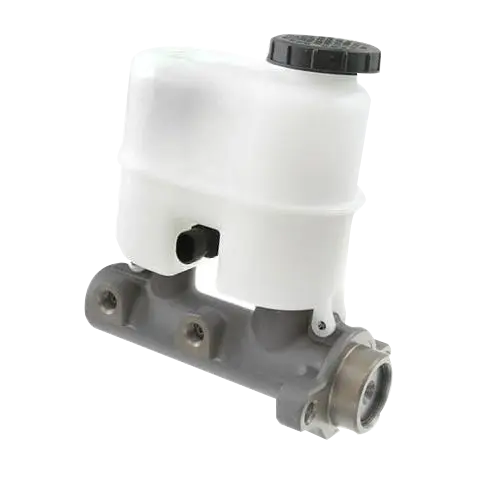
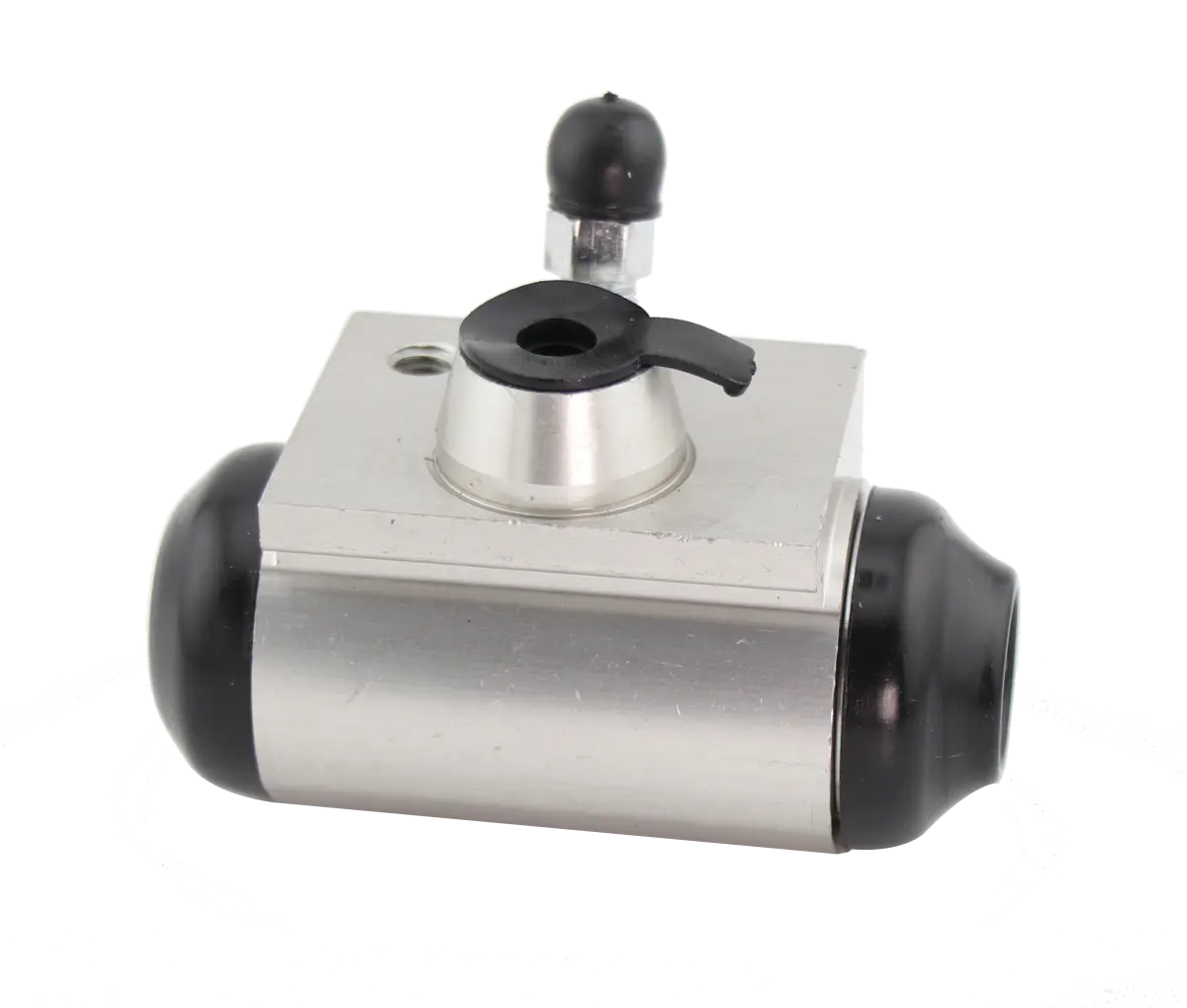
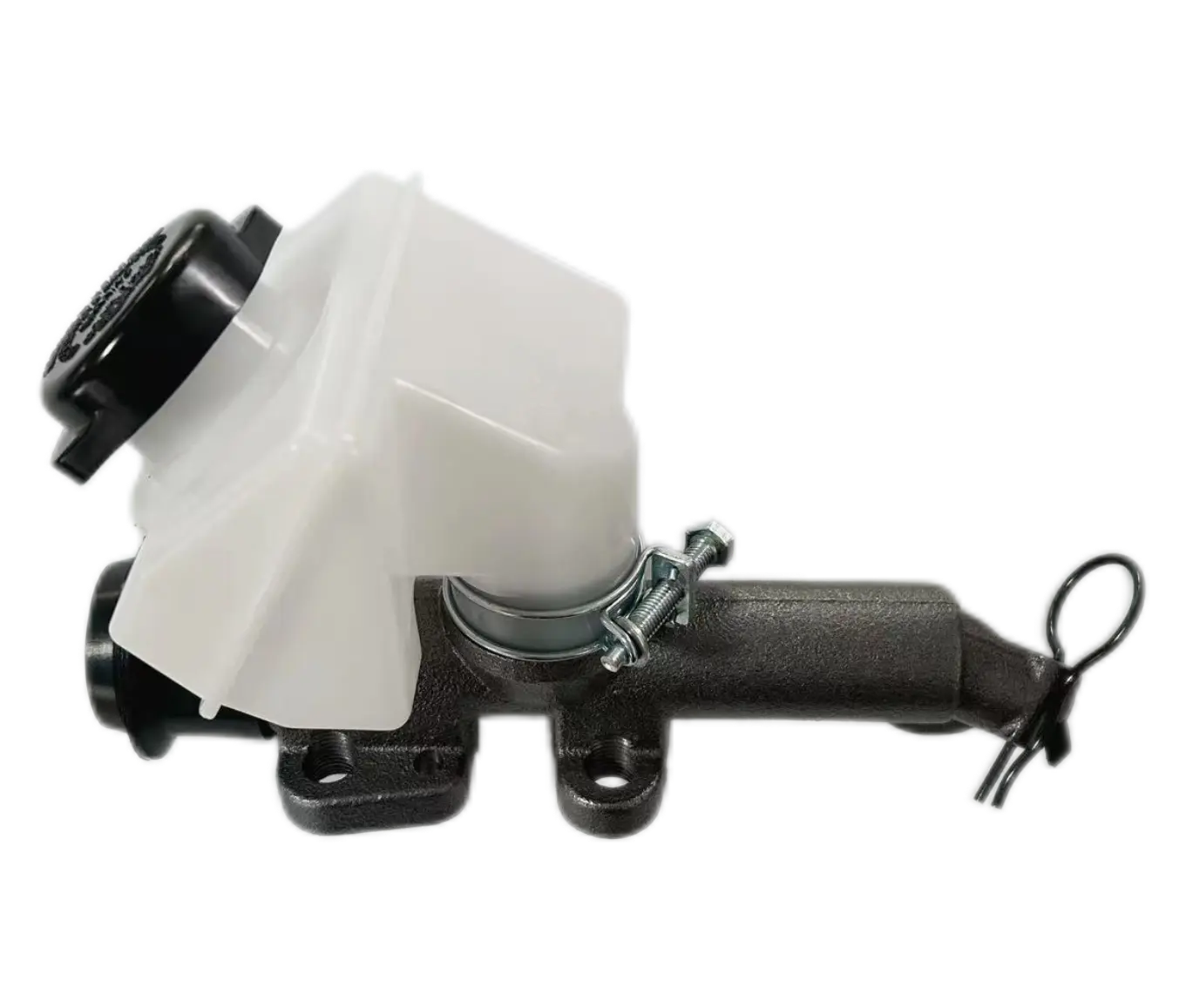
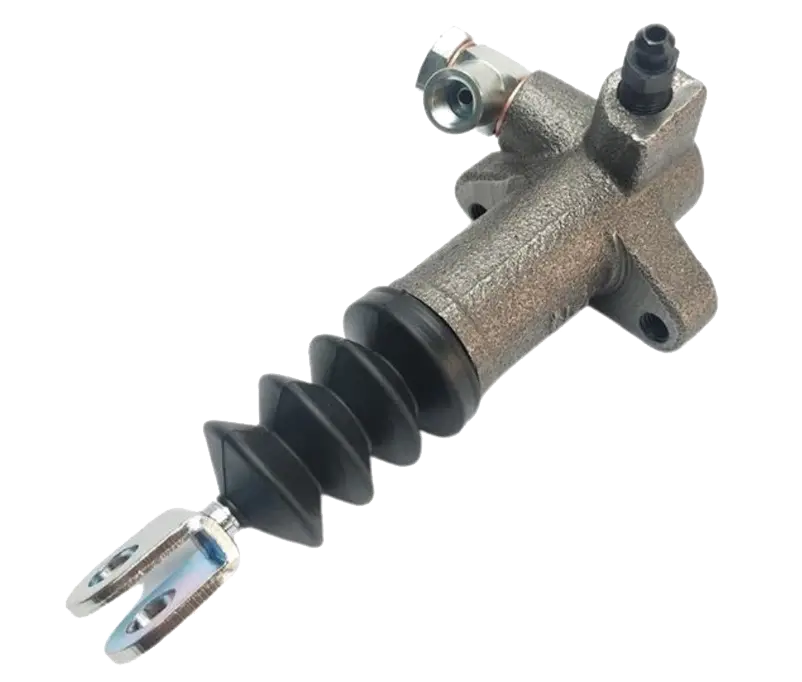
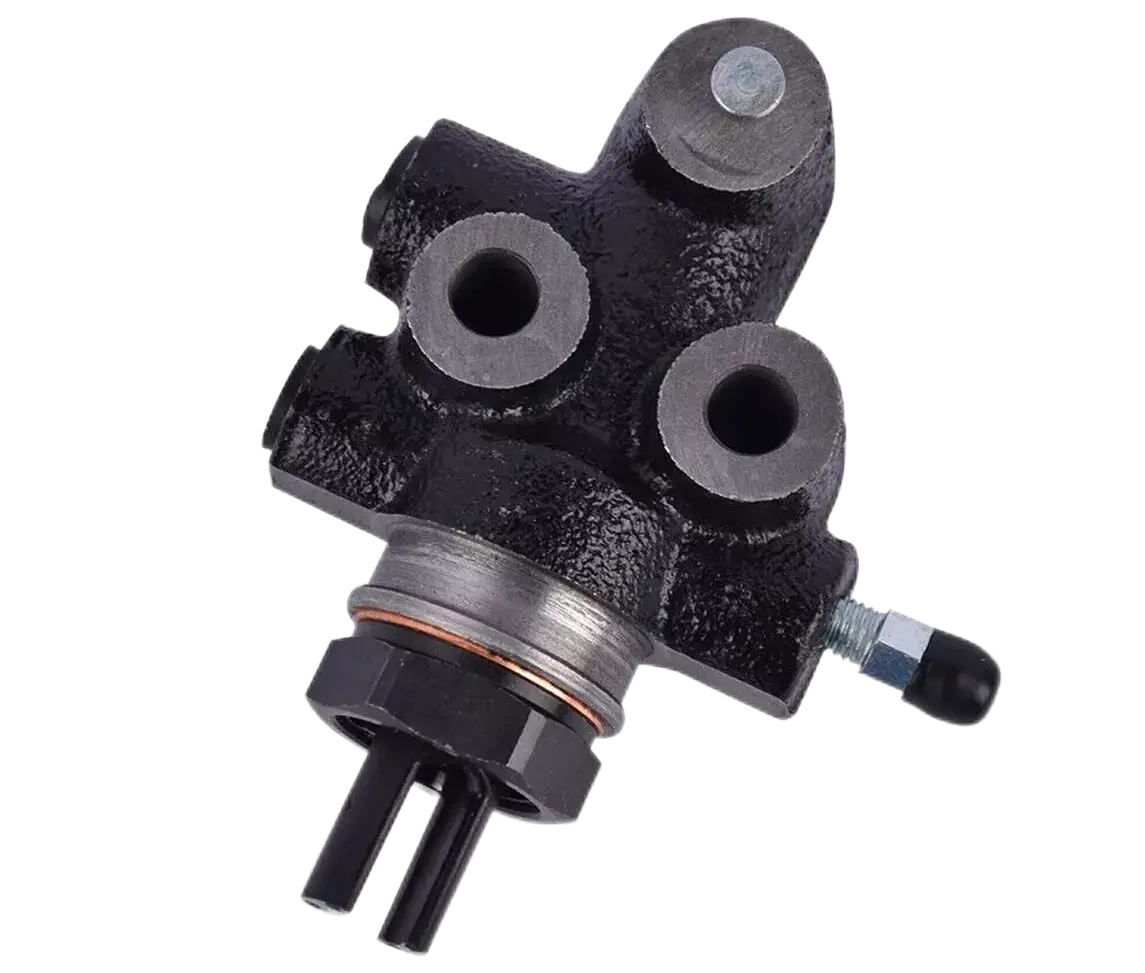
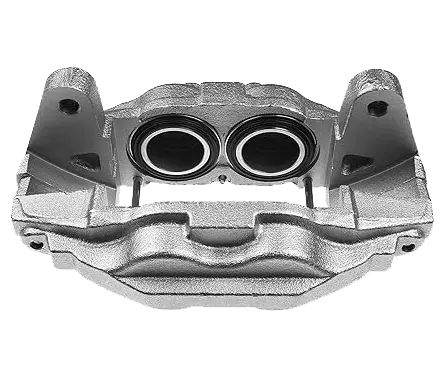
Automobile manufacturing demands zero defects. Under Chinese Industry 4.0 initiatives, manufacturing processes have transitioned from labor-centric production lines to closed-loop digital workflows. Wuhu Qiujing Auto Parts leverages localized raw material hubs and a vertical supply chain layout in Anhui Province, reducing lead times while buffering against global logistics shocks.
Precision manufacturing processes begin with high-pressure die casting. Castings are machined on multi-axis horizontal CNC centers, allowing bore dimensions to be finished in a single setup to maintain concentricity. Real-time air-gauging validates bore diameters to single-micron tolerances, ensuring uniform displacement and avoiding pressure loss. In our assembly facility, automated stations control rod placement, spring preload force, and seal alignment. This setup eliminates assembly-induced seal damage, a major cause of bypass failures in field applications.
Modern master cylinders must withstand diverse road environments. The operational requirements for high-performance vehicles vary widely depending on the platform:
Delivering quality and reliability through advanced engineering, optimized processes, and dedicated customer support.
6,000+ m² production workshop, 50+ skilled technicians, and an annual capacity exceeding 2 million units.
Comprehensive inspection systems and ISO/IATF certifications, backed by a 2-year warranty.
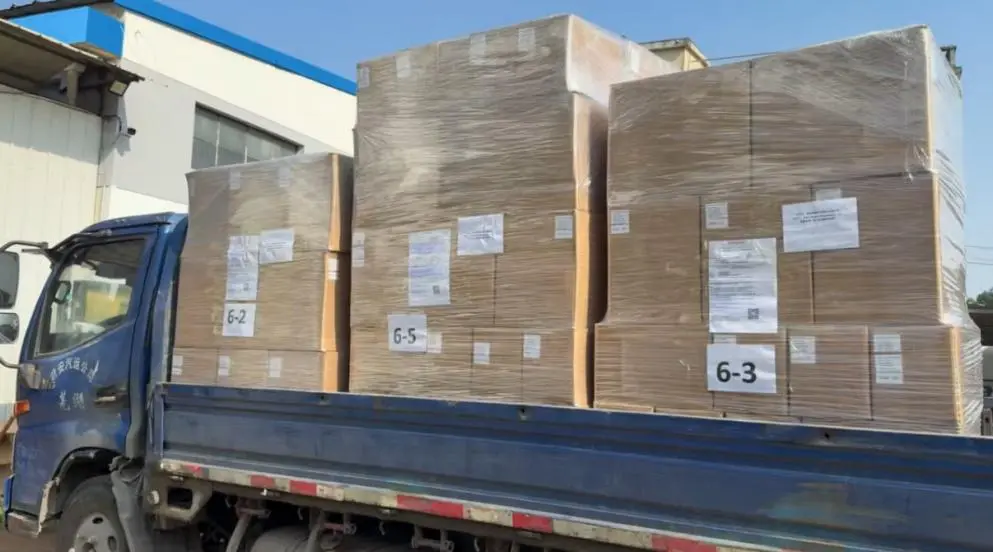
Strict quality control processes and flexible production scheduling for long-term supply partnerships.
Integrated R&D, production, QA, and logistics teams for fast and reliable order processing.
Our quality management systems meet international standards for design, production, and automotive supply chains.
Answering common engineering and procurement questions for sourcing managers and technical buyers.
Stay informed about our production schedules, holiday arrangements, and manufacturing milestones.


Direct access to OEM/OES hydraulic cylinders, valves, and calipers for global vehicle platforms.