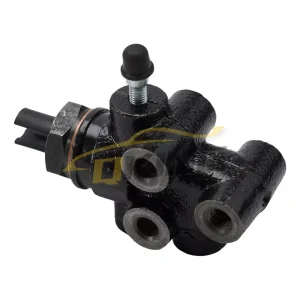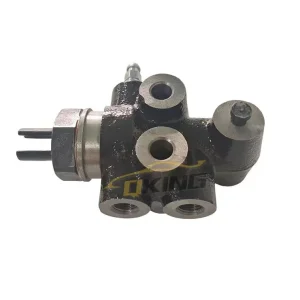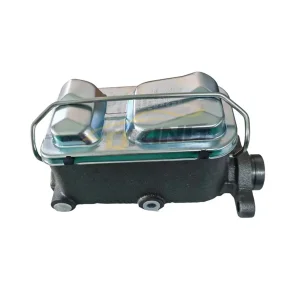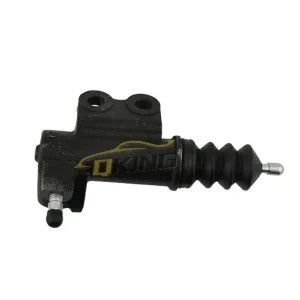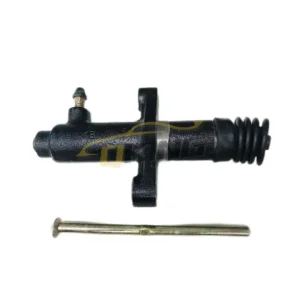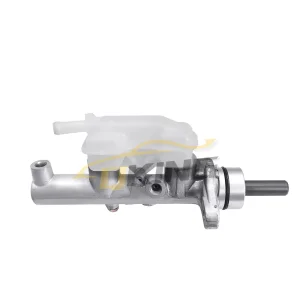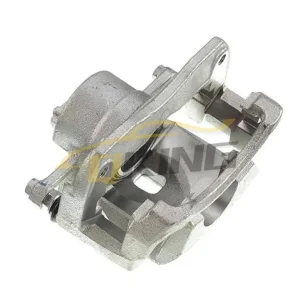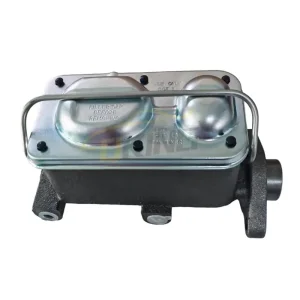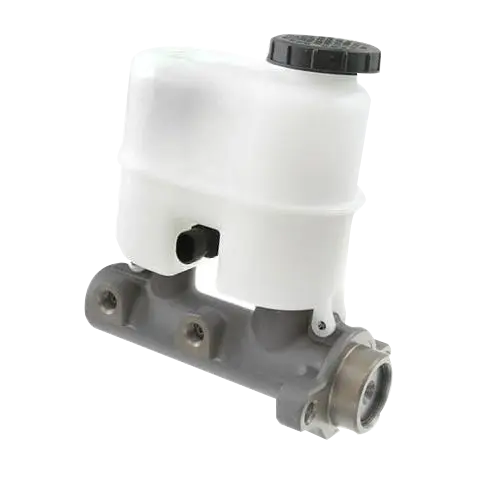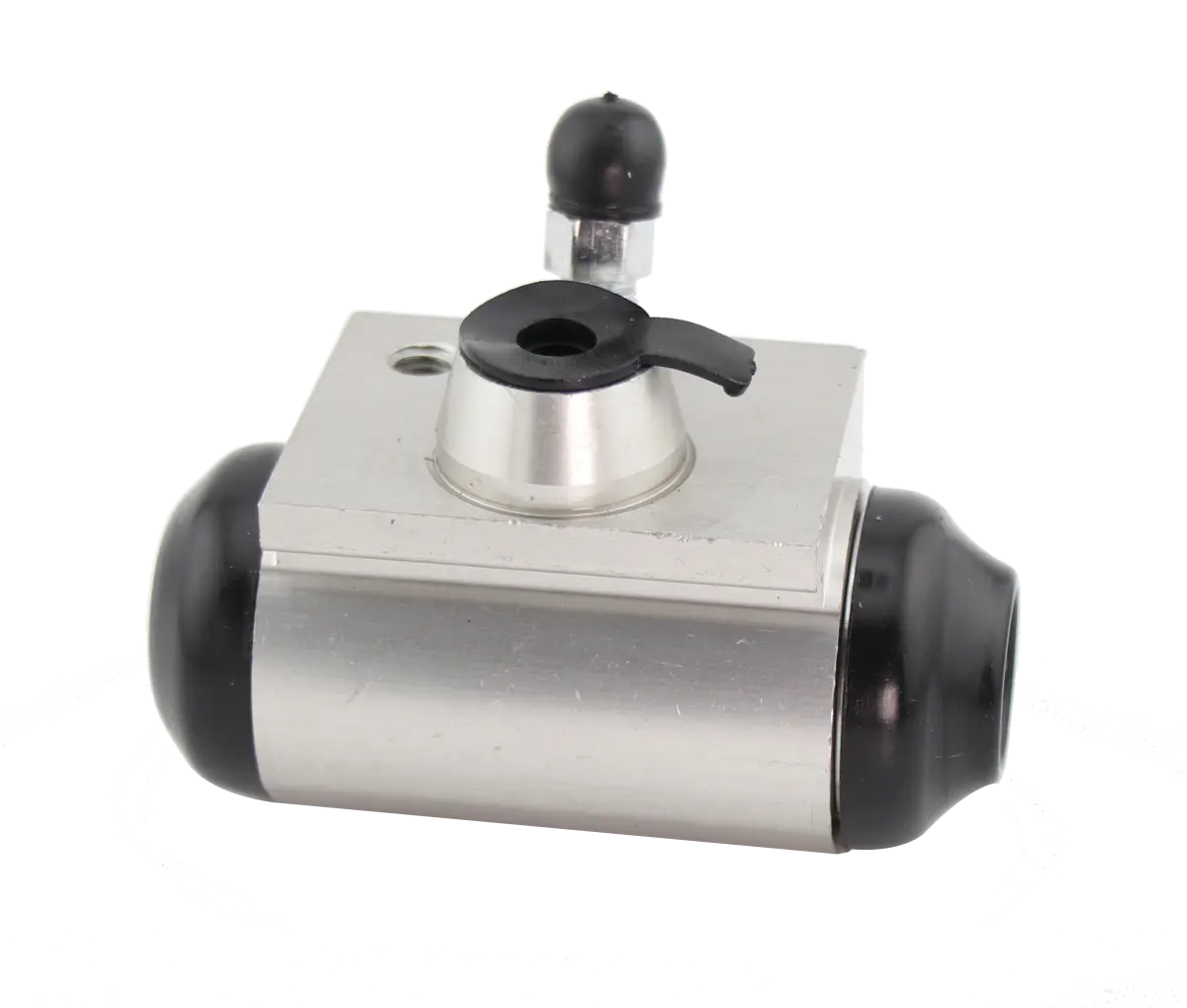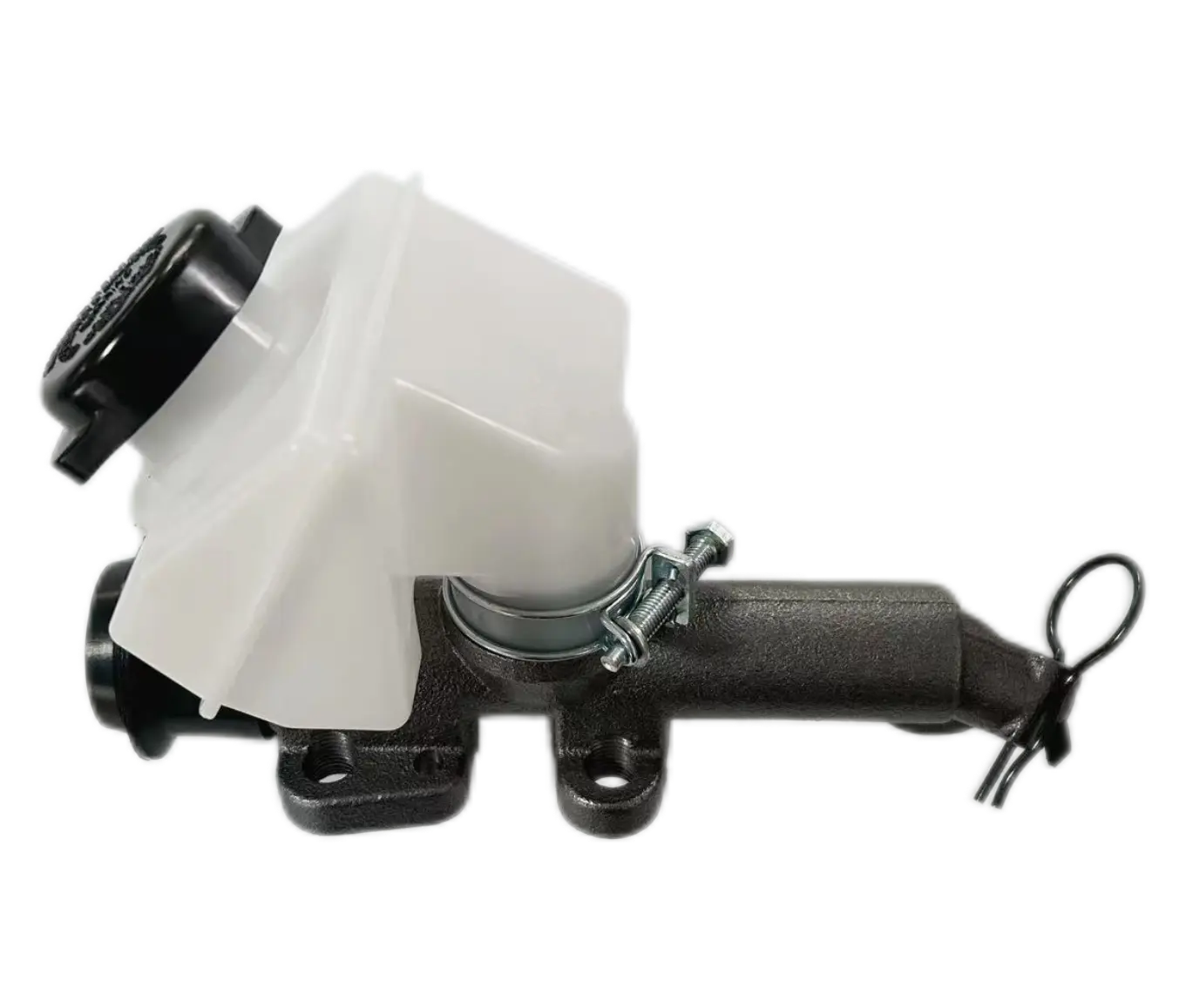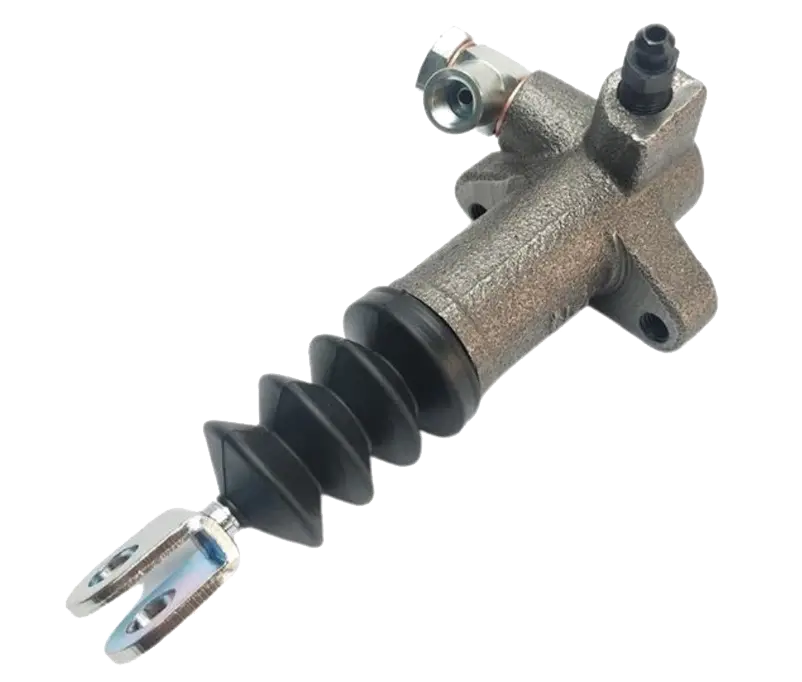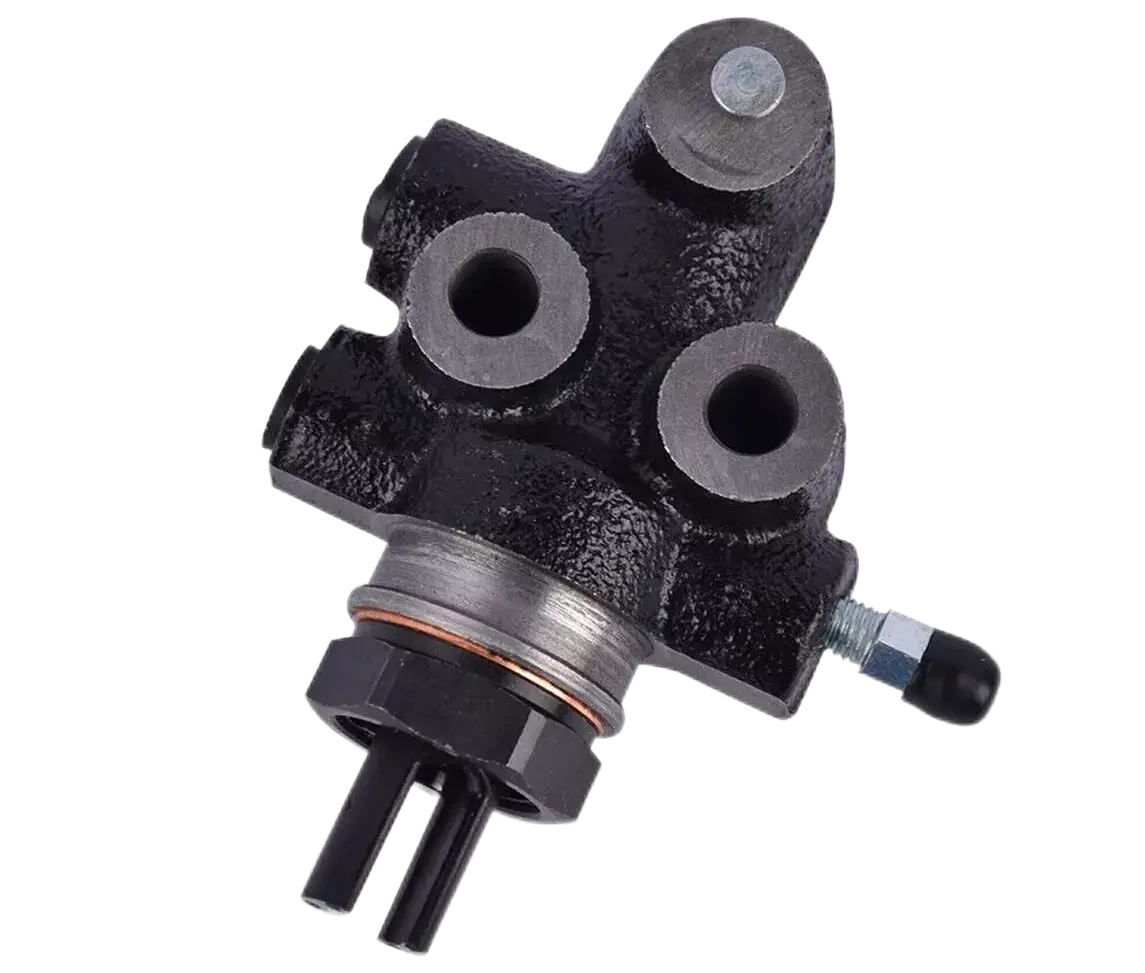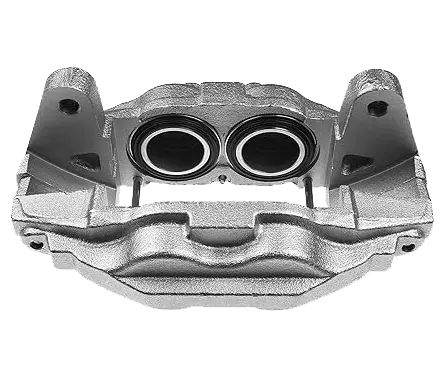
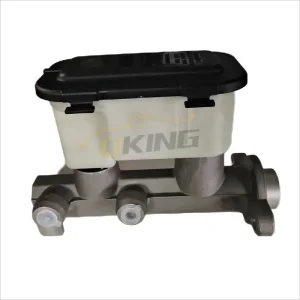
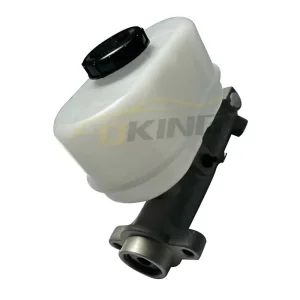
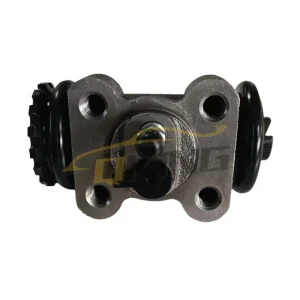
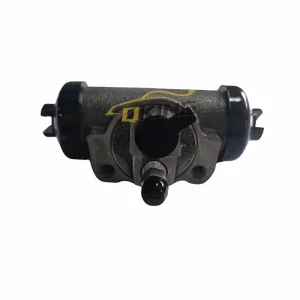
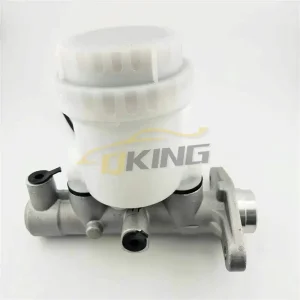
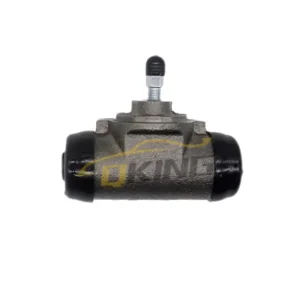
In the contemporary automotive landscape, safety-critical systems dictate the pace of manufacturing evolution. The global market for hydraulic brake actuation components—specifically brake master cylinders, wheel cylinders, and load-sensing valves—remains a cornerstone of vehicular safety assurance. Modern Tier-1 suppliers and aftermarket distributors are increasingly demanding component manufacturing pipelines that not only conform to rigorous dimensional limits but also showcase extreme durability under varied thermal and mechanical load parameters.
Within this complex industrial framework, the demand for stable replacement parts and premium OEM components has surged, driven by an aging global vehicle fleet and rigorous safety mandates implemented by regional transportation authorities. As vehicle platforms evolve, matching exact metallurgical and tolerances requirements has become the defining parameter of supply-chain qualification.
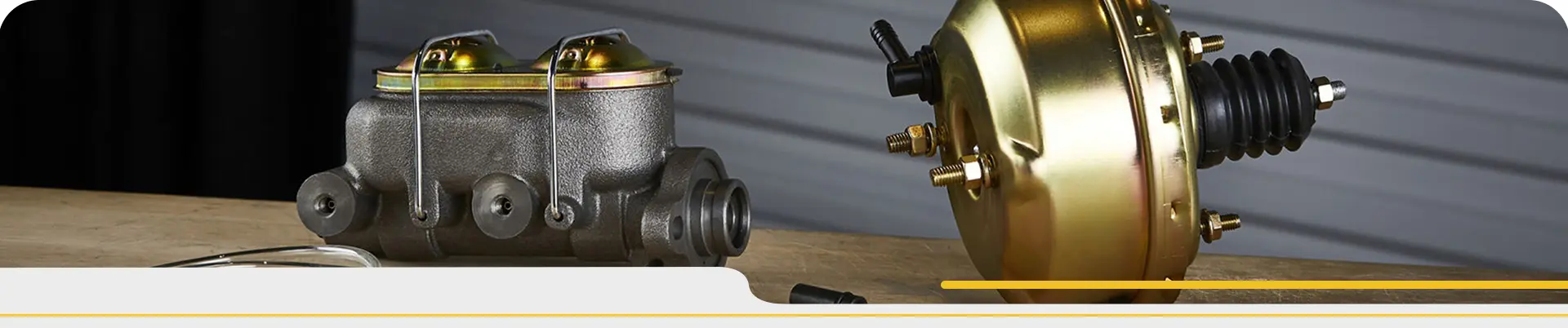
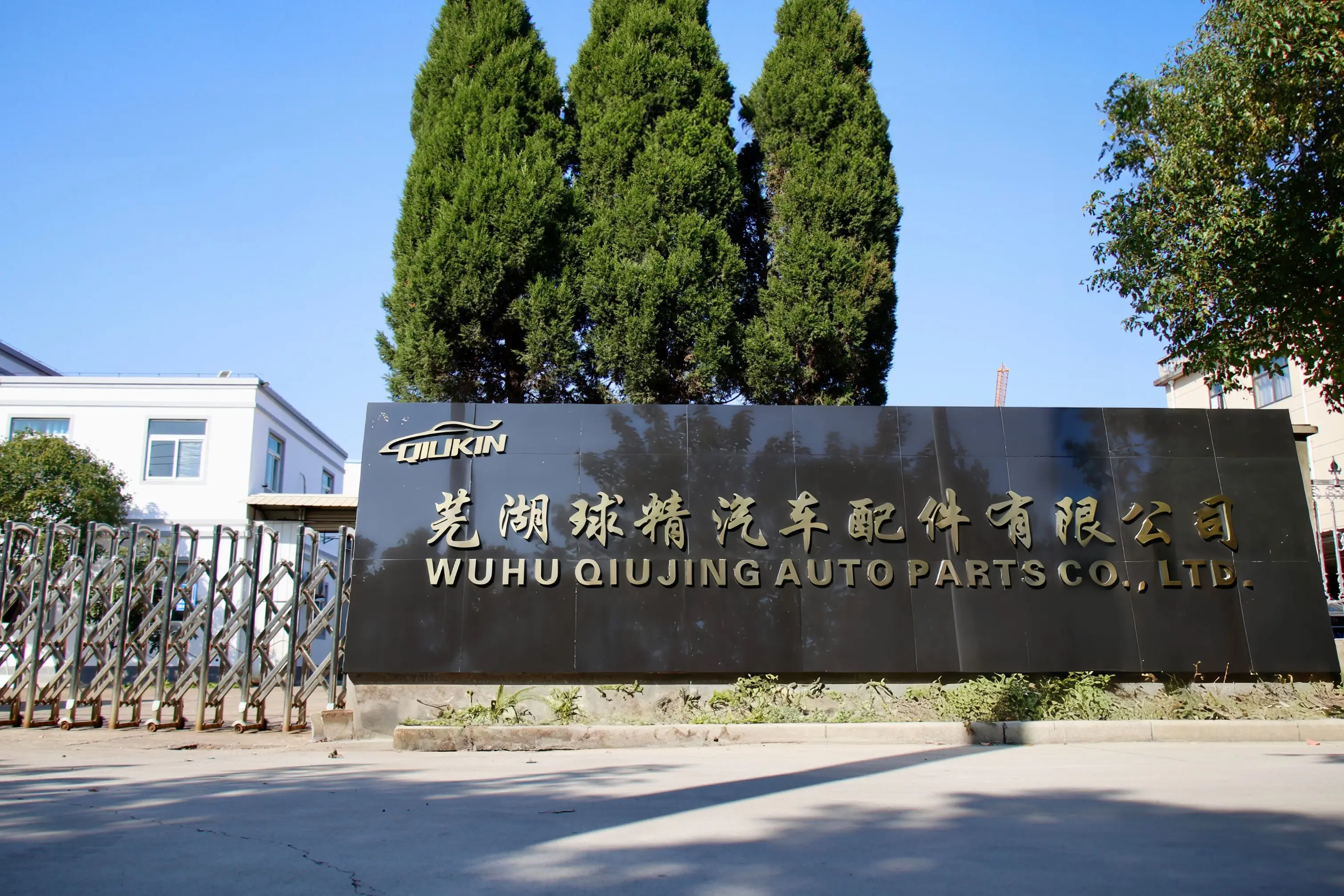
Chinese manufacturing centers, specifically within automotive hubs like Wuhu, Anhui, have redefined the cost-to-performance equation for safety-critical components. Historically viewed as centers of mass reproduction, factories like Wuhu Qiujing Auto Parts Co., Ltd. have transitioned into advanced engineering nodes utilizing state-of-the-art horizontal machining complexes, robotic casting gates, and automated assembly test benches.
The efficiency advantage of Chinese auto parts factories does not merely stem from scale; it relies heavily on local ecosystem integration. From metallurgical raw material supply chains to specialized anodizing facilities and elastomer (EPDM) compounding specialists, every component of the production cycle is co-located. This yields unmatched turnaround times for product development and scalable production lines capable of supporting both small batch variations and multimillion-unit annual demands.
Comprehensive catalog coverage encompassing light vehicle, commercial platform, and custom OE applications engineered to match global OEM standards.
Founded on a foundation of absolute reliability in 2007, and drawing upon the engineering experience of our founders since 1996, Wuhu Qiujing Auto Parts Co., Ltd. is a dedicated manufacturer of precision automotive braking and clutch hydraulics. We operate with a simple, unyielding paradigm: "Safety First" is not a checkbox; it is the structural parameter of every cast-iron housing, aluminum piston, and elastomer seal we ship.
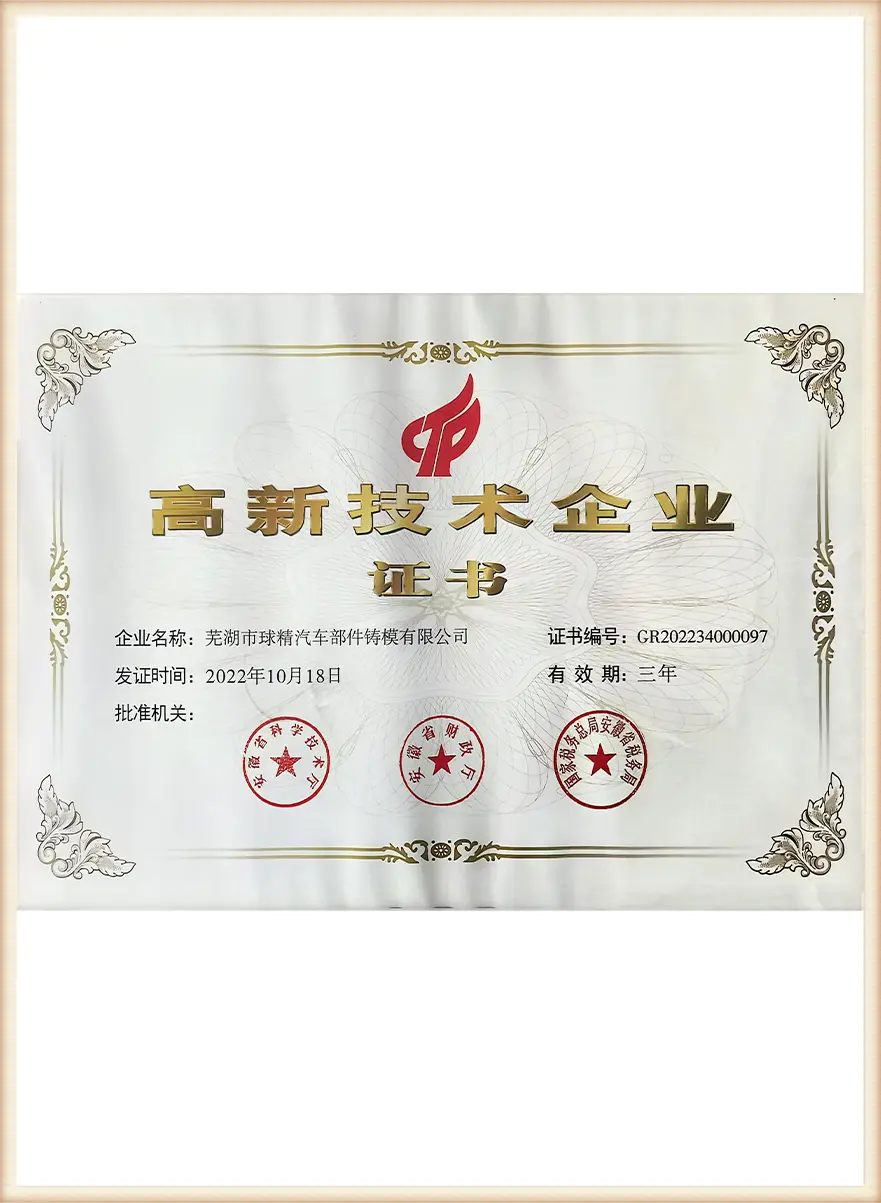
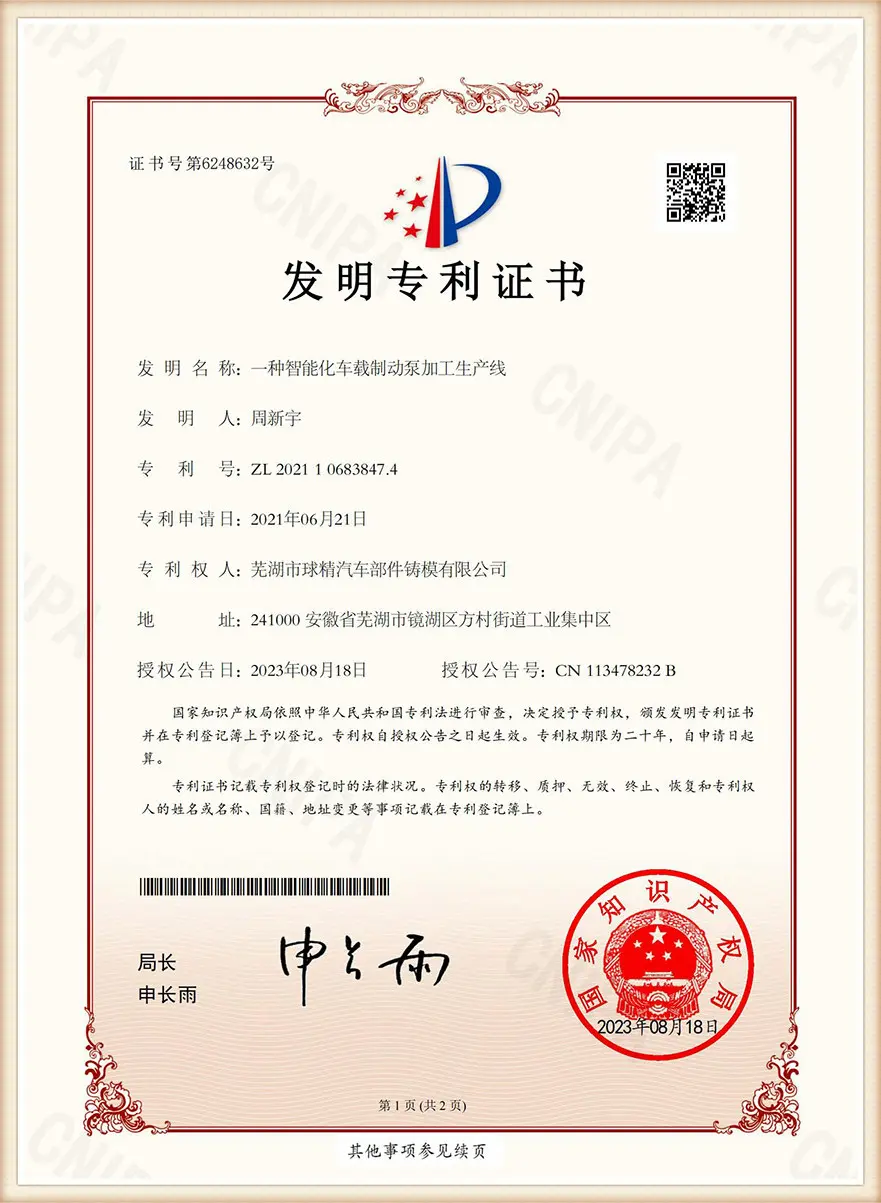
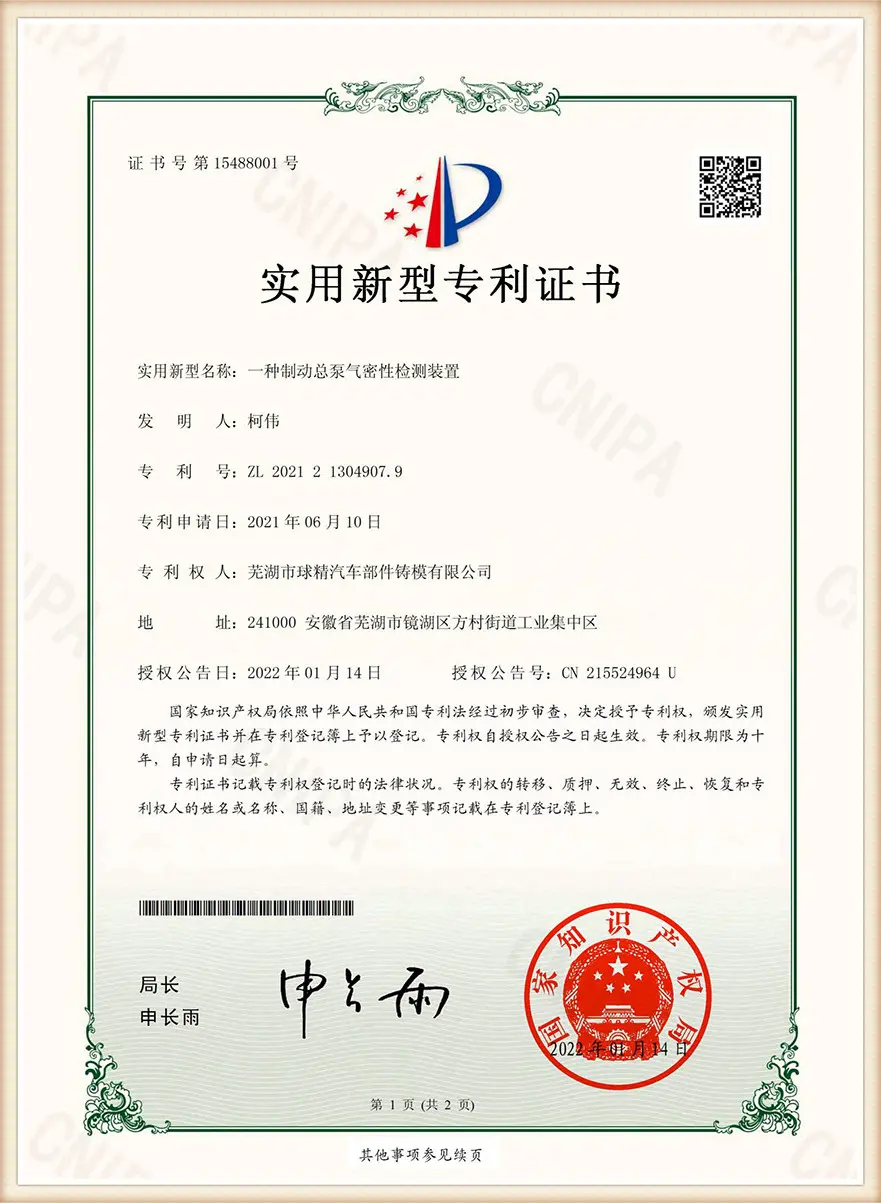
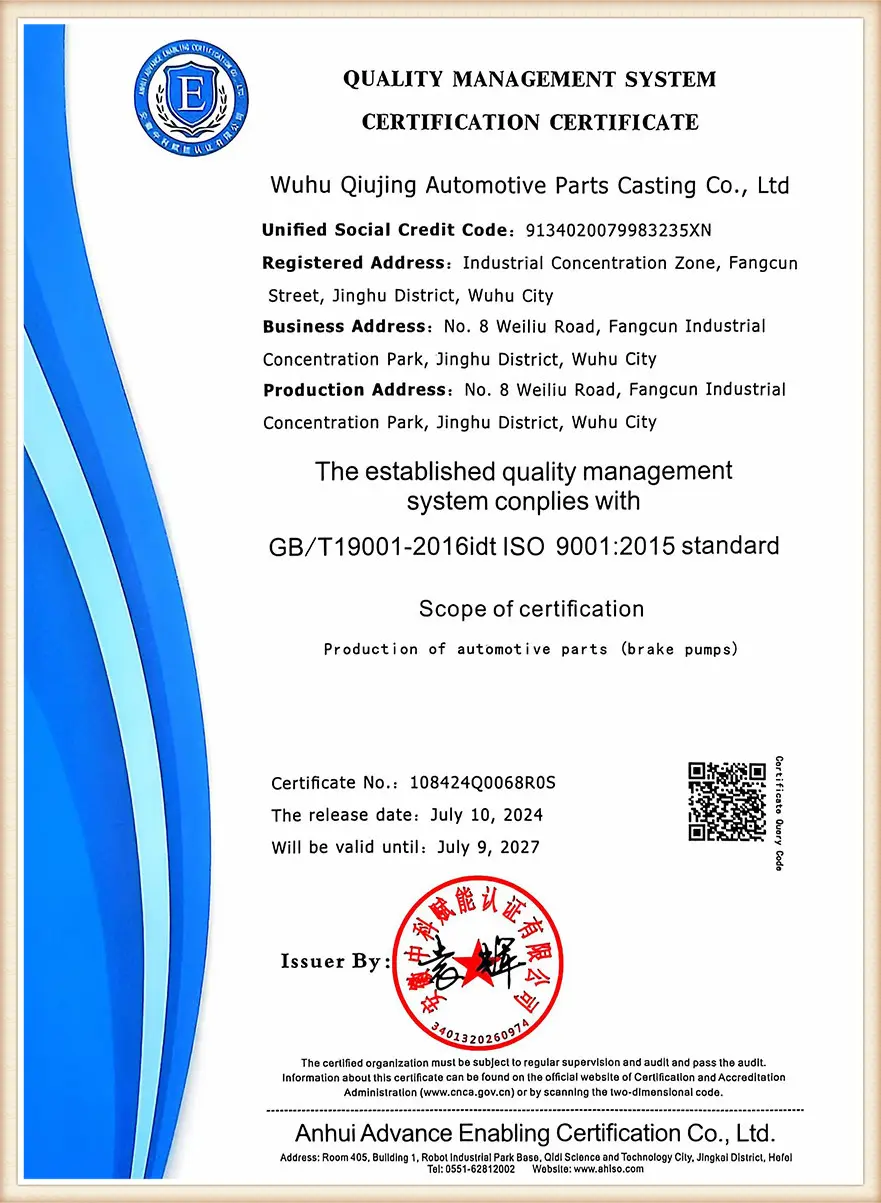
Through decades of rigorous technical iterations, we have engineered thousands of cross-referenced products covering major passenger and commercial fleets globally. From the heavy duty requirements of Isuzu and Mitsubishi Fuso workhorses to the high-volume replacement demands of Toyota Hiace passenger platforms, our manufacturing catalog represents the zenith of replacement engineering. Our facilities conform to the strict principles of international quality systems, maintaining certified status under GB/T19001-2016/ISO 9001:2015, IATF16949:2016, and intellectual property frameworks like GB/T29490-2013.

Automobile parts do not exist in a vacuum; they must perform flawlessly under varying local ambient conditions and operation cycles. For instance, replacement master cylinders deployed in tropical regions with high relative humidity require specific surface anodization to combat galvanic corrosion and atmospheric pitting. Conversely, components shipped to Northern European or Canadian markets must endure extreme temperature deltas and aggressive chemical exposure from road de-icing agents.
At Qiujing, our R&D protocols integrate specific stress profiles based on localized historical data. Our elastomer seals are composed of advanced EPDM formulations capable of maintaining flexibility at temperatures as low as -40°C while resisting thermal degradation up to 120°C. For heavy-duty transit and commercial work environments (e.g., Toyota Hilux or Mitsubishi Fuso applications), our casting processes utilize spheroidal graphite cast iron to guarantee high tensile strength and minimal volumetric expansion under high-frequency pedal application.
Procurement directors face persistent challenges regarding component variance. A common issue is the dimensional drift of cylinder bores, leading to micro-bypass of hydraulic fluid past the secondary seal cups. This slowly degrades pedal response and decreases overall safety margins. In addition, lack of trace-ability in raw material supplies can lead to microscopic casting porosity, which may cause structural failure under high-pressure events.
Mitigating these risks requires selecting factories that implement a closed-loop quality assurance system. Qiujing eliminates dimensional drift by using high-precision CNC boring machines that hold tolerances within single-digit micron ranges. Each production run is coupled with a coordinate measuring machine (CMM) inspection profile and backed by 100% low-and-high pressure pneumatic seal tests prior to leaving the line. This attention to detail allows us to offer a confident two-year warranty across all product categories.

Spanning over 6,000 m² of modern manufacturing infrastructure, housing over 50 skilled specialists with an annual output exceeding 2 million units.

Equipped with state-of-the-art testing stations ensuring physical integrity, and supported by a robust 2-year after-sales warranty.

Consistent raw material sourcing, tight manufacturing tolerances, and flexible scheduling optimized for long-term distributor partnerships.

Close integration between dedicated R&D departments, precision machining units, inspection divisions, and professional customer service teams.
Our processes are audited and certified to match the rigorous requirements of the global automotive manufacturing framework.
The push toward vehicle electrification and advanced driver-assistance systems (ADAS) does not eliminate hydraulic brake systems; rather, it elevates their performance parameters. Modern regenerative braking systems require highly responsive master cylinders and proportioning valves capable of working under active brake booster inputs. The transition between regenerative motor torque and mechanical friction braking must be imperceptible, placing pressure on hydraulic cylinders to maintain precise volumetric output relative to travel distance.
Additionally, material weight reduction remains crucial. Factories are shifting from classic cast iron housings to high-grade anodized aluminum alloys, reducing weight while maintaining mechanical integrity under extreme hydraulic pressures. At Qiujing, our engineering teams are actively researching surface coating modifications to further reduce piston friction and extend seal life. This aligns our output with the long durability requirements of modern electric vehicle configurations.
Detailed scheduling details concerning production shift adjustments and logistics updates during the holiday period.
View Article
Qiujing is pleased to announce the full resumption of operations, bringing production capacities back to full volume to fulfill pending orders.
View Article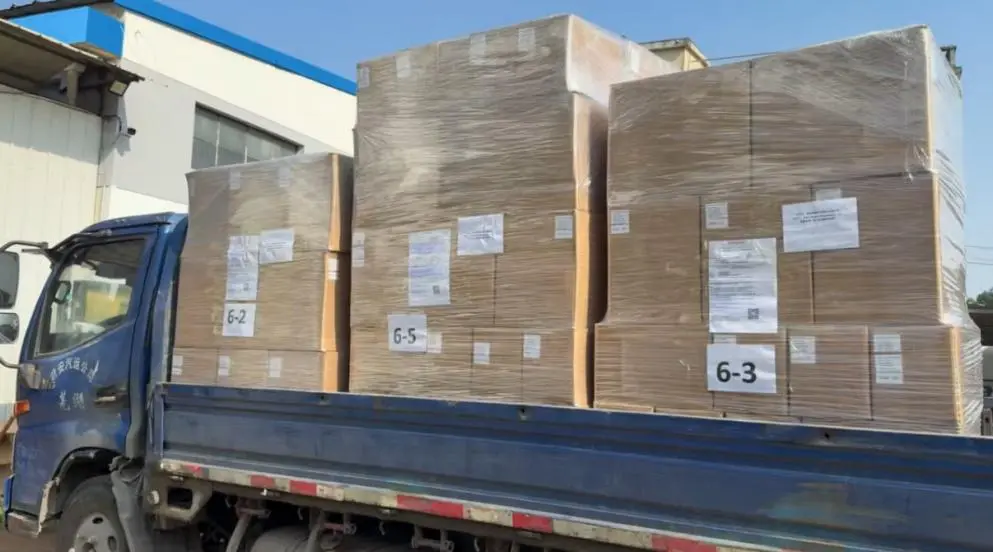
Detailed updates on our logistics execution, ensuring our global supply chains remained uninterrupted ahead of seasonal shutdowns.
View Article