1. Executive Overview: The Engineering Significance of 8-94414-693-0
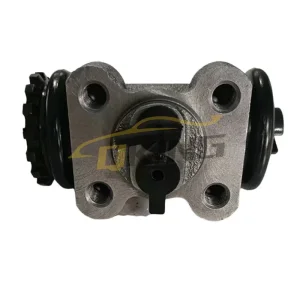
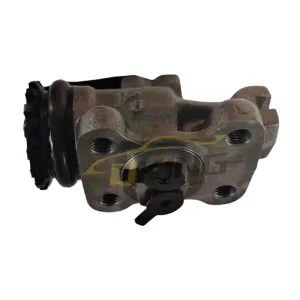
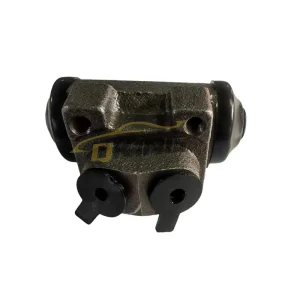
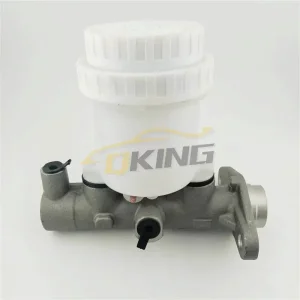
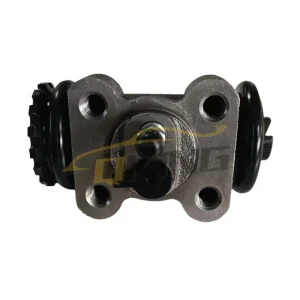
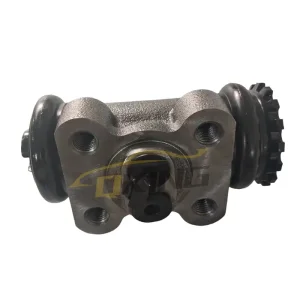
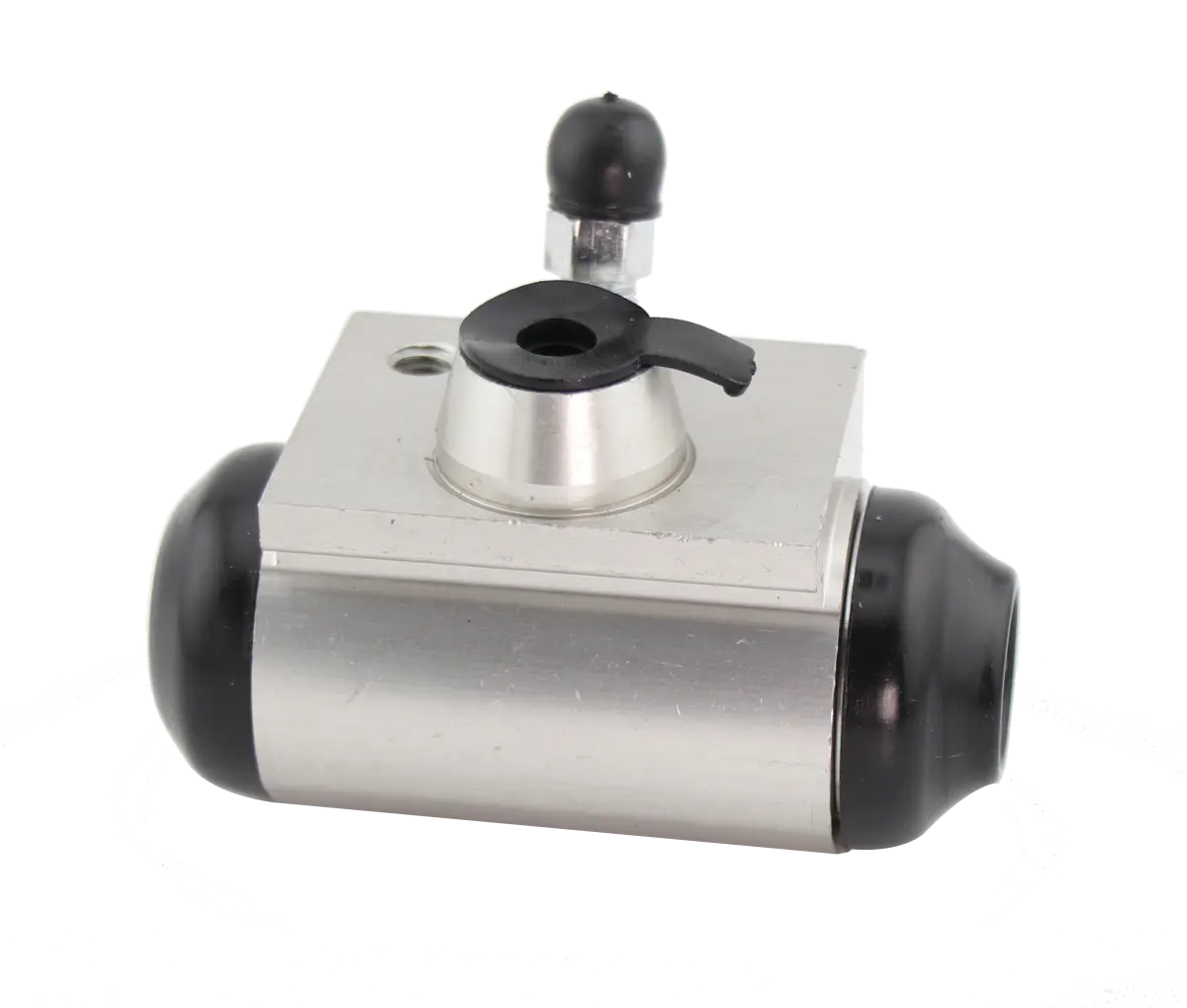
In the light-duty commercial vehicle (LCV) industry, particularly across the iconic ISUZU ELF and N-Series platforms, vehicle stability under load remains a primary safety metric. The brake wheel cylinder, identified by OEM part numbers 8-94414-693-0, 8-94414-693-1, 8-94414-693-2, and 8-97139-814-0, acts as a pivotal mechanical actuator within the hydraulic drum braking assembly.
Under heavy operations, commercial delivery vehicles experience intense thermal cycles and extreme mechanical stresses. Our manufacturing framework mitigates these performance limits by employing high-tensile nodular cast iron housings and custom elastomer formulations. As global supply networks seek to improve fleet reliability and minimize downtime, understanding the physical properties and supply chain dynamics of these safety-critical components becomes essential.
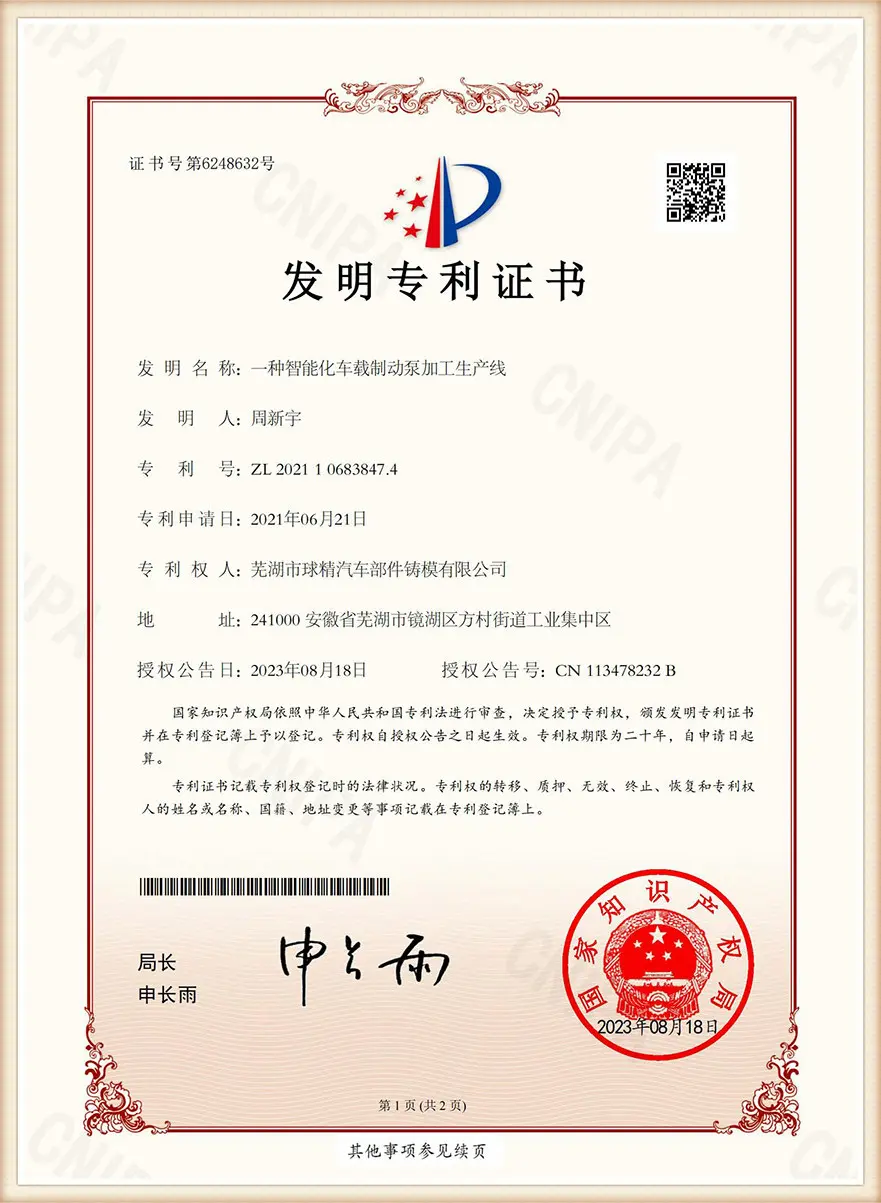
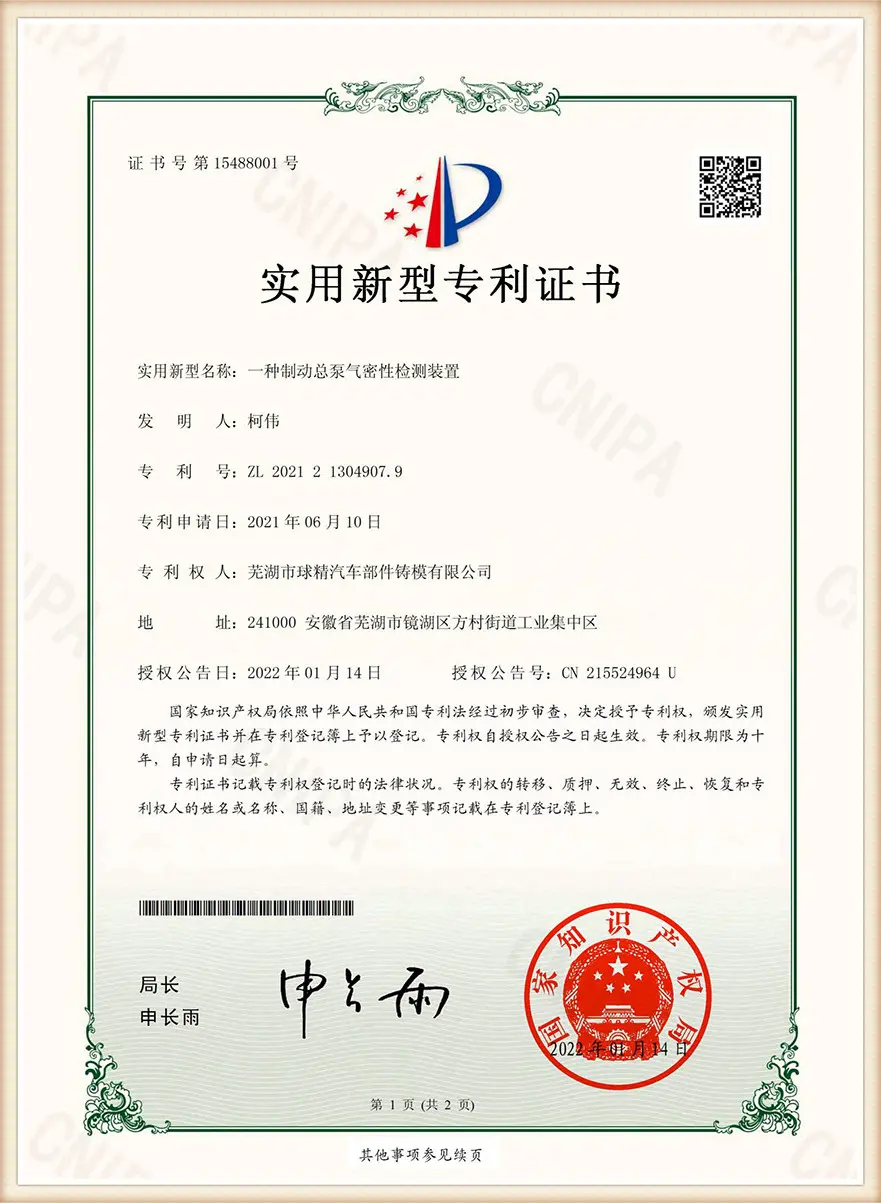
For more than 20 years, Qiujing Auto Parts has combined raw material testing with advanced machining lines to manufacture replacement and original parts that exceed global road safety criteria.
2. Technical Specifications & Design Architecture
The 8-94414-693-0 series is designed to convert hydraulic line pressure into linear force, pushing the brake shoes against the drum to decelerate the vehicle. Below are the key design choices that set our manufacturing processes apart:
1. Metallurgy and Casting Density: We avoid the common porous structures found in generic cast iron cylinders. Our foundry employs precise thermodynamic cooling curves to guarantee a homogeneous grey iron matrix. This ensures the cylinder body resists expansion and stress-cracking under intense emergency stops.
2. Precision Bore Honing: The internal cylinder bore is micro-honed to a surface roughness ($Ra$) of less than 0.2 micrometers. This mirror finish reduces wear on the internal EPDM rubber cups, maintaining pressure seals over millions of cycles and minimizing fluid bypass.
3. Elastomeric Compound Science: Standard seals deteriorate quickly in high-temperature operating conditions. Our pistons use proprietary Ethylene Propylene Diene Monomer (EPDM) compounds. These cups resist swelling and remain elastic from -40°C up to 120°C, matching the demands of heavy-duty brake fluids (DOT 3, DOT 4, and DOT 5.1).
4. Anti-Corrosion Treatment: Standard aftermarket products often succumb to road salt and atmospheric moisture. Our units undergo electro-galvanizing or black oxide treatments, passing a 240-hour neutral salt spray test to prevent exterior oxidation and piston sticking.
3. Macro Industry Solutions: Fleet Longevity and Cost Control
For commercial operators, logistics hubs, and regional distributors, fleet maintenance is directly tied to business profitability. A failure in the hydraulic system of a delivery truck leads to vehicle downtime, cargo delays, and liability risks. By supplying highly durable 8-94414-693-0 wheel cylinders, we solve several problems for fleet managers:
Reduced Total Cost of Ownership (TCO): Standard aftermarket components require frequent replacement intervals, adding labor costs and taking vehicles out of service. Our premium design doubles the operational service life of the cylinder, reducing maintenance cycles and keeping vehicles on the road.
Braking Balance and Safe Loading: Commercial trucks frequently run at maximum payload capacities. Minor imbalances in rear brake cylinder pressure can cause uneven braking forces, leading to dangerous jackknifing or premature brake pad wear. Our consistent piston bore sizing guarantees balanced deceleration across the rear axle under any load.
Seamless Integration: With strict adherence to OEM dimensions, our cylinders drop directly into the braking plate assembly without the need for manual adjustment, reducing vehicle labor times during servicing.
6,000 m²
Factory Area
2,000,000+
Yearly Capacity
20+
Years Experience
50+
Skilled Employees
4. Global Industrial Dynamics & Supply Chain Resilience
The global demand for light commercial vehicle parts is growing, driven by the expansion of e-commerce delivery networks, urbanization in developing markets, and fleet renewals in developed nations. From Southeast Asia's rural routes to Europe's urban zones, ISUZU platforms are a key element of regional logistics.
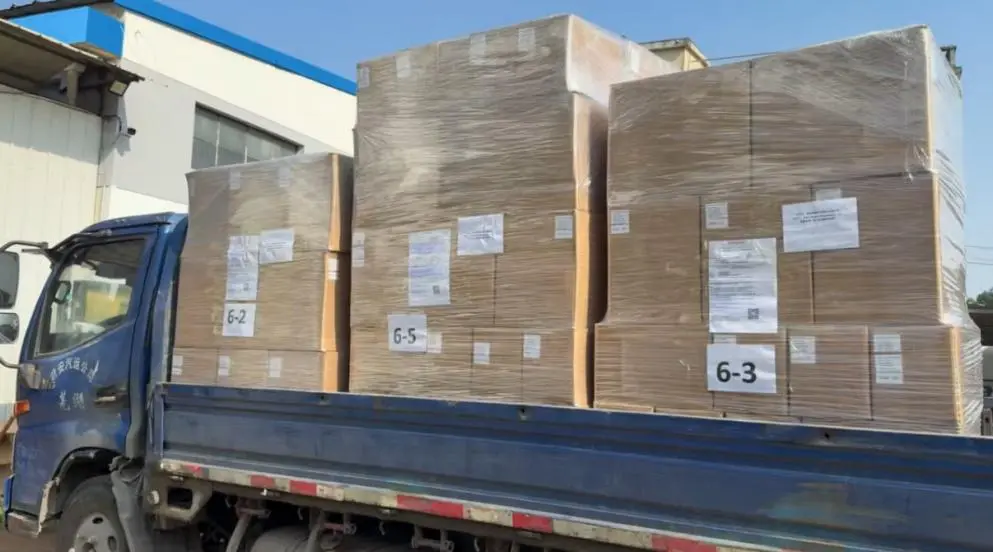
Supply chains face continuous challenges, including material shortages, freight capacity limits, and shifting import tariffs. Wuhu Qiujing Auto Parts Co., Ltd. addresses these challenges through manufacturing resilience. By sourcing materials locally and using automated CNC production lines, we reduce lead times while shielding international buyers from market volatility. Our annual production capacity of over 2 million hydraulic units ensures we can fulfill large orders for wholesale distributors and OEM partners worldwide.
5. Global Compliance Standards & Quality Auditing
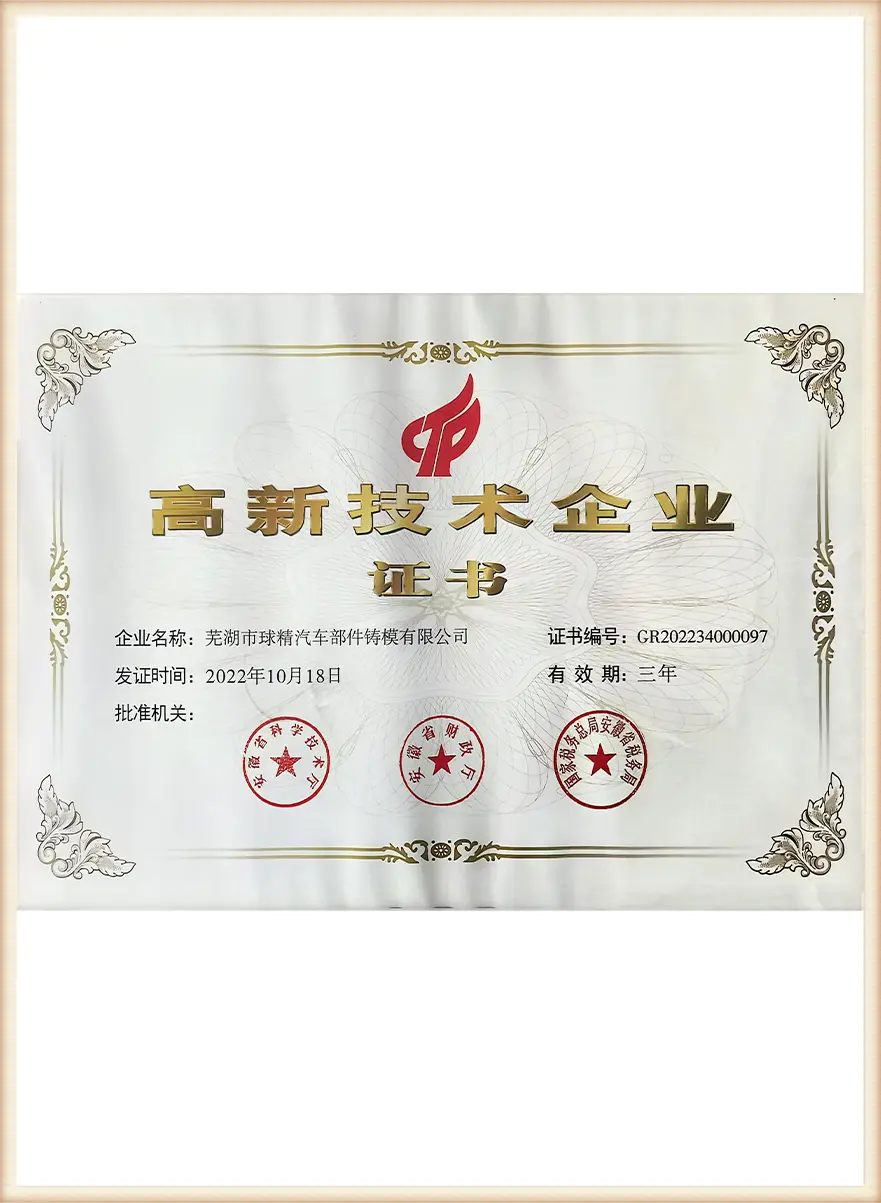
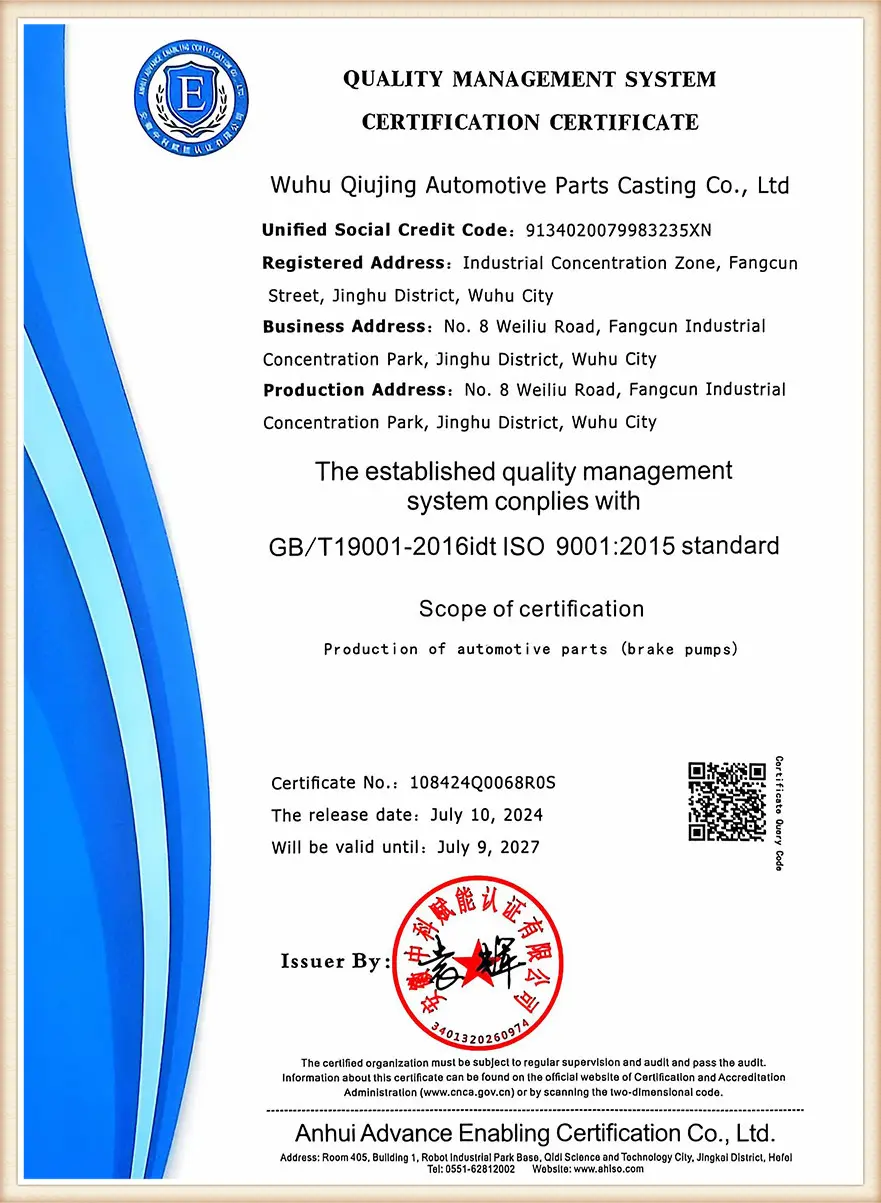
Automotive safety parts require absolute transparency and verified certifications. Our production facility operates under global quality management frameworks, ensuring trace-level auditing from raw iron bar to finished and boxed brake cylinder.
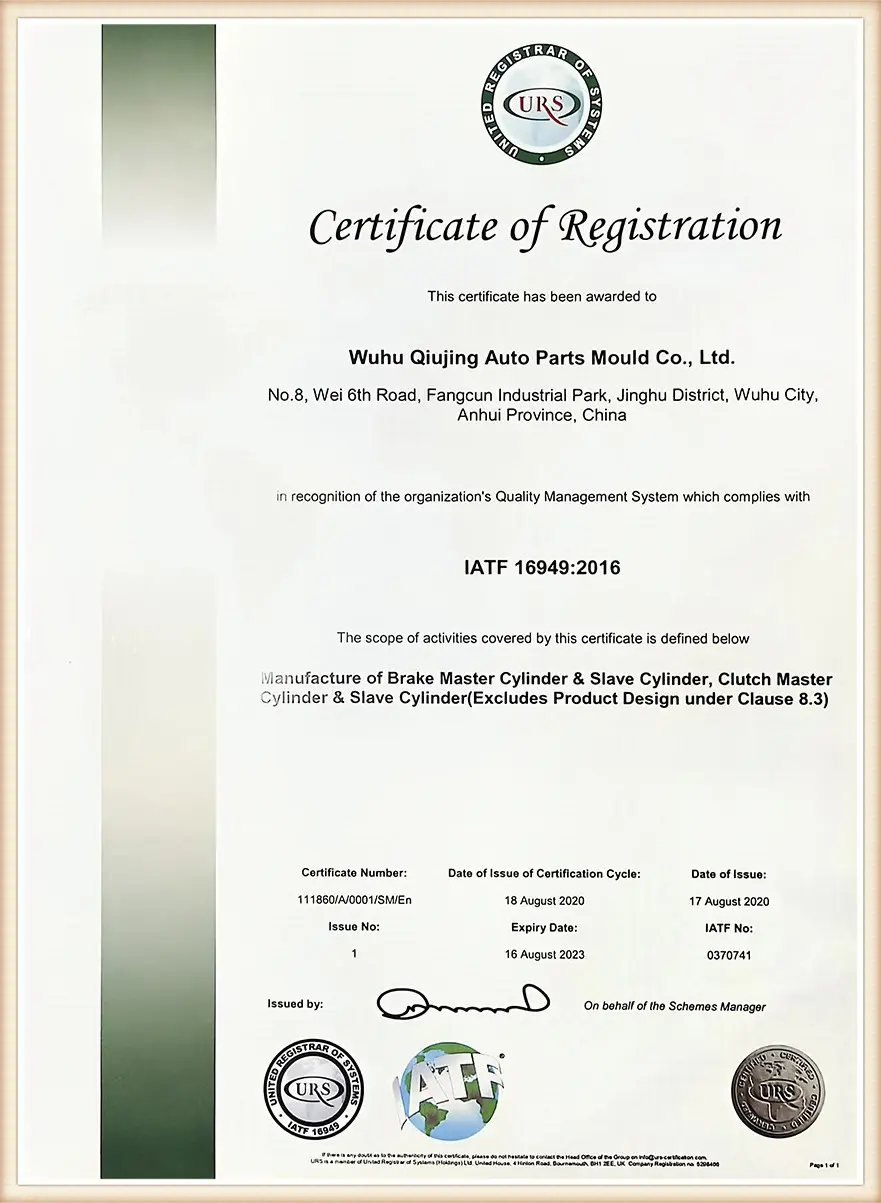
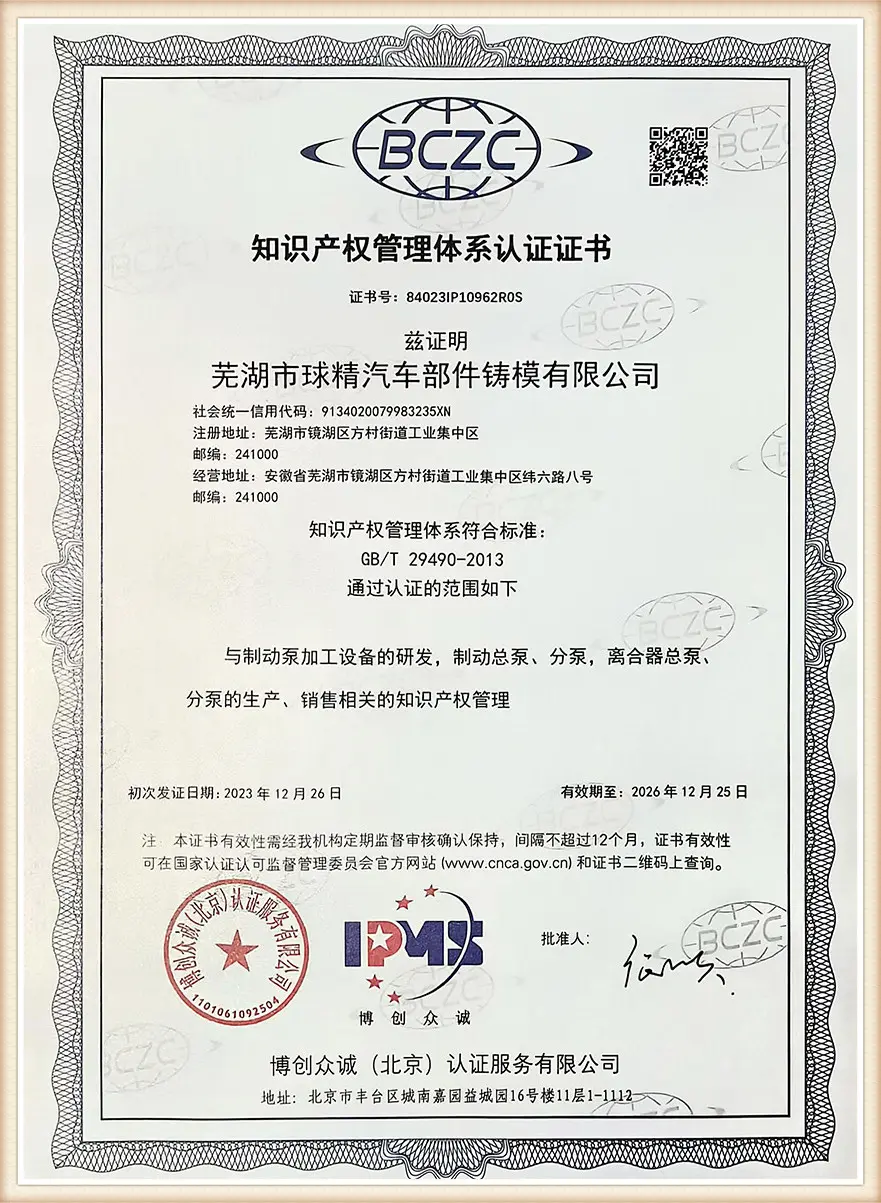
Our operations are certified to GB/T19001-2016 / ISO 9001:2015 and IATF 16949:2016 quality standards. These processes require strict process documentation:
- Spectrochemical Material Analysis: Checking the iron alloy composition before casting to ensure strength and structural consistency.
- Coordinate Measuring Machine (CMM) Diagnostics: Verifying critical mounting and fluid port tolerances down to micrometer tolerances.
- Dual-Stage Pressure Testing: Every 8-94414-693-0 unit undergoes low-pressure pneumatic tests and high-pressure hydraulic tests to ensure leak-free performance.
- Environmental Simulation Chambers: Testing elastomer seals in real-world extreme temperatures to prevent cracking and brittleness.
6. Regional Operating Environments & Maintenance Demands
Automotive replacement parts must perform across a wide range of global climates. The 8-94414-693-0 brake cylinder is designed to handle diverse operating environments:
High Humidity and Coastal Regions: In regions with salty air and high humidity, standard metals degrade rapidly. Our electroplated coatings prevent salt corrosion, ensuring the outer cylinder body and mounting threads remain clean and functional.
Cold-Weather Conditions: In cold northern winter conditions, standard rubber components lose elasticity and crack. Our low-temperature EPDM compound prevents leaks, maintaining system pressure during sub-zero vehicle startups.
Hilly and Urban Start-Stop Routes: Continuous stop-and-go delivery routes generate high friction heat within drum brakes. The structural design of our cylinders helps dissipate heat quickly, preventing brake fade and fluid boiling.
7. Technology Roadmap & Product Outlook
As the automotive industry evolves toward electrification, smart logistics, and eco-friendly manufacturing, our engineering department continues to advance hydraulic design:
1
Lightweight Alloy Exploration
Developing high-strength aluminum alloy cylinders to reduce overall unsprung weight, improving vehicle efficiency while maintaining structural strength.
2
Eco-Friendly Surface Coatings
Replacing traditional zinc plating with hexavalent chrome-free geo-coatings to meet European REACH environmental standards.
3
Smart Integration Testing
Optimizing mechanical tolerances to ensure compatibility with electronic brake-force distribution (EBD) and advanced braking control algorithms.