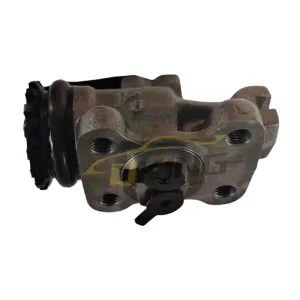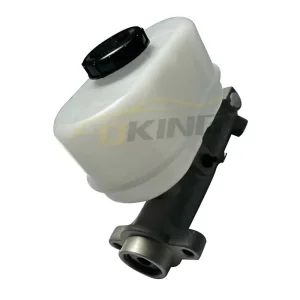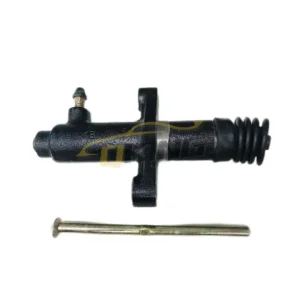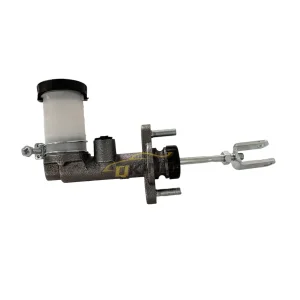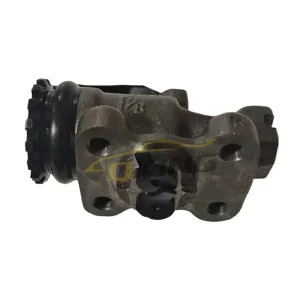
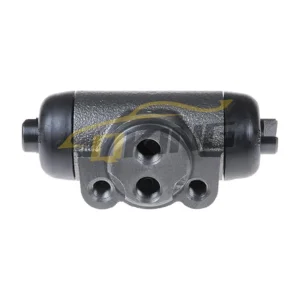
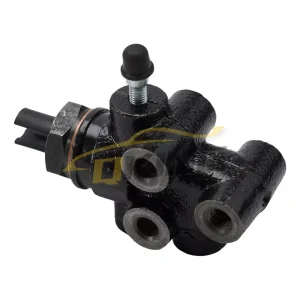
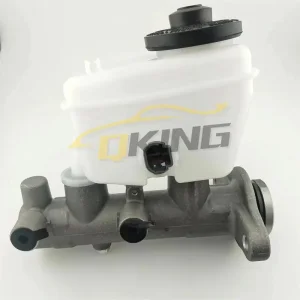
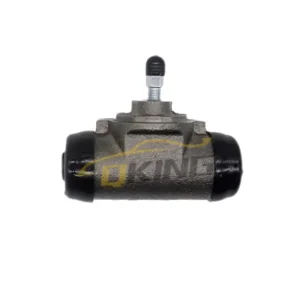
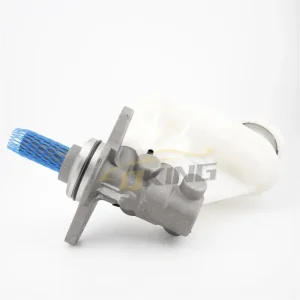
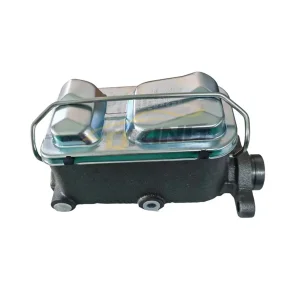
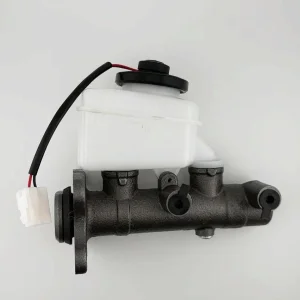
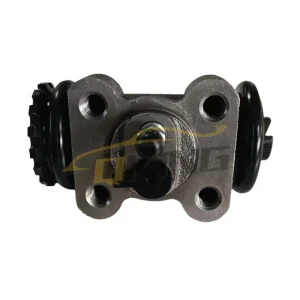
1. Technical Analysis: The Engineering Behind the 47550-35190 Brake Wheel Cylinder
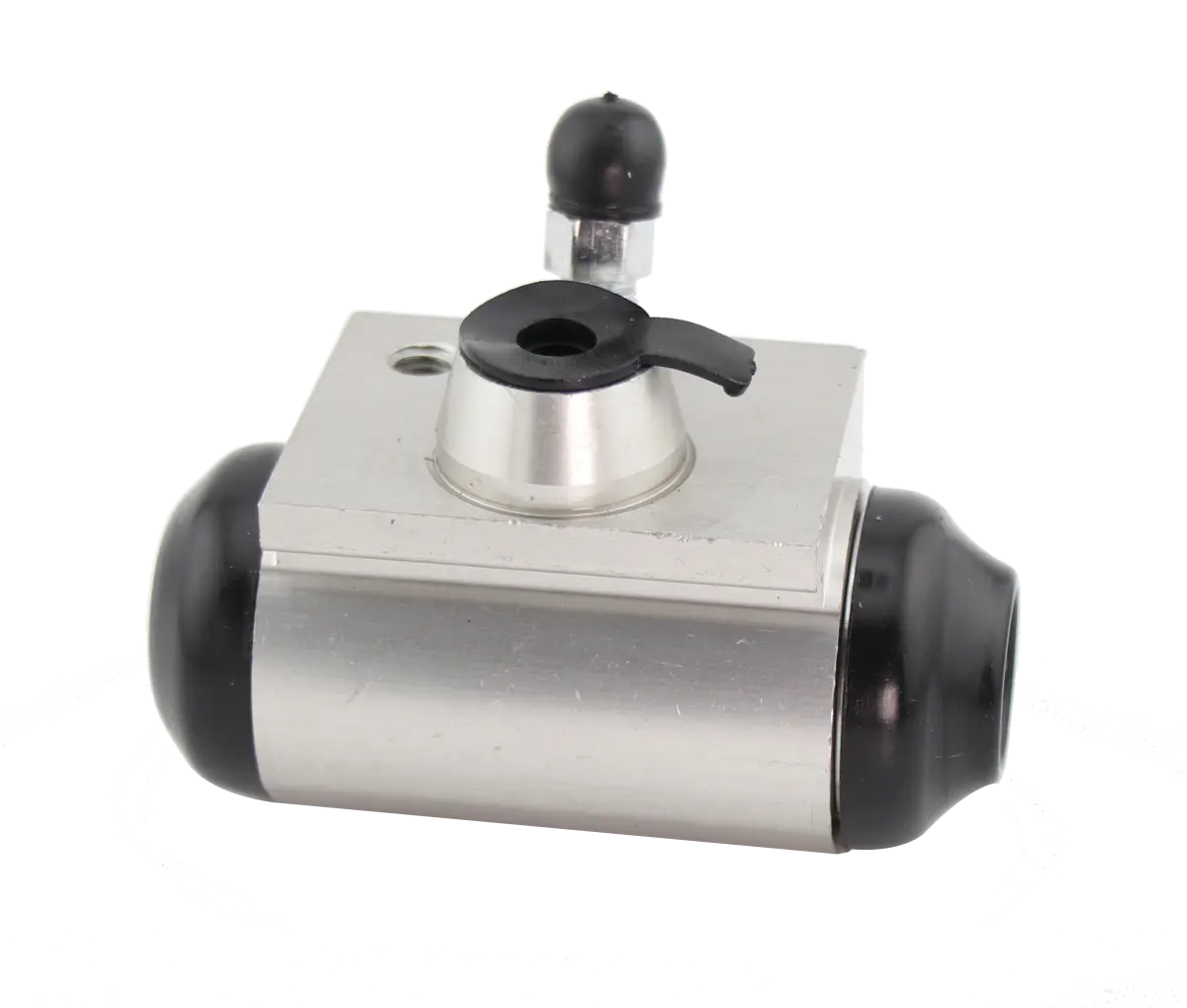
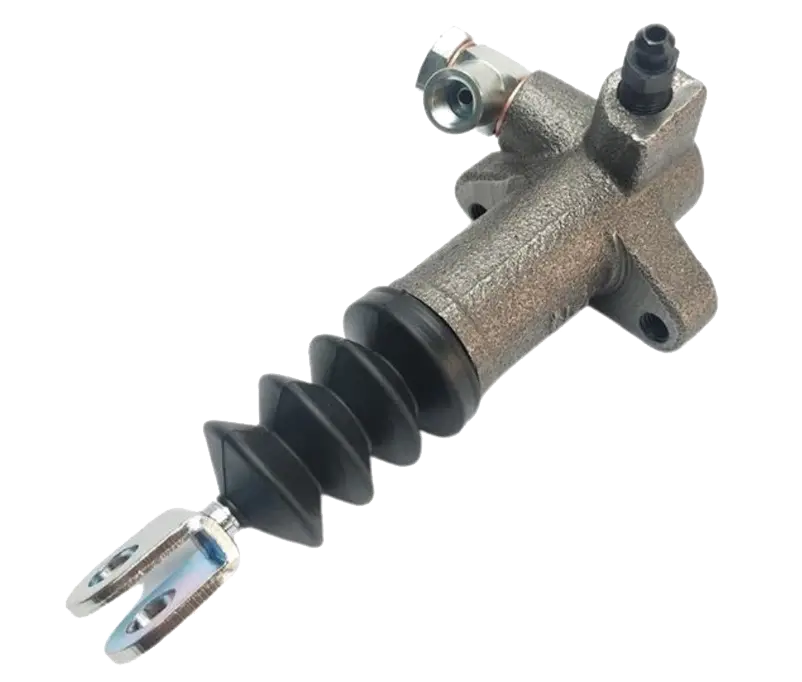
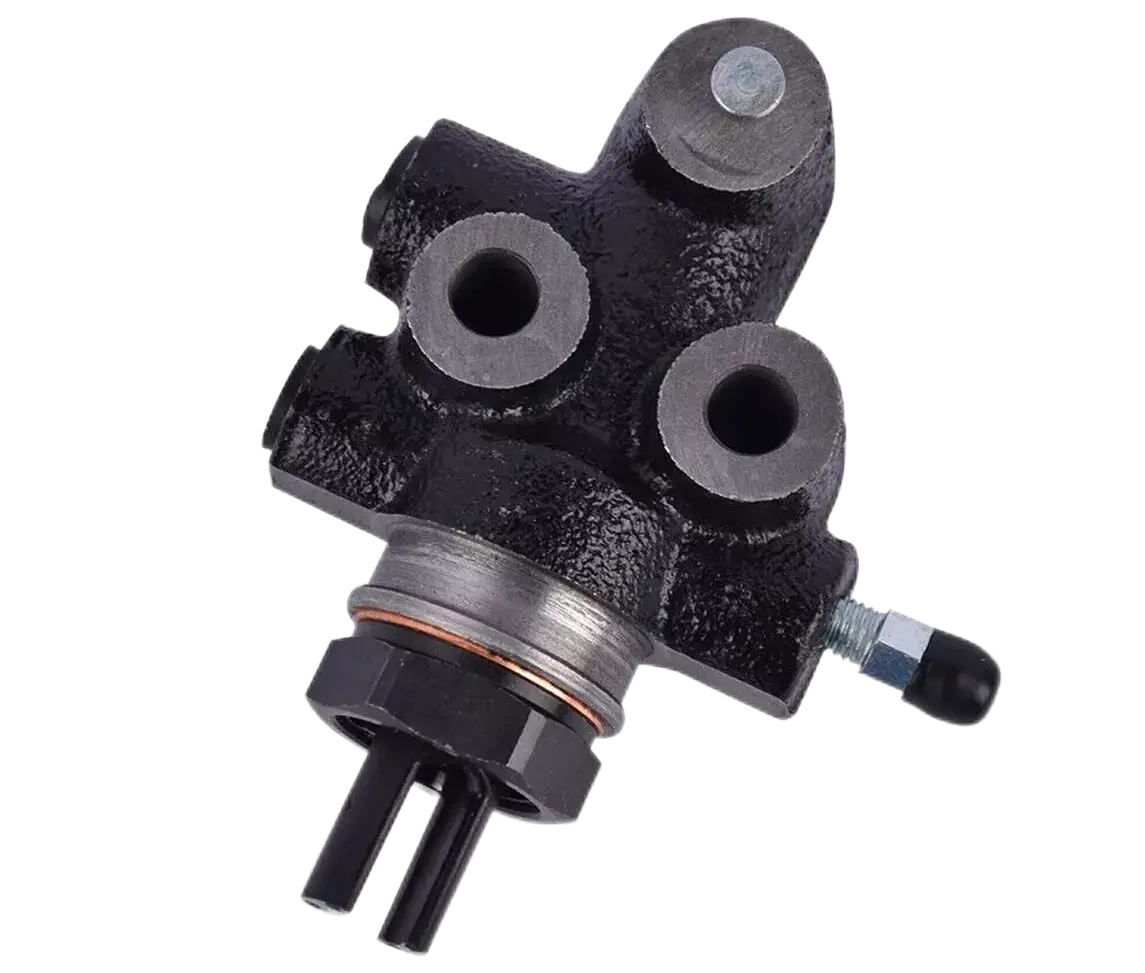
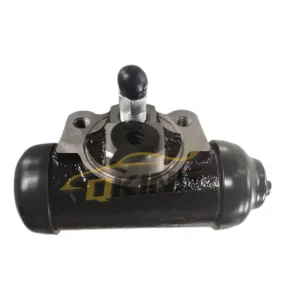
The automotive braking ecosystem relies heavily on hydraulic pressure conversion. At the heart of rear drum brake configurations, the 47550-35190 Brake Wheel Cylinder acts as the final mechanical actuator. It converts fluid energy from the master cylinder into mechanical force, pushing the brake shoes against the drum to generate the necessary friction.
Engineered primarily for demanding vehicle platforms such as the Toyota Hilux and Land Cruiser series, this component must withstand extreme thermal and mechanical loads. A failure in design integrity or alloy composition can lead to fluid bypass, loss of line pressure, and dangerous braking degradation. Below is a comprehensive look at the metallurgical and sealing parameters that dictate the performance of our production-grade 47550-35190 assemblies.
| Engineering Property | Standard Specification (OEM Grade) | Qiujing Performance Target |
|---|---|---|
| Body Material | Gray Cast Iron (GG25 / G3000) | High-Density Alloy Cast Iron (Enhanced Tensile Strength) |
| Bore Tolerance | ISO H8 / H9 | Ultra-precise Honing (ISO H7, Ra < 0.4 μm) |
| Piston Coating | Anodized Aluminum / Zinc Plated | Hard Anodized Aluminum with Anti-friction Layer |
| Seal Chemistry | Standard EPDM Rubber | Premium High-Temperature EPDM (Heat resistant to 150°C) |
| Pressure Proof Limit | 12 MPa (120 Bar) | Tested to 18 MPa (180 Bar) Burst Pressure |
| Corrosion Resistance | 96 hours salt spray (ASTM B117) | Min. 240 hours salt spray (Trivalent Chrome Passivation) |
2. Localized Application Scenarios & Real-World Stresses
The 47550-35190 OEM specification is globally sought-after due to its placement on workhorse utility vehicles. Understanding where and how these vehicles are driven defines our manufacturing adaptations:
- Asia-Pacific Mining and Agriculture: In rural Australia, Southeast Asia, and South America, vehicles equipped with the 47550-35190 operate under heavy payloads over muddy, unpaved terrains. Mud ingress is prevented via custom external rubber boots that feature specialized dust-lip profiles.
- High-Temperature Middle Eastern Deserts: Desert operations expose braking components to ambient temperatures exceeding 45°C, raising internal hydraulic temperatures close to the boiling point of DOT 3/DOT 4 fluids. Our proprietary EPDM seals resist hardening and thermal deformation, preventing fluid weeping and pedal fade.
- Extreme Cold Northern Hemispheres: In regions like Northern Europe and Canada, sub-zero temperatures shrink standard rubber compounds. Our customized elastomer formulation remains flexible at down to -40°C, maintaining a continuous sealing lip against the cylinder wall.
3. Technical Roadmap & Future Design Outlook
As automotive safety metrics evolve, the engineering demands placed on hydraulic actuators increase. Our R&D division has structured a development pipeline ensuring that classic replacement part numbers like the 47550-35190 align with future technological requirements:
Lightweight Metallurgy
Transitioning selected designs to premium lightweight aluminum alloys to reduce unsprung vehicle weight while maintaining structural fatigue limits.
Eco-Friendly Finishes
Eliminating hexavalent chromium coatings, moving to zinc-nickel and trivalent chrome passivations that offer higher resistance and eco-compliance.
Precision Micro-Honing
Applying laser-guided honing to create microscopic cross-hatch structures that hold microscopic fluid films, reducing dynamic wear on internal seals.