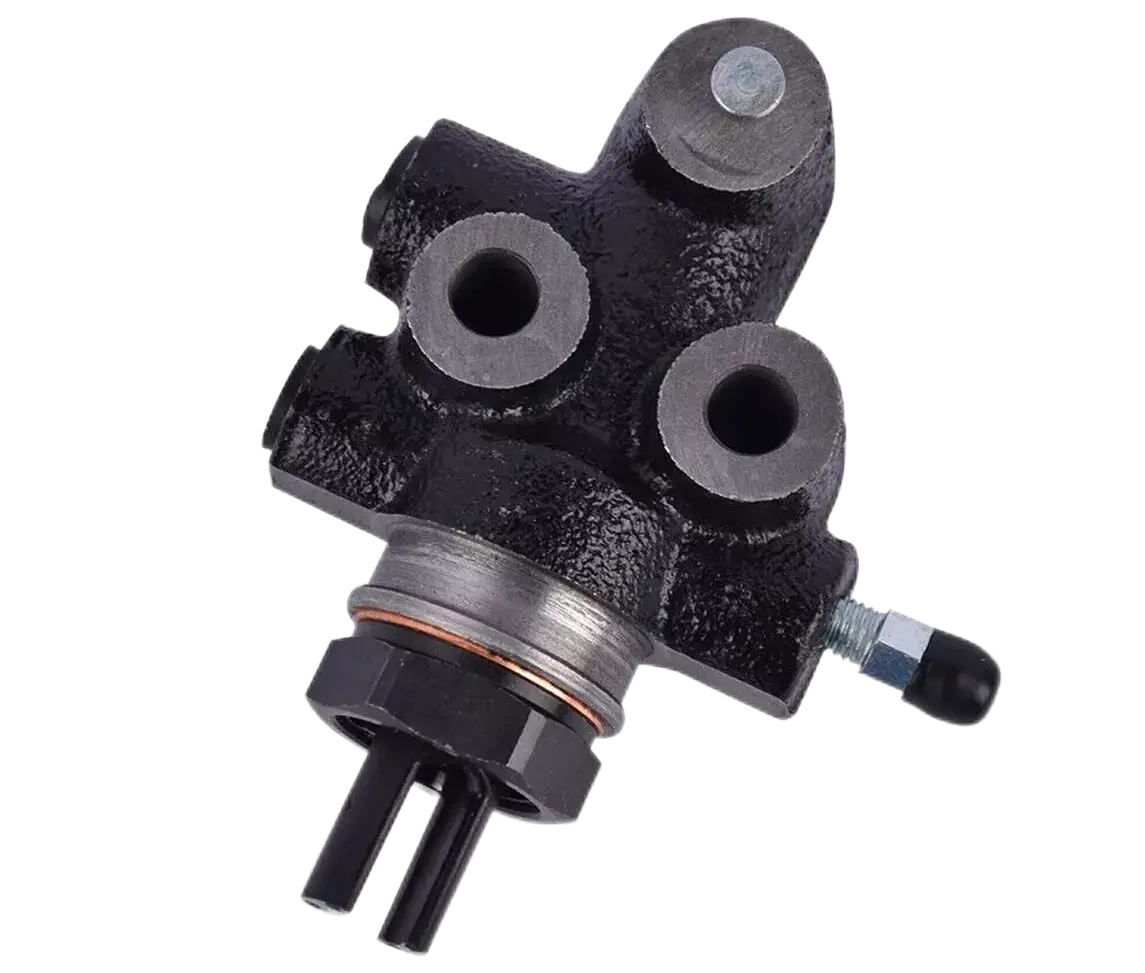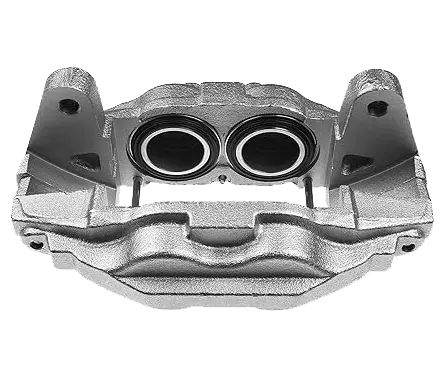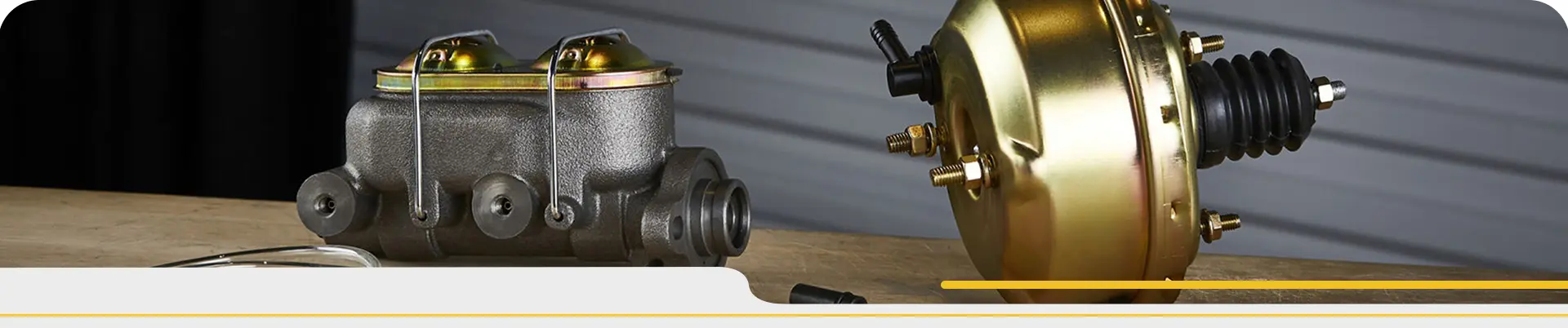
47201-68010 Brake Master Cylinder: An Industry-Grade Analysis of Hydraulic Brake Systems
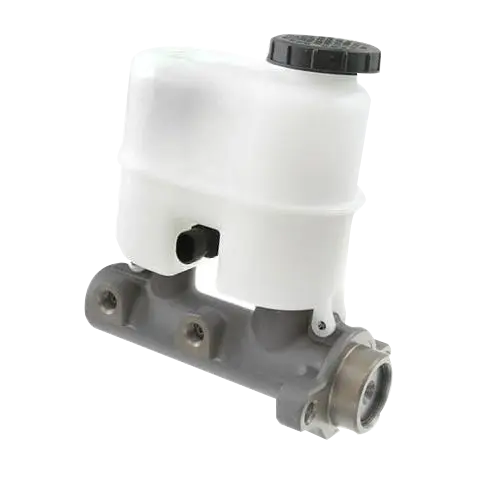
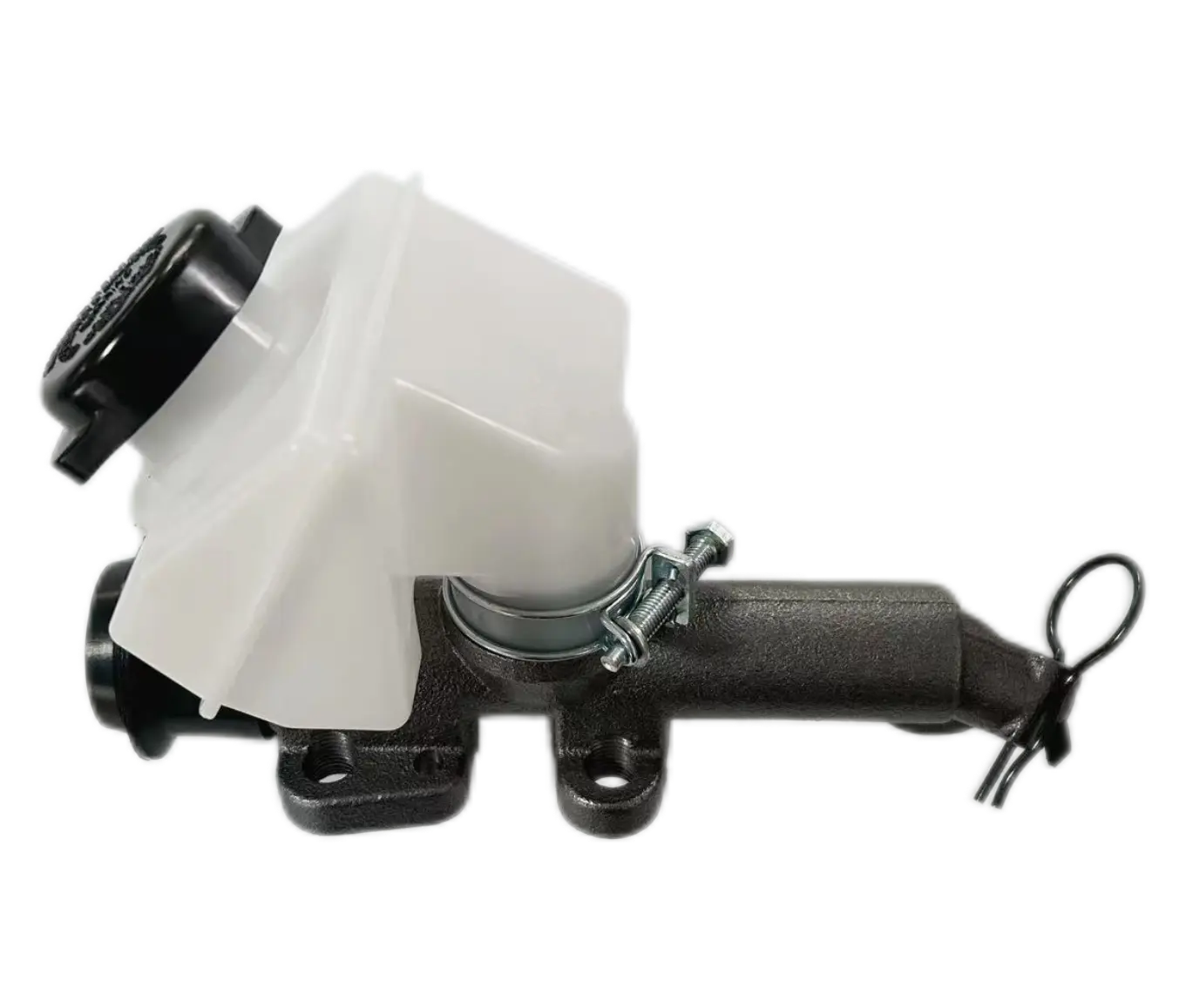
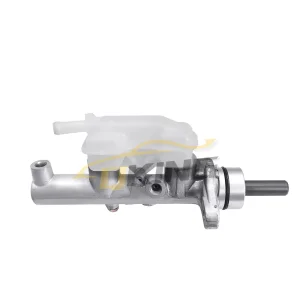
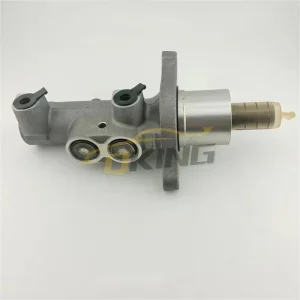
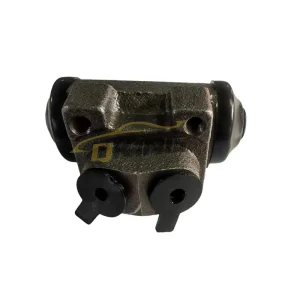
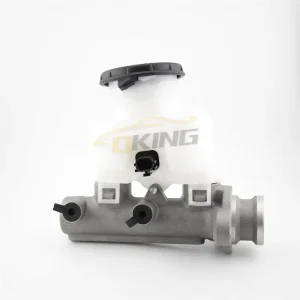
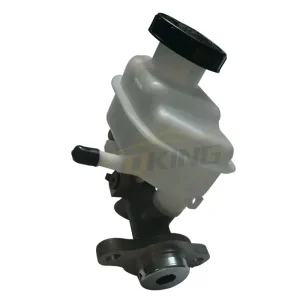
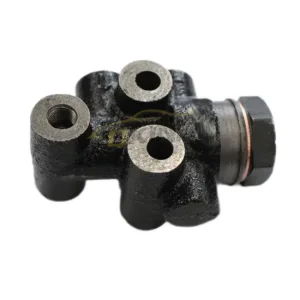
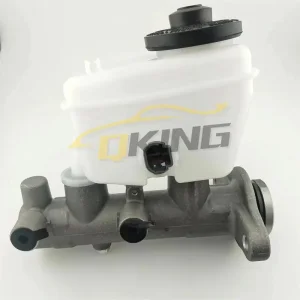
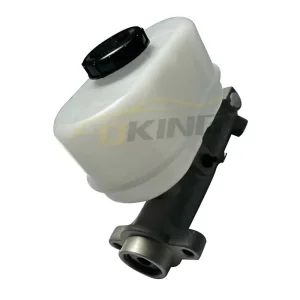
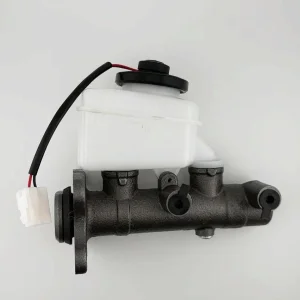
In the automotive aftermarket and original equipment manufacturing (OEM) sectors, the Brake Master Cylinder (OEM Part Number: 47201-68010) represents a key component in passenger safety and hydraulic system engineering. Primarily matching the Toyota Wish 1.8L (ZNE10G/ZNE14G/ANE10G models) platform, this component serves as the core of the vehicle's hydraulic brake assembly. It converts mechanical pressure from the driver's brake pedal into hydraulic force, distributing braking power to individual wheel cylinders and calipers. For global purchasing agents, parts distributors, and automotive fleet operators, sourcing this specific OEM part with guaranteed quality standards is essential to ensuring vehicle longevity, passenger safety, and minimizing warranty claims.
Technical Design Features & Materials
The 47201-68010 Brake Master Cylinder is engineered to meet or exceed OEM specifications. Let's look at the key technical details that define a high-performance aftermarket unit:
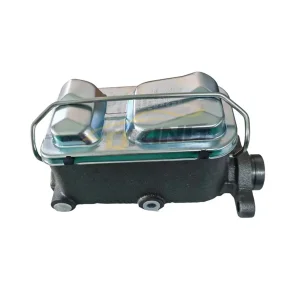
- Cylinder Body Metallurgy: Our components utilize high-grade anodized aluminum alloy or cast-iron housings. Precision die-cast housing reduces weight while maintaining structural strength against high hydraulic pressures (often exceeding 10 MPa during sudden stops).
- Piston Bore Honing: Internal bores are honed using micro-precision tooling to a tolerance of within 2 microns. This reduces seal wear and ensures smooth piston travel, preventing brake fluid bypass and pedal drift.
- Sealing Rings (EPDM Rubber): Ethylene Propylene Diene Monomer (EPDM) seals are critical. Our components are fitted with temperature-resistant EPDM seals, designed to withstand extreme cold (-40°C) and high operating temperatures (up to 120°C) without losing elasticity or degrading in DOT 3 or DOT 4 brake fluids.
- Dual-Circuit System: The internal design is partitioned into primary and secondary chambers, ensuring safety compliance through separate front and rear axle braking loops. In the event of a leak in one circuit, the secondary chamber maintains pressure to safely stop the vehicle.
Global Commercial and Industrial Status
The global demand for the 47201-68010 is driven by the long service life of Toyota Wish vehicles, which remain popular in regions such as Southeast Asia, East Africa, South America, and parts of the Caribbean. As these vehicle fleets age, the market for high-quality aftermarket replacements grows.
From an industrial perspective, manufacturers are moving away from traditional cast iron toward aluminum alloy bodies. This shift aligns with global automotive trends toward weight reduction and fuel efficiency. For suppliers, this transition requires updated die-casting machinery and tooling, making certified source factories with IATF 16949:2016 credentials the preferred choice for major procurement contracts.
Brake Hydraulics Tech Trends: Beyond the Basics
As the automotive industry transitions to smart systems and electric drivetrains, hydraulic brake systems are evolving. The integration of Brake Master Cylinders with advanced Driver Assist Systems (ADAS), Electronic Stability Control (ESC), and Anti-lock Braking Systems (ABS) requires cylinders to operate reliably under rapid pressure changes.
Today's aftermarket demands components that work seamlessly with ABS modulators. If a master cylinder bore is misaligned, even by a fraction of a millimeter, it can cause lag in ABS pulse feedback, extending stopping distances. High-quality manufacturers run dynamic pressure profile checks on 100% of production runs to confirm compatibility with high-cycle ABS operation.
Localized Applications & Environmental Factors
A vehicle's environment affects the performance of its braking components. Sourcing managers must choose parts designed for their target region's specific road conditions:
| Environment | Main Challenges | Required Design Adaptation |
|---|---|---|
| Tropical & High-Humidity (e.g., Southeast Asia) | Moisture absorption in brake fluid, external corrosion, and seal degradation. | Rust-resistant coatings (e.g., zinc plating or anodizing) and high-grade EPDM seals. |
| Cold & Alpine Regions (e.g., Northern Climates) | Seal shrinkage, brittle housing under sub-zero temperatures, and road salt exposure. | Low-temperature flexible seal compounds and salt-spray tested body finishes. |
| High-Load Urban Environments | Constant stop-and-go driving leading to high heat cycle wear on piston cups. | Precision-polished internal walls to minimize friction-induced wear. |
Technical Roadmap & Future Outlook
The future of automotive hydraulic components focuses on material science and eco-friendly manufacturing. Our development roadmap centers on three main areas:
- Eco-Friendly Coatings: Eliminating hexavalent chromium (CrVI) coatings and replacing them with eco-safe chrome-free or polymer finishes that meet strict EU REACH regulations.
- Reduced Internal Friction: Applying nano-ceramic or diamond-like carbon (DLC) coatings to the piston, reducing wear and extending the master cylinder's service life past the standard 150,000-kilometer mark.
- Remanufacturing: Developing designs that allow for easy disassembly and component replacement (such as seals and pistons), supporting a circular economy in the automotive aftermarket.