
Top Wheel Cylinders in 2026 for Global Buyers What to Know

Time:2026-07-17 Author:Liam
0%

As the automotive industry evolves, the importance of Wheel Cylinders cannot be overlooked. These components play a critical role in vehicle safety and performance. In 2026, global buyers will face a competitive market for high-quality Wheel Cylinders. Understanding the options available is essential for making informed purchases.

Quality varies widely among manufacturers. Inconsistent production standards often lead to unreliable products. Buyers must be vigilant and prioritize trusted brands. This ensures not only performance but also vehicle longevity. Researching reviews and expert opinions can guide your decisions.

The future of Wheel Cylinders is shaped by technological advancements and sustainability. New materials and designs are emerging. However, these innovations can also present challenges. Identifying reliable sources for information and systems is vital. This journey requires careful reflection on personal needs and market trends.
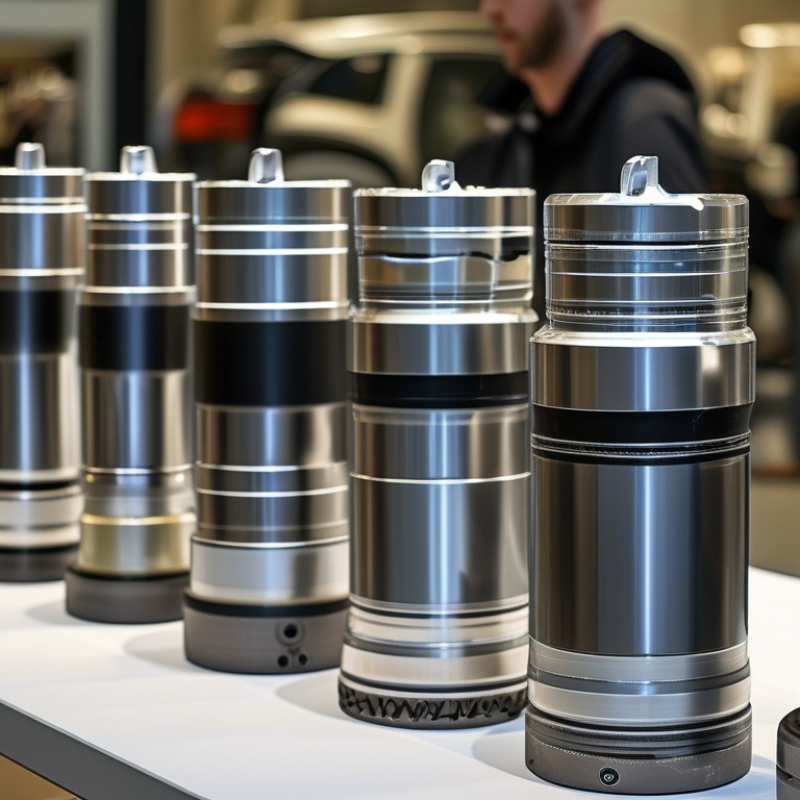
Top Wheel Cylinders in 2026 for Global Buyers What to Know

Overview of Wheel Cylinders: Types and Functions

Wheel cylinders are essential components in hydraulic brake systems. They play a critical role in ensuring vehicle safety. These cylinders work by converting hydraulic pressure into mechanical force, allowing the brake shoes to press against the drum. This process creates the friction needed to slow down or stop a vehicle.

There are various types of wheel cylinders. Some are dual or single action. Dual-action cylinders provide even more reliability as they apply force in both directions. The design of a wheel cylinder includes a piston, seals, and springs. A piston moves when hydraulic fluid is applied, while seals prevent leaks. Each component must function correctly for optimal performance.

Choosing the right wheel cylinder can be complex. Not all cylinders fit every vehicle. It is vital to consult technical specifications and compatibility data. Incorrect choices can lead to safety hazards or diminished braking performance. Reflecting on these details can enhance understanding and guide informed decisions. Evaluating the longevity and reliability of materials used also needs careful consideration. Understanding these complexities will aid buyers in making better choices for their vehicles in 2026.

Key Features to Consider When Choosing Wheel Cylinders

When selecting wheel cylinders in 2026, several key features come into play. Assessing materials is crucial. Most modern cylinders use high-quality aluminum or cast iron. These materials resist corrosion and provide durability under pressure. Reports suggest that cylinder failure rates decrease significantly with these materials.

Another critical factor is the diameter of the cylinder. Industry studies reveal that the optimal diameter can vary based on vehicle type and usage. For standard passenger vehicles, a diameter ranging from 19 to 22 mm is common. For heavier vehicles, sizes can go up to 30 mm. Choosing the correct size affects braking efficiency and safety directly.

Tips: Always check for compatibility with your vehicle. Ensure that the wheel cylinder meets or exceeds OEM specifications. Regular maintenance can identify wear before catastrophic failure occurs.

Consider also the mounting style. Some wheel cylinders require a specific design to fit the brake assembly correctly. Evaluation of the installation procedure can save time and ensure safety. In 2026, many buyers overlook these elements, leading to costly replacements or safety hazards.

Top Wheel Cylinder Brands and Models for 2026

When looking at wheel cylinders for 2026, several brands stand out. These models have demonstrated reliability and performance in various conditions. Many buyers seek durability and easy installation. The right choice can enhance overall vehicle safety.

Several top brands have made a name for themselves through innovation. These manufacturers offer wheel cylinders that resist corrosion and wear. Users report longer lifespans, which ultimately saves money. However, some models may require additional maintenance. Inspecting these components regularly can help prevent issues down the line.

It's essential to consider various features when selecting a wheel cylinder. Factors like size, weight capacity, and compatibility play critical roles. Buyers often need to balance quality against budget. Some may overlook the importance of detailed specifications. Researching options thoroughly can lead to more informed choices. Not every model suits every vehicle, so understanding individual needs is vital.

Market Trends and Innovations in Wheel Cylinder Technology

The wheel cylinder market is witnessing rapid advancements in technology and design. Innovations are focusing on improving performance and enhancing safety features. Many manufacturers are now integrating lightweight materials that reduce overall vehicle weight. This shift not only boosts fuel efficiency but also promotes environmental sustainability.

In addition to material shifts, the move towards electronic integration is noteworthy. Newer systems allow for precise brake control, improving response times. This technology, however, presents challenges in compatibility with existing vehicle models. The need for retrofitting older cars with these advanced systems raises questions about feasibility and cost.

Furthermore, manufacturers are exploring modular designs. This innovation is aimed at simplifying repairs and replacements. A modular approach can enhance vehicle maintenance while reducing downtime. However, some industry experts point out that such designs must balance complexity with reliability. Overall, the evolving landscape of wheel cylinder technology is both promising and thought-provoking.

Tips for Global Buyers: Sourcing and Procurement Strategies

When sourcing wheel cylinders, global buyers must prioritize understanding market trends. In 2026, the wheel cylinder market is expected to grow due to increasing vehicle production. According to industry reports, this growth could reach a compound annual growth rate (CAGR) of 5.4%. It's essential for buyers to consider geographical variations in demand. For instance, the Asia-Pacific region is projected to dominate the market, accounting for over 45% of total sales.

Procurement strategies should include evaluating suppliers’ reliability and quality certifications. Many buyers overlook the importance of supplier audits, which can enhance quality assurance. A recent survey indicated that less than 30% of buyers actively perform these audits. This oversight can lead to receiving subpar products. Additionally, leveraging technology, such as digital sourcing platforms, can streamline procurement processes. These platforms provide valuable market insights, yet many buyers remain unfamiliar with the best tools available.

Buyers should be aware of potential risks in supply chain disruptions. The pandemic highlighted vulnerabilities in global logistics that are still present. Fostering relationships with multiple suppliers can mitigate these risks. It’s also vital to keep up with regulatory changes affecting material sourcing and production standards. Monitoring industry reports and engaging with experts can help buyers stay informed.

Top Wheel Cylinders in 2026 for Global Buyers

FAQS

: What are wheel cylinders used for?

: Wheel cylinders convert hydraulic pressure into mechanical force, allowing brake shoes to press against the drum.

What types of wheel cylinders are available?

There are dual and single action wheel cylinders, each with varying reliability and performance characteristics.

How can I select the right wheel cylinder?

It’s important to consult technical specifications and compatibility data for suitable options that fit your vehicle.

Why is understanding longevity important?

Evaluating the durability of materials can impact performance and cost-effectiveness in the long run.

What trends are impacting wheel cylinder technology?

Innovations are focusing on lightweight materials, electronic integration, and modular designs to improve performance and maintenance.

Are there maintenance requirements for wheel cylinders?

Yes, regular inspections are necessary to prevent issues and ensure optimal braking performance over time.

What should I balance when choosing a wheel cylinder?

Buyers need to balance quality and price while considering detailed specifications that meet their specific needs.

How does electronic integration impact existing vehicles?

New systems may have compatibility issues with older models, raising concerns about retrofitting costs and feasibility.

Can wheel cylinders enhance vehicle safety?

Yes, choosing the right wheel cylinder can significantly improve overall vehicle safety when braking.

Is it necessary to follow exact specifications?

Yes, deviating from specified requirements can lead to safety hazards or reduced braking performance.

Conclusion

The article "Top Wheel Cylinders in 2026 for Global Buyers What to Know" provides a comprehensive overview of wheel cylinders, highlighting their various types and essential functions in vehicle braking systems. It emphasizes key features that buyers should consider, such as build quality, compatibility, and performance metrics, ensuring they choose the right product for their needs.

Additionally, the article outlines the top wheel cylinder brands and models projected to excel in 2026, alongside emerging market trends and technological innovations that are shaping the industry. For global buyers, the article serves as a valuable resource, offering practical tips for effective sourcing and procurement strategies, ensuring they make informed decisions in a competitive market landscape.

Liam

Liam

Liam is a dedicated marketing professional with a profound expertise in the industry, where he excels at highlighting the unique advantages of our core products. With a keen understanding of market trends and consumer needs, Liam frequently updates our company’s professional blog, providing......