
Why is a Slave Cylinder Essential for Your Vehicle Maintenance?

Time:2026-07-02 Author:Henry
0%

A slave cylinder plays a crucial role in vehicle maintenance. This component is essential for the hydraulic clutch system. It ensures smooth gear shifting and overall vehicle performance. Without a functioning slave cylinder, drivers may experience difficulty in engaging gears. This can lead to unsafe driving conditions.

Many vehicle owners overlook the importance of the slave cylinder. Maintenance checks often miss this small yet vital part. Regular inspection can prevent costly repairs in the long run. When a slave cylinder fails, it can result in complete clutch failure. This may leave you stranded, needing urgent assistance.

Understanding the function of the slave cylinder is important for all drivers. Knowledge can empower car owners to take necessary actions. Inspecting this component regularly helps maintain vehicle reliability. Don't underestimate the impact of a well-maintained slave cylinder. It is key to your car's longevity and safety on the road.
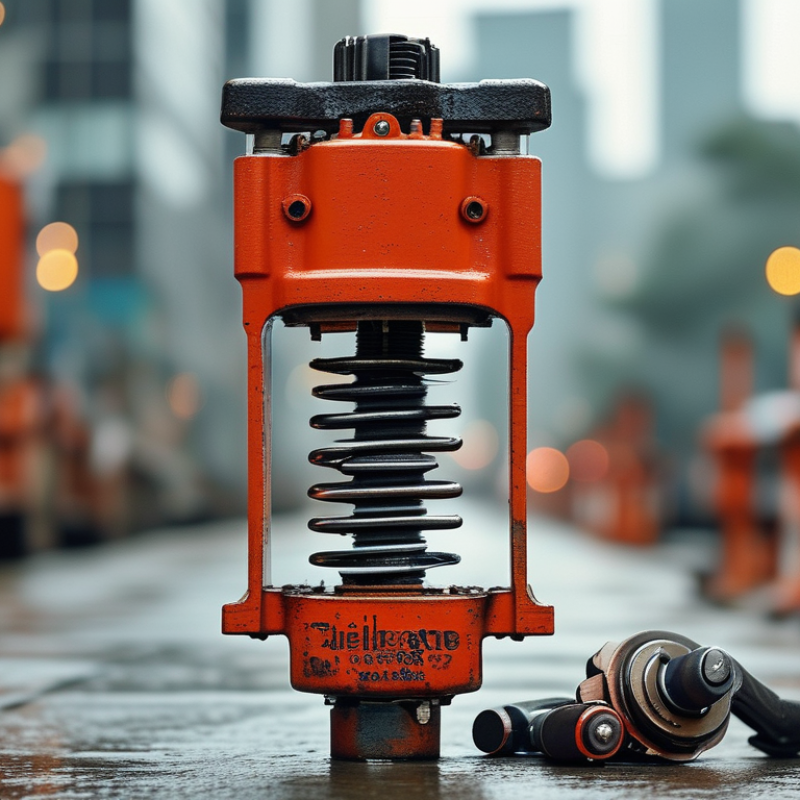
Why is a Slave Cylinder Essential for Your Vehicle Maintenance?

Understanding the Role of the Slave Cylinder in Vehicle Transmission Systems

The slave cylinder plays a critical role in a vehicle's transmission system. This small hydraulic device is essential for transferring force. It activates the clutch, allowing smooth shifting between gears. Without it, drivers could experience difficulties when engaging or disengaging the clutch. This can lead to gear grinding and ultimately, transmission failure.


Proper maintenance of the slave cylinder is vital. Regular inspections can prevent fluid leaks or wear and tear. Many drivers overlook this component until problems arise. Signs of trouble may include difficulty in shifting or a spongy clutch pedal. Addressing these issues early can save time and money down the road.


Understanding the slave cylinder's function helps in maintaining the vehicle's overall health. A well-functioning unit ensures a smoother driving experience. When neglected, issues can escalate, impacting performance. Vehicle maintenance should prioritize this component to avoid costly repairs later. Proper care leads to a reliable transmission system.

Key Functions of the Slave Cylinder in Hydraulic Clutch Mechanisms

The slave cylinder plays a critical role in hydraulic clutch systems. It transfers force from the master cylinder to engage and disengage the clutch. As the clutch pedal is pressed, hydraulic fluid moves through a line. This fluid activates the slave cylinder, pushing the release bearing against the pressure plate. This action allows smoother gear shifts, enhancing driving comfort and performance.


When the slave cylinder malfunctions, it can lead to several issues. You may notice difficulties in shifting gears or a spongy clutch pedal. Leaking hydraulic fluid can also indicate a problem. If left unchecked, this can damage the clutch assembly and lead to costly repairs. Regular maintenance checks on the slave cylinder can prevent these severe issues, ensuring your vehicle runs smoothly.


Understanding the functions of the slave cylinder is essential for any vehicle owner. It not only aids in performance but also contributes to overall safety. Maintaining a healthy hydraulic system could save money and enhance longevity. Reflecting on these details may reveal the importance of consistent vehicle care.

Common Issues Linked to Slave Cylinder Failure and Their Impact on Vehicle Safety

The slave cylinder plays a crucial role in your vehicle's clutch system. When this component fails, it can lead to serious safety issues. Drivers often experience difficulty in shifting gears. This can cause unexpected vehicle behavior, risking accidents. Common signs of failure include clutch pedal issues and leaking fluid. These problems can escalate quickly if not addressed.

Tips: Regularly check your clutch fluid levels. If you notice spots on the ground where you park, inspect for leaks immediately. Ignoring these signs can result in costly repairs down the line.

A failure in the slave cylinder can lead to complete clutch disengagement. This can happen suddenly while driving. Without proper engagement, the vehicle may not respond as expected. This is a critical safety concern. Always be vigilant about any unusual sounds or sensations from the clutch pedal.

Tips: Schedule routine maintenance checks. A professional can identify issues before they escalate. An informed approach helps ensure your vehicle remains safe on the road. Delaying checks might lead to dangerous situations. Stay proactive in maintaining your slave cylinder.

Common Issues Linked to Slave Cylinder Failure

The graph above depicts the common issues associated with slave cylinder failure and their frequency among drivers. Understanding these problems can aid in preventive vehicle maintenance and enhance safety.

Maintenance Tips for Extending the Lifespan of Your Vehicle's Slave Cylinder

The slave cylinder plays a crucial role in your vehicle’s hydraulic system. This component helps engage and disengage the clutch by transferring fluid pressure. When properly maintained, it enhances performance and ensures smooth gear changes. However, neglecting this part can lead to significant issues.

To extend the lifespan of your vehicle's slave cylinder, regular inspections are vital. Check for fluid leaks regularly, as even a small leak can lead to bigger problems. Keep your hydraulic fluid at the recommended level. Over time, contaminants can damage the cylinder. Replacing fluid every few years can help prevent this issue.

Listen for unusual noises while shifting gears. Grinding or difficulty in changing gears are signs of wear. If you notice these issues, consult a professional immediately. Remember, timely intervention can save you from extensive repairs. Small adjustments can go a long way in maintaining the efficiency of your slave cylinder.

Why is a Slave Cylinder Essential for Your Vehicle Maintenance? - Maintenance Tips for Extending the Lifespan of Your Vehicle's Slave Cylinder

Maintenance Task Frequency Importance Notes
Inspect Slave Cylinder for Leaks Monthly High Check for fluid levels and signs of wear.
Bleed Hydraulic System Every 2 years Medium Removes air from the system to maintain efficiency.
Replace Fluid Every 2 years High Old fluid can cause corrosion and inefficiency.
Check for Proper Function Every 6 months High Ensure clutch operation is smooth and responsive.
Inspect Clutch Linkage Every 6 months Medium Worn components can affect slave cylinder performance.

Industry Statistics on Slave Cylinder Failure Rates and Repair Costs

The slave cylinder plays a crucial role in your vehicle’s hydraulic clutch system. Many drivers overlook this component until they face issues. A high percentage of slave cylinder failures can lead to significant repair costs. Industry statistics suggest that about 30% of clutch problems are directly related to slave cylinder issues.

When a slave cylinder fails, it typically results in difficulty engaging gears. This can cause frustrating driving experiences. Repair costs can vary widely, averaging anywhere from $200 to $600, depending on the vehicle's make and model. Ignoring signs of failure can lead to more extensive damage, ultimately costing you more.

Tip: Regular inspections can help identify potential slave cylinder issues early. Look for fluid leaks around your clutch area. These leaks often indicate a failing slave cylinder. Additionally, keep an eye on your clutch pedal feel; a soft or spongy pedal can signal problems. Remember, proactive maintenance can save you from costly repairs down the road.

FAQS

: What is the role of the slave cylinder in a vehicle?

: The slave cylinder engages and disengages the clutch by transferring fluid pressure in the hydraulic system.

Why is regular inspection of the slave cylinder important?

Regular checks help identify fluid leaks and other issues early, preventing significant problems later.

How can I tell if my slave cylinder is failing?

Look for difficulty in shifting gears or unusual noises when changing gears.

What should I do if I notice a fluid leak?

Consult a professional immediately. Small leaks can lead to larger issues if ignored.

How often should I replace my hydraulic fluid?

It's advisable to replace the fluid every few years to prevent contamination and cylinder damage.

What are the potential repair costs for slave cylinder issues?

Repair costs can range from $200 to $600, depending on the vehicle.

Can I address slave cylinder issues on my own?

You can perform regular checks, but consult a professional for serious concerns or repairs.

What does a soft or spongy clutch pedal indicate?

It may signal problems with the slave cylinder or the hydraulic system that need attention.

How can neglecting the slave cylinder affect my vehicle?

Ignoring this component can lead to extensive repairs and higher costs as problems worsen.

What can I do to maintain the efficiency of my slave cylinder?

Timely inspections and replacing worn components can significantly aid in performance and longevity.

Conclusion

The slave cylinder plays a critical role in vehicle transmission systems, particularly within hydraulic clutch mechanisms. It functions by enabling the clutch to engage and disengage smoothly, thereby facilitating effective gear shifting. Common issues such as leaks and wear can lead to slave cylinder failure, which not only disrupts vehicle performance but also poses safety risks on the road.

To ensure the longevity of your vehicle's slave cylinder, regular maintenance practices are essential. This includes checking the fluid levels and inspecting for any signs of damage. Industry statistics indicate a notable rate of failure for these components, underscoring the importance of timely repairs and replacements. By understanding the essential role of the slave cylinder and maintaining it properly, vehicle owners can enhance both safety and performance.

Henry

Henry

Henry is a dedicated marketing professional with a profound expertise in the company's offerings. With years of experience in the industry, he possesses an impressive understanding of the market dynamics and consumer behaviors that drive success. Henry is committed to sharing his insights through......