
How to Choose the Right Clutch and Slave Cylinder for Your Vehicle?

Time:2026-08-01 Author:Ethan
0%

Choosing the right clutch and slave cylinder for your vehicle is essential for optimal performance. Expert Mark Thompson, a renowned automotive engineer, states, "The right components can make or break your driving experience." Your vehicle's clutch and slave cylinder play a vital role in the manual transmission system. A poor selection can lead to reduced efficiency and increased wear.

Understanding the specifications required for your vehicle is crucial. Every model has unique requirements. Factors like size, material, and design influence performance. An inappropriate choice might seem cost-effective but can cause significant long-term issues. For instance, a mismatched slave cylinder can lead to hydraulic failures, disrupting the shifting process.

Vehicle owners often overlook maintenance until it's too late. Regular inspections can save money and enhance longevity. The wrong clutch and slave cylinder may lead to unexpected breakdowns. Therefore, investing time in research is necessary. It’s about finding the balance between quality and affordability.
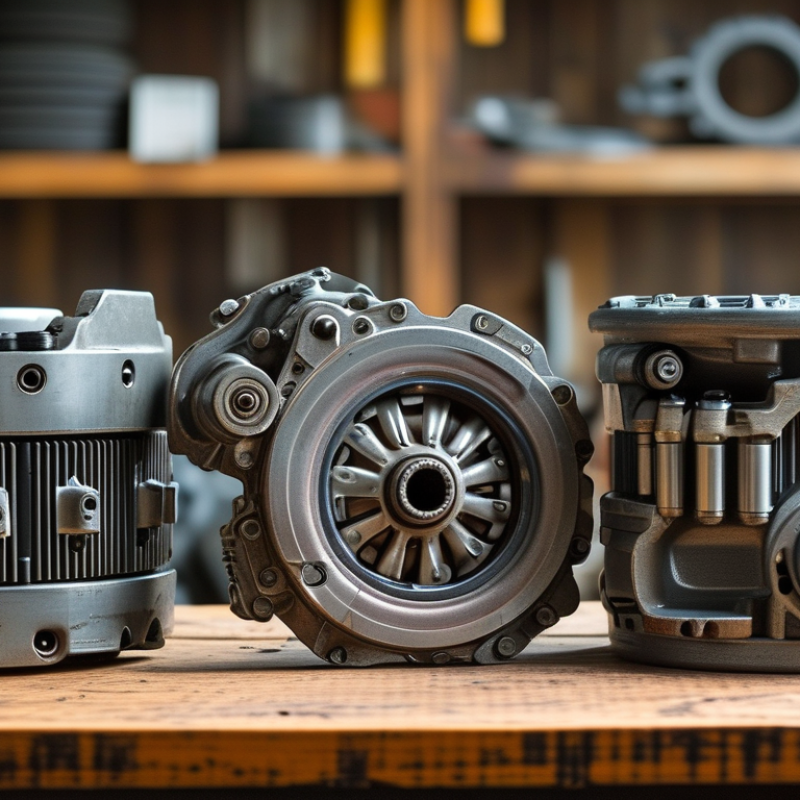
How to Choose the Right Clutch and Slave Cylinder for Your Vehicle?

Understanding Clutch Types: Manual vs. Automatic Systems

When considering clutch systems, it’s vital to understand the differences between manual and automatic transmissions. Manual clutches require the driver to engage gears through a pedal. This direct control can enhance driving engagement. Many enthusiasts prefer this for greater responsiveness and connection with the vehicle. However, it demands skill and patience, particularly in stop-and-go traffic.

On the other hand, automatic systems handle gear changes without driver intervention. They are designed for convenience, making driving easier for those who prefer a less hands-on approach. While they might lack the engaging feel of manuals, modern automatics have improved significantly. They provide smoother shifts and can even mimic manual control in some modes.

Yet, there are imperfections in both systems. Manuals can be tiring for everyday use, while automatics can create a disconnect from the driving experience. Understanding your driving habits and preferences is essential in making the right choice. A thoughtful consideration of how you use your vehicle will lead to better satisfaction in your driving experience.

Key Factors in Selecting a Clutch: Torque Capacity and Size

Choosing the right clutch and slave cylinder for your vehicle is crucial. Torque capacity and size are key factors. Torque capacity determines how much power the clutch can handle. It's essential for performance vehicles. A clutch with a higher torque rating will provide better performance under heavy loads.

Size matters as well. If the clutch is too small, it won't engage properly. If it's too large, it could lead to operational issues. Proper measurement is vital. Consider your vehicle's engine type and intended use. A standard vehicle needs different components than a racing car.

Understanding these factors will guide you. However, mistakes can happen. Some may choose based on aesthetics rather than function. This can result in poor performance. Reflect on your options carefully. Making informed decisions leads to a smoother driving experience. Seek expert guidance if unsure.

The Importance of Slave Cylinder Compatibility and Specifications

When selecting a clutch and slave cylinder, compatibility is crucial. The slave cylinder plays a vital role in the hydraulic system. It translates pedal movement into the clutch engagement. If the slave cylinder is incompatible, it can lead to performance issues. A study showed that mismatched components can reduce clutch performance by up to 30%. Proper specifications ensure efficient performance.

Understanding specifications is essential. Measurements like bore size and stroke length affect how the system operates. A bore size too large may lead to a spongy feel, while a size too small can cause poor engagement. Reports indicate that incorrect specifications can lead to premature wear, affecting longevity by nearly 25%. Compatibility also involves ensuring both components are designed for the same vehicle type.

In the complex world of vehicle maintenance, many overlook these details. Robust data suggests that almost 20% of clutch failures stem from incorrect installation or compatibility issues. Checking specifications before purchase requires diligence. Addressing these factors prevents costly repairs and enhances overall vehicle reliability. Neglecting compatibility can create headaches down the line.

Common Failures: Recognizing Symptoms of Clutch and Slave Cylinder Issues

Recognizing symptoms of clutch and slave cylinder issues is crucial for vehicle maintenance. Many drivers overlook these components until problems arise. According to automotive reports, about 20% of manual transmission issues stem from clutch wear or failure. Early detection can prevent further damage and costly repairs.

Common symptoms include difficulties in shifting gears, unusual noises when engaging the clutch, and a spongy or unresponsive clutch pedal. When these signs occur, it may indicate a failing slave cylinder. A recent study noted that 40% of clutch-related failures are linked to issues with the slave cylinder. A leaking or malfunctioning cylinder can result in fluid loss, leading to a complete clutch failure.

Drivers should also monitor any burning smells or vibrations. These sensations often signify overheating or misalignment within the clutch assembly. Regular inspection of these parts can enhance overall vehicle performance. Neglecting these signs could lead to bigger problems down the road. Addressing these issues early offers peace of mind and may enhance vehicle longevity.

Maintenance Tips to Extend the Lifespan of Your Clutch System

Maintaining your clutch system is crucial for vehicle performance. Regular checks can prevent costly repairs. According to industry reports, neglecting maintenance can reduce lifespan by up to 50%. Proper care ensures smoother shifting and extends the clutch’s life.

Try these practical tips for maintenance:

  • Keep your clutch pedal free of debris to avoid wear.
  • Heat can damage components, so avoid aggressive driving.
  • Regular inspections can catch issues early, preventing breakdowns.
  • Replace fluid every two years to ensure optimal performance.

Listen for unusual noises and observe changes in engagement. These can indicate underlying problems. Addressing them early can prevent more significant repairs later. A proactive approach leads to a reliable and efficient clutch system, maximizing your vehicle's lifespan.

FAQS

: What is the main difference between manual and automatic clutches?

: Manual clutches require driver engagement, while automatics shift gears without input.

Why do some drivers prefer manual transmission?

Manual systems offer greater responsiveness and engagement, enhancing the driving experience.

What are the downsides of using a manual transmission?

Manuals can be tiring in heavy traffic and require skill, which might not suit all drivers.

How do automatic transmissions improve over time?

Modern automatics offer smoother shifts and can replicate manual control in some settings.

What key factors should be considered when selecting a clutch?

Torque capacity and size are crucial; they determine performance and compatibility with the vehicle.

What happens if a clutch is too small or too large?

An oversized clutch may cause operational issues; an undersized one won’t engage properly.

What are common signs of clutch problems?

Drivers should look for difficulty shifting, unusual noises, and a spongy clutch pedal.

How can neglecting clutch issues affect my vehicle?

Ignoring symptoms can lead to costly repairs and decreased vehicle performance over time.

What role does the slave cylinder play in clutch performance?

The slave cylinder can cause failures if it leaks, which affects overall clutch function.

Why is regular inspection important for clutch systems?

Regular checks can prevent small issues from becoming major problems, ensuring longevity.

Conclusion

Choosing the right clutch and slave cylinder for your vehicle is crucial for ensuring optimal performance. The article outlines the different clutch types available, focusing on the distinctions between manual and automatic systems. Key factors in selecting a clutch include understanding torque capacity and size requirements to match your vehicle's specifications. Additionally, compatibility with the slave cylinder is vital, as discrepancies can lead to operational issues.

Recognizing common failures is essential for maintaining a functioning clutch and slave cylinder system. The article emphasizes recognizing symptoms of wear or malfunction, which can prevent further damage and costly repairs. Implementing regular maintenance tips can significantly extend the lifespan of your clutch system, ensuring that your vehicle operates smoothly and efficiently over time.

Ethan

Ethan

Ethan is a seasoned marketing professional with a deep expertise in our company's innovative product line. With a passion for sharing knowledge and insights, he takes the lead in regularly updating our corporate blog, where he explores industry trends, product features, and effective marketing......